 HOME
HOME




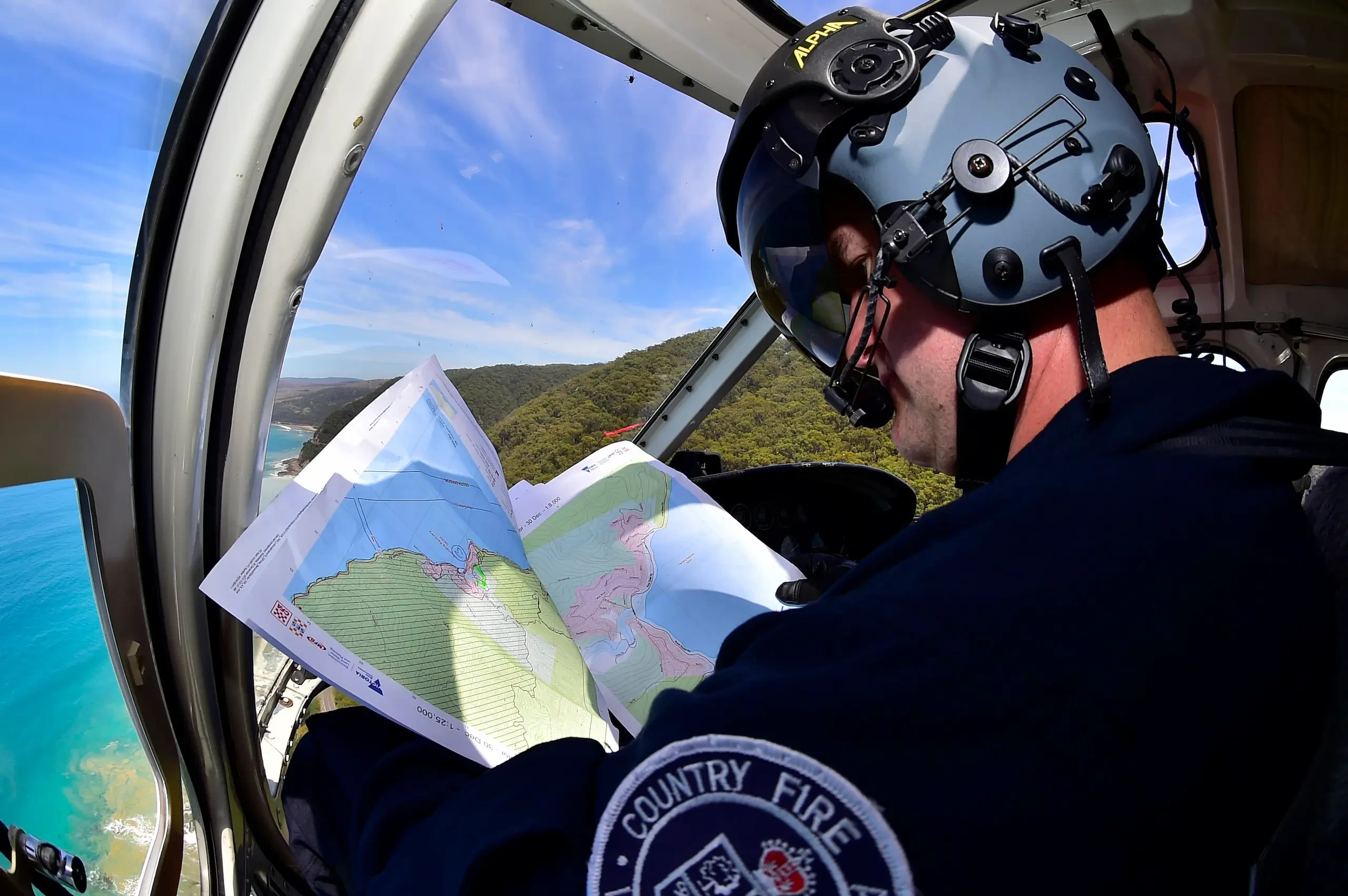
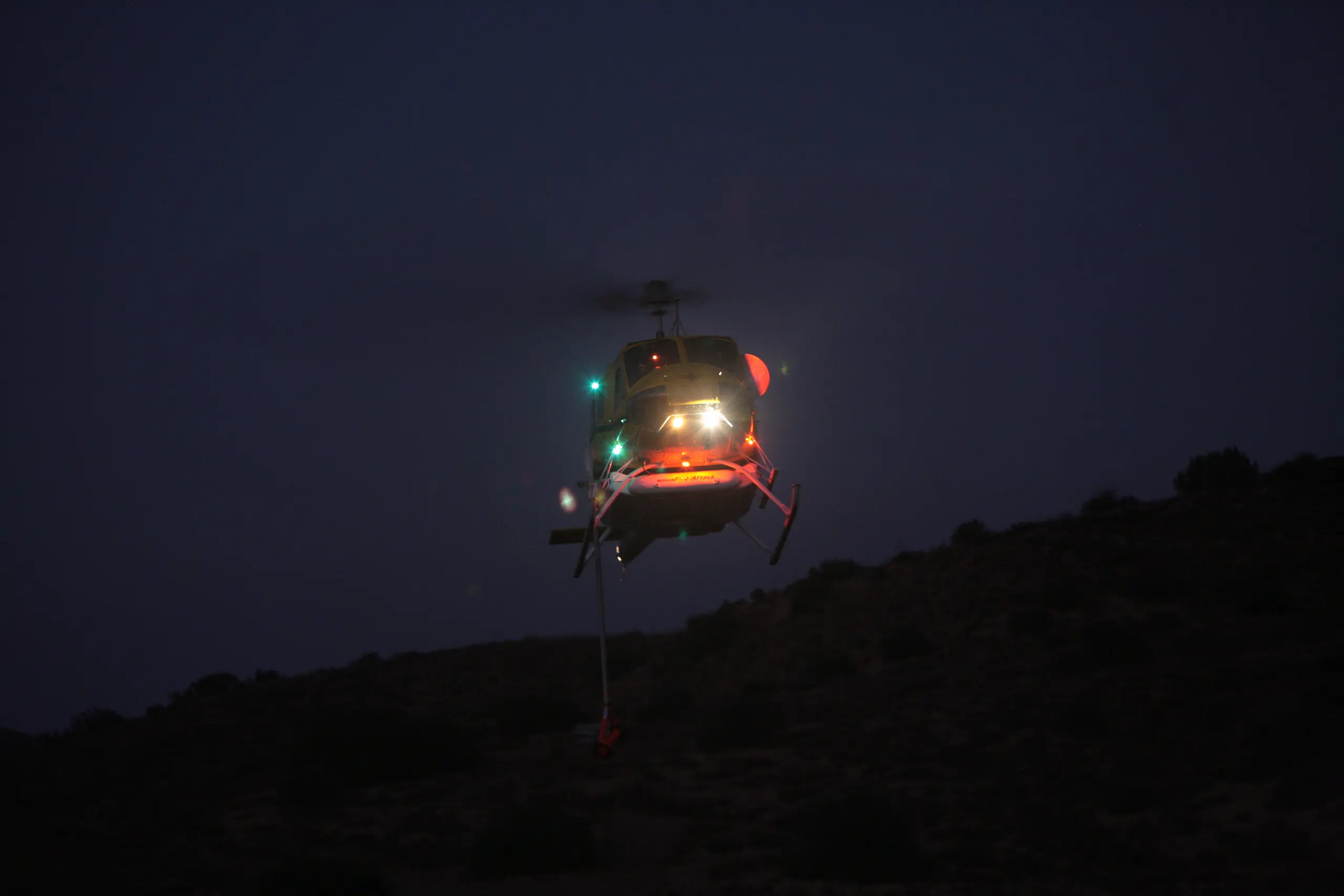
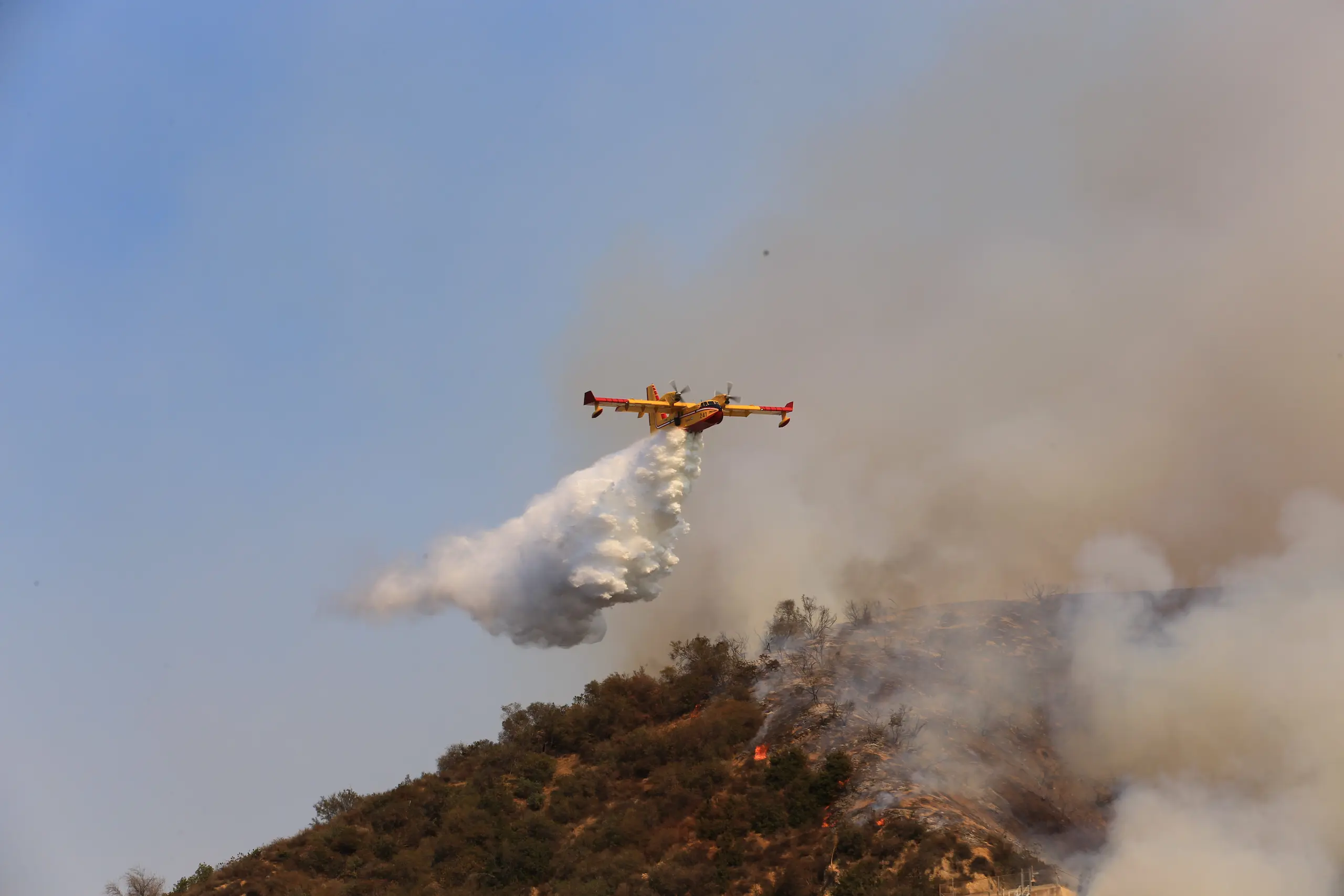
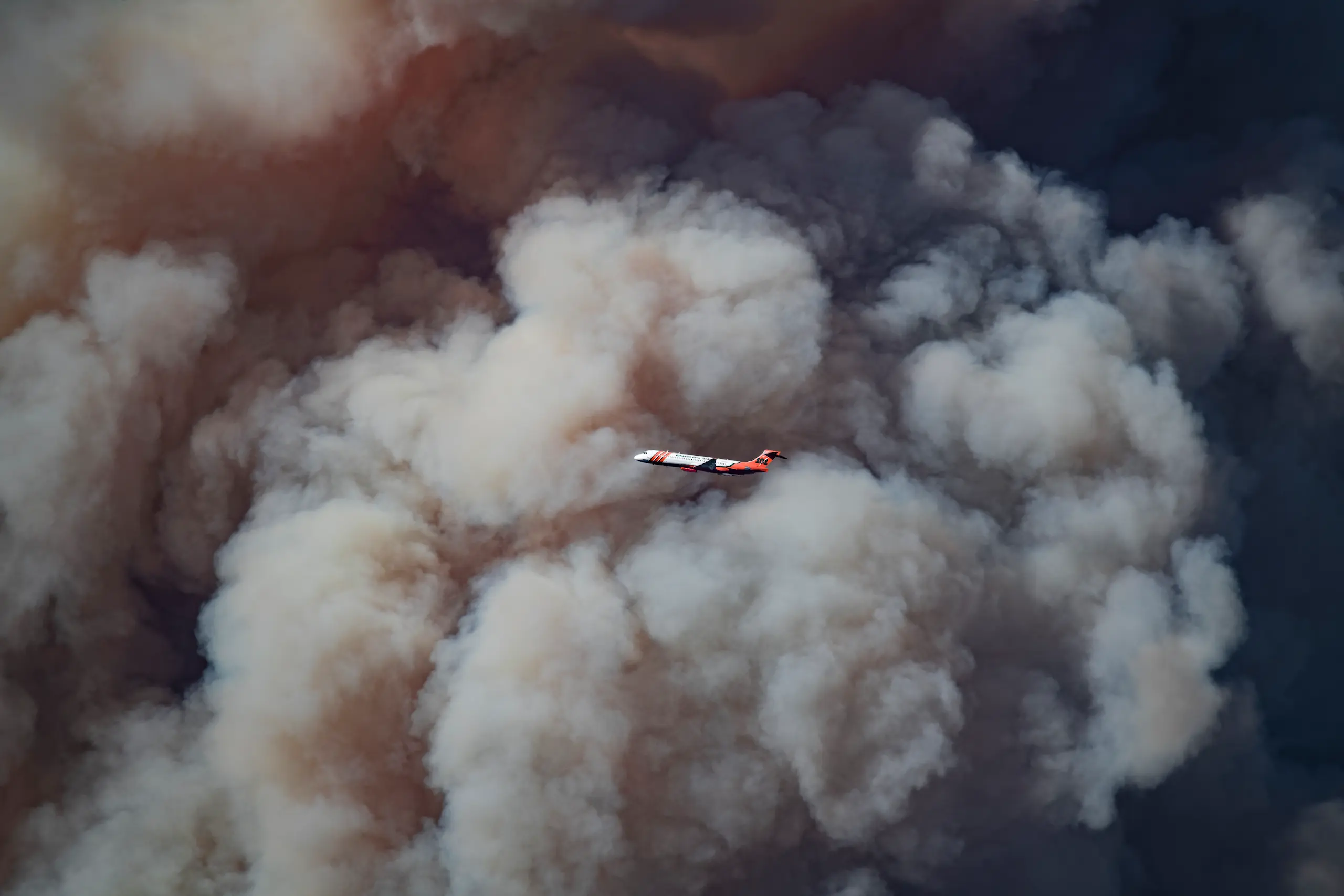
Aerial firefighting is without doubt second only to military combat operations with respect to operating in austere, dynamic, and high threat flight and operational environments. Aerial firefighting can be, and is, extremely hazardous and risky. If you have flown in the forestry fire environment, you know. If you have not, you can imagine and have seen print and digital media replete with images of air tankers cutting through dense smoke just above burning tree tops, helitankers dropping water over torching trees along high tension wires to save nearby homes, and Helitack helicopters delivering firefighters to confined ridge lines and then conducting bucket support drops. There is no shortage of breaking fire news, aviation and fire publications, online aviation blogs or social media showcasing the latest airtankers, helitankers, helicopters, mission equipment, logistical support, or stories depicting the agencies and vendors whom fight the fires. Being wakeful, alert, and physiologically ready is imperative to safe and effective operations in this intense, dangerous, and dynamic flight and operational environment.
When fires are burning do pilots get tired in this environment? How critical is fatigue on the flight fire line? What are the general crew rests standards which offer protections and mitigations against fatigue and are they appropriate and effective? How often are these questions visited seriously beyond daily incident aviation risk assessment (which are seldom used), an occasional bulletin, or brought up during a morning brief when asked how many days a pilot has worked? When the fire is raging with homes, lives, and billable hours on the line?
Air Attack magazine wants to help the international and U.S helicopter safety efforts by discussing human factor and safety issues. In this and the next two editions we will be featuring human factors discussions in aerial firefighting to engage the community to elevate awareness across the aviation niche industry. This month we start with a part one which will focus on the U.S. helicopter forestry fire (HFF) industry and look at current pilot duty and rest standards, review accident data and related research, and introduce some questions and topics which should warrant further industry and agency discussion. Moreover, we must concurrently be willing to ask if there are attitudes, expectations, and stereotypes present in the aerial firefighting community which can be barriers to honest assessment and discussion. Do the well-known and documented dangerous pilot attitudes in aviation apply only to fire pilots whom have a financial and heroic motivation to drop the wet stuff on the red stuff?
U.S. Aerial Firefighting Crew Duty Standards
What if I told you U.S aerial firefighting crew duty and rest standards are taken from commuter and on-demand airline policies? Well, I am telling you this is true. U.S. federal and state forestry aerial firefighting agencies generally accept and adopt (whether they know it or not) 14 CFR 135.267 Federal Aviation Regulations (FARs) commuter airline operations crew endurance standards (duty, rest, and flight hour limitations) for airplane and helicopter pilots engaged in aerial firefighting (Veillette, 1999, IHOG, 2016)? During the evolution and expansion of aerial firefighting operations and policy development in the last half of the 20th century one of the available crew duty standards in the FARs (Part 135) was simply adopted into aerial firefighting and by the 1990’s they had become the foundation to U.S. crew duty standards for the DOI and USFS. State agencies generally accept (sometimes restrict farther) the federal agencies’ policies published through the IHOG in order to maintain agency interoperability.
Let’s now look at what these standards are and at what they mean. The DOI, USFS, and most state agencies aviation firefighting crew duty day
general standards which are adopted from FAR 135.267 are: limits duty to 14-hours of duty with 10-hours of rest within a 24-hour period; no
more than 8-hours max flight time (reduced to 7 for California’s CAL FIRE) in a day; and cumulative work day limitations requiring 2-days
off in a 14-day period (Part 135 wording is 13-days off in three month period) (IHOG, 2016. Form HCM-12). The agency policies provide
cumulative flight time limitations over periods for aerial fire pilots which are also tied the FAR 135 cumulative hour limits, but our focus
for this talk will be on extended shift work and fatigue in helicopter pilots.
Let’s ask some questions. What is the reality of these policies on the fire lines? The reality is fire pilots can and frequently do work 12-days straight, often while chasing hot fires and in transient field and hotel conditions. Are the commuter airline flight, operational, and living environments similar enough to air tanker operations? What are the conditions and readiness posture of air tanker pilots versus helicopter pilots, especially for the contract vendors chasing fires? The same as helitanker and helitack operations? Aside from a few minor similarities, the answer is unequivocally - NO. The operational and flight environments are very dissimilar.
Back to our underlying question, are crew endurance policies appropriate and effective?
The question really becomes rhetorical. Those pilots for whom it did not work really do not have a voice, and therefore the answer is, - yes- it works, mostly. As with most rules in aviation, FAR Part 135 crew endurance standards are derived from the accidents, history, and studies related to the airline industry. Whether you are a pilot or not, the fact aerial firefighting standards are based on commuter and on-demand airline regulations should raise several questions regarding how well they work and whether we could do better.
The argument that the current rules and policies are fine are based on anecdotal comments, agency self-reported safety records, or just not seeing a need for change. The U.S. fire industry may be known for resistance to change, so who is the advocate? Let’s find one – research and data. To continue to tackle the problem it becomes necessary to determine what the safety record is, to analyze the fire aviation environment, to probe the question whether aviation accidents are effectively tracked and reported in U.S. public aircraft operations (forestry), and to determine again if FAR Part 135 crew endurance rules are appropriate as foundational policy for fixed and rotor wing aerial firefighting in the U.S..
Helicopter Accidents in the Forestry Fire Industry
As man first learned to operate equipment, drive vehicles, and fly, human (pilot) errors have been the leading cause of accidents in multi-modal transportation systems of the world. Let’s start big picture concerning leading causes of accidents. A National Aeronautics and Space Administration (NASA) (1989) report found 80–85% of the general aviation accidents in relation to “pilot error” (Rogers, Logan, & Boley, 1989). A study conducted by Federal Aviation Administration (FAA) in 2000 reported 70–80% of all civilian and military accidents were related to human error (Shappell & Wiegmann, 2000). In 2014, the FAA again reported seven of the ten top accident causes as human error or related to human error (FAA, 2014). A current search on the internet will reveal the reality - pilot error has been, and will continue to be, the primary cause of aviation accidents and fatalities. This fact is not new to aviation, to the fire line, or to many industries, but restating it is necessary as we look at the prevalent contributing factor to pilot error.
A significant amount of scholarly and scientific literature on pilot error studies confirm fatigue as one of the largest contributing or causal factors of pilot error. National Transprotation Board (NTSB), FAA, and other studies substantiate 77–85% of aviation accidents are attributable to human errors, with over twenty 20% of those being fatigue related (Marcus & Rosekind, 2016; NTSB, 2015; Moore, 2012; Rogers, Logan, & Boley, 1989). NASA states over 21% of all accidents attributable to fatigue as a causal factor to human errror (Lyman & Orlady, 1980). Rosekind et al. (2000) found 85% of the participants in a study on commercial/executive operations believed fatigue to be a moderate or serious safety issue. A 2008 Department of Interior (DOI) U.S. Forest Service (USFS) Interagency Safety Alert cited 80% of accidents were related to human error, with fatigue cited as a critical factor. For the sake of argument and to establish a shared terminology foundation, let’s select a definition for fatigue: the time-dependent summation of internal and external influences, which adversely affects human performance irrespective of any subjective awareness, either of the influences or of the impairment (Bonger et al., 1990). Expanding further, a 2010 FAA Advisory Circular 120–100 states:
‘Fatigue associated with aviation operations is a risk factor for occupational safety, performance effectiveness, and personal wellbeing. The multiple flight legs, long duty hours, limited time off, early report times, less-than-optimal sleeping conditions, rotating and non-standard work shifts, and jet lag pose significant challenges for the basic biological capabilities of pilots, crewmembers and shift workers. Humans simply are not designed to operate effectively under the pressured 24/7 schedules that often define aviation operations, whether the operations are short-haul commercial flights, long-range transoceanic operations, or around-the-clock and shift work operations. (p. 3)’
How much do the descriptions above sound like actual conditions in forestry fire aviation operations, especially those encountered at remote helibases (we will look at these conditions later)? I would claim strikingly similar.
Thus far we walked through where the current U.S. crew endurance policies come from to establish the big picture, we refreshed on pilot error and fatigue as leading cause to have a basis for comparing and contrasting, and now we will walk through U.S helicopter accidents in hopes to reveal meaningful information about the HFF industry.
Helicopter Forestry Firefighting Accidents.
A global look at helicopter accidents from January 2000 to December 2013 showed there were a total of 2,812 international helicopter accidents, including 2,404 in the U.S. Of the 2,404 U.S. accidents, 380 accidents resulted in at least one fatality. Over this period, 23% of international and 16% of U.S. helicopter accidents resulted in at least one fatality (NTSB, 2015). Demostrating potential helicopter accidents from 1983 to 2012, there were 148 U.S. helicopter accidents (fatal and non-fatal) on average annually (NTSB data as of 8/1/2012). Simply stated, helicopter accidents frequently happen. This is nothing new and an issue international and U.S. helicopter associations and safety teams have been addressing over the past twenty plus years. Unfortunately, one cannot go the NTSB, FAA, or any other database on U.S. public aircraft fire operations to find HFF accidents to get and idea.
Let’s look at the largest U.S. fire aviation operator to see what can be found. For a ten-year period ending 2007 the DOI/USFS reported a helicopter accident rate of 6.97 accidents per 100,000 hours flown (DOI, 2007). Many DOI annual safety reports actually combine fixed wing and helicopter accident rates, so getting a conscise number is difficult following 2007. A 2012 DOI report stated a hsitorical 38-year helicopter accident rate of 7.92 per. During these periods there are no individual state agency accident data readily available. Finding good national level data is difficult. From the limited reports available an estimate for HFF accidents over the past twenty years is hovering at or above 7 per 100,000 hours.
Complicating the accident information problem one should understand federal and state agencies mostly use their own definitions of accidents, incidents, and use different safety management and database systems. So how can we compare NTSB/FAA industry apples to fire agency industry oranges? It is not easy. NTSB typically does not collect or investigate public aircraft fire aviation accidents unless there is a fatality or public pressure to do so. The FAA did not categorize “aerial firefighting” operations accidents until 2007 and those reports only include agency data if they elect to self-report (what would be the motivation?). The disparate and decentralized reporting system under public aircraft use operations leads to potentially poor collection, reporting, and analytical value of reports and data. Therefore the available HFF accident rate information should be under suspicion the numbers are under-reported (Butler et al., 2015; Viellette, 1999; Bushey, 1997). Fire agencies typically do not use the same accident root cause analysis framework the NTSB and FAA does. Even more, agencies typically to not report accidents of contract aircraft which are under the operational control of another agency at the time of accident. Instead of being able to readily query aviation accident data such as can be found internationally and nationally, the fire aviation industry must rely on studies.
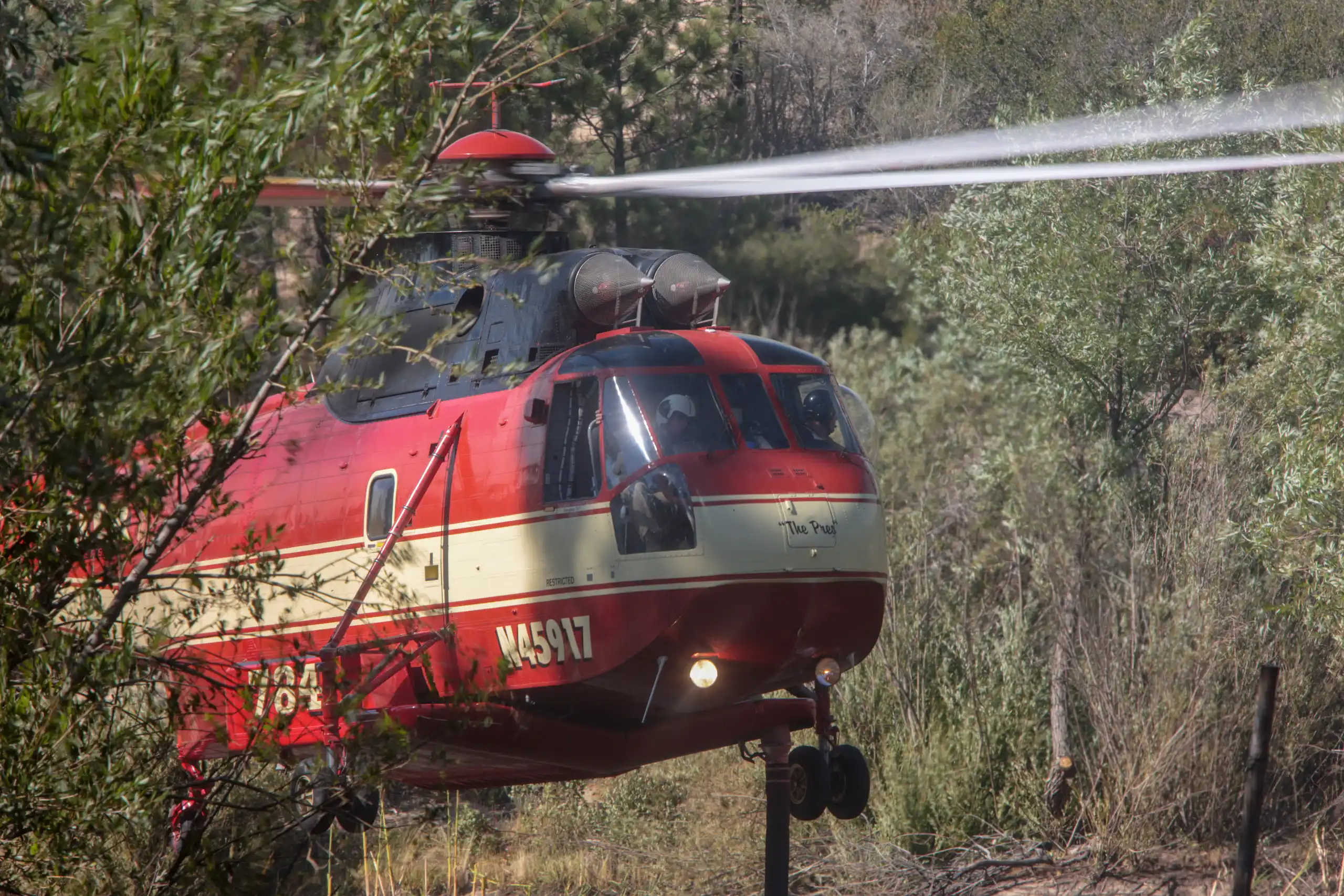
Such studies requires a person or team to collect and open accidents reports of several agencies in hopes there is a complete accident report using current aviation accident investigation and standards. Since HFF operations mostly fall under public aircraft operations there are not many proponents for collecting and completing such a look and the public most likely will not demand one without a catastrophic accident. However, one such study exists. A study by Dr Patrick Veillette and published by the Flight Safety Foundation collected HFF accident data from 1961–1998 from several U.S. agencies. The study, though old now, alarmingly reported one of highest accident rates in the aviation history at an average of 26.9 accidents per 100,000 hours of flight (Veillette, 1999). Even more than the high accident rate, the study revealed even more alarming findings on fatigue. In addition to the high accident rate, Viellette analyzed 97 state and federal HFF accidents which took place between 1974 and 1998 (accidents prior to 1974 excluded due to inadequate accident report detail). Viellette made the following salient points central to this article topic: human error was the chief accident cause of all non-mechanical accidents; pilots (still alive) cited fatigue as a factor in 11 (11%) of the 97 accidents, and evidence showed fatigue factors appeared in 20 (21%) of the accidents, all fatigue-related accidents occurred between the hours of 1500–1900; all 11 fatigue-related accidents took place on or after the seventh day of duty, and no accidents occurred on the first few days after return of a pilot from two days of rest.
Viellette’s findings suggest performance reduction and appearance of increased pilot error risk due to fatigue on or after seven consecutive days of duty. This finding is further supported by the fact none of the accidents happened when pilots returned from two days off and not before working seven straight days. Again, it is normal and acceptable for pilots to work up 12-days straight without a day off in the forestry fire industry. A more recent 2015 study of 19 federal fatal HFF accidents 2000 to 2013 found 11 of the 19 (59%) fatal helicopter accidents were human/pilot error related (Butler, O'Connor, & Lincoln, 2015).
The limited information on the HFF accident provides historical and recent evidence that HFF operational accidents typically occur twice that of general aviation and other helicopter operations for similar periods, excluding a few bad years in the Helicopter Emergency Medical Services (HEMS) industry. The high number of HFF accidents are underpinned with human error and fatigue as a contributing or causal factor, highlighting the need to understand HFF pilot performance issues. Furthermore, the few studies which exist on HFF operations support fatigue and crew rest/endurance is a significant issue in HFF operations especially on extended shift work. Without more recent or detailed intervening data and studies there is no reason to believe the fatigue issue has changed significantly, especially when one considers the same endurance policies that where in place during the Viellette and Butler studies are in place today. Some risk mitigation progress has been made as aviation departments within respective fire agencies have professionalized and adopted risk and aviation operations management models from the commercial aviation industries, but the fire and operational environment impacting fire pilots is still the same if not more dynamic and dangerous as a result of the changing fire environments. Where does your answer lay concerning question of effectiveness and appropriateness? Come back next article as we will dissect the HFF fire and operation environment to get a better understanding of the realities as well as look at related helicopter fatigue studies which can be connected to the brave and focused HFF pilots operating around the world.
References
Bushey, C. (1997). Wildland Fire and Aircraft Firefighter Fatalities in the United States. Billings: Montana Prescribed Fire Services.
Butler, C., O'Connor, M., & Lincoln, J. (2015). Aviation-Related Wildland Firefighter Fatalities — United States, 2000–2013. Morbidity and Mortality Weekly Report, 793-796.
Caldwell, J., & Caldwell, J. L. (2003). Fatigue in Aviation: A Guide to Staying Awake at the Stick. Farnham: Ashgate.
Caldwell, J., Mallis, M., Caldwell, L., Paul, M., Miller, J., & Neri, D. (2009, January). Fatigue Countermeasures in Aviation. Aviation, Space, and Environmental Medicine, pp. 29-59.
DOI Annual Aviation Safety Reports (2007-2012)
FAA. (2016). AC_90-48D Pilots Role in Obstacle Avoidance. Washington D.C.: FAA.
Gartner, W., & Murphy, M. (1976). Pilot Workload and Fatige: A Critical Survey of Concepts and Assessment Techniques. Moffett Field: NASA Ames Research Center.
Iseler, L., & De Maio, J. (1996). Analysis of US Civil Rotorcraft Accidents from 1990 to 1996. Moffett Field: NASA Ames Research Center.
Krueger, G. P. (1989). Sustained work, fatigue, sleep loss and performance: A review of the issues. Work & Stress: An International Journal of Work, Health & Organisations , 129-141.
Lyman, E., & Orlady, H. (1980). Fatigue and Associaoted Performance Decrements in Air Transporation. Mountain View: NASA Ames Research Center.
Marcus, J., & Rosekind, M. (2016, February 29). Fatigue in transportation: NTSB investigations and safety recommendations. Injury Prevention, pp. 232-238.
Moore, K. (2012, October 11). Pilot fatigue 'one of the biggest threats to air safety. Retrieved from BBC: https://www.bbc.com/news/health-19837178
NASA. (1998). The Final Report of The Helictoper Accident Analysis Team. Washington D.C.: NASA.
NTSB. (2015, October 5). Aviation Accident Database & Synopses. Retrieved from National Transporation and Safety Board: http://www.ntsb.gov/
Rogers, W., Logan, A., & Boley, G. (1989). Classification and Reduction of Pilot Error. Hampton: NASA.
Shappell, S., & Wiegmann, D. (2000). The Human Factors Analysis and Classification System-HFACS. Washington DC: Federal Aviation Adminstration.
USFS. (2011). Aviation Risk Management Workbook. USFS.
Veillette, P. (1999). External Loads, Powerplant Problems And Obstacles Challenge Pilots During Aerial Fire Fighting Operations. Alexandria: Flight Safety Foundation..
Wilson, G., Caldwell, J., & Russell, C. (2007). Performance and Psychophysiologigal measures of Fatigue Effects on Aviation Related Tasks of Varying Difficulty . International Journal of Aviation Psychology, 219-247.