 HOME
HOME




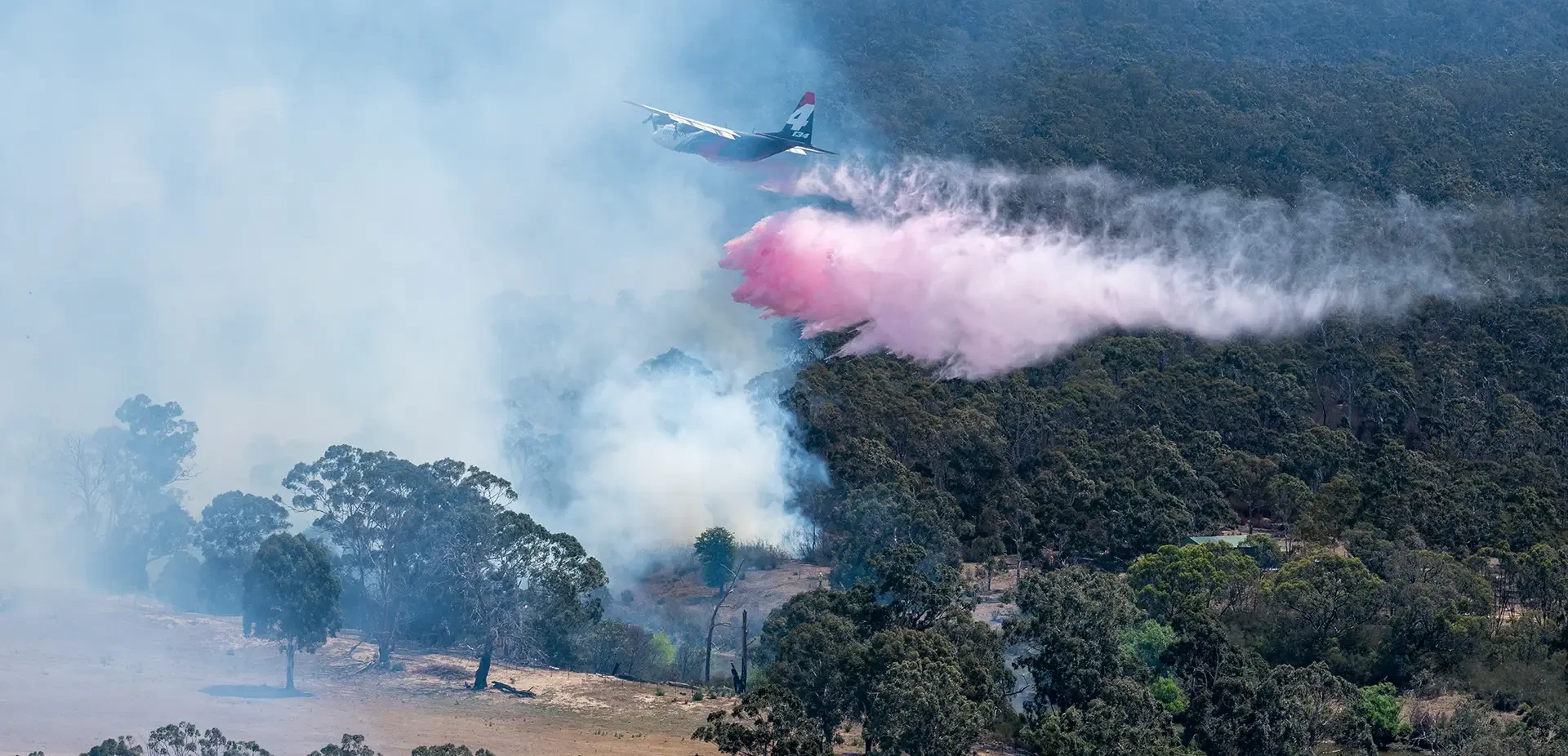
In January 2020, a Coulson Aviation Lockheed EC-130Q crashed in hilly country located in New South Wales, fatally injuring its three
crew. The Australian Transport Safety Bureau (ATSB) released a report into the accident over two years later, in August 2022. In this final
part, Mark Ogden reviews the accident report to see what lessons can be learned by the forest fire fighting community that is so reliant on
aviation support.
Safety Management
The ATSB report identified that Coulson Aviation had instituted a Safety Management System (SMS) in 2013 although there was no regulatory requirement for one – although contracts, such as those with the United States Forest Service (USFS) required such systems. The report highlighted that in reviewing the operator’s relatively recent occurrence reporting, some 60% of the reports related to maintenance issues and only 9% were associated with operational matters. During the investigation, several of the operator’s crew provided the ATSB with accounts of previous windshear encounters. According to the ATSB report, these encounters were not recorded in SMS, nor were any other weather-related incidents found in the reports provided to the ATSB. “At interview, one pilot reported that the online SMS program was used for issues that were considered applicable across the company. Issues that could be resolved within the small group of fixed-wing pilots, or could be taken directly to the chief pilot, noting they spoke on a daily basis, would not necessarily be included in the system.”
The ATSB also reviewed the daily SMS call notes from 2018 to 2020. “While limited in detail,
the topics most frequently discussed were maintenance issues. In the days preceding the accident, the hot and severe weather conditions were noted. These were the only occasions where the weather conditions were noted in the calls. In response to the draft report, the operator advised that they considered the incident reporting numbers discussed above were mitigated by the daily SMS calls’ impact on flight risk awareness.”
The role of the NSW Rural Fire Service
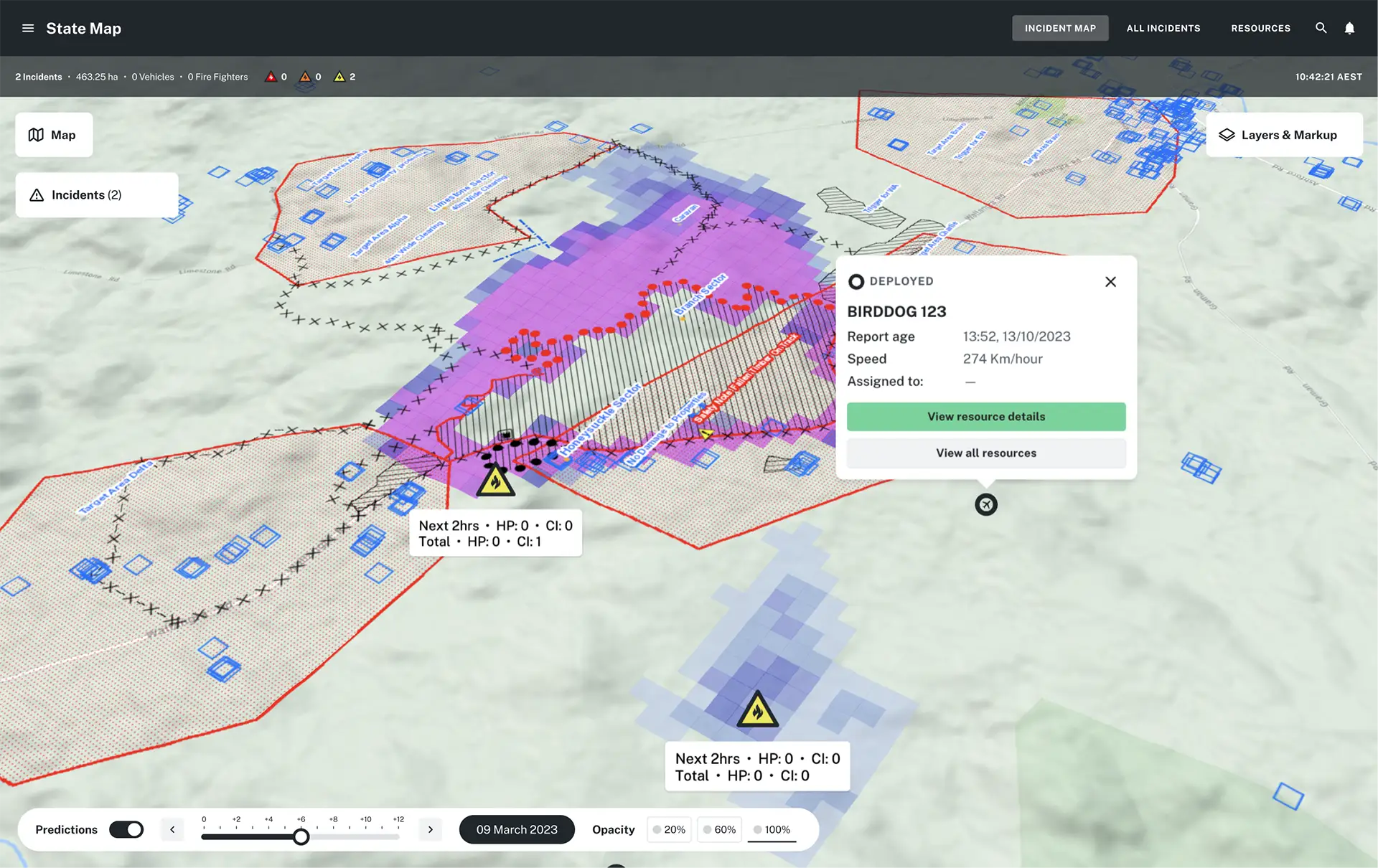
The ATSB also reviewed the role of the client, in this case, the New South Wales Rural Fire Service. The NSW RFS had a suite of documents related to operating aircraft in the firefighting environment but had little aviation expertise in the team who, “may have had a limited understanding of the operational capabilities and constraints for the varied aircraft used.” The documents did however note, “it is essential that all personnel seek specialist advice when planning or conducting air operations” and that, “any agency members, contractors or air crew may decline to carry out tasks for which they are unfamiliar, unprepared or consider unsafe.”
The report highlighted that the RFS had ample opportunities and information available to indicate the conditions may not be suitable for aerial operations including pilots of smaller aircraft reporting wind velocities of 52kts and limited visibility. As the report noted, “a senior
NSW Rural Fire Service (RFS) officer indicated that they should send B137 [tanker] rather than wait for a birddog assessment. That is, they
elected to send the LATs as initial attack to determine if they could work the fire-ground, rather than wait for an assessment prior to
re-starting aerial operations.” “Following this, the State Operations Centre tasked two large air tankers (LATs), and subsequently the
birddog, from Richmond to Adaminaby knowing the conditions were marginal, and that the LATs would arrive prior to the birddog.”
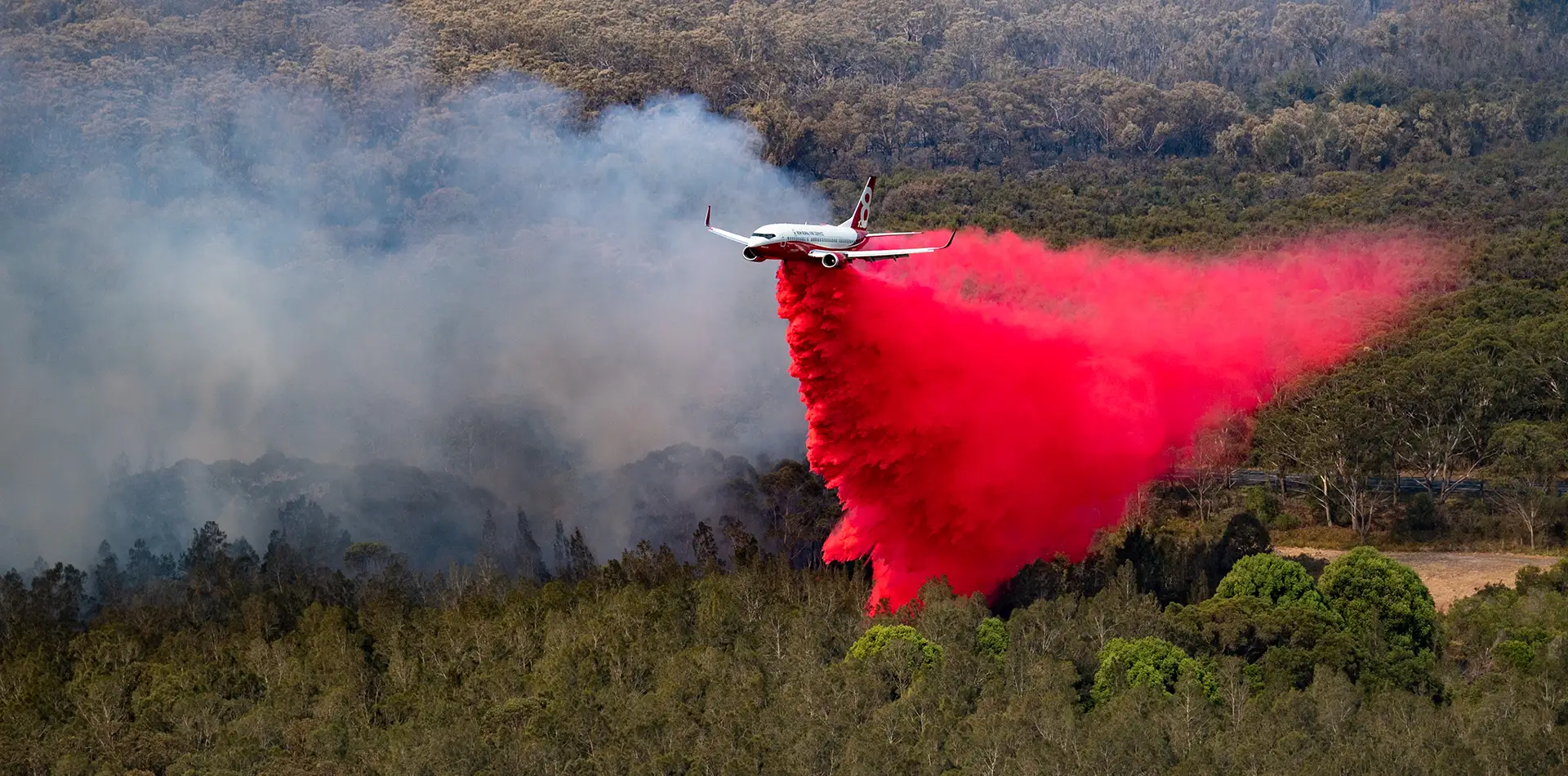
Later, following the drop at Adaminaby, the PIC of B137 reportedly advised the RFS Cooma aviation radio operator to cancel all aircraft operating in the area and indicated to the Air Base Manager (ABM) that they would not be returning due to the weather. While the crew of B134 (accident aircraft) had already been tasked and were en route to Adaminaby, according to the ATSB, this was another opportunity for the RFS to reassess the suitability of the tasking. The RFS, having received information that further operations in the Adaminaby area were unsuitable for LAT operations, did not communicate this information to the local area aviation radio operator or B134. The RFS noted that, while the State Operations Controller was aware of these rejections, they elected to allow B134 to continue, for further intelligence gathering purposes.
The ATSB noted that in this case, the RFS did not provide the crew with a full awareness of the situation, with no knowledge of the birddog pilot rejection or that the smaller fire-control aircraft were no longer flying. In addition, while B134 had been in contact with B137 and received advice on the conditions, this was unknown to the RFS at the time. While some in the RFS considered it unlikely that the LATs would be able to achieve the planned objectives due to the weather conditions, they continued with the tasking, relying on the crews to independently assess the conditions and cancel the tasking while airborne, effectively leaving the responsibility of safety to the crew in this instance who were not managing the overall campaign. The ATSB noted that when a high-level decision was made to proceed despite known elevated risk factors, providing information on those risks to the crews would have allowed the crews to make more informed decisions.
The report, in its analysis summarised, “When B134 was en route to Adaminaby, the PIC of B137 (returning to Richmond) discussed the actual
conditions with the PIC of B134, and advised they were not returning. Although B134 continued to Adaminaby, the crew discontinued the task
once there as they had experienced similar conditions. Despite this, knowing the decision made by the PIC of B137 and the forecast
conditions for the area, the crew of B134 accepted the alternate tasking to the nearby Good Good fire-ground, consistent with company
practice. Circuits were conducted at Good Good, as per the standard retardant drop planning, to identify the asset for protection and the
suitability for a drop. While the details of the assessment were unknown, the crew elected to continue with the retardant drop. Ultimately,
the decisions to accept the initial and alternate tasking, and proceed with the retardant drop by the crew exposed the aircraft to a
situation where it experienced degraded performance following the drop.”
The report examines many more aspects of the accident, and the reader is encouraged to download and read the report in its entirety. This
analysis however is intended to provide the reader with some thoughts. It should made clear that there is no intent of criticizing any of
the parties involved but to ensure the learning points are identified.
The ATSB hit most of the points
The ATSB report provides a convincing record of what happened and at the operational level, why it happened although it lacked a deeper dive into what really caused this accident. The findings commented on the performance of the NSW RFS and the Operator. Yes, it is a classic accident where all the holes in the Swiss Cheese lined up – the report identified everything from what may be considered poor tasking, to operator limitations and of course the weather. It highlighted how a lack of thorough documented procedures allowed interpretations to be made by many and ultimately undermined decision making.
Arguably, given the limitations on operating the aircraft in severe turbulence, the aircraft should never have been there.
Yet there seems to be one factor not investigated and may be the root cause in this accident. Culture…
What is culture?
Culture is broad subject and sociologists in part, define the non-material aspects of culture as the values and beliefs, language, communication, and practices that are shared in common by a group of people. Culture is made up of our knowledge, common sense, assumptions, and expectations. It is also the rules, norms, laws, and morals that govern society; the words we use as well as how we speak and write them; and the symbols we use to express meaning, ideas, and concepts.
Essentially culture is a group’s shared values and beliefs, language, communication, and practices. Then there is Safety Culture, which can be defined as a combination of the beliefs, perceptions and attitudes that are shared in relation to risks within an organization. So, what has this to do with the accident?
Culture Not Explored
The report did not explore the role of culture within the operator, the RFS or within the aerial firefighting community or the potential impact of culture on the decision making by all those involved. The integrity of an SMS, for example, relies on the open and full reporting, and recording of all occurrences to ensure that all lessons are learned, and any changes needed are identified and implemented.
We talk about SMS for the operator but is there room for a similar system within the firefighting agencies. Proactive tools such as Flight Operations Quality Assurance (FOQA) or other flight data analysis tools are used by many operators – should such tools be used in aerial firefighting to assess any trends in the performance of crews or aircraft?
There is also the question of how the culture of the client impacts on the culture of the operator and its crews. Also, how much culture is
imported – such as those coming from a military background where often, the mission is paramount. Does that same sort of culture of mission
priority influence the decision making of the tasking agencies? If the decision is that the mission comes first culture is what is needed,
then it would be only natural that the result could be more accidents.
Similarly, a pure safety culture may not be appropriate, after all, the aerial firefighting environment is not conducive to risk free
operations and there is a purpose to the task – to save lives, property and the environment. What also should be understood is the risk
appetite of those involved. Pilots can have higher risk appetites than the operator who may have a lower risk appetite than the client.
It really isn’t known what the role of culture was in this accident, if at all, but based on the information in the report, there are a variety of inferences that could be drawn. For example, Cultural aspects probably should have been an area explored by the ATSB to fully understand the accident causation and maximize the industry’s learning opportunities.
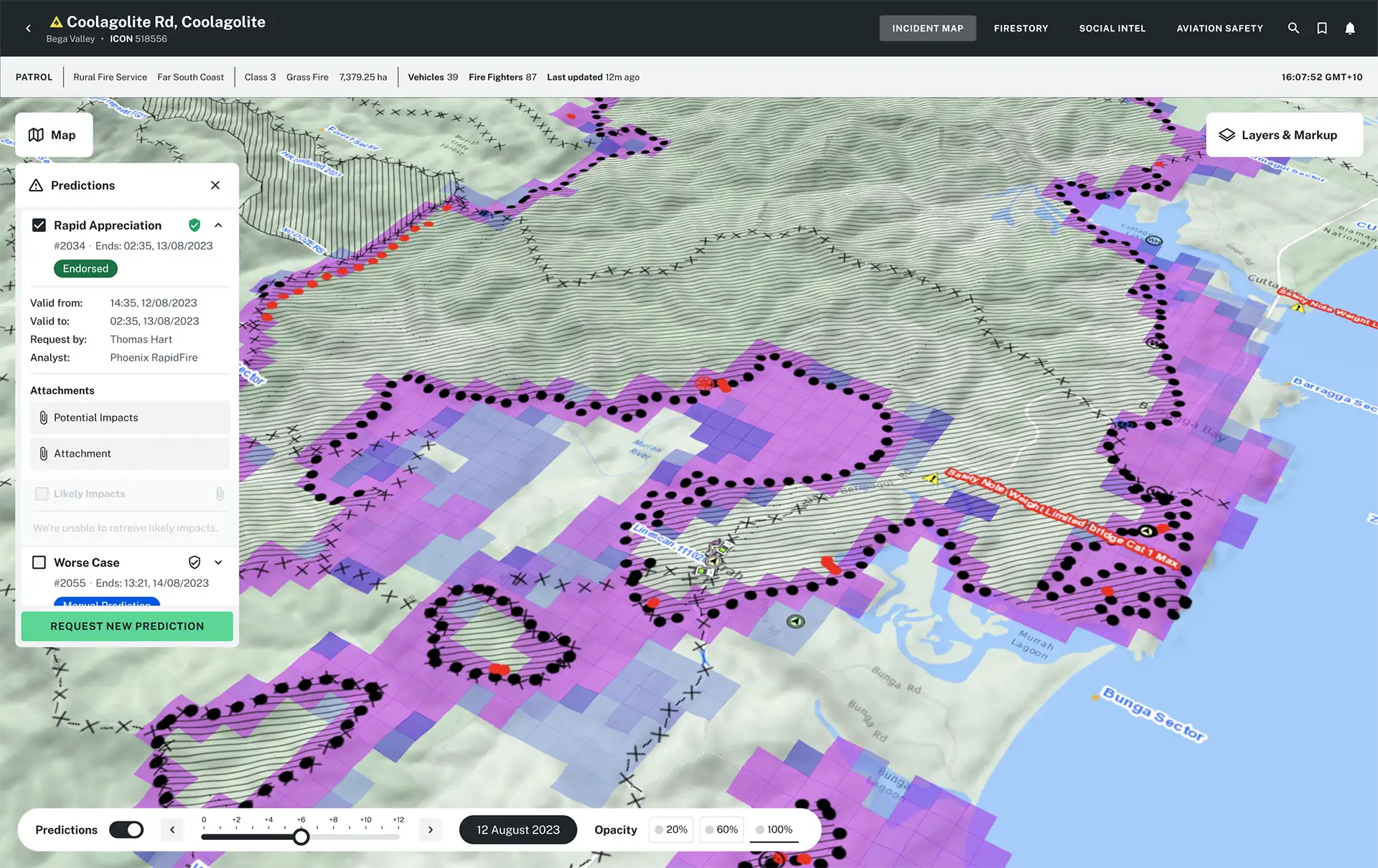
In any case, the RFS certainly took the accident report onboard, introducing a system called ‘Athena’. The detail of Athena was discussed in a feature in Air Attack Issue 32. Overall, Athena greatly improves everyone’s situational awareness of nearly all the factors involved fighting fires at a large scale (state-wide) with an ability to narrow down to the individual fire. Aviation decision making is being incorporated with some considerations being firm ‘no go’ decisions.
Aviation is in a constant state of learning, often learning from incidents and accidents. Usually, those lessons are now more about understanding human behaviour than things mechanical. The price for those lessons is sometimes too high but we cannot afford to ignore those lessons.