 HOME
HOME




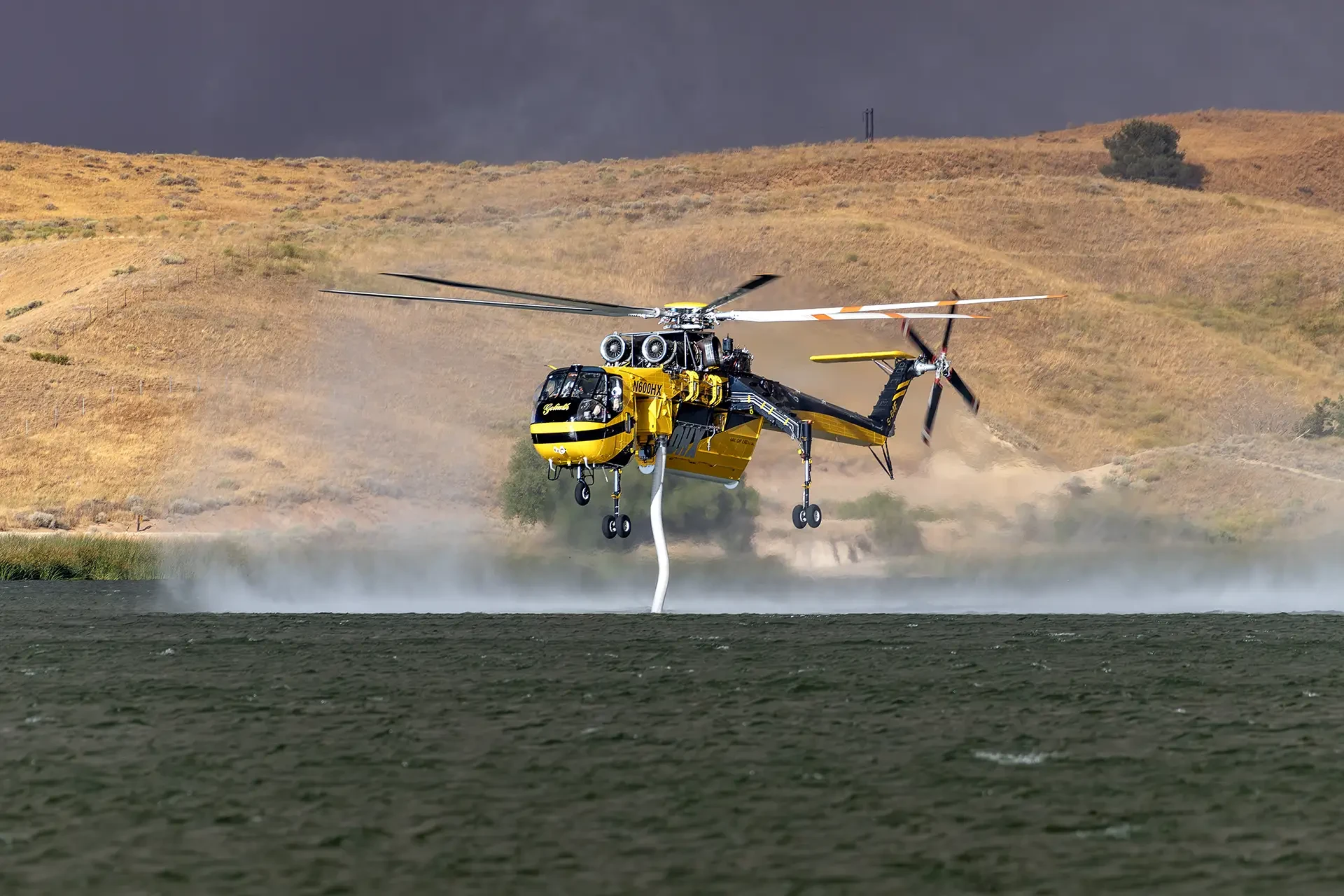
In an attempt to ensure safety and operational standards, the US Forest Service (USFS) has developed a ‘carding’ process. Dan Sweet explains what ‘carding’ is and how it works using one company’s experiences as an example.
Wildfires have become a year-round challenge in the United States, and with that comes the critical need for aerial firefighting resources. Behind the scenes of every water drop or fire suppression mission is the U.S. Forest Service’s (USFS) carding process—a rigorous inspection system designed to ensure aircraft, equipment, and personnel meet the highest standards. Known officially as the “Pre-Use Inspection of Equipment and Personnel,” this process is colloquially referred to as "carding" and plays an indispensable role in firefighting operations.
The carding process is mandatory for each contracted aircraft, the men and women who fly, maintain, or support the contract, and major support equipment like fuel trucks.
But what exactly is carding? How does it impact the firefighting industry, and how do aerial firefighting companies like Helicopter Express
navigate these inspections while expanding their operations? We delve into the details of the carding program, its objectives, and the
experiences of Helicopter Express—a growing player in the aerial firefighting world.
What is the Carding Program?
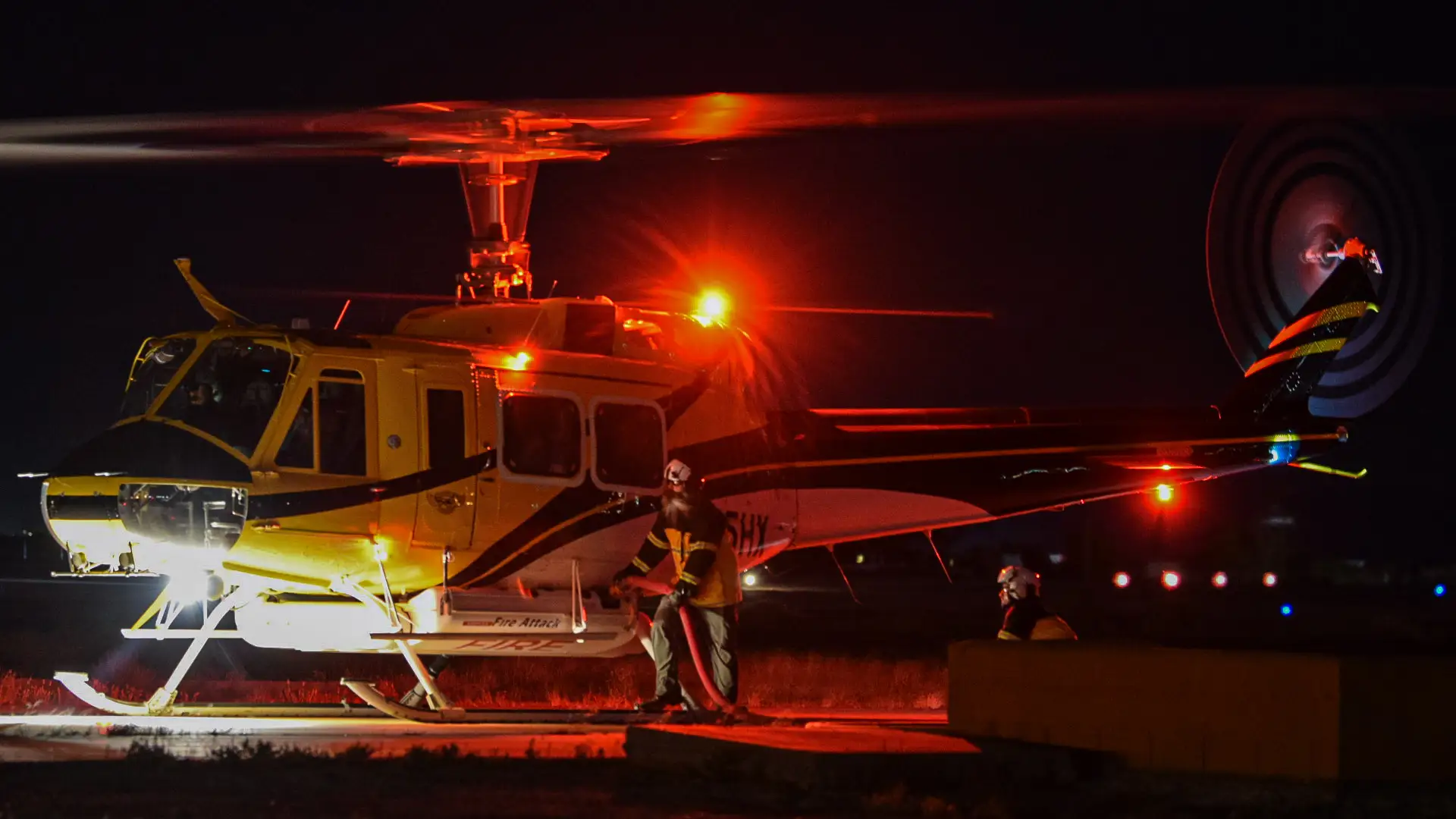
At its core, the carding process ensures that aircraft, ground equipment, and personnel meet contractual and safety standards before they are deployed for firefighting missions. John A. Nelson, Airworthiness Branch Chief, USFS Fire and Aviation Management, explained that the term “carding” comes from the physical card issued to contractors once their equipment and personnel are deemed compliant. “The process validates that the aircraft, equipment, and personnel are contractually compliant and mission-ready,” Nelson states.
This process is not just about fulfilling contracts; it’s about safety. According to the USFS, carding inspections encompass aircraft
condition, required special equipment, and personnel training. “Our oversight responsibilities and duty of care mean we must ensure those
performing these missions are operating safely and effectively,” the spokesman emphasized.
Steps in the Carding Process
The carding process begins with contractors submitting detailed documentation about their aircraft, equipment, and personnel. This
documentation is reviewed before inspectors arrive on-site for a thorough in-person inspection. Depending on the complexity of the aircraft
and its mission, inspections can take anywhere from two to four hours for smaller aircraft, with more time required for larger, complex
airframes.
Discrepancies found during carding are documented and shared with the contractor, who must address them before receiving approval. The process also includes provisions for addressing issues that arise mid-season, ensuring ongoing compliance.
In recent years, the USFS has implemented initiatives to streamline carding. A shared file repository now allows contractors to upload necessary documentation in advance, reducing on-site inspection times. Additionally, regional carding events have been introduced to consolidate inspections and minimize logistical challenges for contractors.
The Largest Criticism? Delays in the Carding Process
At the 2024 Vertical Aviation International Aerial Work Safety Conference held in Boise last fall, the USFS included a section on carding during their morning briefing to operators. Rob Van Horn, USFS Aviation Safety Inspector discussed the proposed bi-coastal carding events as well as the cloud-based repository for carding documentation. Despite these plans to improve the carding process, several of the audience members at the event directed pointed questions about delays in the carding process.
The Role of Helicopter Express in Aerial Firefighting
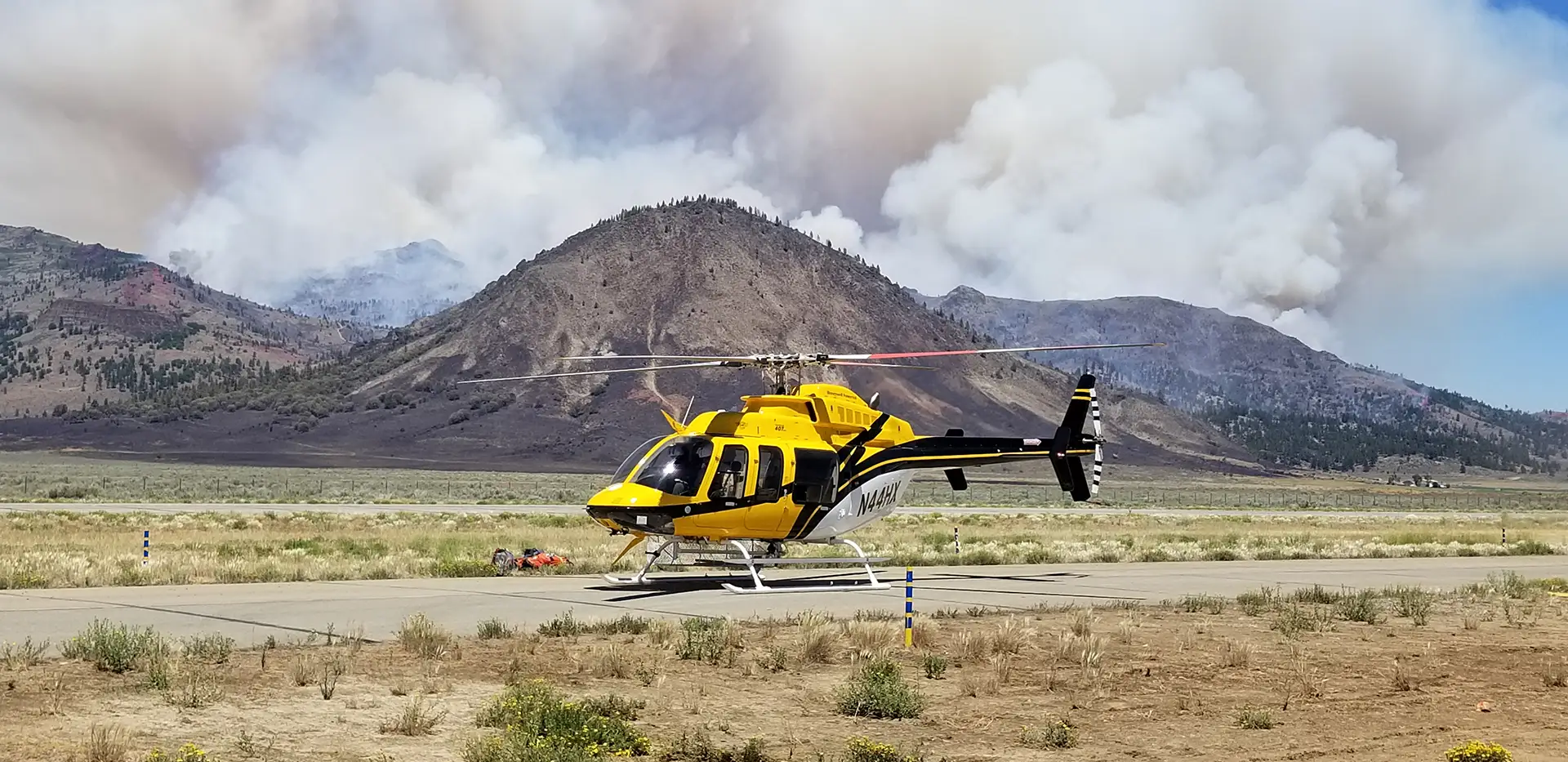
Among the companies navigating this process is Helicopter Express, a rapidly growing operator in the aerial firefighting industry. Founded in 1996, the company has expanded from operating light helicopters like the Bell 407 to a diverse fleet that now includes heavy helicopters such as the K-MAX and S-64 Skycrane.
“Our main business case has always been about providing the Forest Service with the best, most capable aircraft we can,” said Scotty Runyan, Vice President of Government Affairs at Helicopter Express. Over the past three years, the company has experienced dramatic growth, acquired additional aircraft and expanded its capabilities.
Runyan highlighted the company’s versatility as a major asset. “We’re about the only operator that handles Type 1, 2, and 3 aircraft,” he said. “We also perform every mission the USFS contracts for, from short-haul and night vision goggle missions to rappel operations and standard bucket suppression missions.”
The company started with Bell 407s, then acquired Airbus AS350-B3s and Bell 205s. The company’s first heavy helicopter was a Kaman KMAX,
which Runyon acknowledges is something of a light-heavy. Following the acquisition of the Erickson firefighting fleet and a contract with
Subaru Bell, the company’s fleet now includes the 412EXP and S-64.
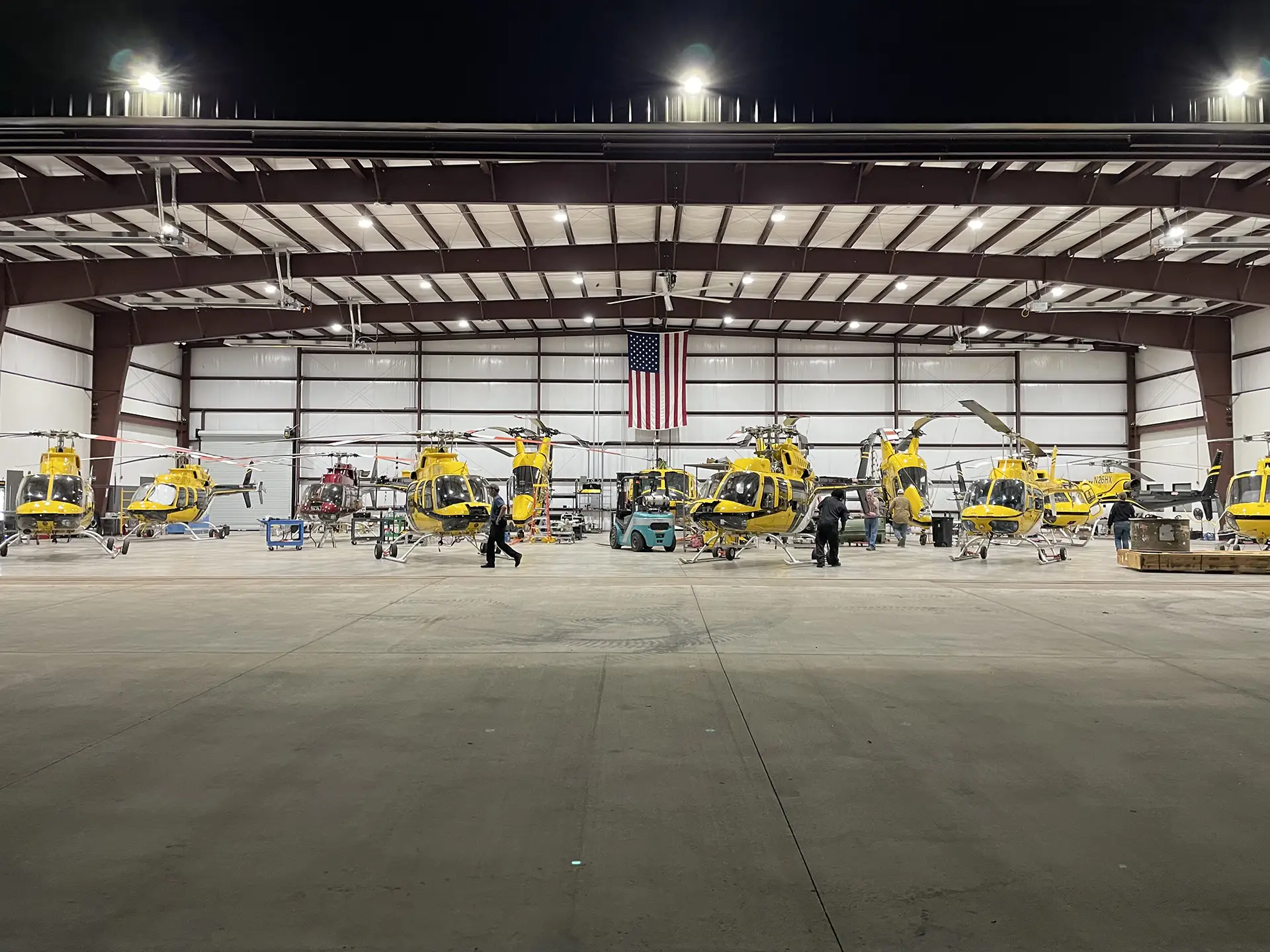
This fleet diversity enables Helicopter Express to tailor its aircraft to specific missions, ensuring efficient operations. Richie Kittrell, the company’s Chief Operating Officer, explained that having a variety of aircraft types also mitigates risks associated with fleet-wide grounding due to manufacturer issues. “If an emergency AD (Airworthiness Directive) affects one aircraft type, the rest of our fleet remains operational,” he said.
For firefighting pilots, the U.S. Forest Service requires a minimum of 1,500 hours as pilot-in-command of helicopters, though Helicopter Express generally hires pilots with at least 3,000 hours. They do, however, make exceptions for pilots with experience with more demanding flying. For instance, they will consider pilots with fewer hours but specialized experience such as flying in challenging environments like Alaska or the Grand Canyon. On average, most Helicopter Express pilots exceed the baseline, ensuring they are well-prepared for the demands of aerial firefighting.
Bringing in the Cranes
Helicopter Express' expansion into heavy-lift operations took a major step forward with the acquisition of Erickson's air crane flight operations division last year. Kittrell reflected on this transition, emphasizing that their prior experience with a few Erickson cranes made the full-scale acquisition significantly smoother. “If we had tried to do all that in one fell swoop, it would have been a nightmare,” he admitted.
Not only did Helicopter Express acquire the aircraft, but they also brought in much of the personnel from Erickson’s operations. “The vast
majority of the flight crews and mechanics came over to us,” Kittrell said. “That was a learning curve—onboarding that many people in a
short time wasn’t something we had a tool bag for, but we worked through it.”
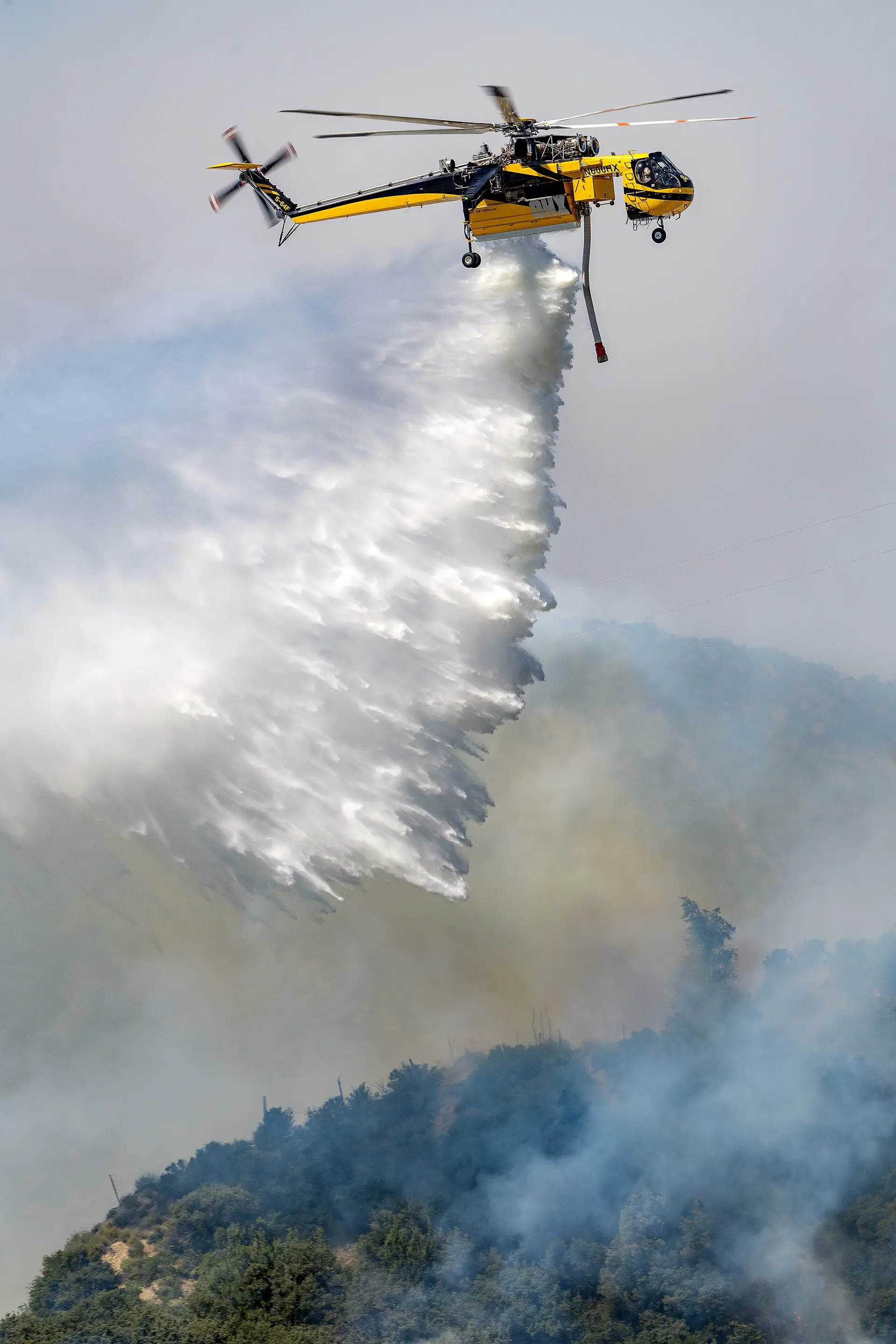
Runyon confirmed the significance of this transition: “Basically, we bought the operational side of Erickson’s business. Their maintenance, repair, and overhaul (MRO) program remained separate, but we onboarded the flight crews and mechanics.” When asked about how many personnel made the transition, Kittrell estimated the number to be around 150. “By the time it was all said and done, across all the different cranes and operations, that’s probably about right,” he said.
Beyond the aircraft and personnel, the acquisition included vital infrastructure, such as rolling stock, tanks, scissor lifts, and specialized tooling. “Anything that aerial ops had their hands on came to Helicopter Express,” Kittrell noted.
The phased approach to integrating the cranes proved beneficial. “We had one air crane in operation for almost two years before acquiring the next five,” Kittrell explained. “That gave us time to learn the aircraft, understand its unique requirements, and get our people accustomed to working with it.” The process continued with a final batch of ten cranes, but by that point, Helicopter Express had refined its integration strategy. “The last ten were easy compared to the first,” Kittrell said. “That first set of five was the biggest step up, but by the time we got to the last group, we had a well-oiled system in place.”
Navigating the Carding Process
Helicopter Express’ experience with the carding process reflects both its challenges and benefits. According to Runyan, one of the main hurdles is scheduling inspections. “The maintenance inspectors are stretched thin, so coordinating the timing and location of carding can be challenging,” he said. However, he praised the inspectors’ professionalism, and the improvements brought about by pre-card documentation sharing.
The company is intrigued by the benefits of regional carding events, though Runyan noted that these events might not always be feasible for larger aircraft like the Skycranes due to high relocation costs.
International Operations: A Different Landscape
Kittrell and Runyon both agree that 80-90 percent of the company’s work comes from government contracts and also enjoy acknowledging that they achieved a 98% availability during their most recent USFS contract year.
While Helicopter Express excels in the U.S. firefighting market, its operations extend globally. The company deploys aircraft to countries
like Australia, Greece, and Chile, adapting to various firefighting styles and logistical demands. “The U.S. and Australia have more
structured firefighting systems, while Greece and Chile operate differently, with less centralized coordination,” Kittrell said.
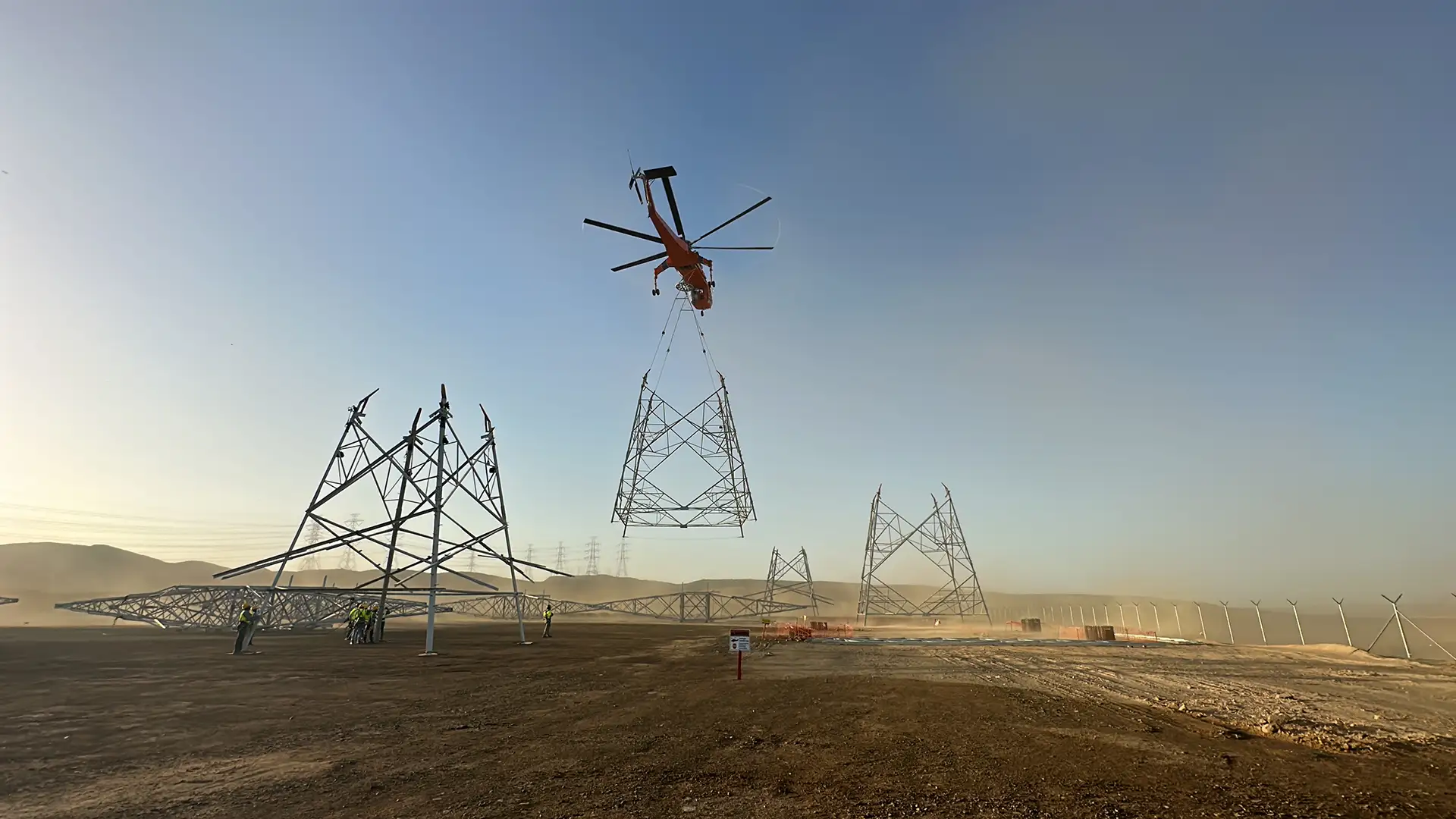
For example, in Greece, the lack of aerial coordination has posed challenges, including near mid-air collisions. “The Greeks and Chileans fight fires differently,” Kittrell explained. “It’s not as controlled as what we’re used to in the U.S.”
Despite these differences, Helicopter Express’ has succeeded in these diverse environments. However, unlike the U.S., these countries often lack stringent carding processes. In the cases of Australia, Chile, and Greece, authorities seem to expect that firefighting companies will provide the airworthy aircraft and properly trained and experienced crews as outlined in the contracts.
Preparing for the Future
As Helicopter Express continues to grow, it remains committed to meeting the evolving needs of its customers while navigating industry challenges like pilot and mechanic shortages. The company’s maintenance apprentice programs and internal training initiatives aim to address these gaps, ensuring a steady pipeline of skilled personnel.
Reflecting on the company’s journey, Runyan and Kittrell emphasized the importance of adaptability and innovation. “We’ve always prioritized meeting the needs of our customers, whether through fleet modernization, expanding internationally, or improving our operations,” Runyan said.
The USFS carding program, though demanding, aligns with these values, ensuring that companies like Helicopter Express uphold the highest standards of safety and performance. As wildfires grow in frequency and intensity, the partnership between the USFS and operators like Helicopter Express remains a cornerstone of effective wildfire suppression efforts.
Conclusion
The USFS carding program is a linchpin of aerial firefighting operations, safeguarding lives and resources through stringent oversight. For Helicopter Express, navigating this process is part of a broader commitment to excellence, innovation, and safety. As the company expands its capabilities and global reach, its partnership with the USFS underscores a shared goal: protecting lives, property, and the environment from the growing threat of wildfires.