 HOME
HOME




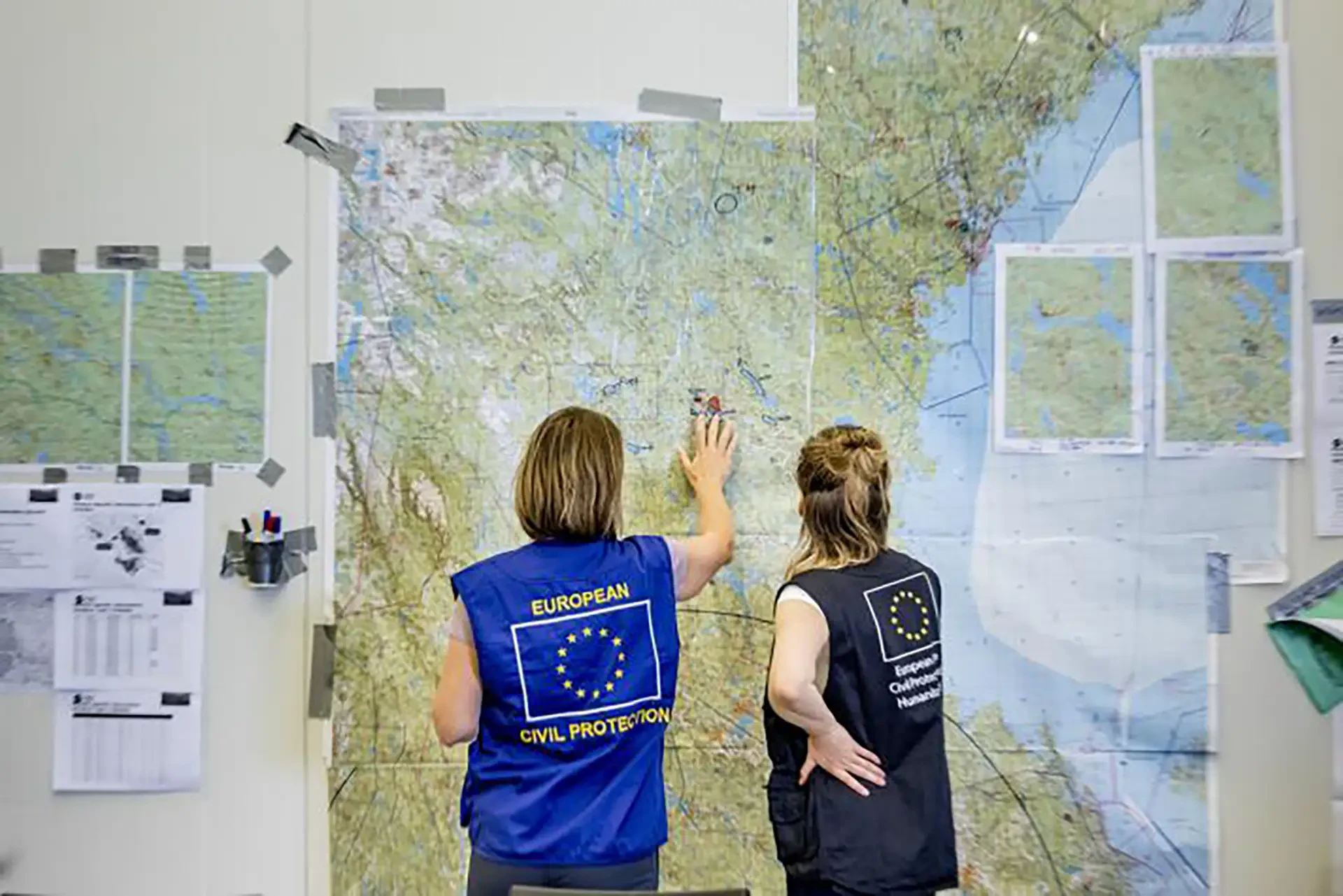
Whatever your views on climate change, all I know is that this year, every day, my email inbox has multiple news reports on fires in Europe from spring to autumn. Yes, it's officially autumn as the equinox has kicked in. The European wildfire season of 2024 has emerged as one of the most destructive and concerning in recent memory, surpassing previous years in both scale and severity, exacerbating concerns about the escalating impact of climate change.
Record temperatures, prolonged droughts and increasingly volatile weather patterns have culminated in an intense fire season that has been significantly worse than previous years. The European Forest Fire Information System (EFFIS) has recorded comprehensive data illustrating how this year's wildfires have affected various regions, particularly Southern Europe.
According to EFFIS data, large swathes of land across the continent have been consumed by wildfires, with several countries experiencing
record-breaking fire events. By mid-August, nearly 600,000 hectares of land had burned across the European Union (EU), making it the second
worst season since systematic data collection began in 2006. This alarming statistic follows from the 2023 season, which was already among
the worst on record.
During this fire season, fire suppression efforts have cost over €260 million ($287 mil), with these costs including direct firefighting
expenses, damage to infrastructure and loss of agricultural output, and long-term ecological impacts.
Traditionally, the peak wildfire season in Europe spans the summer months, but this year, significant fires were recorded as early as February and March in parts of Southern Europe. The prolonged fire season is directly linked to the warming climate, which has extended the period during which conditions are conducive to fires, with this trend expected to continue as global temperatures rise.
As the article in the last issue of Air Attack magazine on the wildfires in Bulgaria highlighted, the country had the hottest and driest summer ever recorded. This has been reflected across Europe, which has experienced one of its most devastating fire seasons recently, with vast areas burned across several countries. The total area affected by wildfires has been reported to exceed 1 million hectares, with countries like Greece, Spain, Italy and France impacted the most.
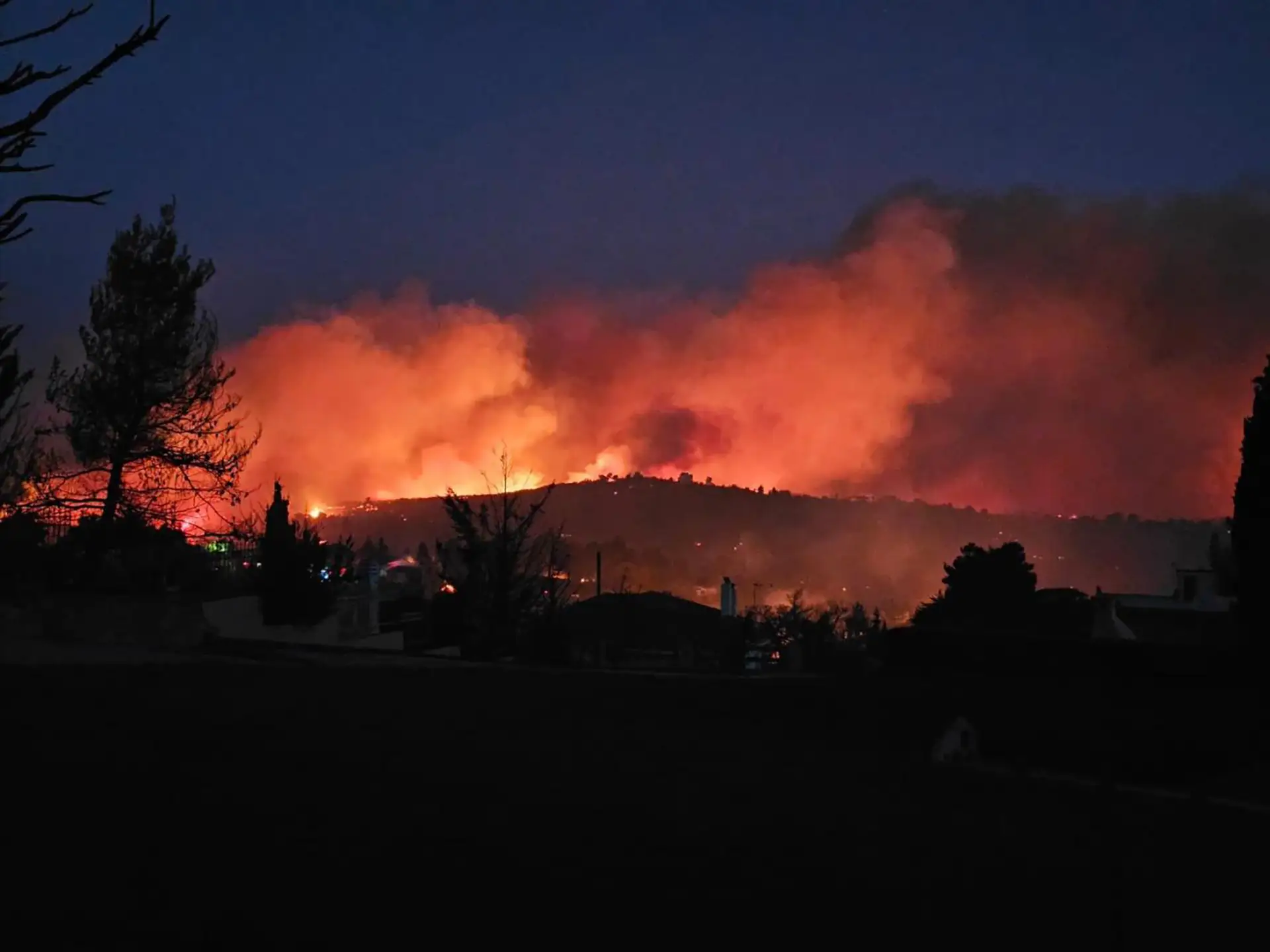
Hundreds of wildfires hit Greece over the summer. At its peak, at least half of the country was under a red alert. The country’s worst
wildfire for 20 years began near the village of Varnavas, around 24 miles (39 km) north of the Greek capital, in the Northeast region’s
Dadia National Park. It burned more than 810 square kilometres (310 square miles) of land, an area greater than New York City.
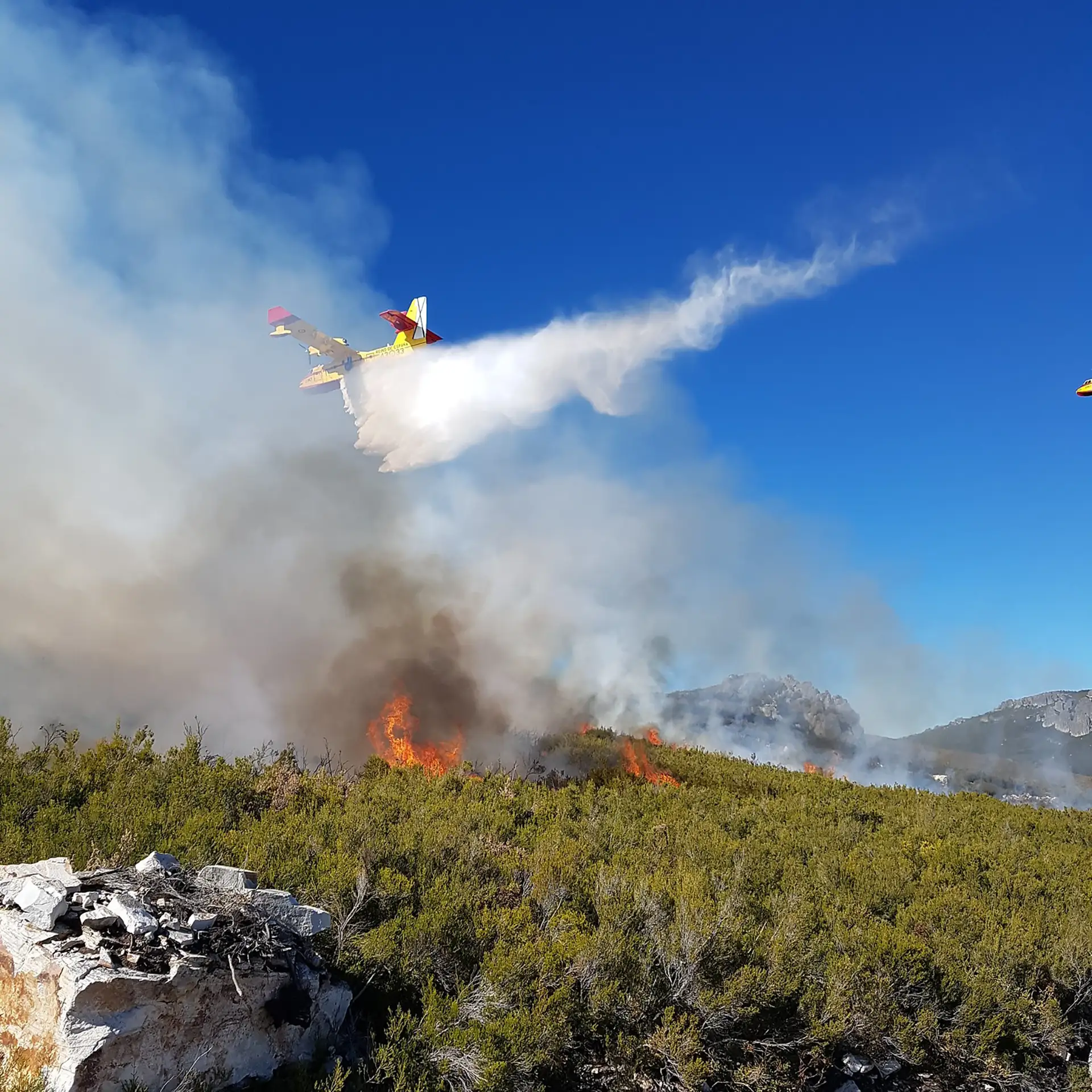
The fire spread quickly through pine forests, which were tinder dry, reaching into the suburbs of the capital, Athens, with hundreds of
firefighters battling 80-foot (25-metre) high flames burning trees, homes and choking busy roads with smoke and ash. On one day alone, the
fire service deployed 36 aircraft (17 planes and 19 helicopters). As temperatures on one day peaked at 39oC (102oF)
the government called in help from other EU members to help tackle the fire that was being fanned by winds reaching up to 37mph (60km/h)
pushing it down from the wooded hills north of the city, forcing thousands of people to flee their homes. The fire sent a blanket of smoke
over the heart of the Greek capital, darkening the sky, and whole neighbourhoods had to be evacuated.
Spain, another country deeply affected by the 2024 wildfire season, has seen extensive areas of forest land burned, particularly in its
Northern and Eastern regions. The early start to the fire season was marked by severe fires in March and April, a period typically less
prone to such events. The impact of these fires has been particularly severe on biodiversity, with protected areas and wildlife habitats
being decimated. The Spanish government has been proactive in its response, but the scale of the fires has overwhelmed local resources at
times. International assistance, coordinated through the EU's Civil Protection Mechanism, has been crucial in managing some of the larger
blazes. The Spanish experience underscored the need for cross-border cooperation in addressing wildfire emergencies.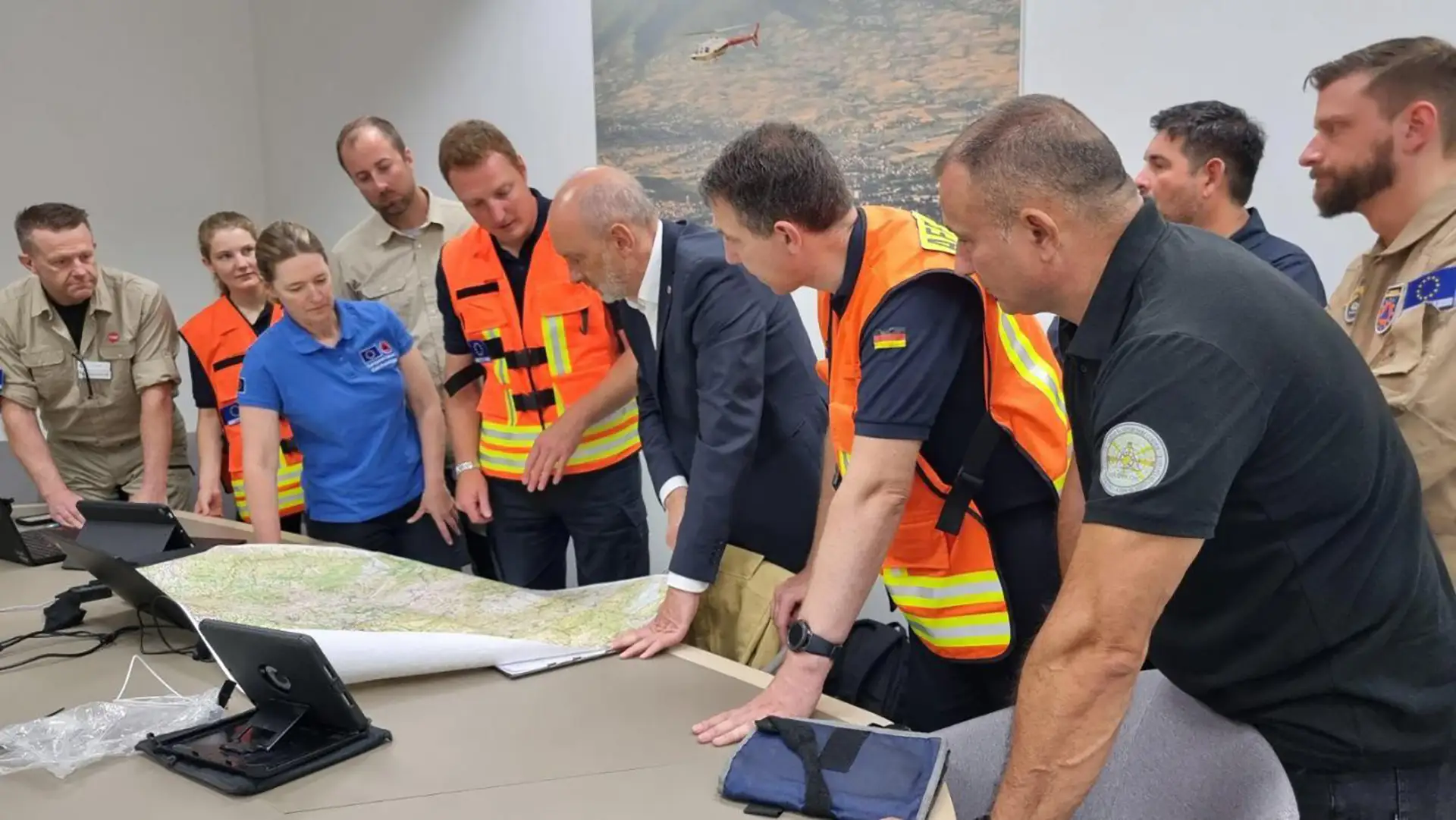
Southern France was also another hotspot for wildfires this year, with the Provence-Alpes-Côte d'Azur and Occitanie regions being
particularly badly affected. Exceptionally dry conditions fuelled the fires in these areas following a winter and spring that saw
below-average precipitation.
As late as mid-September, when the summer temperature peak normally starts to recede, Portugal experienced temperatures exceeding 30°C (86°F). This resulted in a number of major forest fires breaking out across the Central and Northern regions, with approximately 5000 firefighters battling 26 wildfires on one day alone. A request for support was made through the EU's Civil Protection Mechanism, resulting in Spain, France, Italy and Greece dispatching a total of eight Canadair CL-415 aircraft to assist.
Perhaps the starkest illustration of how the wildfire risk is expanding northward is that Estonia experienced a significant increase in
fire activity during 2024. Historically, Northern Europe has been less prone to wildfires, compared to the Mediterranean region, but the
changing climate has altered this dynamic. Estonia's forests, particularly in the country's southeastern part, saw several large fires
fuelled by unusually warm and dry conditions. One wildfire that broke out in the village of Vikipalu in Harju County's Anija Municipality,
located approximately 50 kilometres east of the capital city of Tallinn, took over ten days to get under control. During the same period,
firefighters extinguished over 30 wildfires across the country.
These fires in Estonia clearly indicate that wildfire risks are no longer confined to Southern Europe. The Baltic region, traditionally
associated with cooler and wetter climates, faces the reality of a warmer, drier future that could see wildfires becoming a more regular
occurrence.
With a finite amount of aerial firefighting aircraft available, assets have been stretched; the European Union has been working hard to support and invest in purchasing new aircraft. But is it too late?
The EU has recognized the growing threat of wildfires and has taken steps to enhance its preparedness and response capabilities. In early 2024, the EU announced a significant boost to its firefighting resources, including deploying additional firefighting aircraft, helicopters and ground crews through the rescEU mechanism. This initiative is part of a broader effort to build a more resilient Europe that can better withstand the impacts of climate change.
The EU has also emphasized the importance of international cooperation in addressing the wildfire crisis, given that wildfires often cross national borders, a coordinated response is essential. The EU’s Civil Protection Mechanism has played a key role in facilitating such cooperation, enabling countries to share resources and expertise in times of need.
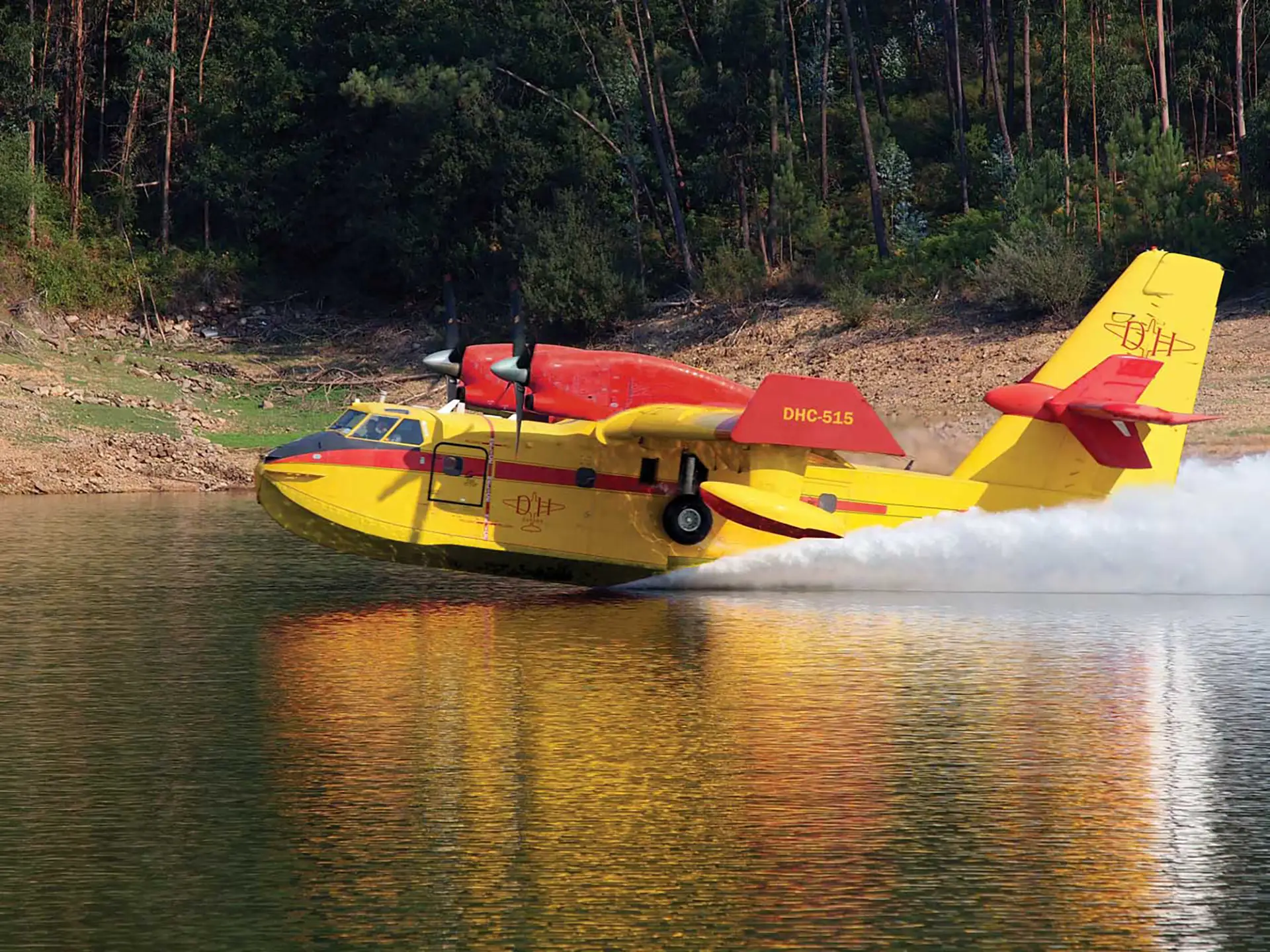
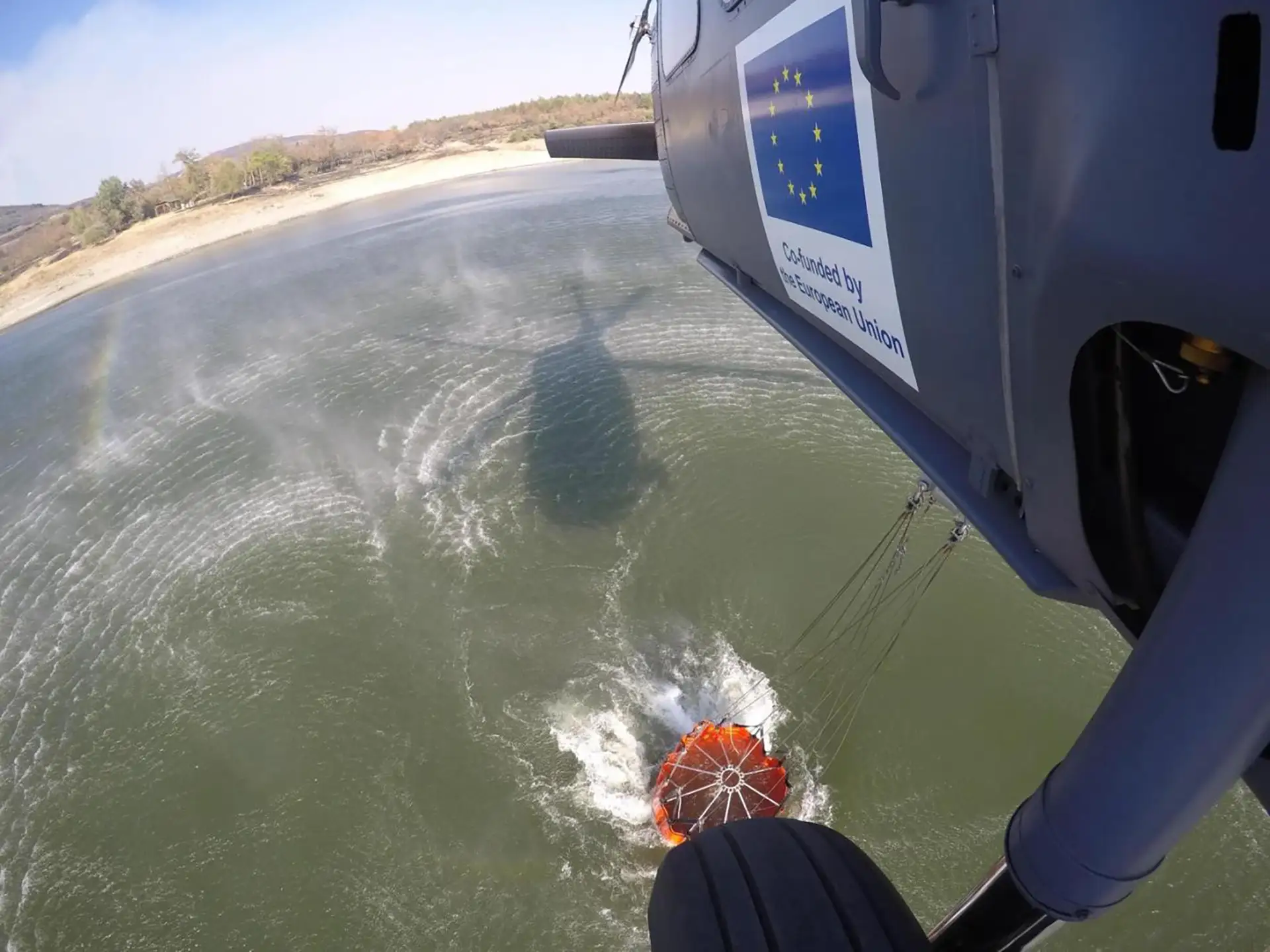
At the end of August, as part of a permanent rescEU fleet, a total of twelve DHC-515 Firefighter aircraft, a new production amphibious firefighting aircraft developed by De Havilland Canada, were ordered and financed by the European Commission. This initiative is designed to provide a permanent fleet that can rapidly be deployed to any EU member state facing severe wildfire. Greece, alongside Croatia, France, Italy, Portugal and Spain, will host these new firefighting aircraft, with these countries chosen primarily because they have the most frequent wildfires in the EU.
The EU’s proactive measures, such as this boost in firefighting resources and the emphasis on international cooperation, are steps in the
right direction. But the production and delivery times of the twelve aircraft on order will be influenced by a number of factors. Aircraft
production relies heavily on a steady supply of specialized materials, such as specialist aluminium alloys, composites, engines and
electronics. Add to this the manufacturer’s dependence on a global network of suppliers for various components any disruptions in the
supply of these materials due to geopolitical issues, trade restrictions, or shortages could delay development and production.
As a new design the DHC-515 will also need to undergo extensive testing to meet safety and meet performance standards set by EASA. Any
issues identified during testing could require design modifications or rework, leading to yet more delays before certification is approved.
De Havilland expects first deliveries of the DHC-515 by the middle of the decade.
“To bring the DHC-515 into production is important for not only our company, but countries around the world who rely on our aircraft to protect their people and forests,” said Brian Chafe, Chief Executive Officer of De Havilland Canada. “We understand the important role the previous aircraft have played in protecting people and property and as our climate continues to change and summers increase in both temperature and length, the DHC-515 will be an important tool for countries around the globe to use in putting out fires.”
As Europe grapples with the aftermath of this devastating fire season, it is clear that the continent must brace itself for a future where wildfires are not just a seasonal threat but a year-round challenge. The lessons from 2024 must inform future policies and actions, ensuring that Europe is better prepared to protect its people, environment and economy from the ever-growing threat of wildfires.