 HOME
HOME




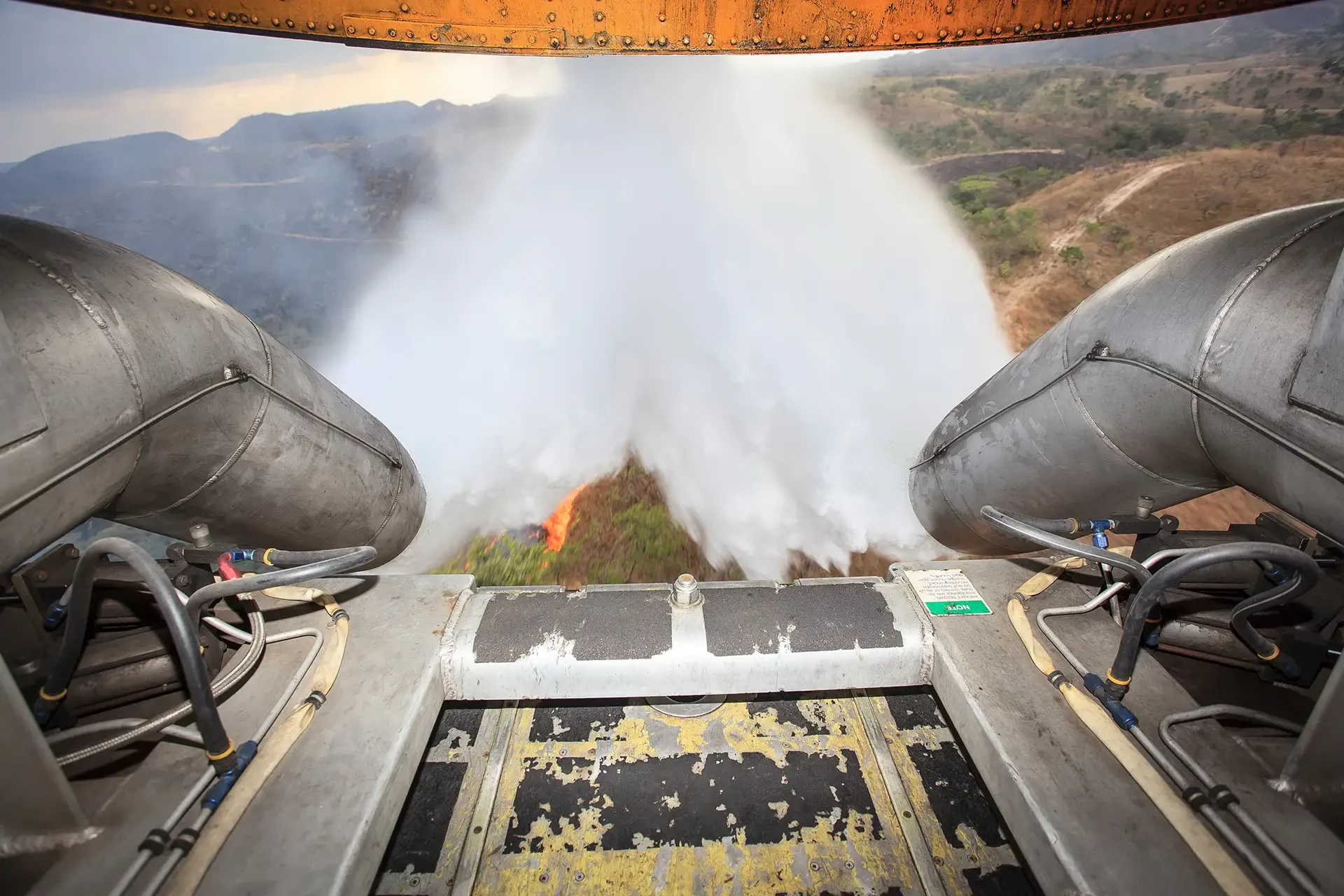
In this two-part series, Alan Norris explores the background, design and use of the first- and second-generation Modular Airborne Fire Fighting System to bolster aerial wildfire operations and looks at current developments.
The ever-increasing frequency and severity of wildfires worldwide has driven both the development and deployment of innovative firefighting strategies along with technologies to identify wildfires early. An early example of these firefighting strategies the Modular Airborne Fire Fighting System (MAFFS) stands out as a versatile and essential tool in combating large scale wildfires.
Origins
The system was originally developed in the 1970s following a major fire that burned in Long Beach, California, which destroyed hundreds of homes and overwhelmed the then civilian tanker fleet's ability to respond. Following this wildfire U.S. Congress established the MAFFS program and directed the U.S. Forest Service (USFS) to look at developing a program, in cooperation with the Department of Defense, to design, build and test a modular tank system that would enable a standard military C-130 to be quickly converted into a tanker, without any extra structural modifications. This design allowed the aircraft to quickly provide surge capacity, supplementing civilian firefighting aircraft when needed.
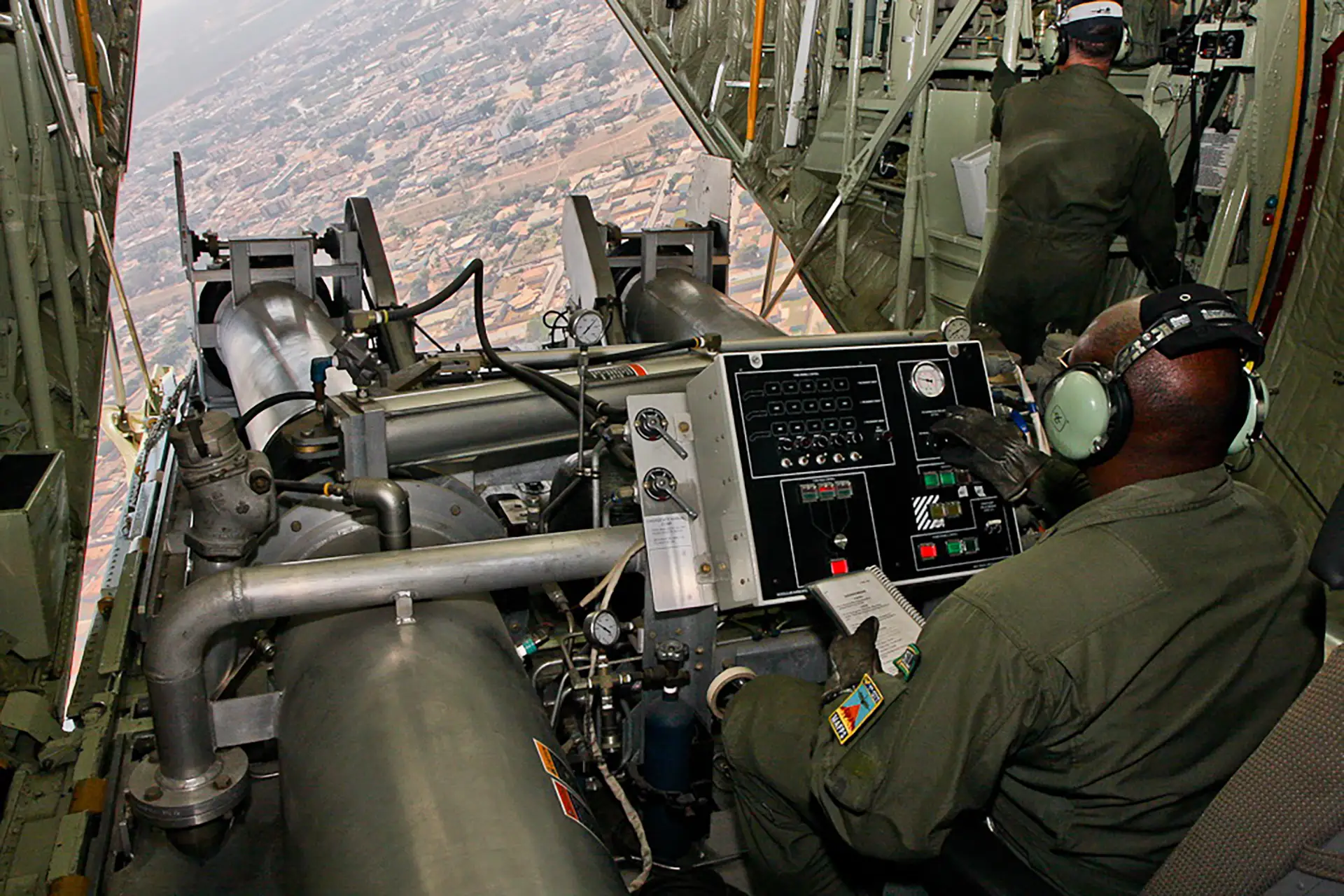
Several organizations were involved in the development, operation and deployment of MAFFS but the USFS is the primary agency responsible for the development and testing while the USAF, Air National Guard and Air Force Reserve supply and operate the aircraft.
Initially the FMC Corporation, based in San Jose California, was contracted to design, build and test a palletized roll-on-roll-off self-contained modular tank system. There are now two generations of the modular system, MAFFS I and MAFFS II, manufactured by the MAFFS Corporation, a part of the United Aeronautical Corporation (UAC) based in North Hollywood.
The MAFFS I unit consisted of a series of five pressurized aluminum tanks, each with a capacity of 502 US gallons (1900 liters.), the total retardant capacity was limited to 2,700 US gallons (10,000 liters.) due to the specific gravity weight of the retardant. Plus, a control module all designed to utilize the standard 463L cargo handling system as a roll-on-roll-off pallet. The control module included the master control panel, a loadmaster's seat and discharge valves.
In addition, an air pressure tank module stored air at 82.7 bar (1200 psi), this compressed air was used to discharge the retardant and required recharging after each drop using a ground based compressor as a part of the loading process between each sortie.
The main palletized module weighed approximately 11,000 lb. (5,000 kg) and when fully loaded with retardant would add almost 18,000 lb. (8,160 kg) to the aircrafts AUW.
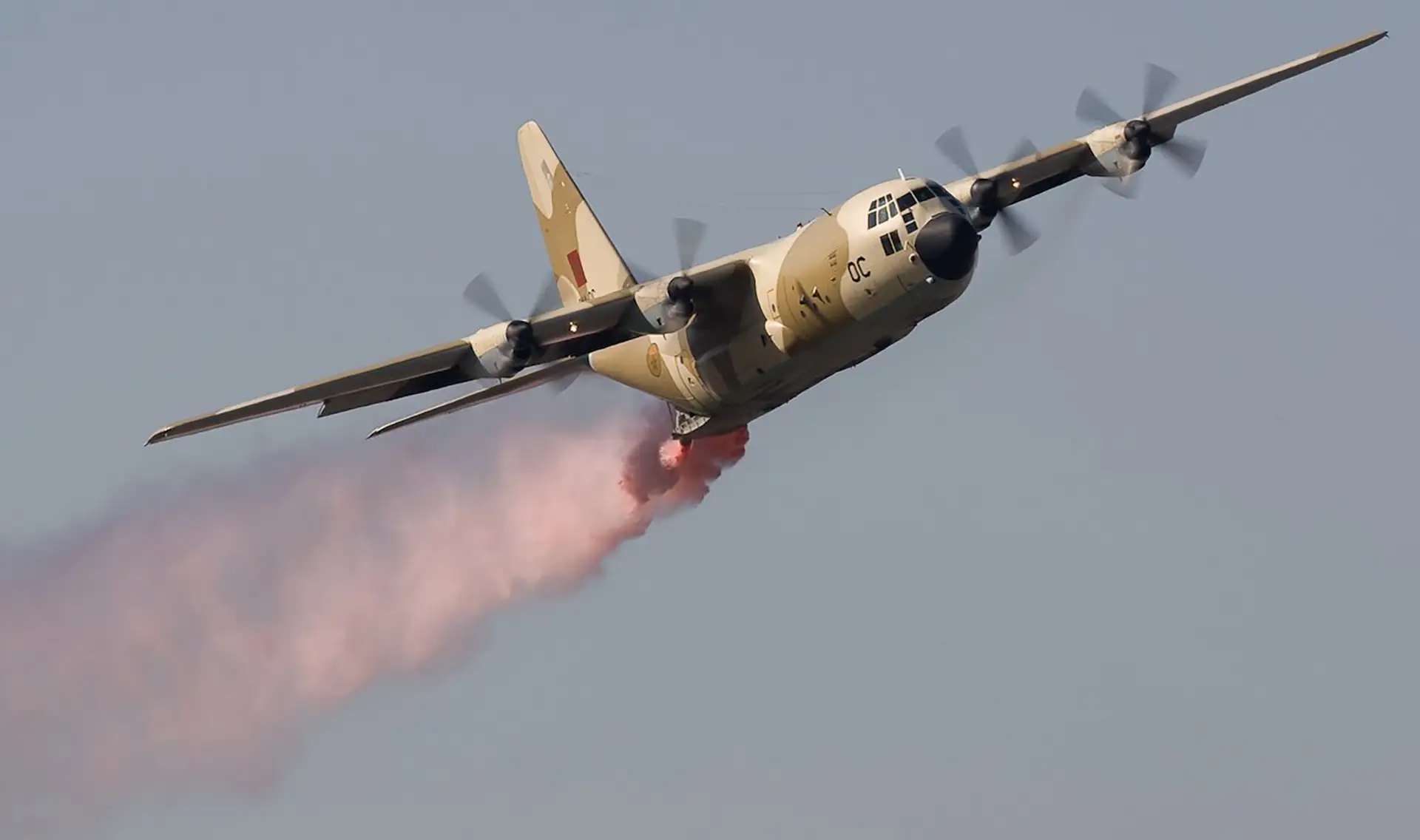
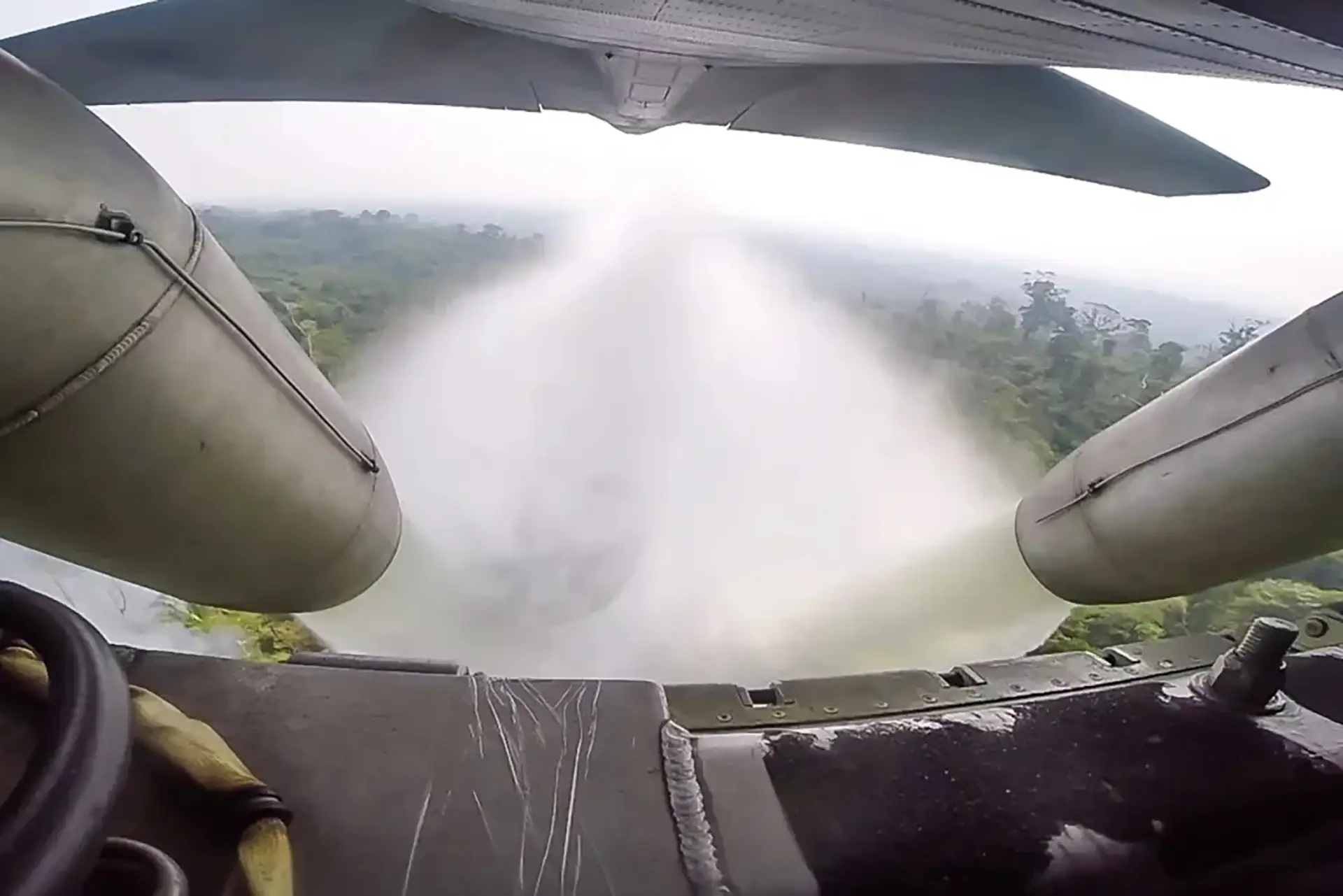
The system had two manifolds which used two articulated tubes extending rearward and downward, over the trailing edge of the opened rear cargo ramp of the aircraft. These discharge tubes had to be deployed prior to flight in the operational position. This unfortunately increased drag which had a negative impact on aircraft handling characteristics and restricted flight altitudes to below 10,000 feet, resulting in slower transit times to and from the fire ground.
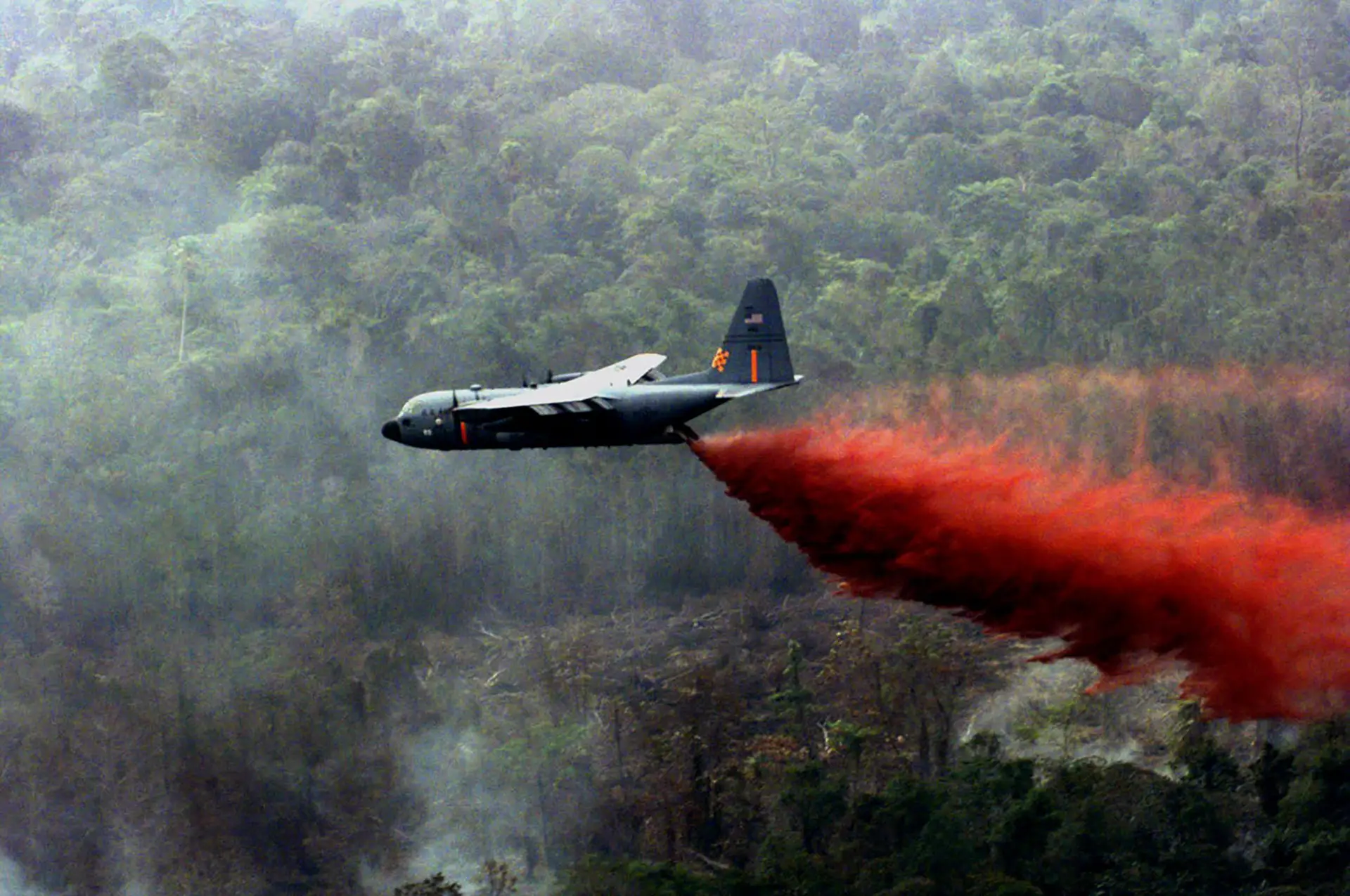
The system's capacity was less than some dedicated air tankers but still sufficient for effective strategic drops. The system could drop either water or retardant, which was made of 80 to 85 percent water, 10 to 15 percent ammonium sulfate, a jelling agent and red coloring to enable pilots see where they had dropped previous loads.
The system was able to use fire retardants with a viscosity range between 1000 and 5000 centipoise by manually adjusting the discharge pressure flow rates of 9,000 to 38,000 gal/min and achieved ground deposit rates from 1 to 4 gallons per 100 sq. ft.
When activated by the loadmaster, who was situated on the unit, the retardant was released through the two manifolds to create firebreaks or suppress the spread of a wildfire. The drop was usually made from an altitude of about 150 feet and was able to discharge its load in five seconds producing a fire line 60 feet (18m) wide and a quarter mile (400m) long.
When the aircraft returned to an air tanker base it was able to be refilled and airborne again in less than 20 minutes. An air compressor module located at the air tanker base during operations was used to recharge the system between runs.
Activating MAFFS
From the start, the program was aimed at providing an emergency surge capacity to existing fully committed commercial air tankers, and further support was considered necessary.
MAFFS activation is ultimately decided by the National Interagency Coordination Center (NIFC) in coordination with the USFS and the Department of Defense (DoD). This process requires approval by the national MAFFS liaison officer, who is the Forest Service director located at the NIFC. A request is then forwarded to a defense coordinating officer who in turn obtains validation through the DoD Northern Command.
The determining factor in the final decision is the National Wildland Fire Preparedness Level (PL) at the time of the request. There are five preparedness levels ranging from 1 to 5, activation of a MAFFS unit is when the PL reaches either level 4 or 5.
At Preparedness Level 4, MAFFS can be requested if existing commercial and contracted firefighting resources are heavily committed, at Preparedness Level 5 MAFFS activation becomes more likely as firefighting resources are considered stretched to their limits nationwide.
Operational Units
MAFFS is considered a 24-hour resource, meaning that once activated, it is expected to take a minimum of 24 hours for the aircraft to arrive on scene. Operational costs for MAFFS flights are typically reimbursed by the agency with jurisdiction over the fire they are deployed to fight. This ensures that firefighting resources are available when needed while managing costs efficiently across federal, state, and local agencies.
Configuring a C-130 to carry a MAFFS I system typically takes between four and six hours, which includes retardant loading.
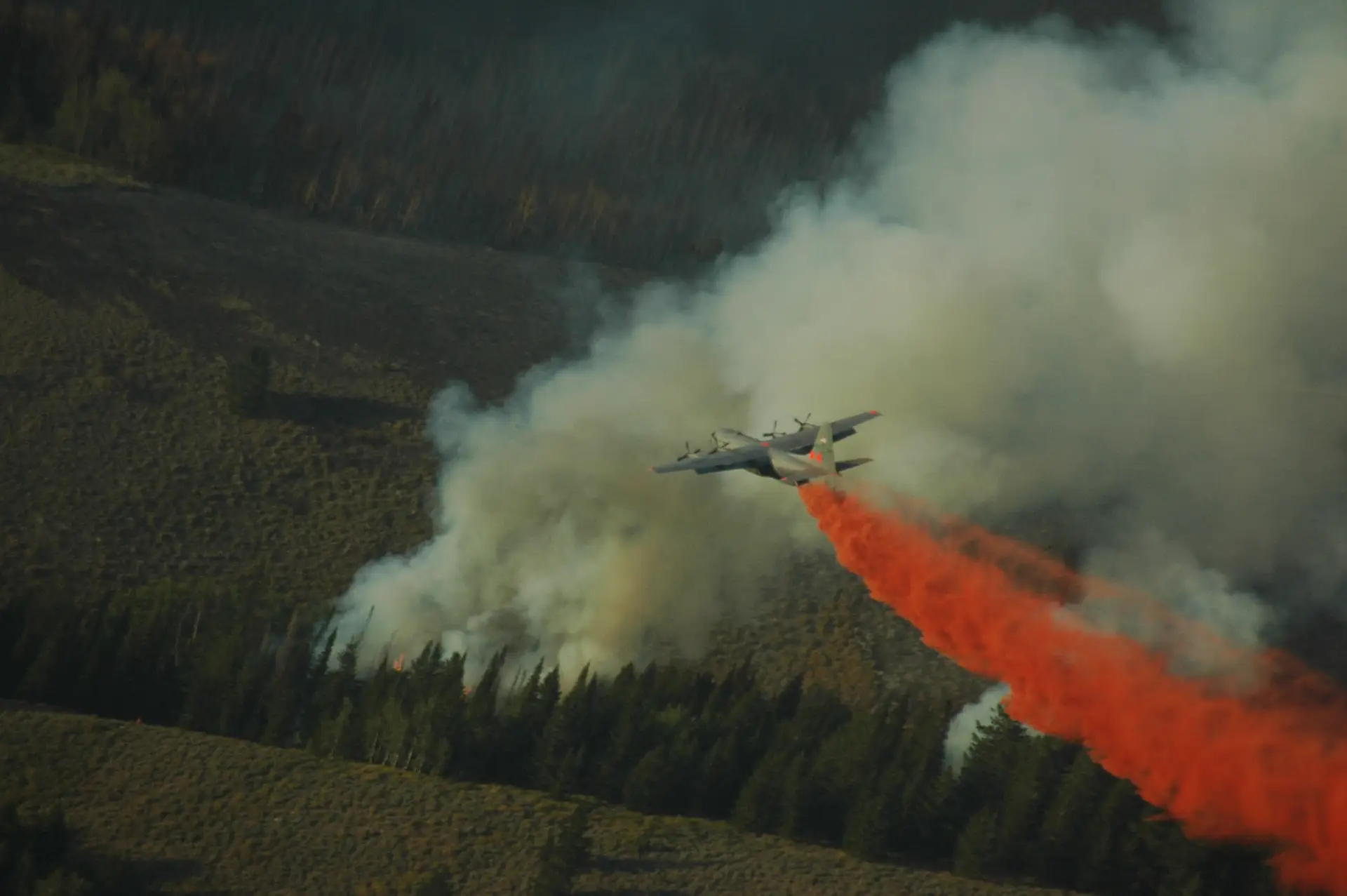
Although the MAFFS units are owned by the USFS, their operation is carried out by four primary military units from the Air National Guard and the Air Force Reserve Command. These units are equipped to operate MAFFS aircraft and are stationed at eight locations across the United States.
146th Airlift Wing, California Air National Guard
152nd Airlift Wing, Nevada Air National Guard
153rd Airlift Wing, Wyoming Air National Guard
302nd Airlift Wing, US Air Force Reserve Command, Colorado
Each MAFFS designated Airlift Wing is required to maintain five trained and certified crews per unit, with each crew consisting of six personnel, ensuring a minimum of 30 qualified aircrew members per Wing.
Training crews to operate the MAFFS system involves both ground and flight exercises. Crews need to undergo the specialized training to understand the system’s operation, deployment of the fire retardant, coordination with ground teams and navigation in a wildfire environment, essential to ensure the safe and effective use of the system in active fire zones.
USAF aircrews assigned to MAFFS missions must complete annual re-currency training to maintain proficiency. Additionally, they participate in regular training exercises and readiness drills throughout the year. Re-currency training is typically conducted in the spring before the start of the wildfire season and is a joint effort between the military and the USFS.
Training covers key aspects of MAFFS operations, including: Aircraft familiarization, Mission planning, Aircrew procedures and Safety protocols. The training also includes hands-on practice with loading and dropping fire retardant using the MAFFS system.
Non-US operators
With wildfires becoming more frequent globally, there has been growing international interest in portable aerial firefighting systems like MAFFS. In Australia, MAFFS technology was first evaluated during the 1981-82 bushfire season. The USAF provided a MAFFS unit, which was installed in a Royal Australian Air Force (RAAF) C-130 Hercules operated by the 36th Tactical Air Squadron from Richmond, New South Wales.
The system was tested in Victoria, delivering up to 2900 US gallons (11,000 liters) of an Australian-made fire retardant, Amgard-A11.
The trials demonstrated the system's effectiveness in suppressing bushfires, but due to a mild fire season, a full cost-effectiveness evaluation could not be completed. However, the trials confirmed that RAAF crews could conduct effective firebombing operations with the system.
Despite the successful MAFFS trials, Australia did not adopt the technology for widespread use. Instead, the country has relied on a combination of contracted Large Air Tankers (LATs) and specialized firefighting aircraft, including S-64 Skycrane heavy-lift helicopters and various fixed-wing aircraft equipped with dedicated retardant delivery systems.
This approach has been shaped by several factors, including the availability of suitable aircraft, cost considerations and advancements in alternative aerial firefighting technologies
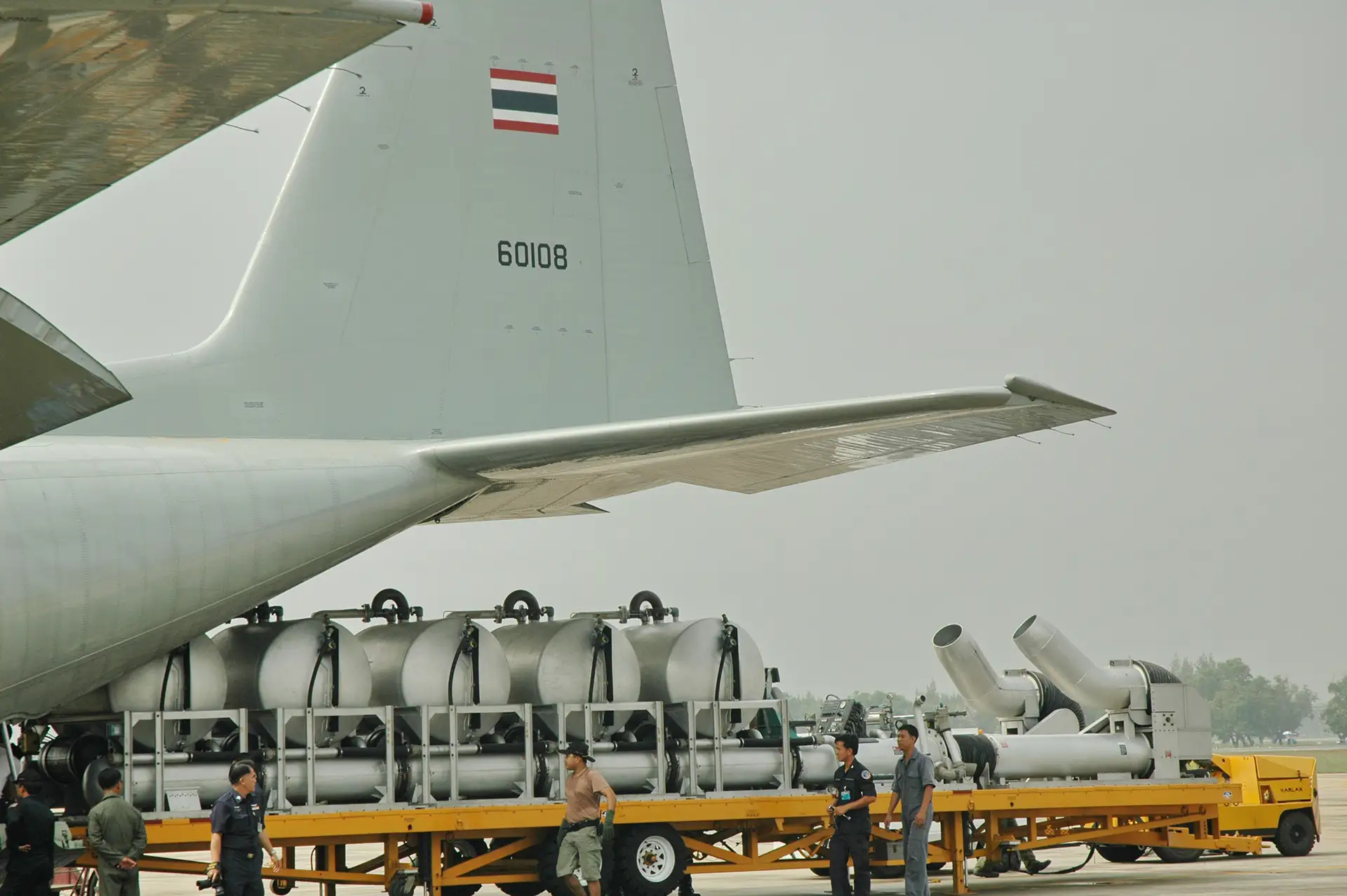
The Royal Thai Air Force (RTAF) has been a legacy operator of the MAFFS I system since 2010, following a training initiative aimed at enhancing its proficiency with the system. To support this effort, members of the U.S. Air Force Reserve's 302nd Airlift Wing travelled to Thailand to provide specialized C-130 MAFFS operations training. More than 50 RTAF personnel participated in the training, which focused on bolstering Thailand’s aerial firefighting capabilities. This initiative ensured that the RTAF could effectively deploy the MAFFS I system for wildfire suppression operations.
Other legacy operators of MAFFS I also include Turkey, Tunisia, Royal Moroccan Air Force, Colombia and the Brazilian Air force.
What does all this cost?
It is difficult to pinpoint precisely the cost of the MAFFS I system due to the many variable costs associated with individual components and logistics. However, some estimates put the cost of a single unit between $4 million to $5 million. But it is important to note that this does not include the costs of maintaining and operating the aircraft or any infrastructure needed for support, such as training facilities or air tanker bases.
Operating costs for a MAFFS equipped C-130 generally exceed those of dedicated firefighting aircraft. The DC-10 LAT, designed specifically for firefighting, has lower operating costs and can carry a significantly larger payload (up to 11,600 gallons vs. 3,000 gallons for MAFFS I). Despite this, military aircraft offer a unique advantage in terms of operational flexibility and rapid deployment, making them indispensable for large-scale wildfire operations
During the very recent devastating Palisades, Los Angeles fires eight MAFFS equipped
C-130s dropped more than 16,000 US gallons (72737 liters.) of fire suppressant. This clearly demonstrates that as the frequency and ferocity
of wildfire increases the aerial firefighting arsenal must be versatile, so the use of MAFFS is likely to grow to allow flexibility in
firefighting strategies and enhance the effectiveness of combating wildfires.
Part 2 will look at the next generation MAFFS-II, in addition to the international interest outside of the US with a number of other OEM aircraft options currently coming online in the near future.