 HOME
HOME




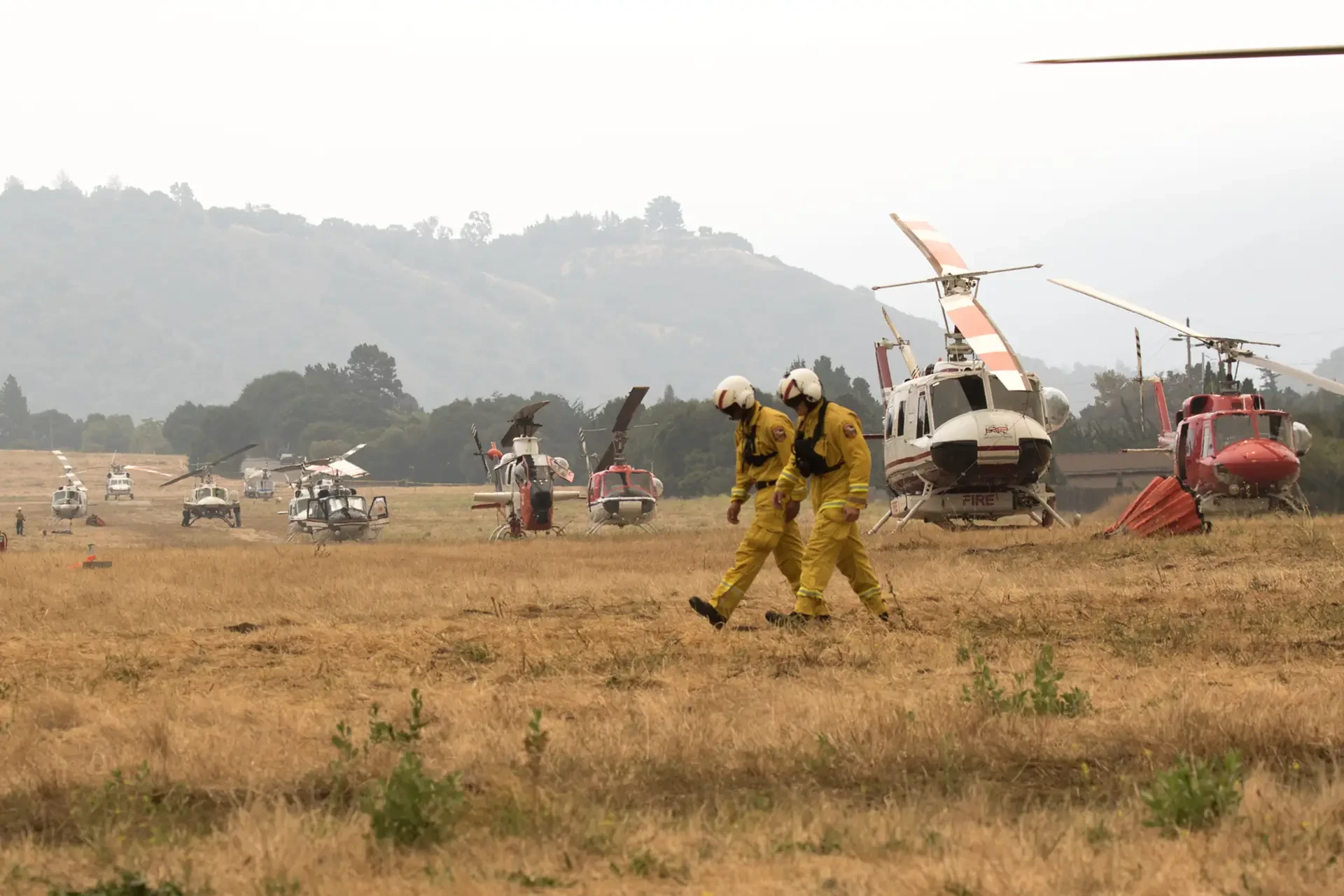
The months of July and August are typically the approach to the peak of fire season in North America, however, hot, dry conditions and months of drought have fed massive blazes in Arizona, California, Colorado, and north of the border in the forests of Canada. A surprising number of fires were classified as “Mega Fires,” where blazes consumed more than 100,000 acres, and as the summer months drew to a close, the end for some were not in sight.
The north rim of Arizona’s Grand Canyon National Park saw tremendous devastation with fire consuming the historic Grand Canyon Lodge and an
additional 75 other historic structures. Ignited by lightning strikes and dubbed the “Dragon Bravo” fire, more than 1,100 firefighters were
on the frontlines, attempting to slow the spread of the fire. During the middle of the firefight, there was hope for changing weather
conditions that would bring rain to slow the fire, however, with rain often comes lightning capable of sparking new fires in the area.
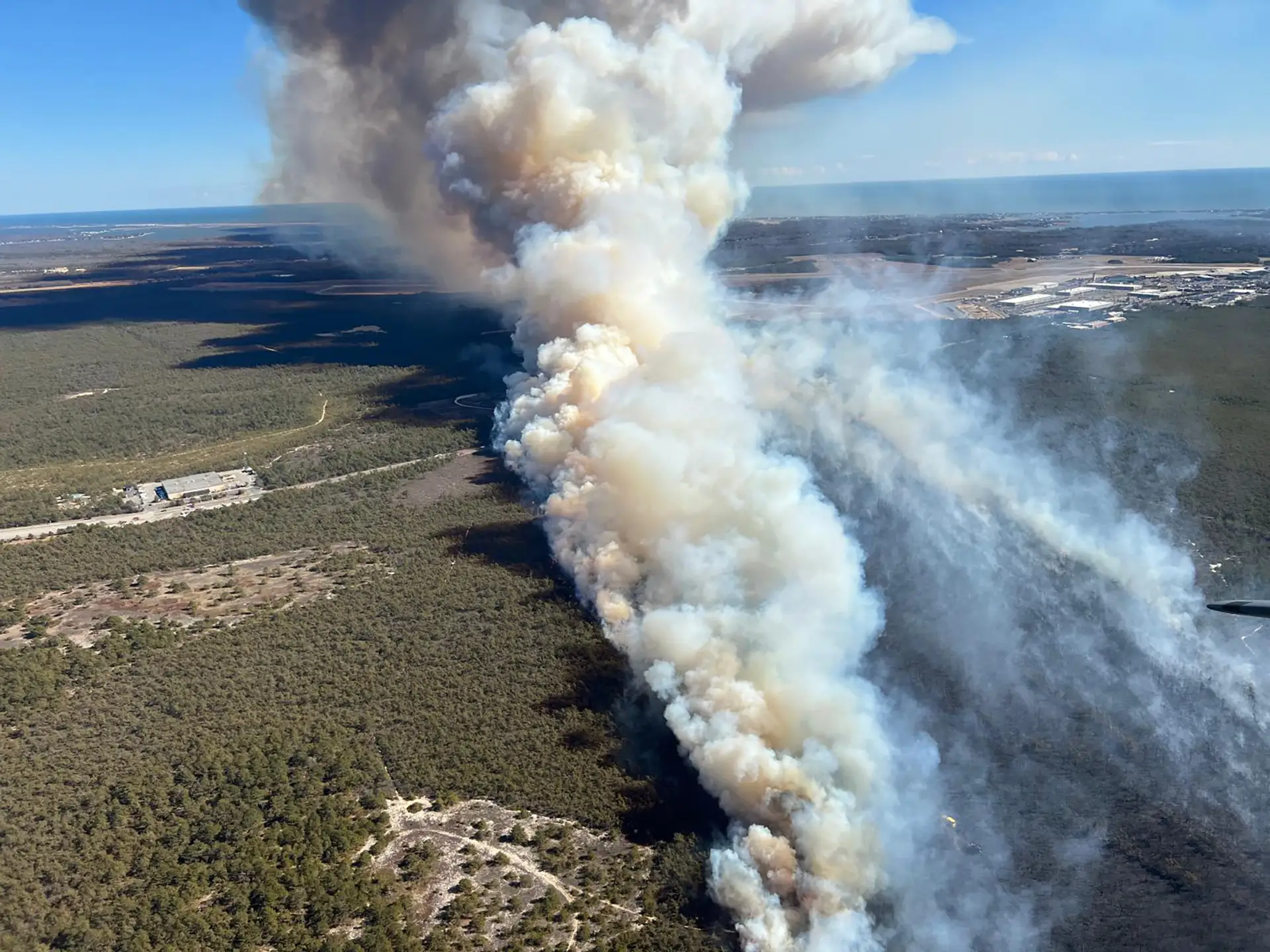
Considered a Mega Fire, the Dragon Bravo fire burned so hot that it created pyrocumulus clouds, known as fire clouds, that generate their own winds, lightning, and super-heated downdrafts that spread fires and endanger the lives of first responders.
By Sept. 5, the fire had been contained, and boots on the ground were reduced to 600 firefighters. The beginning of Monsoon Season in the
American Southwest brought rain to the area, enabling firefighters to remove hazardous trees and look for hot spots that could flare up
again.
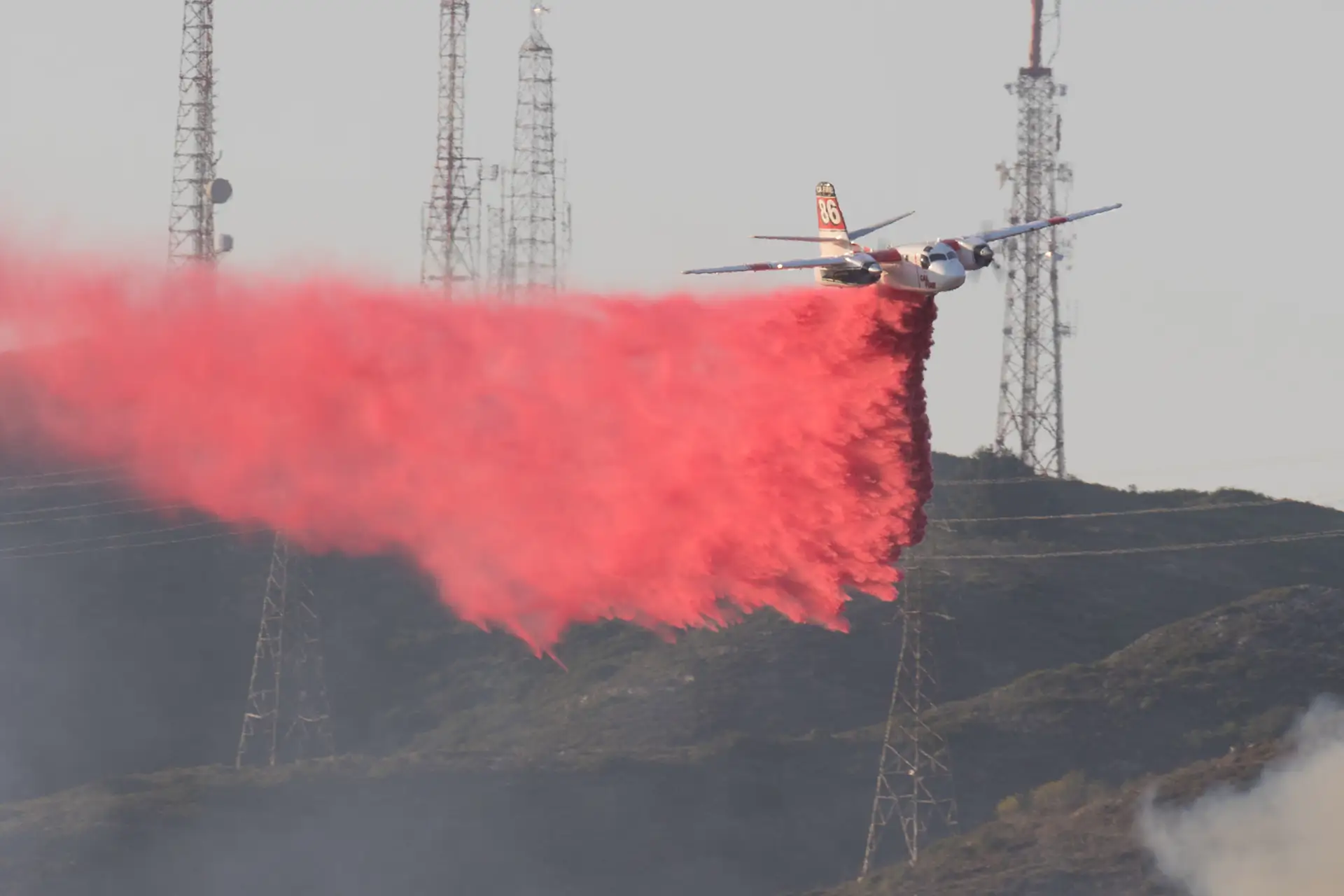
In the final tally, the Dragon Bravo fire had consumed more than 145,500 acres (227.3 square miles/588.8 sq. km.). The fire has closed the North Rim area of the Grand Canyon to visitors for the remainder of the season, which runs through mid-October, and there is the distinct possibility that the North Rim could be closed into next year as conditions are inspected to ensure visitors’ safety. The Kaibab Lodge on the Grand Canyon’s North Rim reopened for guests on Aug. 28, however, it is currently the only over-night property that has returned to business in the devastated area so far.
North of the Dragon Bravo fire, near the Arizona and Utah border, the White Sage Fire burned nearly 69,000 acres (92 sq. miles/238.3 sq. km.). As this lightning-sparked fire raged out of control, there was real fear that this would soon become a Mega Fire as it grew from a small conflagration on July 9, to more than 40,000 acres by July 14. This fire burned for more than 40 days, being fully contained on Aug. 21.
California
In Central California during July, the Madre Fire burned for 24 days and consumed 80,779 acres (126.2 sq. miles/326.9 sq. km.) in the rugged
Santa Lucia Mountains east of the city of Santa Maria. The fire burned up steep hillsides and canyons covered in dense chaparral making it
very difficult for firefighters on the ground to combat. One structure was destroyed and another damaged while two firefighters sustained
injuries fighting the three-week-long blaze.
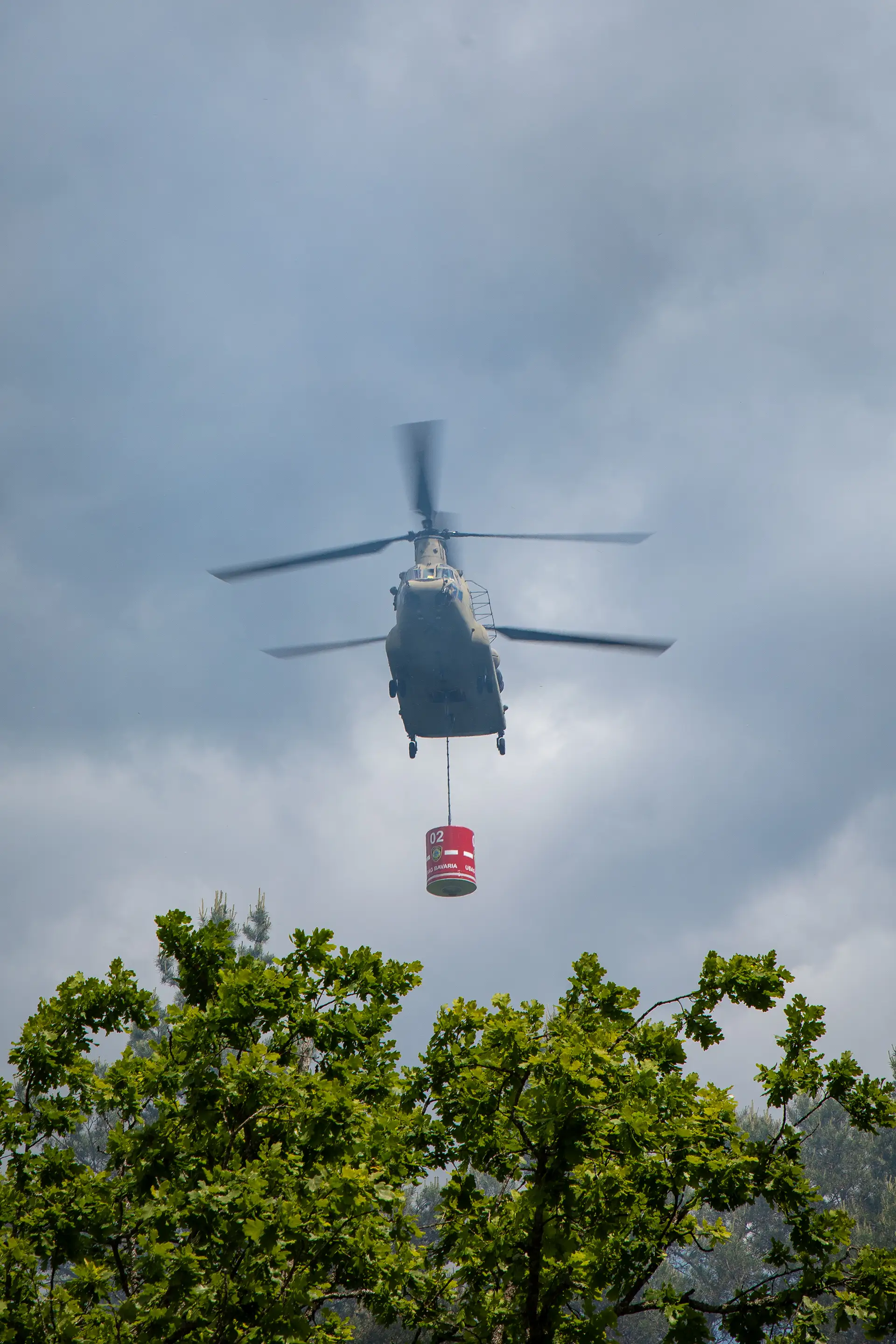
Six days after the Madre Fire was contained, the Gifford Fire started on the afternoon of Aug. 1. The ignition point for the Gifford Fire was literally across State Route 166 from where the Madre Fire had burned. The Gifford blaze covers areas of both southern San Luis Obispo and northern Santa Barbara Counties encompassing the northern area of the Los Padres National Forest.
Supporting firefighters on the ground were nearly one dozen air attack aircraft working out of the Santa Maria and Paso Robles Air Attack
Bases. The Santa Maria base has four loading pits and can handle everything up to Very Large Air Tankers (VLATs). Both of 10 Tanker’s DC-10
VLATs (Tankers 910 and 911) along with two of Cal Fire’s new, 4,000-gallon C-130H air tankers (Tankers 121 based at Fresno and 122 based at
McClellan Field) worked the fire. Coulson’s C-130 Froy, Tanker 137, flew alongside BAe-146s from Neptune Aviation, Erickson MD-87
Tanker 101, AeroFlite’s Dash 8 Q-400AT twin-turboprop Tanker 181 (2,642 gal. max tank capacity/10,001 liters) and the company’s Avro RJ85
(3,000 gal. max tank capacity/11,355 liters) Tanker 12.
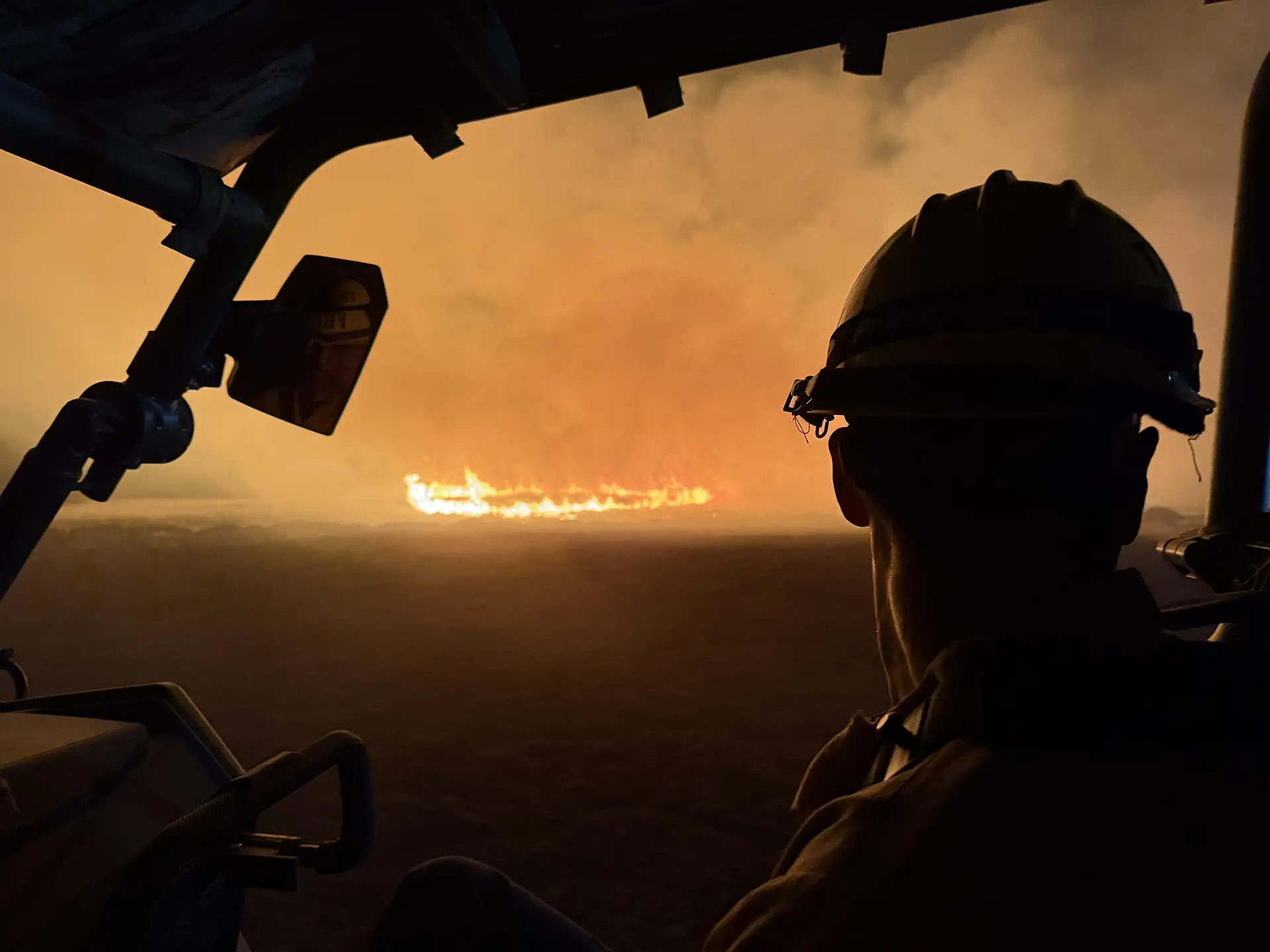
At the peak of the fire fight, 32 helicopters were battling the fire including two Cal Fire Firehawks, a pair of Chinook helicopters were drawing 2,300 gallons per hover from nearby Santa Margarita Lake, and heavy lift helicopters from Billings, Columbia, and Siller Air Crane were dipping and dropping for hours on end.
During the initial aerial attack, between 150,000 to 200,000 gallons of retardant and water were dropped each day, and the week between
Aug. 1-7 saw 2,154,904 gallons rain down on the blaze assisting ground crews in their fight against the fire. By Sept. 4, this Mega Fire
had consumed 131,614 acres (205.6 sq. miles/532.6 sq. km.) and was 97 percent contained. Evacuation orders were in effect in the area while
more than 4,400 firefighters worked to get a handle on the blaze. 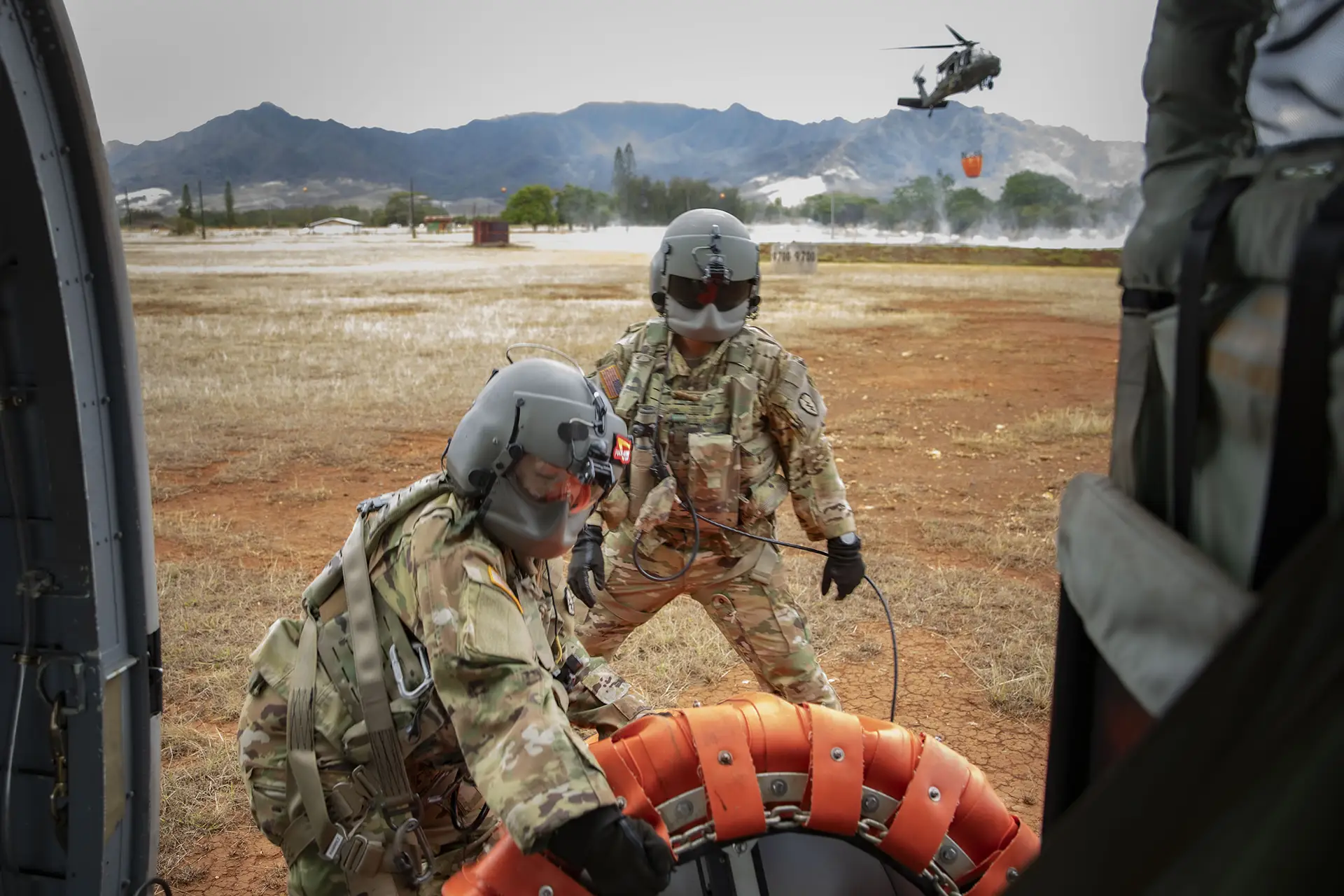
California was especially hard hit by wildfires in 2025. During January, a time outside the traditional fire season, the Los Angeles area was hit by the Palisades Fire and the Eaton Fire, both igniting on the same day within hours of each other. The region had been suffering through months of drought and the cooler fall and winter months in the area are susceptible to what are known as “Santa Ana winds.” The winds occur when a high pressure system develops over the high deserts of eastern California and Nevada, driving winds toward lower pressure areas over the coastal regions of Southern California.
The wind-whipped Eaton and Palisades fires consumed nearly 40,000 acres of homes, businesses, and schools with an estimated economic loss in excess of $250 billion. Although the state’s Madre and Gifford fires covered huge swaths of land, they were in remote areas of topographically difficult terrain threatening few homes and businesses.
Colorado
Like the rest of America’s western states, Colorado was in the midst of a brutal fire season, the worst since 2020. West of Denver is the
Lee Fire, which grew to Mega Fire size having consumed more than 138,800 acres (216.9 sq. miles/561.7 sq. km). The fire started as two
separate fires (Lee and Grease Fires) ignited by lightning strikes on Aug. 2. The two blazes subsequently combined into the Lee Fire. In
eight days, the fire consumed 100,000 acres of severely dry, tall grass, brush, and chaparral. This Mega Fire was declared contained on Aug.
30. When it was mopped up, the Lee Fire earned the title of the sixth-largest fire in Colorado’s history.
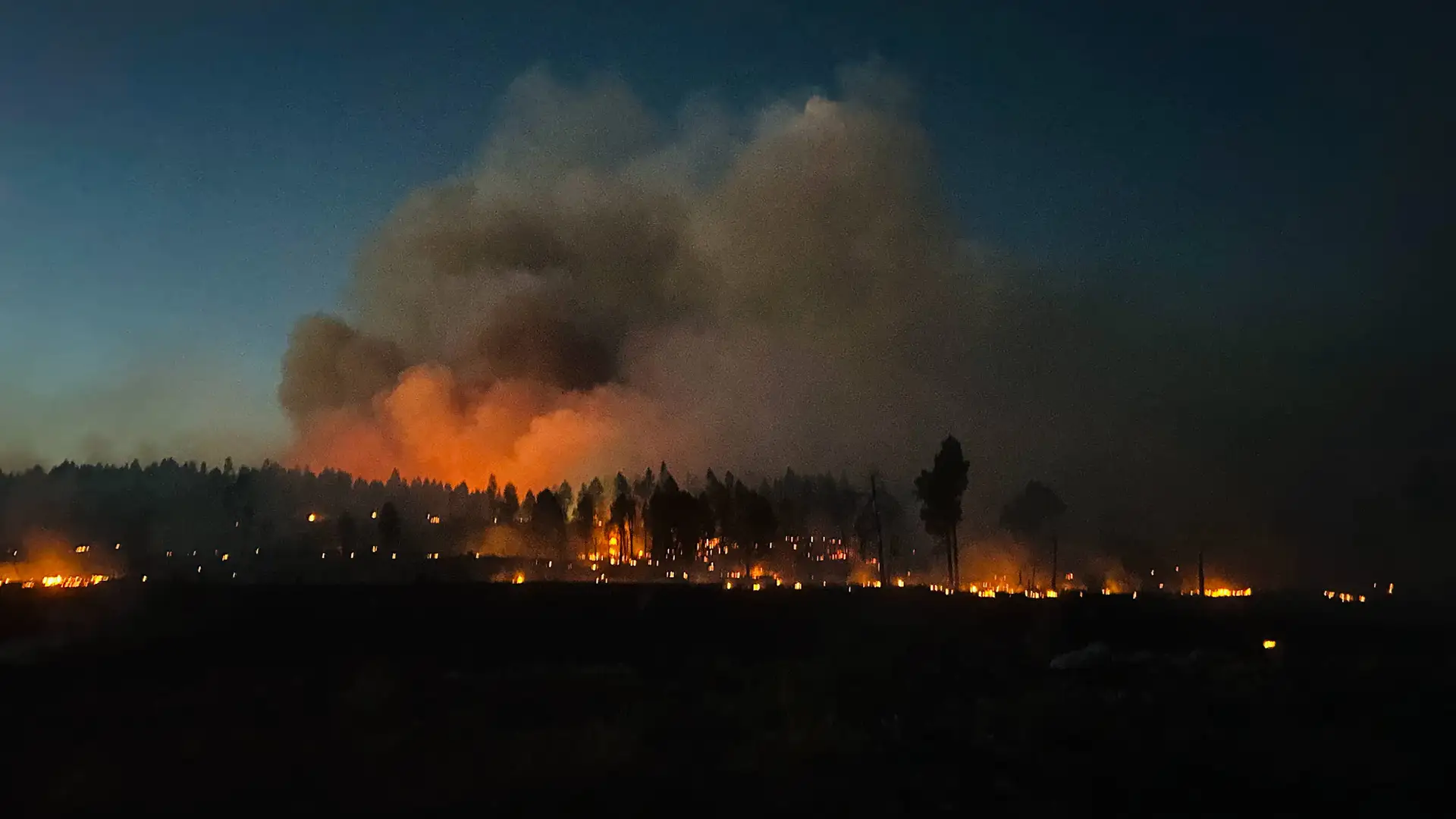
Other large, lightning-sparked fires in the state in July and August included the Turner Gulch Fire (31,699 acres, ignited July 12), the Elk Fire (14,518 acres, Aug. 2), and the Stoner Mesa Fire (10,249 acres, July 28, only 42 percent contained as of Aug. 26).
Idaho
In eastern Idaho, the lightning-sparked Sand Creek Fire quickly grew to 1,500 acres, and just about every aviation asset in the area was given the opportunity to drop on it. DC-10 Tanker 912 owned by 10 Tanker of Albuquerque, New Mexico, with its 9,400-gallon capacity (35,583 liters) was the largest of the aircraft fighting the fire. Coulson’s C-130H Odin, Tanker 136, (4,000-gallon capacity/15,000 liters), Aeroflight of Spokane, Washington’s RJ85 Tanker 168 (3,000-gallon capacity/11,356 liters), and Erickson Aero Tanker’s MD-87 Tanker 101 (also 3,000-gallon capacity/11,356 liters) rounded out the jet tankers. Dauntless Air of Appleton, Minnesota, provided a pair of float-equipped Air Tractor AT-802s and Evergreen Flying Service of Rayville, Louisiana, sent a pair of fixed-gear Air Tractor AT-802 single-engine turboprop air tankers to assist a number of bucket-equipped helicopters that worked to hold the fire to minimal acreage.
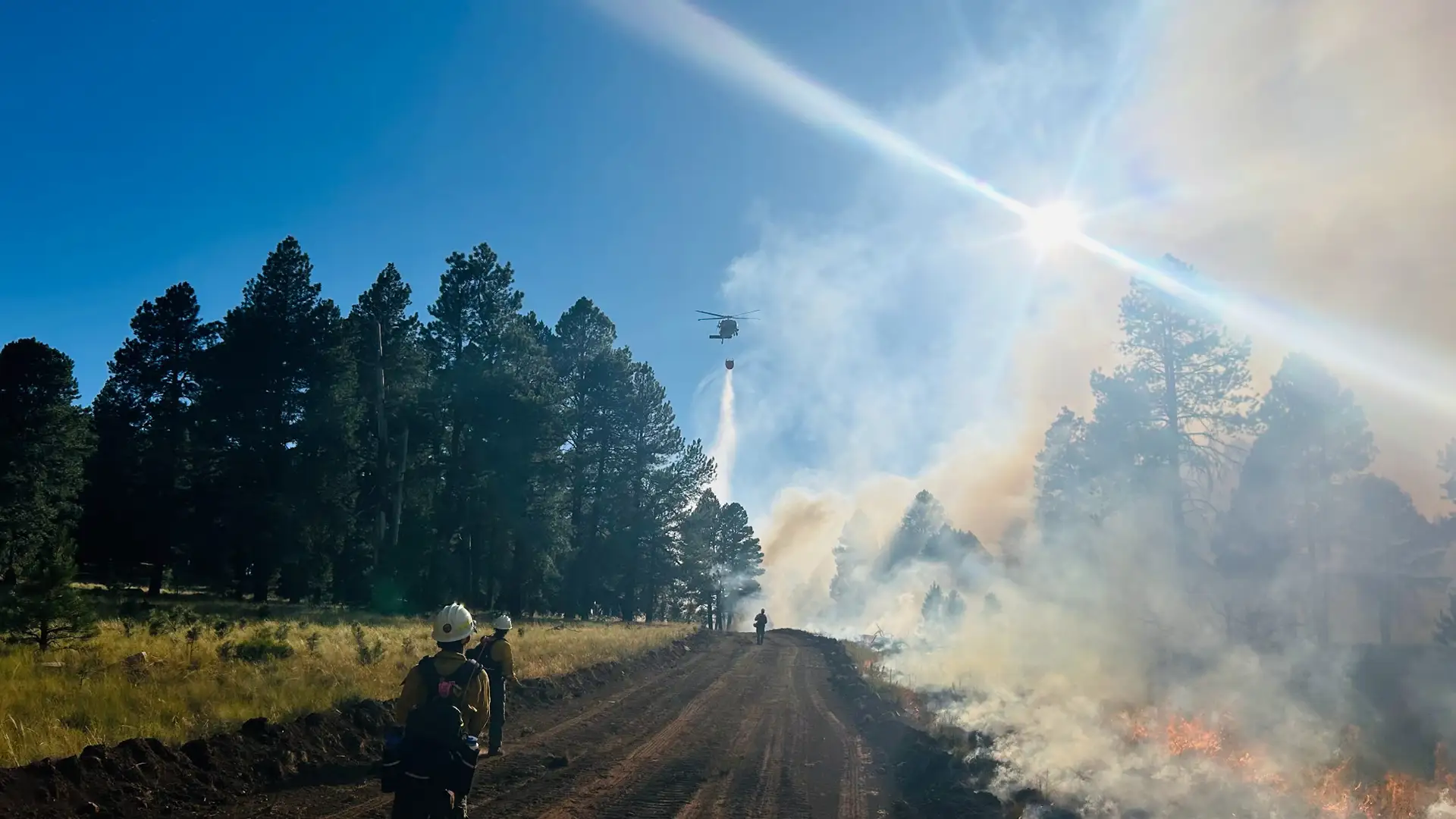
In early September 2025, the Island Creek Fire had reached 14,474 acres, the largest in Idaho this season. The fire began on July 31, 2025, sparked by lightning in the area. The fire is burning in the Nez Perce-Clearwater National Forests in the Bitteroot Mountain Range, in the center of the state.
Oregon
In July, the Cram Fire, east of Madras in the Oregon High Desert, consumed 95,736 acres (149.6 sq. miles/387.4 sq. km.) of grasslands and brush, making it the largest fire in the state in 2025. The 95,736 acres the fire consumed was just short of the 100,000-acre threshold of being labeled as a Mega Fire. The fire started on July 13, and was fully contained by July 25. Two of 10 Tanker’s DC-10 VLATs, three 3,000- to 4,000-gallon Large Air Tankers, four helicopters, and eight Single Engine Air Tankers assisted more than 900 ground crewmembers and 89 engines, in battling the blaze.
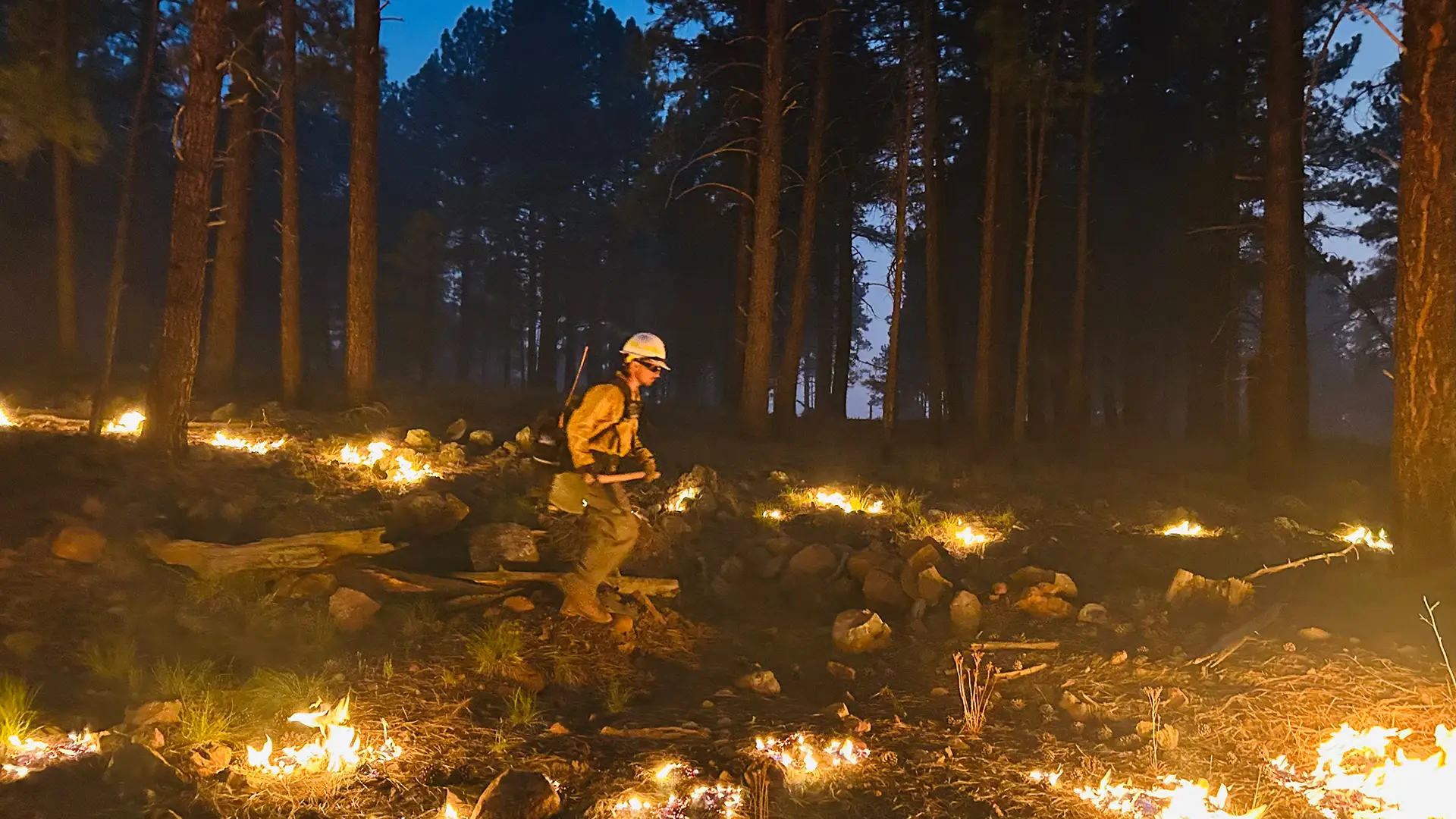
Further west, the Emigrant Fire burned in a remote area southeast of Eugene in the Willamette National Forest. The fire grew rapidly at the beginning of September, at about 1,000 acres per day. On Sept. 4, the fire had surpassed 30,500 acres amid temperatures in the lower 90-degree F/32-degree C range, with high winds and lightning predicted before a predicted cooling trend rolls in. At press time, there was no recorded containment of the Emigrant Fire.
Alaska and Canada
Far north in the 49th state, fire crews in Alaska battled 176 wildfires that started during the two weeks between June 15 and 29. Of those fires, lightning caused 162 wildfires with 13 more caused by humans, and one fire’s ignition cause remains undetermined. On June 17 alone, Department of Forestry recorded 15,718 lightning strikes. The Alaskan fire season winds down at the beginning of September, and the 2025 season will record 448 fires that burned more than 1 million acres in the state.
The northern reaches of Canada’s Ontario province were ravaged by the Red Lake 12 fire, which has gone down as the largest fire on record
for the area. Eighteen helicopters were fighting the fire that eventually consumed more than 479,380 acres (749 sq. miles/1,940 sq. km.).
At the height of the Red Lake 12 fire, airline pilots were reporting its ash plume had reached as high as 30,000 feet (9.1 km). CL-415
water scoopers and a number of helicopters from Ontario's Ministry of Natural Resources and Forestry’s Aviation, Forest Fire, and Emergency
Services department of were used to suppress the blaze.
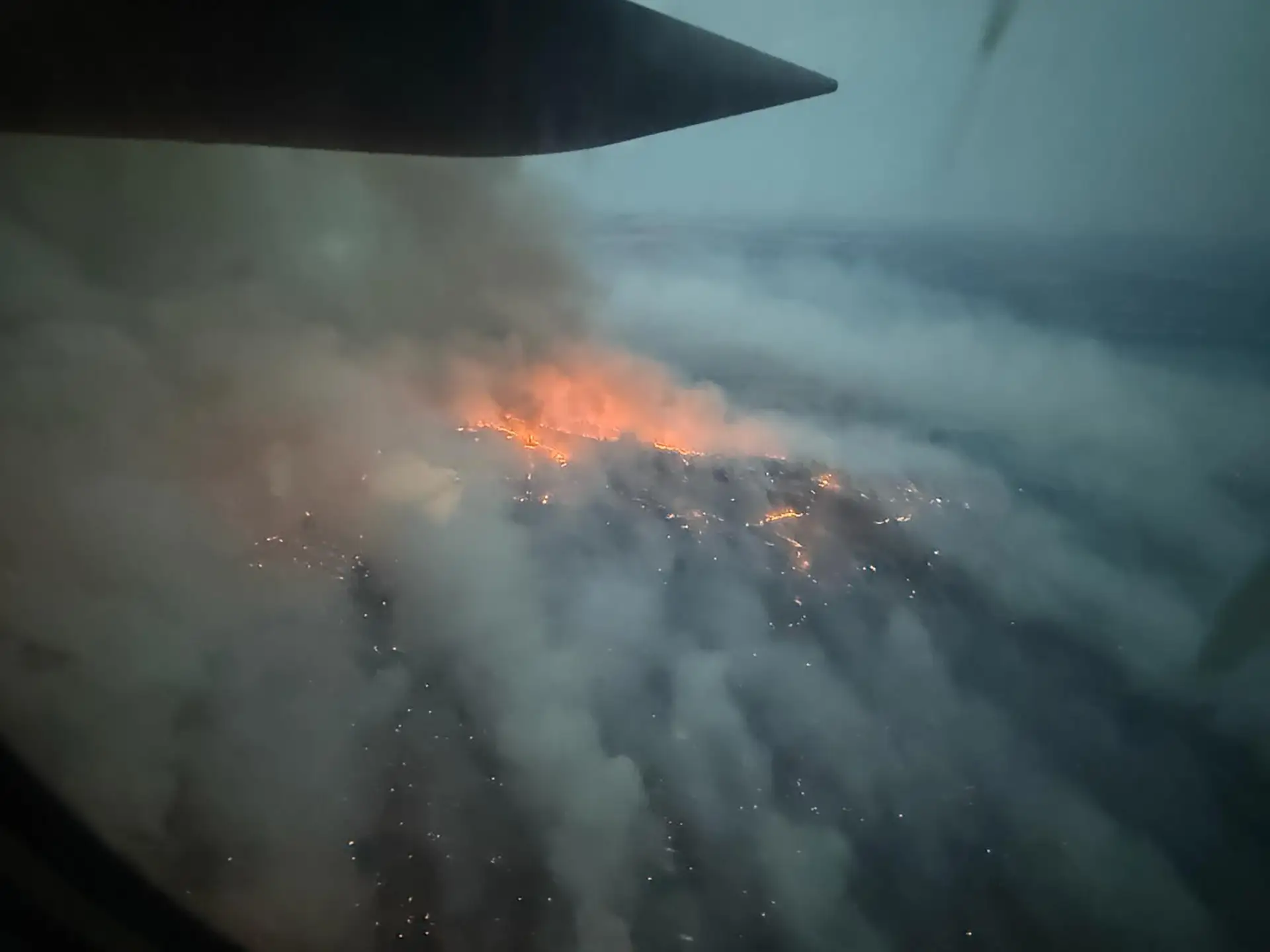
As the blaze approached a number of Ontario’s First Nation communities thousands of people from were evacuated to host communities in Cornwall, Thunder Bay, Mississauga, Thunder Bay, and Toronto. Flights out of the danger area were provided by the Canadian Armed Forces, with people returning to their homes beginning in July.
Power Company Faces Fire Consequences
On Sept. 4, the U.S. Attorney’s Office for the Central District of California filed a lawsuit against electricity supplier Southern California Edison (SCE) alleging its responsibility for starting the January 2025 Eaton Fire. The Eaton fire burned the unincorporated area of Los Angeles known as Altadena, virtually to the ground.
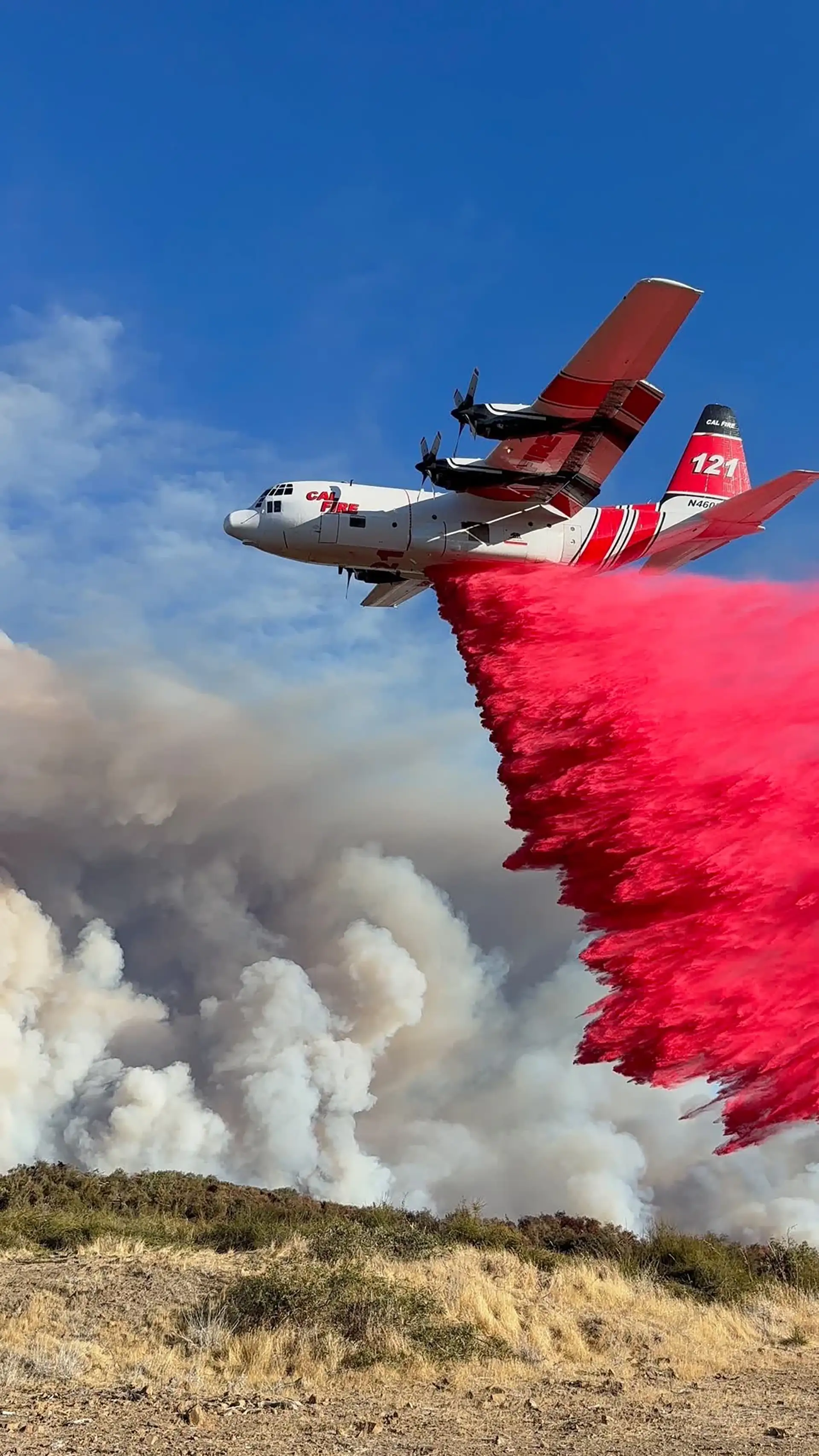
In 2020, Altadena’s population was recorded as just over 42,800 residents, living in an area of 5,427 acres (8.48 sq. miles/21.9 sq. km). The fire completely devastated the community, burning through neighborhoods and into the Angeles National Forest. In total, 14,021 acres and 1,073 structures were consumed, the fire killing 17 residents and injuring nine firefighters. TV news stations were airing video shot on Jan. 7, 2025, showing powerlines on a transmission tower in Altadena arcing with a fire igniting at its base. Santa Ana winds then whip the small fire into huge flames.
The lawsuit seeks more than $40 million in damages to recover fire suppression costs, rehabilitation of burned forested areas, and other environmental damages. Part of the suit seeks to prevent SCE from passing on the potential judgment’s costs to rate payers.
That same day, the U.S. Attorney filed a second lawsuit against SCE for the September 2022, Fairview Fire in Southern California’s Riverside County near the city of Hemet. The suit alleges that a poorly maintained SCE powerline was sagging, which made contact with a Frontier Communications cable, resulting in sparks that ignited vegetation below. The fire burned 28,098 acres (43.9 sq. miles/113.7 sq. km), 36 structures (22 of which were single-family homes), killing two persons, and injuring two firefighters. The lawsuit seeks $37 million in damages, including the reimbursement of some $20 million in fire suppression costs.
It should be noted that both of the Sept. 4, lawsuits come a little more than three months after SCE agreed to pay $82.5 million to resolve a lawsuit stemming from the 2020 Bobcat Fire. The fire burned more than 114,000 acres (178 sq. miles/461 sq. km.), of which 100,000 acres were in the Angeles National Forest. The U.S. Attorney alleged that trees were not properly maintained by SCE or its tree maintenance contractor, and said trees came in contact with powerlines. SCE agreed to pay to settle the lawsuit without admitting wrongdoing or fault.
While these lawsuits wind their way through the court system, industry experts have raised concern about the aging electrical grid system in the Western United States and its alleged propensity to spark wildland fires. In addition to aging electrical transmission lines, drought, lightning, wind, and human activity have combined to turn the fire season from a few months in the middle of summer into a year-round hazard.