 HOME
HOME




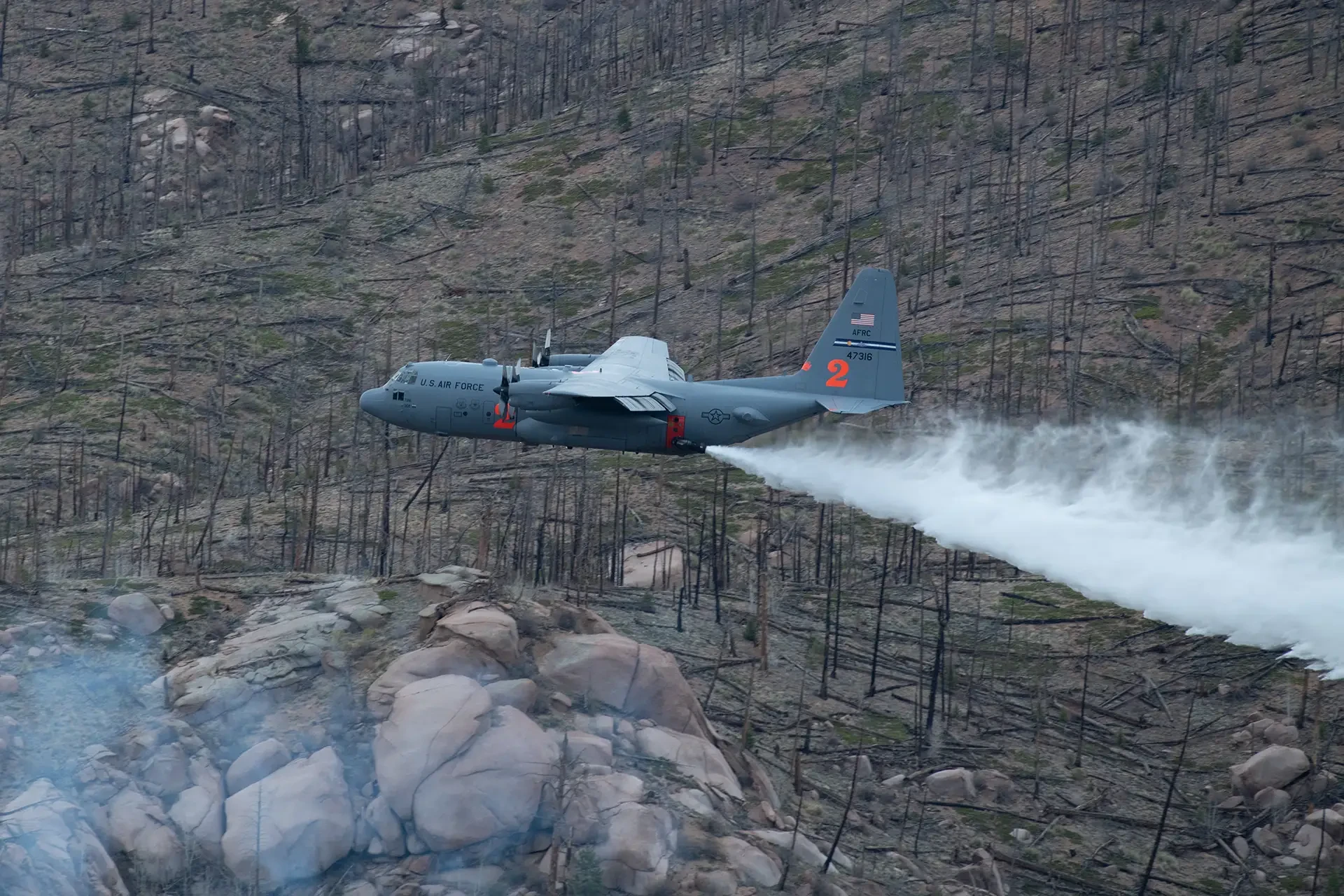
In the second of this two-part article Alan Norris examines the improvements made in the second generation Modular Airborne FireFighting System (MAFFS), its growing international adoption, and how various aircraft are integrating this life-saving technology.
While MAFFS I was an innovative and groundbreaking design, operational use highlighted some drawbacks that needed improvement. These included the need to keep the cargo ramp fully open to allow the manifolds to extend over the ramp because retardant discharge impacted flight dynamics and so prevented rear cabin pressurization. Plus, the five aluminium retardant tanks and the external air compressor module required frequent recharging, leading to delays at air tanker bases.
To address these issues, Aero Union collaborated with the U.S. Forest Service (USFS), the U.S. Air Force (USAF) and Lockheed Martin to develop the improved MAFFS II system. The first unit was delivered in July 2007.
Following further flight tests, the system was first deployed operationally in 2008, when a crew from the 302nd Airlift Wing launched from McClellan tanker base in California on an operational test using a C-130H.
By 2009, it was declared fully operational. The redesigned system, with its efficiency and safety improvements, quickly gained attention beyond the United States. As wildfires intensified worldwide, other nations recognized the advantages of MAFFS II and began integrating it into their own aerial firefighting fleets.
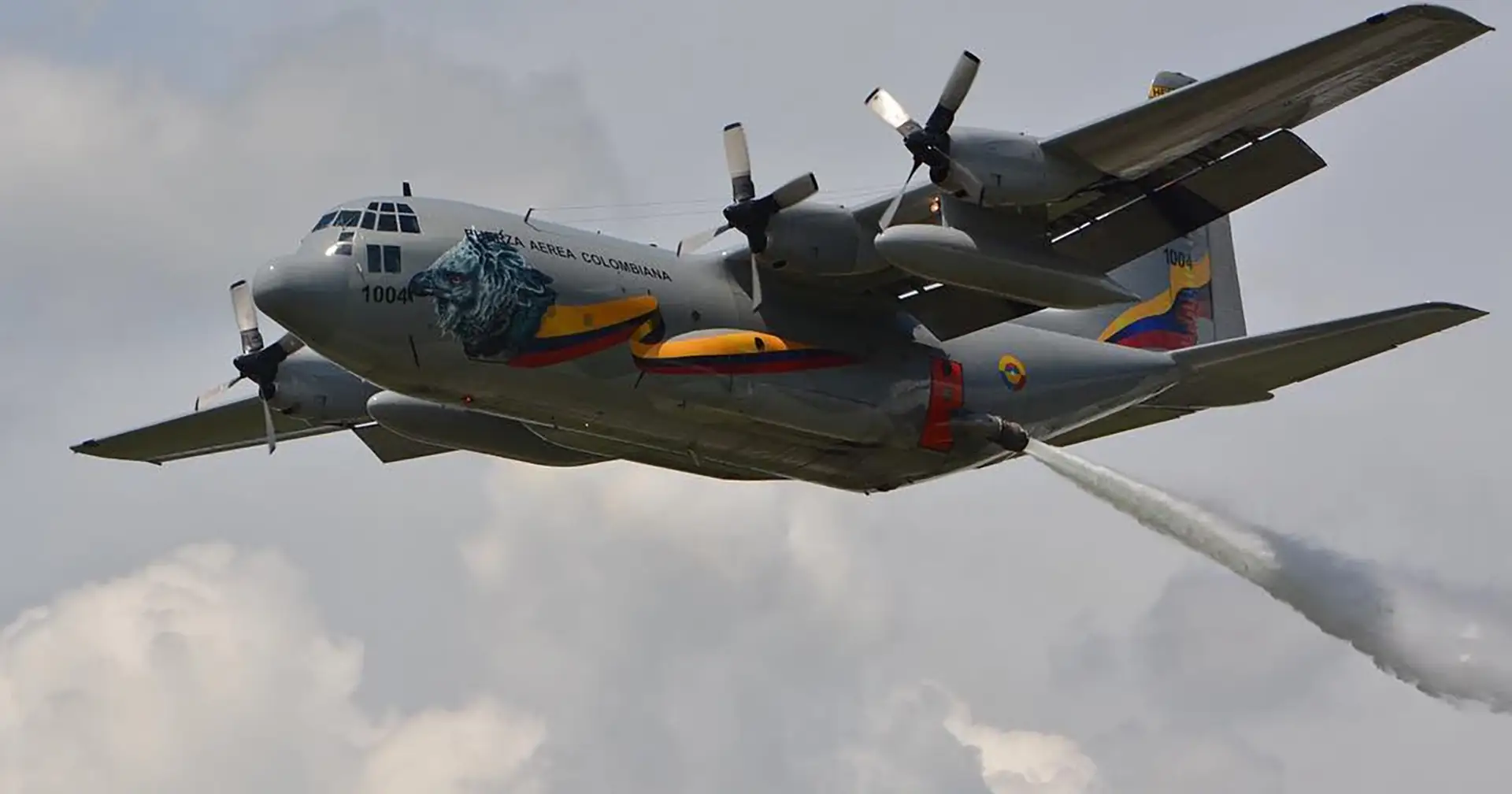
The redesigned system prioritizes efficiency and safety with several significant enhancements. The most notable difference is its dispersal mechanism. Instead of requiring an open cargo ramp, MAFFS II disperses retardant through a fixed S-duct nozzle installed in a paratrooper door on the rear port side. This allows the aircraft to remain pressurized during flight, enhancing safety and reducing crew fatigue. The closed ramp also greatly reduced inflight drag, allowing for an improvement in the aircraft performance margins over those available with the original design.
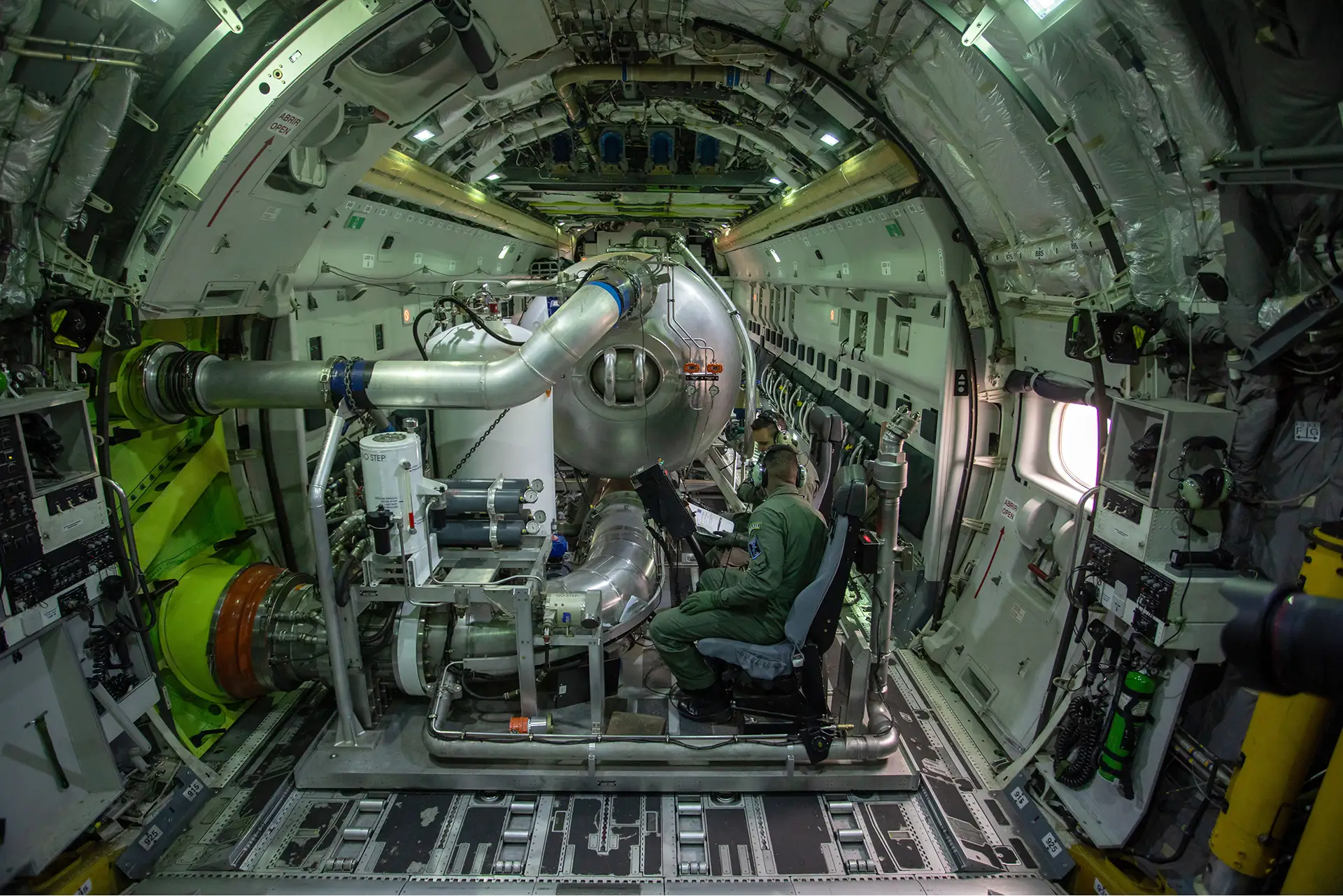
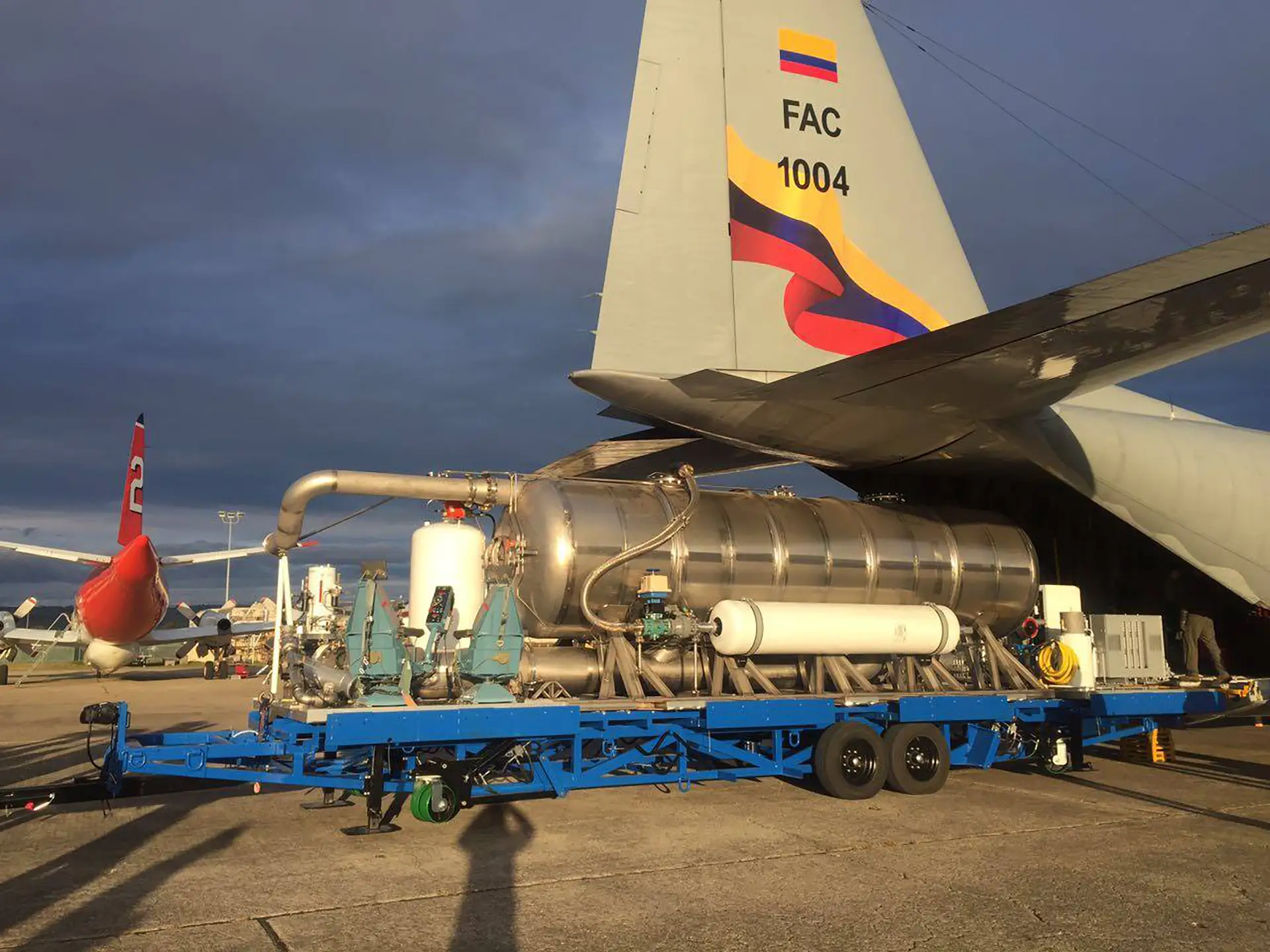
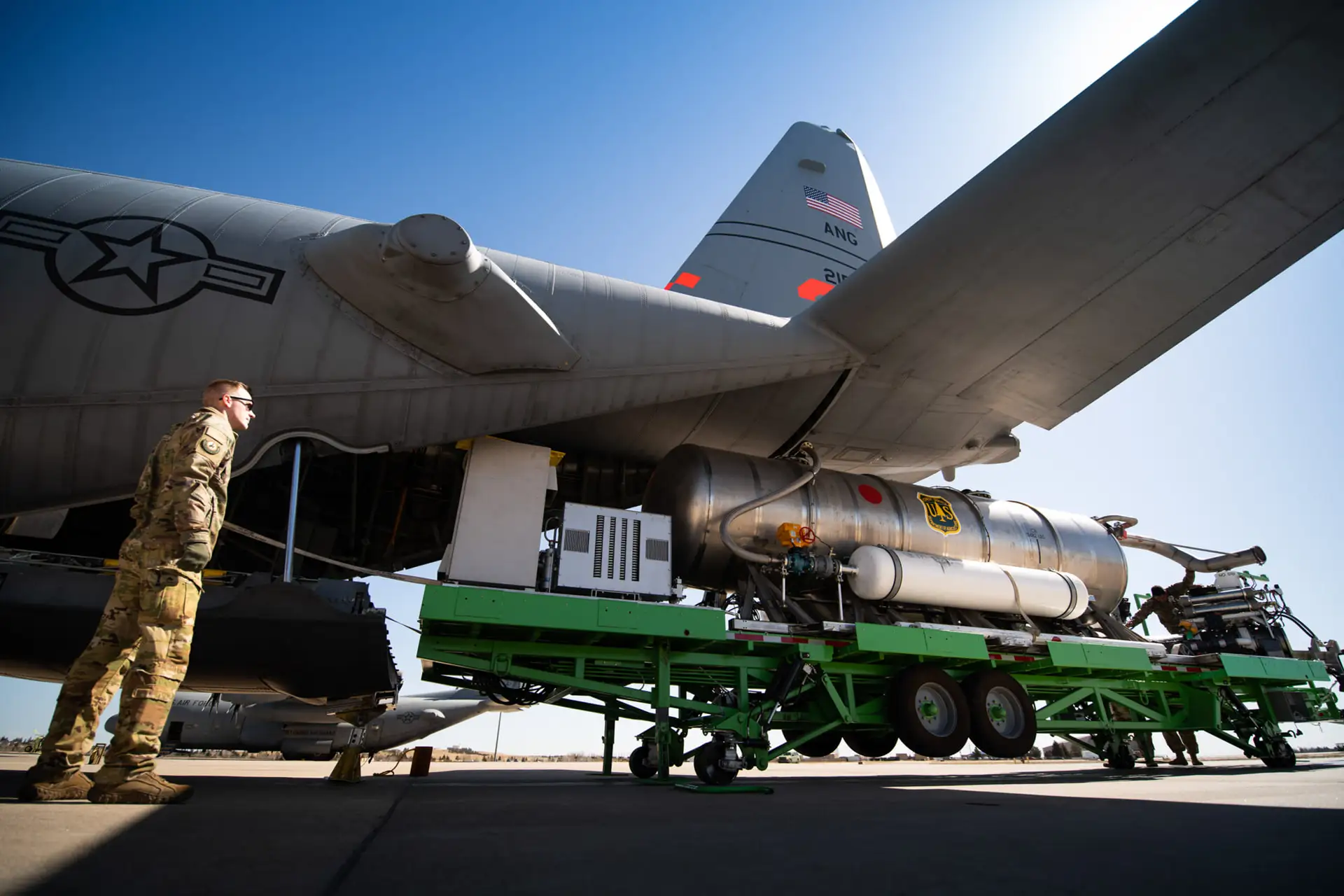
In addition, the five separate retardant tanks were replaced with a single tank that had an increased capacity of 3,000 US gallons (11,000 liters). The side door dispersal system enables more controlled and consistent retardant drops, supporting multiple drop patterns, including continuous and segmented releases, for better precision in diverse fire scenarios. Ground Pattern Coverage (GPC) levels were achieved, ranging from GPC 1 to 8 improving coverage and operational effectiveness.
GPC measures how evenly and densely fire retardant is distributed after being dropped from an aircraft. It is typically expressed in gallons per 100 square feet and determines how effective a drop is in containing or slowing the spread of a fire.
Unlike MAFFS I, which relied on an external compressor at refill sites, MAFFS II features two onboard air compressors that use aircraft power for in-flight tank re-pressurization. This self-contained system reduces turnaround times and eliminates the need for ground-based air compressors. It also allows aircraft to access remote refill locations, enhancing operational flexibility. The new roll-on/roll-off design allows for quicker installation, typically within 3-4 hours.
Cost Difference
While the MAFFS II system is more expensive than its predecessor, ranging from $4.5 million to $6 million compared to MAFFS I at $3 million to $4 million, the investment brings significant operational advantages. Its increased efficiency, reduced turnaround times, and improved drop precision translate into lower long-term costs and an extended equipment lifespan, ultimately making it a more cost-effective solution.
All U.S. military units have now transitioned to MAFFS II, and the Colombian Air Force became the first international customer in 2017, integrating the system into its C-130H fleet. As global interest in MAFFS II grew, so did the need for adaptability across different aircraft types, ensuring more nations could utilize the system for their firefighting efforts. While the C-130 Hercules has been the primary platform for MAFFS, other aircraft are now integrating the system.
Compatible MAFFS II Aircraft
While the C-130 Hercules has traditionally been the primary platform for MAFFS, newer aircraft are now integrating the system, expanding its global firefighting capabilities.
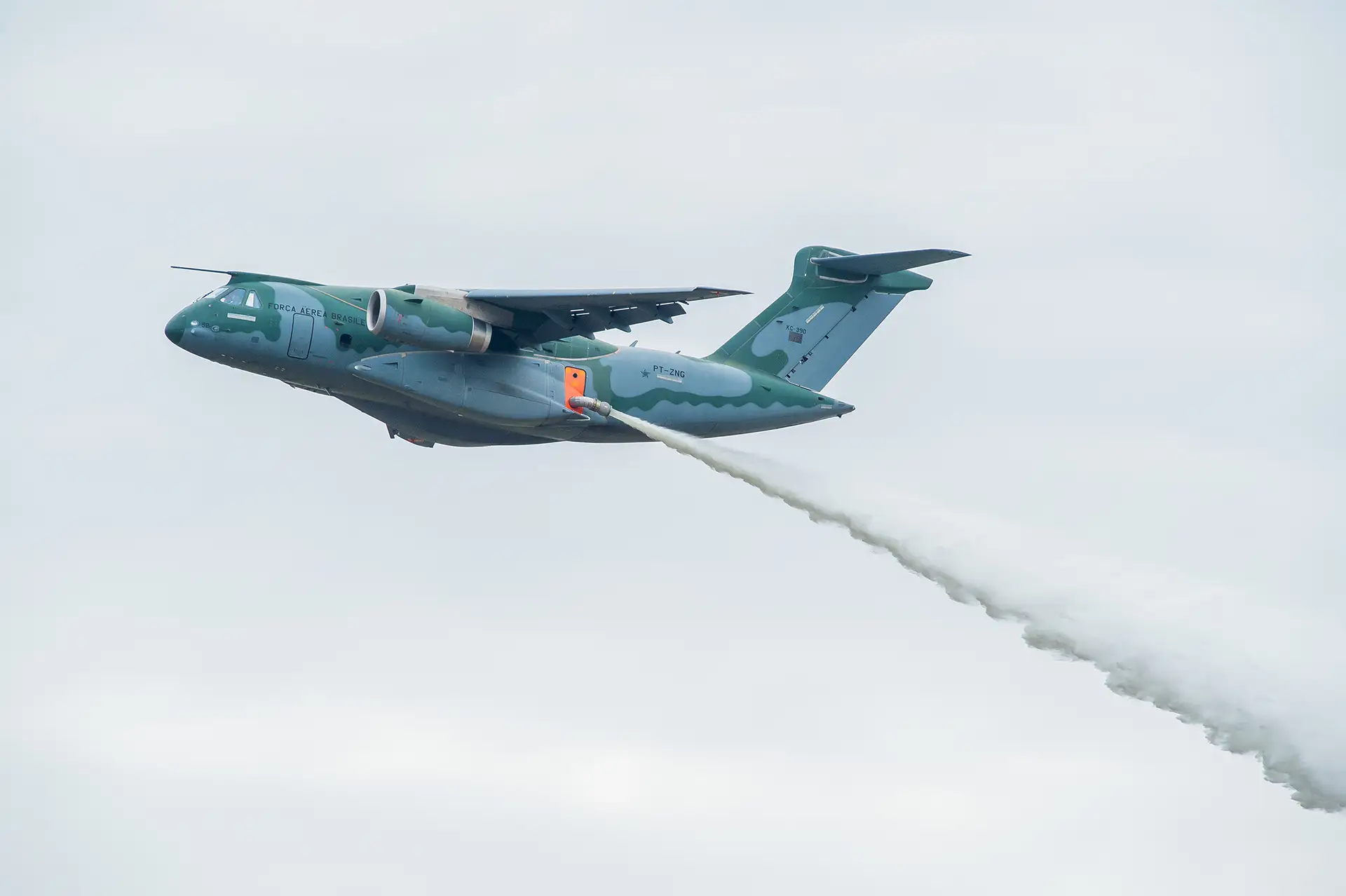
The Brazilian Air Force (FAB) initially used MAFFS I and II on its C-130s before testing MAFFS II on its KC-390 Millennium fleet. In 2022, Embraer successfully completed the KC-390's MAFFS II certification at its Gavião Peixoto facility in São Paulo, officially approving the aircraft for aerial firefighting missions.
In April 2024, the 1st Troop Transport Group (1st GTT) conducted its first firefighting mission with a MAFFS II equipped KC-390. It dropped 12,600 gallons of water over the Pantanal region of Brazil, combating fires caused by illegal forest burning. Over the next five months, the aircraft remained in high demand, completing more than 100 firefighting flights. By the end of 2024, FAB acquired a second MAFFS II system, doubling its aerial firefighting capacity.
FAB Commander, Lieutenant Brigadier Marcelo Kanitz Damasceno, highlighted the system’s effectiveness, stating: "The MAFFS II System has demonstrated high reaction capability in emergency situations that have occurred in many of Brazil’s regions. In total, the KC-390 equipped with the FireFighting System has already dropped more than one million liters of water. Our decision to expand this capacity is due to the high efficiency of MAFFS II, proven in more than 100 flights and the demand we have for such tools."
Beyond Brazil, MAFFS II is gaining traction across South America, with Chile and Argentina also adopting the system. In Europe, Portugal, Sweden, Austria, Hungary, and Czechia have placed orders for the KC-390 Millennium equipped with MAFFS II, signalling growing international demand for this advanced aerial firefighting capability.
Leonardo C-J27 FIRE FIGHTER
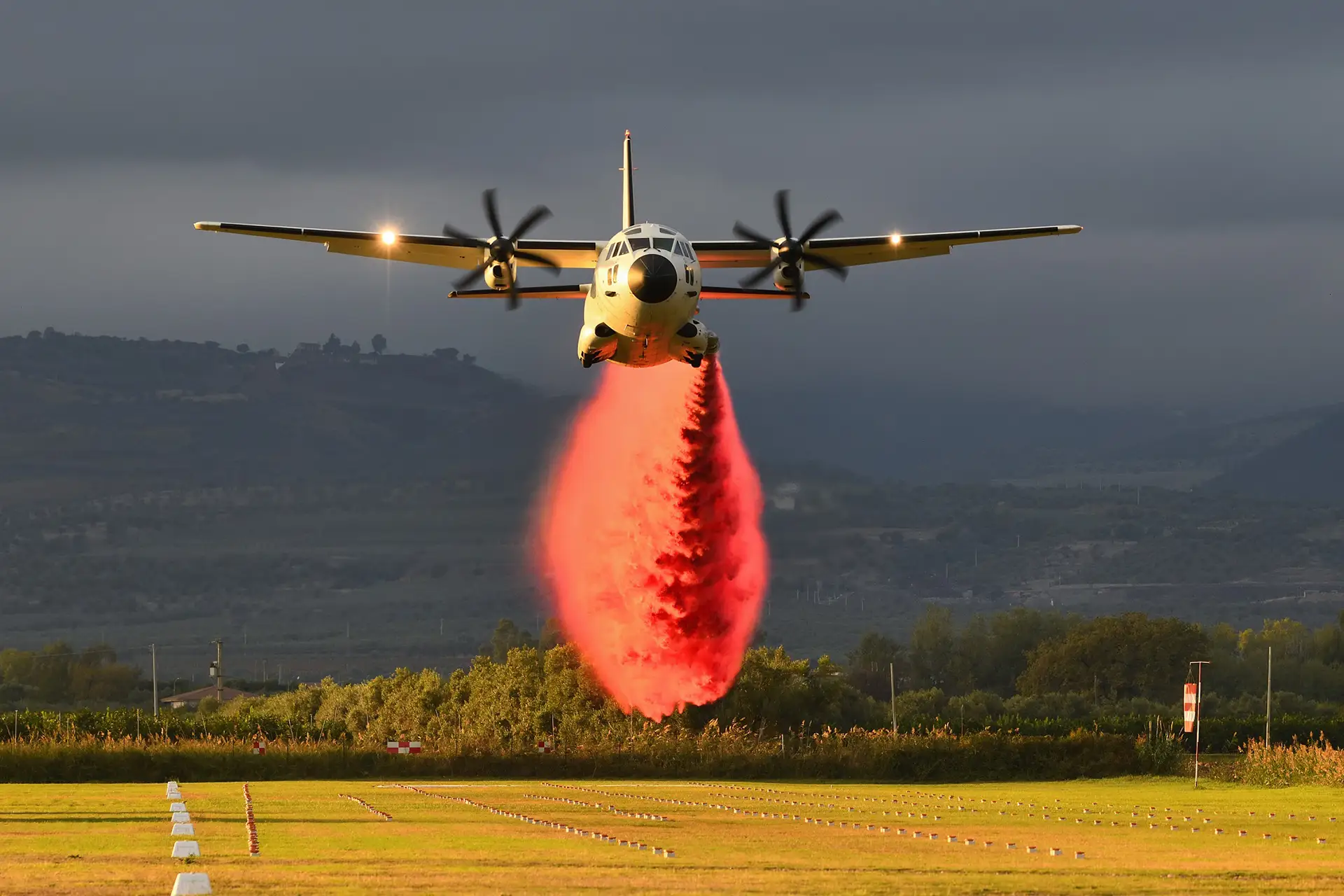
Leonardo has developed a firefighting variant of its twin-engine C-27J Spartan, equipped with MAFFS II, to provide a cost-effective solution for multi-mission operations. This development followed a series of flight trials at Leonardo’s facilities in Turin and Grottaglie, southern Italy, which demonstrated the effectiveness of the C-27J equipped with MAFFS II.
While both the C-27J and C-130 can be configured for aerial firefighting, the C-27J is a smaller transport aircraft with key differences that make it well-suited for specific missions. The Spartan’s smaller size and agility make it particularly effective for firefighting in confined or remote areas, including mountainous and heavily forested terrain, making it well-suited for initial attack missions.
Additionally, Leonardo states that when not engaged in firefighting operations, the C-27J can be rapidly reconfigured for other roles, such as humanitarian aid transport.
The C-27J already holds an EASA type certificate, and full certification of the FIRE FIGHTER variant is expected by the end of 2025. Once certified, this will enable European civilian operators to use the aircraft for aerial firefighting.
Although the exact cost of the FIRE FIGHTER variant has not been confirmed, its smaller size suggests it will be more affordable than the C-130. This makes it an attractive option for countries with budget constraints or those looking to maintain a smaller, multi-role military cargo fleet.
In late 2023, Leonardo delivered the first C-27J to the Slovenian Ministry of Defense. Once certification is complete, the aircraft will be operated in a firefighting configuration with the MAFFS II system.
Airbus A400M Atlas
As several European air forces transition away from the C-130 Hercules in favor of the Airbus A400M, the need for an advanced firefighting system compatible with the new platform became evident.
While MAFFS II has proven effective, Airbus saw an opportunity to develop an alternative roll-on-roll-off system for a newer generation of aircraft. Although still in development, this system shares similarities with MAFFS but with notable differences.
Development began in 2022, when Airbus conducted its first tests of a removable firefighting demonstrator kit on the A400M. These initial trials highlighted the aircraft’s advantages, greater range, higher payload capacity, and improved maneuverability, positioning it as a potential platform for large-scale firefighting operations.
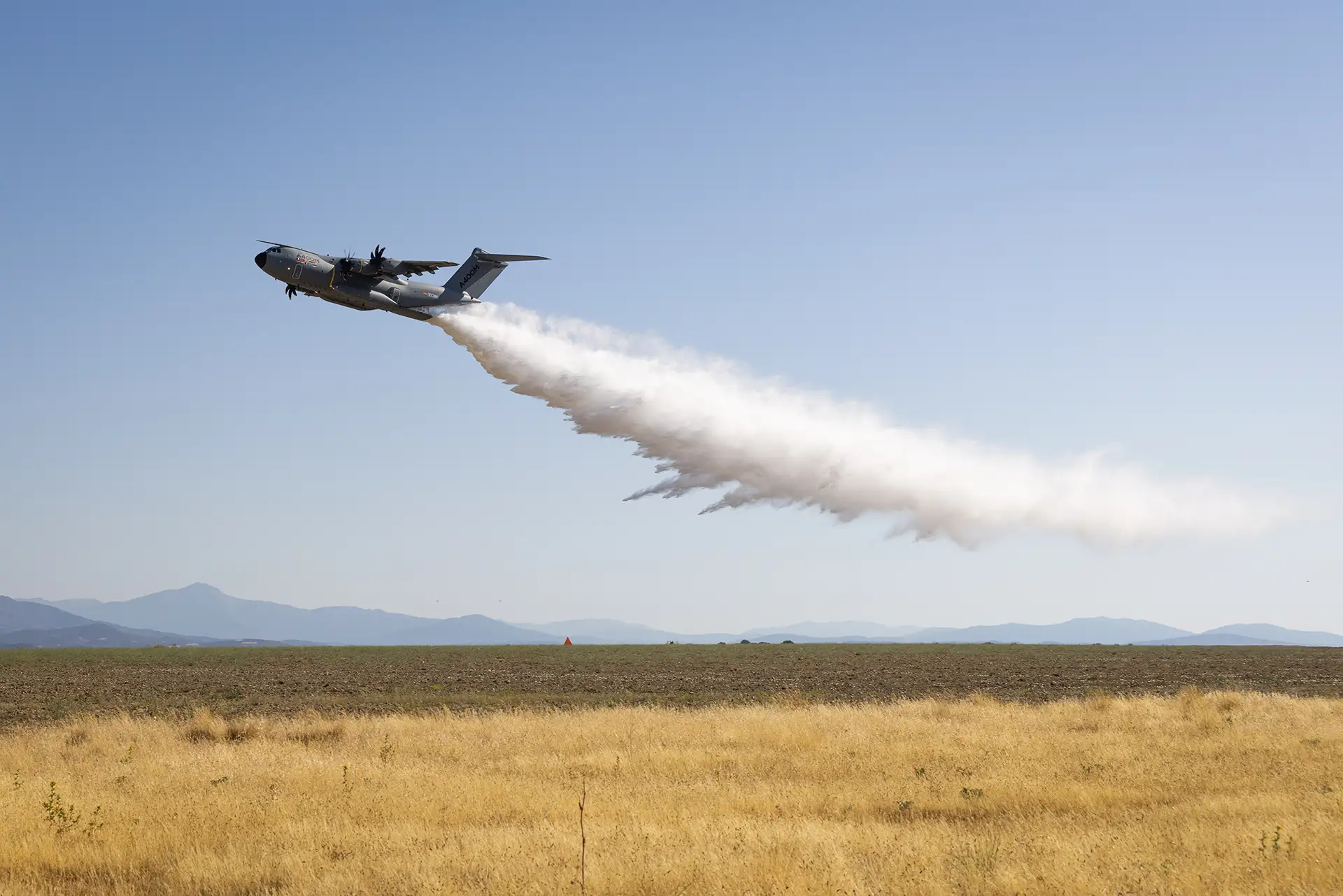
In 2023, Airbus refined the design and conducted a new flight test campaign, successfully deploying 4,399 US gallons (20,000 liters) of retardant. The test drops achieved a concentrated ground coverage of 1,312 feet (400 meters). Over a two-week period, Airbus conducted a ground and flight-test campaign across southwest and central Spain. An A400M performed six drops, three with fire retardant and three with water.
The system uses a fixed tank in the cargo hold to store water or retardant, relying on a gravity-fed mechanism for release. When an onboard operator activates a mechanical lever, two independent doors open, expelling the liquid through discharge pipes at the aircraft’s rear ramp. The tank can be refilled in under 10 minutes using standard high-pressure ground-based pumps.
Airbus expects the A400M’s low-level flight capability and maneuverability at low speeds will enable precise water drops from altitudes as low as 150 feet (46 meters). Future testing will also explore potential nighttime operations.
Jean-Brice Dumont, Head of Military Air Systems at Airbus Defense and Space, highlighted the system’s improvements “We have tested a new version of the kit, improving dropping efficiency and reducing discharge time by over 30% compared to the previous year, while combined with rapid deployment and easy installation on the A400M aircraft. We continue to pioneer new solutions and capabilities for our A400M fleet, in this case protecting populations and natural environments from fires.”
During the campaign, the Spanish Air Force’s 431st Firefighting Squadron served as technical advisors, assessing the operational viability of the A400M’s firefighting capability for future operators. Based in Torrejón de Ardoz near Madrid, the 431st Squadron operates 10 Canadair CL-215s and four CL-415Ts, maintaining a constant readiness to combat wildfires across Spain.
The A400M’s higher maximum takeoff weight could allow it to carry more fire retardant and operate for extended periods without refueling. Additionally, its speed and range may enable faster response times to remote wildfires, an advantage in large-scale firefighting operations.
Conclusion
The evolution of MAFFS technology, along with the introduction of new platforms such as the KC-390, C-27J, and A400M, underscores the rapid advancements in aerial firefighting. As more nations integrate MAFFS equipped aircraft into their fleets, wildfire response capabilities continue to improve, making suppression efforts more efficient, flexible, and scalable.
However, with wildfires becoming more frequent and intense due to climate change, the need for further innovation is clear. Emerging technologies, such as AI assisted drop targeting, real time fire mapping via satellite, and autonomous drone support for precision firefighting, could revolutionize how aerial fire suppression is conducted. Advancements in retardant formulas may also lead to more environmentally friendly solutions that minimize ecological impact while maximizing effectiveness.
As the demand for faster, more precise, and cost-effective aerial firefighting grows, ongoing developments in MAFFS and related firefighting technologies will be crucial in mitigating fire related disasters worldwide. The next decade will likely see even more breakthroughs, ensuring that aerial firefighting remains a critical tool in the battle against increasingly severe wildfire seasons.