 HOME
HOME




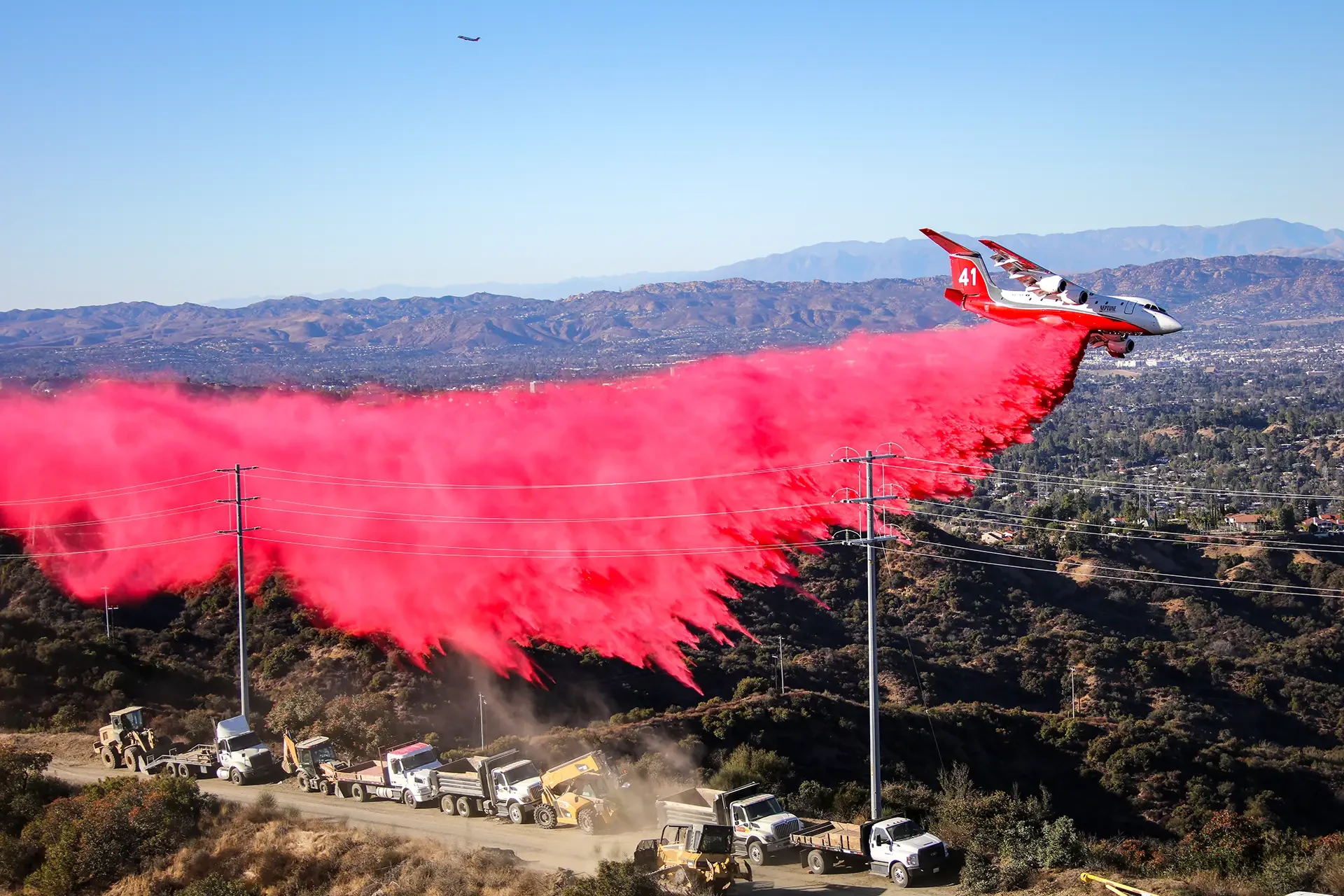
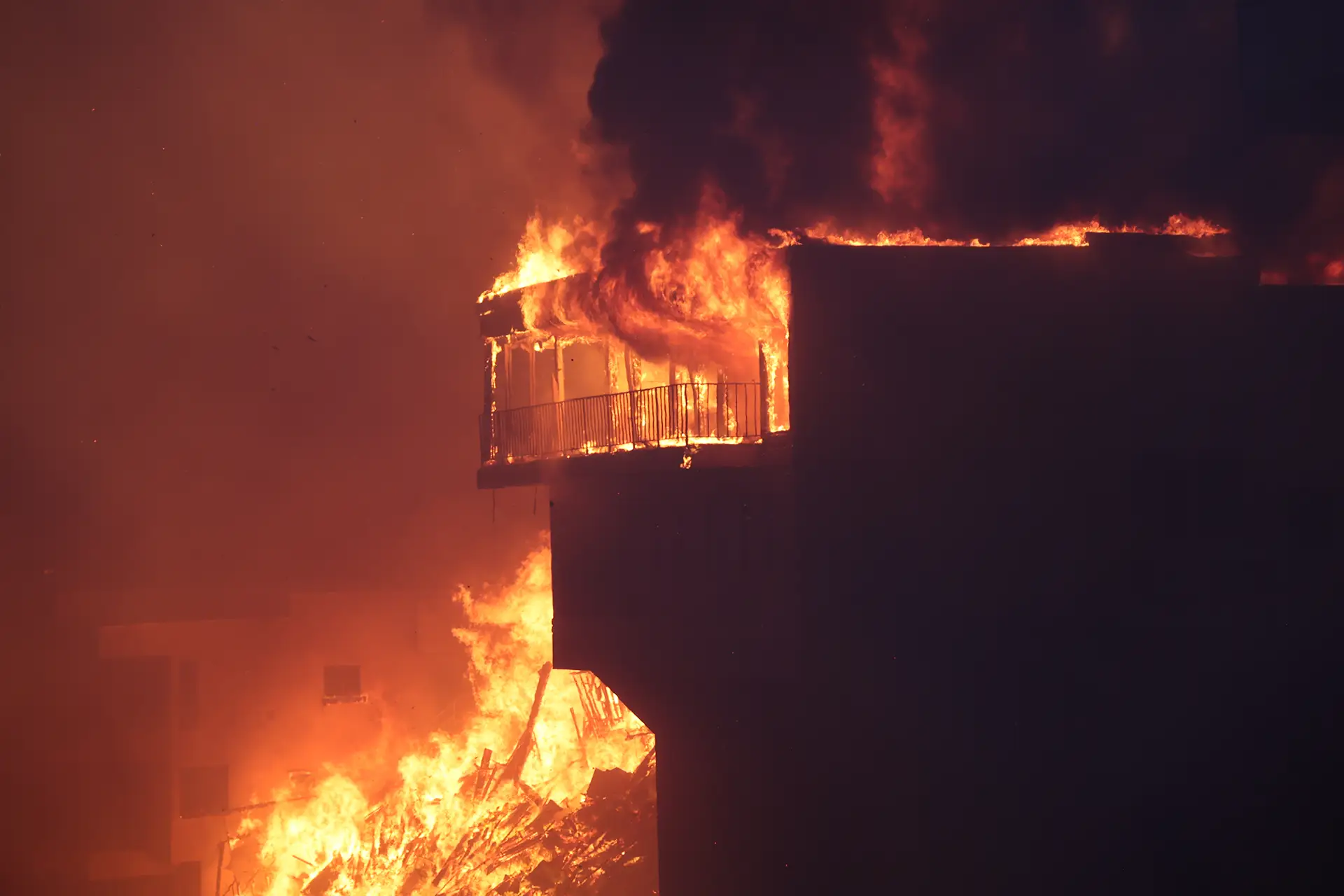
Like many around the world, I've been struck with no little awe at the scale of the devastation wrought upon the city and citizens of Los Angeles by the Palisades, Eaton, Hughes, and other wildfires that have afflicted the Greater LA area. At last count, over 70,000 acres have been affected, and thousands of homes, offices, schools and business units have been destroyed. Estimates place the damage to property and infrastructure at $50Bn and climbing. Sadly, there's also a human cost - at the time of writing (mid-February), 29 people are confirmed dead, with the authorities expecting that number to rise as more structures, debris and vehicles are cleared. The fires have held scant regard for who, what, where and when they have impacted. News reports have seen movie stars rubbing shoulders with the everyday population, watching helplessly, side by side, as their houses burn to the ground. According to Paul Karpus of Cal Fire, one of the (possible) urban myths that circulated on the fireground was that firefighters were, at one stage, 'herding chickens for Mel Gibson...'
On a more serious note, businesses will need to rebuild, families re-housed, and school children moved to alternate facilities while clean-up, recovery and repair operations take place. The timing, in terms of the US' political situation, has also proved somewhat 'inflammatory'; a lame duck President seeing out his last few days, a defeated (and seemingly mostly AWOL) Californian Vice President, and a State, in California, that proudly sees itself, as does its leadership, as a bastion of liberal ideas and values. With the incoming second term of Donald Trump just days away as the fires started, the political 'heat' sometimes seemed to match the conditions on the fireground. Trump not only visited the devastation, but one of his staunchest supporters, Elon Musk, himself no stranger to arguments with the State's hierarchy, turned up with a fleet of Cyber Trucks and dozens of Starlink terminals to help the firefighting operations with Command and Control in areas where traditional communications methods were unavailable due to terrain or the destruction of the cellular network. Claims and counterclaims were made about the availability of water, DE&I hiring policies and the defunding of the fire service to bolster social programs elsewhere.
However, none of the politics matters.
California's location, geography, climate, forestation and increasing urban sprawl are the main contributors to the Fire Risk, not which colour rosette or hat a politician might wear. As the LA conurbation grows, more and more homes are being built in areas of high fire risk - making them difficult, if not impossible, to insure adequately. Despite LA, and California in general, seeing a modest drop in population, it has not, as of yet, impacted the cost of property nor meaningfully alleviated the shortage. Demand still exceeds supply, which keeps prices sky high - according to some sources, the average property value in the Palisades area is (likely now, was...) US$4.5m. Such prices encourage developers to take a chance of building in lower land value, high fire risk areas, and, inevitably, that means fire insurance becomes increasingly unaffordable or even impossible to secure for would-be homeowners. It's not a problem unique to California either; United Aerial Firefighting Association (UAFA) estimates that some 44 million US homes 'sit where neighbourhoods meet wilderness areas'.
No Surprise but Surprised
To many professionals in the Industry, the fires came as little surprise.
Britt Coulson of Coulson Aviation noted that they identified 'Red Flag' conditions in the days running up to the start of the fires. 'We were seeing a sustained period of high temperatures, low Relative Humidity, and forecast high winds' he recalls. They recognised that the 'perfect conditions' for a large-scale fire were in place. Paul Karpus confirmed that Cal Fire had reached the same conclusion and had started positioning helicopters, people, and essential equipment 'up threat'.
Even so, the savagery of the fire caught even seasoned professionals by surprise. Karpus observes that this fire was 'different'. It's his 25th fire season and he cannot recall seeing 'so many homes that should not have burned, burn...the fire, fanned by the winds, was jumping from house to house as if it were moving from tree to tree..'. Britt recalled that the fire was burning so hot 'it was just incinerating everything.
The 'environmental savagery' was not limited to the fire, either.
Both Britt and Paul noted just how hard the first few hours were. Britt acknowledged that the wind conditions made it impossible to
find a sheltered location to start their Chinooks. Glancing at my old CH-47 Pilots Notes, a UK specification Chinook, with a rotor
brake, can start and stop in wind conditions of up to a steady 45kts, with gusts up to 80kts - which was very useful when starting the
aircraft in the high gradient wind conditions experienced in The Falkland Islands or on the deck of an aircraft carrier. Without a
rotor brake fitted, that figure drops to 40kts, with gusts of 70kts maximum. It was hardly surprising then that the rotorcraft
response was delayed until the wind had dropped somewhat into the acceptable start/stop windspeed range, although local wind conditions on
the ground, due to the convective and funnelled nature of the air around the fire and in the terrain, made operations difficult for the
duration. Karpus comments that 'it took the senior pilots to know when the safe limit had been reached - and not making the situation
worse by becoming a casualty themselves by 'pushing' too much'.
I asked Britt and Paul what they felt had gone well in the air attack community's response to the fire. First, Britt noted a host of
other fires that started at a similar time. True, Palisades grew in intensity and size, but he went on to say that '99.5% of the fires
started were put out pretty quickly by Rapid Initial Attack - and people need to understand that. It could have been much, much
worse'. He continued that the timing of the start of the Palisades fire, with the high wind conditions and inability to get
helicopters airborne to start putting water on target in those critical first few hours, is the reason why it got so big, so damaging, so
quickly.
Air Attack Operations
However, once the wind conditions permitted air attack operations to begin in earnest, there was common praise for how the disparate
organisations and companies cooperated to good effect. Karpus suggested that, historically, the 'broad church' of air attack operators
had, perhaps, not worked together efficiently.
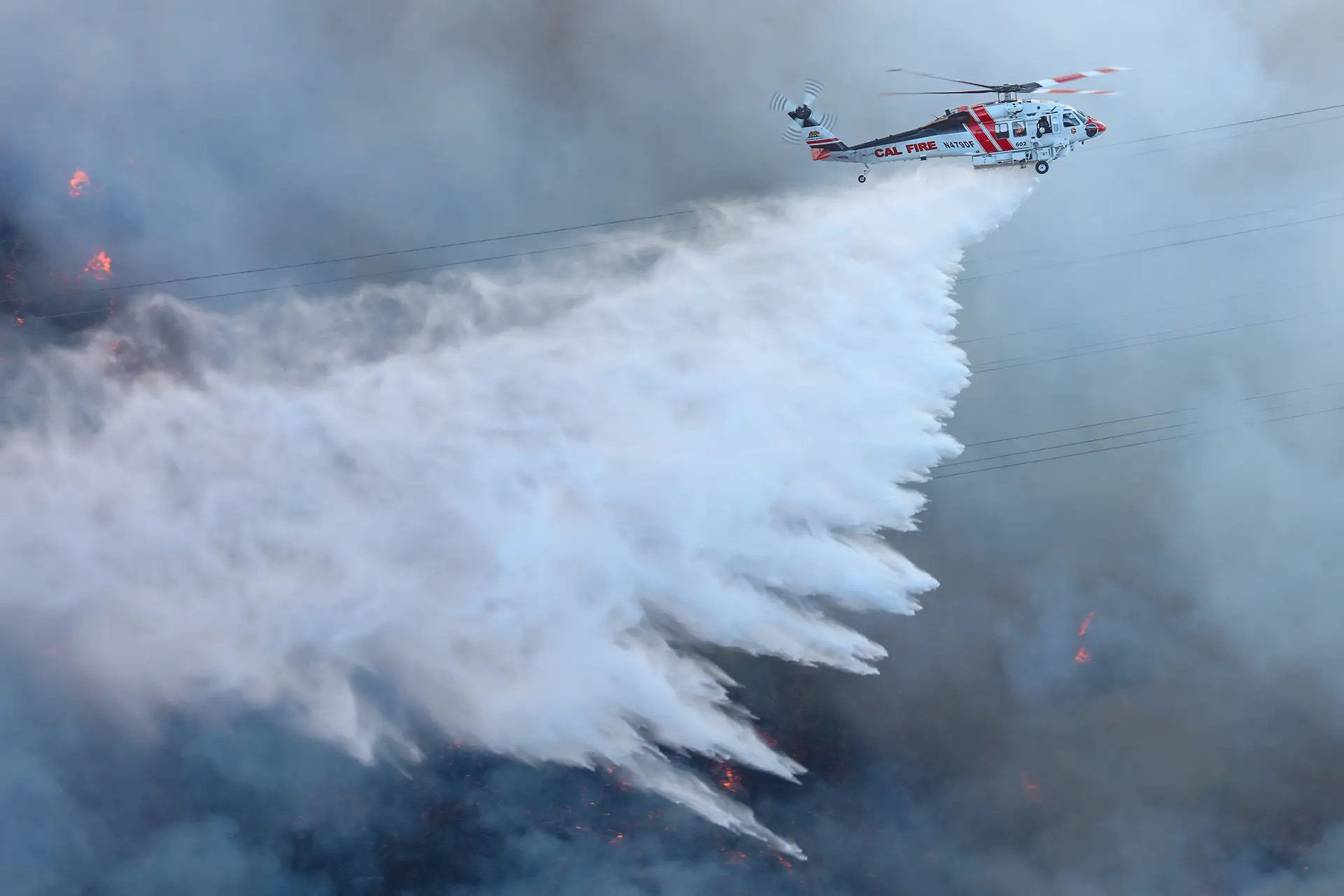
This time was different; Cal Fire, The National Guard, LA County, Ventura and a host of contractors, including the 'Call When Needed' contract holders, all responded quickly and almost with one voice. Karpus describes it as a feeling of 'Hey guys, how are we gonna do this?' and that the almost immediate coordination of dispatch, refuelling, operating areas, and frequencies was 'a breath of fresh air'. He continued by saying by the end of Day 1, the operation already had a 'Day2/3 feeling' about it. This close coordination resulted from a lot of pre-fire planning and the personal relationships developed between the agencies and operators. Karpus noted that the Palisades fire, although savage in intensity, was actually relatively small in geographical area - only some 20,000 acres. That close to 100 air attack aircraft and helicopters were able to successfully (and safely) prosecute their missions in such a small area, and let's not forget, do so in dense smoke, difficult terrain and strong gusting convective winds, is a testament to the Command and Control effort (including the likes of Paul himself as a B429 Night Co-Ordination Pilot), the increasing standardisation of techniques and frequencies, and the mutual trust between all involved.
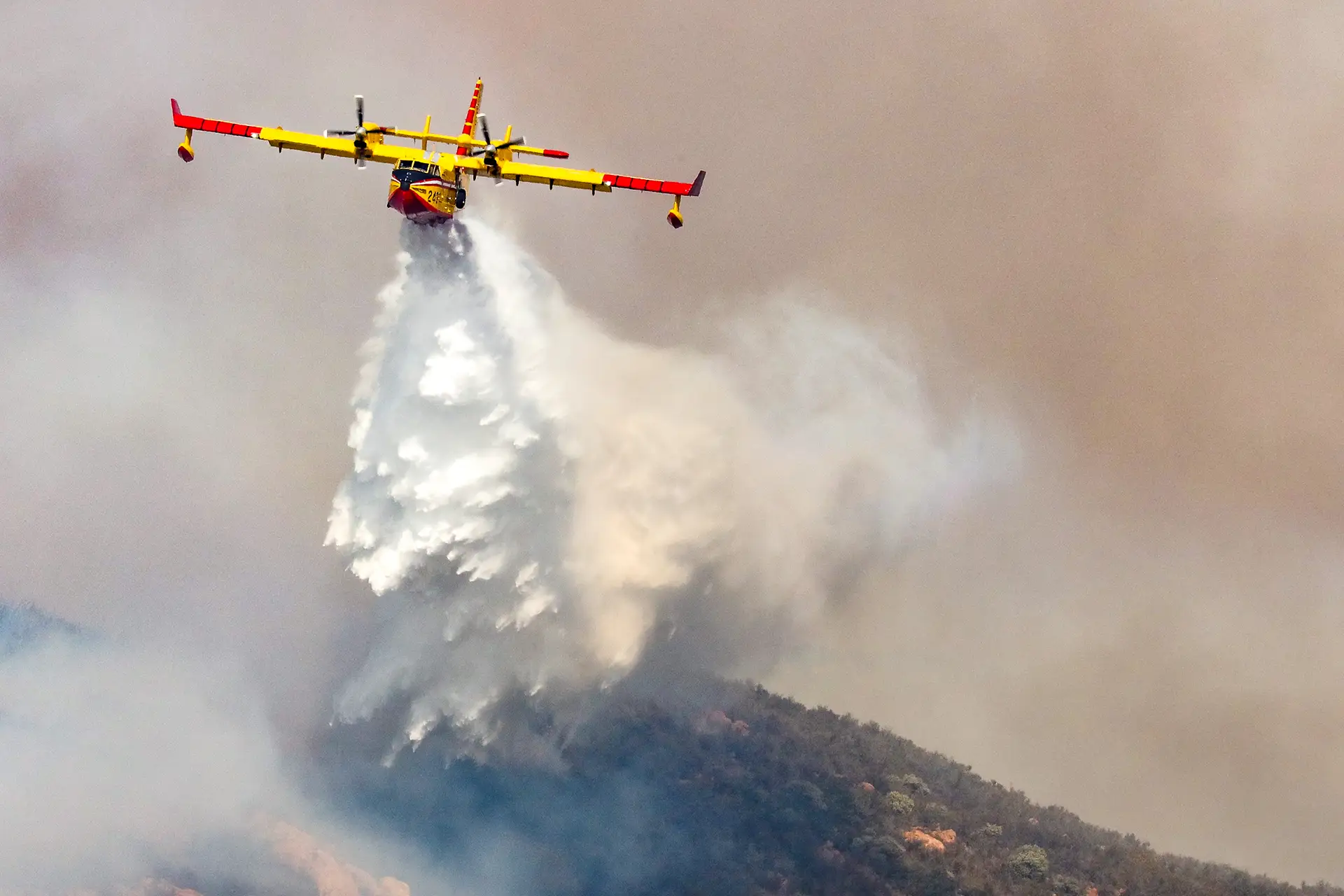
Britt observed that, in his opinion, the key to the successful prosecution of the Palisades and Eaton fires was the almost exclusive use of larger air attack platforms, such as the Very Large Air Tankers (VLATs), Chinooks, Skycranes and tanks, not bucket carrying. Black Hawks such as the Firehawk 'made all the difference'. He acknowledged that the Single Engine Air Tanker (SEAT) and Call When Needed 'bucket-haulers' played a crucial role, but that 'these really were not SEAT or 'mom and pop' outfit fires', and restrictions on the ability of the smaller platforms to fly in the strong winds, and the relatively small amount of water they could drop, plus their extended drop cycle, made them much better suited to knocking down 'the other 99.5% of fires' - which they did, successfully. Britt explained that and echoing Paul's comment, the small scale of the Palisades fire, coupled with its intensity, meant that every drop run on the fireground had to be worthwhile; aircraft had to be in/out quickly and capable of dropping a meaningful amount of water. He likened it to a major airport; each approach or departure 'slot' can either be filled by a commuter aircraft like an ATR-72 carrying 70-odd passengers or a Boeing 777 carrying as many as 500; the airport is tied up for the same amount of time, but for far greater effect with the larger aircraft. The same on the fireground; you need the 'biggest bang for your buck' on every drop run, and, ideally, you don't want congestion caused by helicopters having to fly at low airspeed with empty buckets.
Crew Effort
Both Coulson and Karpus heaped praise on their crews. Paul highlighted that his seasoned crews knew when they were being effective and when they were not. If the 'juice weren't worth the squeeze' they would return and leave more slots for aircraft that could still make a difference. Britt agreed, noting that conditions were tough, but then 'they like that!' and the investment in training, especially in gaining and maintaining night qualifications, really paid off. Crews were divided into day and night 12-hour shifts, enabling water to be dropped 24/7 when conditions permitted.
What Did Not Go Well
When asked what went wrong, the responses were different, perhaps reflecting the viewpoints of a state organisation and a contractor.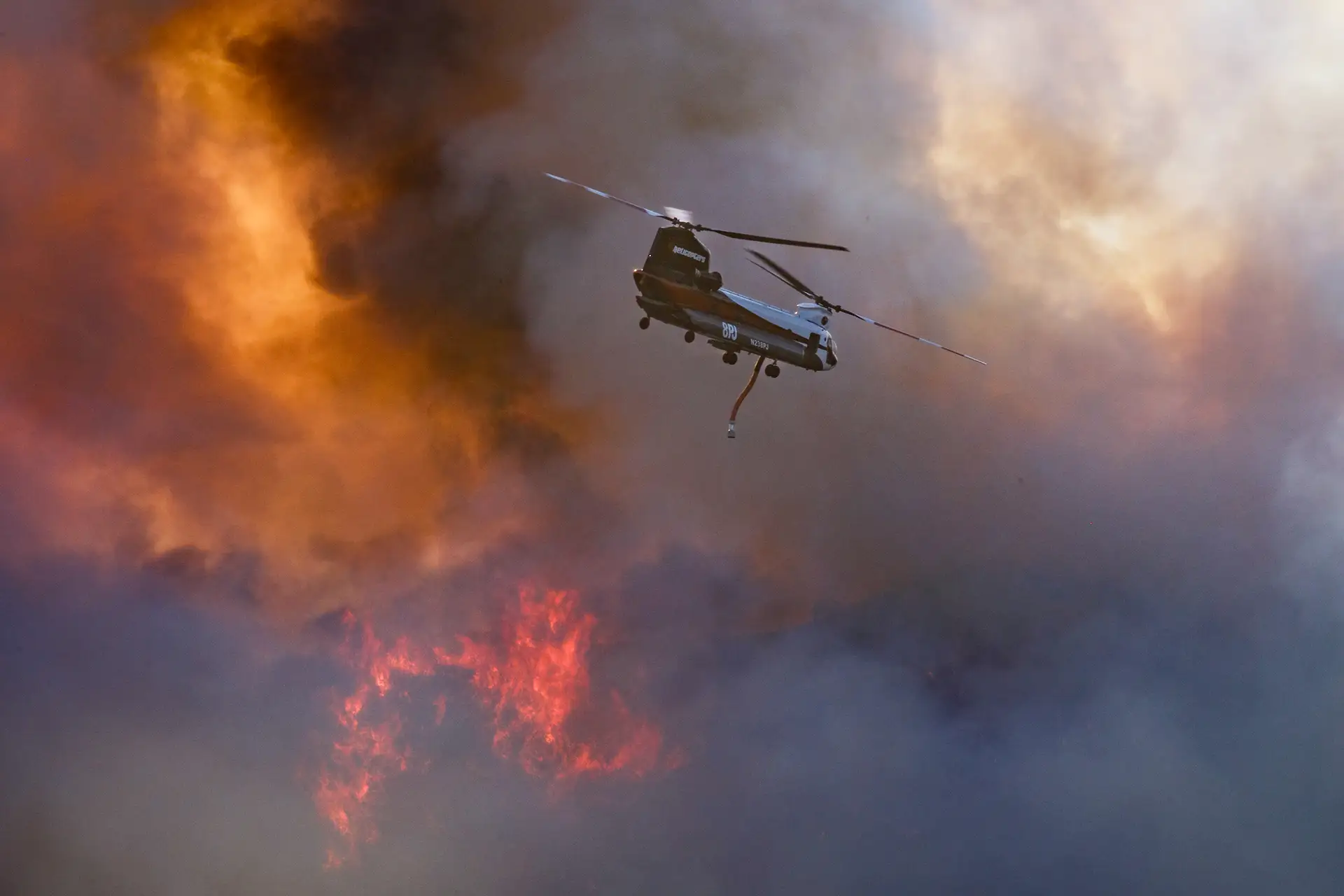
Paul observed that, despite pre-deploying aircraft and personnel ahead of the forecast high winds, Cal Fire had underestimated the burden of the logistics 'tail' required to support aircraft, crews, maintainers and operations personnel in the field for an extended time. The remote 'Heli Base' established was 'on another level...like a mini city, with food, fridges and fuel' but that they rapidly realised 'what they didn't know about sustained night operations'. Cal Fire had, by comparison to some of the contractors, far fewer sleeper trailers - vital to keeping all personnel rested between shifts. He says that part of their key 'After Action Reporting' will be how Cal Fire improves the logistics to support the 'Heli Base' concept. He acknowledged in this area 'the contractors already had it all available'.
From Britt's perspective, he was disappointed by some of the high-level Command and Control being exercised by senior State and County representatives. He was critical of the shortages of water in some areas, a matter that rapidly became a political 'hot potato', as the competing interests of protecting California's ecosystem and water infrastructure (salt water is, after all, highly corrosive) and the need to stop the fire caused significant tensions.
Perhaps most significantly, Britt questioned whether these fires took California, and the air attack industry in general, towards something of a 'tipping point' with regard to the funding and availability of the larger air attack platforms that proved so important in finally defeating the Palisades and Eaton fires.
It's a point acknowledged by the UAFA; in a press release, they state that "The LA Fires alone have caused well above $50 billion in damage, in days. Yet we spend under $10 billion annually fighting wildfires nationwide". Britt suggests the growing reality is far worse. Historically, air attack airframes from contractors like Coulson, have been able to live something of a nomadic global life. Britt explains that 'We would get a 6-month contract with USFS, or another state or government agency, to have our Chinooks, C130s and other expensive assets available for the traditional 180-day fire season in the US. At the end of that contracted period, we'd put the aircraft in for a 30-day maintenance & reset period, allow the crews some leave and currency training, and then move the aircraft to the southern hemisphere, mainly Australia, for their 90-day season'. We'd bring the aircraft back, run more maintenance and then stand the aircraft back up in the US in good time for the American season - with refreshed and current crews ready to go. That's getting harder to achieve every year."
Why?
In simple terms, the effects of Climate Change and land use (i.e., more urbanisation of hitherto wild areas) are stretching the fire season
length and increasing the risk exposure areas both in the US and elsewhere. 'We're now at the point where we're struggling to have
the time to do the maintenance and ship the aircraft between different seasonal contracts. That's just the aircraft; the crews need
to be considered, too. The 'best value' contracts used by State and Federal agencies are becoming almost impossible to deal
with. A Chinook and her crews are expensive assets, especially if trying to maintain a number of highly perishable skills - such as
NVG flying. As Britt explains, 'In big handfuls, it costs broadly $5m to put a Chinook on the line for a 180-day fire season. To make
that aircraft pay for itself the whole year, we have to move it somewhere else when that period is up - and that increases the risk that
California, or somewhere else, may suffer an early (or late) 'campaign fire' and we haven't got the aircraft in-country to deal with
it. You simply can't spend too much money in those first few hours."
It's a sobering thought. It's entirely possible that a Palisades-style fire could break out before or after the traditional 'season', and the USFS and other agencies simply cannot get the 'big droppers' into the fight as they're either in a maintenance period or on another contract globally. As Britt notes, 'That rough figure of $5m for 180 days probably doesn't double for a year-long contact. I'm guessing that one of our Chinooks would probably be in the region of $8.5-9m for an annual contract, as we wouldn't have the amount of downtime we currently have'. It certainly seems to be the tacit message from the UAFA - more money, now, to ringfence US-based assets for national needs. The political ramifications of a US President, especially an 'America First' one, watching a major conurbation razed to the ground as many of the supposedly 'home team' assets are on contract elsewhere are potentially devastating.
UAFA Efforts
Trying to get ahead of the narrative, the UAFA has publicly supported the "Aerial Firefighting Enhancement Act of 2025", which is a bi-partisan effort from a number of Representatives from California, Texas, New Mexico and Washington State to reauthorise the Wildfire Suppression Aircraft Transfer Act of 1996. One of the proposers, Congressman Salud Carbajal of California’s 24th Congressional District, which includes Ventura County, notes that the original 1996 Act 'played a crucial role in expanding and modernizing America's aerial firefighting fleet". The Act allowed the Department of Defense (DoD) to transfer aircraft and spares deemed surplus for firefighting duties. However, the Act reached a 'sunset clause' in 2017. Carbajal continues ' “Our firefighters need all the help they can get, and allowing the sale of the Department of Defense’s excess aircraft responsibly leverages the assets we have for public safety and fire management." The proposal ensures that excess aircraft are released at a 'fair market price' and that spare parts for ex-military aircraft already in the firefighting inventory will also be made available, further enhancing the current provision.
Ex-military Platforms
In real terms, if the act is passed (and it would take a brave politician to stand in its way...) it helps the DoD, USFS and the broader US economy. The former can continue to re-equip its active fleet with fresh aircraft off the production line, especially in the case of the C130, CH-47 and UH-60. Newer aircraft, while expensive to purchase, tend to be cheaper to operate in the long term and inevitably feature the latest technology - giving that important technological overmatch in combat.
The USFS and Air Attack industry benefit from a steady supply of sturdy military platforms, often with significant life remaining. As an example, at the time of writing, UH-60L 88-26037 is available on the GSA auction site (current bid $2.8m if you're interested...) and appears to have only approximately 6000 hours 'on the clock', with some 808 hours clear until the next major item (Forward Cooling Plate) is due.
Crucially, these surplus aircraft are not the 'war weary' B-17s, A-26s and PV-2s that established the industry in the 1950s and 1960s; these are modern, mid-life machines that have been well maintained by their 'one careful owner', have long design lives and have meticulous records detailing the work that's been carried out, and when. Finally, the broader US economy benefits. Black Hawk aside, the slowdown in the release of surplus airframes since 2017 has led to many in the Air Attack industry sourcing airframes from elsewhere. Coulson bought five C-130H from Norway in 2019 and is rumoured to be interested in the purchase of the RNZAF's recently retired C-130H airframes - four of which are being made available, with one going to a museum. The C130J line is still 'hot', the 'boneyard' has some 300 early C-130s in desert storage, and the Air National Guard still has the C130H in its inventory (the C130J having replaced the C130H in active duty units in 2017). As the Guard slowly upgrades to the C-130J, some of these airframes and their spares could be made available under the provisions of the new act.
If DoD were incentivised to release its remaining CH-47Ds and early CH-47Fs (many of which are remanufactured Ds) it would clear the way for Boeing to maintain the Block II 'F' line going, helping to keep the fly-away cost and export pricing down. While the F's RTX CAAS cockpit may not be certifiable in a civil sense, there are plenty of 3rd Parties who now offer comprehensive STC qualified digital cockpits for the CH-47, and Columbia Helicopters, in partnership with Boeing, are in the process of assembling the first '234SP' - a civil certified ex-military CH-47D. And this spend is before the bespoke air attack equipment is considered. Therefore, plenty of work to go around for the whole aerospace and defence industry.
How Much Risk?
The US faces a choice. It either continues to 'take the risk' in wildfire prevention and suppression, or it elects to begin a major investment in providing and contracting in the larger air attack assets that proved so effective, if not essential, for the January fires in California.
To not do so runs the very real risk that many of the most capable air attack assets will be elsewhere paying their way. To quote the UAFA:
'The choice facing Congress is stark. Fund comprehensive wildfire defense now, or watch more communities burn while emergency responders do their best with insufficient resources. The time for congressional action isn't next fire season - it's now'