 HOME
HOME




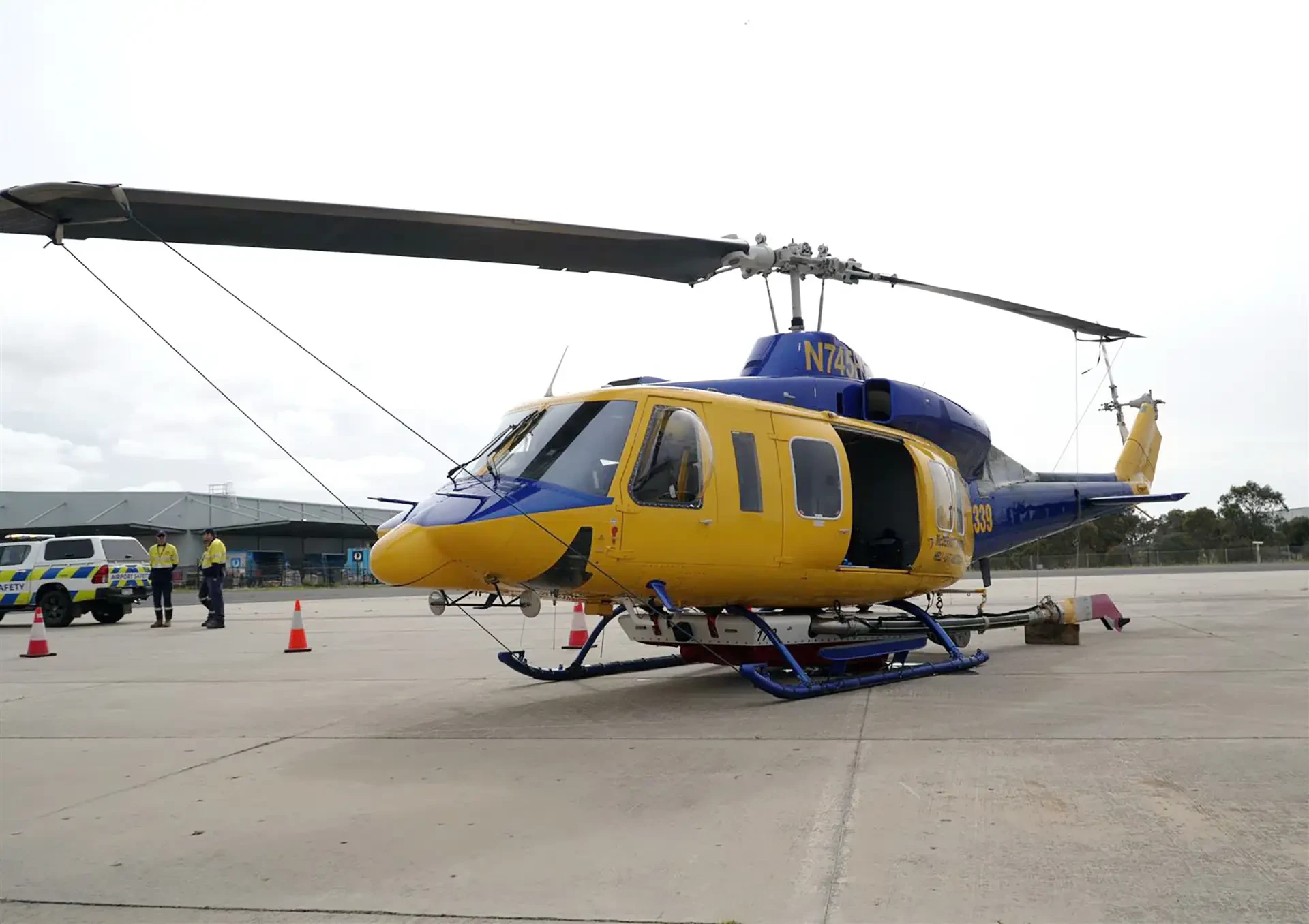
Victoria’s aerial firefighting fleet is ready to take to the skies ahead of another high-risk fire season this summer.
Minister for Emergency Services Vicki Ward unveiled the fleet at Avalon Airport, alongside Emergency Management Commissioner Tim Wiebusch and emergency services personnel.
“In the sky and on the ground, our fire crews are ready for whatever this season throws at them. Fire preparedness is a shared responsibility, we need all Victorians to get ready and stay informed so everyone can enjoy summer safely.” Said Minister for Emergency Services Vicki Ward
This year’s fleet features 54 aircraft and includes two new fixed wing aircraft with infrared capabilities which can capture higher quality images than ever before, enabling better decision making and more accurate mapping.
Two Large Air Tankers will be based at Avalon Airport, and two high-volume Aircranes with the capacity to carry 10,000 liters of water will be positioned at Essendon and Moorabbin.
A dedicated Super Puma helicopter has returned to the skies to fight fires at night through firebombing, supported by an Air Attack Supervision aircraft that provides critical fire detection and observation at night.
This fleet unveiling follows the launch of 15 regional aircraft which started their service period early last month.
A call when needed fleet of more than 100 aircraft is also available including Black Hawk Helicopters, and Victoria can request additional aircraft from the National Fleet.
The latest Australian Seasonal Bushfire Outlook for summer indicates south-west and western Victoria, including north central, east central and south-west Gippsland are at an increased fire risk due to underlying dryness.
This includes the northern slopes of the Otways, Mt Buangor State Park, Wombat State Forest and Central Highlands, parts of Mornington Peninsula, the Kinglake and Yarra Ranges and parts of Eildon. The remaining parts of the state are forecast to have normal fire risk this summer.
Aircraft can be moved across the state according to risk and have already responded to several fires since starting their service period in October, a month earlier than usual due to increased fire risk.