 HOME
HOME




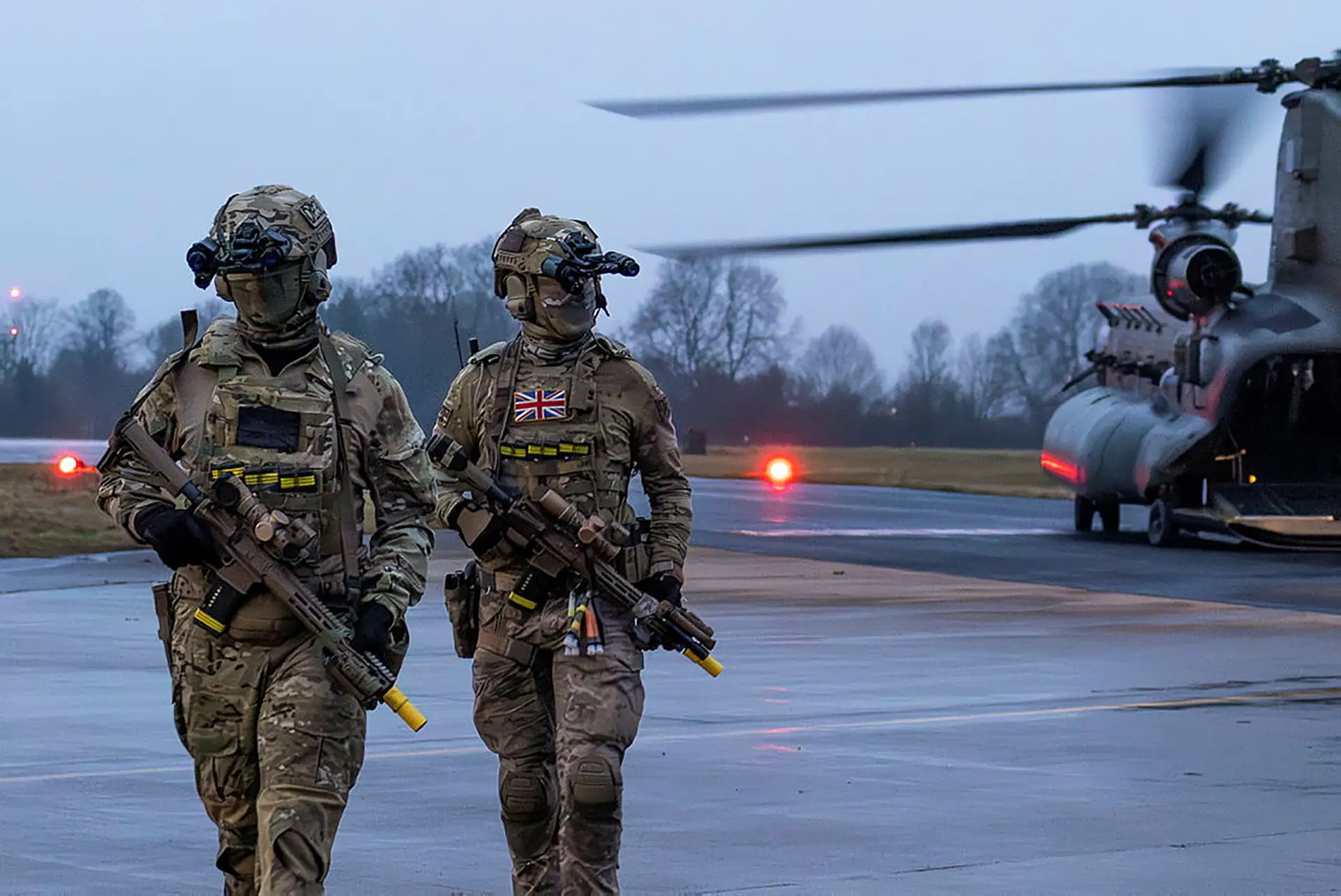
The Brits have long been regarded as the leaders in the SF world. The famed 22 SAS and SBS have been all the UK has needed for every conflict and campaign since WW2, but it would seem changes are afoot. As the UK military continues to shrink while the country's requirement for Special Forces continues to grow, this article explores how the Brits have gone about rapidly raising more SOF, by creating the Ranger Regiment and re-orientating the Royal Marines' Commando Force.
Across most SF units, whether in the Middle East, Asia, Australasia or the US it is not uncommon to find the fingerprints of UKSF. Indeed, many SF units can trace their lineage directly back to the UK, who spent their post WW2 years raising and training forces globally. The undeniable innovators of special operations, the famed 22 SAS and SBS served as models for what a national special force should look like. From Sterling’s war time SAS to Princess Gate (the Iranian Embassy hostage rescue), the UK has been at the forefront of defining what it is to be SF. And now they are set to change things once again, but this time with a twist. Instead of raising or training a unit abroad, the UK is turning its talents inwardly. Enter, the single-service Special Operations Forces, new capabilities that the UK is fielding. This article will explore why this is an interesting change and what is behind the UK's decision. By reviewing the background of UKSF, their resource constraints and their growing need for more capability we can highlight what these new forces provide before outlining what some of the second order effects associated with this decision may be.
Before we dive into the details, we first need to address UK definitions as they have specific meanings. Unlike the US where the term SF
refers to the Green Beret capabilities, in the UK it instead refers to their top tier SF capabilities. Their interpretation of the term
“SOF” is those units that are special operations capable but are not “SF”. What can be taken from this is that UKSF and the new British
Special Operations forces are two very different things. With this established we can now review UKSFs background before exploring their new
capabilities.
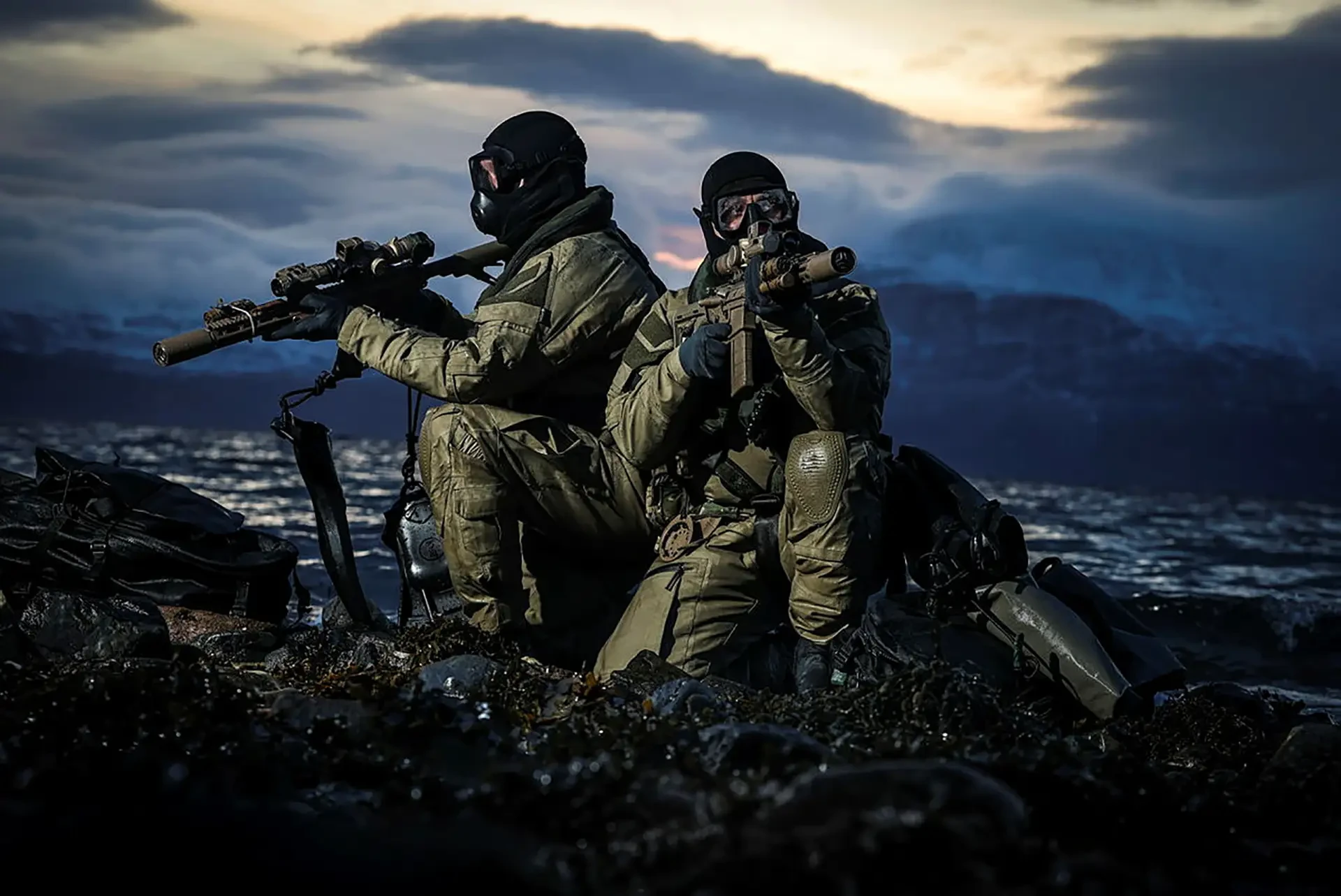
Up until 2005 the UK had two premier regimental sized organisations, the army’s 22 Special Air Service Regiment and the Royal Marines’ Special Boat Service. Both units trace their lineage back to WW2 and served as templates for many other western capabilities including Australia’s SASR, New Zealand’s SAS and the US’ Delta Force. While they have the same core roles, size and output, they differ regarding insertion techniques. While the SAS privileges air and land insertion the SBS concentrates on littoral and sea projection. Despite this, during the GWOT they were essentially interchangeable operationally within the major CT theatres.
From 2005, the Special Reconnaissance Regiment (SRR) was added to UKSF. Specialising in covert intelligence gathering, SRR represents a specifically British capability that is unique in so far that it was born out of domestic operations, specifically the Northern Ireland 'Troubles'. In 2006, as the GWOT demanded more forces, the 1st Battalion of the Parachute Regiment was assigned to serve as a Special Forces Support Group (SFSG) and finally, a signals regiment (18 UKSF) rounded out the ground-based capabilities.
Until recently there have been no other “special” capabilities within the British military, therefore the term SF has referred to either the SAS or SBS. With the addition of SRR, SFSG and 18 Signals, in a typically understated British fashion, they chose not to add definitions, instead they simply referred to all capabilities as “UKSF”. Notwithstanding this, within the SF community there remains a clear distinction between the full spectrum units (SAS and SBS) and the niche units (SRR, SFSG, 18 Sigs). With a clearer understanding of UKSF history we can now turn to understanding what has driven the need for new forces.
The growing need for SF and the shrinking UK defence budget.
Although the UK military has been shrinking in real terms since WW2, UKSF has consistently been swimming against the tide. If we look back through the publicly published Strategic Defence Reviews (SDRs) we can identify a clear trend:
2010 SDR praised UKSF and explicitly protected it amid major cuts. UKSF were framed as a high value and
rapidly deployable asset during the GWOT.
2015 SDR continued in a similar vein to 2010. Instead of being protected from cuts, UKSF experienced
investment.
2021 integrated review and associated defence command papers positioned UKSF as a core element of
Britian’s “integrated” and “Global Britian” approach. UKSF was postured as a critical
element to counter emergent threats and to undertake grey zone competition.
2025 SDR described UKSF as “the tip of the spear”. It states that defence must continue to enhance its
SF.
Over the last 15 years UKSF has not only been resilient in the face of defence cuts, it has instead been singled out for expansion. Against a background of defence austerity, and a growing operational need, the question became; How can the UK create more special forces while shrinking the military in general terms? To understand this, we can now turn to the role of Single Service designated SOF units (Ss-SOF).
Single service designated SOF units
To meet the requirement for more SF the UK has chosen to re-role, re-brand and re-equip standing capabilities thus turning them into SS-SoF. These “special operations capable” units will create the mass the UK seeks by providing both the Army and the Navy a SOF capability each. The first of these capability to consider is the Army’s Special Operations Brigade, which at its core consists of the Ranger Regiment.
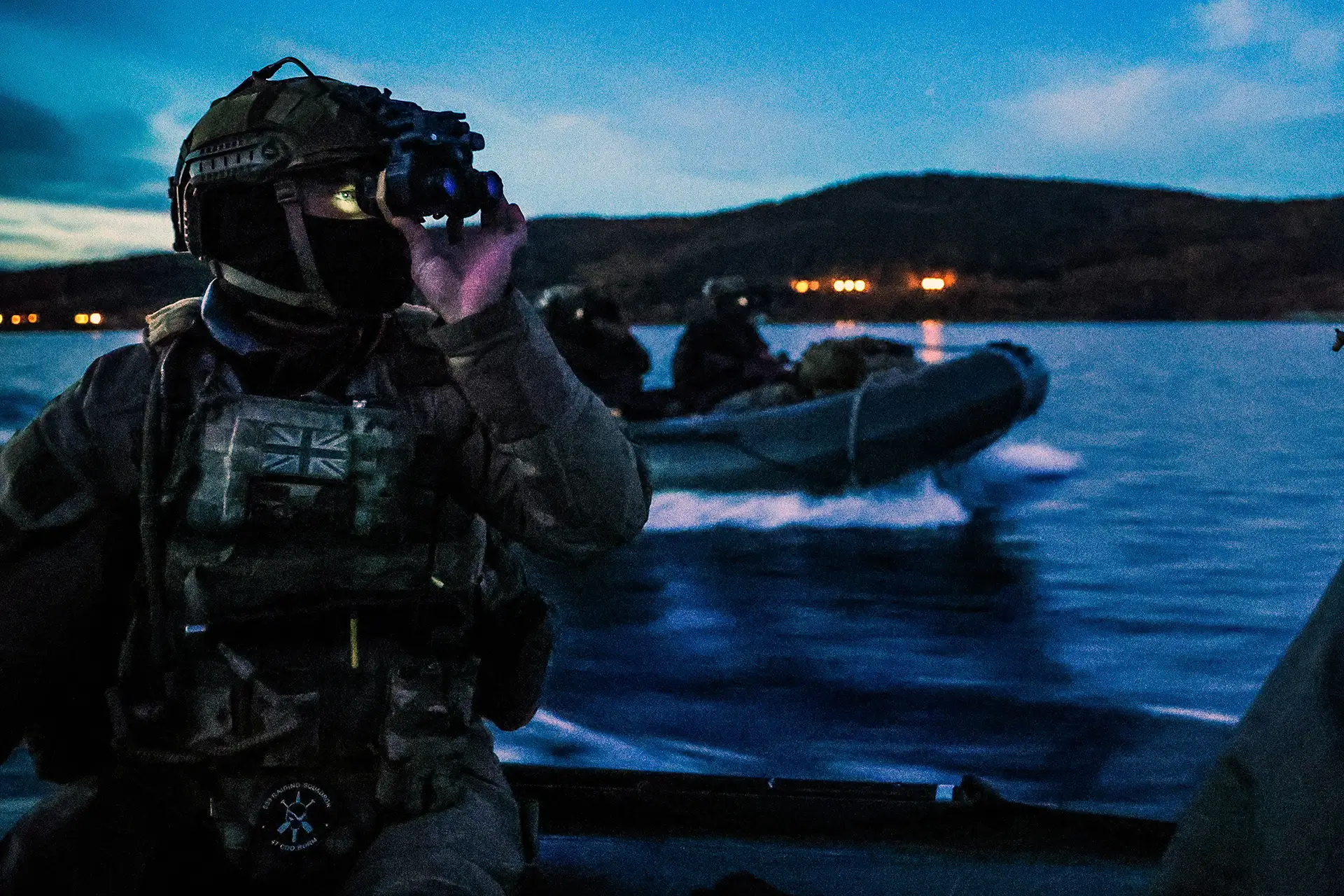
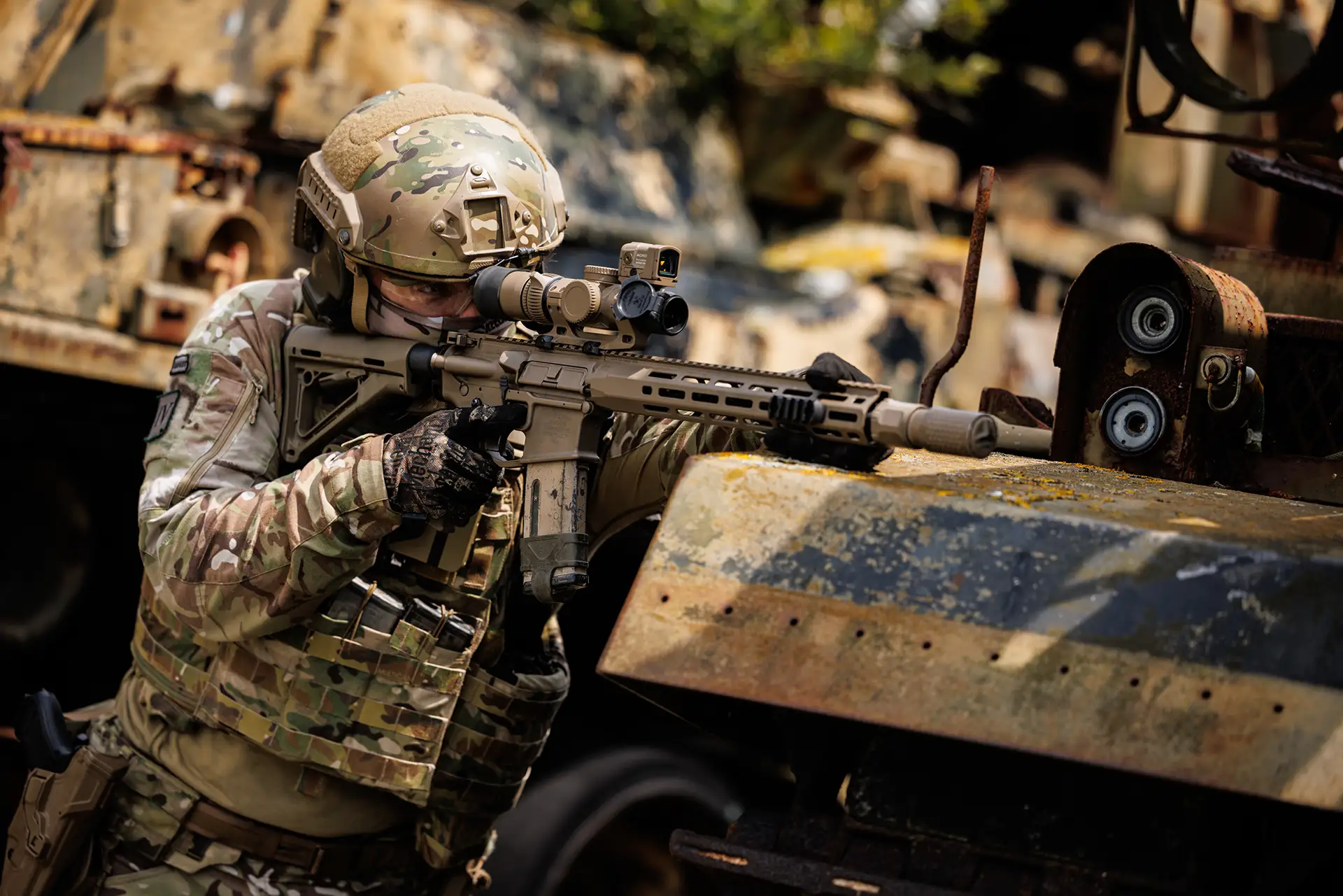
The Ranger Regiment is a land special operations capability which represents an evolution from conventional to Special Operations Forces. This is interesting for several reasons. The original units, prior to transformation, started out as line infantry. Battalions were first converted to “Specialised infantry” around 2017and were re-structured to conduct mentoring and training of friendly force infantry, essentially creating a Foreign Internal Defence (FID) styled force. In 2021 they were further converted and amalgamated to form the “Ranger Regiment” which became the centre of mass for the Army’s special operation force. What is noteworthy about the decision to form the Ranger Regiment was that it was made against a backdrop of reductions in the overall army establishment. It is not hard to suspect that the re-badging of forces served to protect Battalions via a renaming and re-branding exercise, something the British Army consistently has done for close to 100 years. The outward justification was that SOF, in an environment with less money and more pressure on capabilities, represented greater value as it can execute varied mission sets, while requiring less mass.
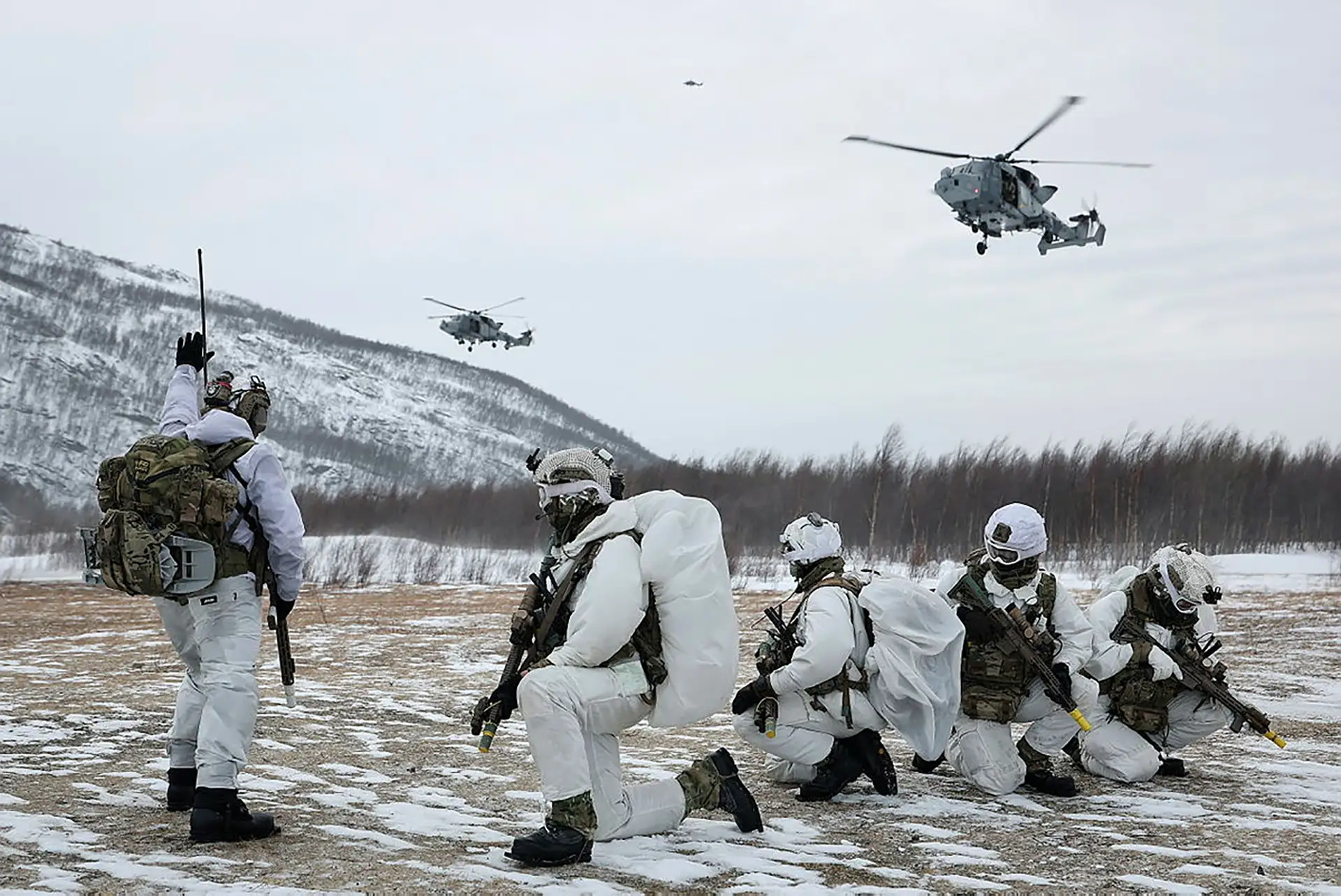
The second Ss-SOF unit to consider is the Navy's Royal Marine Commandos. Historically an elite infantry raiding force, the Commandos have served the UK in all its major campaigns since WW2. The pathway to becoming a “special operations capable force” began in 2021 with the release of the British Future commando concept, which directed the two main Commandos, 40 and 45, to re-orientate and create independent “strike companies”, three of which would in turn support the Royal Navy's Littoral Response Groups that would be geographically focussed, one for the North in the NATO region and one for the South (which covers the rest of the world). It’s worth mentioning that once again, like the situation surrounding the creation of the Ranger force, the re-orientation of the Commandos occurred against a backdrop of defence cuts. It is noteworthy that in the face of austerity the Navy chose to realign conventional capabilities to more specialised ones. To implement this, they invested over 40 million pounds and committed the Commandos to a lengthy capability build up period spanning over two years.
What to make of all this? Well on the one hand the British Army has created a “Ranger Regiment” which unlike the US 75th Ranger Regiment, is instead more comparable to a Green Beret force. On the other hand, the Navy has re-rolled the Commando Force, also known as “green berets”, due to their distinctive headgear, they are more akin to MARSOF raiders. If all this seems confusing the key point is that both the Army and Navy now field Brigade sized SO forces. These are commanded by the Chief of the General Staff (CGS) and First Sea Lord respectively and were raised from existing regular units as opposed to being created from scratch. Having established how the UK created new capabilities we can now turn to considering what they provide.
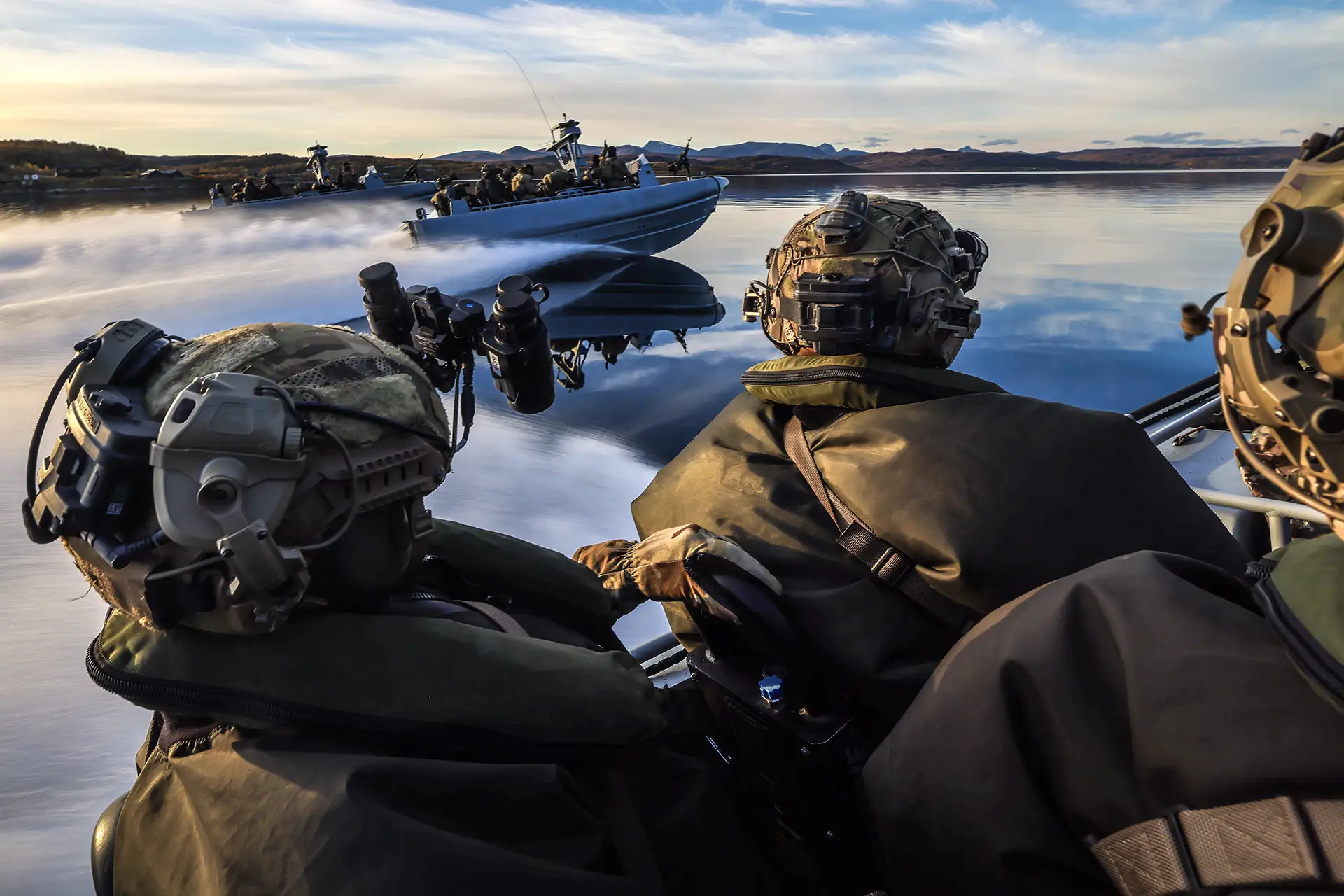
What Ss-SOF forces provide
The addition of SOC forces provides three things: first, value for money, second, increased capability and third enhancement within NATO.
Firstly, by taking legacy line units and reequipping and retraining them, the military can make the argument to The Treasury that for a relative small increase in funding, the taxpayer is now receiving far more for its money. Units that only provided infantry outputs, can now not only do those tasks, but can also execute special operations missions. This comes with an added bonus that by rerolling forces, as opposed to raising new ones, the military has protected units from downsizing while demonstrating they are delivering more for less. This point supports the next, which is that SOC actually do provide increased capability. While it is not yet certain what trained state these forces will obtain, it seems likely that they will achieve credible “tier two” status. The fact that the Commandos have been certified as capable to act as the standby unit for the maritime operations component of NATOs Special Operations force, suggests that the enhancement of capability will not be a paper change, but a real uplift in capability.[1] This leads to the final point, which is that because these capabilities will be credible they can be used to enhance the UK position within NATO. After stating that they will spend 2.5% of GDP on defence by 2027, 3% 'in the next Parliament' and then 3.5% by 2035, the UK runs the risk of being accused of failing to deliver anything tangible in the near term. By creating SOC they can quickly rotate SOF into NATO roles, exactly like what they are doing for the Maritime Standby force. Not only does this represent a real and valued capability commitment to NATO, but it also showcases their militaries’ ability to deliver enhanced capability quickly in comparison to other pending defence capability upgrades.
While it may appear that there is little downside to the UK decisions, it would be remiss not to highlight that there are several risks evident with this plan. The first question to be asked is about supportability. Can the UK support SOF and still deliver UKSF within its current force structure and manning levels? If the UK military has moved from supplying talent to only the SAS and SBS to now having to cater to the Ranger Regiment as well as the Commando force, it would stand to reason that without an uplift in overall manpower that talent will instead be more thinly spread across more units - and the Marines have historically been a major source of Tier 1 operators. The net effect may be that they end up robbing their Tier 1 forces of manpower, as soldiers will have potentially easier pathways to serve in SOF without the rigours of 'Selection'. The counterpoint is that the 'Tier Two' forces will act as a generator of capability, and that talent will in turn feed into Tier 1 forces over time. This may indeed be the case, however, if personnel isn’t an issue, it’s possible resourcing will be.
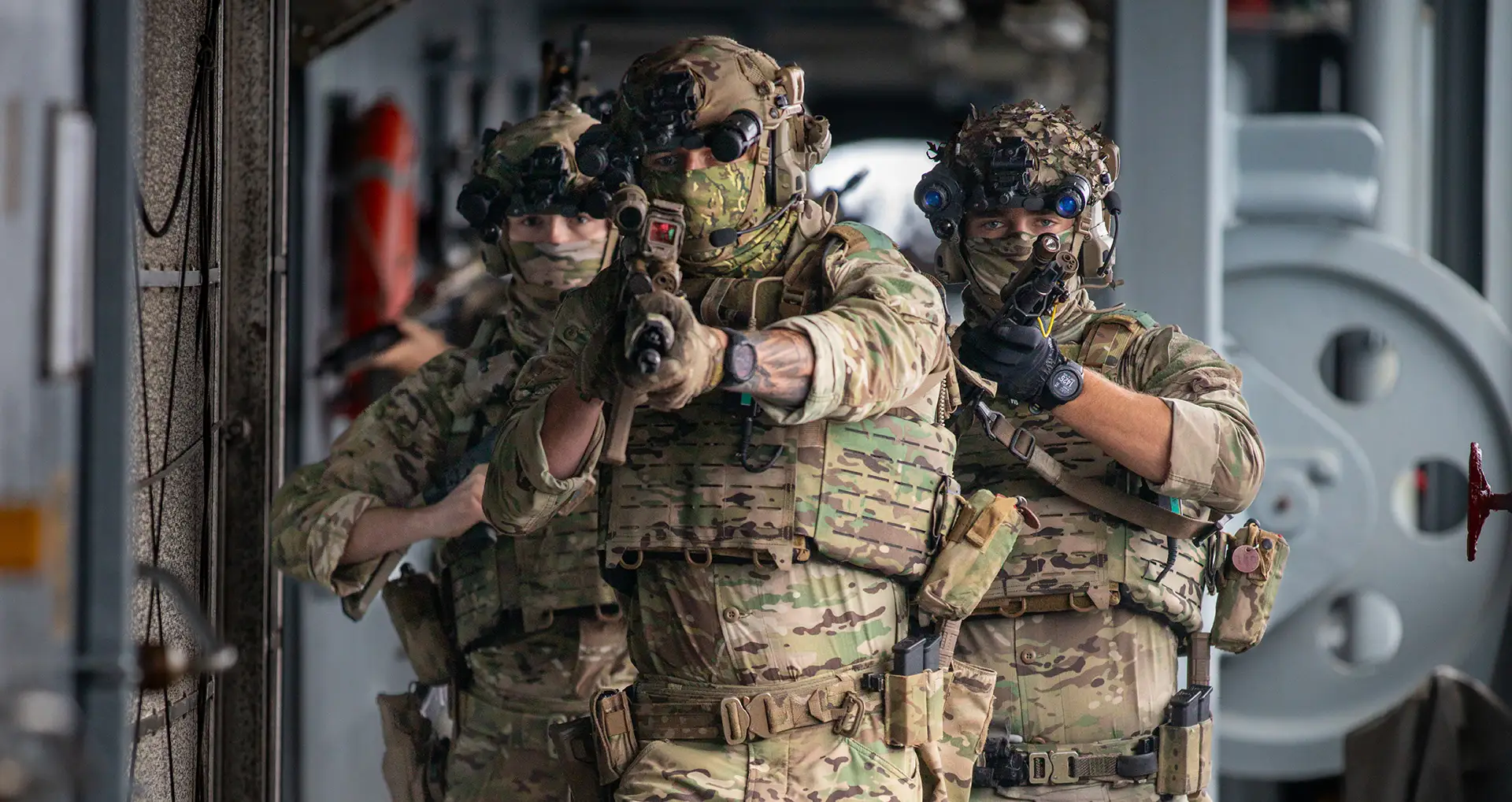
SOF, despite being cheaper by not requiring exquisite platforms, like armoured units, ships or aircraft, is expensive in its own way. Bespoke comms equipment, enhanced weaponry, night fighting equipment and exquisite solider systems are all costly when compared to basic infantry scales of entitlement. Moreover, the overarching enterprise that supports SOF operations is also expensive as SOF is hungrier for C4ISR at lower levels. A Company level SOF task requires the same, if not more C2 than that needed at the battalion level. Can the UK allocate the bandwidth, C4ISR equipment, and enablers to support this? If they cannot it will incur risks, which leads to the final point about command.
The Tier 1 forces (SAS and SBS) will remain under the C2 of the Director Special Forces (DSF), but the SOC will be remain under the C2 chains of their single service chiefs. This means that Land SOF will report to a two star under Land Forces command and the Commando Force to a one star. How will this work in reality? Will they be commanded operationally by PJHQ? Or will the Army and Navy set up command and control nodes respectively? Will the Commander Field Army command the Rangers via the land operations centre, while the Chief of Joint operations commands the Marines afloat at sea? Or do they all get force assigned to NATO? The point of all this is that while it may be easy to say that these things can be worked through when the time comes experience suggests it always ends up being tricky.
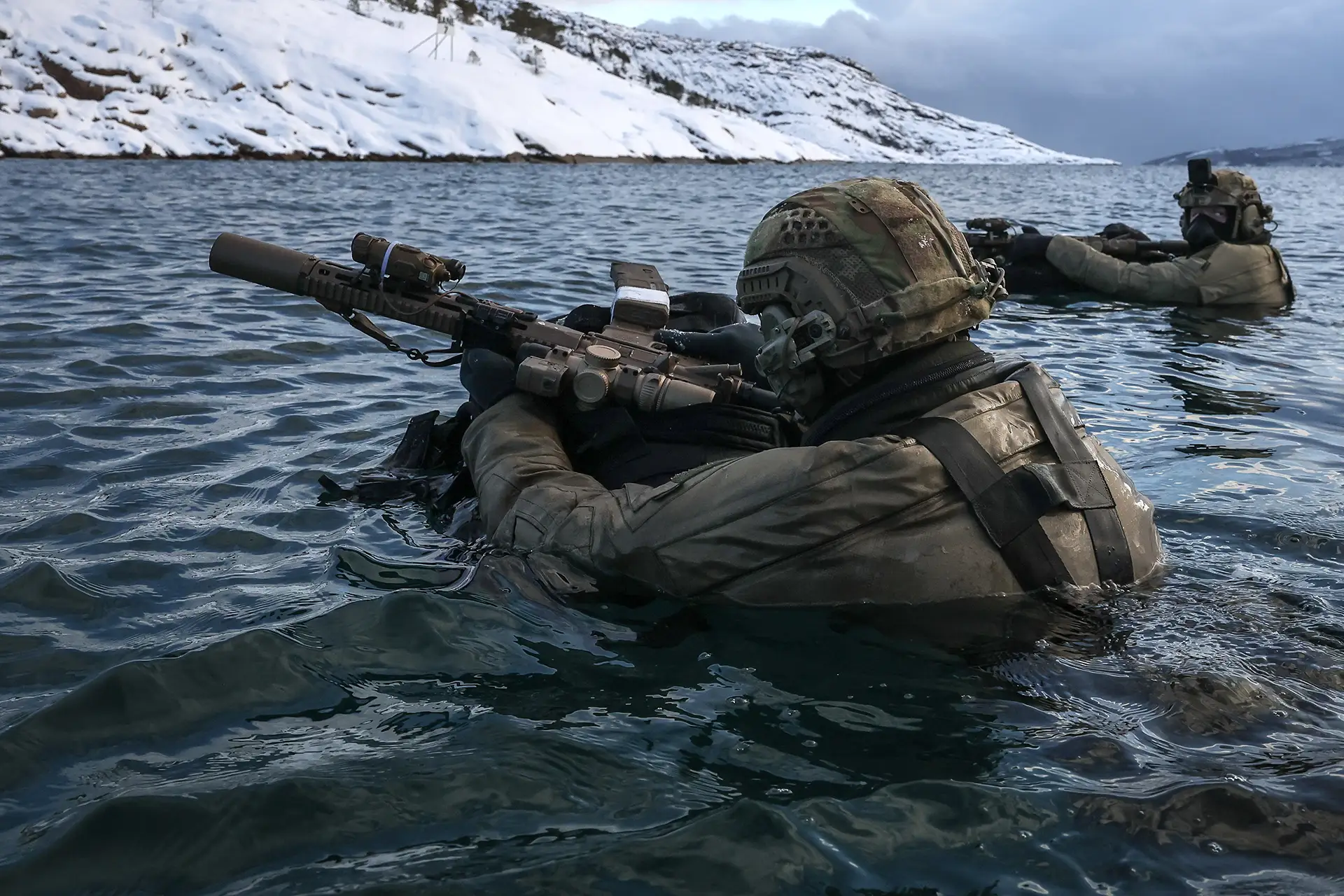
What we can conclude is that the rise of UK SOF represents a unique situation. Imitation is the greatest form of flattery, and indeed many SF units worldwide have flattered the UK by adopting their doctrine and structures, for many years. But now it would seem that it is fair to suggest that the UK is imitating US special operations. Unlike the US, who started with a Tier Two force, and then built up its tier one force later, the UK is instead operating in reverse. While maintaining a single tier of SF has served the UK throughout its history, as the geo-political situation has changed the UK has found itself short of SF. When combined with the pivot to refocus on NATO, they need to find tangible ways to demonstrate they are contributing credibly to the alliance without tying the world’s most capable SF units (SAS/SBS) to deterrence duties as part of NATO collective exercises as this could take them away from countering the UK's would-be opponents and threats, which would be deemed by many as unacceptable. Instead, by allocating NATO tasks to SO, it provides freedom of action for UKSF to get on with confronting and deterring their nation’s enemies. Similarly, what we can expect to see in the futures is that Instead of seeing UKSF exercising and partnering with units globally we will likely see UK Rangers or the Marines participating instead or as well.
While it may seem like UKSF is winning from these developments the next issue which may need to be tackled is the impending internal competition these changes may bring. If we reflect on the development of SOF in the US, it’s worth noting that their Tier Two forces are approximately the size of the entire British Army. Of course, these militaries are different in size and scale, but the point remains that Tier Two SOF grows at a rapid rate, therefore for those who believe that the raising of the Rangers and re-rolling of the Commandos is the end of the rise of UK SOF, experience suggests this is just the beginning.