 HOME




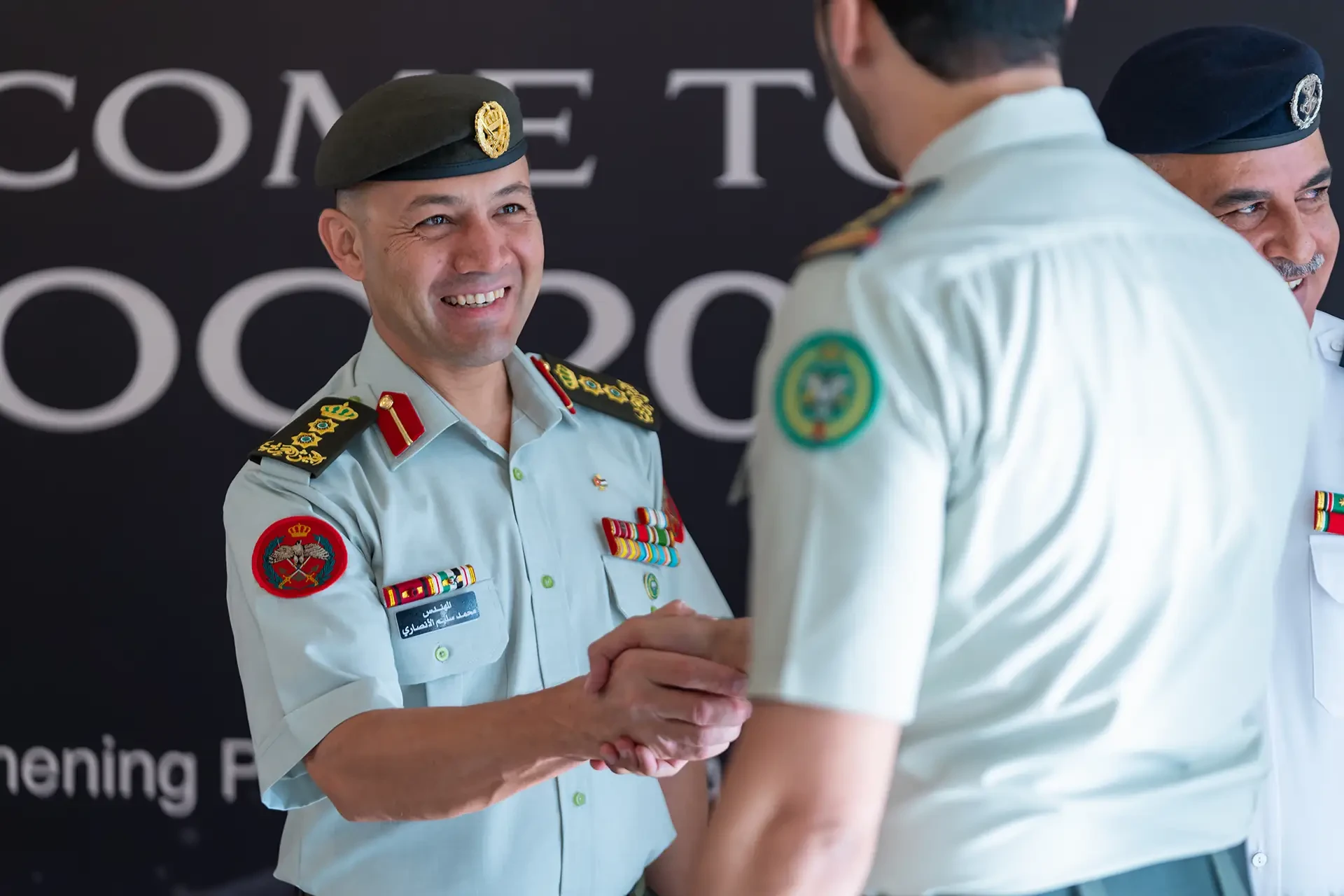
The SOF family is gathered at the biennial SOFEX exhibition in Al Aqaba, Jordan, under the patronage of King Abdullah II of Jordan.
The King has close connections with the SOF world; after commissioning at the Royal Military Academy at Sandhurst, and serving on attachment
to the British Army, the King began a successful military career, including, as a Brigadier General, commanding Jordanian SOF and overseeing
a comprehensive restructuring into the JSOC concept. Therefore, it's entirely appropriate that SOFEX is now well established in
Jordan, exploiting the nation's history and cultural ties to much of the world. Before the show itself, as is customary, there was a
conference day that brought together representatives and delegations from dozens of SOF organisations around the globe.
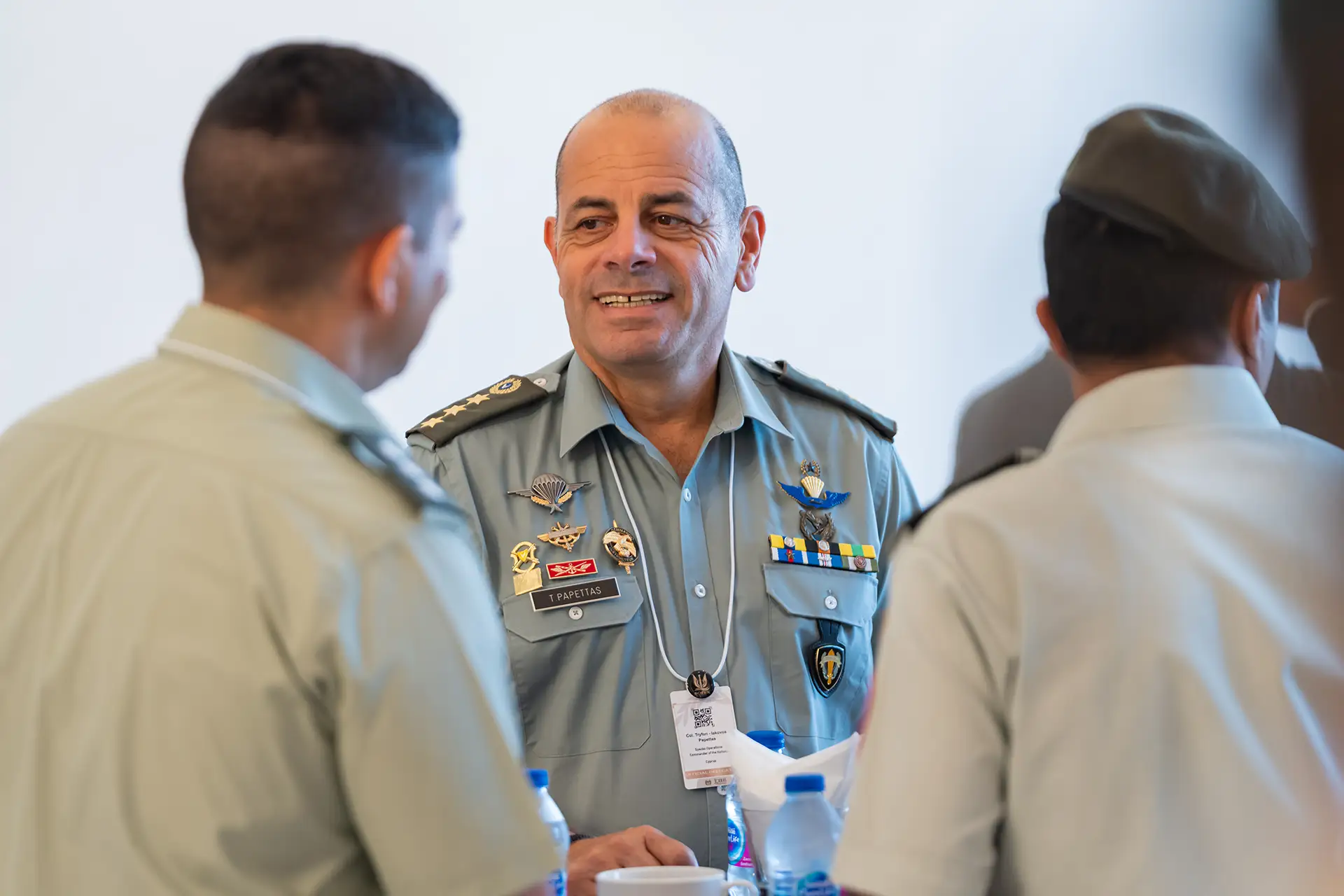
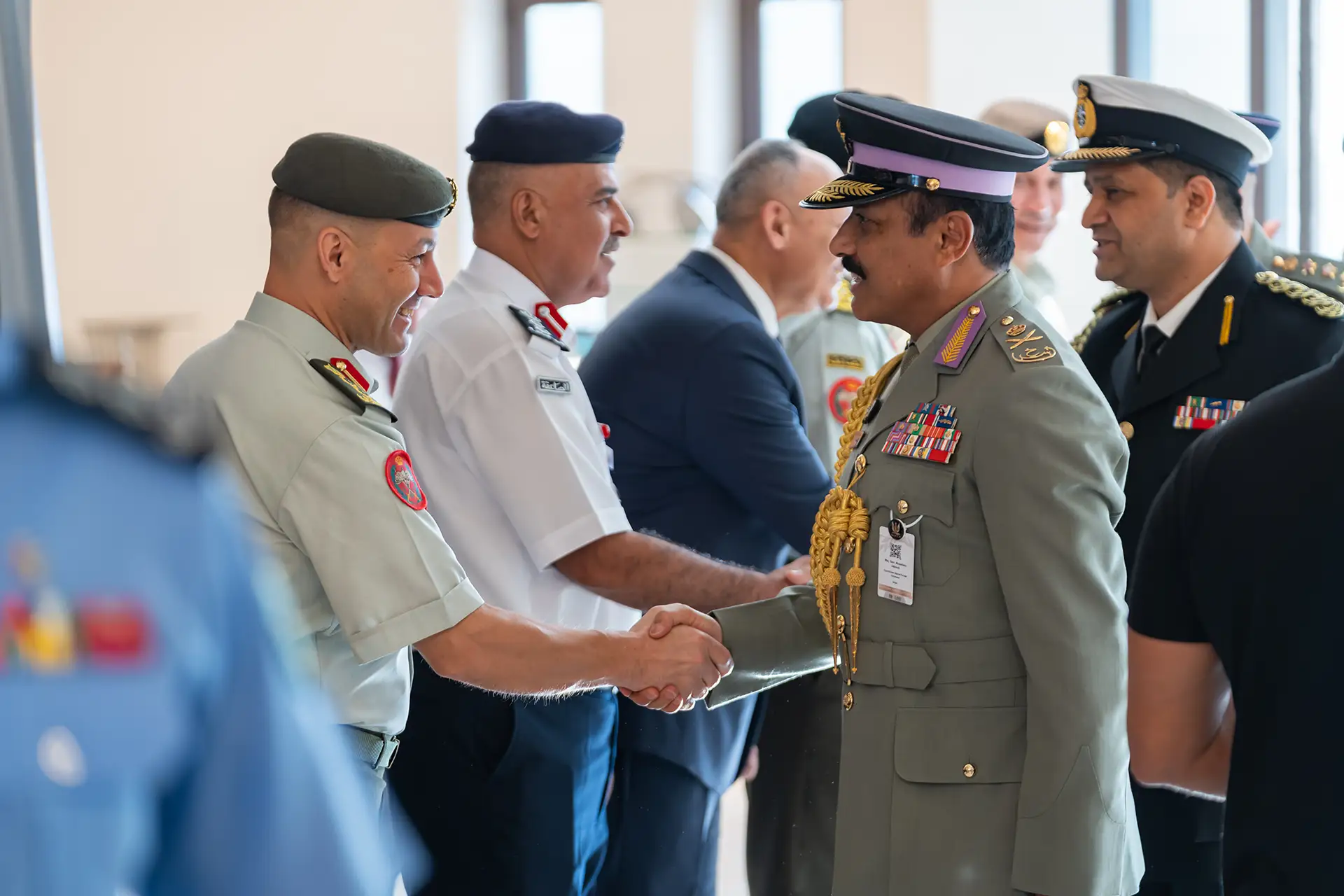
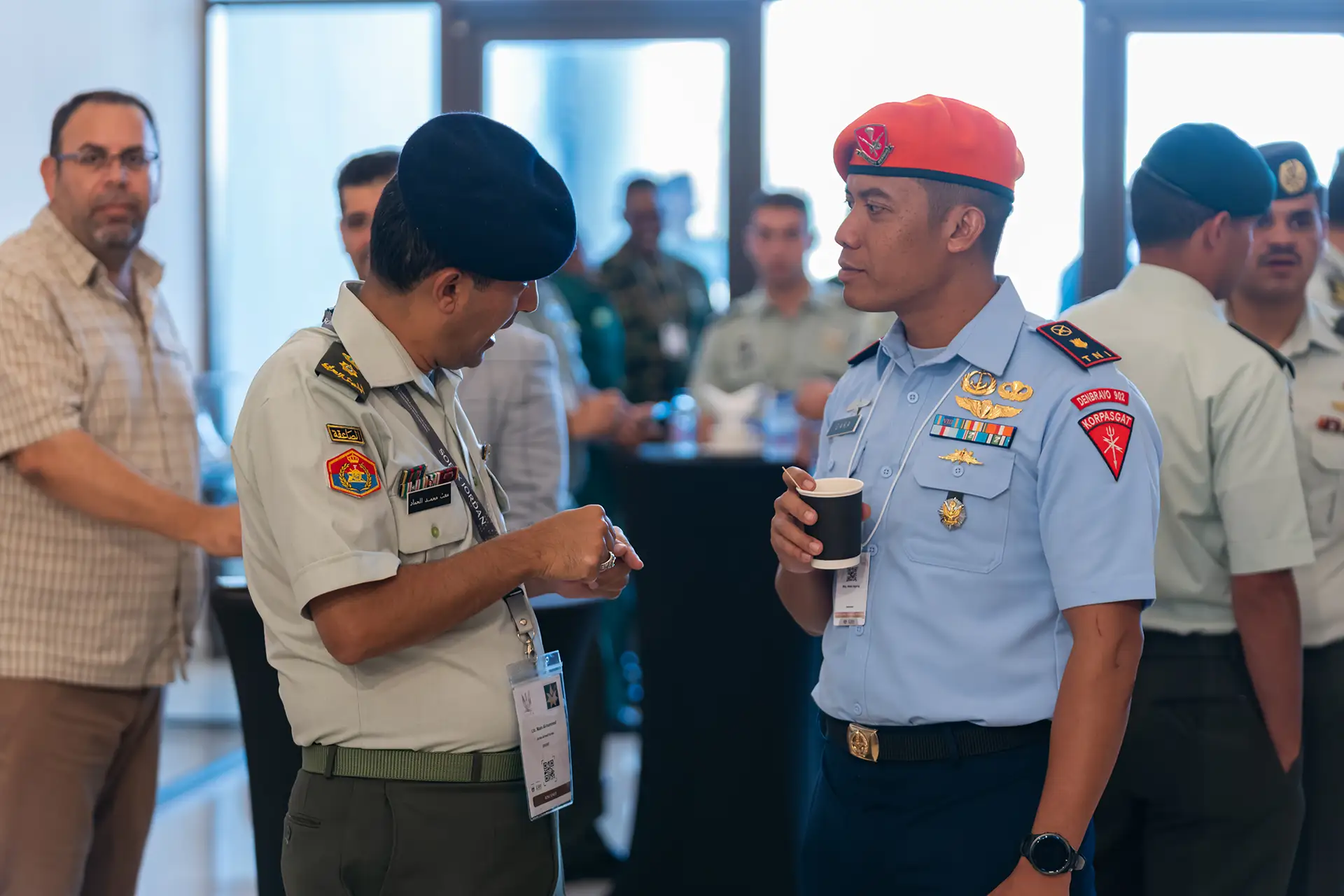
It was indeed an eclectic gathering of SOF leaders and influencers. Where else would Colonel's from Ukraine mix with Major Generals
from Canada, and with Lt Cols from Kenya? Add in the pan-domain aspect of the SOF community, and you get Admirals and Air Commodores
from Europe, the Middle East, Africa, and as far away as Australia and New Zealand. Some were, of course, attaches, but others came from
significant SOF pedigree, including several national SOF component commanders.
As an 'appetizer' to the main event, the conference was very well attended. The program was varied and included much talk of how
collaboration and communication remain vital to the broader SOF community - and acknowledging that communication is often an intra-service
problem within countries, and all too often between countries engaged in the same fight. The best intelligence in the wrong hands, at
the wrong time, is ultimately of little value.
While keen to preserve the 'Chatham House Rules' re attribution, a number of key themes caught my eye - each will (hopefully) appear as
features in Carpe Noctem in upcoming issues in their own right.
First, there was the idea that in some areas SOF are reaching 'The Threshold of Cognitive Ability'. The complexity of modern warfare,
and the 'data deluge' being collected, sifted, and disseminated, while often of critical tactical importance, threatens to drown small,
agile, SOF units acting at distance from their Chains of Command. Adding to the complexity are concerns of Cyber, Electronic Warfare,
and issues with the 'transparent battlefield'. Coupled with their own use of ISR gathering UAVs, it leaves often isolated small units
to manage the data flow in (and out) and extract the vital pieces of information in a tactically relevant timescale - the virtual 'needle
in the haystack' as it were. The discussion looked at how this could be managed. The use of AI and Augmented Decision Making
tools is an obvious potential mitigation, but such tools need time to bed in and be trusted. Another option offered was to attribute a
'CEMA' (Cyber and Electro-Magnetic Activities) expert into SOF units where appropriate, much in the same way that SOF have historically
embedded specialist or cross trained communications, demolitions, or medically trained personnel depending on the mission. Like some
SOF enablers, these may not need to be 'badged' Tier 1 operators but could come from a 'pool' of suitably trained, cleared, and qualified
individuals. The panel went as far as to suggest that the true experts in these areas may not fit the traditional 'SOF' expectations
in terms of fitness and skill-at-arms, but they may bring qualities to the 'fight' that makes them indispensable in certain scenarios.
Second, the 'Murky Domain'. This dovetails neatly with the need to consider 'CEMA experts'. The future peer-beer battlespace is
going to be Contested, Congested, Degraded and Operationally Limited (C2DO). Contested, as the enemy will ruthlessly 'use their vote',
Congested with a plethora of UAVs (friendly and hostile) conducting multiple mission functions (and in bandwidth terms for comms and data
passage), Degraded as their will be an expectation of severe jamming and spoofing of comms and data channels, including a vigorous challenge
to Space Based Systems (SBS) that are a key component of secure comms, precision timing, and navigation. The Operationally Limited
dimension speaks to a lack of combat mass and numbers - will the operational 'ask' in a major conflict be too much for SOF to answer?
Simply growing SOF has a tendency to dilute it. To work through the 'murky domain' SOF will need to recruit and train those 'CEMA
experts' and also to invest in non-vulnerable technologies. However, it's also important but they revert to many tried and tested
method and techniques that pre-date our increased reliance upon technology - such as old school map reading and mission command principles.
Finally, the threat of the 'transparent battlefield'. With the explosion in the use of UAVs at all levels, it's never been harder to stay concealed. SOF will have to adapt to this new reality - and simply laying up in daylight between PoDs may no longer be sufficient. Users will need to understand multi-spectral concealment, and potentially carry equipment that can detect, and if necessary, neutralize or destroy small, tactical, UAVs. Such kit will need to be light and compact so to not burden the soldier with yet more gear to carry - let alone additional batteries to power it.
At the Q&A session at the end of the formal conference, the Carpe Noctem team were able to ask the panel about their thoughts
regarding the success of SOFEX and their future plans for the show. The panel were enthusiastic about the growth of the event, noting
that the show was expanding both in terms of exhibitors and attendance - not just the numbers but also the geographical spread. The
next iteration, already confirmed for October 2028, is expected to be larger still.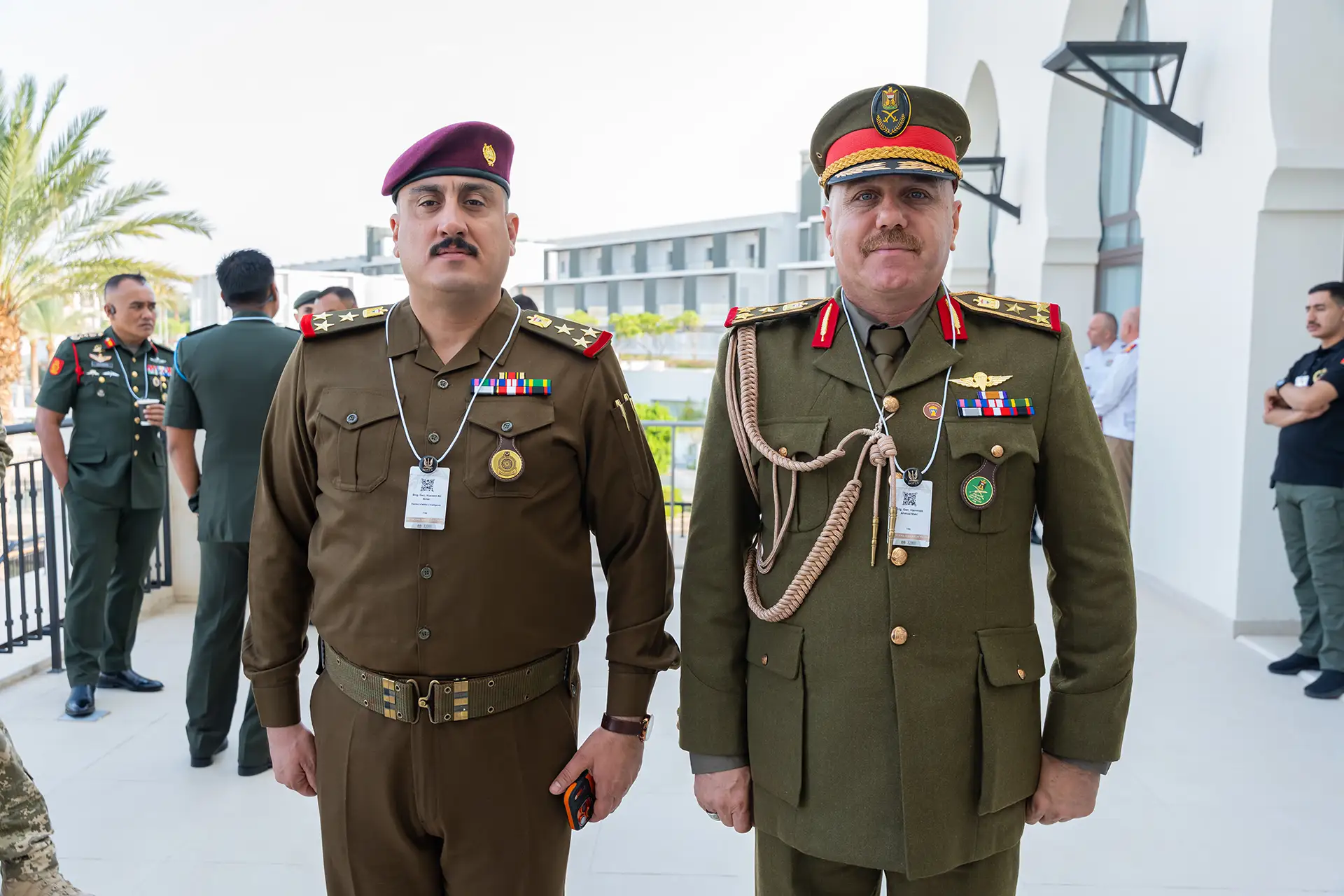
Overall, some high protein 'food for thought' on what was an excellently attended and curated conference day. Watch out for a more
thoughts about SOFEX 26 in the next edition of Carpe Noctem.