 HOME
HOME




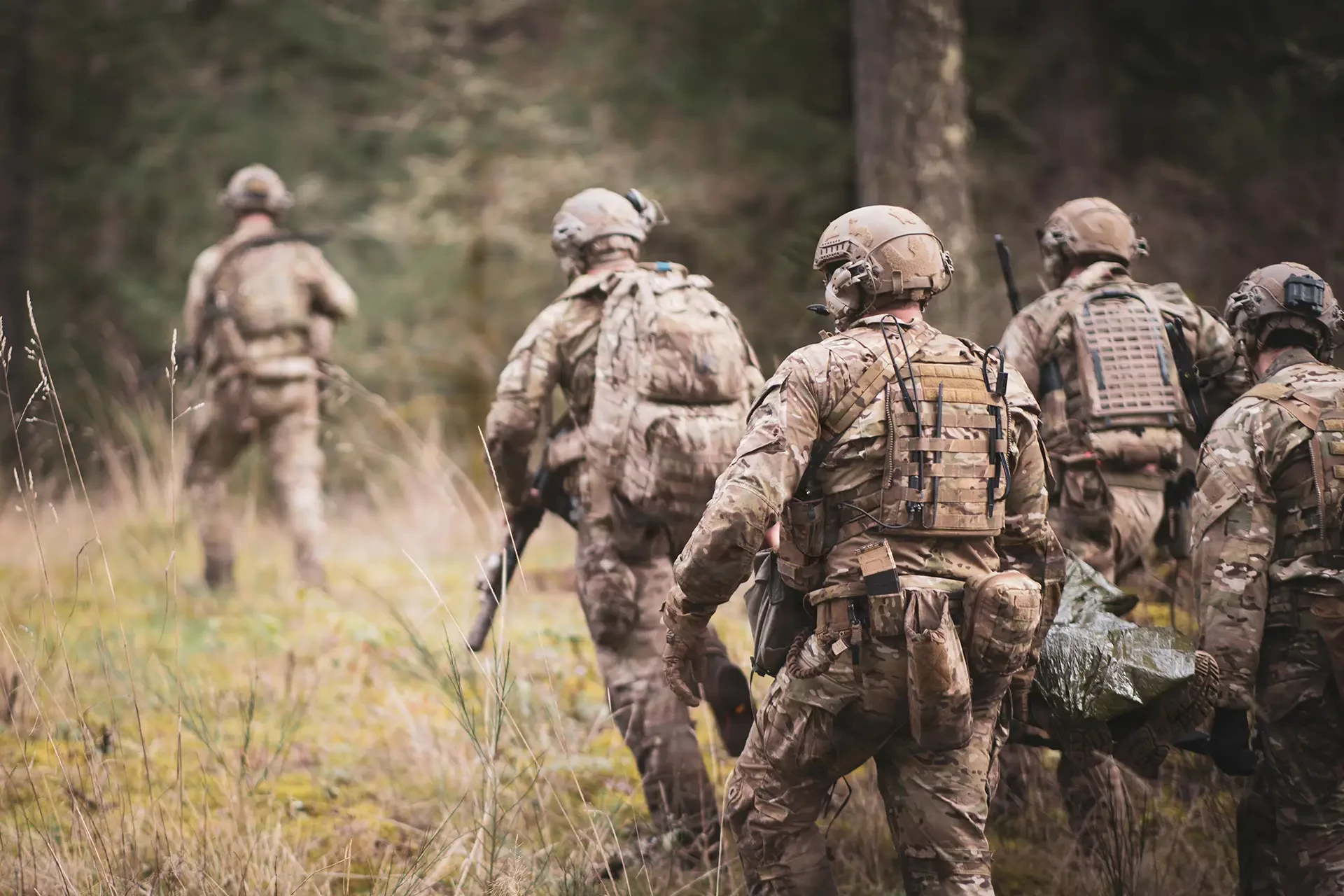
The wars in Europe and the Middle East reveal that the face of warfare is changing. While ubiquitous drone technology is revolutionizing the battlefield and AI is being integrated into weapons of war, Special Forces (SF) units continue to recruit personnel through historical pathways that trace their roots back to World War II. Are the processes for selecting SF up to the challenge of modern warfare, or should they be amended and adjusted for the current environment?
During the GWOT, an insatiable demand for SF led to a swell in the number of qualified operators worldwide. After the withdrawal from the primary theatres of Afghanistan and Iraq, these numbers dropped, recruitment tailed off, and SF units shrank. Only a few short years later, things have changed again. The return of state-on-state conflict in Europe, instability in Asia, and the re-emergence of great-power competition have led policymakers to demand more SF capability. With many nations seeking to create more SF[1], the question becomes: Can SF be raised quickly and cheaply while also maintaining quality? To answer this question, we explore SF selection requirements; the processes used to select soldiers for further training and then provide a rebuttal regarding the push to change selection models to account for the changing face of warfare. Before reviewing whether selection processes are appropriate for the future, we need to first understand why SF require selection in the first place.
Why Select SF?
To ensure that only those with the appropriate intelligence, resilience, and physical capability are tasked with conducting special operations, a selection process must be used. This is elitist, and for good reason: the key mitigation measures to reduce the risk of conducting SF missions are to use elite personnel. Unfortunately, not all soldiers are capable of special operations. On the one hand, the SF soldier must be capable of operating independently in a high-risk environment for long periods without support; on the other, they must be capable of executing short-duration, high-intensity tasks in small teams, where they must process information quickly and accurately. To find these soldiers, a rigorous selection process is required to ensure that only those with the necessary attributes are tasked for sensitive and high-risk operations.
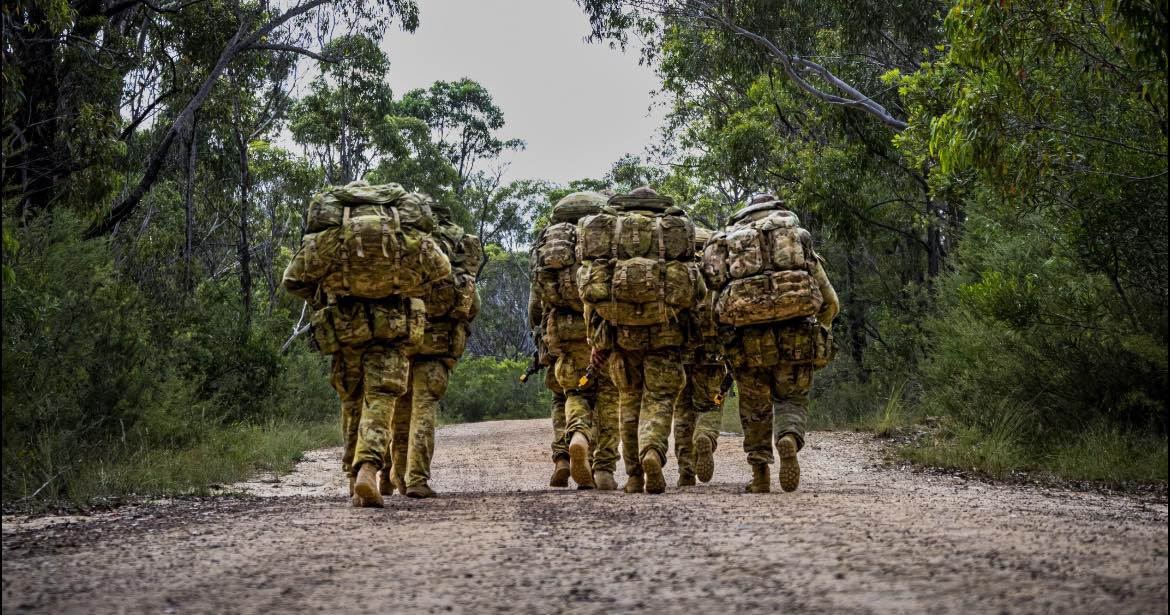
The training required to create an SF soldier is complex, costly, and thorough. It is absolutely important that the right soldier is selected up front. It is true that SF units pride themselves on the standard of their training, and for good reason, as every unit’s qualification course ensures that the operators who pass can operate in an SF unit. While the courses required to qualify for SF vary by country, a common trend across most syllabi is that the training is complex and dangerous, and candidates must be able to assimilate large amounts of knowledge while mastering diverse physical skills. By selecting candidates with appropriate psychological and physiological profiles, the likelihood of failure decreases. Because SF training is dangerous, training candidates who are not properly selected can lead to training accidents and attrition. By using selection processes, SF units ensure that the right people are trained and can qualify. Having established why a selection is fundamental, we can now turn to understanding how candidates are selected.
What is the process to select SF?
The process used to select SF varies from unit to unit and country to country. Unfortunately, the length of this article prevents a detailed look at each nation’s specific selection courses. Additionally, Special Operations units jealously guard the details of their respective testing regimes to ensure that no candidate can bluff their way through the tests or cheat their way through the course. Therefore, here, we will compare common elements found in most selections. By doing this, we can gain insight into the general process for selecting SF while also honoring the sensitivities and specific details of SF selection courses. With this in mind, we will consider four key areas that all militaries employ to create SF. Physical assessments, Psychological and personality evaluations, stress and behavioral observations, and medical and background checks.
Physical assessments. Keeping in mind that specifics are omitted to protect unit selection standards, we will focus on the two major types of physical courses commonly used to select SF. The first type is the endurance event.
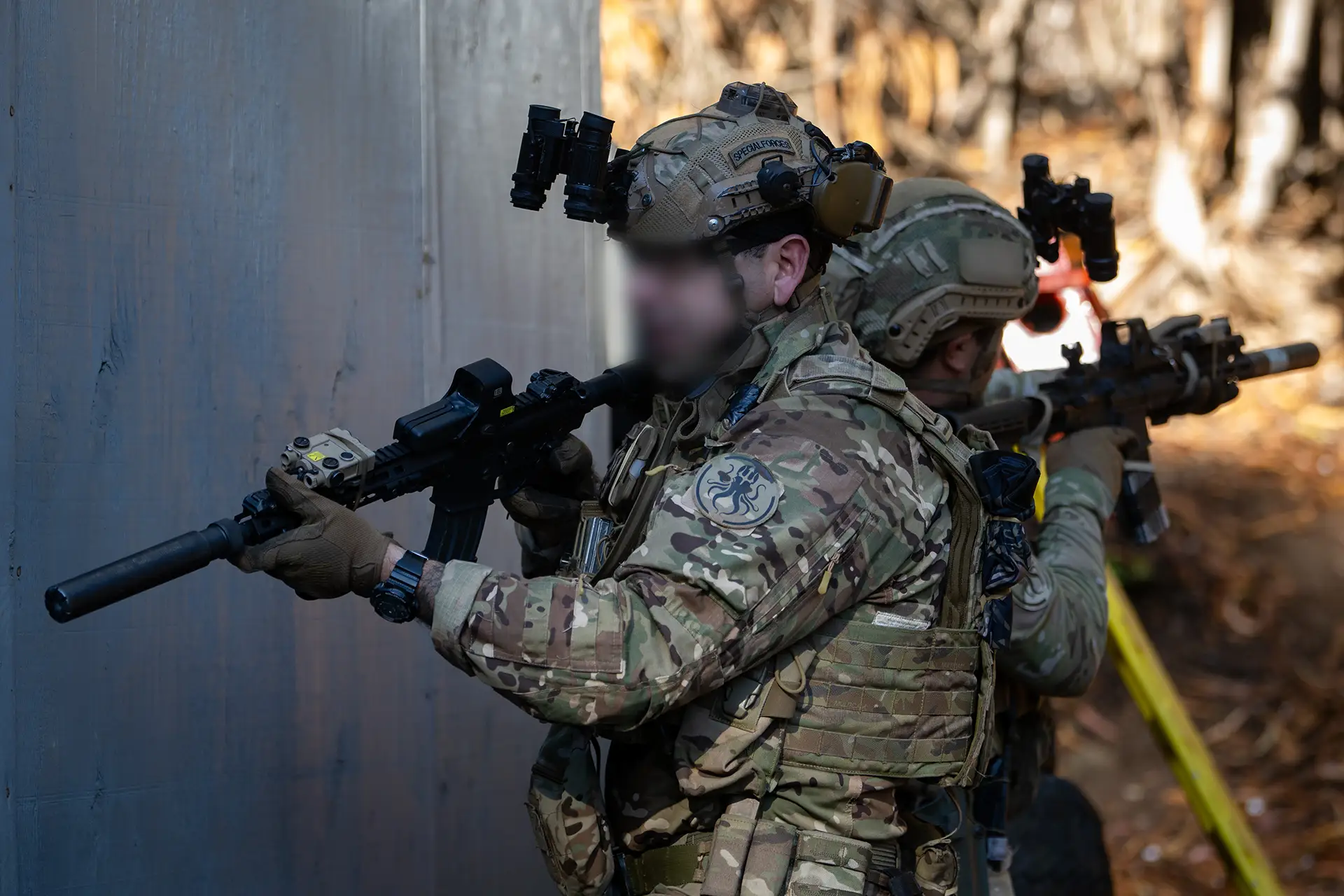
Long-duration land navigation activities are the tried-and-true method adopted by the UK, Australian, and New Zealand Special Forces. While some US units also use long-duration land navigation, other units choose not to. The reason land navigation is a tried-and-true method to identify SF candidates is that it is both physically demanding and mentally challenging. Land navigation, a core soldiering skill, is a simple way to test an individual's character and initiative. While the specifics of the course vary by country, candidates are generally expected to carry more than 35kg over varied terrain for varying distances. Some nations, such as the UK, gradually increase pack weights, while others, like the Kiwis, use a set 35kg throughout. The point is that the requirement to carry a heavy load overland, i.e., off formed tracks, is challenging. Candidates are usually also on a restricted diet, with only the absolute minimum of calories permitted. This, in turn, places the body in a deficit, increasing the demands on the soldier.
Why land navigation selections are so effective is that they test the candidate’s individual initiative and resilience. The skill of navigating overland may seem simple at first glance, but when fatigued, studies show that cognition noticeably declines. To add to the stress on the candidate, there is no guaranteed solution to a route. Each candidate is expected to judge the terrain for themselves, plot a route, and march it in isolation. There is no external guidance or support; it is down to the individual to succeed. Weights do not lie, and distances are not subjective. If a candidate leaves the start point carrying 70lbs and arrives at the end point (sometimes up to 100 miles later) within the specified time limit, with their equipment and themselves in good order, they have demonstrated the physical and mental aptitude for further training. Because of its effectiveness, this simple system has been the cornerstone of SF selections since WW2.
The other type of physical selection most often employed is the team syllabus. This approach seeks the same caliber of individual but employs a different mechanism to identify them. Instead of isolating the individual, units require groups of candidates to operate collectively. By using intense physical training sessions, individual resilience and mental toughness can be assessed. Sleep deprivation, food restrictions and fast paced instruction all contribute to weed out those who cannot serve in elite units. This approach is sometimes favored because it allows units to see how candidates perform as team members in stressful environments, providing important insights into their reliability and compatibility. An added benefit from this approach is that tasks are often meaningless and lacking in purpose. This forces candidates to question their motives and willingness to continue.
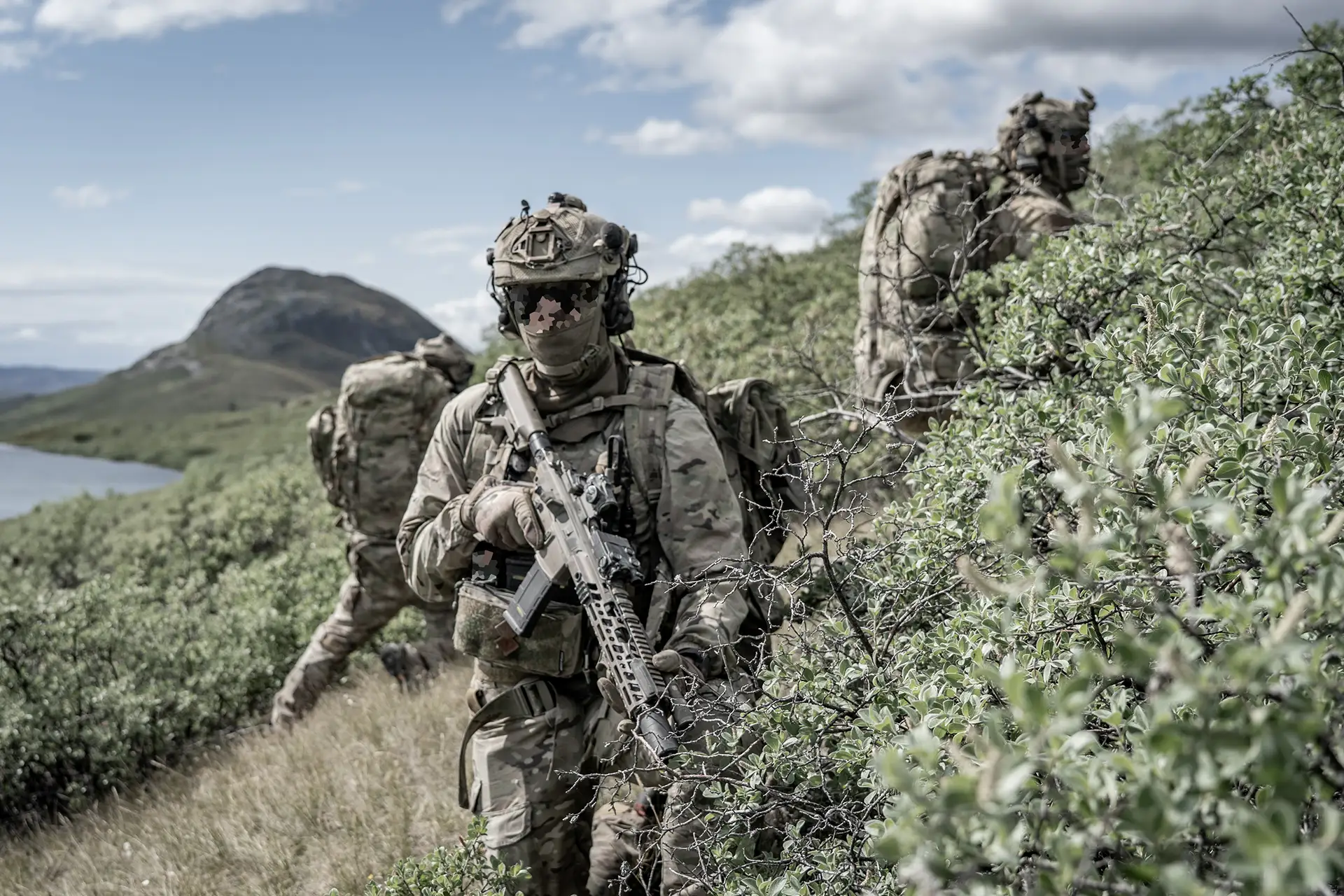
Common to both approaches is a generalized battery of physical fitness tests. These tests are common to all armies and are conducted to ensure that a candidate is physically fit. While some units conduct all tests back-to-back, others specify a VO2 max score that candidates must meet before they even show up for the selection. SF require a high standard of fitness, so this is established upfront, generally at the start of each selection course.
Psychological and personality evaluations.
Selection for every elite unit will include psychometric testing as part of the process. The Big Five personality traits are scrutinized to determine whether candidates are conscientious and low in neuroticism, or whether they show markers that may indicate risk. Tools used to select candidates are generally the same: interviews, questionnaires, group reporting, and situational judgment tests are all used to provide a holistic picture of a candidate's makeup. The reason for these types of tests is that personality and psychology matter a lot. If a candidate cannot handle pressure or handles it poorly, this can adversely affect the mission. Creating a SF operator who is ill-suited to SF operations will have outsized negative impacts compared with conventional operations.
Stress and behaviour observations.
Physical hardship places stress on candidates, providing directing staff with insight into their character. Extended physical activity with little sleep and food highlights how candidates are likely to respond under operational stress. While not an exact science, assessors have a clear picture of what they are looking for and how they expect future SF operators to act. These observations are then compiled and reviewed to provide further insight into a soldier's potential to undertake special missions.
The final step in selecting candidates is general medical and background checks, which are typically conducted before a candidate even shows up for selection. In most armies, medical gradings allow servicemen to serve in some roles but not others. SF selections screen for medical gradings and seek to identify any medical or physiological issues that could, in turn, be detrimental to a soldier’s employment in an elite unit. Background checks are similarly employed to screen out soldiers who may have disciplinary issues, character traits that are undesirable, or other factors that may carry risk.
These factors all combine to enable elite units to select and then train the appropriate soldiers to serve as SF. The cornerstone of all SF selections is physical testing, which is difficult and stressful. By layering psychometric testing and behavioral observations, armies can find those who are resilient, adaptable, and suited to the hardships of SF operations. While not perfect, this system has stood the test of time. Is it appropriate for the future?
Should selection change?
The issue, at least across the western world, is that militaries are being asked to create more SF, quickly, at a time when recruitment is low and attrition is high.[2] This has led to discussions within the SF community regarding the selection process and its appropriateness for the modern era. Adherents of change make three arguments: First, not enough soldiers can pass the hard physical tests prescribed by SF; therefore, the standards must be adapted. Two, modern warfare requires different types of people, so SF selection should focus on achieving diverse outcomes. Three, technology and advances in science can better enable the selection of SF, and therefore should be adopted. We will conclude by addressing each argument in turn.
First, the idea that not enough candidates are passing SF selection, therefore the selection is broken, represents a flawed analysis. In the manufacturing world, there is an often-referenced model known as the ‘Iron triangle’. This model shows that time, cost, and scope are interdependent constraints, with quality as the central outcome. Basically, you can only optimize for two of the three. You can have something fast and cheap, but the quality will be lacking, or you can have something slow, at a cost, and the quality will be high. When selecting SF, militaries would do well to remember this model. If a selection course is robust and executed fairly year on year, but the throughput is insufficient, the issue is not with the selection. Put bluntly, SF standards can’t be readily adjusted to increase the flow rate of trained operators. You can have high quality at a slower rate, or lower quality at a higher rate. Lowering standards will result in lower quality, so it should be avoided at all costs.
Second, the belief that modern war requires different types of people; therefore, SF selections should adapt to account for this, is also a flawed idea. While it is clear that SF need talented cyber operators, skilled information warfare specialists, and a myriad of other technical support trades, it is not clear why these people all need to be badged as SF. The argument that these specialists are excluded from serving in the ranks of SF as badged/qualified operators because they cannot pass a selection course that privileges physicality over intellect misses the point. Units don’t select candidates solely based on their physical fitness scores; they select them based on their character. Not only does the physical testing provide a mechanism to see if the candidate has the resilience and resolve to cope with being SF, it also serves to check if the person is physically capable of conducting the job. Despite technology and the need for technical capabilities, physically conducting operations remains difficult. Consequently, until warfare is easy, it is logical that SF selections remain hard. Non-badged augmentees can bring specialist skills when required and appropriate.
Finally, the idea that technology and scientific advancements can enhance selection does have merit and warrants further exploration. Although this article asserts that the system of selecting candidates for SF through hard physical testing remains relevant, it also argues that units can optimize selection courses by integrating scientific advances. There are now several scientifically backed tools that provide deeper insights into human performance and conditioning, which, when used, will better enable screening of SF candidates. Pre-screening candidates using data-driven methods that predict whether they have the appropriate conditioning to even attempt a selection course will help weed out the dreamers. By using technology to support physiological testing and evaluation, units can save time and gain greater insight and accuracy. By adopting scientifically robust selection methods, SF units should be able to increase their accuracy in selecting candidates with minimal effort.
Wrap Up
So, is the method of selecting SF appropriate for the modern era? Considering the purpose of SF selections, the types employed, and the logic behind retaining physically hard testing, policy makers and military officials would do well to remember that SF are selected for a reason. The desire for more SF should not come at the expense of product quality, as compromising quality is to accept a high degree of risk. SF are a unique capability that cannot be created quickly or at a mass scale; therefore those pushing the narrative that SF units should adapt and change their selection methods should be reminded that less robustly selected, but larger SF forces are nothing but paper tigers, with a level of dilution that makes them incapable of operating with the precision that mitigates risk. It is a fact that creating enough elite soldiers to meet an ever-growing demand is impossible. There are only so many people in any given population who have the mental and physical toughness, coupled with the intellect, to serve in a nation’s most elite units. Instead of trying to create more SF, it would be far wiser to simply resource what exists more fully.
The elite nature of SF should not be adjusted or adapted to accommodate a desire to produce more of it. Instead, it should be protected and praised as an example of where quality is prized above all else.
[1] The UK creation of service level Special Operations Forces represents a contemporary example.
[2] Excepting the US, a common trend across western SF is that it is becoming harder to retain SF, while it also hard to attract recruits to the military.