 HOME
HOME




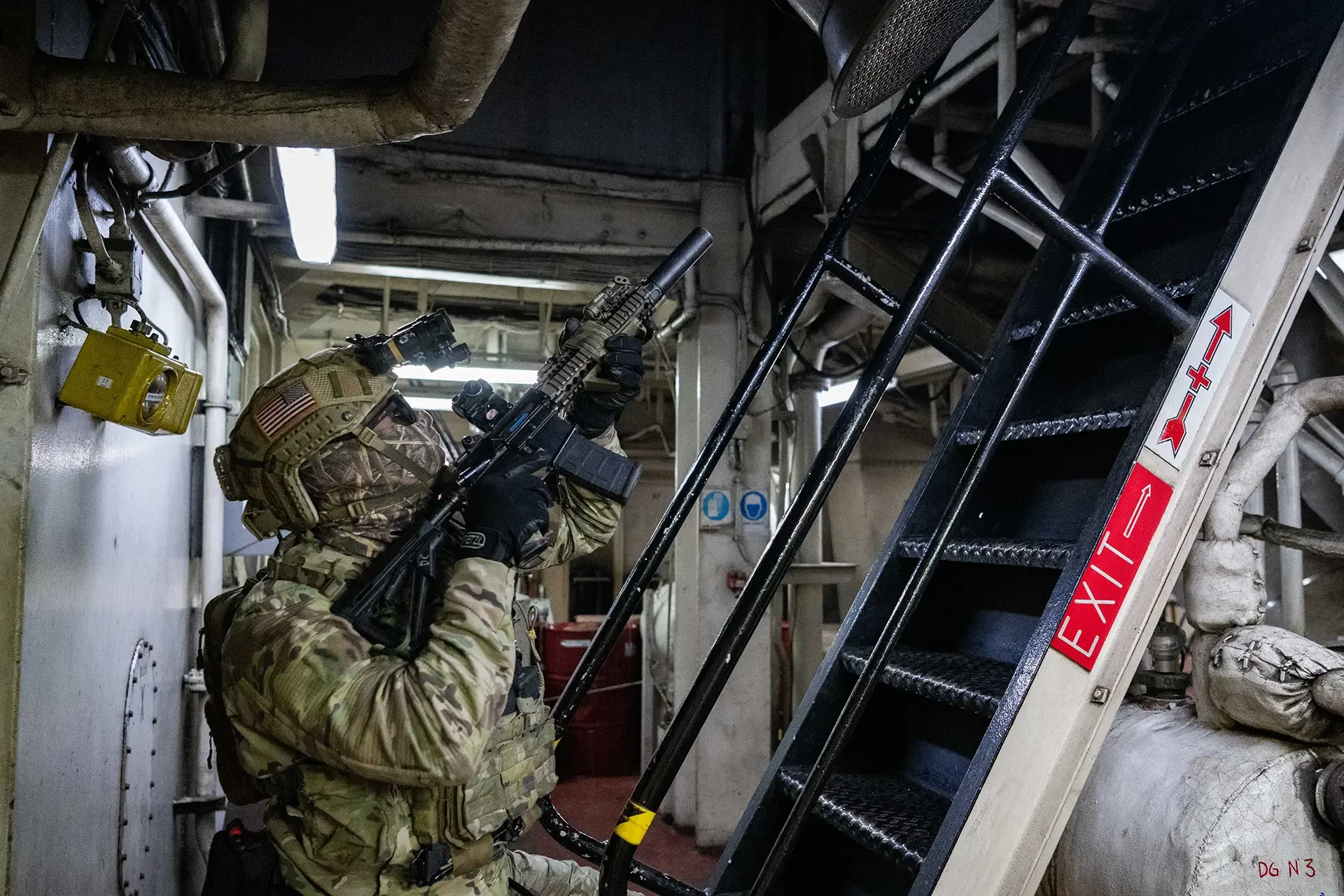
With the world changing, military technology shifting and great power competition reasserting itself, it is worth taking stock and reviewing the situation facing Special Forces (SF). Arguably, SF have just completed a golden two-decade run. The Global War on Terror (GWoT) saw a heavy utilisation of SF units, at a level of sustained commitment not seen since World War Two, but as this era ends, the question becomes: What now for SF? What will the next decade bring, and how best can special operations units prepare for the next fight?
To answer this question, we need to understand what things SF could focus on, and what SF are actually for. We then need to look at the
macro situation to understand what Great Power Competition (GPC) is. Once we know what SF does and the situation we face, we can review
what SF trained and prepared for during the last time we went through an era of global competition. This will enable us to conclude by
making several recommendations as to what SF should do now. To begin, we need to first consider what SF do, and, by extension, what they
are for.
Understanding
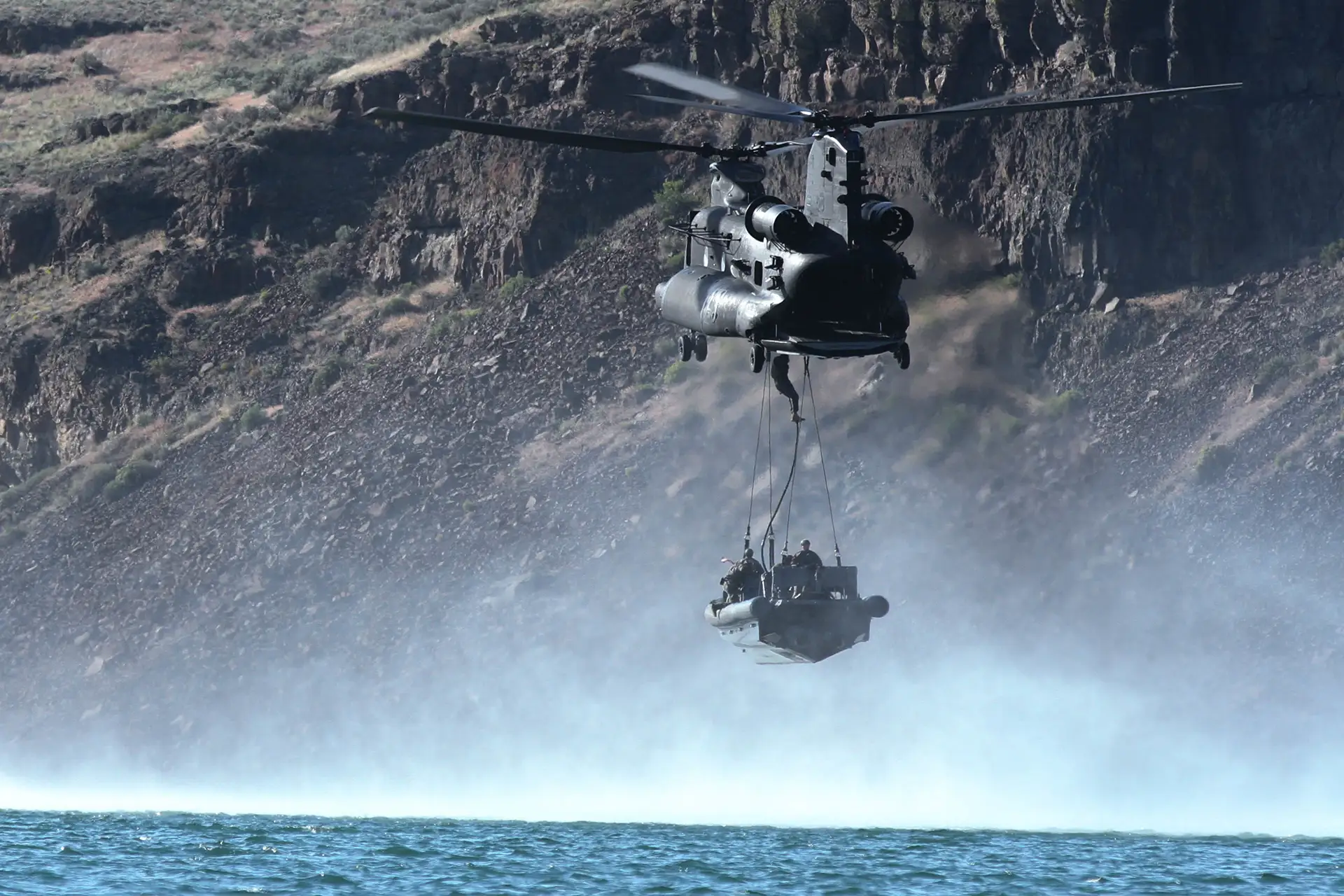
To define what SF do, we can simplify SF capabilities down to three main outputs. First, Special Reconnaissance (SR), which is any operation to gather information. Second, Direct Action (DA), which are operations that seek to defeat an adversary by destruction or disruption (Counter Terrorism (CT) can be considered as a type of Direct Action). Lastly, Special Warfare (SW), inclusive of Irregular warfare tasks, to create and sustain influence. It’s without a doubt that some SF capabilities have been left out of this simplification, but the point is not to list everything SF do (or could do), but instead to provide basic insight into what SF units (generally) focus on. By providing an outline of what SF do we can now move forward to describe what they are for.
At the most basic level, SF are a tool to achieve missions and tasks which contribute to a country’s national security objectives. SF generally operate at the tactical or operational level but can also play a strategic role, for example, the recent extraction of President Maduro from Venezuela. By conducting SR, DA, or SW missions at various levels of war, SF achieve (or contribute to) outcomes that their military or nation desires. A good example of this was SF special recon missions during the Gulf War, which located SCUD missiles for destruction. These tactical patrols contributed to the strategic objective of stopping the conflict from escalating regionally. Therefore, in that context, SF operated tactically for strategic effect, a classic example (but not the only example) of what SF do and what they can be used for.
So what do more modern SF do? Since 2001 the weighting of DA, primarily CT focussed, has increased while SR and SW have decreased. Of course, SR and SW haven’t gone away completely. Depending on the country (and the size of its forces), there remain specialized units whose sole focus may be SR or SW, but these units are few. Instead, most units have adapted. To highlight this, the US Green Berets remain a capability specialised for SW; however, their weighting towards DA increased as a downstream effect of the GWoT. They, like many SF capabilities across the globe, went where the work was, and undeniably, the work has been in countering terror. This example isn’t unique, as what the research shows is that for most SF units post the GWoT, there remains a heavy weighting towards DA. There has been some investment in SR, but less focus on SW. As GPC poses new challenges, SF will require some rebalancing to reflect a different weighting of these capabilities. To understand what is needed, we first need to better understand what the future holds.
Global Rivalry
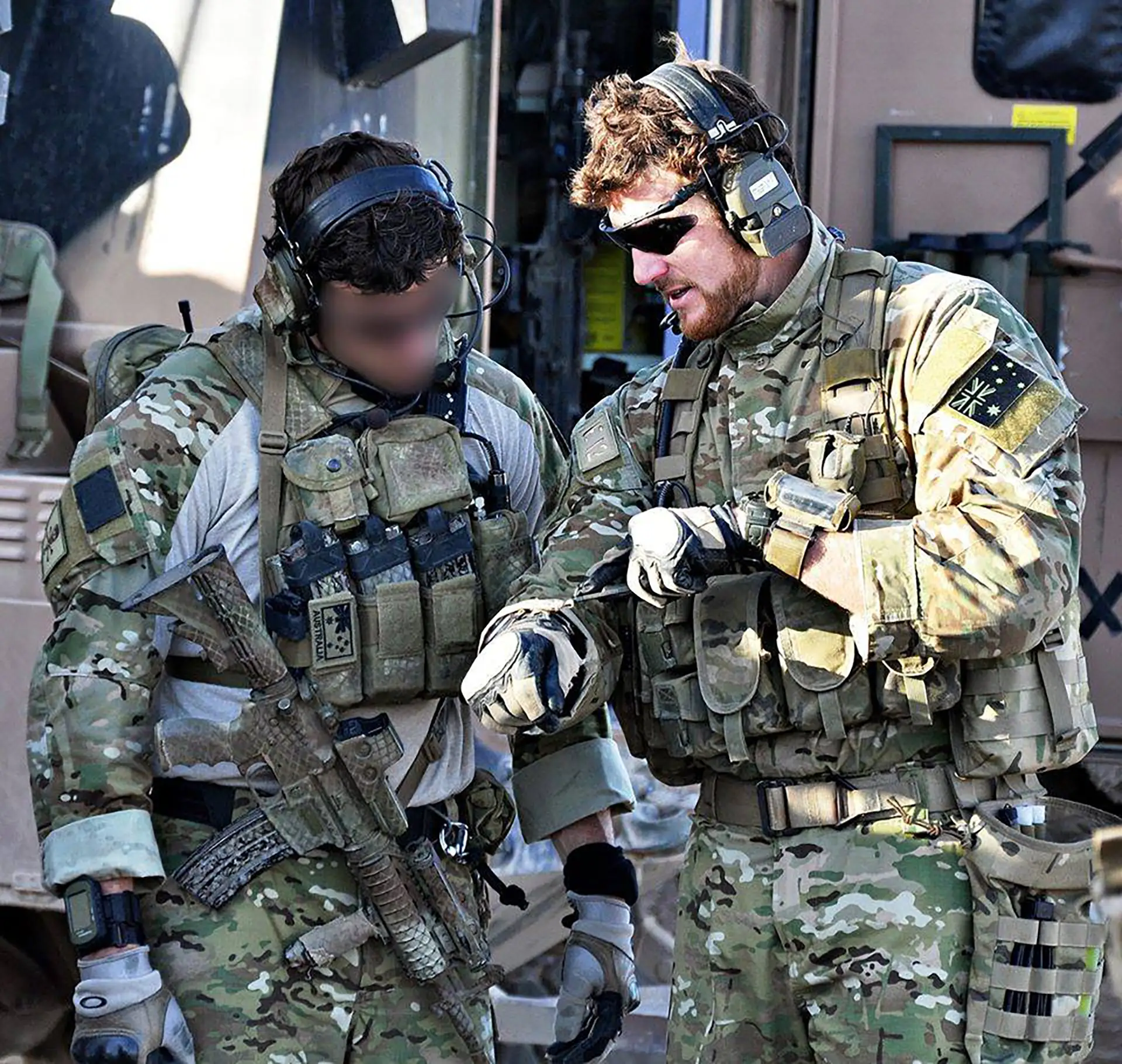
The next epoch seems likely to be characterized by the return of GPC i.e. global rivalry between powerful nations and blocs. While the recently released US National Security Strategy doesn’t specifically use the term “GPC”, it instead refers to Strategic Competition or Superpower Competition, the facts are that global powers are now competing. This marks a significant change in the operating environment many of us grew up in, in which the US (and, by extension, its allies) could operate globally with somewhat unchecked authority. Instead, strategic competition is forcing many countries, for the first time in a generation, to reconsider their geopolitical situation and develop new security policies. The days when all nations were pulling in a single direction are over, the days when we all required similar capabilities are also over.
To highlight this point, small European NATO members will increasingly have different requirements for organic SF capabilities than Southeast Asian states focused on Indo-Pacific issues. Why this is important to understand is that when accounting for national policies, it becomes clear that a ‘one size fits all GWoT SF capability is no longer relevant. Each nation needs to approach GPC in its own way and decide how best SF can support its national objectives. Following this logic, to help us prepare for this environment, we can review what SF did last time global competition was the norm.
The Cold War is a useful starting point for understanding which SF capabilities are needed for GPC. After WW2, SF units were transitioning from raiding/warfighting to supporting the containment of threats (Soviet Russia and Communist China). To achieve this, conventional forces built up their strength, while SF trained to maintain high-end capabilities such as long-range penetration missions and 'stay behind' disruption operations. A reliance on technology, amongst other factors, resulted in few (if any) SF SR operations being conducted, at least in Cold War Europe. Instead, SF played leading roles in varied counterinsurgencies. As competition spanned the globe, different approaches were required across SF units. SF fought by, with, and through partners in Algeria, Borneo, Malaya, Oman, Rhodesia, and Indochina. This enabled superpowers to compete through proxies (horizontal escalation) rather than directly (vertical escalation). Despite a focus on SW, SF maintained DA and SR skills by training for high-end contingencies - and in many cases to combat a rising level of domestic and international terrorism. This gave policymakers options to impose costs on adversaries if outright conflict had occurred.
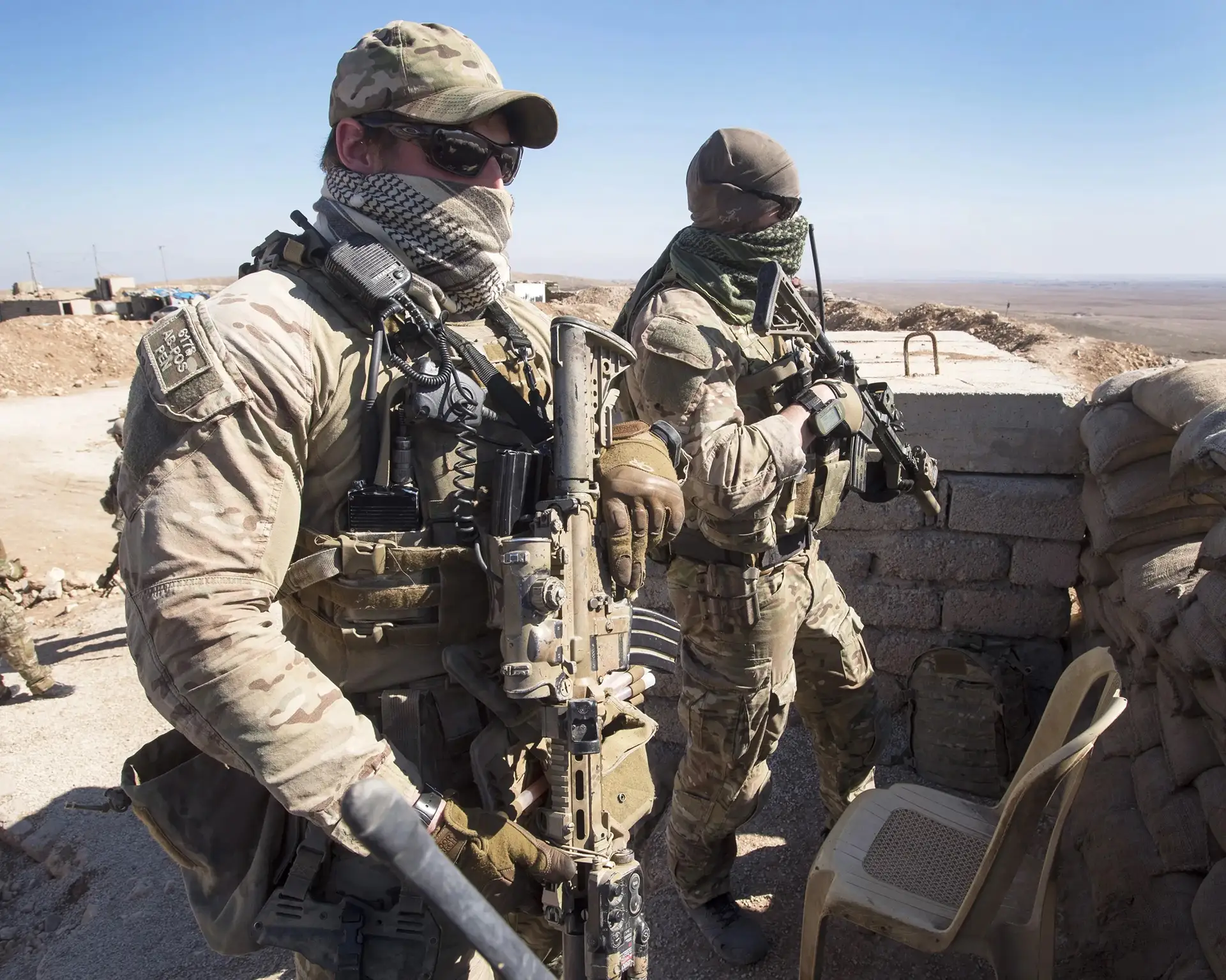
While it’s worth stating here that not all lessons are directly transferable to today, the finding that SF downscaled DA, prioritised SW, and maintained SR is telling. It’s also notable that there was a deliberate focus on creating new technologies and tactics that would pose complex challenges to our adversaries, and that SF continuously maintained capabilities to support the joint force. The key thing we can take away from the Cold War is that each nation’s unique place in the world drove what was required of each SF unit.
If we now turn to the current situation, we know SF units are heavy in DA capability after being focused on the GWoT, and we also we know that strategic competition requires a different mix of capabilities. Taking our findings so far, we can end this article with five major recommendations for how SF units can prepare for the next decade.
Preparation
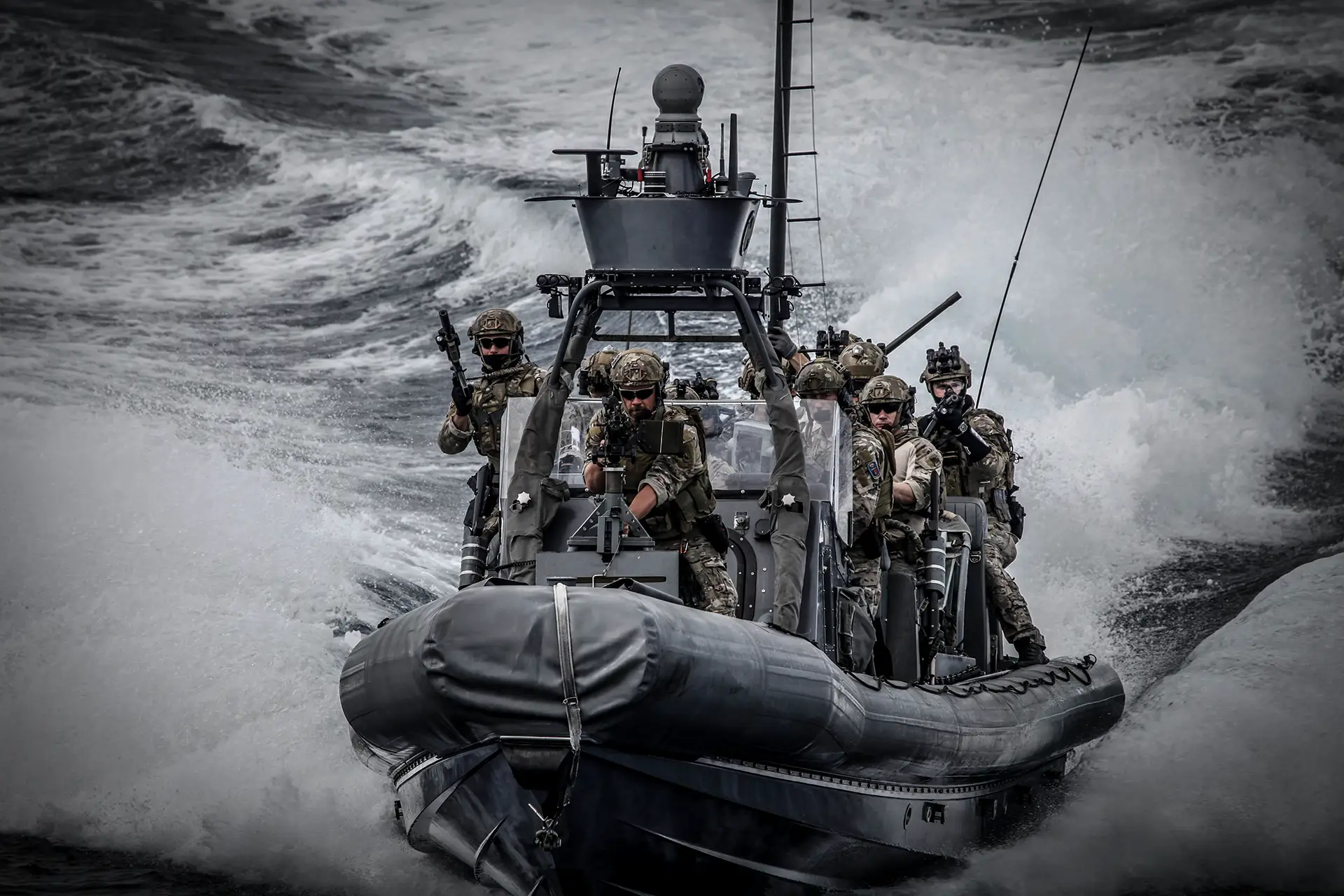
First, each SF unit needs to review its own country’s place in the world and the effect that has on it. Because the geopolitical sands have shifted, what was needed during the GWoT is now almost certainly not needed for GPC. Additionally, if units are used to borrowing allies’ enablers or equipment, there is no certainty that this paradigm will continue. SF units need to be prepared to go it alone, as in the evacuations from Afghanistan and Sudan. It’s crucial that each force ensure that what they do and provide aligns with their nation’s emerging policy, and that they can provide what is needed when asked, without relying on others. By reviewing our country's individual strategies, we can take stock and objectively assess whether we have the appropriate balance of capabilities for what we are now being asked to do. No more cutting and copying, or begging and borrowing - it simply isn’t going to work anymore.
Second, expect more generalization and less specialization. If it is unclear what a nation’s policy or defence strategy is, the best approach is to generalize.[1] For SF, a return to generalization by balancing the three core tasks provides flexibility. A word of warning here: while great powers can raise and field niche capabilities to cover each core task in isolation, for the rest of the world, we need to economize. Better to have a single unit that can do SR, DA or SW than three units that each deliver one thing, but are in reality underprepared due to resource issues.
Third, we shouldn’t throw out capability. A lot of commentary is emerging stating that we need to abandon CT or “return to our roots”. This is flawed logic. SOF must maintain the high-end DA skills mastered during the GWoT, as these capabilities and techniques are useful when conducting complex raiding against our adversaries. Indeed, the US has demonstrated the importance of this approach through Operation Absolute Resolve. By using their premier “CT” force to conduct a raid against a nation state they have proven that their CT force is also the world’s leading Direct-Action force. The lesson is that the capabilities sharpened during the GWoT shouldn’t be discarded; they should be incorporated, reshaped if needed, and reapplied in new contexts.
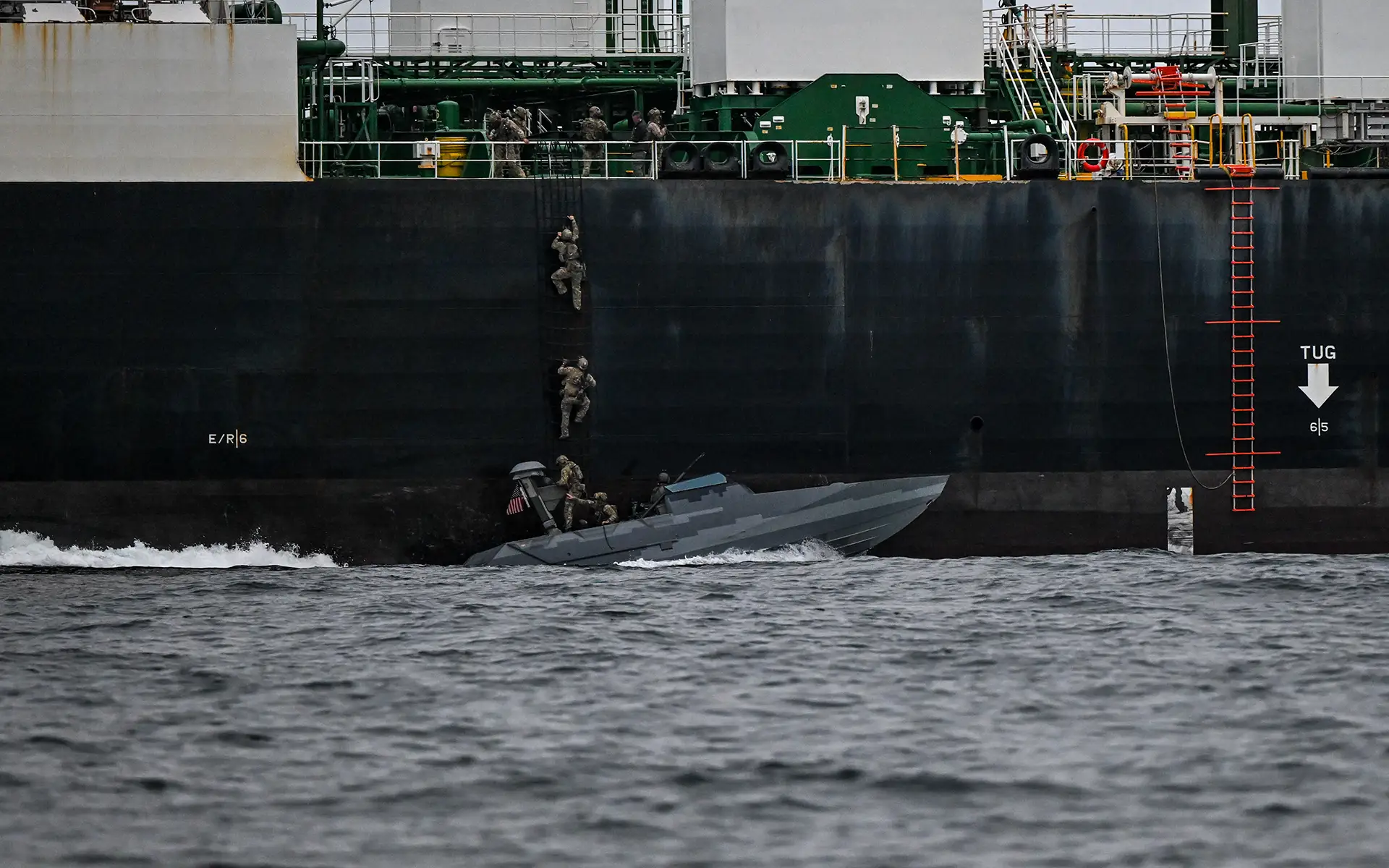
Fourth, prepare for more Special Warfare. The US National Security Strategy, like most other nations' strategies, makes it clear that states want to create and exert influence. How the USA may choose to create and maintain influence, and how the rest of us choose to do the same, can be two very different things. If you’re the US, you may choose to exert influence through hard power, as in the recent strikes on Iran. But if you’re not a global superpower, the primary way to build influence with SF is through SW activities. Now, this may not be what many SF units want to hear, but committing to SW tasks provides the basis for further activities. The hard work spent enabling and creating partner forces around the globe is a tried-and-true way to ensure we achieve influence and deny it to others. While SW is often hard, frustrating, and thankless work, especially in the early days, patience generally pays off. It also ties into the final point: SF needs to be better prepared for grey-zone/hybrid warfare.
Finally, during GPC, it may not always be in a state’s interest to declare its hand. Instead, it may be desirable to operate below a detection threshold to protect your forces and deny the adversary information of your employment. “Greying” out forces so that they can operate in denied environments is something that needs to be taken seriously. SF that can achieve this will increasingly be needed. The extent of the weight this should carry, and whether it should come at the cost of conducting warfighting in declared conflicts, are topics for another article. Suffice to say, hybrid operations are going to become more prevalent, not less so. SF units should figure out ways to deliver outcomes either through others or in a way that limits attribution risk.
Final Word
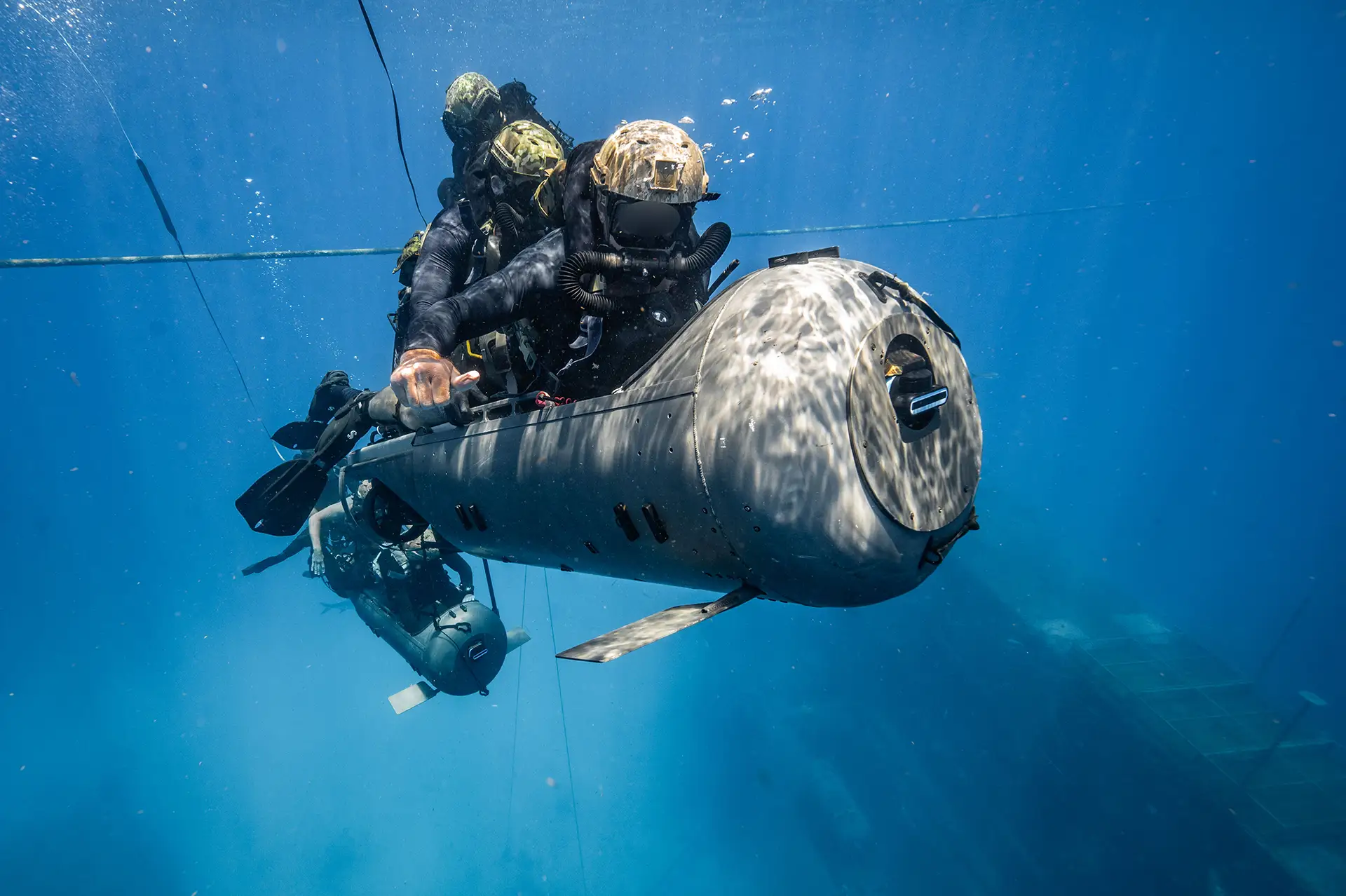
What we can take from all this is that the coming decade will be full of challenges. The GWoT is finished, and competition between nations is changing the operating environment, but by looking to our past, we can better prepare for the future.
The Cold War demonstrated that our classic core tasks will remain relevant, but that each SF unit will need a different balance based on what their nation’s specific requirement is. Each SF unit needs to return to first principles and determine what its nation’s strategy requires during GPC. Old-established relationships may not carry over into the future, so each unit needs to be capable of operating independently, in pursuit of its own nation’s goals. SF shouldn’t abandon the gains from GWoT, because in the future, there will still be CT, just less.
The DA skills honed over the last two decades will be crucial in the GPC environment, as they provide the basis for raiding and supporting the Joint Force. The new skill we need to invest more in is SW. As most nations will want more influence, not less, the way SF can provide this is through SW. The truly new problem we now need to address is how to undertake SW, DA, or SR activities below the detection threshold. How greyed out should our forces become, and should this be at the detriment of war-fighting capability?
[1] It may not be in certain nations interests to declare their position on some geo-political issues due to hedging between great powers, this makes it tricky for militaries to specialise capabilities. This paradigm is particularly prevalent in small states.