 HOME
HOME





The concept of Artificial Intelligence (AI) has firmly joined the lexicon of 'new speak'. Paul Kennard examines what it is and its use in the cockpit.
AI is often to be found lurking in similar environs to 'Machine Learning', 'Internet of Things' and, one of my own personal favourites, 'swarming drones'. They are some of the most popular 'buzzwords' of our time, often being used, and it appears, with a less than full appreciation of what the terms actually mean or used jarringly just out of the correct context. To be fair, sometimes the terms are used interchangeably with other similar expressions. Take 'swarming drones' for example. Simply having lots of drones in the same piece of sky at the same time may appear to be a 'swarm', but it's merely a formation of drones operating in a 'same way, same day' formation. Swarming is a term used to describe behaviours rather than numbers, where the drones cooperate, exploiting the data they sense and receive, to make decisions to successfully complete a pre-defined task within approved rules and criteria. The swarm adapts to circumstances, such as losing some of its numbers, to deliver its best output in alignment with mission goals. The important distinction from a formation of drones is that a swarm should be able to complete its task without direct human intervention - enabling it to operate outside Line of Sight (LoS) communications range or through jamming and Electromagnetic Spectrum (EMS) denial.
Artificial Intelligence is much the same; it's tricky to succinctly define what it is, and what it is not.
What is AI?
The Oxford English Dictionary defines AI as "the study and development of computer systems that can copy intelligent human
behaviours",
while NASA's accepted definition is "An artificial system developed in computer software, physical hardware, or other context that
solves tasks requiring human-like perception, cognition, planning, learning, communication, or physical action." One
of the first accepted measures of AI was the so-called 'Turing Test', named after the British mathematics genius who developed codebreaking
computers during the Second World War. Turing hypothesised that a computer could be 'taught' to mimic human responses, and if, under
test conditions, an interrogator asking a computer and a human a series of questions could not tell the difference, then the computer was
demonstrably intelligent.
Many, however, do not think that AI is quite that clear-cut. A three-stage approach is finding increasing favour, with AI Level 3, ANI
- 'Artificial Narrow Intelligence' - effectively describing where we are today. ANI is represented by the likes of Alexa, Cortana and
Siri - where a system of computer servers and an interface can respond to questions and challenges posed by a human, as well as being able
to perform calculations and complete repetitive actions better than a human. Critically, Level 1 AI lacks the ability to self-expand
its functionality - it remains contained by the restrictions imposed by humans. Level 2, Artificial General Intelligence (AGI),
predicted to be a feature from the 2040s, will see more of a Machine Intelligence approach, with the automated systems able to reason and
expand their own abilities, outperforming humans in most areas and routinely able to pass the 'Turing Test'.
Level 3, Artificial Super Intelligence (ASI), is still (thankfully) a few decades away and where the human race perhaps risks entering 'Skynet' territory and being threatened by our silicon-based superiors...
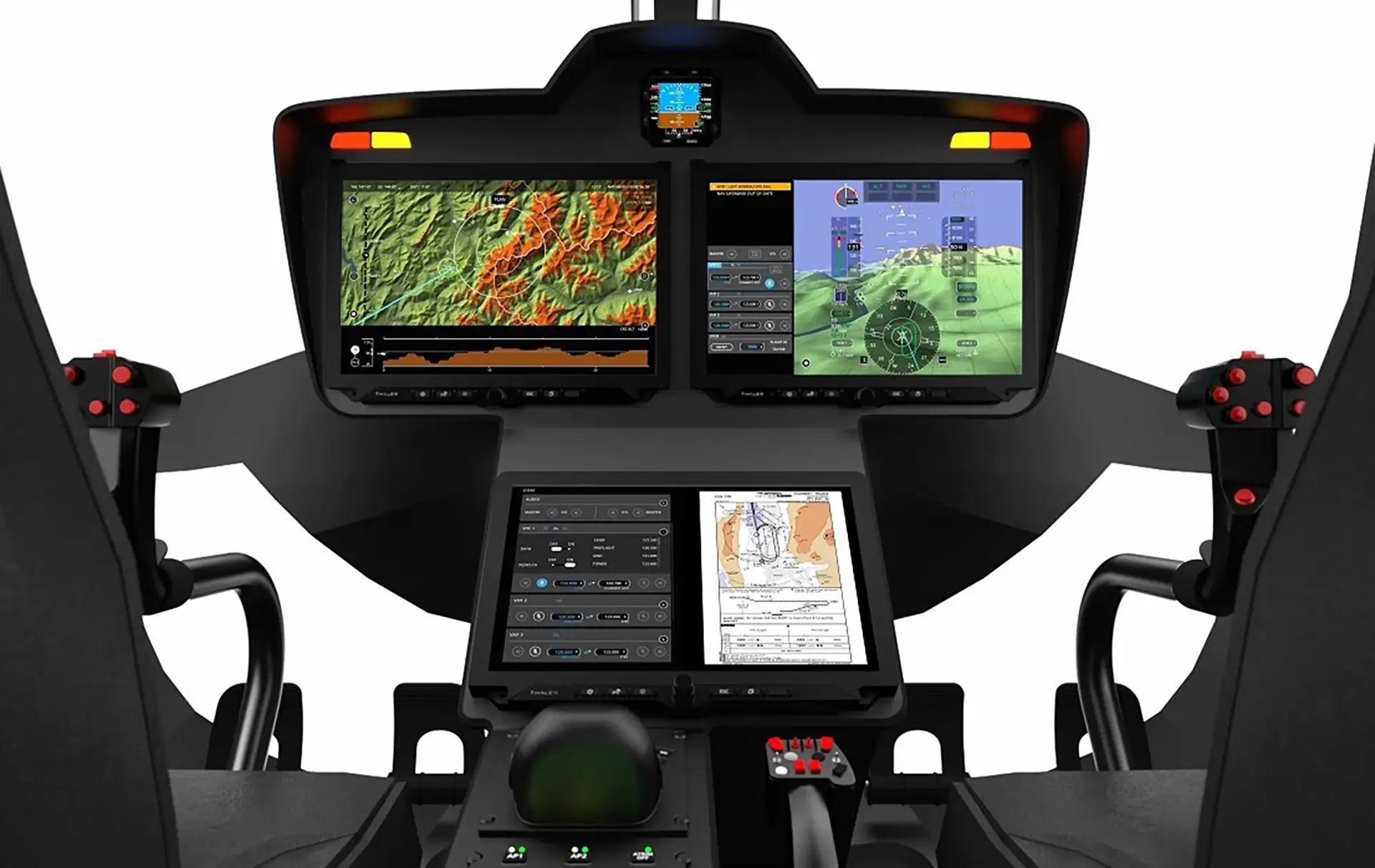
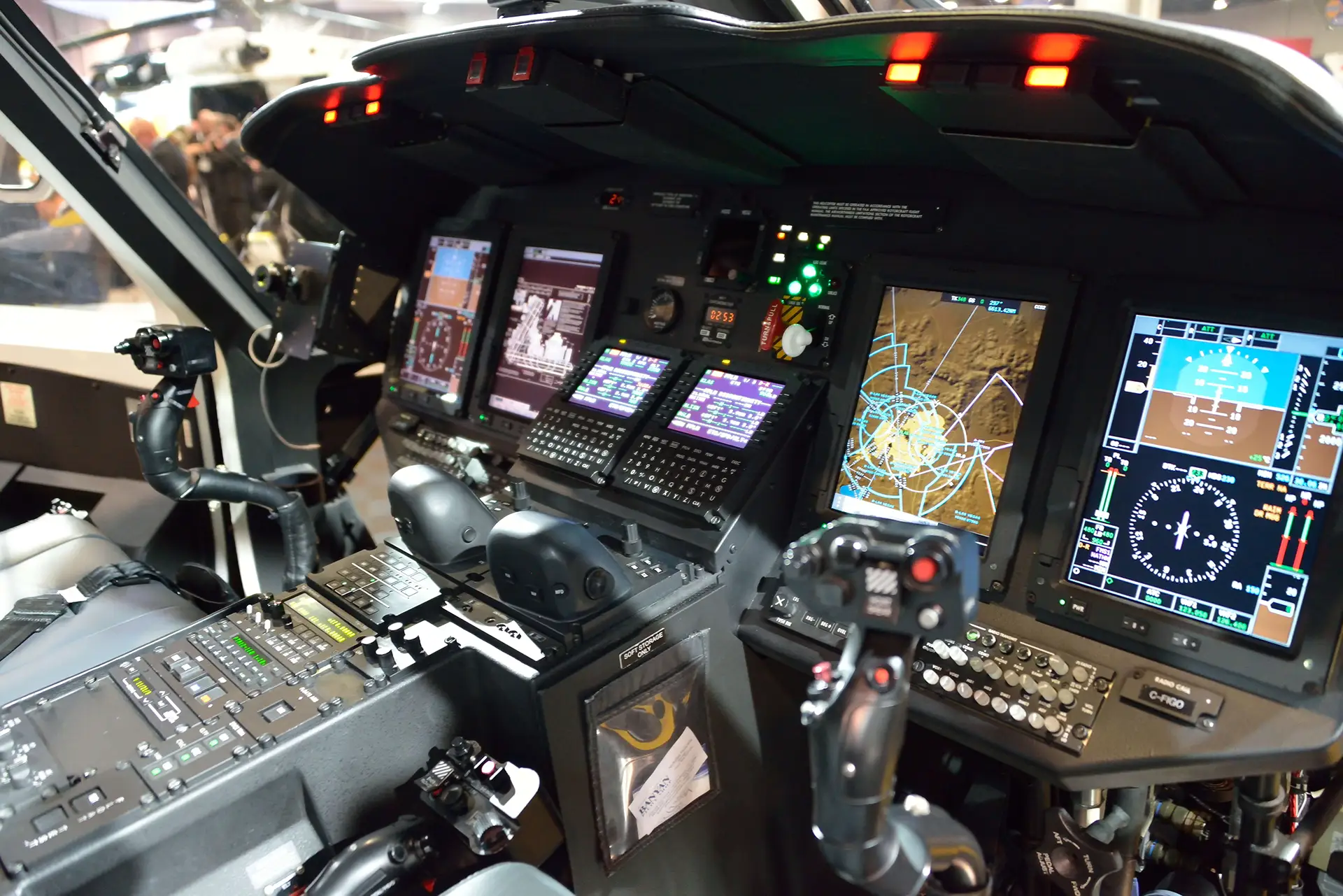
Therefore, when we talk about AI in helicopters today, we are talking about those Level 1, 'narrow', capabilities. The major
attributes that I've seen making their way into more and more design meetings, for both military and civil applications, are the use of AI
for Human Machine Interface (HMI), data compiling, and augmented decision making / decision support.
It's no coincidence that Siri, Cortana and Alexa were namechecked as exemplars of where AI currently sit. The HMI is as if the human
is talking to another human - with more than an echo of '2001: A Space Odessey's' paranoid and conflicted HAL9000 AI-enabled
supercomputer. Asking Alexa to play the next track on your Spotify playlist is the same type of interaction as asking HAL to open the
Pod Bay Doors - albeit with less chance of her replying, 'I'm afraid I can't do that...'. The casual and natural way we engage with
technology at Level 1 can, sometimes, trick the unwary that they are doing little more than voice-activating machine commands. Alexa
can only extend her reach to the devices that you soft or hard wire her to - lights, radiators, doors, speakers, etc. - her domain, and that
of her electronic peers, has limits.
In the cockpit
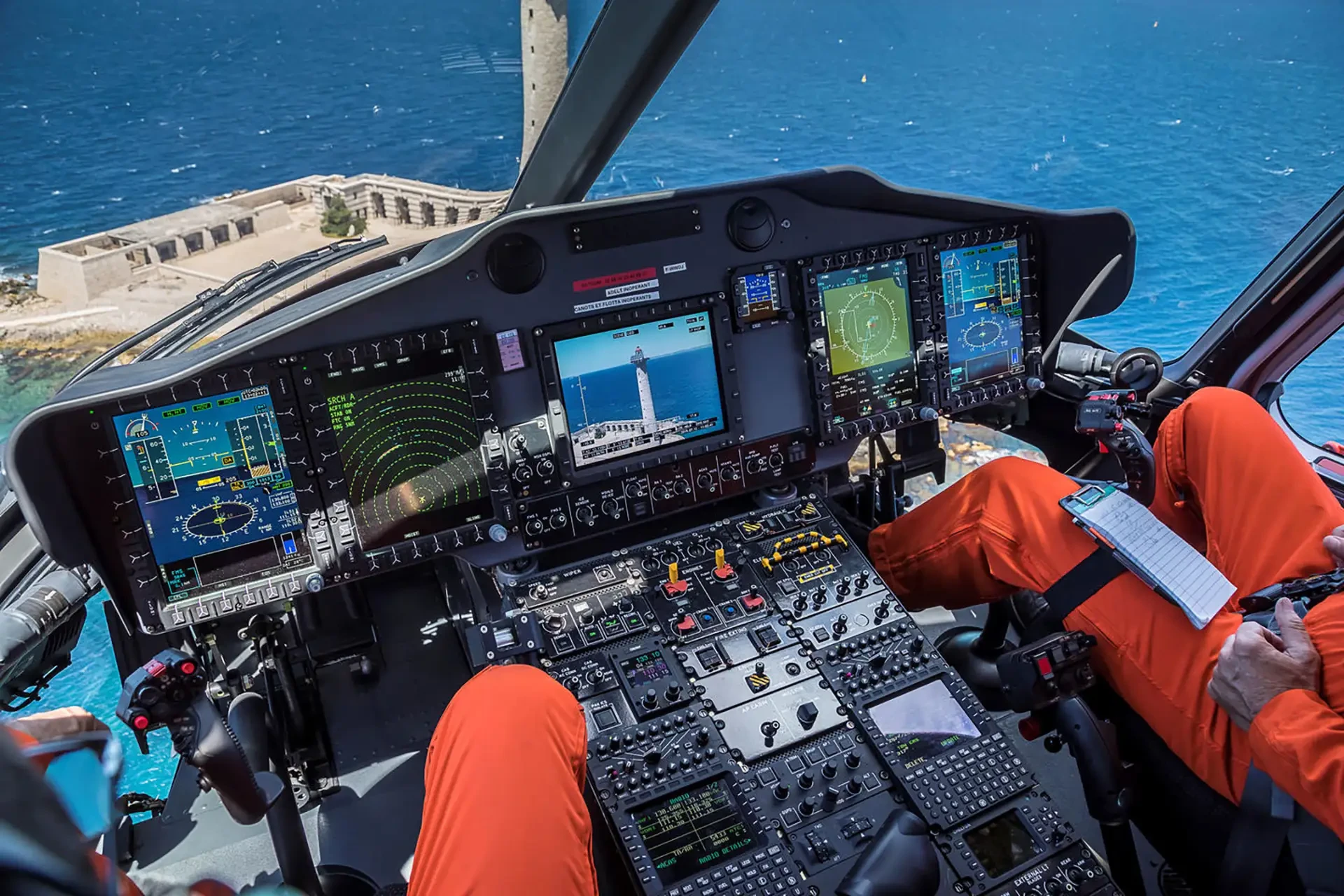
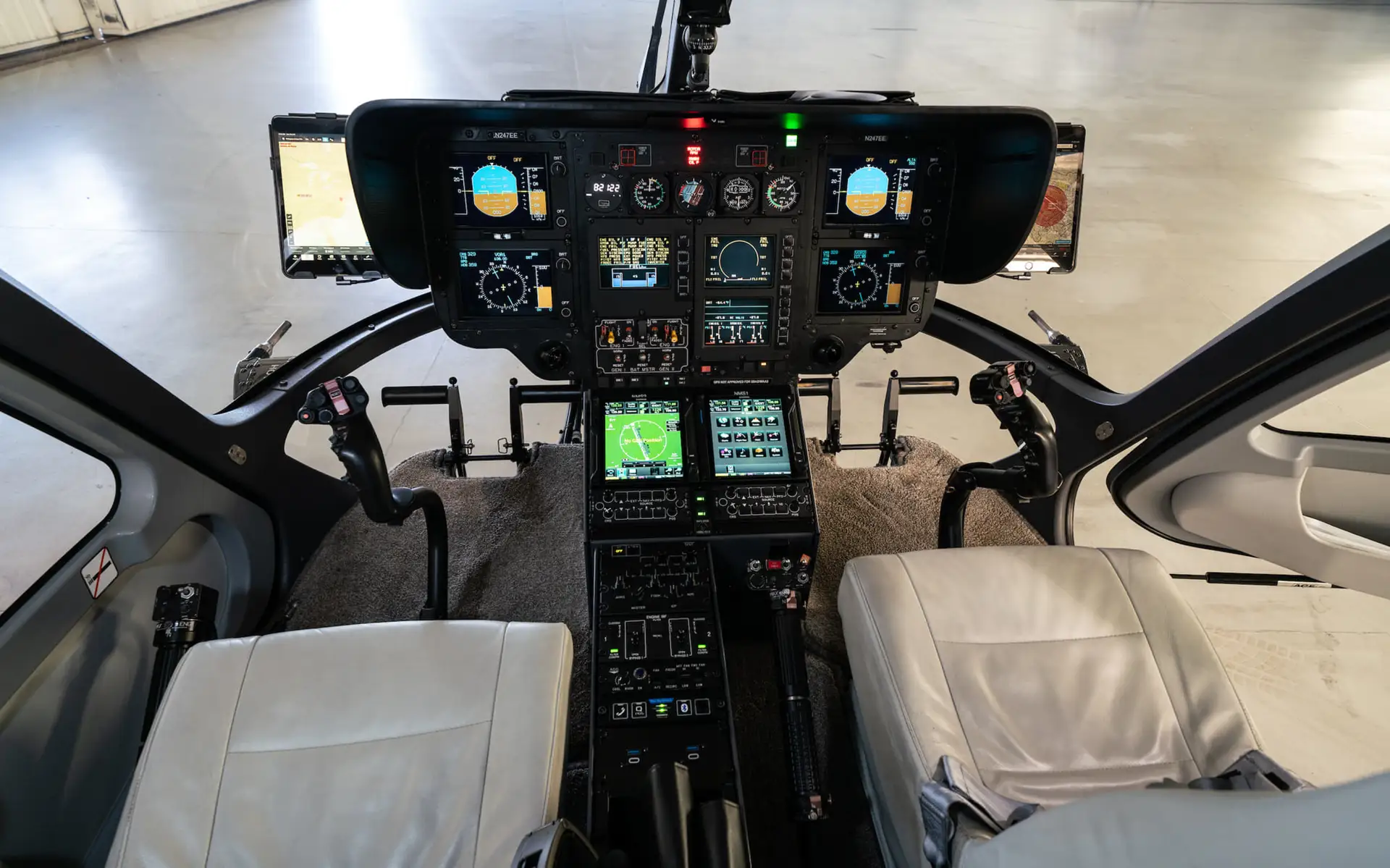
This makes them very well suited to flight operations, given the need to ensure predictable and repeatable behaviours for certification purposes.
Voice-controlled systems for a helicopter pilot offer significant reductions in workload and, for operators, the opportunity to reduce the
number of crew. An 'Airborne Alexa' could function as both an interactive Electronic Flight Bag (EFB) and as a virtual
co-pilot. Reducing crew numbers increases disposable payload, enabling more fuel or cargo to be carried, and also can lower salary
overheads and currency flying requirements. The pilot could, for example, ask for the 'AI EFB' to dial up radio and nav-aid
frequencies or set up an approach plate for an instrument approach. A slightly deeper integration could be to perform routine
husbandry tasks, such as transferring fuel between tank groups, selecting anti-icing equipment or changing light settings - potentially
without instruction, in line with several conditions; for example, in some form of pre-flight instruction to 'Airborne Alexa', the
pilot could program the system to 'Ensure fuel balance between main tanks if maintained within 50Kg', only flagging up an issue if unable
to comply due to fuel quantity or pump failure.
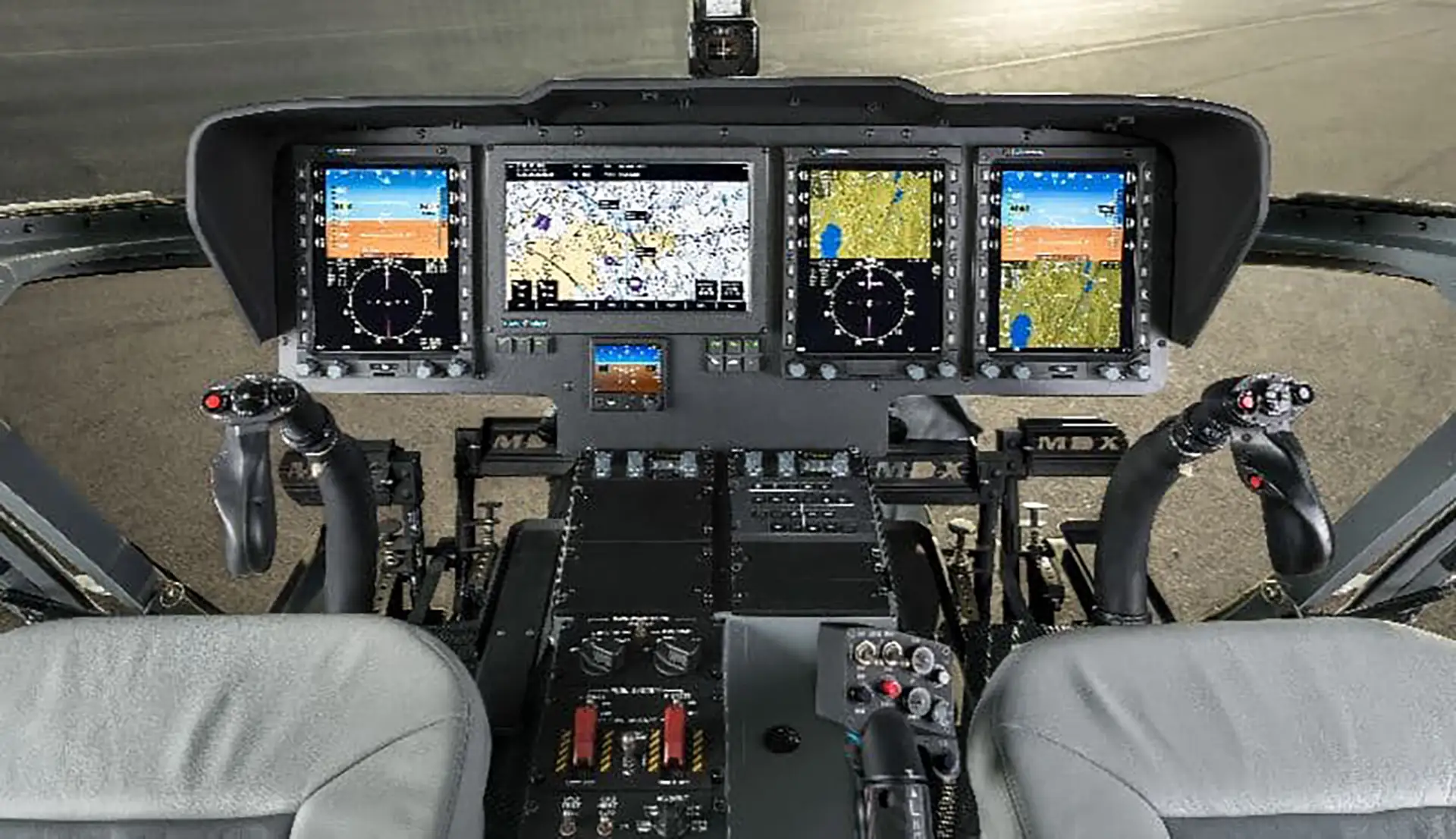
Another obvious example would be 'Turn on Pitot Heaters if the Outside Air Temperature falls to below +4C'. In the case of a
helicopter fitted with a full Health and Usage Mentoring System (HUMS), the AI could be programmed to provide an early indication of a
'trend' in one of the aircraft’s sub-systems, perhaps providing the pilot with information not readily available from a single source of
instrumentation. An AI that can 'see' all the available data may be able to flag up a deteriorating component before it reaches the
threshold required to declare to the Caution and Warning System (CWS), attracting the pilot via visual and audio alerts.
Such tasks are mundane but require the crew to remember to conduct them. In such cases, if the crew become distracted by other tasks
or is suffering from fatigue or low arousal, the consequences of failing to keep on top of a situation and apply appropriate action could
be serious. In high workload situations, the AI could be permitted to rectify minor CWS alerts without distracting the crew - only
reporting the event post-flight or in a mission log that the pilot can interrogate once in a benign situation. For example, in a
multi-generator aircraft, the loss of a single generator is usually a fairly low-key issue unless, for example, using a lot of electrical
power to run anti-icing equipment. However, if the serviceable generator handles the load, why not permit the AI to do the normal
'Immediate Actions' of resetting the generator? If the generator is recovered, the incident is logged, and the pilot can be informed
in due course - saving them from having to take hands-off controls to locate and identify the correct generator switch and then manually
effecting the reset. It would also help prevent the pilot from inadvertently resetting the 'good' generator and potentially creating a
bigger problem...
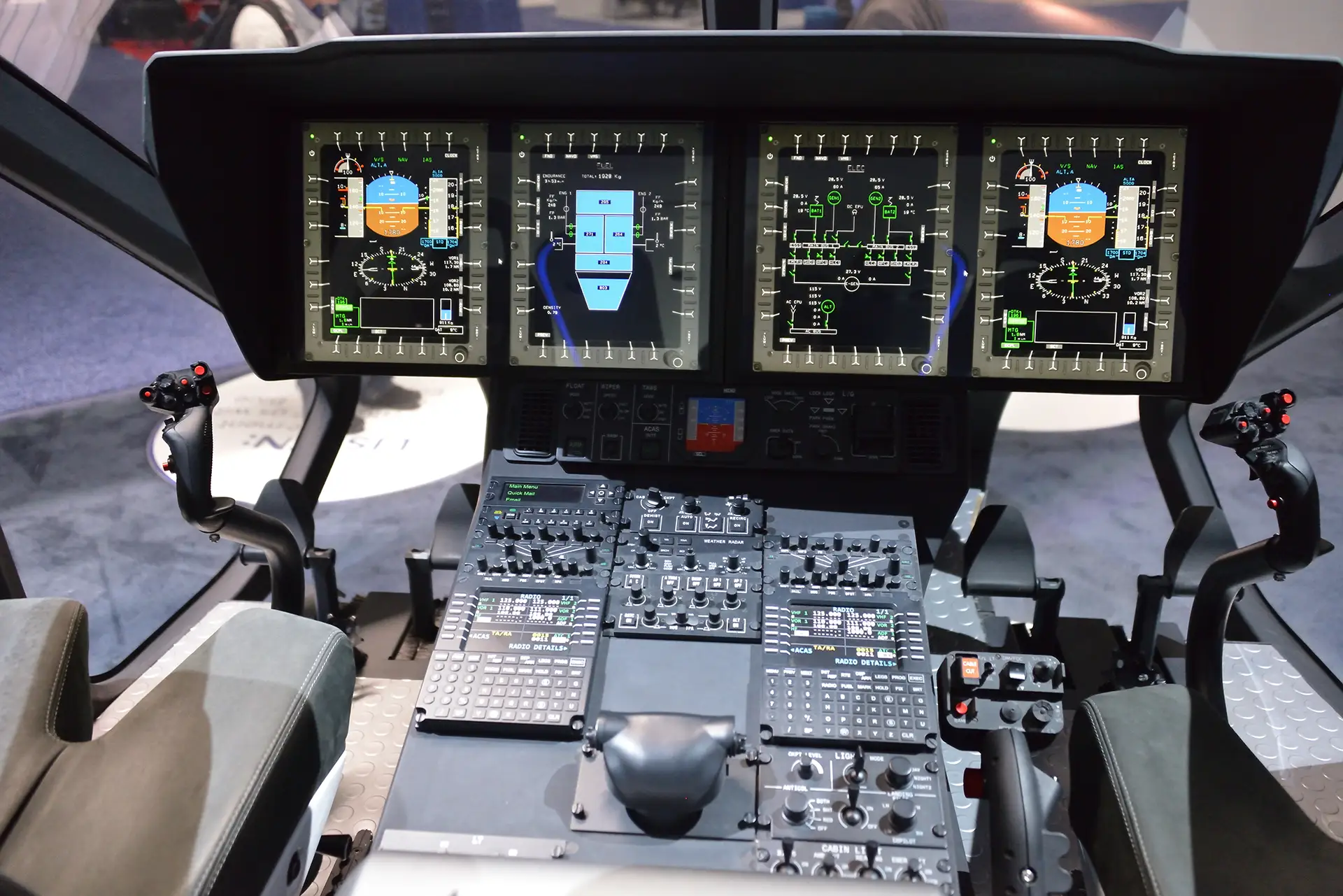
Data compiling is another skill that AI could perform faster and with greater accuracy than a human. A helicopter in flight requires
the pilot to assimilate large quantities of data from different sources in several formats. Data can be split into two main types:
onboard- and offboard-derived.
Onboard data can include engine performance measurement (running regular background Power Assurance Checks (PACs), for example), maintaining a live All Up Mass (AUM) by taking measurements when on skids/wheels and monitoring fuel burn, and sensing the air temperature and pressure of the air the aircraft is flying through. Such data can be continually updated to inform the pilot of the accurate 'real' performance that the aircraft can deliver at that moment rather than the Operating Data Manual (ODM) figures. The ODM is often deliberately pessimistic in terms of engine performance, ensuring that the figures provided are a baseline engine that is just capable of passing a PAC. Likewise, until the emergence of Electronic ODMs, the performance figures were often arrived at by extrapolating the data on multiple charts and only accurate to the sharpness of a chinagraph pencil lead. The AI can not only input accurate OAT and pressure, but also aircraft weight, and PAC data, to offer the pilot a far more accurate analysis of the available performance at hand.
Offboard data can include live weather forecasting, updates from other airspace users and NOTAMs. For example, if the route that is
being executed by the Flight Management System (FMS) is likely to take the aircraft through areas of thunderstorm activity, heavy icing or
severe turbulence, the AI can flag up an alert to the pilot. Likewise, if a destination or planned alternate airfield reports a
failure of a key component through the 'Internet of things' aviation cloud, the pilot can be informed.
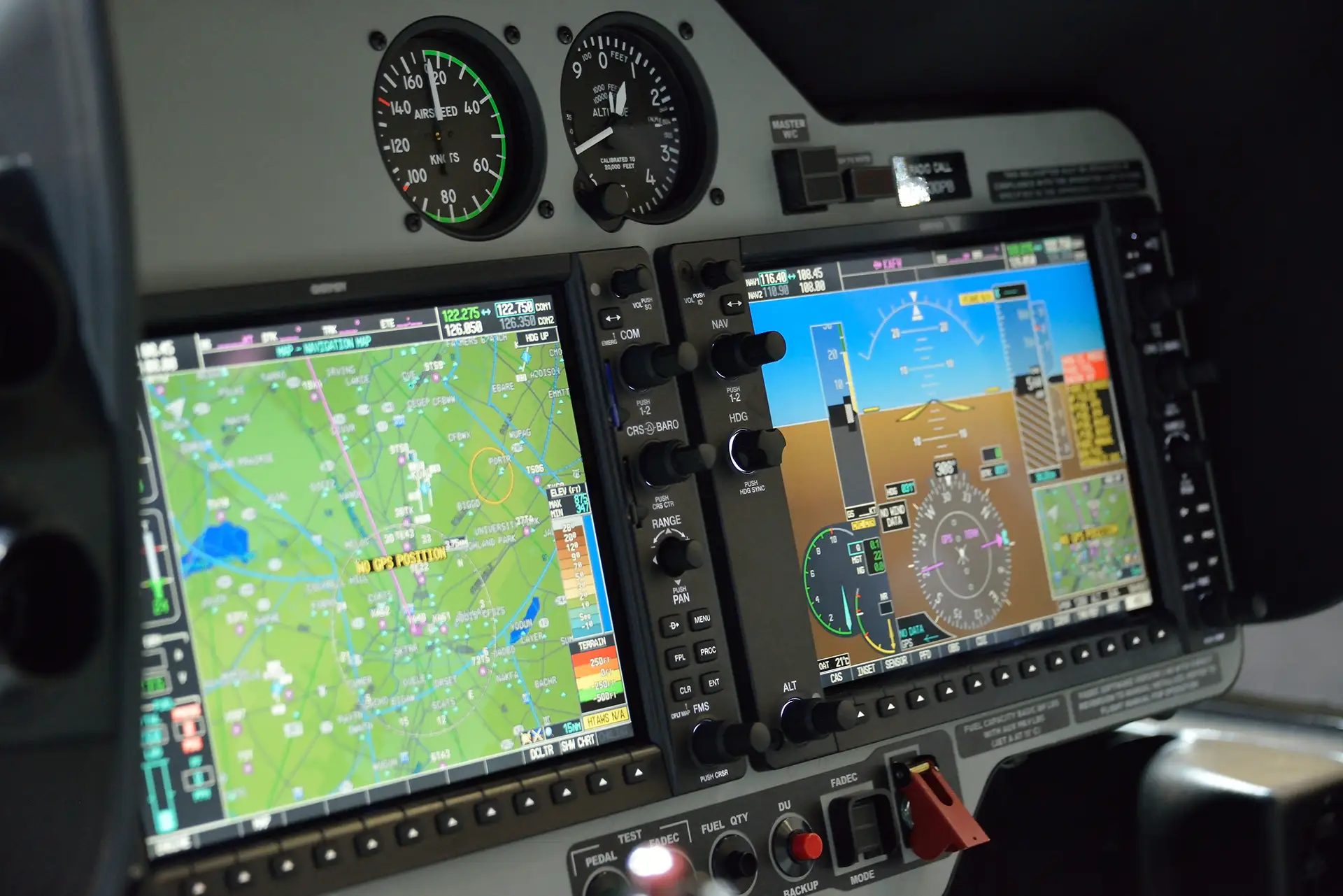
All of this plays into, perhaps, the strongest suit of Level 1 AI and the part that blurs the boundaries between human and computer most -
that of augmented decision-making. How often do we hear the phrase 'paralysis by analysis', where humans in high-pressure, often
time-compressed, scenarios are unable to rapidly decide due to the torrent of data they have to assimilate and process? Augmented
decision-making exploits the AI's ability to rapidly interrogate huge amounts of information and, within set parameters, provide logical and
achievable options to the user.
AI Co-Pilot
Like search assistants such as Alexa becoming part of our everyday lives, augmented decision-making tools, especially smartphone
applications, are doing much the same. Spotify suggests new music we'd like to listen to based upon our listening habits, while social
media sites such as Facebook carefully tailor the advertising we are afflicted by daily as a result of 'likes' and screen 'linger
time'. Perhaps the most pertinent for an airborne application is the plethora of route navigation programs available. For
example, when I connect my iPhone to my car for a long journey, I invariably call up 'Waze' as my navigation aid. 'Waze' uses data
from several sources, as well as user pre-sets, to calculate three alternative routes to the entered destination, providing for each the
distance and estimated journey time / ETA. From the user’s perspective, you can tailor the results with preferences such as avoiding
motorways or toll roads. The data sources that Waze uses to arrive at its usual three route options, fastest, shortest, and least
turns, are derived from imported data and then filtered to present the driver with a set of options to decide from. While the
algorithms behind the Waze App are, understandably, commercially sensitive, the data sets are not. The Waze ecosystem features
millions of Users who all update the road conditions as they drive, noting accidents, incidents and the presence of hazards (including
police locations). Tailbacks and delays are also either noted or confirmed by users in near real-time, as well as by importing
information from motorway camera networks. The system also has a network of 'regional users' who undertake periodic updates to reflect
long-term roadworks, planned road closures and changes to road layouts. Finally, algorithms also include anticipated travel times
based on historical route data - especially if the driver regularly drives to the same destination.
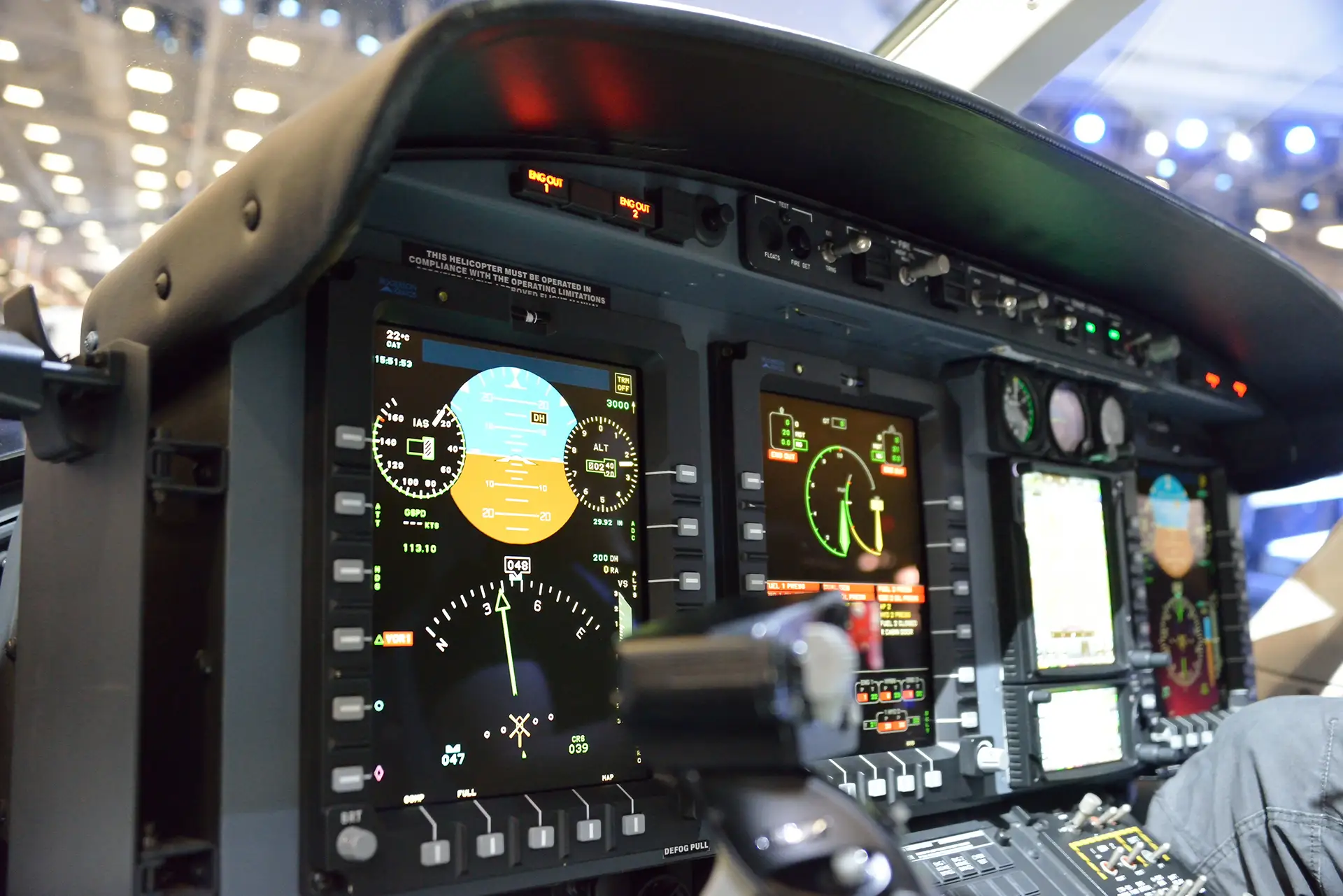 It's
very easy to see where the 'Waze' concept would be helpful in an aviation environment. While there are plenty of flight planning
software tools out there, one that could continually update during flight, using internal and external data sets, would be
transformative. In a similar way to how 'Waze' monitors live traffic, an airborne version could be considering the live feeds from
other users (information such as weather and hazards) as well as issuing NOTAMs, TAFs and METARS from en route or destination
airfields. If, for example, the METAR at the planned destination unexpectedly drops below minima or en route weather shows a
deterioration or localised poor conditions, the App can tell the pilot and offer up alternative routing and diversions. When combined
with data from the aircraft, the App can also ensure it doesn't run you out of fuel by too large a re-route, nor fly you over terrain that
the aircraft either is not cleared for in altitude terms or has the safe performance to route via. It can also save embarrassment if
Temporary Danger Areas and NOTAMs are promulgated
It's
very easy to see where the 'Waze' concept would be helpful in an aviation environment. While there are plenty of flight planning
software tools out there, one that could continually update during flight, using internal and external data sets, would be
transformative. In a similar way to how 'Waze' monitors live traffic, an airborne version could be considering the live feeds from
other users (information such as weather and hazards) as well as issuing NOTAMs, TAFs and METARS from en route or destination
airfields. If, for example, the METAR at the planned destination unexpectedly drops below minima or en route weather shows a
deterioration or localised poor conditions, the App can tell the pilot and offer up alternative routing and diversions. When combined
with data from the aircraft, the App can also ensure it doesn't run you out of fuel by too large a re-route, nor fly you over terrain that
the aircraft either is not cleared for in altitude terms or has the safe performance to route via. It can also save embarrassment if
Temporary Danger Areas and NOTAMs are promulgated
We even referenced the concept of a 'Tactical Waze' in a recent military study I took part in, where the AI would offer the crew several decision options based on the available data. 'Tac Waze' would offer the flight planning considerations above but also apply the Common Operating Picture (COP) tactical information and understanding of the aircraft's signature and defensive capabilities to its calculations. It could offer the crew routing based on various risk factors, enabling a rational, human decision, weighing the mission importance against the commander’s risk level appetite. These factors could include spare 'combat' fuel, remaining consumables (chaff, flare, ammunition), and anticipated AUM at the critical point of the mission. After all, there's no point in fighting your way through the enemy's territory only to find you've got too much fuel onboard to pick up your load....
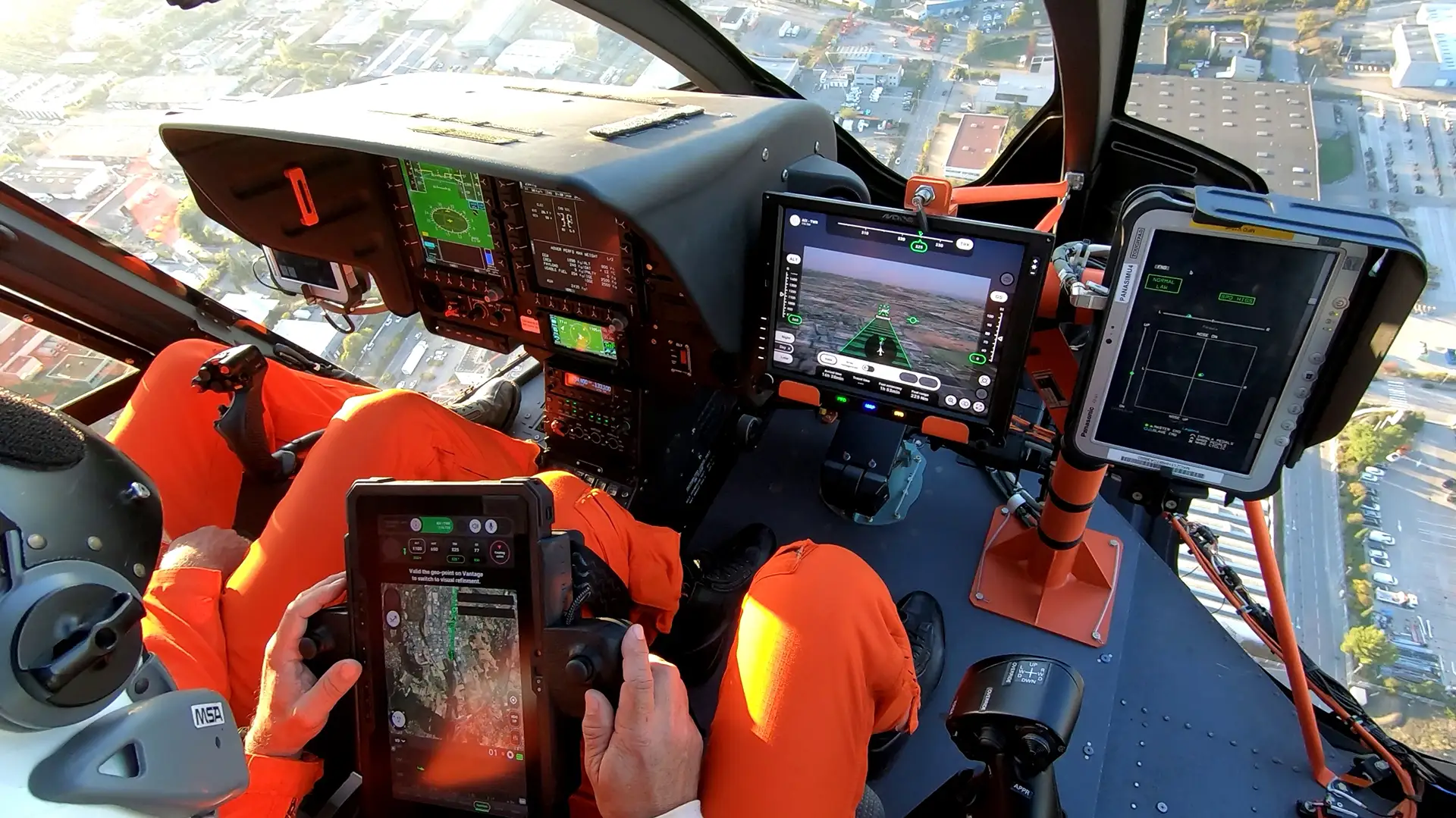
'Tac Waze' may be useful in responsive civil missions such as Search and Rescue (SAR), Air Ambulance and Law Enforcement. The Fireground may also be an area where the ability for multiple assets to communicate and coordinate, as well as passing live updates between themselves, might prove useful. Again, some tools already do much of this work, such as Airbox's ACANS, but exploiting Level 1 AI to introduce augmented decision-making could make them even more valuable.
Terminator Scenario
The 'Judgement Day' envisioned by the 'Terminator' franchise has many dates when Skynet, as a level 3 AI, becomes self-aware and enforces its superiority over its creators. Happily, as I write this in early September 2024, the most recent movie-referenced date, August 29th, 2024, has just passed without a malign-AI-instigated global holocaust. We are still some way off a sentient AI expanding outside its programmed parameters, perhaps two or three decades - maybe sooner. However, Level 1 AI is here today and now and quite possibly could be exploited better in the rotorcraft community to reduce crew workload, make better decisions quicker, and, perhaps, even make helicopter operations more efficient and profitable.
There's almost no doubt they will be a large part of the emerging eVTOL ecosystem.