 HOME





Foreword by the editor:
Terry Miyauchi, a safety expert and regular contributor to HeliOps magazine, takes a different view from me on Restricted Category and its applicability to carrying firefighters in the Black Hawk. I think that is great. That difference of opinion sparks debate and lets us consider all sides. Here, we publish Terry’s piece questioning the wisdom of letting firefighters ride to and from a wildfire aboard certain restricted-category aircraft for ground suppression work. We also present a separate feature I wrote several years ago that takes the opposite view: firefighters should be permitted to be carried in the Black Hawk. I believe both arguments are valid and backed by facts. I think the reader will find both discussions compelling.
______________________________________________________________________________________________________________________
Every day, thousands of people climb into helicopters knowing nothing about how they were built, maintained, or approved to fly. They simply trust that someone checked. As the FAA weighs loosening a decades-old line on restricted-category aircraft, that trust deserves a closer look.
The Walk to the Aircraft
The wildland firefighter hand crew does not look up at the rotor disc. They duck, they count heads, they shuffle forward with their packs and tools, and they buckle into whatever seat they are pointed to. Twenty minutes later they will be on a ridgeline cutting line ahead of a fire that does not care about their paperwork.
None of them asked what category the aircraft is certificated in. None of them asked when the last inspection was signed off, who signed it, or what standard it was signed against. They do not know whether the machine under them was designed to carry passengers or designed to do a job and carry only the people essential to that job.
They do not ask because they cannot be expected to know. That is the bargain at the heart of commercial aviation. The person in the seat surrenders control and knowledge. In exchange, an entire system of manufacturers, operators, mechanics, inspectors and regulators promises to hold the line on their behalf.
That promise has a name. It is blind trust.
Who Rides, and What They Assume
Few segments of aviation carry a more varied cabin than the helicopter industry. On any given morning, the people buckling in might include:
A trauma patient being flown on an air medical mission
Offshore workers headed to a platform 100 miles out in the Gulf
Utility workers being set down on a transmission tower
Tourists over the Grand Canyon or a Hawaiian volcano
Executives crossing a congested city
Hunting, heli-skiing and survey crews dropped in remote country
Wildland firefighters headed to the line
Almost none of them are pilots or mechanics. Few could name the regulation their flight is operating under. They could not tell a Part 135 certificate from a Part 133 or Part 137 certificate, and they should not have to. No one expects them to know the different categories of Part 27 or 29 certifications.
What they assume is simple. They assume the aircraft was designed to carry them. They assume it was maintained to the standard that design requires. They assume the pilot is trained and current. And they assume someone with a badge and authority is watching it all and will step in when something slips.
Those assumptions are reasonable only as long as the system makes them true.
The Architecture of Trust
The passenger's trust rests on layers they never see. Each layer exists because, somewhere in aviation history, its absence cost lives.
Airworthiness Certification Standards - A standard-category helicopter is type-certificated under Part 27 or Part 29. Those rules set requirements for crashworthy seats, fuel systems that resist post-crash fire, emergency exits, occupant restraints and system redundancy. The design is built around the assumption that people who are not crew will be aboard.
Operating Standards - When the payload is people, additional standards are required. That brings an air carrier certificate, approved maintenance programs, pilot training and checking, duty limits and a principal inspector assigned to the operator.
Continued Airworthiness Standards and Maintenance - Every alert, bulletin, inspection, overhaul and life-limited part is tracked and signed for. The mechanic's signature is a personal certification that the aircraft meets its original approved design requirements, as well as the critical continued airworthiness requirements.
Oversight - Behind it all stands the FAA, and for government contract work, agencies such as the U.S. Forest Service and Interior Department with their own carding and inspection standards.
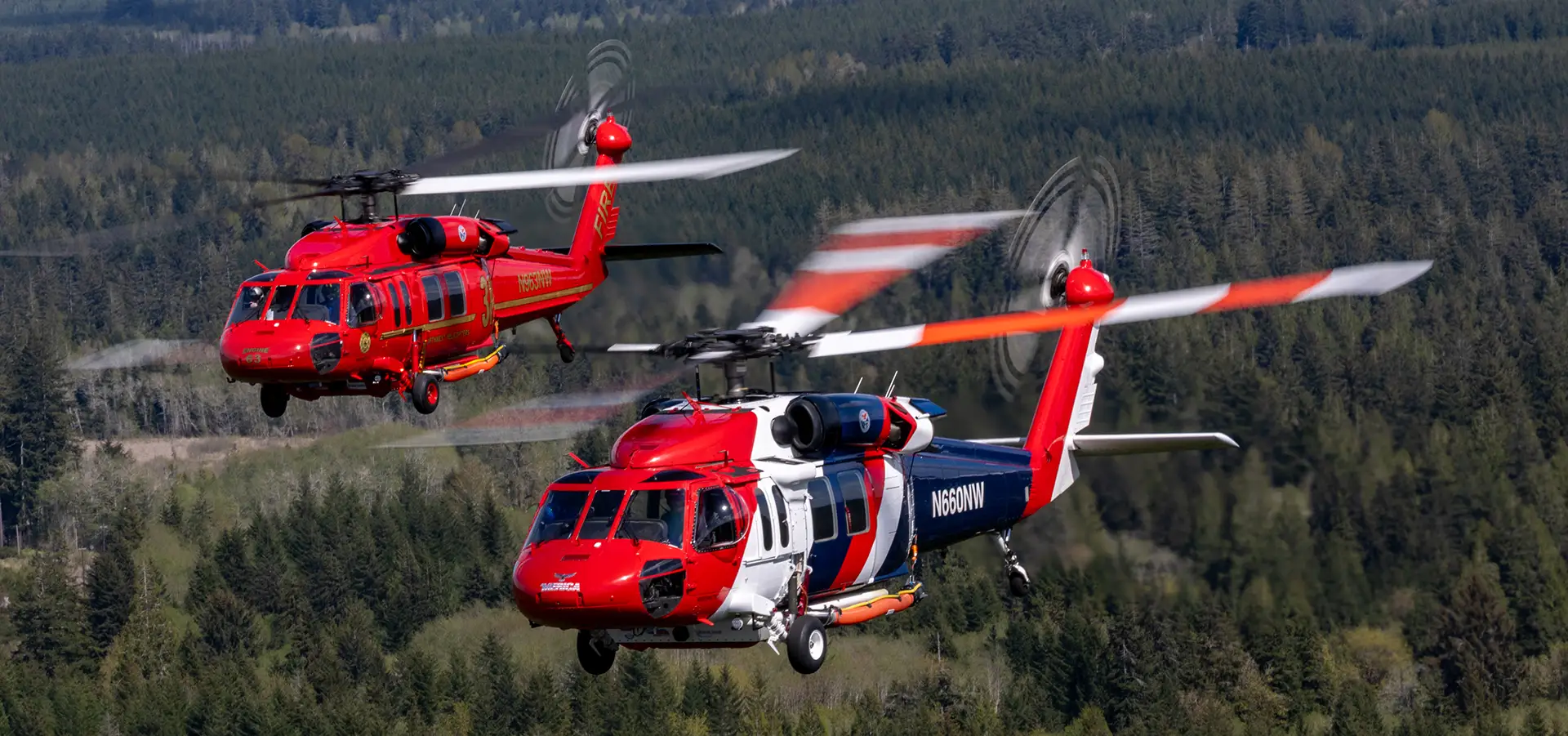
The restricted category sits in a different place in this structure. Under 14 CFR 21.25, it certificates aircraft for special purposes such as agriculture, forest and wildlife conservation, aerial survey and patrol. Many restricted-category helicopters working fires today began life as military aircraft, accepted on the strength of their military service history rather than a civil passenger-carrying standard.
The operating rules reflect that difference. Under 14 CFR 91.313, a restricted-category aircraft may not carry persons for compensation or hire. It may carry only flight crewmembers, trainees, and people who perform an essential function in the special-purpose operation or are needed to accomplish its work. The same section bars operation over densely populated areas unless specifically authorized.
That is not a bureaucratic accident. It is the system telling the public, plainly, that these machines were approved to do work, not to carry people who are simply going somewhere.
The Proposal on the Table
On September 14, 2026, the FAA published an advance notice of proposed rulemaking (ANPRM), Use of Certain Restricted Category Aircraft for the Transport of Firefighters for Wildfire Suppression, Docket FAA-2026-10991. Comments are due November 13, 2026.
The agency is weighing a future amendment that would let firefighters ride to and from a wildfire aboard certain restricted-category aircraft for ground suppression work. It would cover civil operations and public aircraft operations where the restricted-category aircraft is owned by a civilian operator.
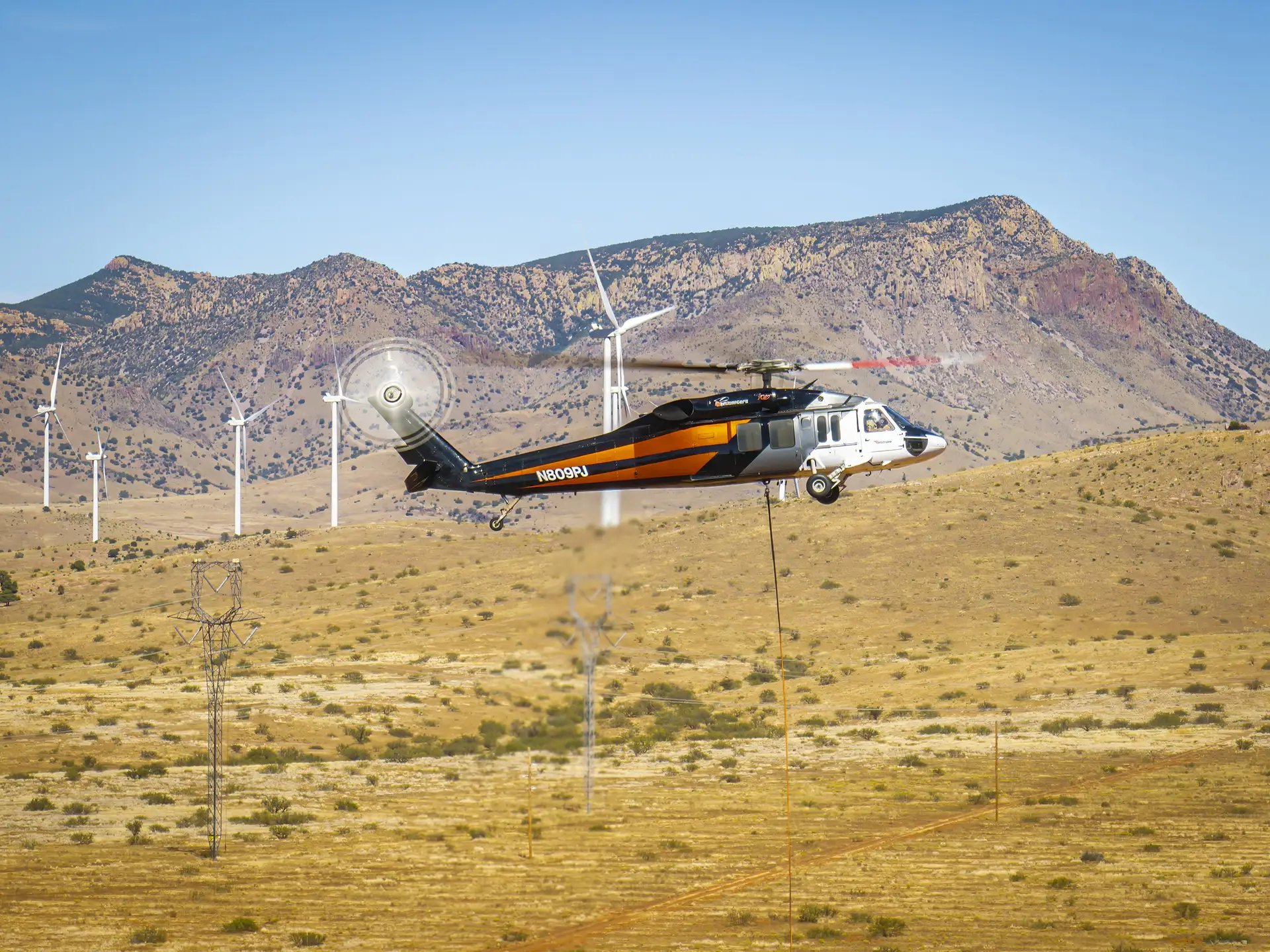
Today, a hand crew riding to the line generally does not qualify under the "essential function" exception. Firefighting from the air is the aircraft's special purpose. Digging the line on the ground is not.
The FAA is not acting on its own initiative. Section 360 of the FAA Reauthorization Act of 2024 directed the agency to create a regulatory path for this transport. Surprisingly specific U.S. Congressional members had pushed similar language as far back as S. 1535 in 2023, which would also have required changes to FAA Order 8110.56, the agency's guidance on restricted-category type certification. Whereas these public representatives have not yet publicly identified themselves, it raises the question of whether they understand the critical safety implications of their actions. Are they unknowingly and, as such, unintentionally not protecting the men and women of the wildland firefighters?
It is worth being precise about where this stands. An ANPRM is not a proposed rule. The FAA says it needs more information to meet the mandate and judge the economic impact. It is asking about the availability of firefighter transport today, what limits it, and the costs and benefits of a change. Ironically, the directive they received does not ask for an opinion on safety impacts. This also begs the question: why not?
That makes this the moment that matters most. The shape of the rule, and the conditions attached to it, will be drawn from what the agency hears now.
The Argument that Erodes Trust
The case for the change is real, and it deserves a fair hearing.
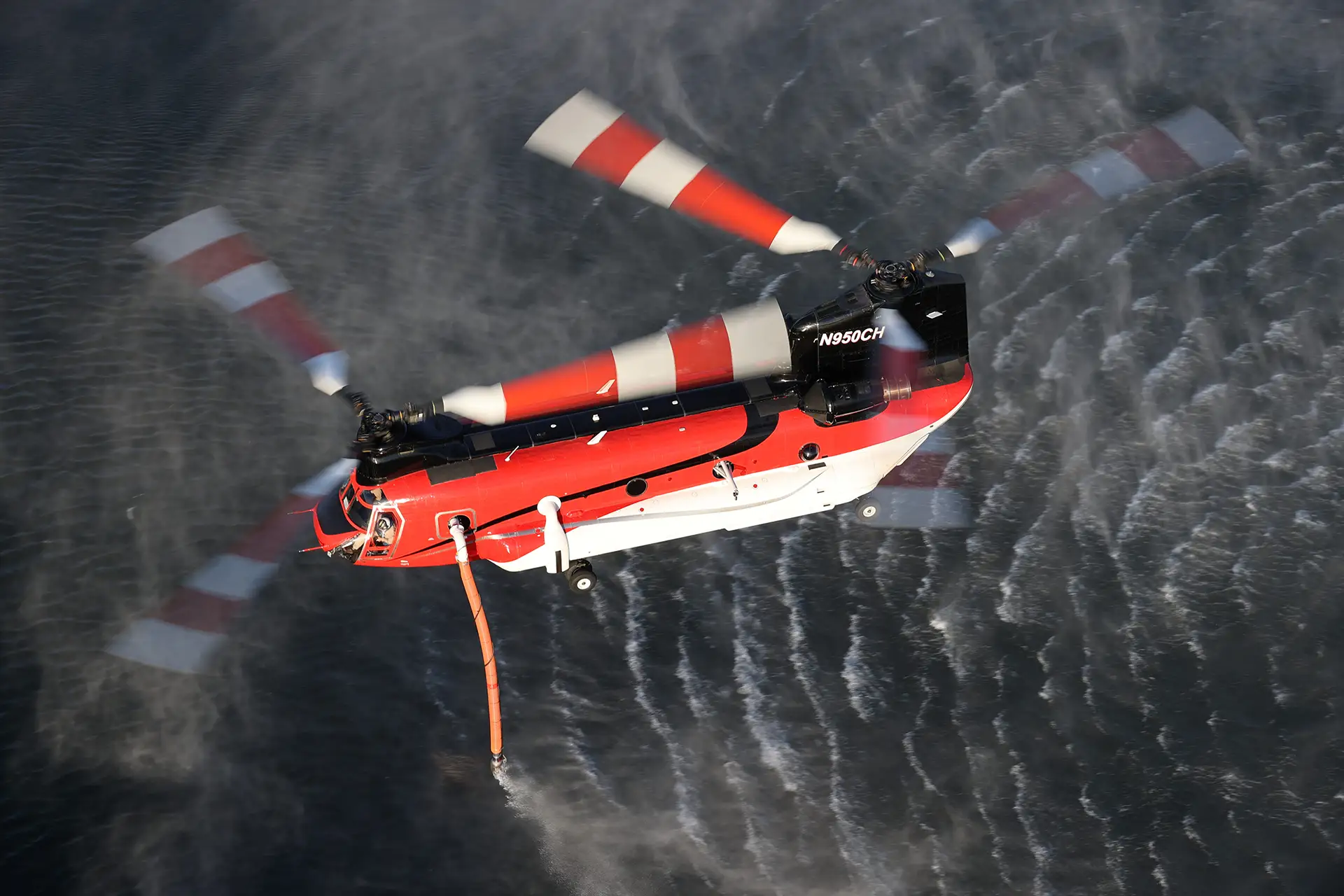
Fire seasons are longer and more severe. Large restricted-category helicopters are already on scene, already contracted, already flown by experienced crews. Many of these airframes carried troops in combat for decades. Supporters argue that the restricted label reflects an old certification pathway more than any real weakness in the machine. Industry voices have long said the rules were written decades before surplus military helicopters became a backbone of the firefighting fleet.
The case for caution is just as real.
A military service record is not a civil certification basis. Military aircraft are maintained under military programs, with military logistics, and with risk tolerances set for combat, not for the general public. Once an airframe leaves that system, the question is what replaces it. Who holds the design data? Who issues the continued-airworthiness instructions? Who tracks the life-limited parts, and against what records?
A firefighter is also not a crewmember in any meaningful sense once the skids touch down. They do not fly the aircraft or run the mission equipment. They are being transported. In every way the passenger cares about, they are passengers. They carry the same blind trust as the tourist over the canyon. They are simply flying into a more dangerous place to start their day.
And exceptions have a way of spreading. A path written for wildland firefighters invites the next request: search-and-rescue teams, utility crews, disaster responders. Each one is sympathetic on its own. Together, they can quietly erode the line between aircraft approved to carry people and aircraft approved only to work.
What Trust Requires
The question is not whether firefighters deserve fast, capable transport. They do. The question is whether a rule that carries them in restricted-category aircraft keeps the promise the system makes to every person in a seat. If not, then parallel questions are provoked as to why the proposal in the first place.
Are wildland firefighters transport missions being left unfilled?
Ironically, no. During a recent public briefing by the US Forest Service in Boise, Idaho earlier this year, the USFS is quoted on record stating that “all of its firefighter transport request were met…with standard transport category aircraft”.
Are additional standard transport certified aircraft alternatives available?
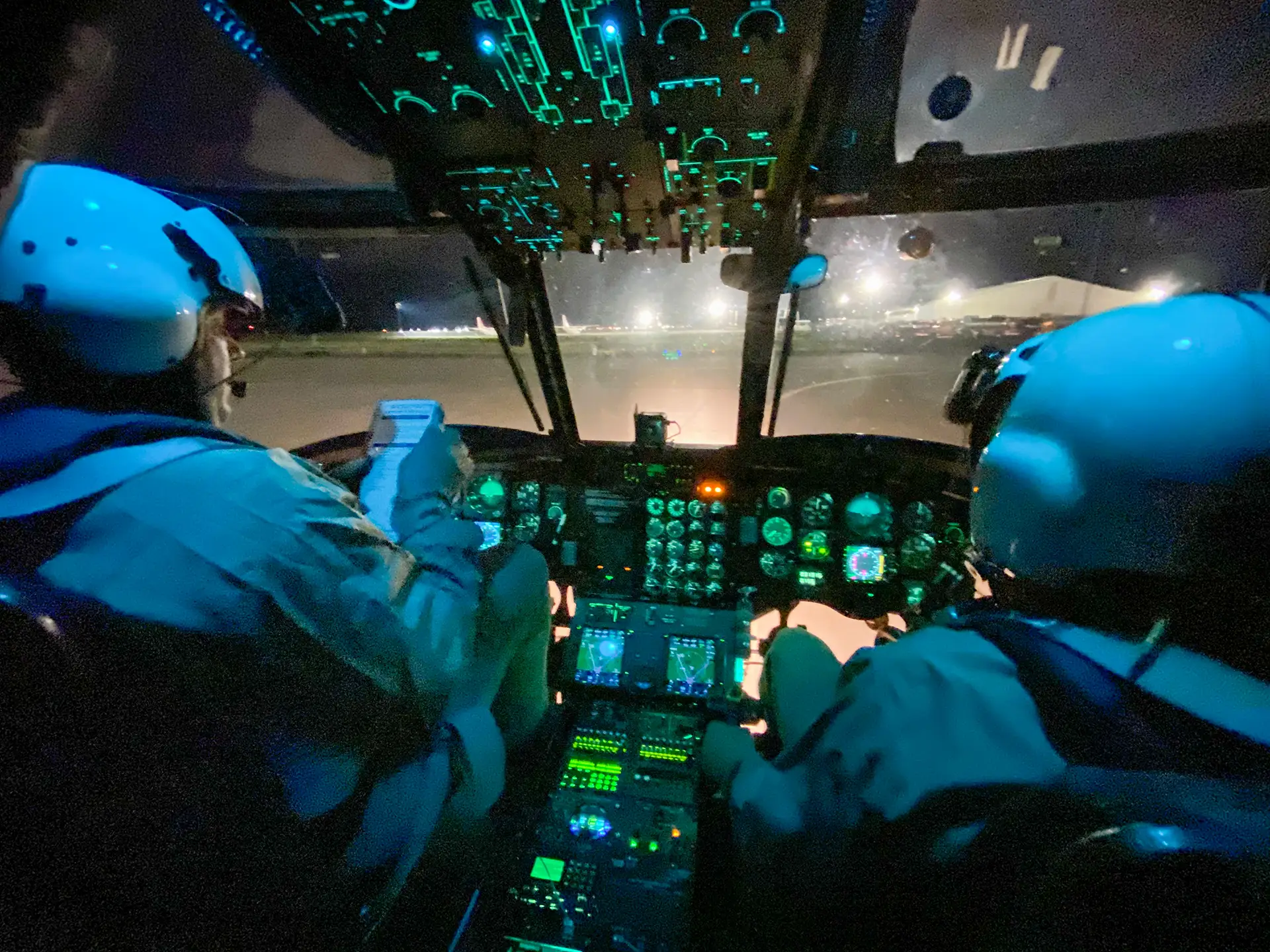
Yes. Every major helicopter manufacture in the space, minus one, is currently manufacturing standard category aircraft. These aircraft are not in need of any exemption approval, direct or indirect. They additionally meet the newly formed “modern” type requirements of the recently established USFS MATOC. This modern availability is within Type I, II and III, and includes no less than “two modern” options for each.
A strong argument can be made that current and long term solution to addressing the growing demand for modern wildland fire helicopters does not require exemptions or the changing certification standards or accepting a lower standard of support to meet the demand. It requires contracting enablement and sustainment that directly solicits the available aircraft that do not require the lowering of a standard.
Should wildland firefighting activity be considered an emergency?
In a perhaps over-simplified example, an emergency is when the aircraft engine quits, not when responding to a known and predictable mission dispatch.
A strong operational and safety argument can be made to the danger of responding to and operating in the wildland fire environment with a “emergency” mindset. This is not to say that fires are not a threat to public safety and property or that responses should not be urgent in nature. It is to say however that it is widely known that aviation is inherently dangerous. It is even more dangerous when mindsets neglect proven safety standards that are deliberate in nature and not emergent in nature.
Although certain aspects of the wildland fire segment are seasonal and can vary depending on political and climatic changes, the
operational demand is constant year-over-year. This is statistically substantiated. The industry and industry stakeholders alike know
with certainty that every year we will have a measured need to suppress fire and with it the need to transport firefighters as
passengers. This is a multi-billion-dollar industry that bids, contracts and evaluates for-profit contractors in the off-season for
specific dates of operation in the fire season…because we know in advance of the specific need. To say that the specific wildfire
suppression aspect is unknown and requires emergent response, is perhaps a flagrant farce. Yes, there is need for urgency at the time
of a fire start, but that need is known as a certainty within a prescribed season, thus the pre-contracting aspects. At the same
time, such a stance risks the undermining of deliberate pre-planned safety protocols that are critically established by regulatory
entities. 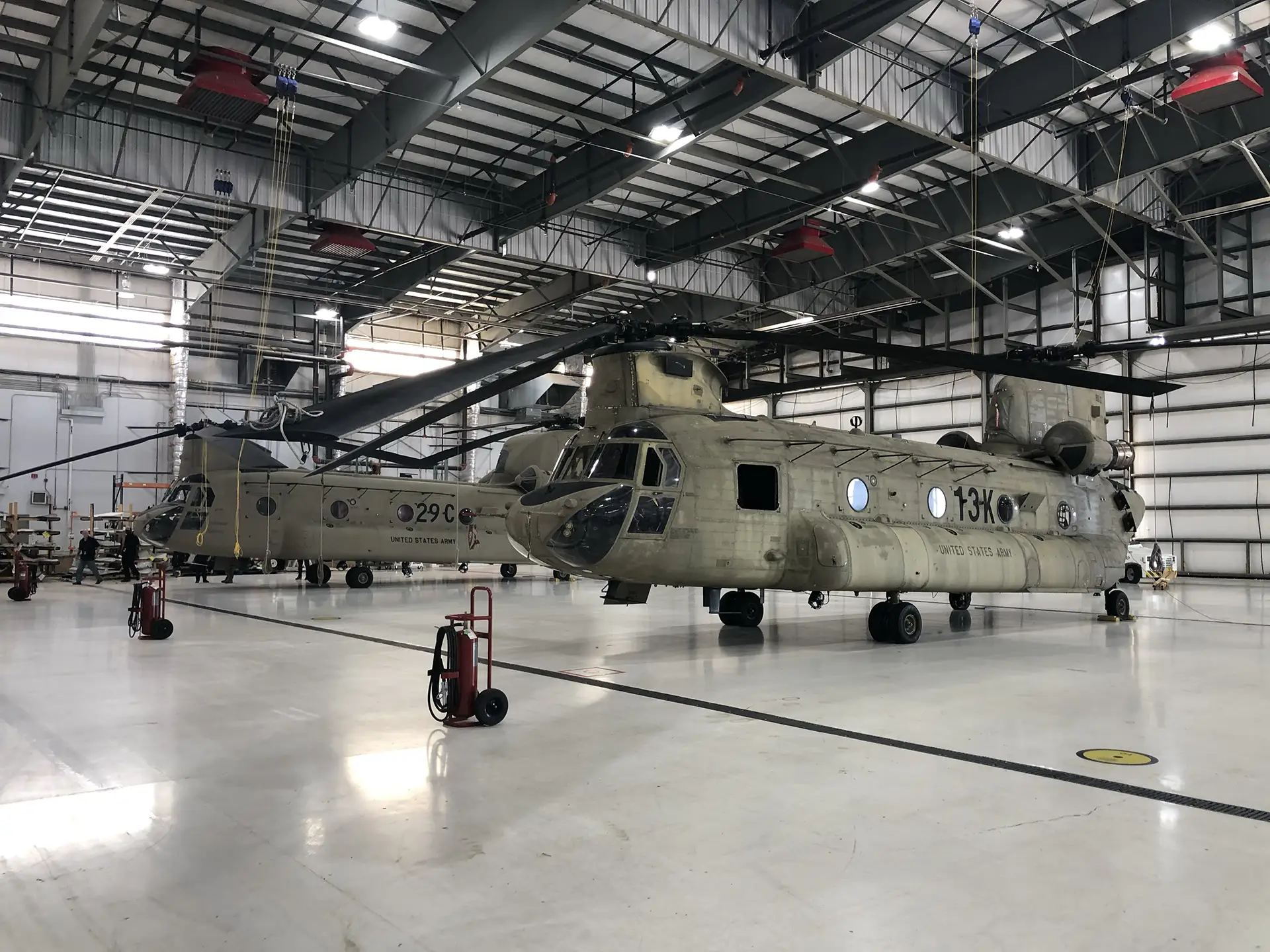
An even stronger argument can be made that an exemption of any kind (to include an exemption to carry passengers in a restricted category aircraft) for wildland firefighting that is hypothetically based on unforeseen needs does not have safety of flight as a priority and is politically and/or financially charged. A very strong argument can be made on behalf of the men and woman passengers of the wildland fire industry for maintaining full certification standards as is and without exemption as part of a safety-first stance.
Who is politically behind the ANPRM push?
If wildland firefighter transports requests are currently being met, additional aircraft are readily available and the growing need is well-known, then why the radical push? Are there ulterior motives behind the push? Are for-profit business cases trumping safety standards? Who stands to gain from the push?
If the FAA goes forward, the rule should earn that trust rather than assume it. At a minimum, it should require:
.An equivalent level of safety, demonstrated, not declared. The design should show crashworthy seating, restraints, fuel-system protection and emergency egress comparable to what a standard-category passenger aircraft provides.
.Passenger-grade maintenance. Mandated and standardized inspection programs, life-limited part tracking and records traceability at the level expected of standard transport category aircraft, not the minimum a work aircraft needs.
.Clear design and continued-airworthiness responsibility. A named holder of type design data and instructions for continued airworthiness for every airframe carrying firefighters.
.Real surveillance and oversight. Assigned FAA oversight with the staffing to inspect, not just blindly approve. Mandatory reporting of incidents and maintenance findings, with the FAA required to revisit the rule against that record.
None of these conditions block the mission. Each one is what turns an exemption into a standard.
The Seat Does Not Know
Back on the helispot, the crew boss counts heads again. The rotor wash flattens the grass. Wildland firefighters load into a machine they will never inspect, under a rule they will never read, signed off by people they will never meet.
They are not naive. They are trusting, the same way the patient, the offshore worker and the tourist trust. That trust is the most valuable thing this industry carries. It is earned slowly, over decades of standards held when it would have been easier to bend them, and it can be spent in a single afternoon.
The passenger in the seat does not know what category the aircraft is in. That is exactly why the rest of us must. Regulators, operators, maintainers and every voice in this comment period owe them one thing above all: a standard that is never quietly relaxed on their behalf.
The docket is open until November 13. Their trust is blind. Ours should not be.