 HOME
HOME





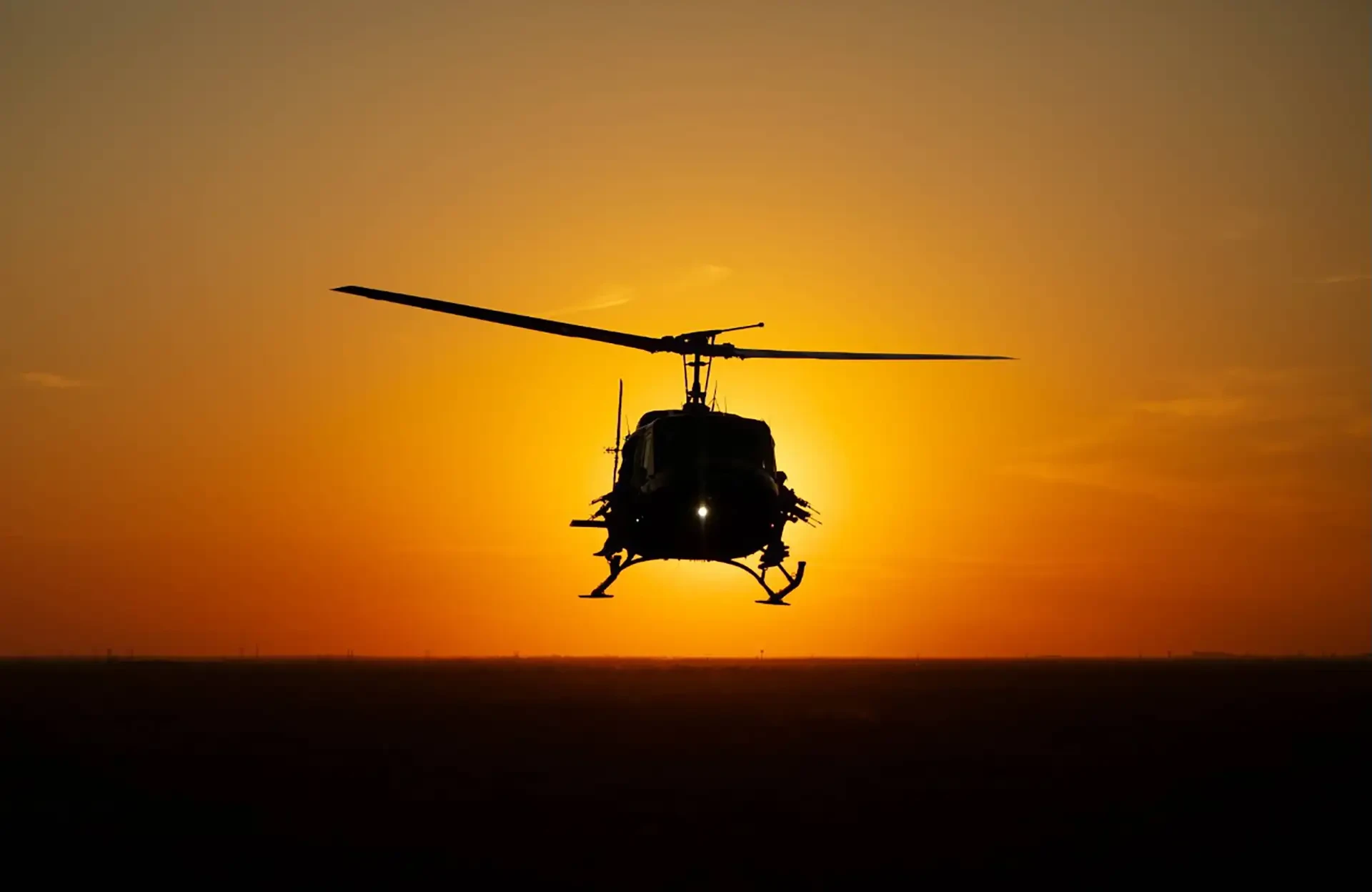
Feral hogs have become one of the most urgent environmental challenges in Texas, causing billions in agricultural losses and threatening native ecosystems. As traditional hunting methods fall short, a new strategy has emerged that’s fast, effective, and airborne. Alan Norris visited HeliBacon, which has taken to the skies to combat this crisis, to see how a bold idea is now one of the most innovative approaches to invasive species control in the United States.
Nestled at Coulter Airfield in Bryan, Texas, HeliBacon operates with military precision and Texas-sized grit, offering one of the most unique and impactful experiences in the world: helicopter hog hunting. But this isn’t just about thrill-seeking; HeliBacon stands at the crossroads of adventure tourism and ecological intervention. With safety, professionalism, and environmental stewardship at its core, the company gives clients the opportunity to take meaningful action against one of the most destructive invasive species in the United States.
The Texas Feral Hog Problem
Feral hogs in Texas are more than a nuisance; they’re a full-blown ecological and economic crisis. With a breeding cycle that allows their population to triple in just over a year, these non-native animals are prolific, aggressive, and devastatingly destructive.
Texas is home to an estimated 2.6 million feral hogs, more than any other U.S. state. The damage they cause to crops, property, and ecosystems is staggering, with estimates of $1 billion in annual losses for landowners and taxpayers alike.
To further support eradication efforts, in 2011, the Texas Legislature passed HB 716, commonly known as the Texas Hog Depredation Act, which allows the aerial hunting of feral hogs. Following the passing of the legislation, landowners no longer needed to pay ground-based hunting teams who were putting themselves at risk. Aerial depredation programs could now be financed by out-of-state hunting tourism dollars, and the act of depredation could be carried out from the safety of a helicopter. This shift from ground-based to aerial control gave rise to a new, highly effective strategy, and companies like HeliBacon were ready to answer the call.
These hogs also compete with native wildlife for food and habitat, endanger ground-nesting bird populations, destabilize wetlands, and uproot entire ecosystems through their relentless foraging and rooting. In 2019, the situation grew so urgent that Texas lawmakers removed the requirement for hunting licenses on private property, with landowners given permission to enable more efficient population control.
Aerial hunting is not only more efficient than ground-based methods, it’s also safer by eliminating the risk of close encounters with aggressive hogs and minimizing hunters’ exposure to diseases like swine brucellosis and pseudorabies.
They don’t just offer an adrenaline-fueled hunting trip; they provide a strategic, professional solution to a growing environmental problem. The company operates in a symbiotic relationship with landowners and the state, helping to eliminate hogs on large tracts of private land while respecting property, wildlife, and crops.
Founded in 2012 by Chris Britt and Chase Roberts, HeliBacon was born from a shared passion for aviation and firearms. Britt, a certified Chief Range Safety Officer and lifelong firearms enthusiast, teamed up with Roberts, a skilled pilot and firearms expert, to build an operation that merges their passions for aviation and firearms into a business that is both impactful and exhilarating.
What started as a conversation between two friends about the crazy-sounding idea of “helicopter hog hunting” has grown into a respected and highly professional business. “It’s so much cool in one package. It’s an educational and entertaining adventure featuring machine guns and helicopters, while still being truly beneficial to the economy and environment,” said CEO and Co-Founder Chris Britt.
The aircraft fleet has evolved significantly over the years, starting with the compact two-seat Robinson R22, they then upgraded to the more capable R44 Raven II in 2013. The R44’s four seats meant that they could now have two shooters on the port side, plus the pilot had more space to focus on flying the aircraft. In 2017, they added a turbine-powered R66, providing a major step up in performance and reliability.
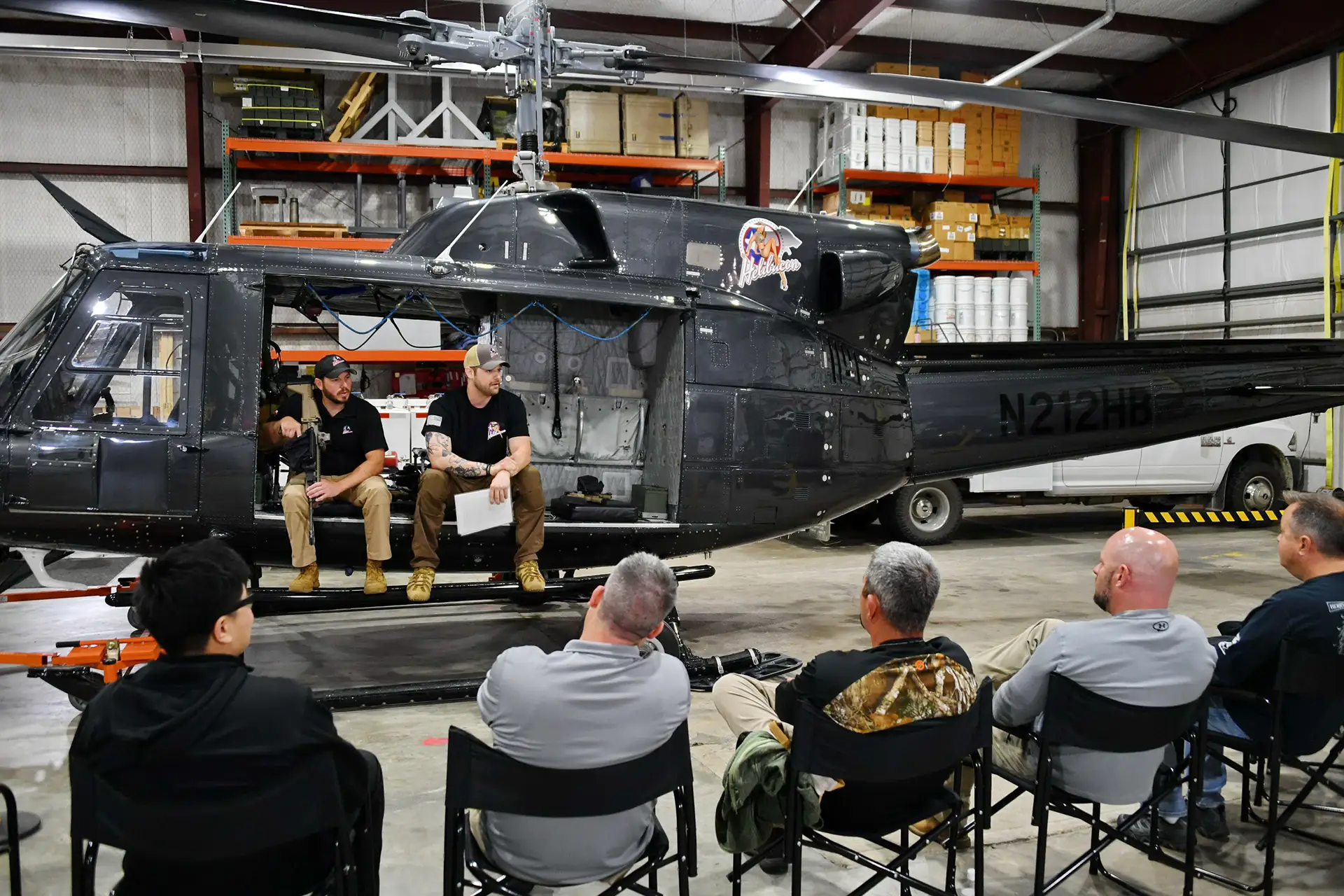
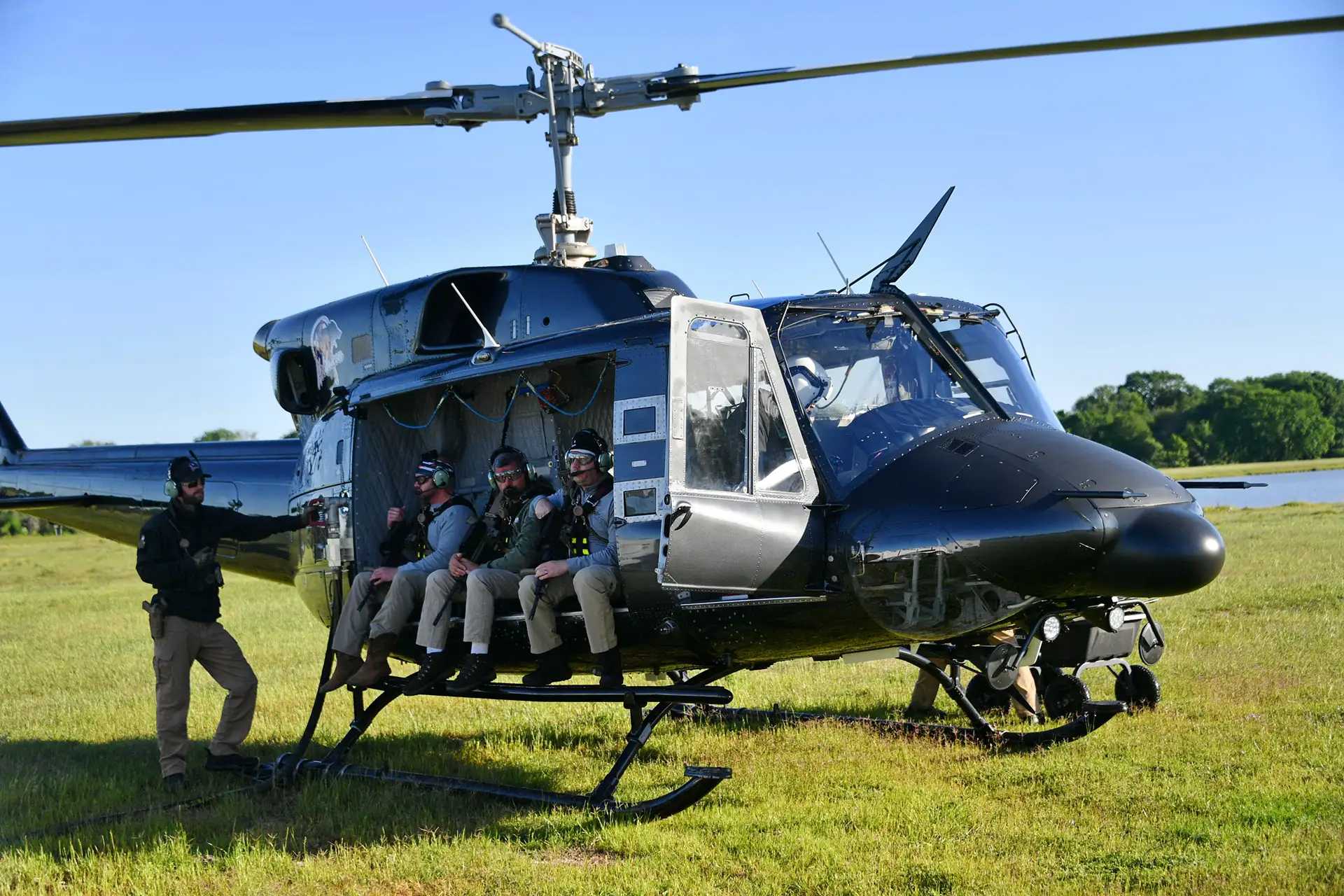
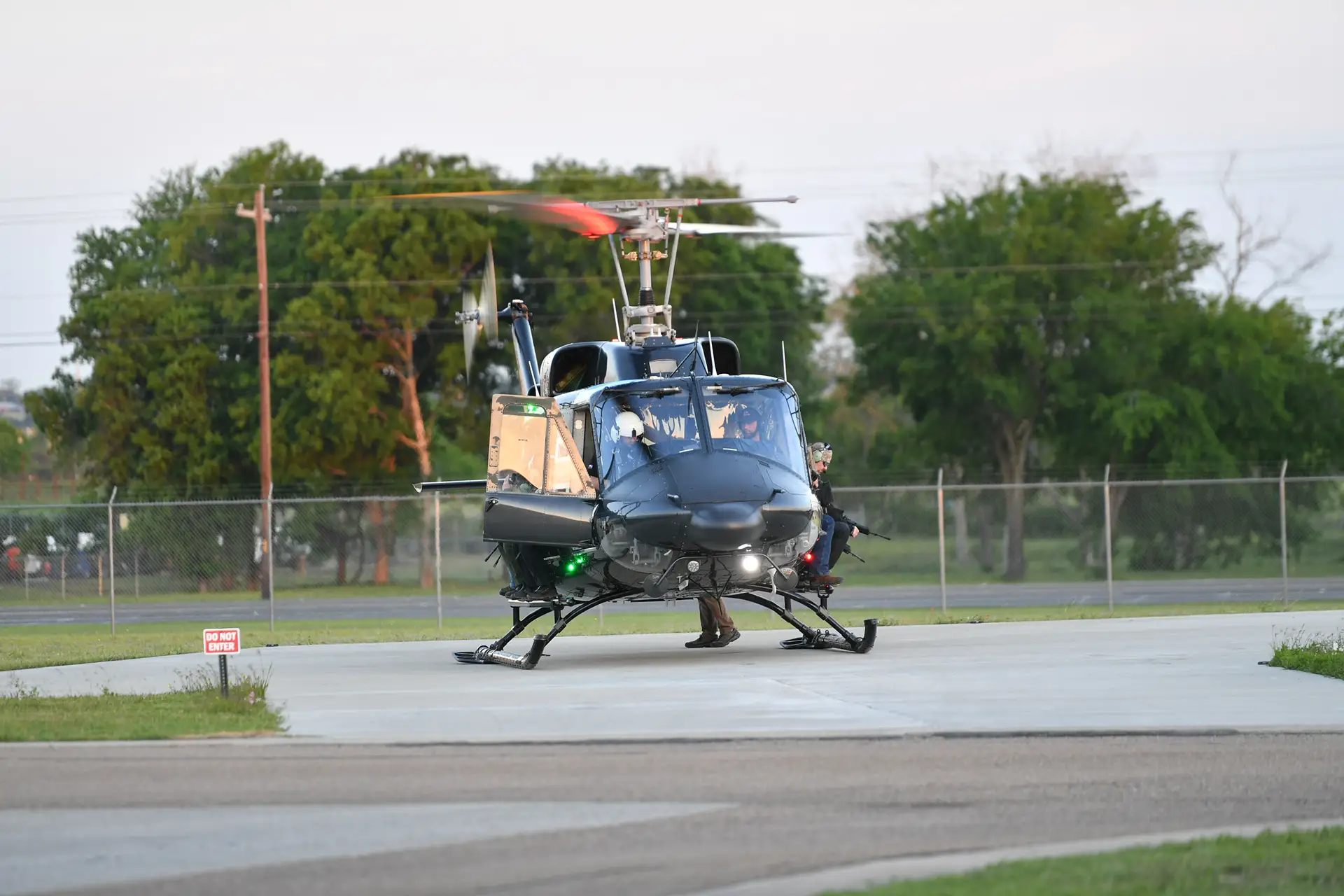
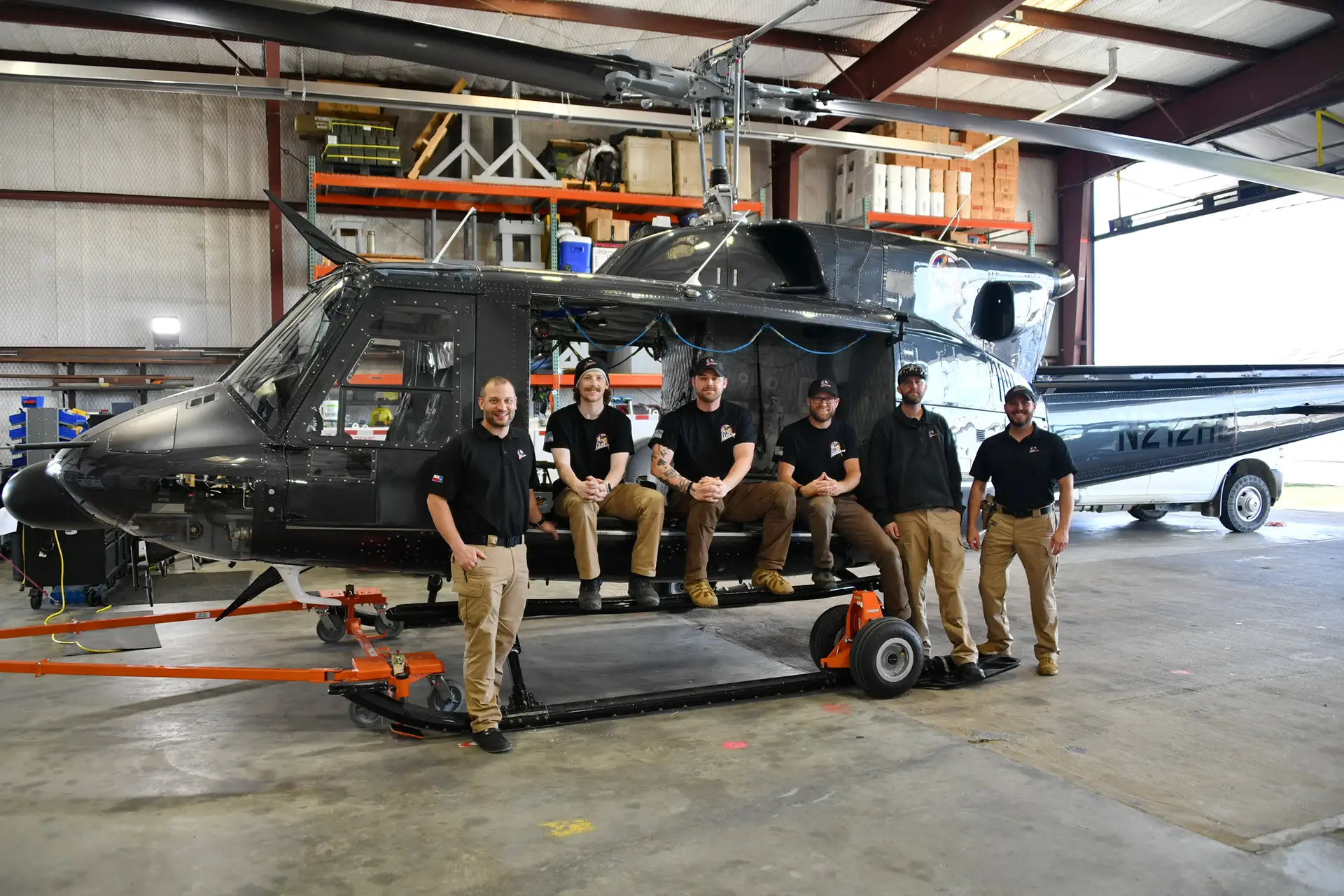
The current flagship, a twin-engine two-blade Bell 212 HP, was manufactured in 1982 and was previously operated by ERA and Midwest Helicopters in Canada for offshore crew support. Following an extensive assessment, HeliBacon acquired it in 2021. The PT6T-3B powered aircraft has a MTOW of 11200 lb. and its stability makes it an ideal platform for aerial depredation flights. It is configured for six hunters with three seated on each side door opening and extra room for at least two rear crew. All maintenance is carried out in-house by their own qualified engineer on site in the hangar at Coulter Airfield, which also carries a full stock of aircraft spares.
Precision, Safety, and Structure: The HeliBacon Experience
Every detail of a HeliBacon flight reflects the company’s commitment to precision and professionalism. Most air and ground crew are former military or law enforcement personnel, who bring a high level of expertise in flight operations, firearms safety, and tactical operations. This background isn’t just for show, it’s the foundation of HeliBacon’s safety record and operational credibility.
Chase Roberts, Chief Pilot and Firearms Specialist, is known for his technical expertise, from maintaining and upgrading the company’s arsenal to executing complex, low-level tactical flights to locate and flush out the hogs. His deep knowledge of the ranches he operates over, ensures every flight is executed with maximum efficiency and safety.
Unlike other game hunting in Texas, there is no set hunting season for feral hogs, which do not have a mating season. Despite this, the company operates its hunting operation from late January through the end of October to avoid the deer season. They do not want to be shooting when there are people down range in the deer stands.
All operations are conducted with strict adherence to the company’s in-house safety protocols, which exceed federal and state requirements. From the moment clients arrive at Coulter Airfield, it’s very evident that every detail of the operation is refined and professional.
The day starts very early at 5:00 AM, when clients arrive at Coulter Airfield to have their ID checked, be weighed, and then choose their firearm from a selection on offer from a list provided, with the majority of the clients choosing the lightweight, fully automatic AR-15, fitted with a red dot sight.
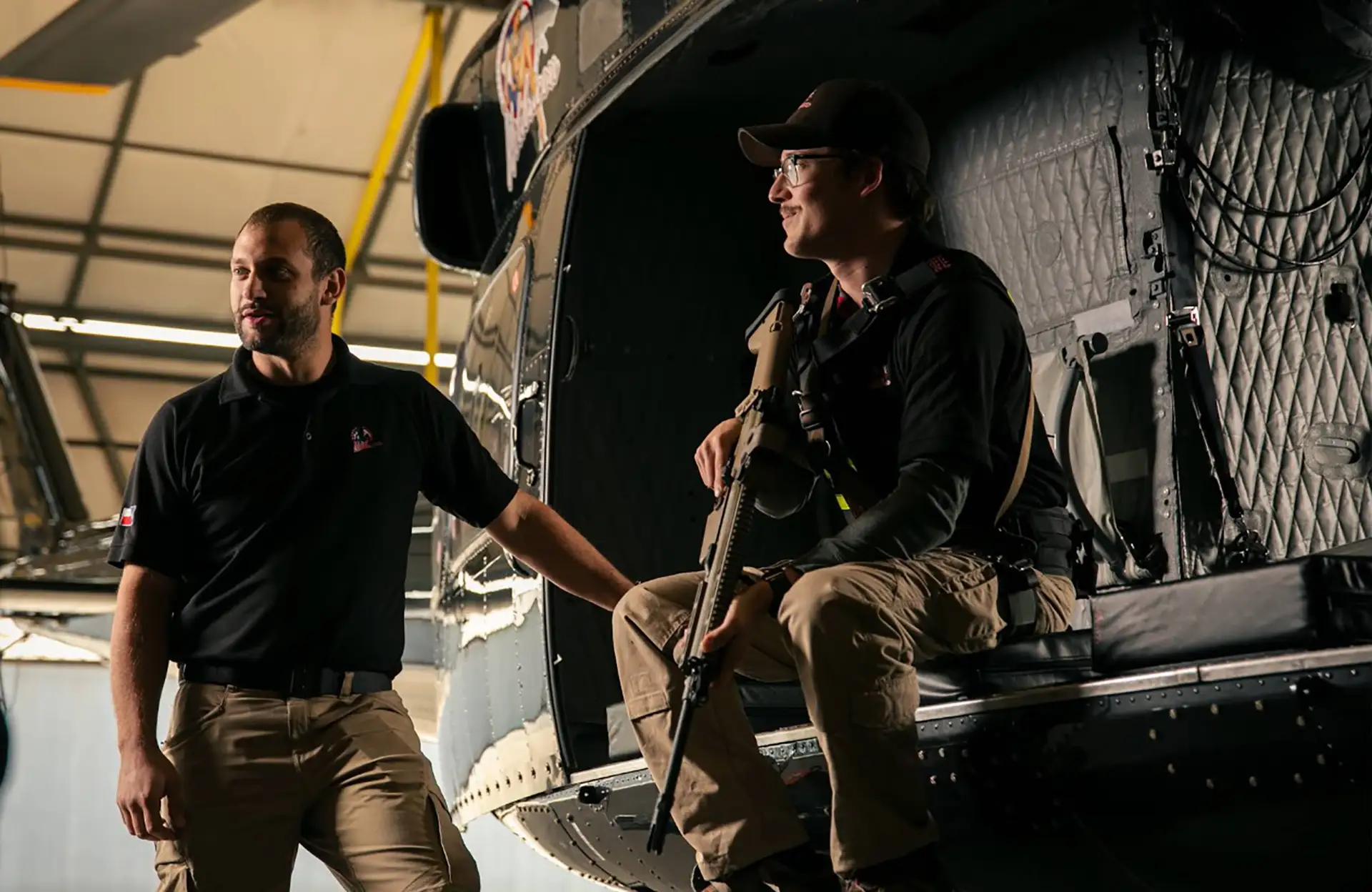
They then move into the hangar and undergo an extensive 40-minute safety briefing and operational walkthrough given by the rear crewman, Taylor, who is responsible for everything that happens in the rear cabin during flight. Minor safety issues are addressed with explanations and warnings. But if someone is negligently discharging their firearm or shooting when not cleared to fire, then their firearm will be seized.
This isn’t your average hunting trip; it’s a high-octane mission, and every step is treated with the respect and the seriousness it deserves.
When asked if the adrenaline kicks in and the hunters forget everything from the briefing once in the air, Taylor said, “It can be an issue, but safety is our number one priority. We get everyone here, from 18-year-old girls who have never held a firearm to 70-year-old experienced hunters. The young girls will listen and follow exactly what they are told, but the older guys think that their experience means they know it all. It’s not something we like to do, but I will not hesitate to take a firearm from clients in mid-flight over a breach of safety.”
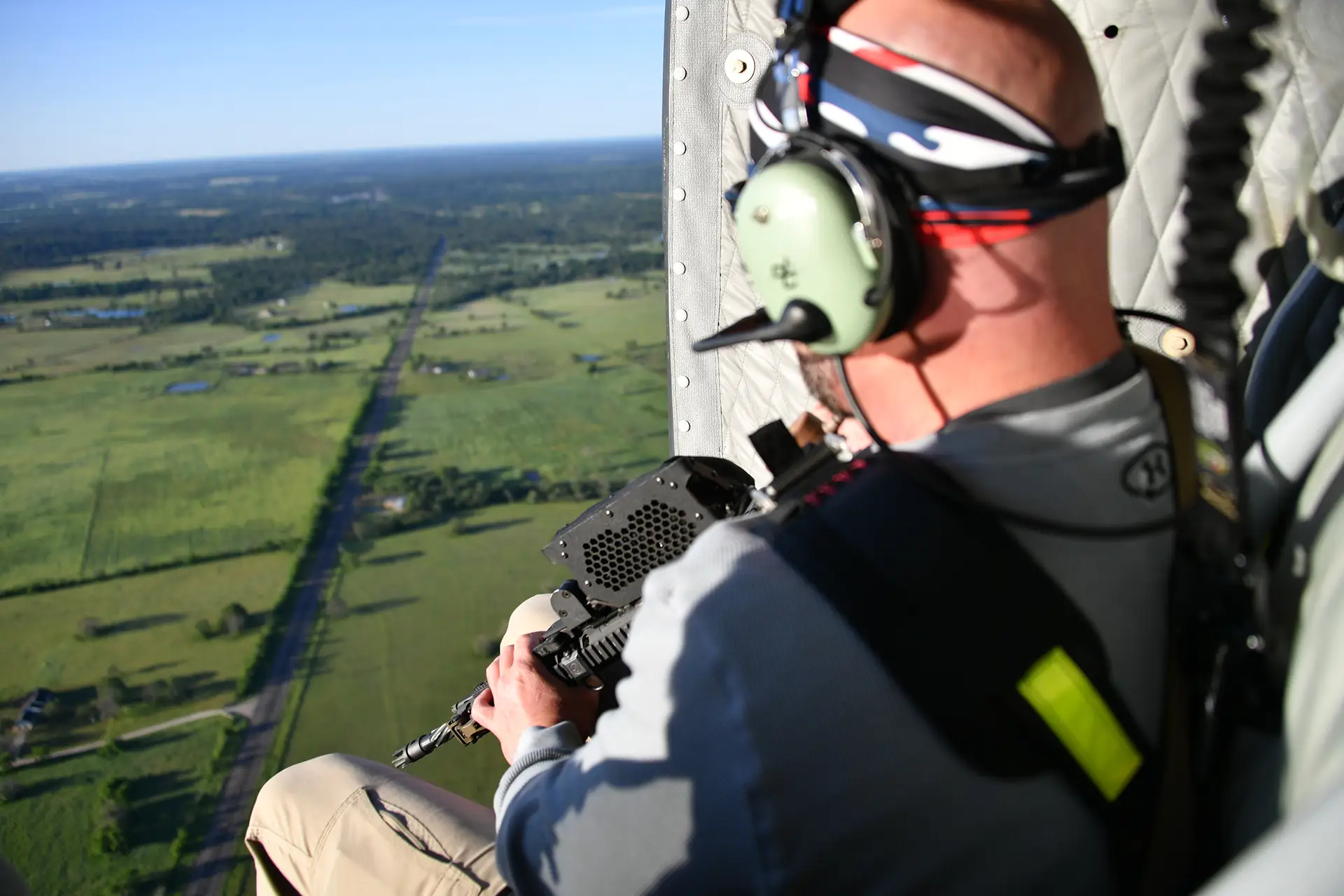
Each hunter is fitted with a two-point harness that keeps them securely tethered to the aircraft while allowing for a forward lean during engagement. To facilitate smooth in-flight communication, HeliBacon partnered with Axnes to adopt the AXNES WICS. This enables continuous hands-free voice-activated communication, eliminating the need for hand signals and shouting over rotor and engine noise while maintaining real-time voice communications. This also frees the crew and shooters from the encumbrance of wired connections, minimizing the risk of snag hazards or communication loss.
After final safety and firearm familiarization checks, the clients are fitted with their harness and comms set and then head out to board the aircraft, with three hunters positioned on each side. The action begins at sunrise, timed to catch hogs when they are most active before the midday heat drives them into cover.
Before the aircraft lifts off, a support fuel truck is dispatched to a pre-designated rendezvous point, ready not only to refuel the aircraft but also to restock ammunition after the first hour of hunting.
Although the excitement is undeniable, every hunt is carried out with serious intent and environmental responsibility. HeliBacon only operates over private land with full landowner authorization and never flies over national parks or sensitive ecological areas. Meticulous care is taken to protect livestock, native wildlife, and local ecosystems.
The clients are only allowed to shoot at hogs, so when a hunter sees movement, he gives a call over the radio, and the rear crewman checks the target before giving the all-clear to engage. Yet another safety protocol is in place to ensure they are not unintentionally shooting at cattle, wild horses, deer, or even a ranch hand, all of whom may be active on the ranch. Although wild boar meat is edible, any feral hog that is killed from a helicopter must be left where they lie, as this is not a game hunt; its purpose is the depredation of the feral hogs.
What truly sets HeliBacon apart is not just their safety-first, professional approach, but also how they’ve turned a state-level crisis into an innovative fusion of tourism and conservation. Thanks to HB 716, the company can legally sell helicopter seats to hunters from across the U.S. and internationally. These clients, in turn, fund conservation efforts with their tourism dollars, offsetting the cost of feral hog control for Texas landowners.
This model is both popular and effective, according to a Texas A&M University survey; over 70% of Texas landowners are open to aerial depredation as a means of feral hog control. The HeliBacon operation means these landowners no longer must bear the full cost of managing a problem they didn’t create. Throughout every flight, they demonstrate a clear respect for Texas land and its people.
Understanding the profound impact feral hogs have on agriculture, the company has established collaborative relationships with local farmers by tailoring hunting operations to the specific needs of each property. They maintain an ongoing dialogue with farmers to monitor the impact of their operations. This continuous feedback loop enables adjustments to hunting strategies to maintain sustained pressure on hog populations. Regular monitoring also helps document the reduction in hog-related damage over time, providing tangible benefits to farmers.
“We hunt on active farms and ranches,” says Chris Britt. “We take every effort to respect the land, our neighbors, and their property at all times.” This mindset is part of what has earned them not just clients but the trust of local landowners, conservationists, and hunting enthusiasts alike.
The company attracts international guests and corporate groups alike, as Coulter Airfield is located less than a 100-mile drive from George Bush Intercontinental Airport in Houston.
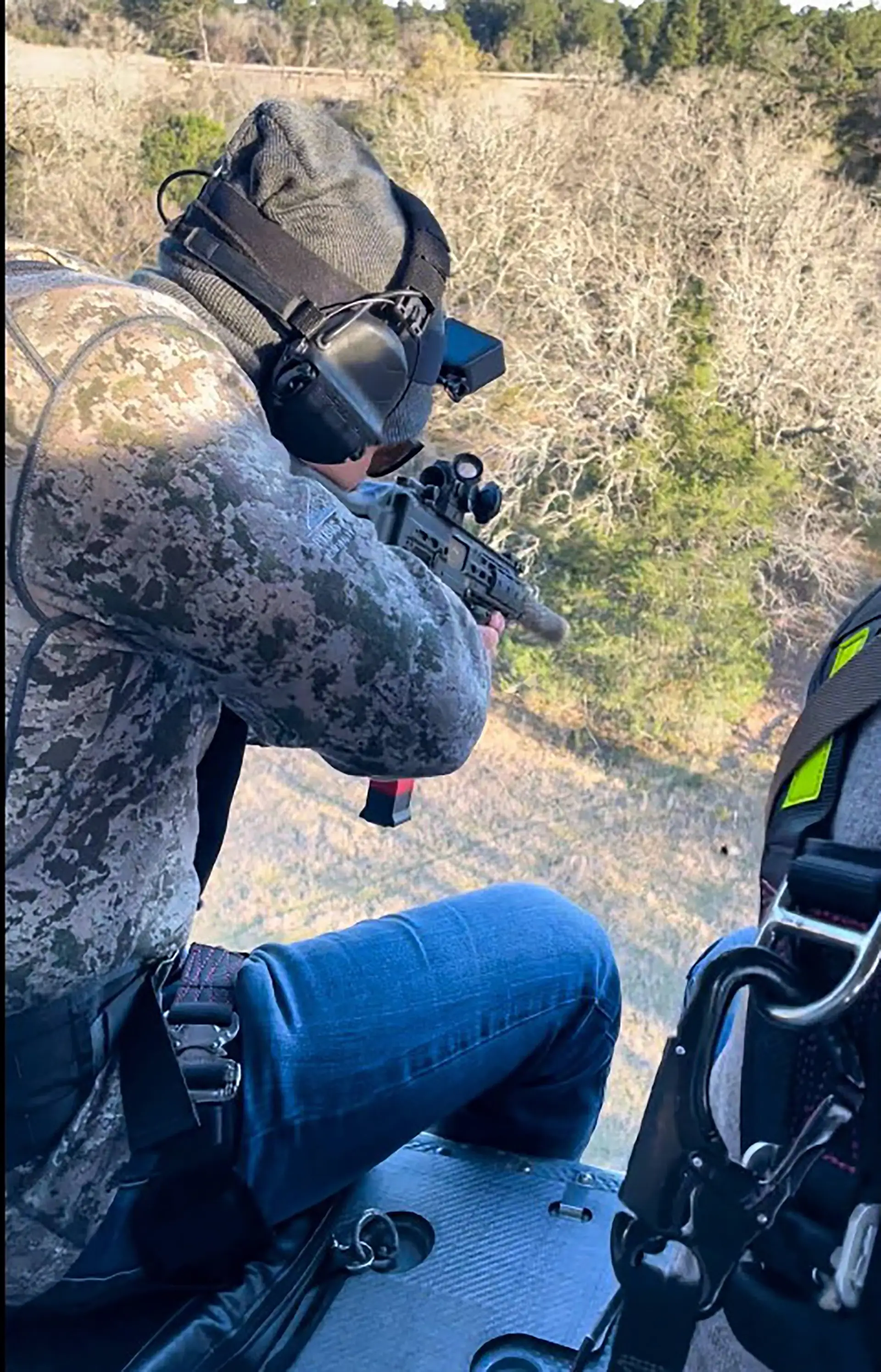
While the hunt is the main event, HeliBacon ensures the experience is both educational and respectful. Clients leave with a deeper understanding of the feral hog crisis, the ecological balance of Texas farmland, and the role that hunting, when done ethically and responsibly, can play in preserving native species and protecting agricultural assets.
The impact of Helibacon’s services extends beyond the thrill of the hunt. By reducing feral hog populations, the company plays a crucial role in protecting Texas's agricultural economy and natural ecosystems. Aerial hunting is also particularly effective in reaching remote and inaccessible areas where hogs often hide, making it a critical tool in the broader strategy to control this invasive species.
HeliBacon is more than a hunting company, it’s an example of how responsible tourism and environmental action can go hand in hand. With world-class personnel and a solid commitment to safety, they offer more than just a memorable adventure; they offer hope for a state under siege by an invasive menace.