 HOME
HOME





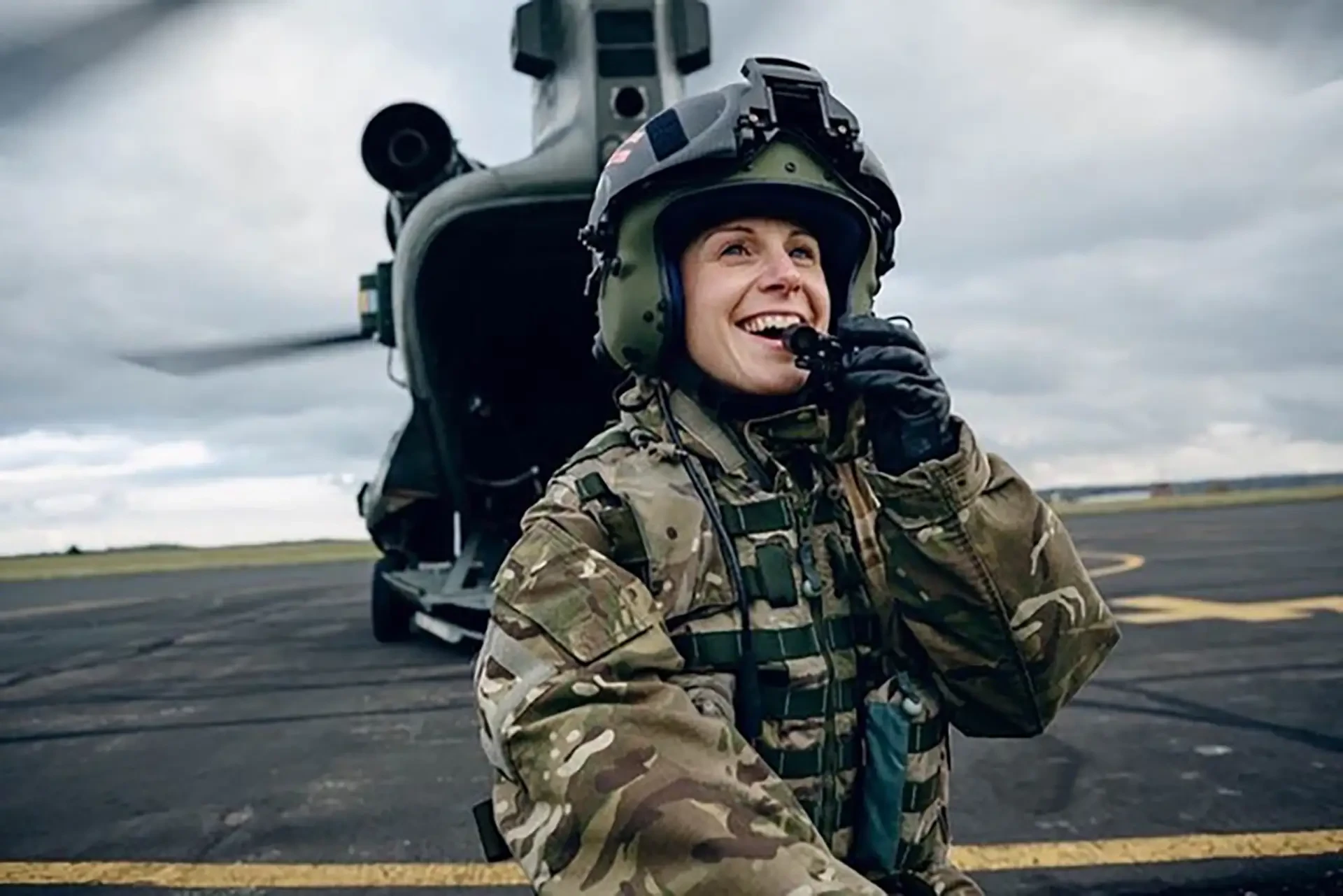
I joined the military on my 19th birthday. I had only been to England once and that was for my Airman Aircrew Selection tests. I thought Leeds was near London (it's not..), I had never had a curry and I had no military blood in my veins. I was so scared as I climbed onboard the bus waiting at Grantham station. But from the second I stepped of that same coach outside my new accommodation block at RAF Cranwell I felt like I was part of something. A team. There were some already in unform, many not, but we each helped one another unload kit bags from the luggage hold as we were all about to begin the same journey into the RAF aircrew world.
I always felt like the one who knew the least throughout my early RAF days. I was 'not a natural' at marching and drill, and I routinely saluted the NCOs on the main gate as I was so confused by the rank slides.
But everyone helped me through.
People never got tired of me. By the time I got to my Helicopter course at RAF Shawbury I was the only female, and the youngest by some 9
years. My course mates looked after me like family, and this team ethos became deeply ingrained in me. I have no doubt, looking back now,
that had I not been a team player too, they would have dropped me like a deadweight.
That’s the essence of a team, you have to hold up your end of the bargain, for the team to work.
There is no better team ethos than you will find on a flying Squadron or similar unit. I couldn’t wait to be part of my first Squadron, and even more so, my first Flight. The smaller the team the tighter you become, and with only 20 people per Flight we really were like one big family. We trained together, partied together, succeeded, and failed together. Most importantly, we deployed to war together. I remember being asked if I was scared the first time I deployed operationally and, of course, I wasn’t, my answer was always that 'I was going with my mates'. It's the simple truth; I would have been gutted to be left behind.
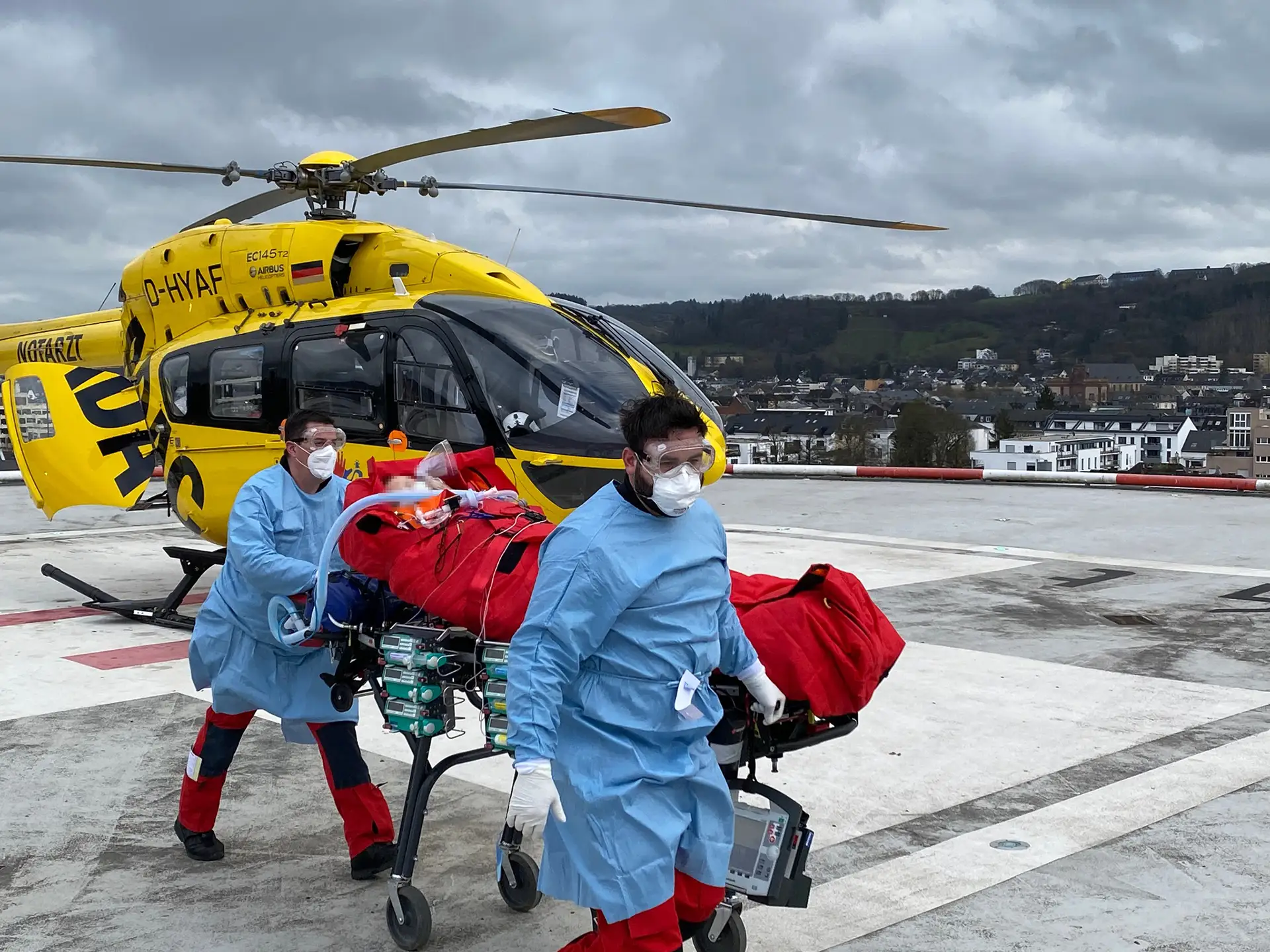
And so began the deployment treadmill. Two months on, ten months off, then, as the conflict ramped up, Three on, nine off, in Helmand
Province, Afghanistan. Eat, sleep, fly, repeat but all in it together. Pre-Deployment Training (PDT) before going away, then a pre
deployment ‘ging gang goolie’ with everyone’s better halves, the journey from hell to get there via Brize Norton and then the picking of
your 'roomies' for the next few months and settling in. But the bonds really began to form when the proverbial started hitting the fan.
Nothing seals a friendship or a team tighter than going through a near death experience. That feeling of ‘f*ck me we were lucky’, a
collective sigh (and sometimes cry...) over a shared trauma, or a tough day on the Medical Emergency Response Team (MERT) all drew the team
closer.
To this day my closest friends are those I went through my worst experiences with. Bonds that will last a lifetime, bonds that are
unbreakable….
And that is almost where the problem begins.
'I cannot let my team down'.
I could never let my flight deploy without me going too. I’d risk missing out on the fun. I'd be on the outside of the in-house jokes. I won’t get the ‘det dits’…’this one time at band camp’. But more importantly, what if something happens and I’m not there to help my colleagues? What if someone else takes a bullet meant for me? How can I be a credible leader if I’m not going myself? Inevitably, ‘mission creep' sets in. I didn't consider myself a ‘Det Junkie’, but I went on every Det I was fragged for - and few more besides. Why volunteer for extra? Well, I figured that some of the other team deserved a break, so I’ll go instead. And so, I went…and I kept going...for ten Operational Deployments. Never not going. Never letting the side down.
We all have an emotional 'bucket' to fill up, and it’s our team, at work or at home, that help us empty it. Over the years I was not only filling up my own bucket with trauma from Helmand, but I had a habit of taking cupful’s out of other people’s buckets when I could see them struggling. Maybe it’s a female thing but I began to feel like ‘mum’. I had gone from being everyone’s little sister that they looked after in my younger days to an older and wiser lady with the overwhelming sense that it was 'my turn' to look after those around me. And so, I just kept keeping on, much like many mothers I suspect, or indeed fathers. You have to hold it together because they need you to. You can’t fail, you can’t let the family down.
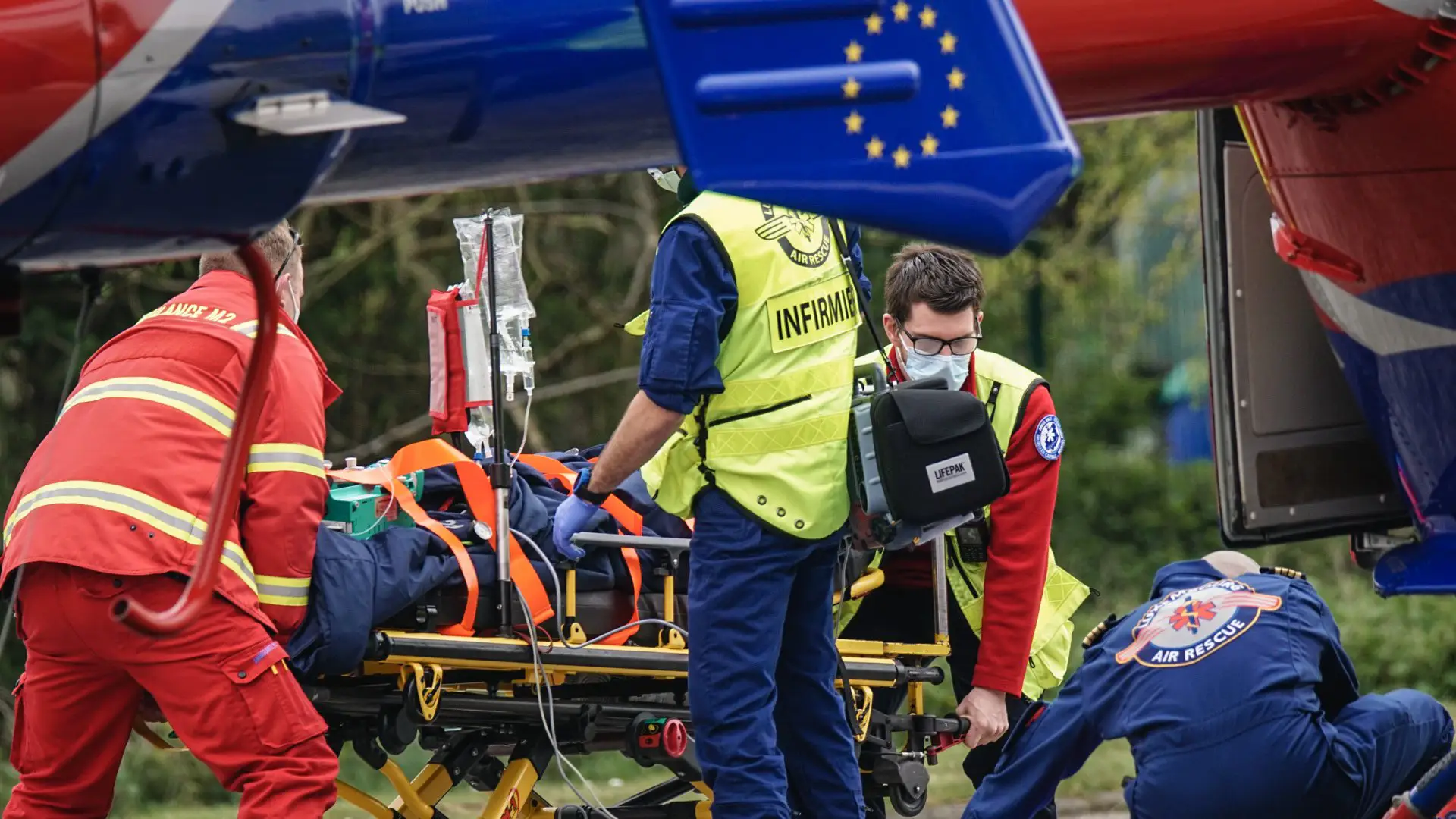
Inevitably, one day, my team were gone. I had left the RAF and no longer had anyone to help me empty my already full bucket. I was at 'meniscus point' - my bucket was brimmed and only surface tension was keeping the contents inside.
A year later my bucket finally overflowed, no, in fact, the sides gave way in spectacular fashion. I had been so busy looking after my team I had completely failed to consider myself or indeed acknowledge that, for once, I was the one that needed the help. They say there is no ‘I’ in team, but ‘I’ stands for Individual, and that is what every team is made up from. Think about every airliner safety brief you've listened to (or, more likely ignored....) where the instruction is always to fit your own oxygen mask first before helping others.
I had spent so long making sure that everybody else's oxygen mask was securely fitted that I became 'Emotionally Hypoxic'. My bucket collapsed, I was alone and felt that the only solution was to not become part of the problem - to be that burden. I was in such a dark place that, somehow, I resolved that taking a massive overdose of anti-depressants was the solution.....
When I came out the other side of my overdose, many friends felt angry. Gutted that they had in some way let me down or annoyed I hadn’t reached out to them for help. And that brings me back to my earlier point, you have to hold up your end of the bargain for a team to work. I had not. I hadn’t been honest with my team. If I had been they would have pulled together and pulled me through, when I needed them the most.
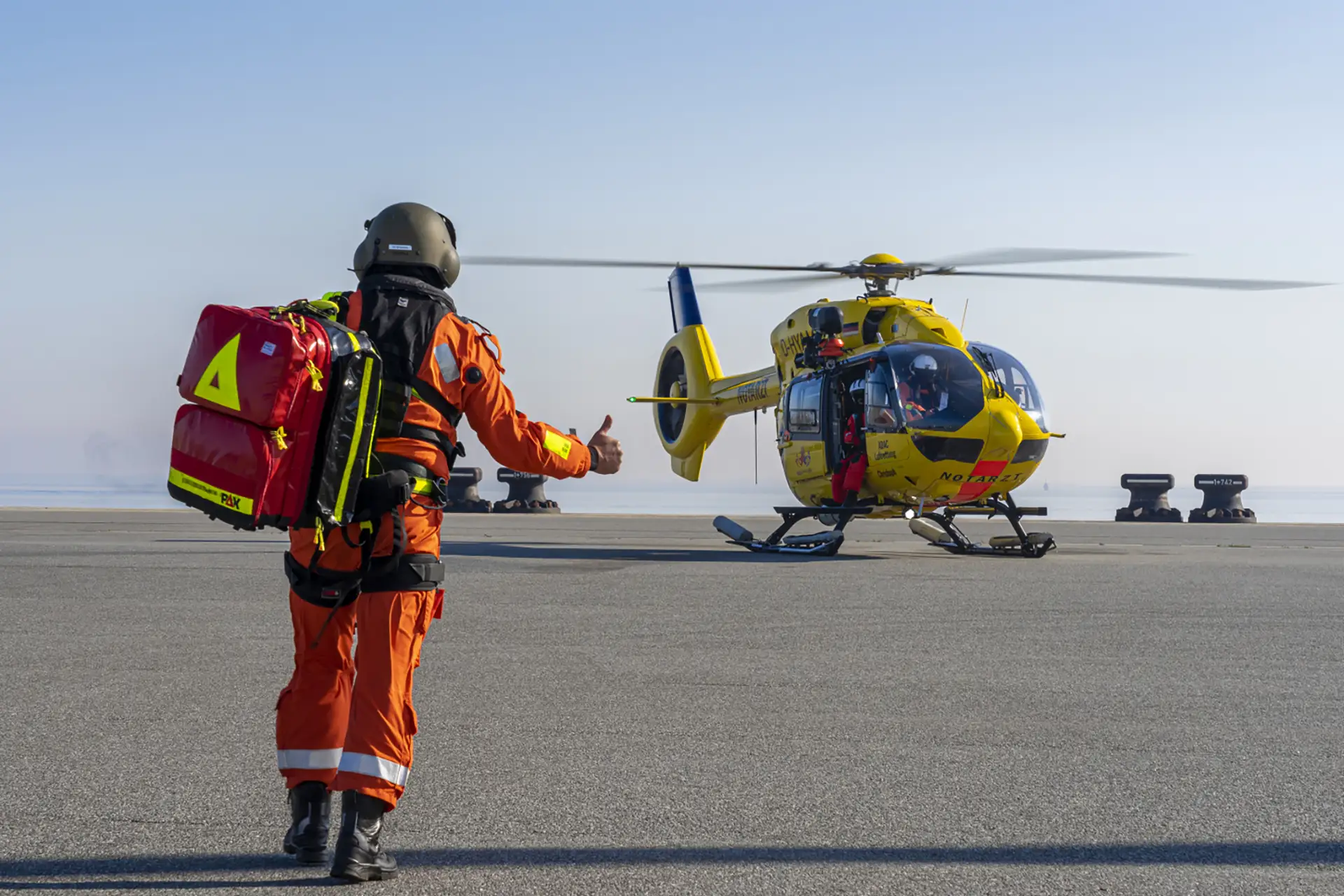
So I learnt the hard way how dangerous 'personal mission creep' can be. Nobody on my Squadron would have looked badly on me if I had ever put my hands up and stated I can’t go, or that I needed some time out from the Deployment Cycle. The pressures to deploy always came from a place within me. That feeling of not wanting to be a burden came entirely from myself. I didn’t want to burden my team or my friends. The irony being that if I hadn’t survived my overdose, I would have let them all down, forever. I would much rather answer the phone to hear from a mate who is struggling, than to hear that a mate has taken their life.
These days I’m keeping up my end of the bargain, and being honest and authentic with those on my team. On the days that I still struggle I reach out to them for help. They never make me feel weak or broken.
That’s what a good team creates you see, bonds that are unbreakable, even when we break.