 HOME
HOME





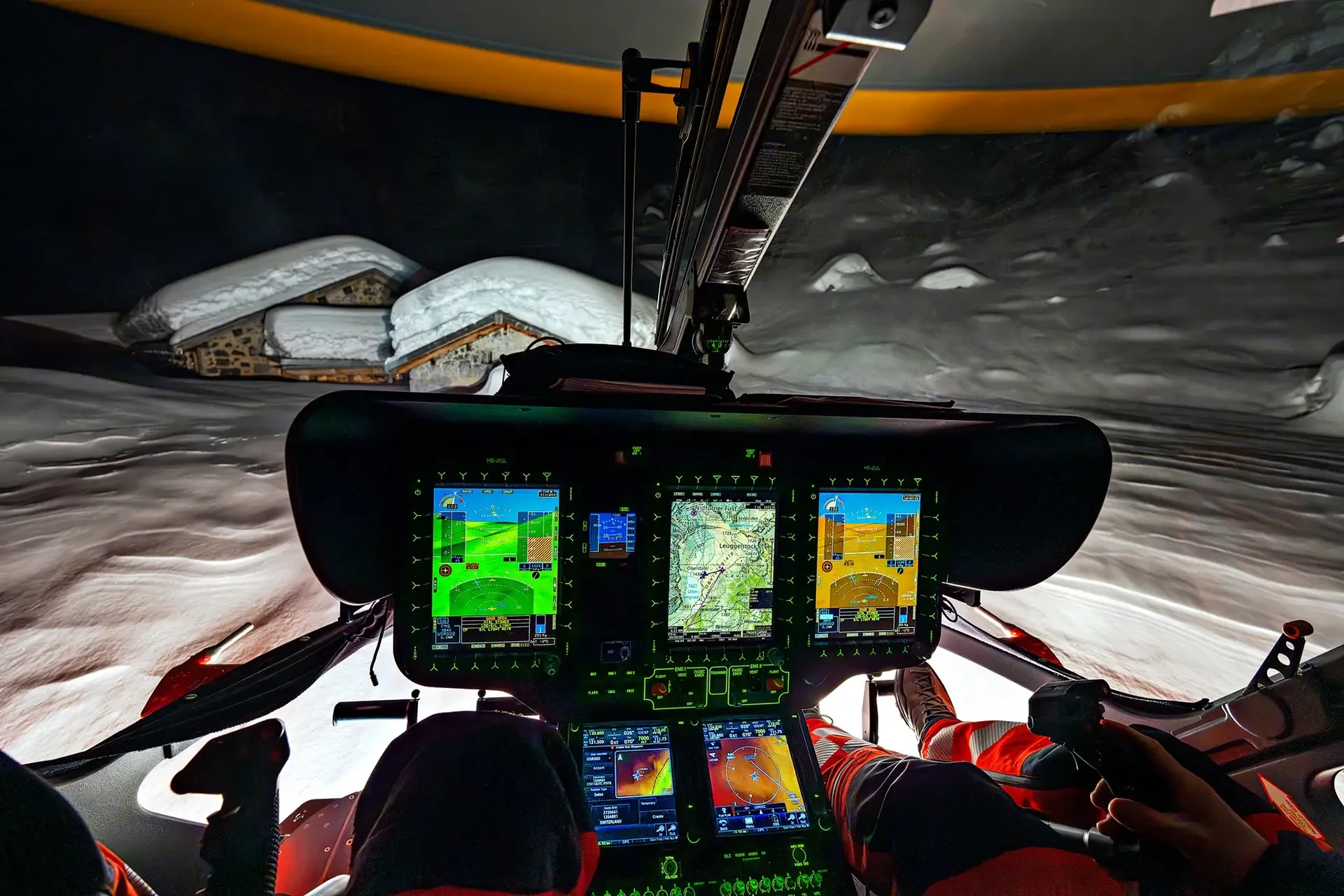
The vexed question of helicopter pilot rosters and fatigue continues with Declan Daly providing insgths into the issue.
On the night of 26 April 2018, an Air Methods Corporation AS350B2 was lost with all three on board during the return leg of an air ambulance flight. The aircraft was serviceable, the crew was qualified, and the weather good. The cause of the accident was found to be that the pilot simply fell asleep. In an accident investigation, we often hear a transcript of the last few minutes of a flight, which can be poignant but somewhat divorced from the nature of the event. As the accident aircraft, in this case, was fitted with an internal camera, we have a clearer than usual vision of what 'dying in his sleep' really means.
A medical crewmember stated "what are we doin'?" twice. The pilot's head moved to the right and could no longer be seen in the image, and the right bank increased to more than 90°. A medical crewmember stated, in a strained voice, "Ohhh [expletive]." The crewmember then shouted "what?" and the pilot's name. The other medical crewmember also shouted the pilot's name. The pilot's head returned to the image and moved to the left. His right hand still gripped the cyclic. The artificial horizon showed an inverted indication, and the torque gauge indicated a value beyond the red line. The emergency locator transmitter light illuminated while the pilot's head and upper body moved to the left. Sounds similar to a rotor high rpm horn and a grunt were recorded, along with a medical crewmember shouting the pilot's name. The recording contained no response from the pilot when the crewmembers shouted his name.’
Fatigue is often highlighted as a factor in accidents, but rarely is it thrown into such stark relief as it is in this case, with a medical
crew unable to wake their pilot in an inverted helicopter. And yet, after many years of flight safety improvements, it stays close to the
top of the list for concerns in many helicopter operations. The question is why? Some answers are biological, but some are nested in legacy
solutions and whether or not they remain relevant in a changed society.
Fatigue and the pilot as an animal – There is no biological free ride
Human evolution has us all faring better during the day rather than at night. Consequently, it has favoured adaptations in the human eye that gave the most acute results in daylight conditions, though a bit of a reserve nighttime capability was maintained for those occasions when people didn't return to the cave on time (no watches were available). This is an oversimplification, but it spares us a lecture on the difference between rods and cones and the function of rhodopsin.
Further to this adaptation, evolution more or less equipped the human body with a circadian rhythm that was not quite equal to a 24-hour
day but close enough for government work. This set up the human body for millennia in both hunter-gatherer and early agrarian societies. Do
'things' during the day like hunting, eating and farming and then at night, sit back and look at the stars and make them into gods. This
worked well enough until industrialisation and the advent of widespread artificial light. At this point, we begin to see many more people
working through the night, and as trades became less artisanal and labour more organised, we begin to see roster systems designed to, if
not to treat people fairly, then at least to keep them working sustainably and efficiently. After all, a tired worker losing an arm in a
loom ruins the cloth, shuts down the loom, and is less effective, assuming they don't die immediately. The 24/7 rotation really took
off during World War 1 in relation to trench warfare and in the manufacturing environments that were supporting the war effort. The human
animal was never adapted for this in an evolutionary sense, and every roster since then has had to deal with the same simple fact: we are
designed to sleep at night.
Fatigue can and will occur.
Fatigue is the natural result of trying to work through the night, and aviation, and for our purposes, helicopter operations in particular,
cannot eliminate it but must manage it to the point of safety. Even minimal amounts of fatigue can be sufficient to contribute to
accidents. A pilot's judgment, decision-making and reaction times can become impaired to the same point as someone who is intoxicated from
alcohol (BAC 0.05%), or the equivalent of drunkenness. Higher mental workloads can further impair fine motor control. The more tired you
become, the sloppier your thinking and hand-flying. Given that the 'operational segment' of a helicopter flight in roles such as SAR, HEMS,
firefighting, or just landing off airfield at night all involve both a great necessity for aeronautical decision-making and precise control
of the aircraft, it is no surprise that the allowable duty hours for helicopter pilots are even less than those for airline and other large
fixed wing operations. With the fact that many helicopter operations involve a quick response element rather than planned flights, most
often in medical and police support duties, there is the added impediment of sleep inertia when performing these roles at night; that is,
the body takes time to properly, physiologically, wake up when moving from a low arousal state ( waiting for a tasking ) to a high arousal
state ( tasked for a flight). And no, that little shot of adrenaline when the phone rings doesn't count as enough to counter the effects
and shouldn't follow you into the cockpit anyway. It must be stated clearly, the only way to resolve a state of being fatigued is to obtain
adequate sleep, but helicopters are a 24/7 occupation.
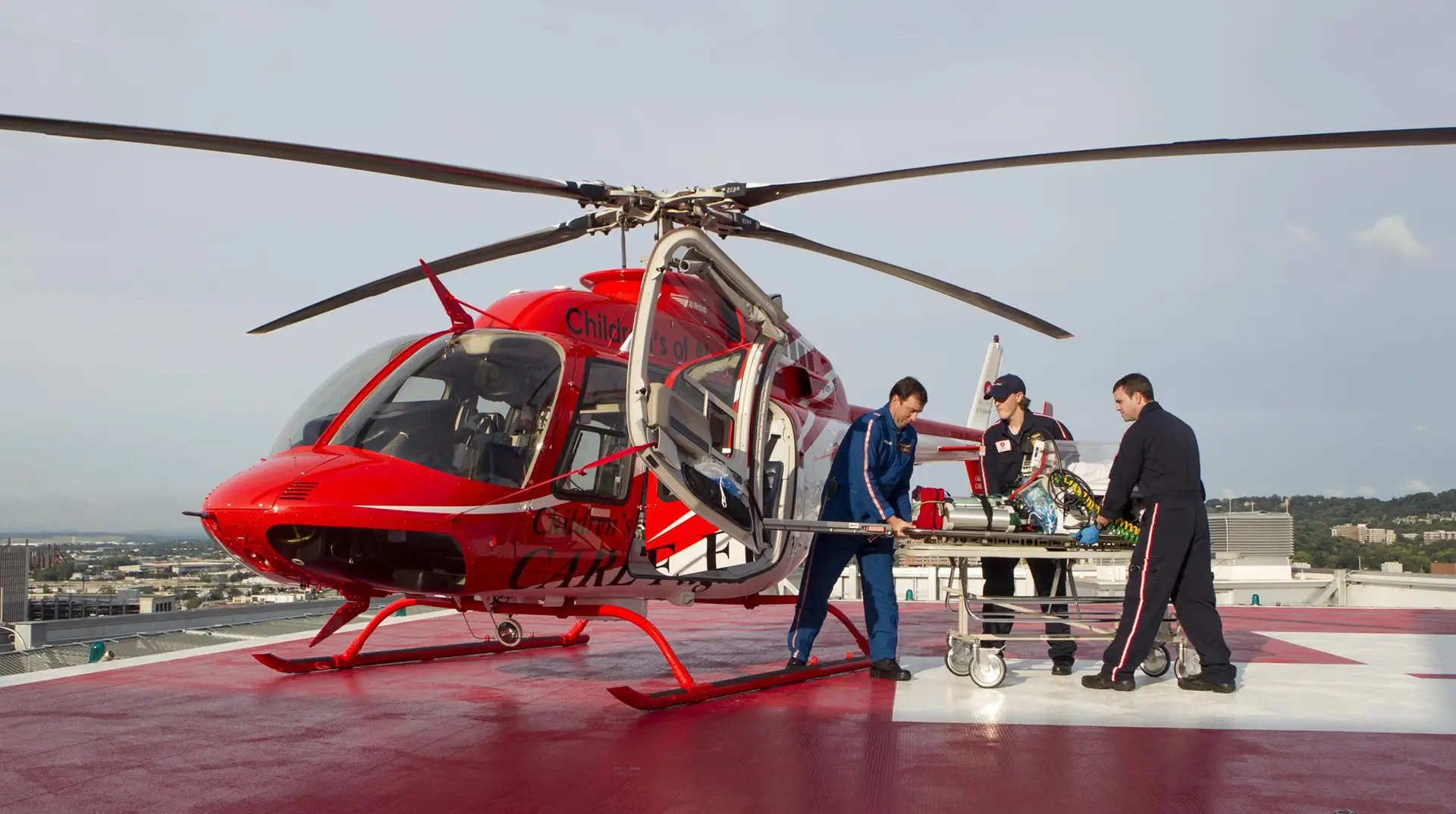
Regulation and flight safety organisations have long recognised the need to capture the threat posed by fatigue as much as possible.
Matching the job's requirements to the organism's biological needs has traditionally been attended to by prescriptive rostering, often with a
12-hour duty period with a little flex for eventualities. However, rostering and fatigue management are often contentious, within
organisations and externally back to regulators, with seemingly obvious solutions sometimes proving to be a medicine where the cure is worse
than the disease.
Rostering – social evolution and the reality check
To illustrate the variety of shift and roster patterns, some of the rosters I have worked in the last 25 years of flying have been;
5 x 24hr with 15 min to airborne by day and 45 by night ( Mil SAR ),
3 x 24hr one hour to airborne ( Mil ),
4 x 24hr Day Day, Night, Night (DDNN) ( Police support, Mil 2 minute to airborne ),
4 x 12hr HEMS DDDD,
up to 70+ x 12hr embarked ( civ )
and 24hr SAR ( civ ).
Some of these look positively eyebrow-raising when viewed in a modern context while discussing fatigue, but by far the worst of them was
also the one that is most commonly favoured as 'approved' by operators and regulators. This is the 12-hour DDNN roster. It has been
frequently accepted as suitable, but it is also, in my experience, the one with the most fatigue-related incidents attached to it. I
have known one pilot who 'woke up' at 1000 feet over a city (that's our friend sleep inertia – they were already awake, but it took time for
that to really kick in), and I've known one pilot who got airborne and immediately realised he shouldn't be there ( mental fatigue and fine
motor control ). In both these cases, the pilots had the good sense to return and land immediately. In the second case, it prompted the
pilot to seek a transfer out of the unit involved.
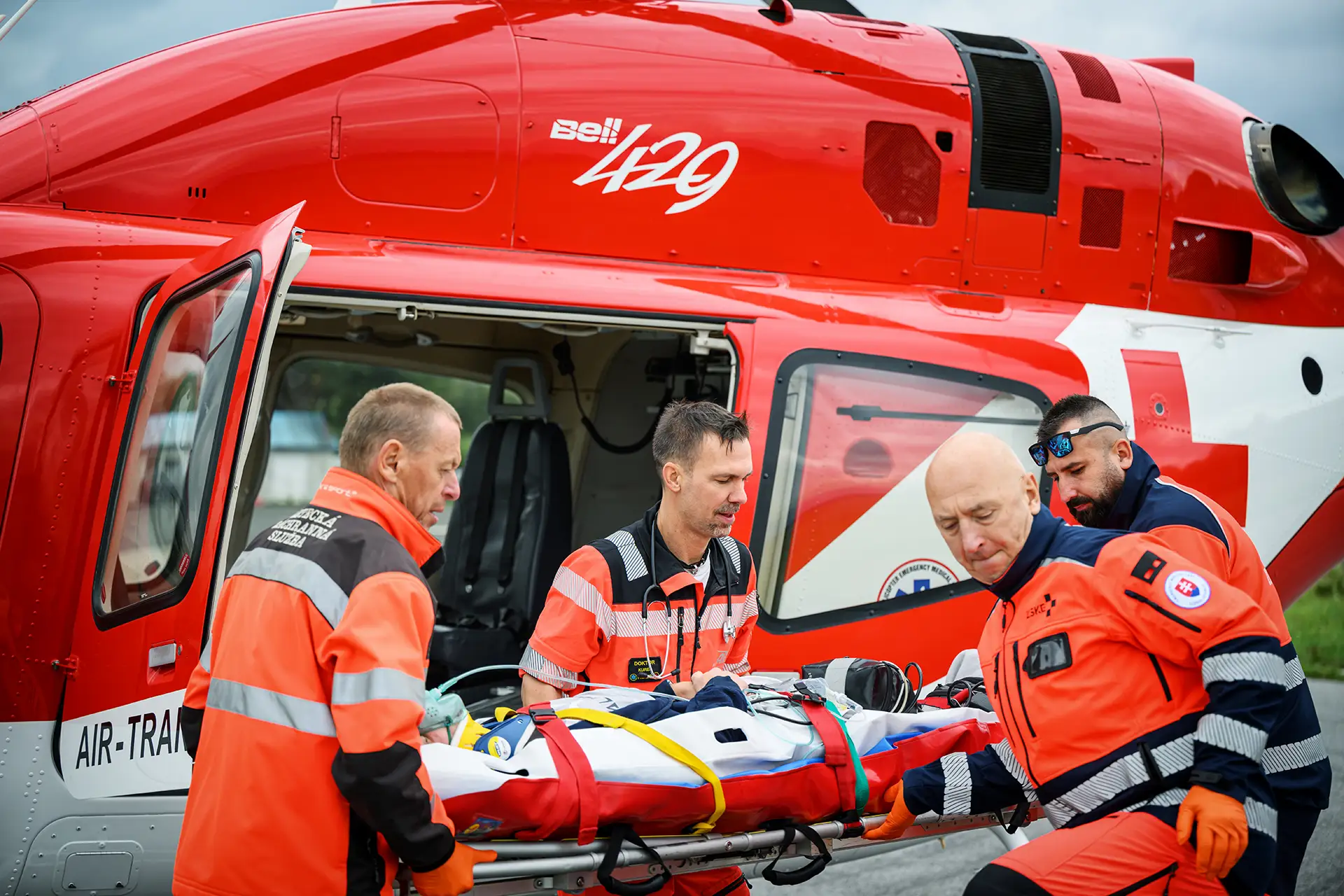
As flight safety reports involving fatigue mounted, it eventually resulted in the military operator moving away from a 2 x 12-hour day/night
shift pattern and towards a 3 x 8-hour shift Early/Late/Night pattern. And yet, in many cases around the world, DDNN persists as the go-to.
Why?
Historically, it was found to be safe, but this was sometimes just safer than what came before, when aviation was a far more
permissive and risk-accepting environment than it is today. The problem with rosters that are 'long proven' and historically effective is
just that; they're old and may no longer reflect how we live. That might seem like a silly statement, given that humans have stayed more or
less unchanged in evolutionary terms in the short period of time that we've been making flying machines, but there's a truth to it. The
manner used to extract a result of 'safe' from a given roster is often lost to time due to it being commercial property, derived from an
academic study of something similar, or because it was information tacitly held by the person tasked with producing the system. The
regulatory or ops manual instruction 'thou shalt' is still there, but the 'because' is sometimes more opaque.
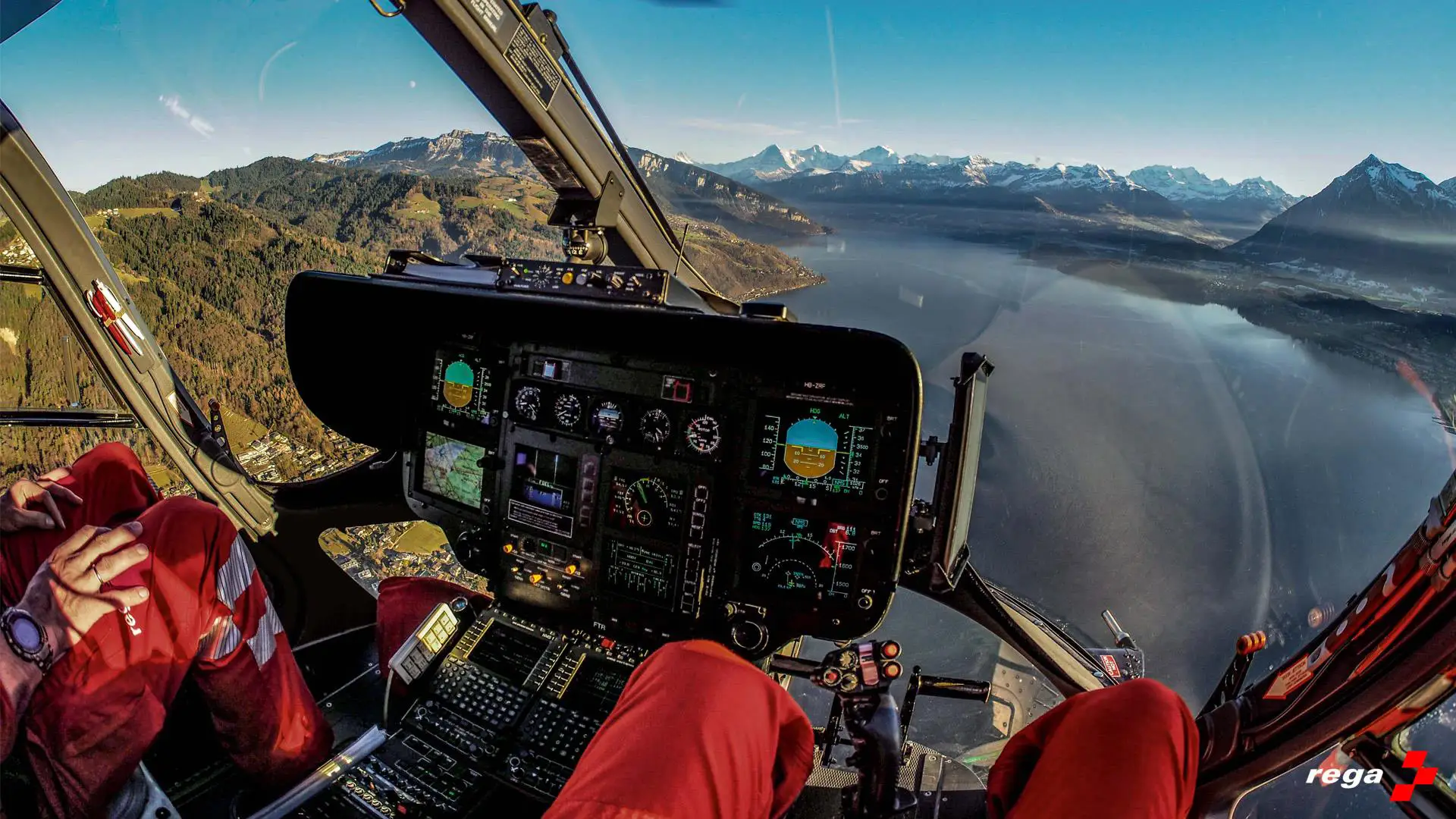
The second problem with older rosters is that, if they go back several decades, they very often fail to take account of a changed social
landscape. Go back far enough and our rostered pilot was probably the sole breadwinner in their household, their spouse managed the kids and
they could probably afford to live in closer proximity to their base. Society itself was far less 24-hour orientated than it is now, with
banking, shops, and other necessary activities being mostly contained within normal 9 to 5 working hours. Connectivity to work relied on a
landline telephone; no one could tell if you just watched it ring and shrugged your shoulders. As a result, our rostered pilot likely had
less demand on them than during the current day.
Today, most households require two incomes due to house prices and the cost of living, both of which have made the commuter belt around cities ever wider. This is coupled with our availability becoming greater, firstly through mobile phones, then ubiquitous email access, then social media and messaging apps. As a result, our lives have drastically changed, but rosters haven't. In this way - the prescriptive way - fatigue and its causes are being seen solely as a physical occurrence contained within the roster cycle of duties, rather than as a holistic construct resulting from how we actually live our lives.
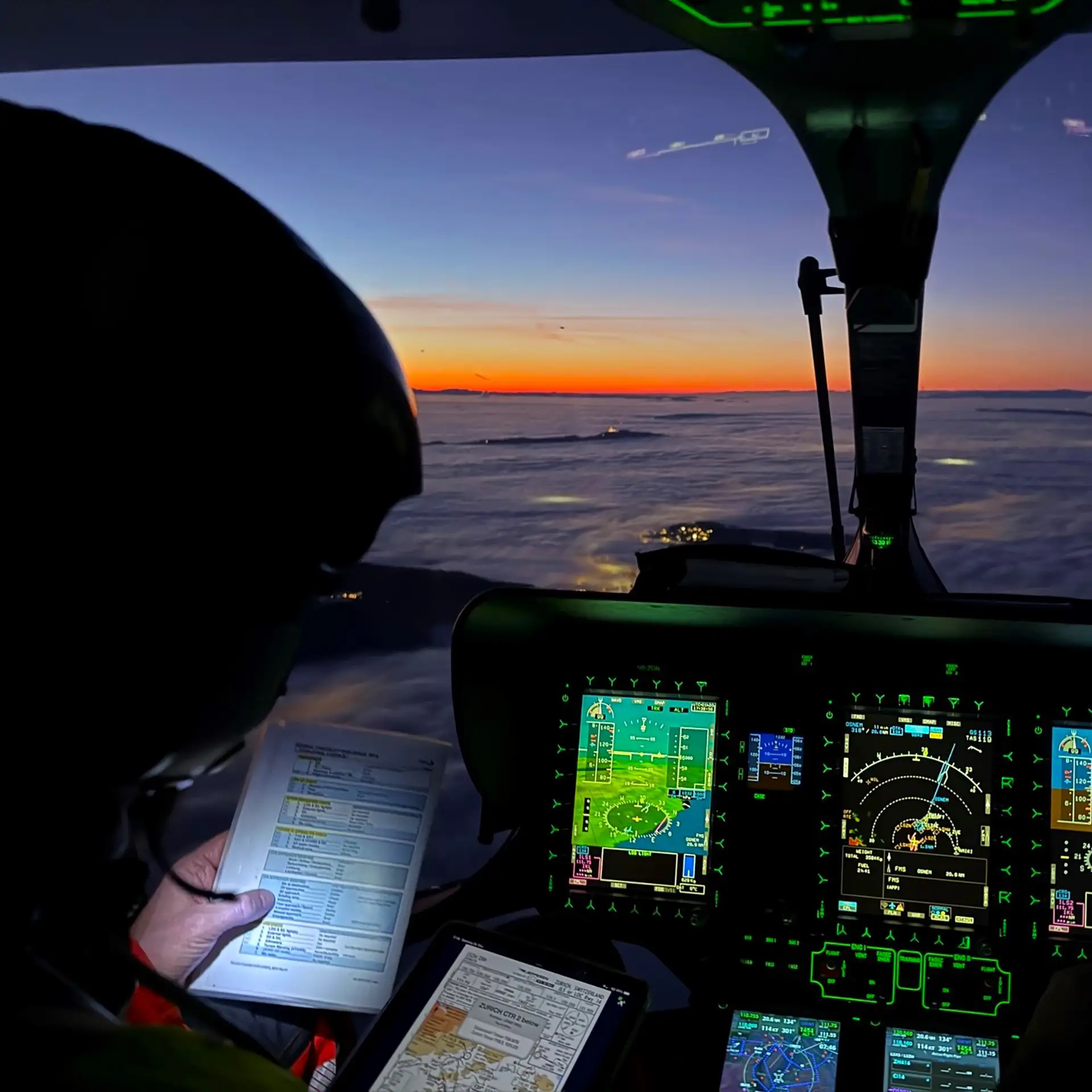
Let's return to our accident report from earlier in the article for a moment to see an example:
‘The time that the pilot awoke on the day of the accident was not known. Cellular telephone records indicated his activity from 0725 to 2057 with three extended breaks in activity (greater than 60 minutes) from 0923 to 1118, 1431 to 1556, and 1741 to 2040.'
Of note here is that the breaks on phone records do not imply sleep; the pilot dropped off and picked up his child from daycare, and brought them to a doctor’s appointment. The pilot’s wife was also flying for the same company, and indeed, he took over the shift from her. The point here is not to hark back to some imagined past, where everyone grew up in a nuclear family, but simply that to say social roles and lives have changed, and that similar 'normal' days are familiar to many, if not all, of us.
The Reality Check
‘Changes within patterns of work for operational personnel may have an impact on fatigue. An example of this would be rapid changes
between work periods during the day and during the night.’ - Source: ICAO Doc 9966, Manual
for the Oversight of Fatigue Management Approaches
With historical rosters there are many examples based on theoretical modelling or derived from methodologies that have to whittle down the
number of variables to arrive at any result. Unfortunately, this doesn't always match up with reality. Let's look back at the DDNN roster I
mentioned earlier. Pilots arrived at 0645 for a handover to be ready at 0700. Most crews lived on base or within twenty minutes or so away,
meaning that a wake time of 0550 to 0600 was about normal. So, if you get up in the morning at 0600 for a few days in a row, what happens on
the third day when your night shift starts at 1900? You wake up at 0600 because your sleep pattern has developed that way. You will
sometimes get a nap during the afternoon, but for the most part this means that by the time you start your shift, you're been awake for 13
hours. By midnight, you're awake 18 hours (>0.05% BAC equivalent). By the time you come off duty at 0700, it's up to 25 hours (>0.08%
BAC). To put that in context, at 16 hours of wakefulness, you are 3060% more likely to have an accident than at 10. Little surprise, then,
that the military moved away from this approach to flying.
The characteristics of this older, prescriptive approach to rostering are that it is doctrinaire and mechanistic in its view of the world.
While ICAO DOC 9966 says that when deciding on duty limits,
‘The State should also consider its legal, economic and socio‐political context to the extent that it may impact on the ability of those professionals to maintain an adequate level of alertness when performing safety‐related duties’ .
Source: ICAO Doc 9966, Manual for the Oversight of Fatigue Management Approaches
The frequency with which similar prescribed rosters abound suggests that the defining feature is that:
‘With a prescriptive approach, fatigue is one of the possible hazards that the SMS should consider, but data‐driven evidence related to fatigue is not specifically and actively collected unless a fatigue issue has been identified by the SMS.’
Source: ICAO Doc 9966, Manual for the Oversight of Fatigue Management Approaches
A more modern approach to roster design is that the particulars of a given role in a given place in a given organisation can be catered for
through a Fatigue Risk Management System (FRMS). These systems are intended to be designed on an evidence-based backing to a roster chosen
by a specific operator, regardless of personal or commercial preferences. It has to prove itself with data, usually obtained by a mix of
wearable technology and surveys.
‘FRMS is focused on managing the actual fatigue risk in the operations to which it applies (rather than addressing the predicted
fatigue risk in general, which is the basis of prescriptive limits).’ - Source: ICAO Doc 9966, Manual
for the Oversight of Fatigue Management Approaches

This is more likely to produce a roster that is compatible with the lived reality of the crews in a social sense and in terms of their
physical presence at work. In other words, the concept of fatigue as a holistic construct shaped by society and biology is acknowledged.
This reality check is important as a safe model in one role does not necessarily imply safety in another. For example, I flew a fifth day to
the regular DDDD roster on HEMS about twice in eight years, and it was hard work because of the tempo. By day fifteen of our embarkation,
and night ops, we were just about hitting our stride, as during off time, there were no other distractions to attend to. A suitable model
for a specific op is important, and existing models should also be required to prove themselves with no free passes for legacy.
While the FRMS model does offer an enhanced and more nuanced approach, it does come with greater obligations in terms of crew training, reporting and inherently demands a robust and trustworthy Safety Management System (SMS). It involves an initial financial investment in terms of obtaining data, but ultimately, the fact that each FRMS-derived roster is suited to its specific location and crew demographic means that, whether you’re flying in Dubai or Dublin, you have a better chance of working on a roster that offers the safest solution to your operational question. This is truly the benefit of an FRMS approach; it is a bespoke, tailored solution rather than off the peg.
Takeaways and responsibilities
The key takeaway for all this is that there is no perfect one-size-fits-all roster, and everyone involved, from regulators to crews, needs to keep an open mind as to what the safest result will look like. Fatigue will absolutely affect every human just by our make-up, and equally, we all have a role to play in managing it. Per ICAO Doc 9966 these roles are:
The State is responsible for providing a regulatory framework that enables fatigue management and ensuring that the Service Provider is
managing fatigue‐related risks to achieve an acceptable level of safety performance.
Service Providers are responsible for providing fatigue‐management education, implementing work schedules that enable individuals to perform
their duties safely, and having processes for monitoring and managing fatigue hazards.
Individuals are responsible for arriving fit for duty, including making appropriate use of non‐working periods to obtain sleep, and for reporting fatigue hazards.
This means that regulators will have to resist the temptation to impose in an authoritarian fashion a familiar scheme that easily ticks the box on an audit, while operators will have to provide a suitable standard of rest area for crews on duty, and observe a crew’s time off as sacred and free from work-related distraction. For those of us flying on the line, crews have been told time and again during human factors training about the importance of rest, exercise and diet, and it is on us to take advantage of the fatigue mitigation strategies provided.
There’s no doubt about it; moving towards an FRMS rather than a prescriptive approach means a change of culture for all of us, regardless of our role. This can be the hardest part to shift, but ultimately will prove beneficial. If it simply becomes the case that a fatigue trial must be conducted as part of any new operation or significant change of roster pattern, then this change will be accelerated. New entrants to the aviation marketplace in ten years’ time may see it as absolutely normal.
Sometimes, when time goes by without an accident or incident, it is easy to begin to think of rostering as a Human Resources problem or fatigue reports as a box-ticking exercise, but ultimately it is about flight safety and ensuring that everyone can return to their families at the end of a duty. In that regard, controlling those factors within our power is important, but so is striving for continuously better solutions to an unavoidable part of life in aviation. Sleep is the only cure for fatigue, but we can continue to dream of a perfect roster.