 HOME
HOME





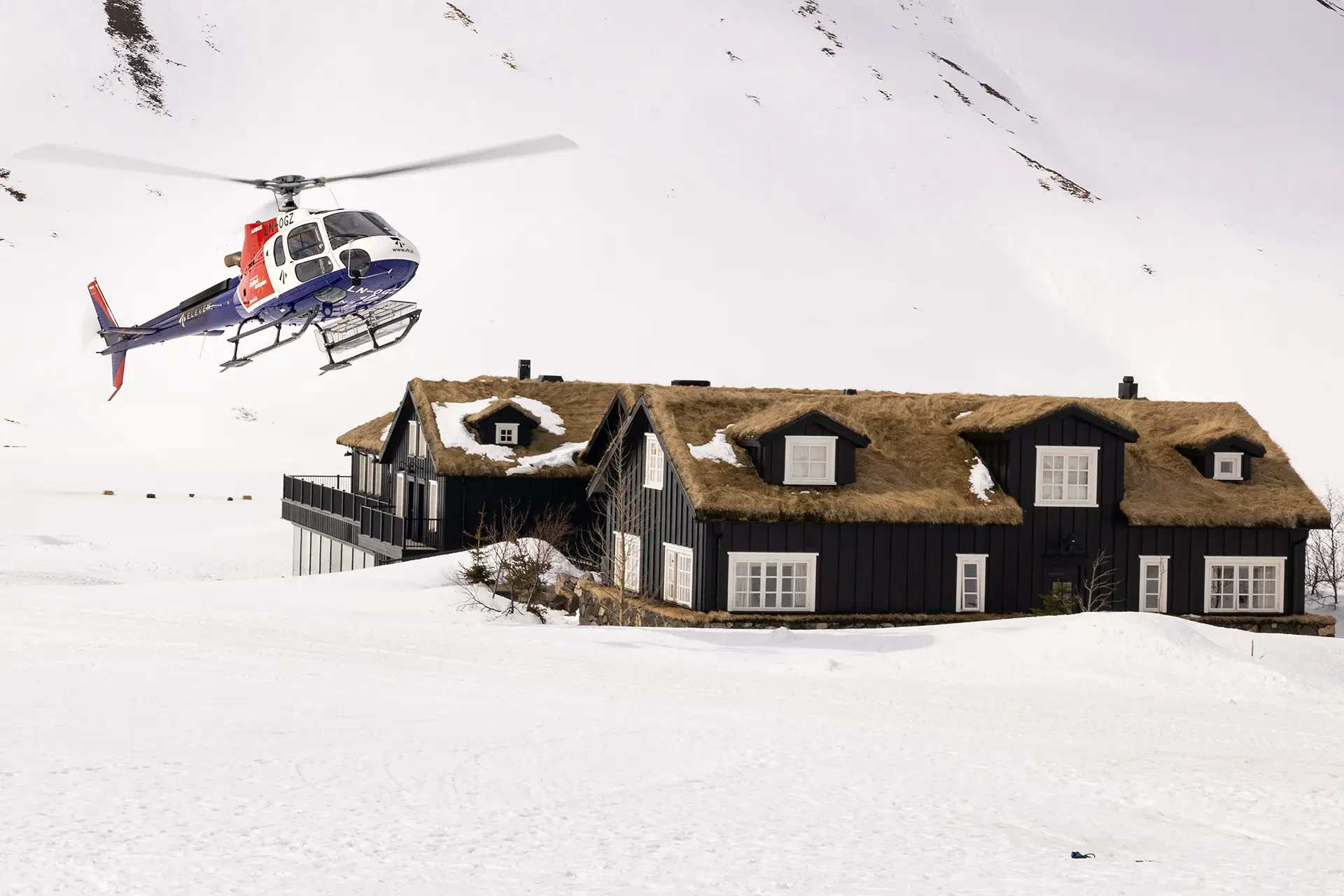
Iceland is a photographer’s paradise – and an adventurer’s dream. Mark Ogden was fortunate to spend time with helicopter operators on the island and one, Reykjavik Helicopters supports the lodge operations of Eleven Experience’s Deplar Farm. A fascinating place and a fascinating story.
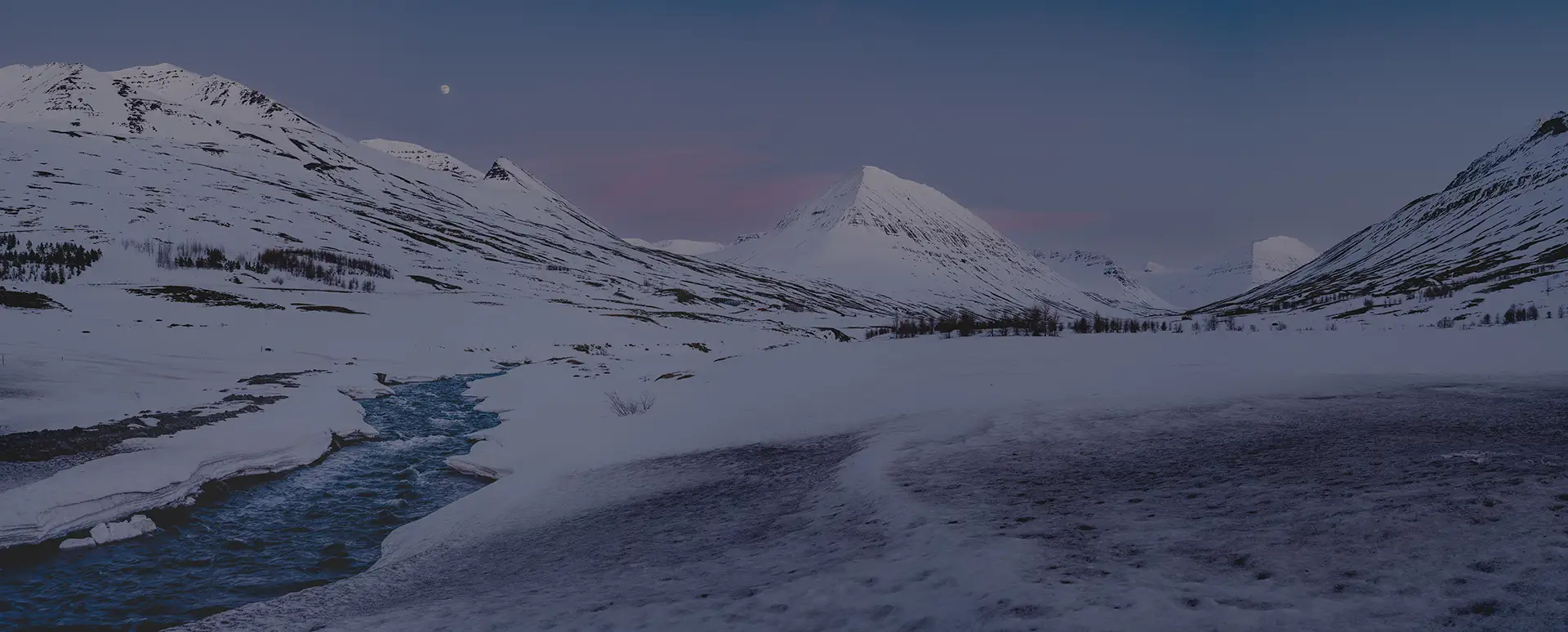
Iceland is located in the North Atlantic close to the Arctic Circle with the shortest distance to Greenland being about 290km (252nm).
Mountainous with an average height of 500 metres above sea level and the highest peak being 2,119 metres (6,952ft).
 Iceland
became a true destination of choice over the past 15 years or so, contributing a significant amount of the country’s GDP and some 30% of
the country’s export revenue. Over 2.2 million international tourists visited Iceland in 2023 – up from some 1.7 million in 2022, and just
80,000 during the 1980s. In 2023, the top five visiting countries were the USA (629,000 visitors),
the UK (279,000), Germany (136,000), Poland (134,000) and France (99,000). While it is true that it is
possible to drive around Iceland in less than a day, weeks should be allowed, and days should be spent in in selected places to explore and
enjoy the local sights. Visitors, in general, just do not allow enough time to see and experience the country’s true geological and cultural
surprises that await to be discovered and experienced.
Iceland
became a true destination of choice over the past 15 years or so, contributing a significant amount of the country’s GDP and some 30% of
the country’s export revenue. Over 2.2 million international tourists visited Iceland in 2023 – up from some 1.7 million in 2022, and just
80,000 during the 1980s. In 2023, the top five visiting countries were the USA (629,000 visitors),
the UK (279,000), Germany (136,000), Poland (134,000) and France (99,000). While it is true that it is
possible to drive around Iceland in less than a day, weeks should be allowed, and days should be spent in in selected places to explore and
enjoy the local sights. Visitors, in general, just do not allow enough time to see and experience the country’s true geological and cultural
surprises that await to be discovered and experienced.
Along with that explosion in tourism has been its increased attraction to the well-heeled and famous.
Chad Pike, a multinational Blackstone Group investment guru, founded Eleven Experience in 2011. A travel company that seeks to over-deliver
on luxury lodging and next-level outdoor expeditions in remote destinations, Eleven Experience, rents out a growing collection of fully
staffed chalets, lodges and mansions to people who share a passion for the outdoors. Capitalising on that popularity and realisation of
Iceland’s uniqueness, Eleven Experience Lodges have established themselves at Deplar Farm on Iceland’s Troll Peninsula. In 2023 the
converted 15th century sheep farm with a turf roof and floor-to-ceiling windows, was named as one of “Best Hotels in the World”.
 Reykjavik
Helicopters
Reykjavik
Helicopters
Two H-125 helicopters and their pilots are supplied under contract from Reykjavik Helicopters headquartered at the Reykjavik Airport. The company operates a fleet of helicopters centered around the Airbus H125 and other than heli-skiing, provides helicopter tours such as tours of Iceland’s volcanoes and glaciers, load lifts and movie production.
Reykjavik Helicopters was established in 2013 as a helicopter brand using helicopters from BlueWest Helicopters. As Fridgeir Gudjonsson,
the Managing Director of Reykjavik Helicopters explains, “From day one we were a strong brand in the tourism industry offering sightseeing
flights, aerial work, photo and film flights and heliskiing with Eleven Experience and other heli-ski operators from 2014. Eleven started
working with another helicopter company for a while.”
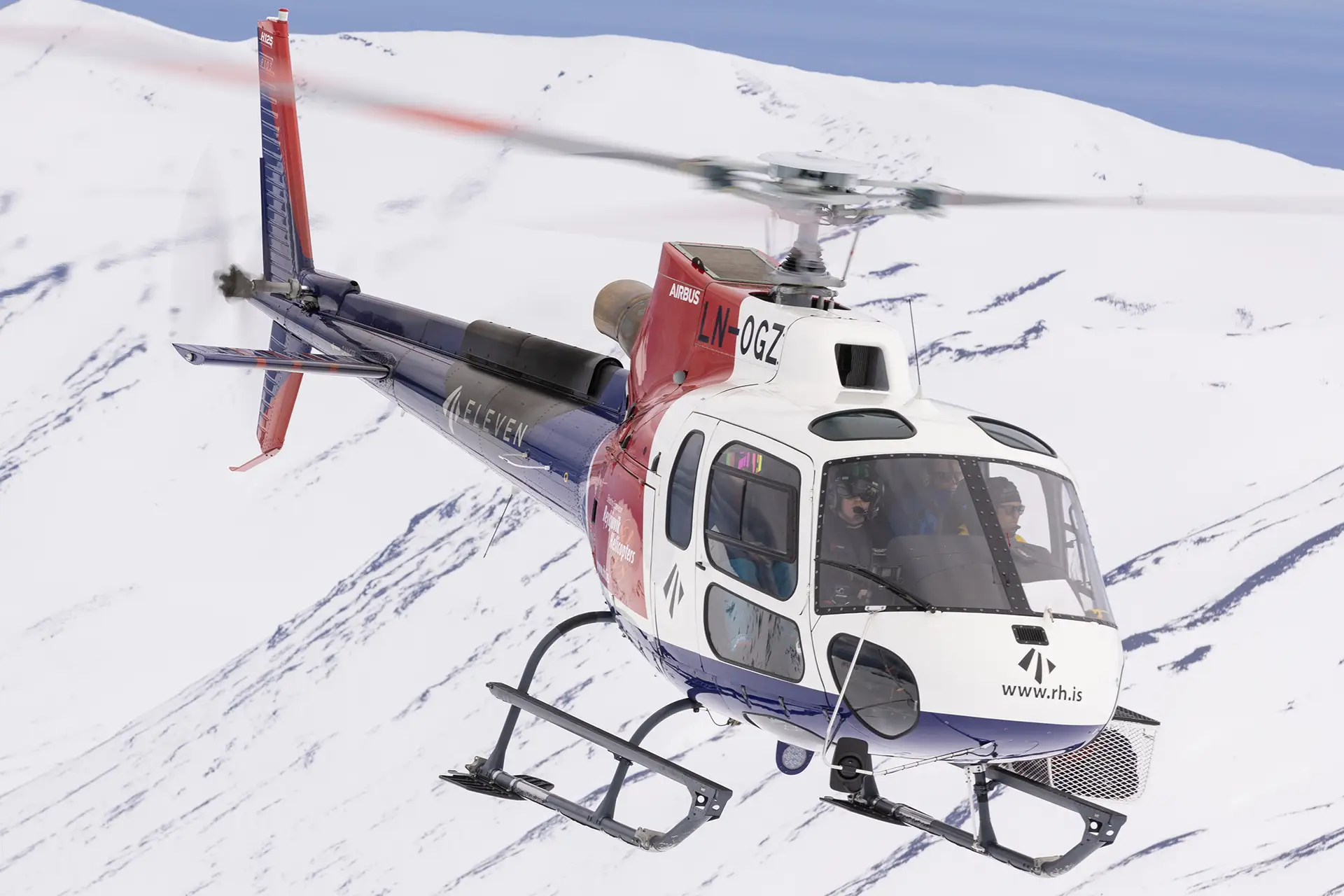
In 2021, during Covid, Helo, helicopter service, bought the Reykjavik Helicopters brand along with its AS350B3.
“Soon after, Eleven Experience approached us since they were looking for an operator to handle their services at Deplar farm, both the heli-skiing and as well as summer services. They use two helicopters from March 1st - May 31st for heli-skiing and one helicopter for the summer services which can be airport transport, fishing trips, heli (mountain) biking or sightseeing,” Fridgeir explained. “We signed a four-year contract with them which is now into its third season and going very well.”
Heli-Skiing
The Heli-Skiing season at Deplar Farm happens as Iceland awakes from it wintery darkness, the skiing season spanning early March to early
June, when there is good snowfall, icy conditions and the daylight lengthens.
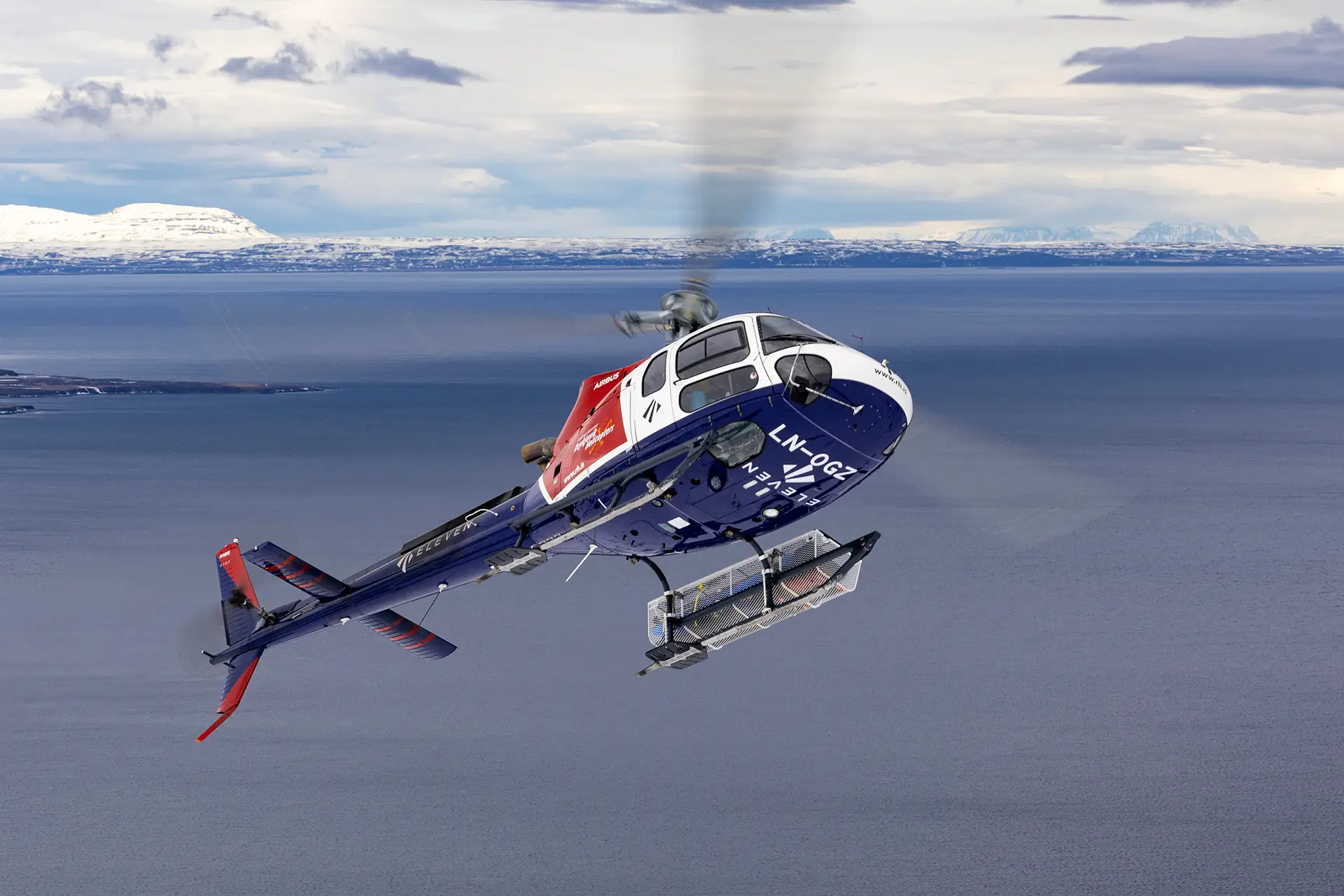
For three months, these helicopters live outside in the snow and icy conditions, and have proved remarkably reliable. “We signed a four-year
contract with Eleven starting with the 2022 season. How exactly we got chosen is hard for me to tell but they seem to have liked what we
offered. The operations have been running smoothly from day one.”
Fridgeir explained that Eleven required the Airbus H-125 B3 for their services. “And since we only had one at the time we chartered another from Helitrans AS in Norway. The H-125 seems to be the name of the game when it comes to heli-skiing. Other types are rarely seen in such operations.”
“That cooperation went very well and to cut a long story short: Helitrans AS bought all shares in Helo/Reykjavik Helicopters in March 2023.
Following that we were able to hand in our Icelandic AOC and simply work with Helitrans machines. They have a fleet of about 25 newish
H-125's. We have four local (Icelandic) pilots who all can fly the Helitrans machines and get pilots from Norway whenever needed mostly for
the Deplar services. Reykjavik Helicopters is still our lead brand in the Icelandic marketplace.”
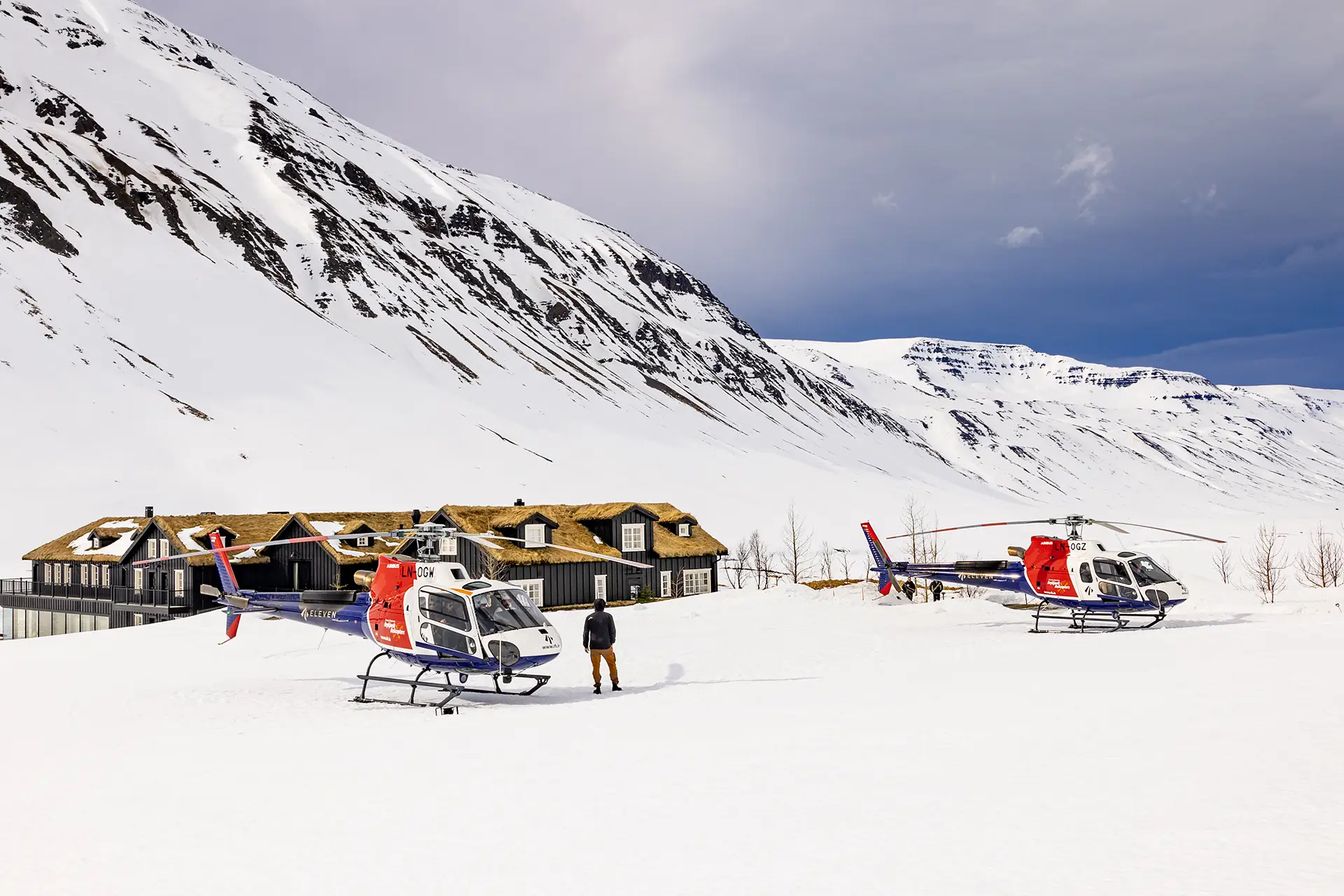
The area around Deplar farm, Troll Peninsula (Tröllaskagi), is the best area for heli-skiing in Iceland, with long slopes and usually more
snow than other parts of the country. “What makes skiing in that area unique is the fact that,” Fridgeir noted “with the right conditions,
you can ski from a mountain top all the way down to the beach.”
Skiing happens in the mountains in the northern fjords in Skagaafjordur. There are presently three heli-ski companies operating in that area (it is understood that a fourth operator is seeking to start up in the area) and there may be up to seven helicopters flying there at the same time. According to Fridgeir, “They are all equipped with the same type of trackers enabling them to see each other and they also communicate with each other. The area is very accessible to all, but parts of it requires special permits from the landowners.”
Iceland is a little different from other places in that there are no ‘designated’ skiing areas as such – you really just need permission
from the landowners, as noted by Fridgeir, so it is possible for the skiers to be delivered to different and the assessed-best-on-the-day
locations to commence their skiing.
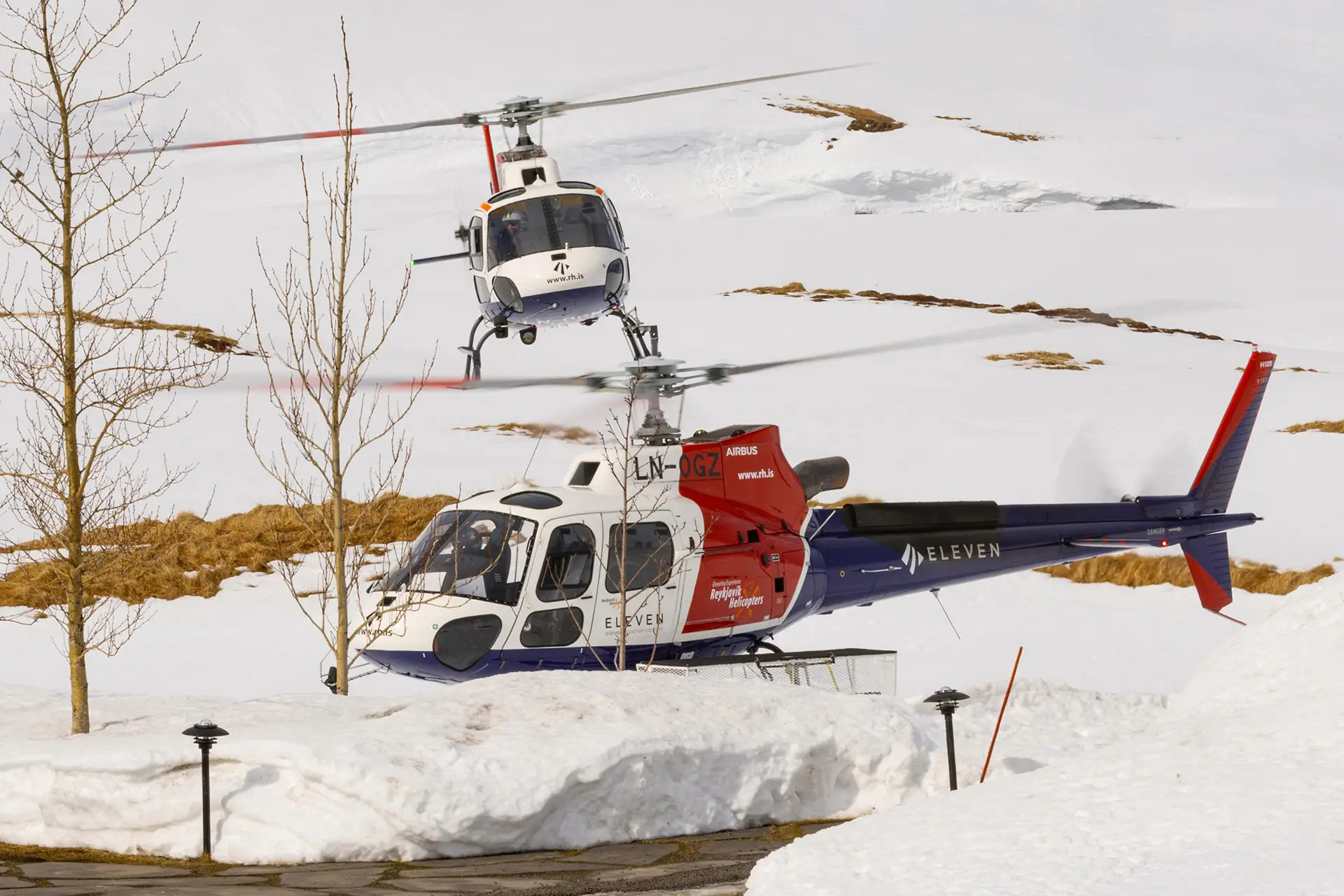
In northern Iceland, more than half the winter precipitation falls as snow and a complete snow cover may persist for months. The snowpack in
this area is deep and regularly ‘topped up’ with frequent snowfalls. With subzero temperatures, particularly at night, the snowpack develops
a firm base while still having powder to ski on.
The helicopters deliver the skiers to where they commence the run. These runs are usually within 30 nm of the lodge. Each group is accompanied by experienced guides who also act as a type of ‘crewman’ in the helicopter, managing the skiers during cabin entry, occupancy and exit – keeping them clear of main and tail rotors, and the ski equipment low to avoid impact with the main rotor. The helicopter stays close by to provide support if needed and relocate the skiers to another run or back to the lodge when they’ve finished.
Weather Challenge
The weather, especially in the months going from the frigid winter to the mild summer presents challenges. The weather is a battle between
the cold Arctic air and the warmer air associated with the Gulf Stream. Iceland has a warmer climate than its north Atlantic location would
suggest mainly because a part of the Gulf Stream flows around its southern and western coasts. The result of mixing the warm, moist
Atlantic air with the cold, dry Arctic air produces a weather pattern that is exemplified by its instability.
The northeastern side of Iceland features the East Icelandic and East Greenland currents, both of which are cold currents flowing southward
from the Arctic. As well as those aspects mentioned, the weather can be highly localised due to Iceland’s topographical features that
include high mountains and deep valleys. This is basically supporting the need for the pilots to be highly attuned to the weather forecasts,
observed weather trends and the subsequent impact on local conditions such as around the mountains. The clouds can often tell a story to
aviators about the conditions with lenticular clouds particularly giving an indication of strong winds and turbulence.
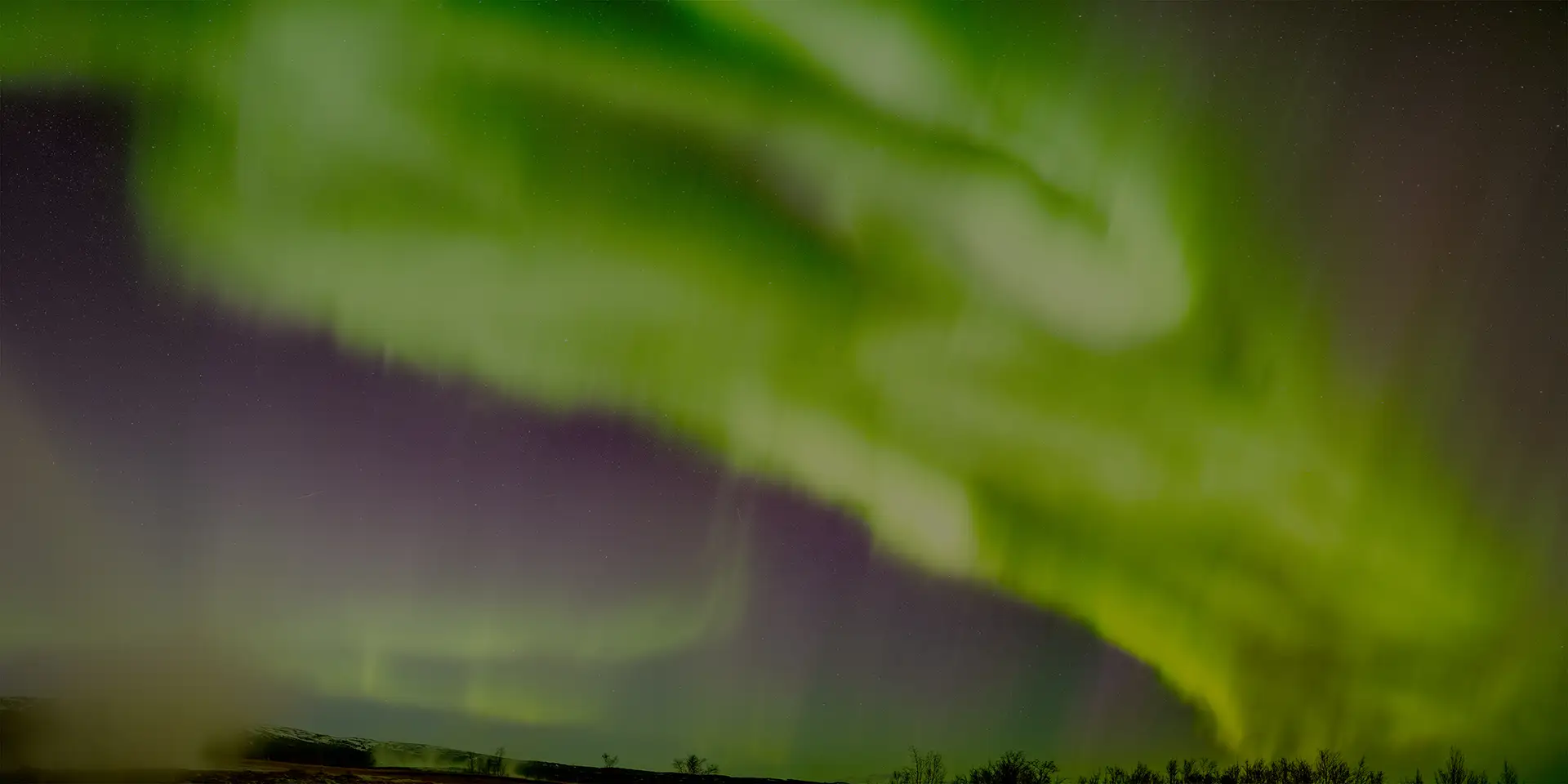
The wind is a major factor as to whether flying can happen – wind over the mountains can be turbulent or be intensified along the valleys. The pilots have extensive experience operating in Europe and usually, Canada; all good places to learn about the vagaries of arctic weather and mountains.
The machines remain in the open at Deplar unless extreme weather is expected. If threatening weather is forecasted, the company looks for hangar space in the area. Fortunately, Deplar Farm is protected on three sides by high mountains, so the area is usually benign – wind wise.
With so much snow, ‘whiteout’ can be a serious problem – pilots can lose depth perception and spatial orientation due to the ‘flatness’ of the light conditions and environment. Often poles at the landing spots are placed in the snow to assist the pilot.
Minimizing Risk
The H125, previously known as the AS350B3e, is a proven and reliable helicopter with substantial power and in the cold weather, substantial power margins. Even with a full load of passengers and equipment, power and control margins exist to cater for any unexpected wind and turbulent conditions encountered during the season.
“The H-125 are tough machines well made for such operations,” Fridgeir commented. “They require little maintenance and are kept at Deplar
(outside) throughout the season. Occasionally when the weather forecast looks very bad we seek shelter for them in Akureyri or elsewhere in
the area. “
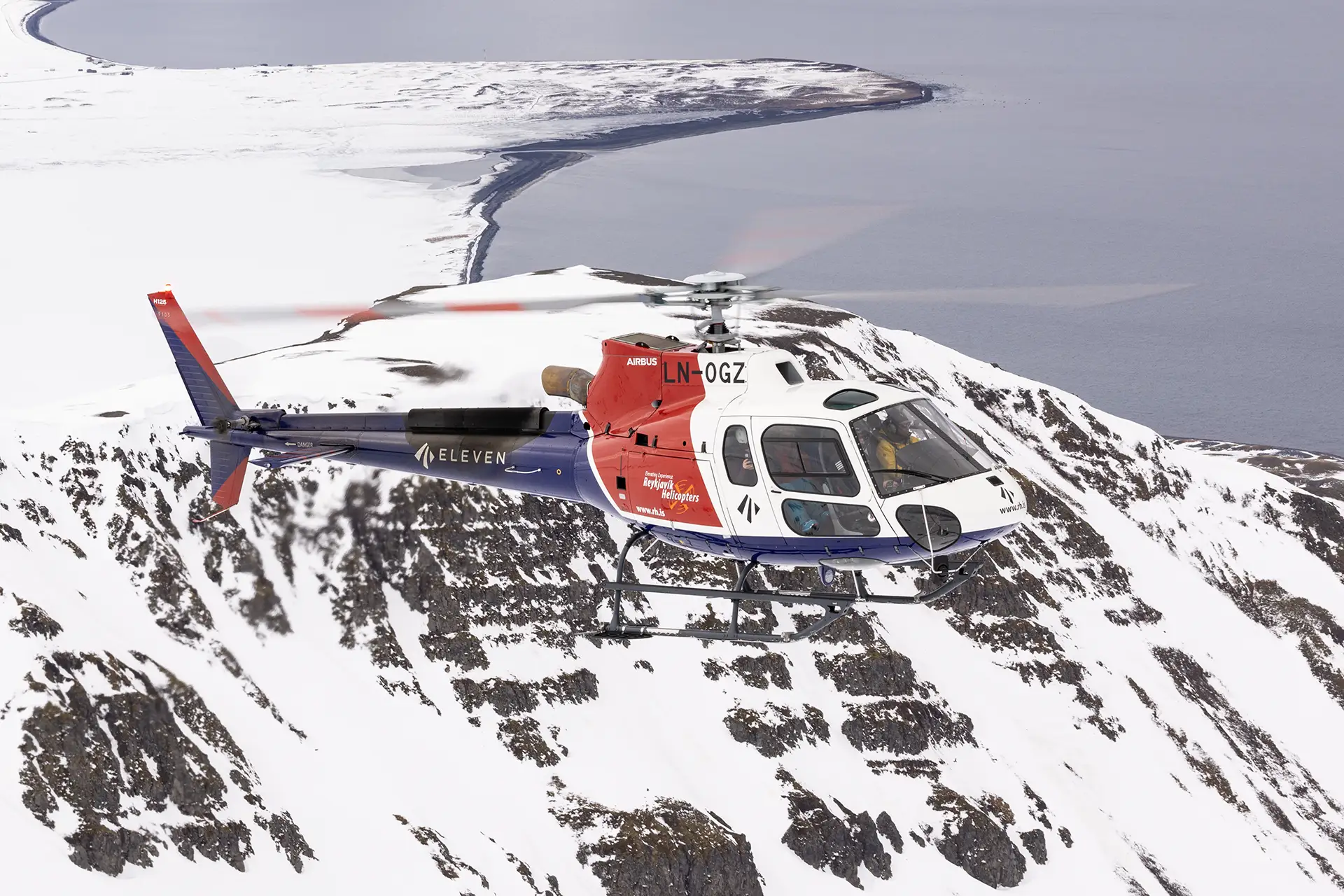
The helicopters have proven so reliable that maintenance support is not onsite, minimizing the impact on the available accommodation in the area and reducing operating costs. The pilots are trained and authorized to conduct and signed for all daily checks. “But if something comes up, a mechanic comes over from Norway,” noted Fridgeir. “We have, so far, never lost more than one day, due to such happenings.”
The crews are very aware of ensuring their high-value passengers are well looked after. The helicopters’ locations are monitored at the lodge, each passenger carries a radio for emergencies, and the guides and pilots also carry emergency locators. The whereabouts of the helicopters and their occupants are always known – especially as most of the flying and skiing takes place close to Deplar. Not all pilots will become heli-ski pilots. “We hand select the pilots for that. They need to be highly experienced, trained, and also able to work closely with the ski guides and skiers,” explained Fridgeir.
“When operating in Iceland, the weather is a big factor and can sometimes be difficult,” continued Fridgeir . “We have standards we follow to the letter. Safety always comes first. When the weather is not good enough for flying, either due to winds or visibility, they are not good for skiing either. These works well together.”
While the guest facilities at Deplar Farm have few equals within the high-end accommodation market, it is the ready availability of the helicopters and the excellent skiing environment so close to the Farm that makes the experience unique.