 HOME
HOME






Sleep; that nightly voyage into the realm of dreams and restoration. It’s not merely a respite from wakefulness nor a necessary evil to comply with a Fatigue Risk Management System (FRMS). Kevin Humphreys delves into the intricate web of physical health, psychological health, and neuroscience. Sleep plays a profound role in shaping our physiological and psychological state. Arguably, it’s the most important factor in maintaining (or regaining) optimal physical and mental health.
And, for years, I thought I was doing ‘sleep’ just fine.
However, I was waking up two to four times during the night to use the bathroom, so I went to the flight surgeon as I suspected prostate issues, and he sent me for the obligatory tests. Everything came back negative. During the follow-up conversation, I half joked there were days when I’d happily curl up under a desk in the corner and get some more kip by 9:00 or 10:00 in the morning. I put it down to getting older, the stress of the job I’d recently moved into, and broken sleep from being up two to four times per night.
That’s when the topic of sleep apnea came up.

Quality vs quantity
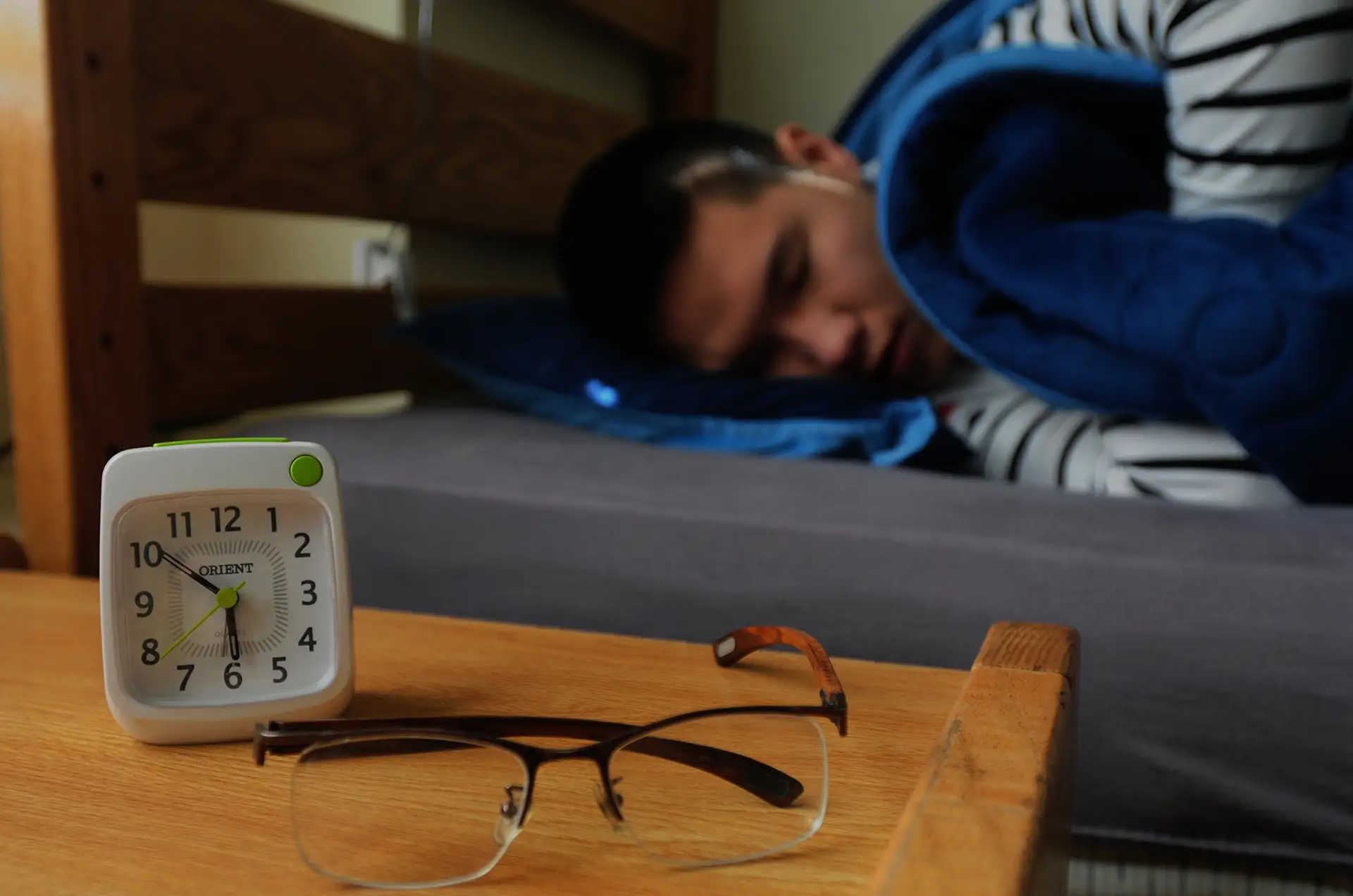
Sleep apnea can be a serious condition that causes a person’s breathing to stop and start during sleep. The most typical indicators are loud snoring and feeling tired after a ‘normal’ night’s sleep. Both applied to me.
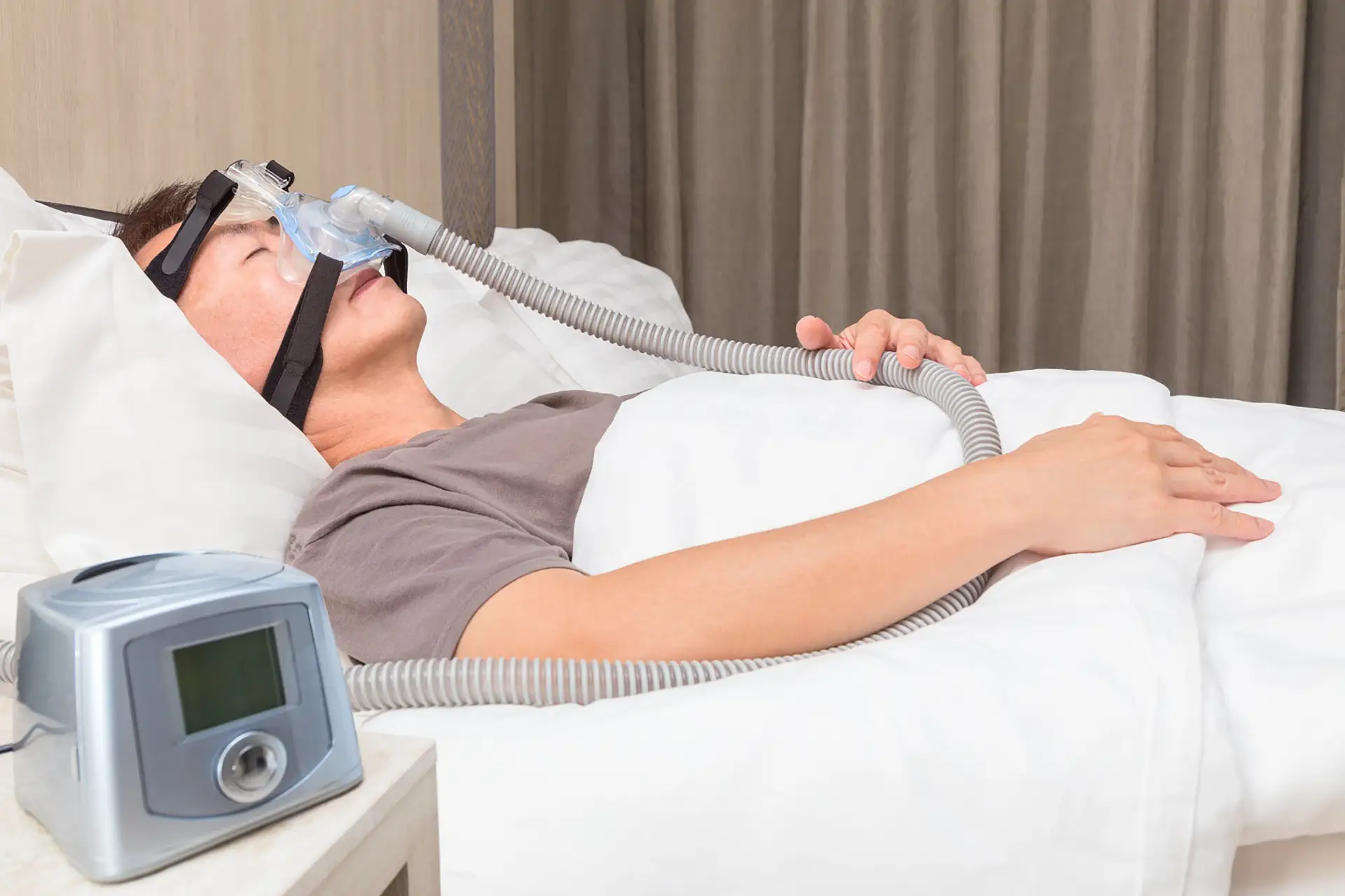
The doc sent me for a sleep study, which involved an overnight stay at the hospital whilst attached to what felt like 100 different electrodes on my head, chest, and legs, constantly monitored by a sleep physician. The first part of the night involved sleeping without any aids to establish a baseline understanding of my sleep state. Then the second part involved sleeping with a full-face mask (covering nose and mouth) hooked up to a Continuous Positive Airway Pressure (CPAP) machine.
The mask wasn’t particularly comfortable, but I’ve worn helmets for years and trained with gas masks (including sleeping in them at various times during my military career), so the notion of something on my face wasn’t entirely foreign. The physician monitored my sleep during that second part of the night, too.

The results were startling.
I slept for eight hours but I either wasn’t breathing at all or wasn’t breathing enough for 20 seconds out of every minute. Inadequate oxygen for a third of the night left me with a diagnosis of moderate to severe sleep apnea. Across an eight-hour sleep window I was having hundreds of apneas. Yet with the CPAP and mask, that figure dropped to an average of just 1.5 apneas per night. Incredible.
I discovered there are two main types of sleep apnea: Obstructive Sleep Apnea and Central Sleep Apnea. Obstructive sleep apnea is the most common and occurs when the throat narrows, physically blocking airflow into the lungs, whilst Central sleep apnea occurs due to improper signals from the brain to the muscles that control breathing.
What to look for
Importantly, although snoring is a common indicator, not everyone with sleep apnea snores. Some other common symptoms include:
Episodes in which breathing stops during sleep (reported by another person).
Gasping for air during sleep.
Dry mouth upon waking.
Morning headaches.
Trouble staying asleep.
Excessive daytime sleepiness.
Trouble paying attention while awake.
Irritability.
I returned to the flight surgeon (he’s about 6’3” and slight build) with the sleep study results, and he said, “Welcome to the club.”
“But you’re not overweight,” I queried. “How can you have sleep apnea?”

Ask your parents
He explained the usual risk factors: being overweight; men being two to three times more likely to have it than pre-menopausal women; narrowed airways; smoking; alcohol or sedative use; and plenty more. But then he dropped the point that really stuck: the highest risk factor in sleep apnea isn’t weight, it’s genetics. Most people who are genetically predisposed to sleep apnea also happen to be overweight, as opposed to being overweight being the sole issue causing the sleep apnea.
Wow.
My mother had used a CPAP machine for over 20 years, and my dad snored like a freight train his whole life. Mom told me how she saw a heart surgeon a few years earlier, and the surgeon asked how long she’d had sleep apnea.
“But I didn’t tell you I have sleep apnea, how did you know?” she replied.
He answered that he was looking at a scan of her heart and could see damage caused by 20 years of untreated sleep apnea.
Let that land for a second.
Oxygen is vital for life. We all know that without it, we die. But it’s not only required at the macro level of survival, but oxygen is also vital for the health of every individual cell and organ in our body. When you’re not breathing at all or enough every minute of every night, oxygen deprivation takes its toll beyond being sleepy and irritable the next morning. It slowly kills your organs.
All of that was fascinating, but it still didn’t answer my original question: why did I need to go to the bathroom two to four times per night?

The brain’s primary role
The flight surgeon had the answer to that one as well. The brain’s number one task is to keep us alive, so when it senses a sustained drop in oxygen, it acts. In this case, the brain sends a signal that effectively kicks off a chain: the bladder ‘reports’ it’s full, the brain wakes us up, and when we wake up, we start breathing normally again. Danger averted. We use the bathroom, go back to bed, and depending on the severity of sleep apnea, the process repeats again and again.
How clever is that!
Suffice to say that with a CPAP machine, I now rarely get up even once during the night.
Now, here’s the bigger punchline: the impact of sleep isn’t just about feeling alert or less grumpy. Sleep is a foundational driver of memory processing and decision-making. When sleep is poor; whether because of apnea, insomnia, disrupted schedules, barking dogs, or a chaotic operational environment, the quality of our decisions slides down a scale from ‘a bit off’ to ‘potentially catastrophic’.

The neural ballet behind better choices
In the intricate ballet of neural processes, sleep is the choreographer, shaping our overall health and wellbeing—including the way we make decisions. The brain isn’t ‘off’ when we sleep. It’s working. It’s repairing, recalibrating, filing, pruning, strengthening, and balancing. And those processes show up the next day in the choices we make.
1. Memory consolidation and learning
At the heart of the relationship between sleep and decision-making lies memory consolidation. During Rapid Eye Movement (REM) stage of sleep, the brain engages in a meticulous recital of the day’s events. Memories—explicit and implicit, visual, visceral, and emotional—are processed and networked by the hippocampus, cleared from short-term storage, and integrated into the intricate tapestry of existing knowledge in the neo-cortex.
Neurotransmitters such as acetylcholine and norepinephrine, which are crucial for learning and memory, exhibit dynamic patterns across different sleep stages. As memories solidify, the brain refines neural connections associated with decision-making, giving us a stronger foundation for more informed choices when we awaken.
Without adequate sleep, that filing system breaks down. Short-term memories are not processed or integrated, and learning suffers dramatically.
2. Emotional regulation
Emotions, perhaps the most powerful influencers of decision-making, find their equilibrium during sleep. The amygdala, a key player in emotional processing and commander of our fight-or-flight response, undergoes a recalibration of sorts during slumber. Sleep helps regulate emotional responses, ensuring we approach decisions with a more balanced, less reactive mindset.
Conversely, sleep deprivation disrupts this emotional balance. The amygdala becomes hyperactive, and the prefrontal cortex (responsible for rational decision-making) struggles to exert control. That imbalance can lead to impulsive, emotionally charged decisions—decisions that rarely, if ever, serve all parties well.
If you’ve ever snapped at someone over something small, doubled down on a bad call, or felt like your fuse was two millimeters long, poor sleep is often standing right behind you with a smirk.
3. Cognitive function
The brain’s executive functions- problem-solving, attention, and impulse control- are finely tuned during sleep. The prefrontal cortex, a key player in rational decision-making, benefits from the restoration and consolidation processes that occur across sleep cycles.
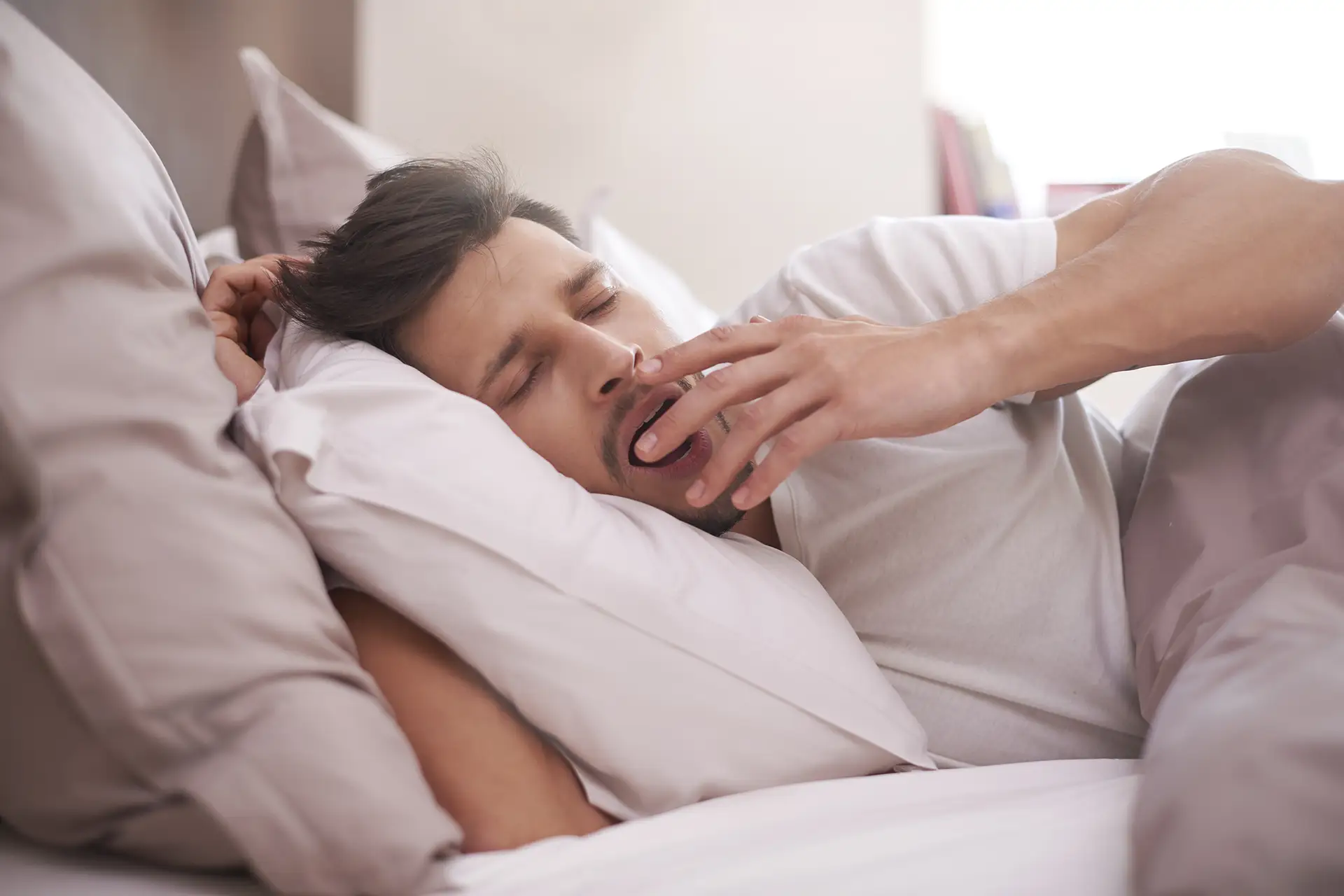
Whether it’s short sleep, disrupted sleep, an inability to fall asleep, or an inability to stay asleep, they all contribute to reduced attention span, impaired judgment, and sloppy thinking. And, whether the reasons are deliberate (cutting sleep short due to schedules) or not (sleep apnea, insomnia), the result is the same: your cognitive performance drops.
This is where sleep apnea becomes particularly insidious. You can think you’ve had a ‘full night’ sleep because you were in bed for eight hours, but if your breathing is stopping and starting and your brain is constantly being yanked toward wakefulness to keep you alive, your sleep architecture gets shredded. You wake up technically alive (good), but neurologically undercooked.
4. Hormonal harmony
The endocrine system, operating from the command center in the hypothalamus, is intimately connected to sleep. Hormones like cortisol, associated with stress, follow a circadian rhythm influenced by sleep-wake cycles. Adequate sleep supports well-regulated cortisol levels, allowing for a more measured response to stressful situations.
Sleep deprivation disrupts this hormonal harmony. Elevated cortisol levels, coupled with imbalances in hormones involved in appetite and blood sugar regulation, create a physiological environment ripe for suboptimal decision-making.
This matters because decision-making is not purely ‘mind over matter’. It’s biology over bravado. If your neurochemistry is off, your choices will reflect it—whether you notice or not.

5. Neural plasticity and adaptation
Sleep plays a pivotal role in maintaining neural plasticity, the brain’s ability to adapt and reorganize itself. During sleep, the brain undergoes synaptic pruning, eliminating redundant connections and strengthening relevant pathways. This adaptability is crucial for learning from experience and adjusting decision-making strategies accordingly.
In the absence of sufficient sleep, plasticity is compromised. The brain struggles to adapt to new information, decision-making becomes rigid, and we keep making the same mistakes or poor choices time after time. It’s not always because we’re stubborn. Sometimes it’s because we’re exhausted.
So what do we do about it?
Some causes of poor sleep can be treated directly: CPAP machines for sleep apnea (from personal experience: life-changing), improved sleep hygiene, and even Cognitive Behavioral Therapy for insomnia. The bottom line is this: although you may not be able to change everything immediately, the onus is on you to make the changes in the short to medium term, because no one else will do it for you.
I need to point out that sleep apnea may not be compatible with deployability in some militaries, so check what applies to you. In the Australian civil flying environment, I need to use the CPAP for five hours per night, six nights per week, including in the sleep prior to flight. That’s fine by me; the CPAP machine is my new best friend. It goes everywhere with me. And whilst it ain’t the sexiest of things to have in the bedroom, the choice between waking up from a fully oxygenated night’s sleep compared to not having it just isn’t an option anymore.
The bottom line
Sleep is great for combating fatigue, but despite what your FRMS says, for you individually, that’s not the main game in town. Sleep shapes your health, your mood, your physiology, your resilience, and the quality of the decisions you make when it counts.
From the consolidation of memories and emotional regulation to the optimization of cognitive functions and hormonal balance, every facet of sleep contributes to our decision-making ability. The nocturnal journey into the world of dreams isn’t passive downtime. It’s maintenance. It’s calibration. It’s the backstage crew that makes the next day’s performance possible.
If you’re going to make just one change to improve your health and wellbeing, make it sleep. Get eight hours of shut-eye a night, treat what needs treating, and give your brain the oxygen and restoration it requires—so you can make quality, rational decisions that ultimately lead to a better, longer life.