 HOME
HOME





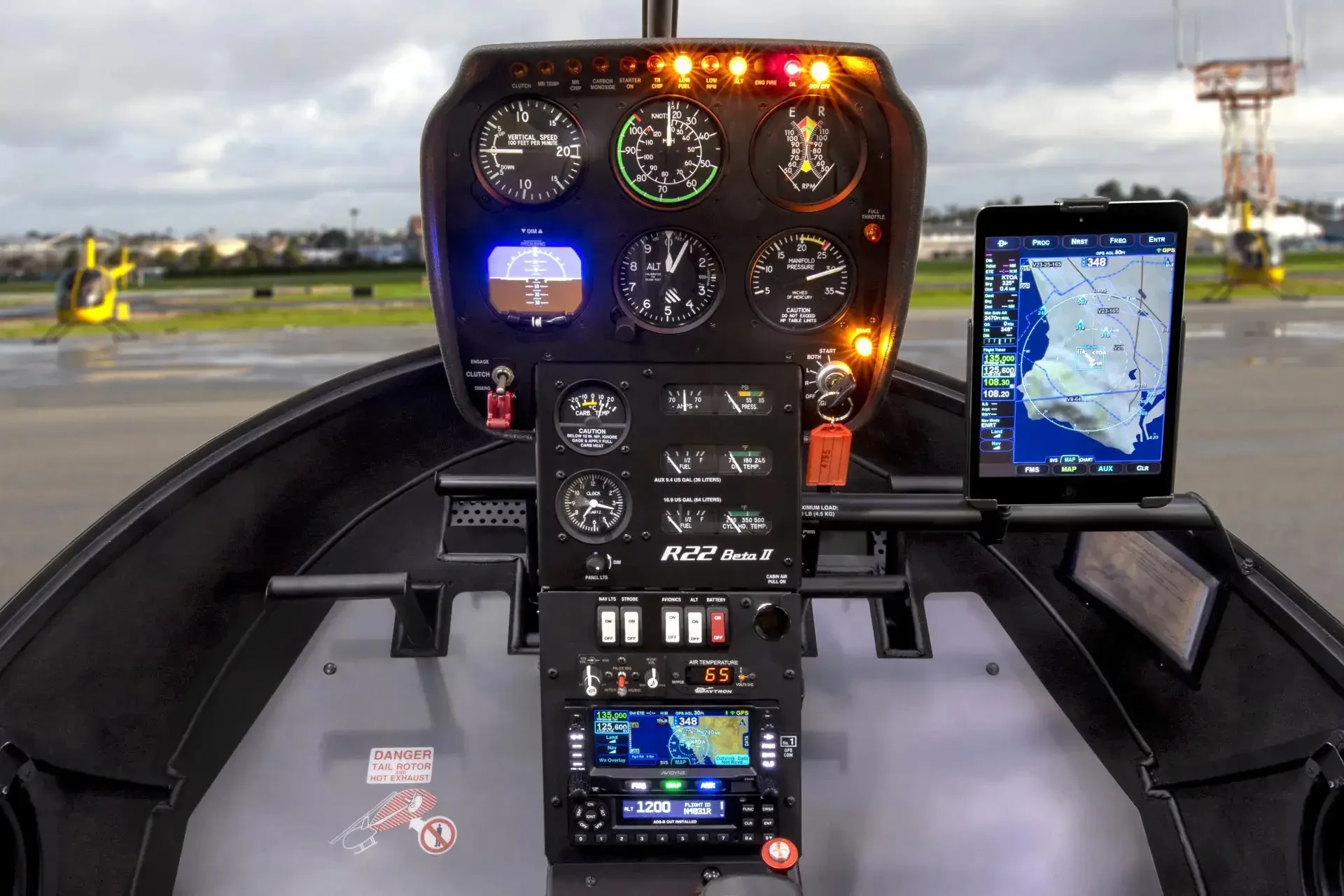
A PED has been fingered as the culprit in the Rotak Chinook accident that happened last year, Paul Kennard looks at how PEDs should be treated in the cockpit.
Loss of a Chinook
Like many current and former Chinook pilots, the loss of N388RA, a surplus US Army CH-47D operated by Rotak Helicopter Services, on the 21st of July 2022, led to no small amounts of analysis, and no little confusion. Through the Chinook diaspora, I was sent a video clip of the tragedy fairly quickly after the accident, and as the imagery permeated through the broader helicopter community, I found myself being contacted by any number of people asking my opinion as to the likely cause. Those that know me will tell you that I'm extremely cautious of making any form of judgement regarding an accident in the immediate aftermath; for example, I refused to go on The Weather Channel in the US after the crash of Kobe Bryant's helicopter. As I was in LA attending HAI Heli Expo at the time and could barely see a couple of hundred yards out of my hotel window, it was likely that poor weather had played a part in the accident. Likely, yes, but at that stage not definitive. As the NTSB went about their business, it became more and more certain that weather was a significant factor in the accident chain, but the day of the crash was manifestly not the time to speculate out of respect for the pilot and passengers, not to mention the operating company. Importantly, idle speculation can enter the factual narrative with eyewitness testimony potentially being contaminated by it.
The accident that cost Kobe Bryant, his fellow passengers, and the pilot their lives echoed in many ways with the loss of a UK CH-47 in
1994, which had apparently flown at high speed into a hillside in poor weather. Despite the RAF's formal Board of Inquiry (correctly)
assessing that the cause was 'Not Positively Determined' due to the lack of Cockpit Voice Recorder (CVR) and Flight Data Recorder (FDR)
evidence, there was an unseemly rush by Senior Officers to blame the pilots for negligence (which neatly obscured some poor decision making
on their part...). It took over 20 years for the families of the crew to extract from the military an acceptance that there were many
possible technical failures that could have been the primary cause of the accident. Two decades where the families felt that
their deceased loved ones had, somehow, been instrumental in their own demise and the deaths of over twenty others.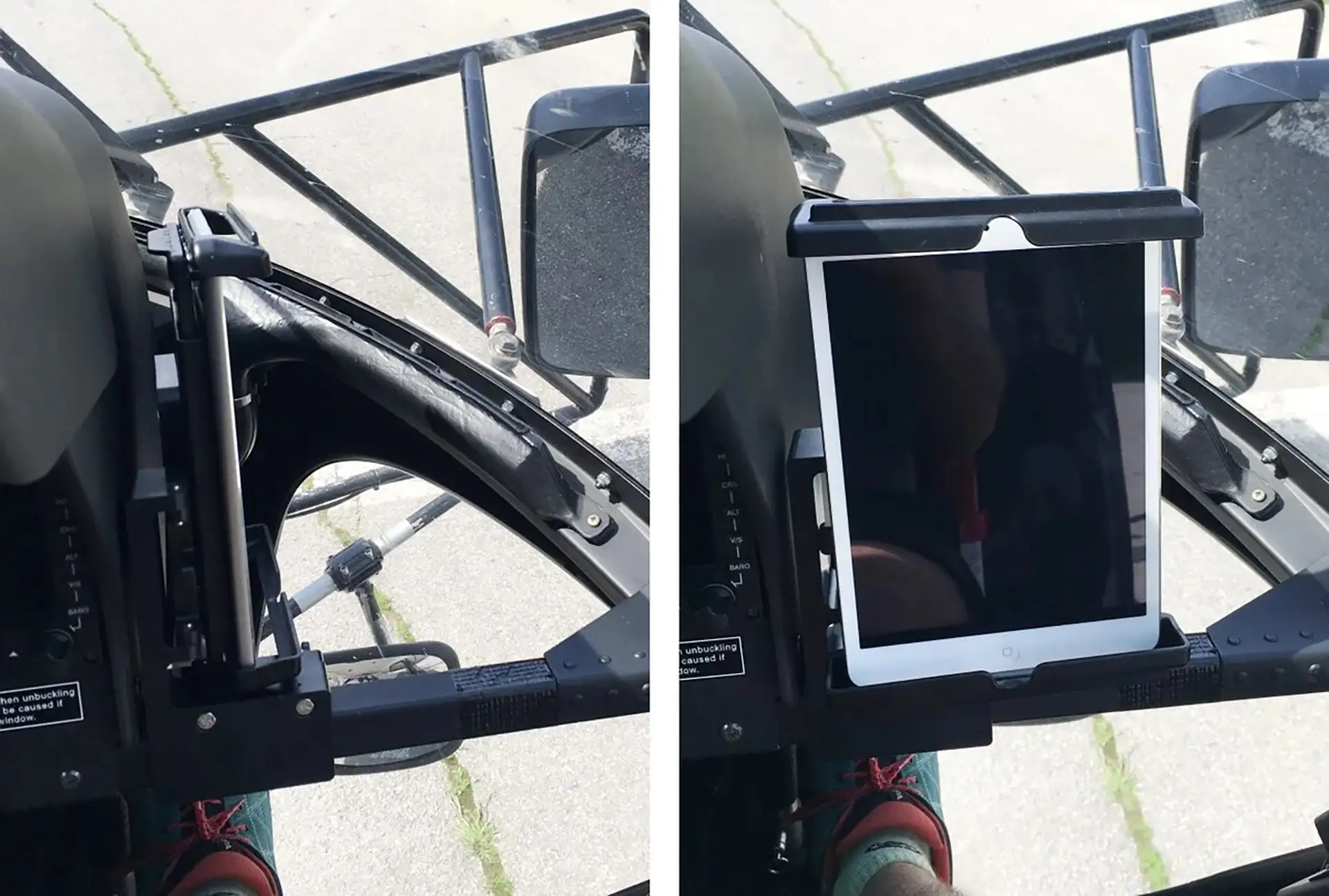
Therefore, I refused to comment on the Rotak crash.
Control Malfunction?
To me, it simply didn't add up; the pilots were experienced Chinook operators and the aircraft appeared to be flying normally on the approach, and as it was in the process of manoeuvring for the 'dip', it was likely at a light weight - therefore with a large reserve of excess power available. The wind did not appear to be excessive, and the terrain not significantly confining, so I considered that strong or gusting wind was unlikely to be a factor - especially given the power likely available. The aircraft was being flown positively, but in the video, not aggressively; I've flown the Chinook very aggressively while conducting air combat and Electronic Warfare training, and the manoeuvre being flown was well inside the aircraft's broad operating limits, even with a sling load.
The more I reran the video, the more I became convinced that it was likely some form of 'control closet', or control actuator / rotor head jack issue. The Chinook has a complex flight control system which 'tricks' the pilot into thinking they are flying a conventional helicopter by overcoming many of the esoteric Tandem Rotor design's aerodynamic properties. Ex-Hookers are now wistfully recalling 'positive stick gradient' and 'differential collective pitch' amongst a plethora of terms unique to the aircraft. The bottom line is that the flight control runs, boosted by hydraulic power, control the aircraft via a mixing unit, Control Actuators and AFCS/DAFCS inputs. Much of this 'witchcraft' happens in the Control Closet, which sits on the left-hand side of the companionway into the cockpit, broadly where the jump seat is located. Indeed, we would routinely brief occupants of the jump seat not to lean to the left in case they inadvertently put pressure on the control runs. There had been incidents and accidents over the years attributed to issues in 'the closet'. These included 'DASH (Digital Air Speed Hold) runaways, where the worm gear inside the DASH, designed to produce the positive stick gradient, rapidly went full deflection, causing a steep dive angle that was irrecoverable if at low altitude and speed - and a malfunction we practised in the simulator. Some in the Chinook community considered that a debonding or detachment of the Yaw/Thrust control pallet might have been responsible - ie a yaw input applied but not able to be taken off due to mechanical jam or failure. In 1998 a US Army Chinook completed a full barrel roll due to an Uncommanded AFCS input. As a result of this, and other incidents, UK Chinook crews (at least) had a formal Undemanded Flight Control Movement (UFCM) reporting policy, where any unintended control movement or input was to be reported. The introduction of the 'fat tank' HC.3 aircraft in the UK also exposed phenomena such as 'Roll/Pitch Divergence' (RPD) - Chinook crews had grown accustomed to their steeds occasionally behaving erratically, and I certainly filed several UFCM reports over my time flying it.
Somewhat closer to the Rotak tragedy, in both geography and outcome, was the loss of a Columbia Helicopter BV-234 (a civil
manufactured/certified Chinook) in 1997 during heli-logging operations in Canada. The Canadian Authorities investigated the accident
and concluded that the cause was a sudden loss yaw control due a broken switch in one of the AFCS computers sending an undemanded and rapid
'extension signal' which burst a Lower Boost Actuator (LBA) causing it to impact the Yaw connecting link. The Yaw link buckled and
broke in the 'closet', robbing the crew of any yaw control. Without yaw control, the crew were assessed to have become disorientated
and therefore unable to prevent the aircraft impacting terrain.
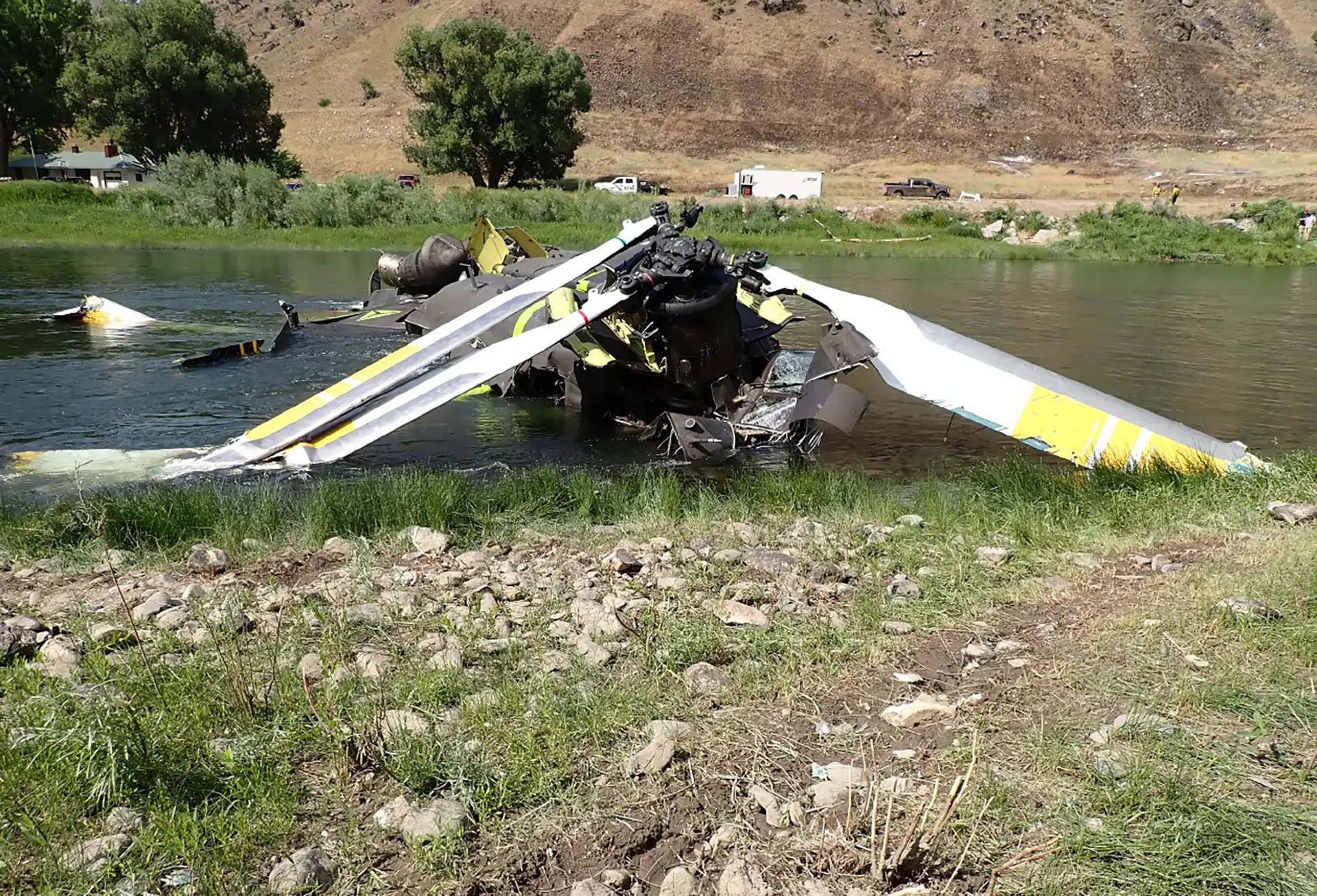
Therefore, it's clear that the Chinook has plenty of 'previous' in terms of flight control issues, and, in the case of the Columbia BV-234,
had already suffered a somewhat similar accident profile to the Salmon River crash. Interestingly though, the BV-234 accident cause
was assessed by both Boeing as OEM and Columbia to be extremely unlikely to recur (probability of 10-9) so no AD or
recertification work was deemed necessary. In the aftermath of the Salmon River crash I had a thought. Had the same accident
happened again, significantly inside the 10-9 estimation?
No Grounding Order
As is the norm these days, there was lots of speculation on Social Media sites, and plenty of truly expert opinions were expressed on internet sites such as Pprune by highly experienced Chinook aviators I knew personally. I maintained a 'listening watch' on the usual channels to see when the NTSB or Boeing issued the inevitable temporary grounding order, with accompanying Urgent Technical Instruction to inspect suspected systems - likely leading to some form of Airworthiness Directive in due course. There would, of course, also then be the inevitable shrill calls from those critical of the operation of ex-military aircraft by civil organisations, and highly resistant to any attempt to expand their use.
But none came.
That left only three realistic options; catastrophic pilot error or mishandling, pilot medical incapacitation, or some, yet unknown, external factor - but one that was so obvious to the NTSB investigators that there was no perceived need to consider issuing a fleet grounding order in the immediate aftermath of the accident.
The Culprit
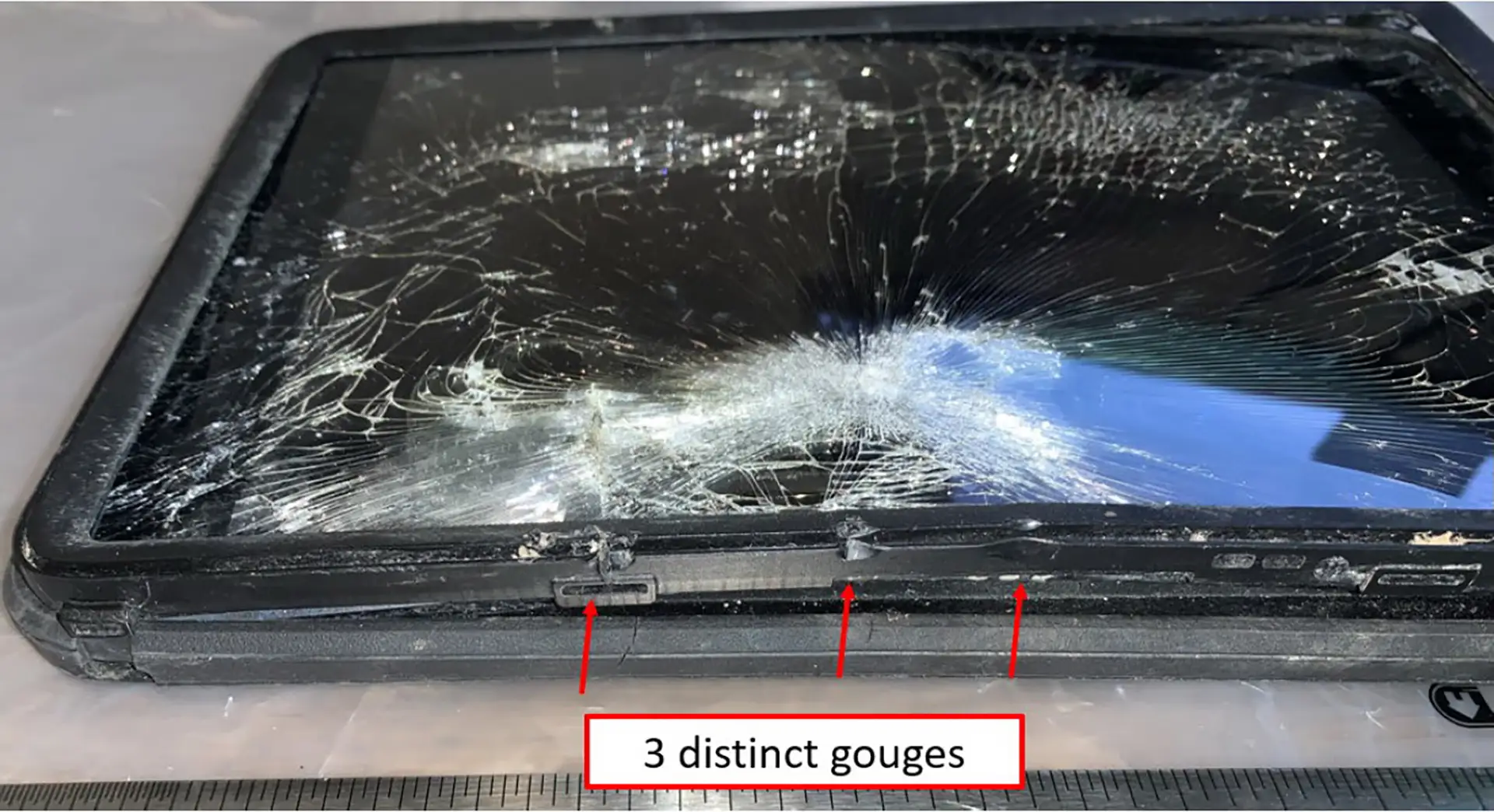
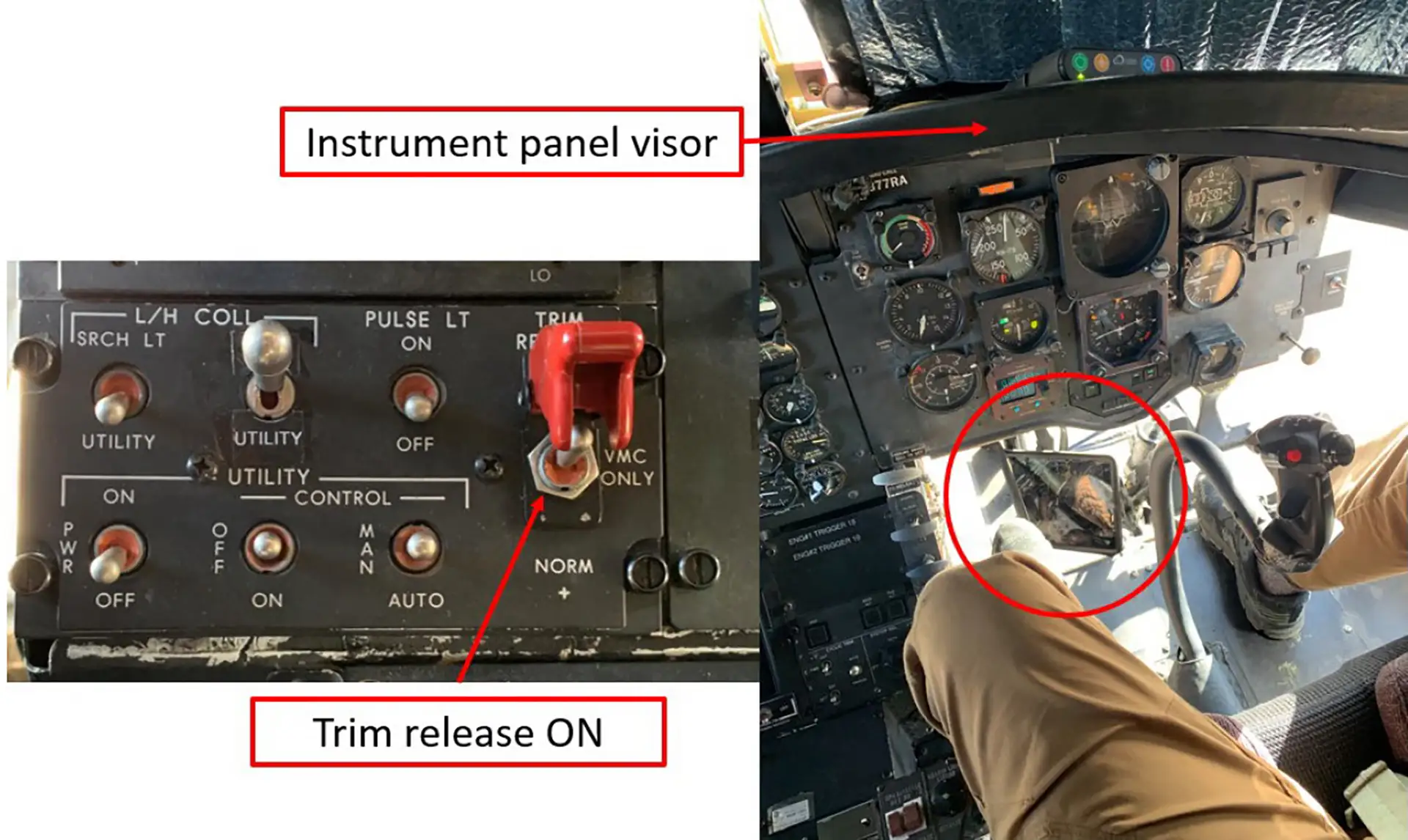
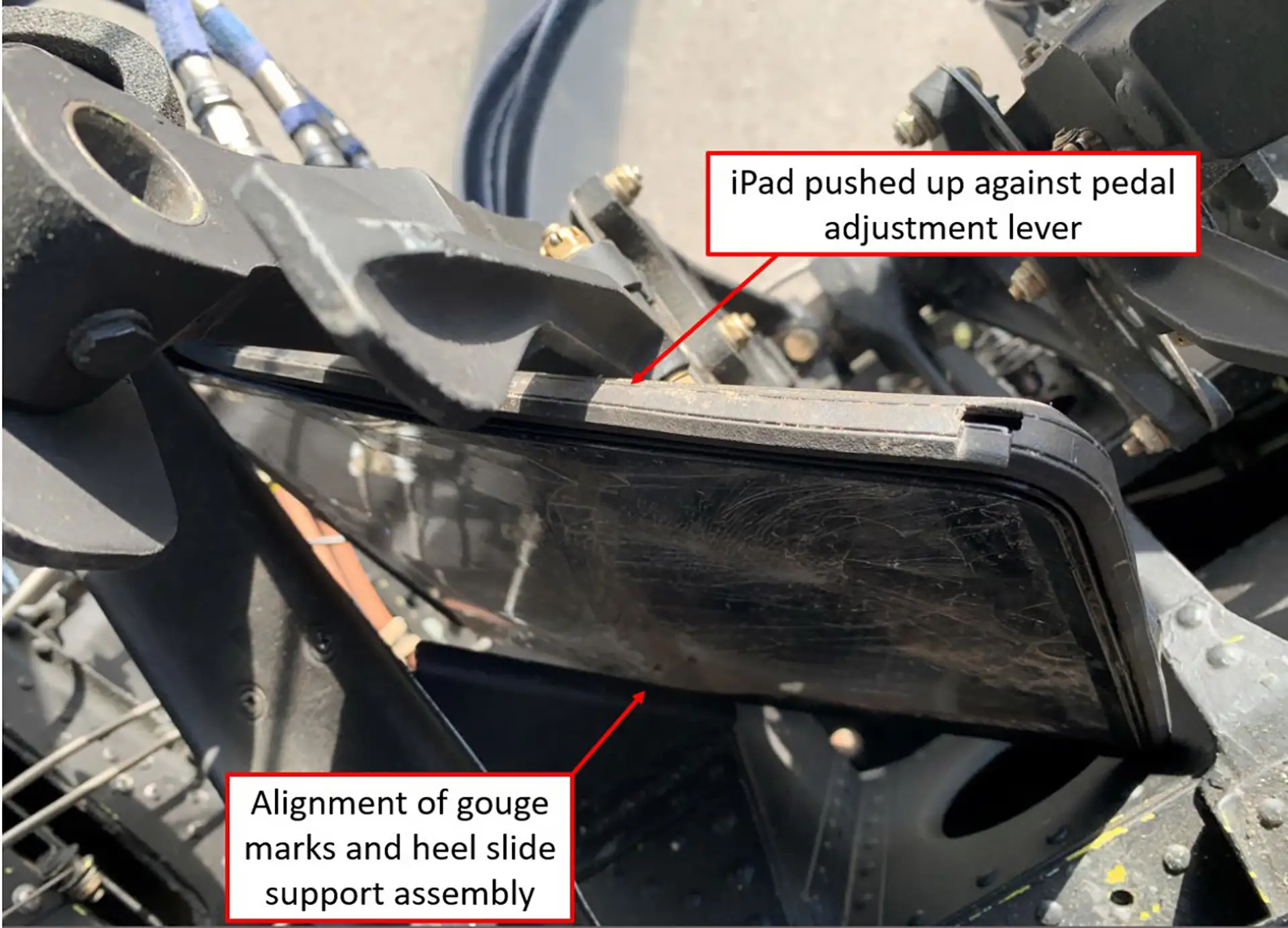
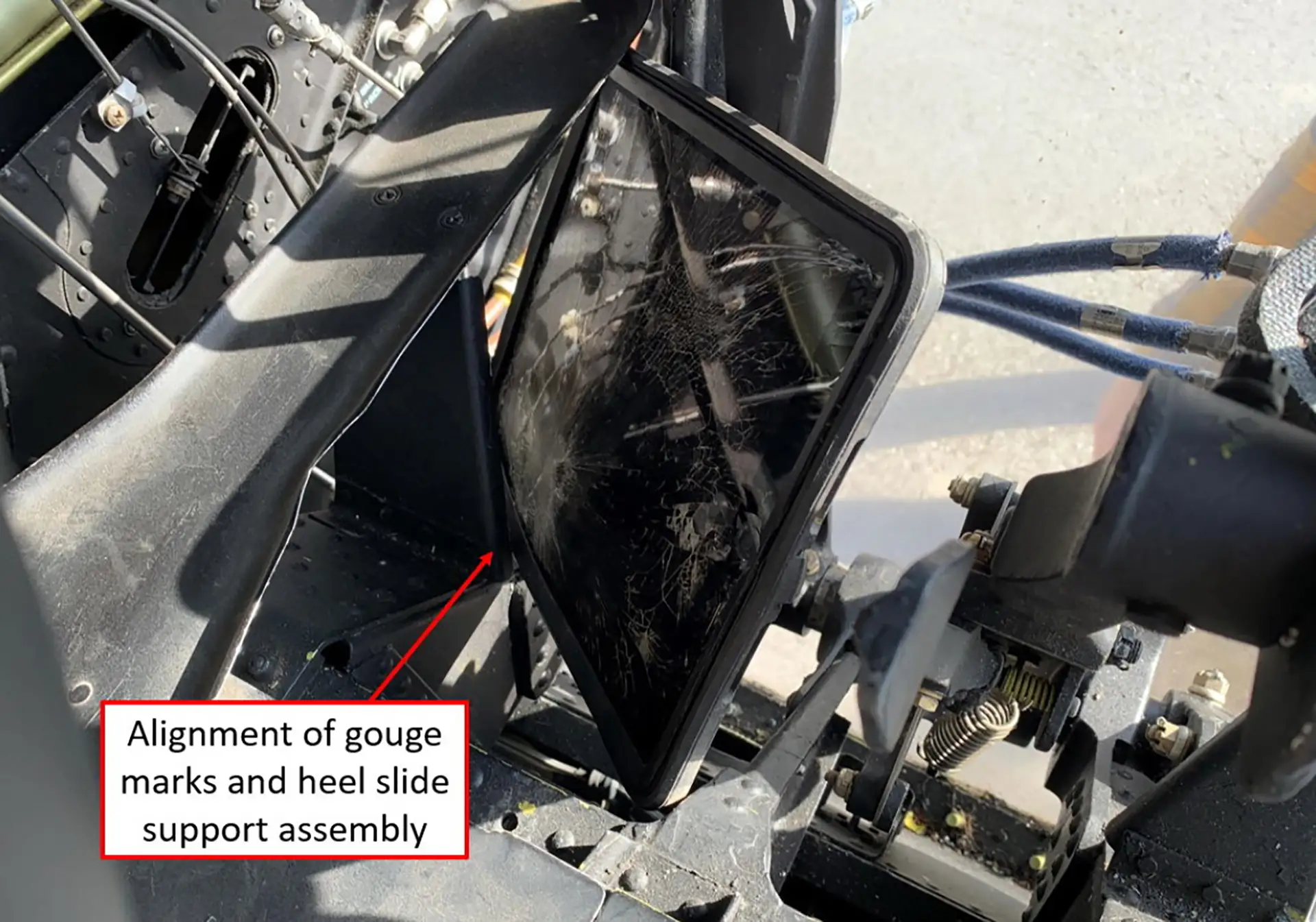
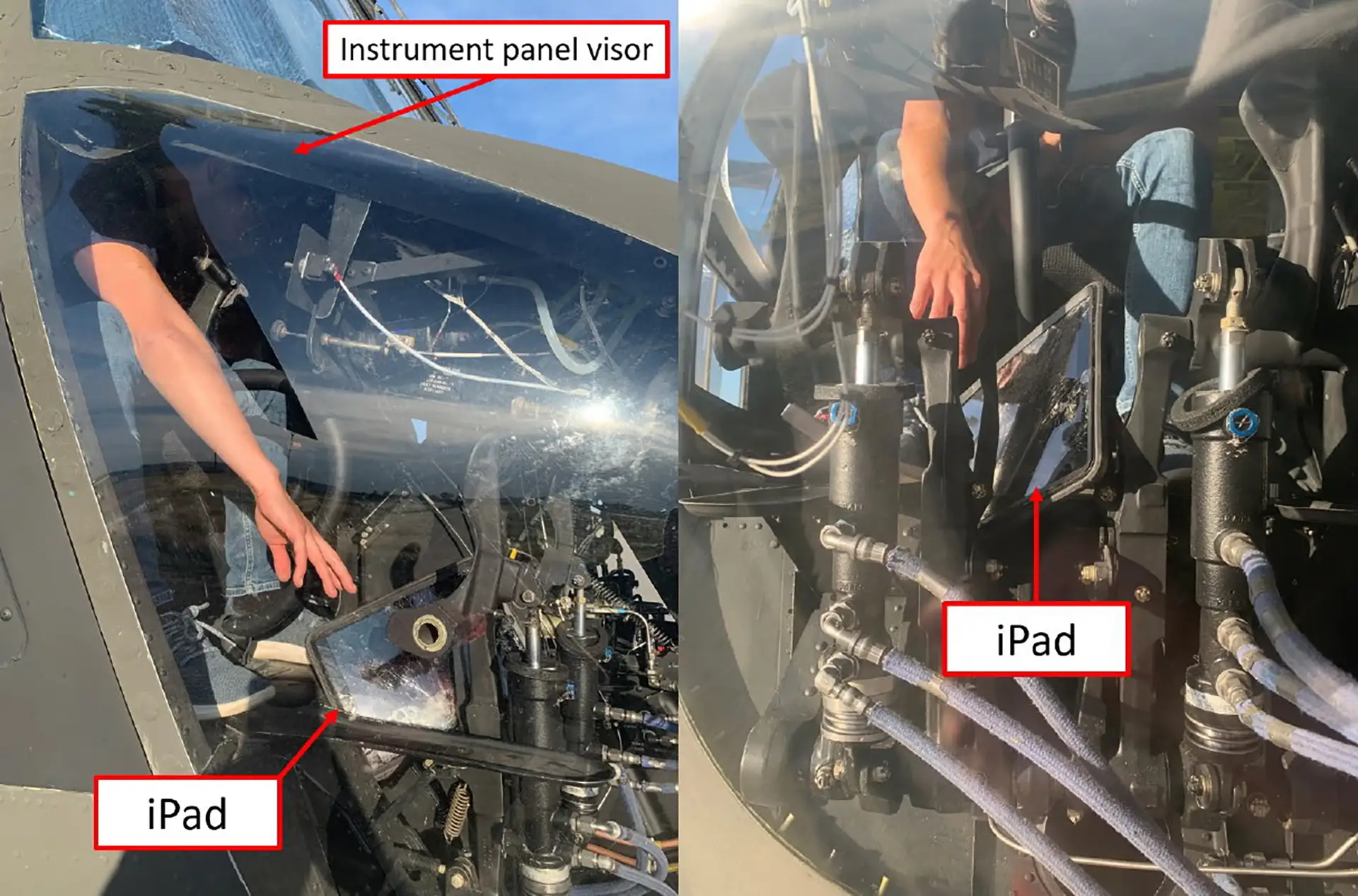
The recent release of the NTSB 'Public Docket' on the crash explains why no grounding was issued. It is clear from the wreckage that the aircraft hit the water with full pedal deflection, but not as a result of AFCS nor control failure, but due to the presence of an iPad which had become lodged in the footwell of the right hand seat pilot's position, and not only jammed the pedal, but also impinged upon the pedal adjustment lever - making the situation worse by impacting the pilots' ability to centralise the pedals or 'push through' the restriction. The iPad was recovered close to the wreckage and witness marks upon the tablet and the protective case align exactly with the configuration of the cockpit structure and pedal assembly - as demonstrated in the investigation by the NTSB using a CH-47 made available by Columbia Helicopters. The accident sequence appears that, for whatever reason, the iPad was dropped and became lodged as left pedal was being applied, preventing counter pedal from being applied, while attempts to remove it caused the adjustment lever to activate and make the situation worse.
Tests by the NTSB show that the location of the iPad was outside the functional reach of either pilot, and that the cockpit visor would have further hindered the pilot from leaning forward as his helmet would hit it before he was able to pivot enough to get his hand to the tablet to retrieve it - which, judging by the witness marks, may well have proven impossible in any case. The crew found themselves in an increasingly rapid rotation, which would, in turn, lead to increasing disorientation, and were unable to clear the obstruction either by removing it with their hands or kicking/breaking it with their feet. The frantic attempts to lean forward and clear the obstruction may also have led to the crew impacting the collective position - causing the rapid descent.
I know how hard it is to reach items in the Chinook cockpit. In 1999 as UK forces entered Kosovo as part of the NATO mission, I dropped a sheet of Secret Crypto information in the cockpit. After the sortie I unstrapped and tried to reach it, including going headfirst over the seat into the footwell, but we ended up having to remove the chin window to retrieve it. The bio-mechanics of retrieving the iPad were assuredly not in the crew's favour.
Not a New Issue
Flight Control Obstruction is nothing new in aviation. From day one as a military aviator, the importance of Loose Article Checks was
drilled into you. My survival knife, my torch and even my China graph pencil were all connected to my flying suit by some sort of lanyard -
preventing them from straying too far away if dropped and able to be swiftly recovered. Prior to stalling, spinning or aerobatics,
aviators are taught to conduct a loose article check in their cockpit (included in the 'S' of 'HASELL') to make sure maps, checklists or
manuals are properly stowed and that jacket and suit pockets are securely fastened.
Paper-based items such as maps, checklists and TAP charts have long been a staple of aircraft and helicopter cockpits. We have needed
them to navigate and to safely operate our platforms in both routine and emergency situations. The advent of tablet-based technology
has proven to be aerospace catnip; items that were bulky and heavy, such as Operating Data Manuals (ODMs), Standard Operating Procedures
(SOPs) and company Ops Manuals could suddenly be combined into one device. Throw in charts, maps and TAPs, as well as the promise of
weather and NOTAM updates via data networks (when on the ground at least...) and it is unsurprising that operators the world over have been
attracted to them due to wight and cost savings if nothing else. In the most basic tablet application, weight and balance, Centre of
Gravity and Aircraft Performance calculations that often took crews time to calculate (and then, only to the accuracy of the thickness of a
pencil lead - assuming you'd plucked the right OAT/Altitude/Weight chart out of the ODM in the first place...) could now be conducted
instantly with a high degree of confidence. Operators of legacy analogue cockpits could suddenly provide moving map and other
navigational information at a drastically lower price point than paying for an STC approved digital cockpit upgrade. In other use
cases, tablets could deliver obstruction data overlays, or provide Mid Air Collision Avoidance to crews by displaying ADS-B, TCAS or
server-based Situational Awareness (SA).
Stowage
Tablets seemed to be the solution to a multitude of problems.
But are they?
There's no doubt that tablet use has revolutionised aviation across the whole spectrum of activity. Even the lightest of aircraft can bear the weight burden of a large smartphone or small tablet, bringing a level of SA previously unheard of. But with such information comes problems. If nothing else, attractive and detail rich displays can be compelling - crews may find themselves seduced into spending more time gazing at, or interacting with, their tablet displays. Every second spent 'thumb-crawling' up your tablet map is a second that you're not looking out the window for hazards, scanning the instruments, or monitoring the aircraft's systems.
More pertinent to this article is the matter of stowage and SOPs.
When I helped to deliver the Project JULIUS partial digital cockpit upgrade to the UK Chinook Fleet, part of the kit list included a handheld Mission Management System (MMS) tablet. There were two tablets in the aircraft, one mounted in the heater compartment at Sta 120 behind the cockpit for the rearcrew to access and update navigation information, and one in the cockpit. In the Human Machine Interface (HMI) / Human Factors (HF) Working Groups I was struck by how much time and effort the HF professionals spent on getting the installation of each tablet 'correct' and in drafting SOPs for their employment. It was absolutely non-negotiable that the tablets should both be tethered at all times in flight and have crash worthy secure stowage. Tethering served three main purposes; firstly, to enable a dropped tablet to be retrieved to prevent interference with flight controls, and secondly to stop a valuable and detail rich device falling out of the aircraft, potentially into the hands of the opposition. The tether also provided power to keep the tablets charged so that when, on the ground only, you wished to disconnect a tablet for off-board mission planning and update they were fully powered. SOPs were drafted and approved to restrict the use of the tablets in critical phases of flight, and to dictate at what times they should be securely stowed to prevent them being an injury hazard in the event of a harsh manoeuvre or heavy landing. In other words, we took a very similar approach to the tablets as we would have taken to integrating any other piece of new equipment into the cockpit. There was no 'short cut'.
Application based services were just becoming 'a thing' when I stopped flying on a regular basis. However, to exploit the new technology in a safe way, I purchased a kneeboard which had secure iPad Mini integration built in alongside a notepad for scribbling down ATC instructions etc. Simple, safe, cheap, and effective. I could run flight planning and navigation software on it, and I also used it to capture Flight Trials data. Every new platform I flew in with it, I conducted a standard 'full and free' check, as per a conventional kneeboard, to ensure that there was no restriction on control deflection. The amount of 'bodge tape' on it shows how well it was used. It remains a 'good piece of kit'.
Sadly, something clearly went very wrong in the Salmon River Chinook accident. We'll doubtless have to wait for the formal accident report to better understand the circumstances around how the iPad came to be dropped (potentially via a Cockpit Voice Recorder transcript), and whether SOPs were drafted to support tablet use on the aircraft. Looking at the photographs in the NTSB docket, the iPad appears to be contained in some form of ruggedised case for protection from damage. Ironically, this extra size caused by the additional protection may have been partially responsible for the jam occurring and in preventing a 'forced release' by maintaining the integrity of the device as pressure was applied through the pedals.
Until that Final Report is issued, the key take away is that tablets can be an enormous enhancement to SA and flight planning, but, in my opinion, they are manifestly not exempt from the rigorous application of HMI, HF and CRM considerations and principles. Understand how they interact in your cockpit environment, ensure that stowage or mounting is adequate for the task at hand, consider having some form of tether and, crucially, lay down some 'dos and don’ts' regarding how and when they are used at differing phases of flight.
The final NTSB report may well highlight that the crew were doing all the above and just got tragically unlucky on the day - sometimes in aviation it just happens that way. Regardless, it's probably a sensible idea for all companies (and, indeed, individuals) who routinely use tablets in cockpits to review this incident carefully and consider how their integration, CRM and SOPs stack up. Next time you strap in, take 30 seconds to consider 'what if' you dropped your tablet in normal use; where would it go, what systems might it interact with, what controls might it foul or jam? What could you do about it, if anything? As with much in aviation, sometimes a little bit of time thinking about the 'unlikely' might just help you mitigate the outcome if it happens to you.....