 HOME
HOME





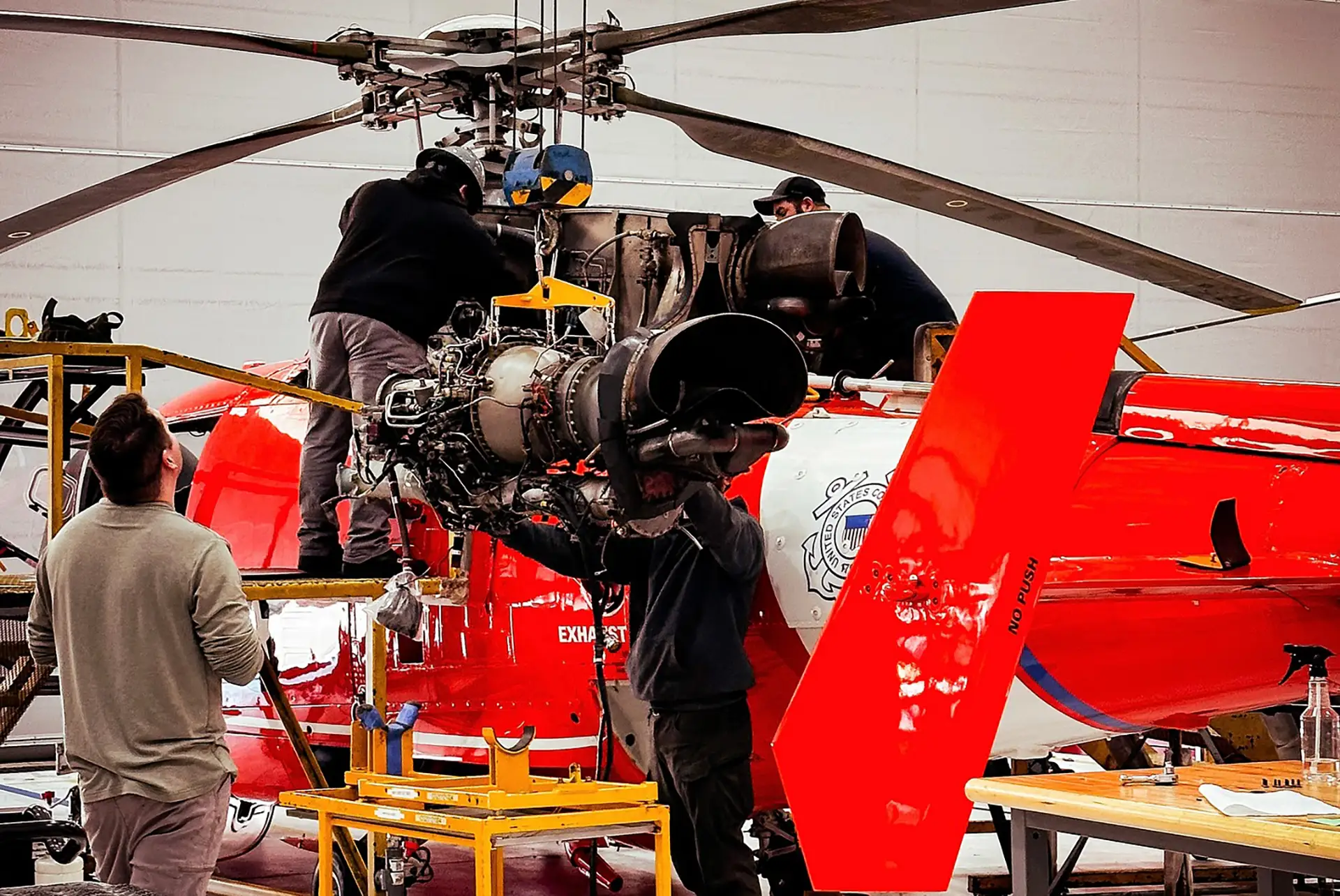
Technology is now advancing faster than the systems built to control it, and aviation maintenance finds itself standing at a crossroads. For decades, the trade has relied on experience, instinct, and reaction to keep aircraft flying. That approach built remarkable capability, but it also defined our limits. Readiness can no longer be judged by how quickly a team responds when something breaks. The next era will be shaped by cognition, by machines and people learning, adapting, and reasoning side by side in real time. The following concept, known as the “cognitive hangar,” imagines a future in which artificial intelligence strengthens human judgment, enhances reliability, and reshapes how aviation defines success.
A New Lens on Readiness
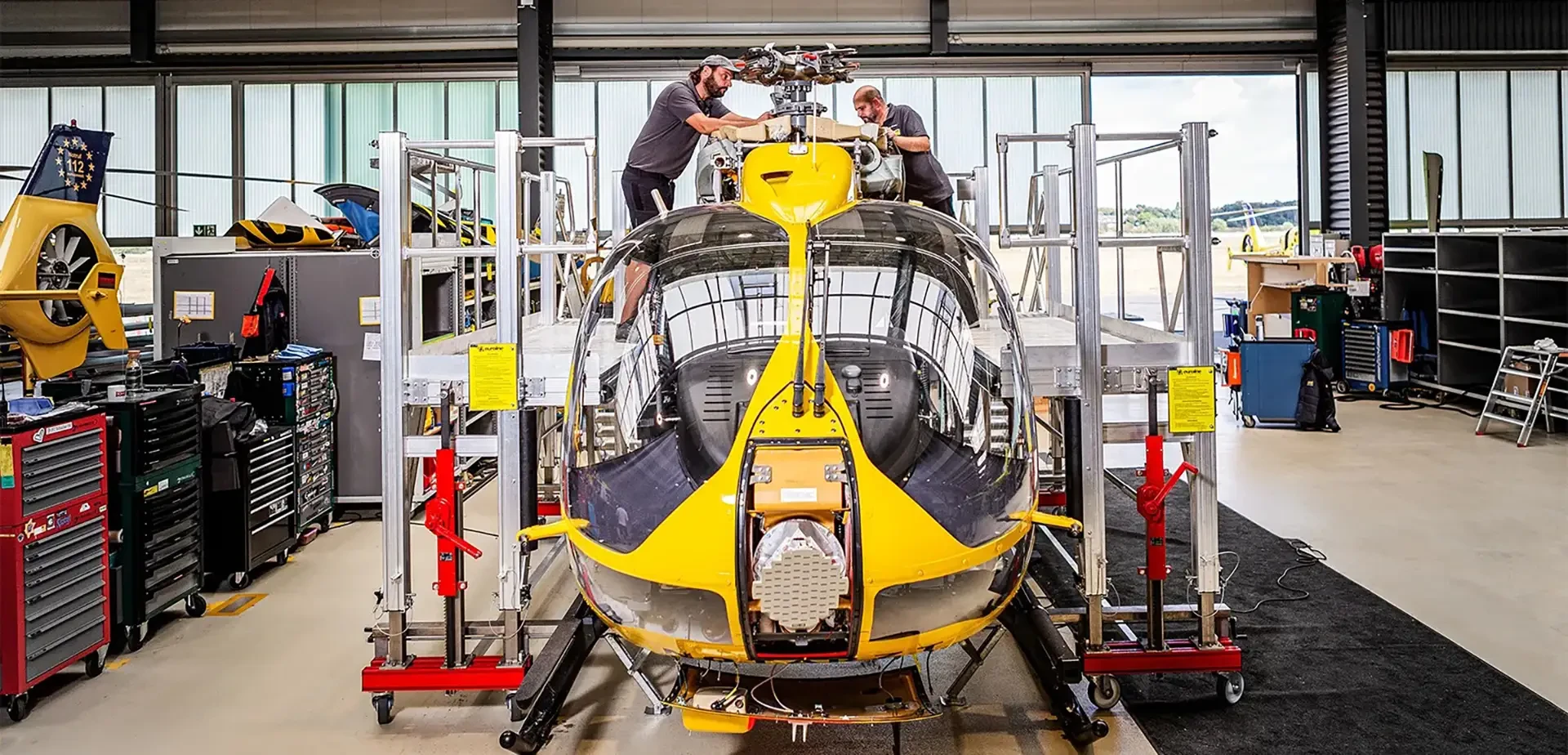
For most of aviation’s history, readiness has been defined by how quickly a crew can respond when something goes wrong. A component fails, and someone repairs it. A pattern emerges; the system investigates and records it for next time. Over the years, aircraft have become tougher, diagnostics sharper, and maintenance processes cleaner, yet the underlying logic has barely shifted. Reliability-Centered Maintenance gave the enterprise its structure, teaching maintainers to think in terms of function and consequence rather than simply replacing parts. Later, Condition-Based Maintenance Plus built on that idea, using data to add probability and timing to the equation. Together, they pushed maintenance forward, but both still started from the same assumption: that failure must occur before learning truly begins. That’s not foresight; it’s reflection, and reflection alone will not carry aviation through the century ahead. The next shift must be cognitive.
Inside the Cognitive Hangar
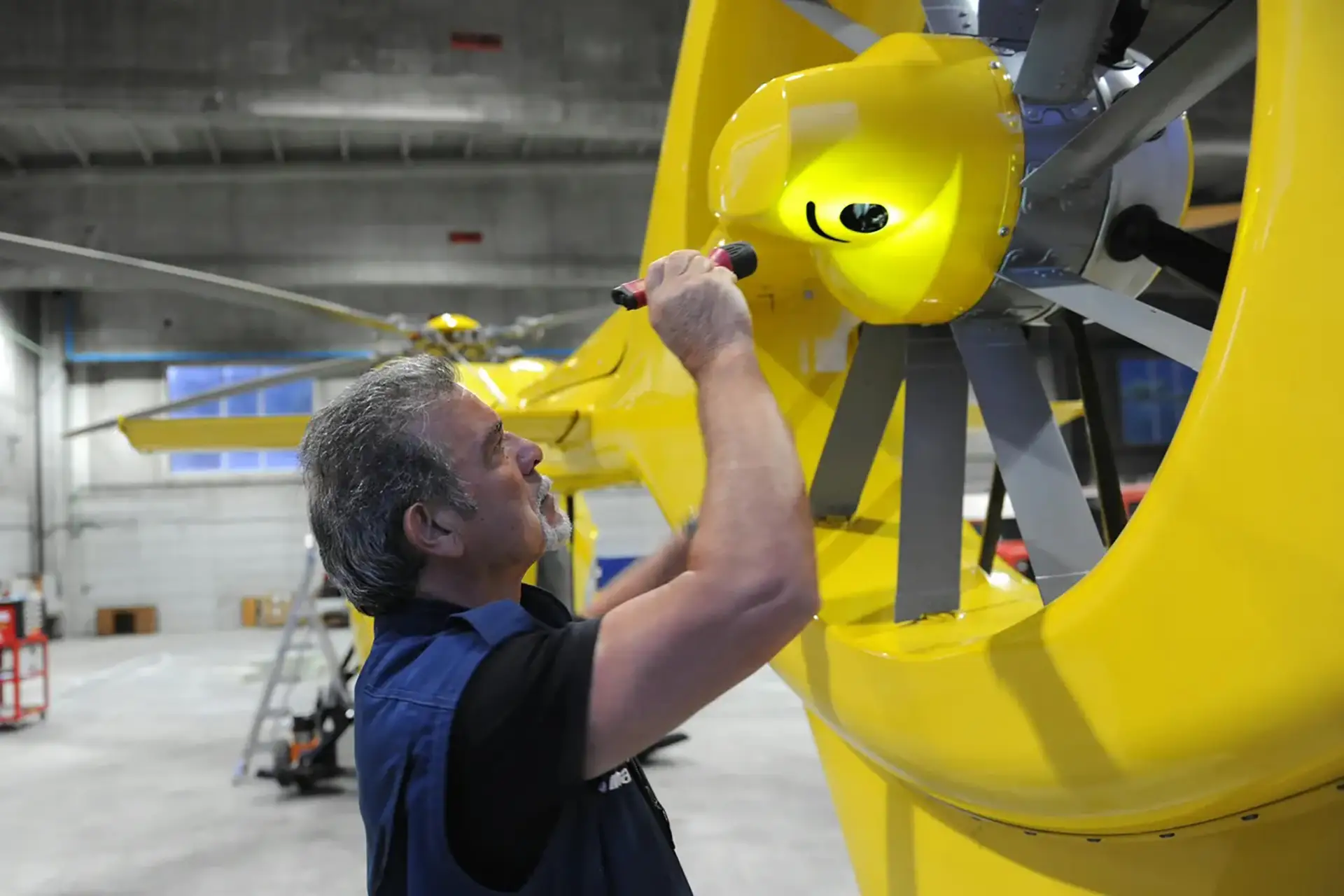
Imagine the hangar at 2:00 am. The flight line is quiet. Toolboxes are closed, the air is cool, and the lights are dimmed to red. Most of the crew is home, but the system isn’t asleep. Flight data, weather reports, and maintenance notes flow through a learning network that never stops. It compares yesterday’s missions with tomorrow’s schedule. It studies vibration patterns, humidity, part fatigue, and resource load. It builds a plan that is both efficient and realistic. By first light, the maintenance team arrives to find order where there once was chaos. Aircraft are aligned with the day’s objectives, tasks are organized by impact, not convenience, and supply chains have already adjusted to meet the plan. This is not automation replacing people. It is computation supporting reasoning. The system handles the noise so that maintainers can handle the truth.
Beyond Reaction
Aviation has spent a century rewarding speed. The fastest fix often won the day, even if the lesson was lost in the rush. CBM+ gave the field a glimpse of foresight. It taught the industry to predict failure before it occurred. Yet prediction is still a by-product of history. It cannot read intent, context, or culture. It cannot sense that a technician is overworked or that a deadline will shift maintenance priorities. A cognitive system changes that equation. It merges data, reasoning, and learning into one loop. The information doesn’t wait to be reviewed; it explains itself as conditions evolve. Maintenance becomes an adaptive process rather than a calendar event. The result is not a faster machine: it’s a smarter one.
The Role of LYRA™
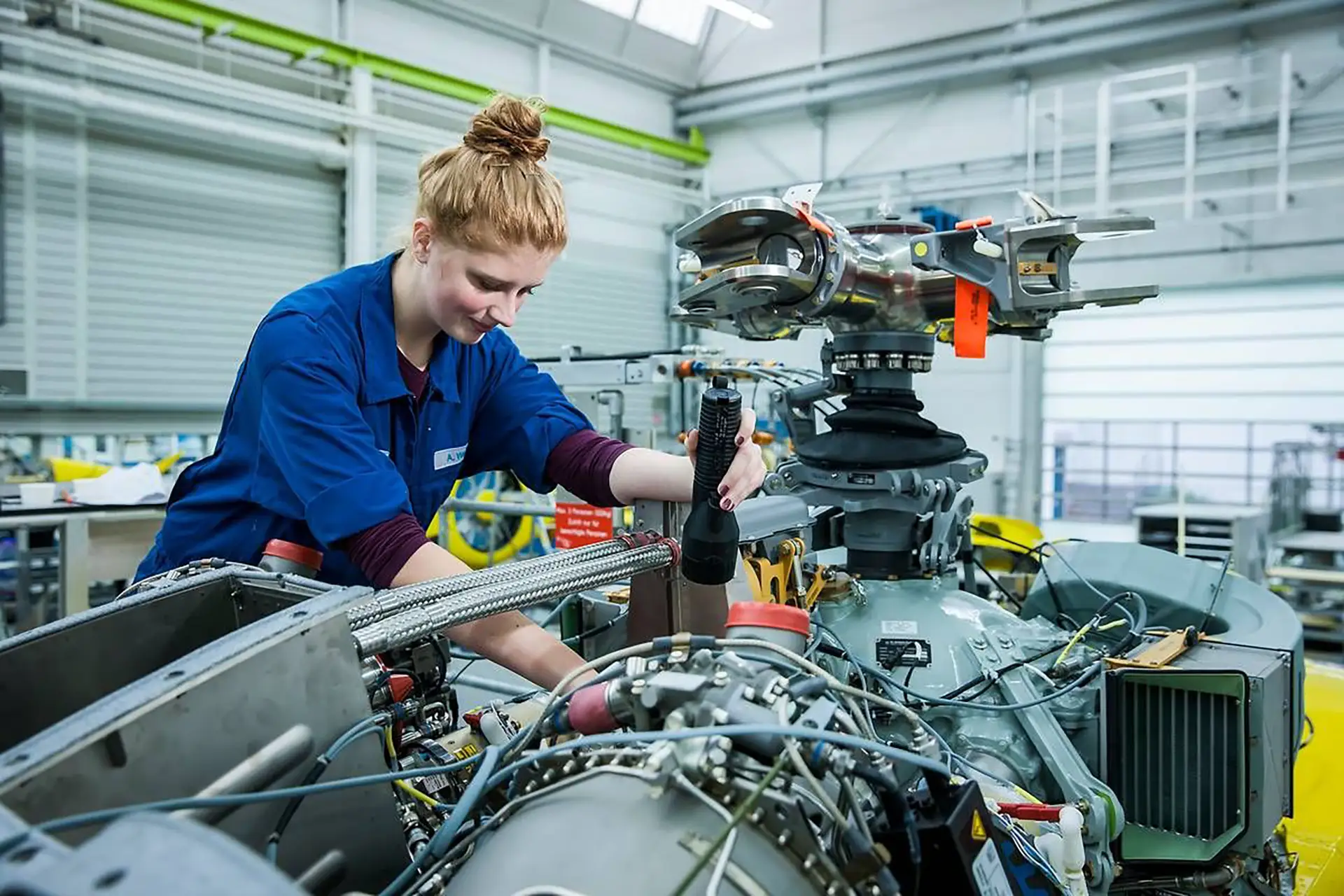
At the center of this imagined environment is a learning framework called LYRA™ (Learning Yield and Reliability Architecture). LYRA™ exists as a continuous learner, interpreting operations, maintenance, and logistics inputs while most of the organization rests. She monitors trends, calculates probability, and generates plans before the next shift begins. By the time the first crew walks in, LYRA™ has already reconciled what needs to fly, what needs attention, and what parts are in motion. But she does not hand over a list of orders. Instead, she offers a set of questions. Why did this fault appear under these conditions? What pattern connects these systems? Which course of action restores readiness with the least disruption? LYRA™ teaches through curiosity. Her purpose is not to remove the human from the process but to help the human think more effectively within it.
Redefining the Maintainer
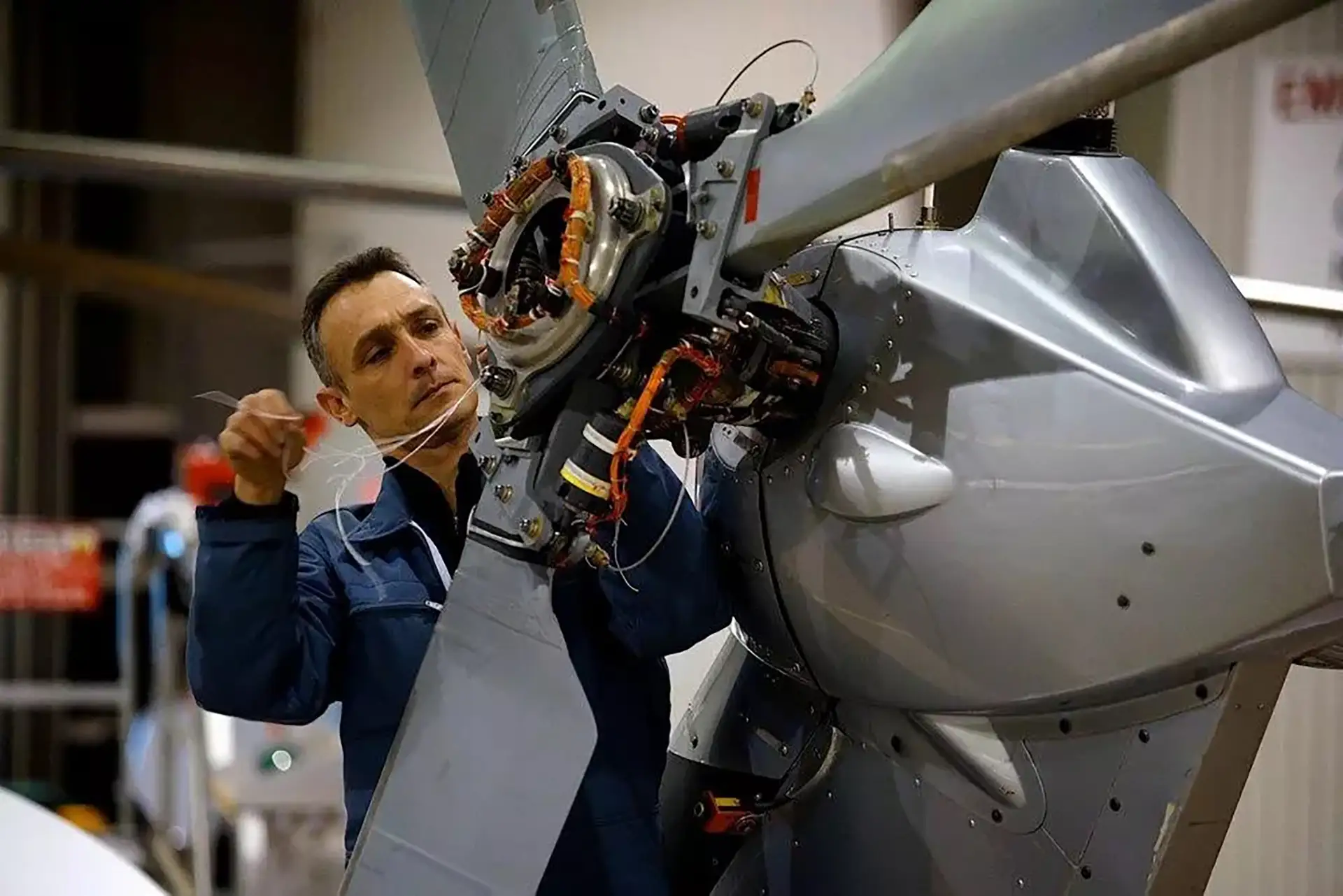
The maintainer of tomorrow will not be judged by speed or repetition but by reasoning. Artificial intelligence will manage the repetitive work; the endless data entries, validations, and checks while maintainers return to analysis, problem-solving, and precision. Ownership deepens in this model. The human remains the final authority, but now with better insight and more time to apply it. Efficiency stops being about output. It becomes about alignment: the right task, the right time, the right logic. This evolution brings the profession back to its roots, where skill and intellect meet purpose.
Leadership in the Cognitive Era
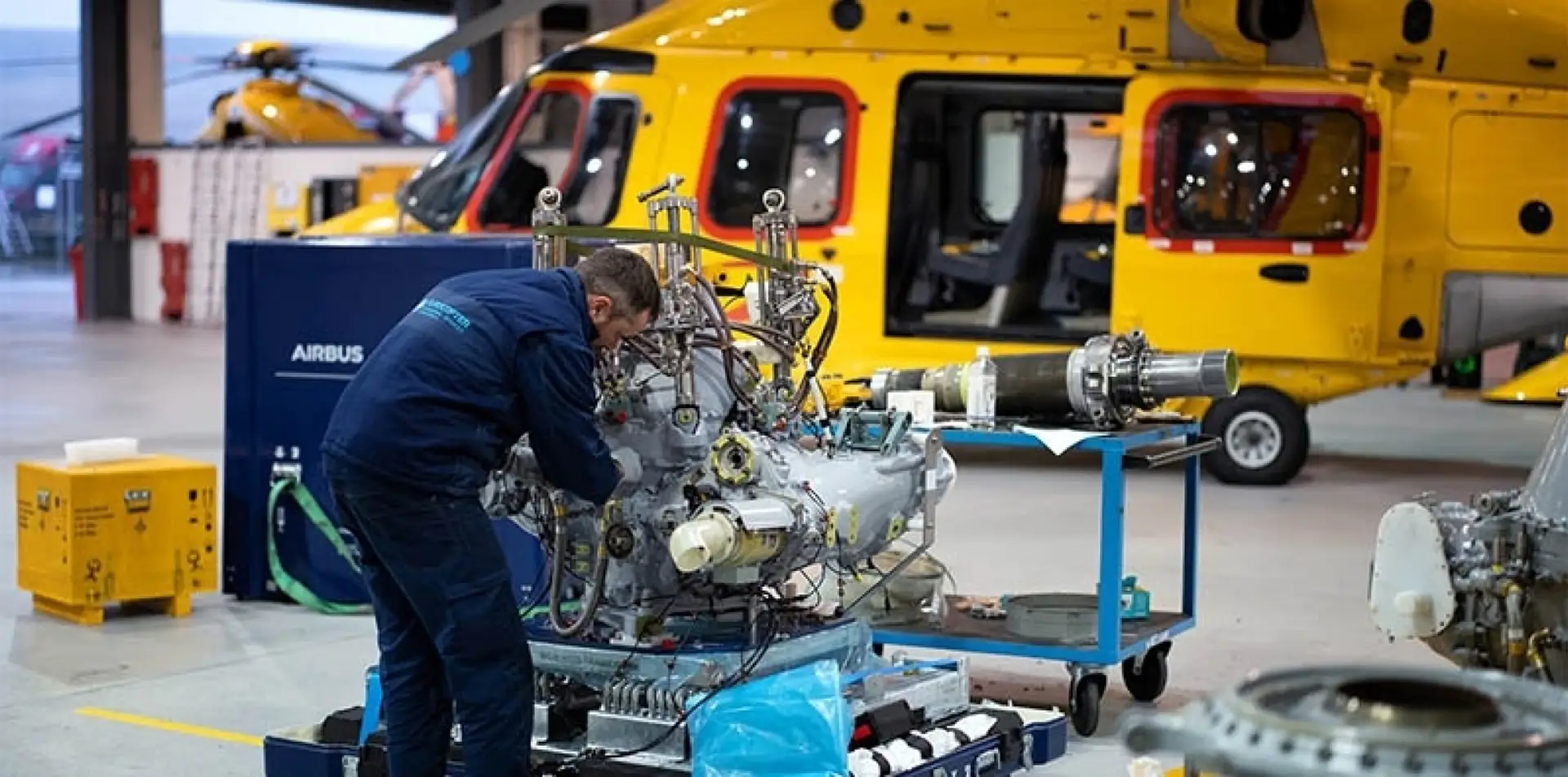
Technology alone cannot create change. It requires leadership capable of designing systems that learn faster than they fail. The measure of authority will no longer be control but understanding, leaders who shape conditions that naturally produce better decisions. Reliability by design is more than a slogan; it is what happens when intelligence is built into every layer of an organization instead of bolted on after the fact. In a thinking system, supply chains begin to anticipate demand long before a shortage appears. Inspection intervals shift with the aircraft's actual behavior rather than an arbitrary calendar. Maintenance control stops working off old spreadsheets and starts using live information to see capacity as it truly is.
When that structure is in place, readiness stops being something chased through long nights and last-minute plans. It becomes a natural by-product of the organization’s operations. The leaders who succeed in this kind of environment are not the ones who give every order; they are the ones who design a system capable of learning and making its own decisions.
Mastery and Foresight
For generations, mastery in aviation meant hands-on expertise, the ability to know every torque value, every vibration sound, every page of a technical manual. That depth of skill will always matter, but mastery is expanding. It now includes the ability to interpret data, to anticipate failure, and to act before degradation occurs. The data to do this is already in place. Sensors record it, systems store it, but few organizations have learned to act on it with discipline. Mastery in this new environment will not mean the absence of failure. It will mean understanding failure in advance and designing around it. That is foresight put into practice.
Culture and Change
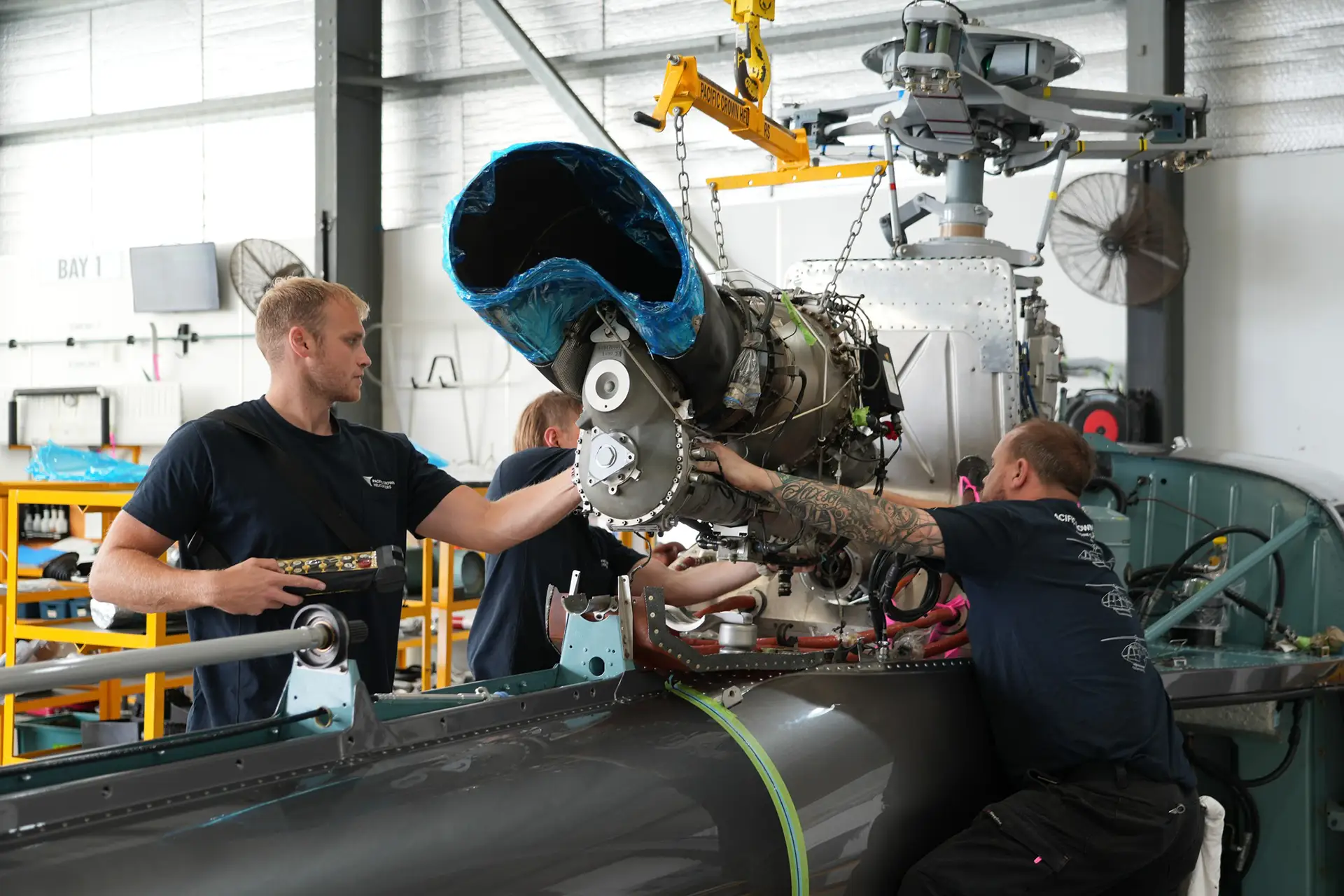
No innovation survives without cultural change. The habits that feel comfortable, the paper trail, the manual log, and the resistance to transparency are often what hold readiness hostage. The future will belong to the innovators who use modeling to visualize readiness decline, forecast impact, and intervene before it becomes a crisis. In this environment, readiness becomes a reflection of culture rather than a compliance checklist. When redundant steps are removed and old fears let go, organizations begin to think differently. They learn faster, respond sooner, and develop a shared sense of momentum. This is how the next half-century of aviation will be shaped: not through new machines, but through new mindsets.
The Next Century
Morning breaks, and the hangar comes alive. Maintainers enter a workspace already aligned to purpose. Aircraft are ready, tools are staged, and logistics are in sync. The noise that once filled early mornings has been replaced by clarity. Behind it all, LYRA™ continues to learn. Every action becomes a data point. Every decision becomes part of her evolving model, and she observes, adapts, and teaches through the rhythm of the day. The future of aviation maintenance won’t come from another binder of procedures or a new publication to follow. It will take shape within systems that can think, learn, and adjust as quickly as the world they’re built to support. What some might still call a futuristic concept is, in reality, the next logical step for a skill that has always depended on equal parts precision and imagination.
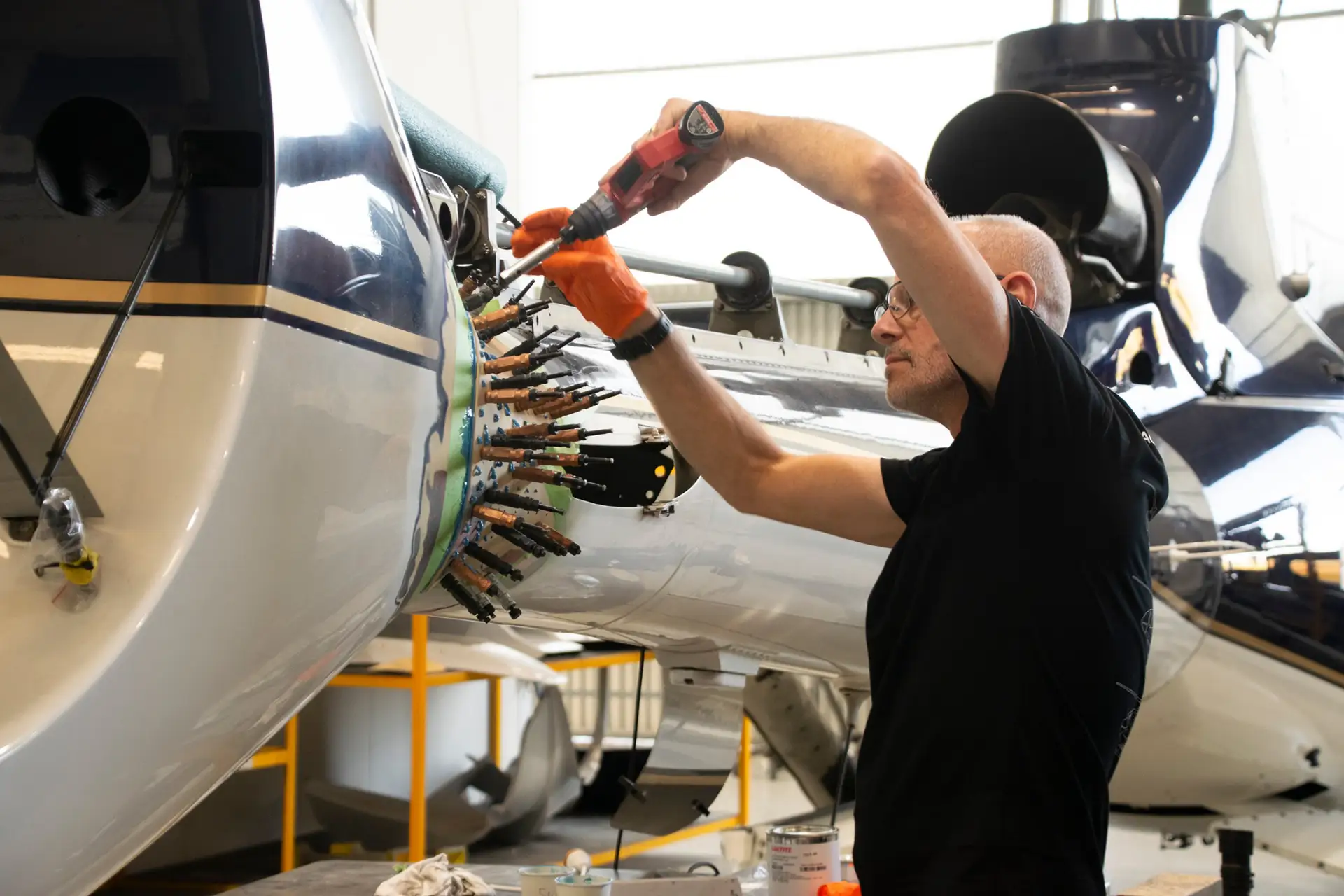
Late at night, when the hangar is quiet and the last engines settle into silence, LYRA™ keeps working. Data moves through her like a steady heartbeat, processing, listening, learning; getting ready for whatever tomorrow brings.
Disclaimer
The concepts, systems, and frameworks described in this article are entirely conceptual and intended to provoke discussion within the professional aviation community. They do not represent or reference any existing government, military, or commercial program, nor do they disclose proprietary information. The views expressed are solely those of the author and are not affiliated with or endorsed by the Department of War, the U.S. Marine Corps, or any associated organization.