 HOME
HOME





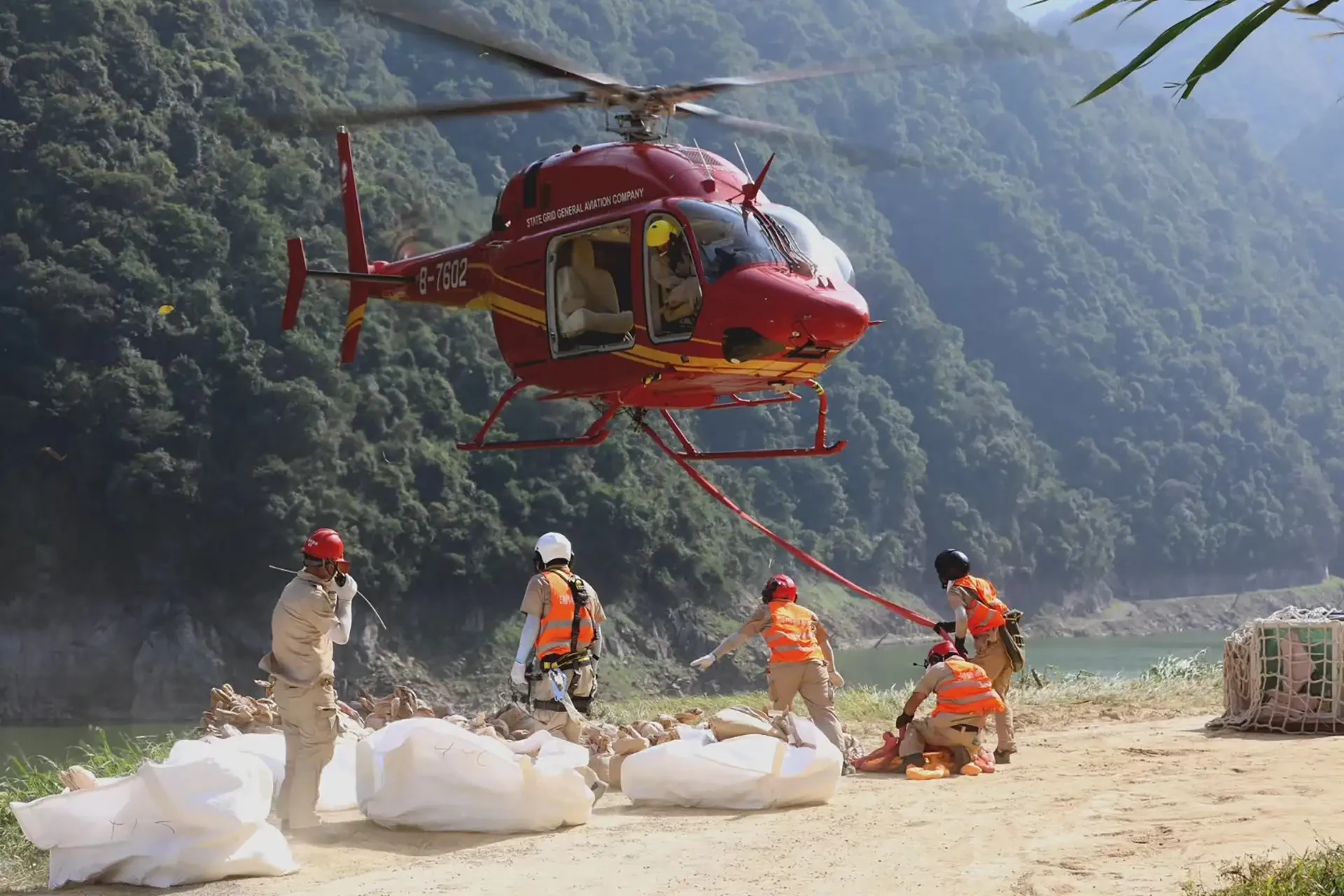
In the highly dynamic world of aviation, particularly helicopter operations, the margins for error are exceedingly thin. Glen White, examines the importance and development of pilot muscle memory.
The high-stakes environment during emergencies demands reflexive, almost instinctive responses from pilots. These split-second decisions often make the difference between successful outcomes and catastrophic failures. Within this context, the concept of 'muscle memory' takes on profound importance. Our exploration into muscle memory and its influence on the swift and effective management of helicopter emergencies will uncover how a seemingly abstract concept is in fact critical to the safety of countless lives.
Automating Complex Tasks
Muscle memory, or procedural memory, is the brain's remarkable ability to automate complex tasks through repetition until they become
nearly automatic. Think of a pianist who has practiced a piece of music to the point where their fingers seem to glide through the keys
without conscious thought. Similar mechanics apply to the operation of an intricate machine like a helicopter. When an emergency unfolds,
the pilots' reactions can't be encumbered by the slow processes of conscious deliberation; the actions they need to execute must be encoded
in their muscle memory, honed through countless hours of practice.
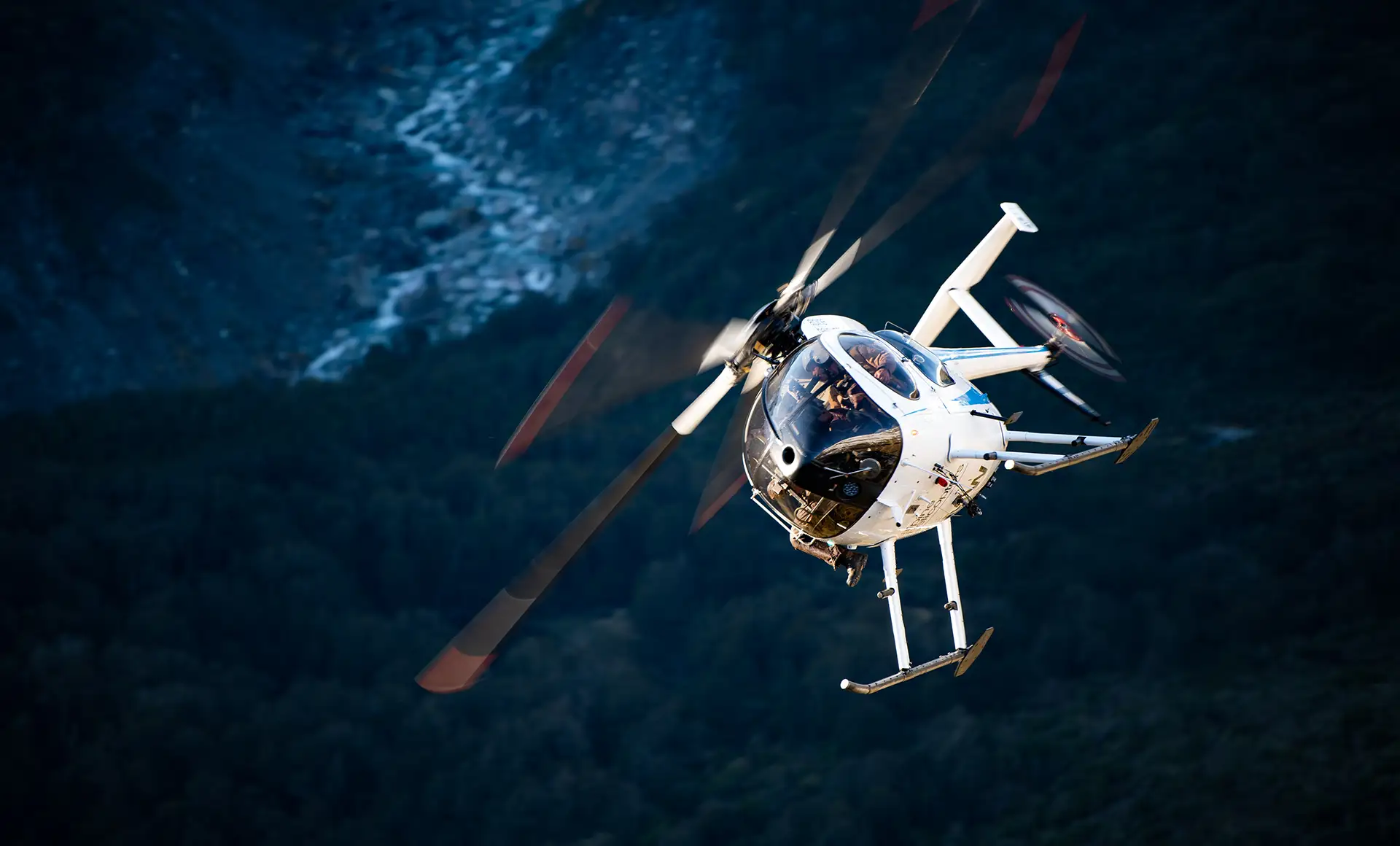
Helicopter pilots undergo intense training to master the complexities of flight. During this training, emergency procedures are repeated
until they become deeply ingrained responses. Like a musician playing a well-practiced piece, the hands and feet of seasoned pilots move in
well-choreographed patterns, instinctively executing the right commands. But, unlike a concert performance, the stage here is often an
unforgiving sky, and the audience is not only an expectant crowd but also the invisible specter of potential disaster.
The importance of muscle memory in this high-pressure scenario extends beyond the pilots. Rescue crews, medics, and engineers also rely on their own procedural memories to carry out their roles. Whether it's securing a hoist, administering critical care mid-flight, or executing repairs on the ground, the whole team's actions are inextricably bound together in a dance where every step must be performed with precision and harmony.
This article dives into the fascinating world of muscle memory in the context of helicopter emergencies, exploring how it shapes the actions and reactions of everyone involved. From pilots to rescue crews, we will examine how this complex cognitive process enables them to respond to sudden crises with the precision of a well-timed orchestra. By weaving together insights from neuroscience, aviation science, and real-life accounts, we will elucidate why muscle memory is not merely a psychological curiosity but a life-saving tool in the world of aviation emergencies.
For the uninitiated, the idea of muscle memory can feel abstract and far removed from the tangible realities of life and death in
helicopter emergencies. Yet, as we unravel its mysteries and understand its significance, we will find it imbued with profound relevance.
Ingrained in the Brain
Muscle memory, a term used in both neurobiology and motor learning studies, refers to the phenomenon whereby certain physical actions become ingrained in the brain through repetition and practice, effectively becoming "automatic." This process involves changes in the neural pathways of the brain and muscle groups, leading to the development of long-term muscle memory.
Technically, "muscle memory" is something of a misnomer, as the memory isn't stored in the muscles themselves. Instead, the information is held within the brain, specifically within the cerebellum and motor cortex. These areas of the brain encode information regarding physical tasks and movements, from riding a bicycle to typing on a keyboard. The repetitive execution of a specific task can lead to long-term potentiation in the neurons responsible for that task, essentially strengthening the neural connections.
The physiological basis of muscle memory is grounded in two key processes: motor learning and neuromuscular facilitation. Motor learning,
the initial stage, involves the repetition of a specific motor activity, which leads to improved performance over time. This stage primarily
involves the prefrontal cortex, basal ganglia, and motor cortex, which are actively engaged in the conscious learning of the movement.
As the movement becomes more familiar, there is a transition to neuromuscular facilitation, where the execution of the movement shifts from
being a consciously driven process to a more automatic one. Increased cerebellum involvement and a decrease in cerebral involvement are the
hallmarks of this transition. Importantly, the neural circuits encoding the movement patterns become more efficient, leading to quicker,
more accurate motor responses.
Two Types
Muscle memory can be classified into two types: procedural memory and motor learning. Procedural memory is the unconscious memory of skills and how things are done, such as typing, driving a car or flying a helicopter. It is the long-term memory of skills and procedures, or "how-to" knowledge. Motor learning, on the other hand, is the process of improving the smoothness and accuracy of movements. It is often necessary in learning sports, physical activities and flying an aircraft.
Emergency procedures training is an integral part of developing helicopter pilots' skill sets, which creates muscle memory and helps automate these responses. This automation significantly reduces the cognitive load and speeds up the decision-making process during an emergency. Regular practice of emergency procedures enables pilots to ingrain the necessary steps into their muscle memory. As a result, during an actual emergency, their bodies can reflexively carry out the necessary actions with minimal conscious effort, thereby minimizing panic-induced errors.
Emergency procedure training also bolsters situational awareness, which is critical to a pilot's ability to manage emergencies effectively.
By detecting potential issues early, a pilot can take proactive measures to prevent a small problem from escalating into a major crisis.
This refines the pilot's ability to monitor, understand, and anticipate changes in their flight environment, which can be instrumental in
the early detection and management of emergencies.
.webp)
Imagine a scenario where a helicopter pilot is flying in challenging weather conditions. Suddenly, there's an engine failure, and the
helicopter begins to lose altitude rapidly. The pilot either reacts automatically to the event or there is a prolonged pause as the brain
cognitively tries to comprehend what just occurred.
Entering an autorotation in a helicopter is a complex and time-critical task that requires precise and well-coordinated actions from the pilot. Automatic proper reaction plays a crucial role in this process as it allows pilots to perform the necessary actions quickly and accurately, even under stressful and demanding circumstances in an almost automated manner.
Lowering the collective, adjusting the cyclic, and managing the rotor RPM all require precise and coordinated control inputs. Through consistent training and practice, pilots develop muscle memory for these control movements, enabling them to make the necessary adjustments smoothly and instinctively.
Practice makes…
When practicing engine off emergency procedures, the repetition allows pilots to perform crucial steps almost automatically, thanks to their muscle memory. They don't need to consciously think about each action, which saves valuable time and cognitive load, especially during high-stress emergency situations.
Regular and consistent training is vital to develop and maintain muscle memory, allowing pilots to perform the necessary actions automatically, even in high-stress situations.
A good example of proficient muscle memory occurred on November 2, 2015, in an Airbus AS350-BA. The helicopter was performing aerial work
to identify noxious plants in a densely forested area within the Whyanbeel Valley, Queensland, Australia. The nature of the aerial work
required the helicopter to operate at a low altitude and airspeed. On board the helicopter were the pilot, a navigator, and two aerial
spotters.
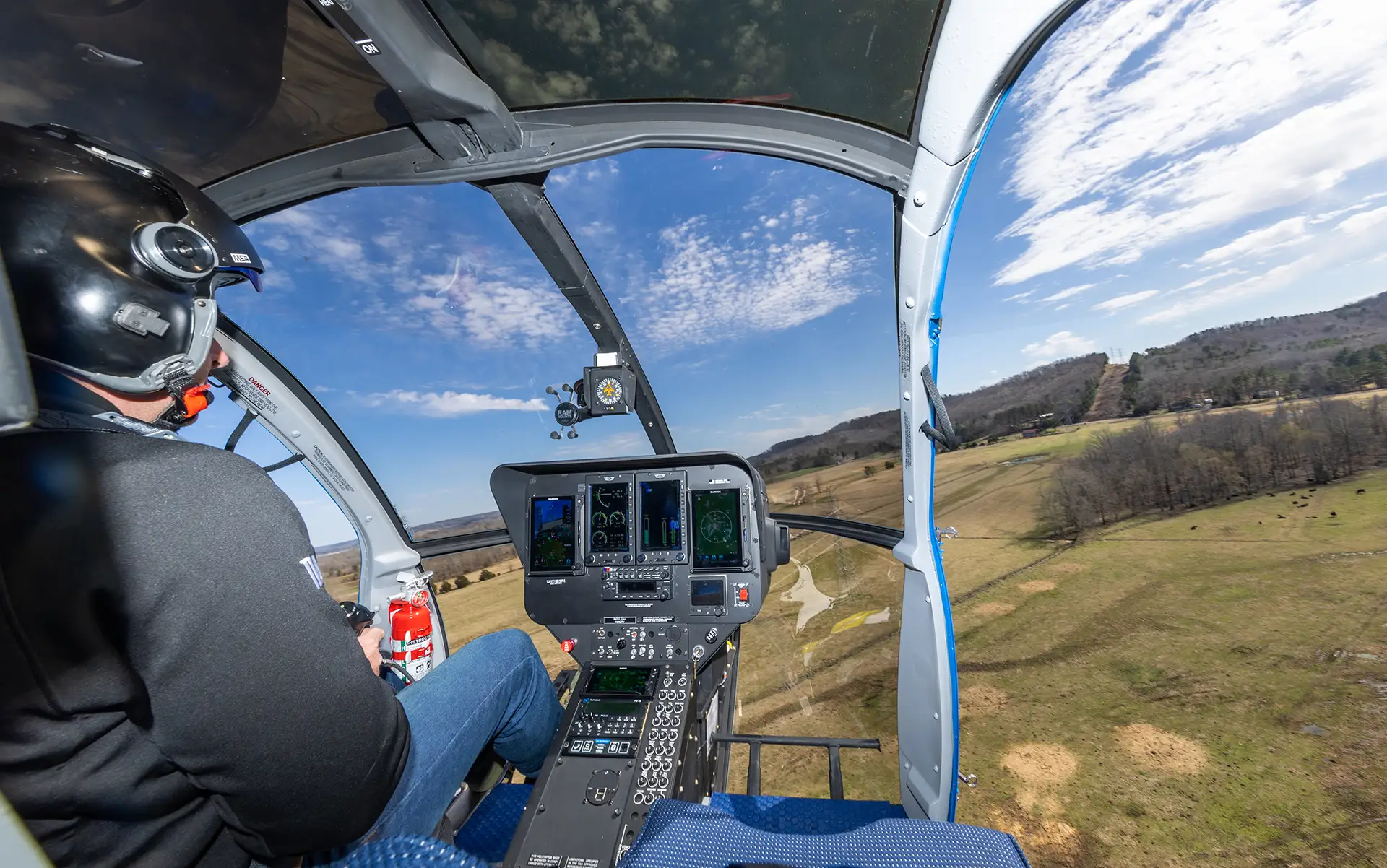
During the fourth flight of the day, the helicopter momentarily yawed twice within a short period of time in an uncommanded and unusual way. The pilot, concerned with the uncommanded movements, ceased the operation, climbed, and increased the helicopter’s forward airspeed. The pilot then elected to head back towards the base of operations which was approximately 11km away.
Shortly after the decision was made to precede back to the base, the engine chip light illuminated on the caution warning panel, prompting the pilot to search for a suitable landing area. As the helicopter continued to climb through approximately 200 ft, the engine stopped producing power.
This is a situation that requires an immediate response from the pilot. A response that without the luxury of time, needs to be implemented without delay and automatically. Without proper muscle memory, a delay could have resulted in the demise of all on board. In this occurrence, the pilot immediately entered the autorotation, identified the landing zone, and manipulated the controls to land the helicopter with limited availability of altitude or speed.
During the landing sequence, the skids of the helicopter dug into the terrain and were broken off. The helicopter came to rest about 10 meters after first touching down, with the passengers receiving minor injuries and the pilot incurring serious back injuries. Though injuries are never ideal after an accident, there are certain situations where the alternative would have been death without the proper immediate actions of the pilot.
It's worth noting that while muscle memory is a valuable tool, it should always be supplemented with a thorough understanding of the underlying principles and concepts related to an autorotation. A comprehensive knowledge base, combined with muscle memory, creates a well-rounded skill set for helicopter pilots, enhancing their ability to handle emergency situations safely and effectively.
Maintain the Skill
However, muscle memory is not an immutable trait. One significant factor that can lead to its loss is a lack of practice or disuse. When we stop engaging in activities that rely on specific motor skills, the neural connections associated with those skills gradually weaken and become less efficient. This phenomenon is commonly referred to as "use it or lose it." Without regular reinforcement, the neural pathways that supported muscle memory begin to deteriorate, leading to a decline in performance.
When tennis players stop playing for an extended period, their muscles gradually lose the specific movements and coordination required for the game. This loss of muscle memory can affect various aspects of their performance, including timing, footwork, racket control, and shot accuracy. Players may experience a decline in their ability to execute proper swings, serve with power and precision, and react quickly to shots.
This same phenomenon occurs when pilots react to emergency situations in helicopters. The loss of muscle memory can delay or remove the
pilot's ability to react to the event in the helicopter, with devastating results.
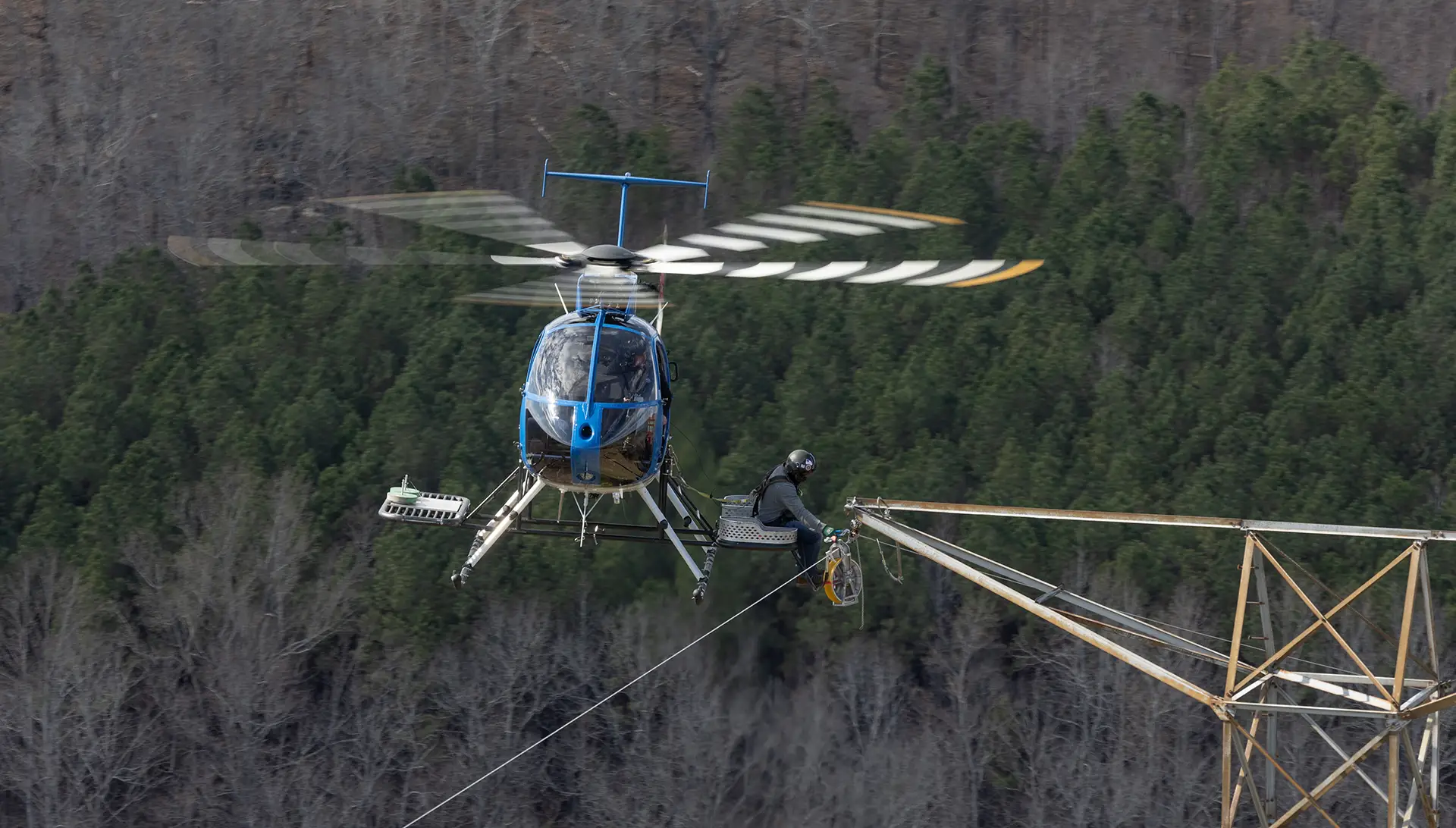
Interestingly, with disuse, muscle memory is not entirely lost forever. Even if muscle memory fades due to disuse, it can be relearned more
quickly compared to acquiring a skill for the first time. The underlying neural pathways might still retain some residual traces of the
previous learning, facilitating the reacquisition process. This phenomenon, known as "relearning," can be observed when
individuals resume an activity they previously mastered after a period of inactivity.
The process of regaining lost muscle memory when conducting emergency procedure training requires consistent practice and repetition. Gradually reintroducing the body to the familiar movements and techniques helps to reestablish the neural pathways.
Although the rate of muscle memory loss varies depending on factors such as the duration of the break and individual differences, it is essential to be patient during the relearning process. With consistent effort and dedication, a pilot can regain their muscle memory and return to their previous level of performance.
Problems
While muscle memory is incredibly powerful and beneficial, it can also have its drawbacks. It can lead to the persistence of incorrect techniques if they are initially learned incorrectly. Therefore, it is crucial to ensure proper training and technique from the beginning to avoid ingraining undesirable patterns into muscle memory.
A golfer who learns an incorrect swing technique may struggle to improve their game or may even develop physical issues due to the strain placed on the body by the incorrect movement. Correcting such muscle memory can be challenging because it requires breaking the existing pattern and relearning the task correctly.
A musician who initially learns a piece with incorrect finger positioning may struggle to develop accurate finger dexterity. Overcoming this muscle memory can require focused retraining and unlearning the incorrect patterns.
A pilot that learns to flare too low during an autorotation can struggle to implement the flare at the proper altitude and will often
fixate on correcting that action while disregarding the other flight parameters.
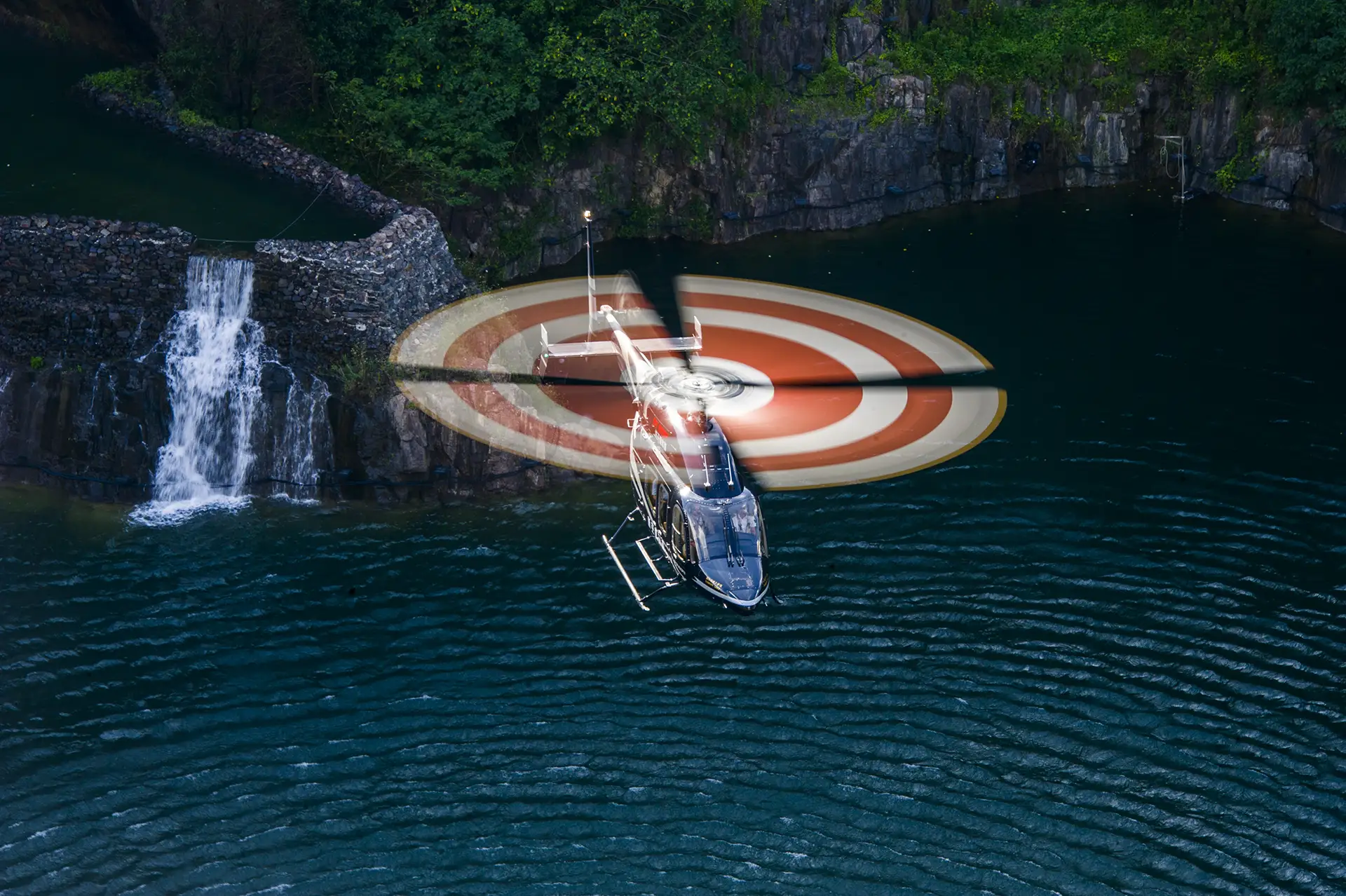
Developing the proper muscle memory is an indispensable aspect of helicopter emergency response. It enables faster reaction times, enhances precision and accuracy, and promotes situational awareness. By dedicating time and resources to training and practice, helicopter crews can ensure that their muscle memory remains sharp, enabling them to effectively respond to emergencies, save lives, and minimize the impact of critical situations.
In the end, with muscle memory by your side, you'll be the hero of the helicopter world, swooping in, saving the day, and leaving everyone in awe of your epic emergency response skills. So, keep flexing those muscles—both literally and figuratively—and let muscle memory be your trusty co-pilot on every high-flying adventure.