 HOME
HOME






The helicopter industry is facing a critical pilot shortage that threatens to disrupt its operational capacity across a wide range of
sectors. From life-saving medical evacuations to supporting offshore oil rigs, tourism, law enforcement, and emerging urban air mobility
initiatives, helicopters are indispensable. Yet, the supply of qualified pilots is dwindling, creating a bottleneck that could have
far-reaching consequences. This article explores the root causes of this shortage, examines its implications, and proposes actionable
solutions to ensure the industry’s future stability.
Causes of the Shortage
Retirement Wave: A significant driver of the shortage is the mass retirement of pilots trained during the Vietnam War era. In the 1960s and 1970s, the U.S. military produced thousands of helicopter pilots, many of whom transitioned to civilian roles after their service. Now, as these pilots, often in their late 60s, 70s, and 80s, retire, the industry is losing decades of experience. The Vertical Association International (VAI) estimates that this retirement wave could contribute to a global shortage of nearly 61,000 helicopter pilots by 2038. In the U.S. alone, where only about 15,000 active helicopter pilots currently operate, the impact is particularly acute. This generational shift is not just a numbers problem; it’s a loss of institutional knowledge that new pilots may never be able to replicate.
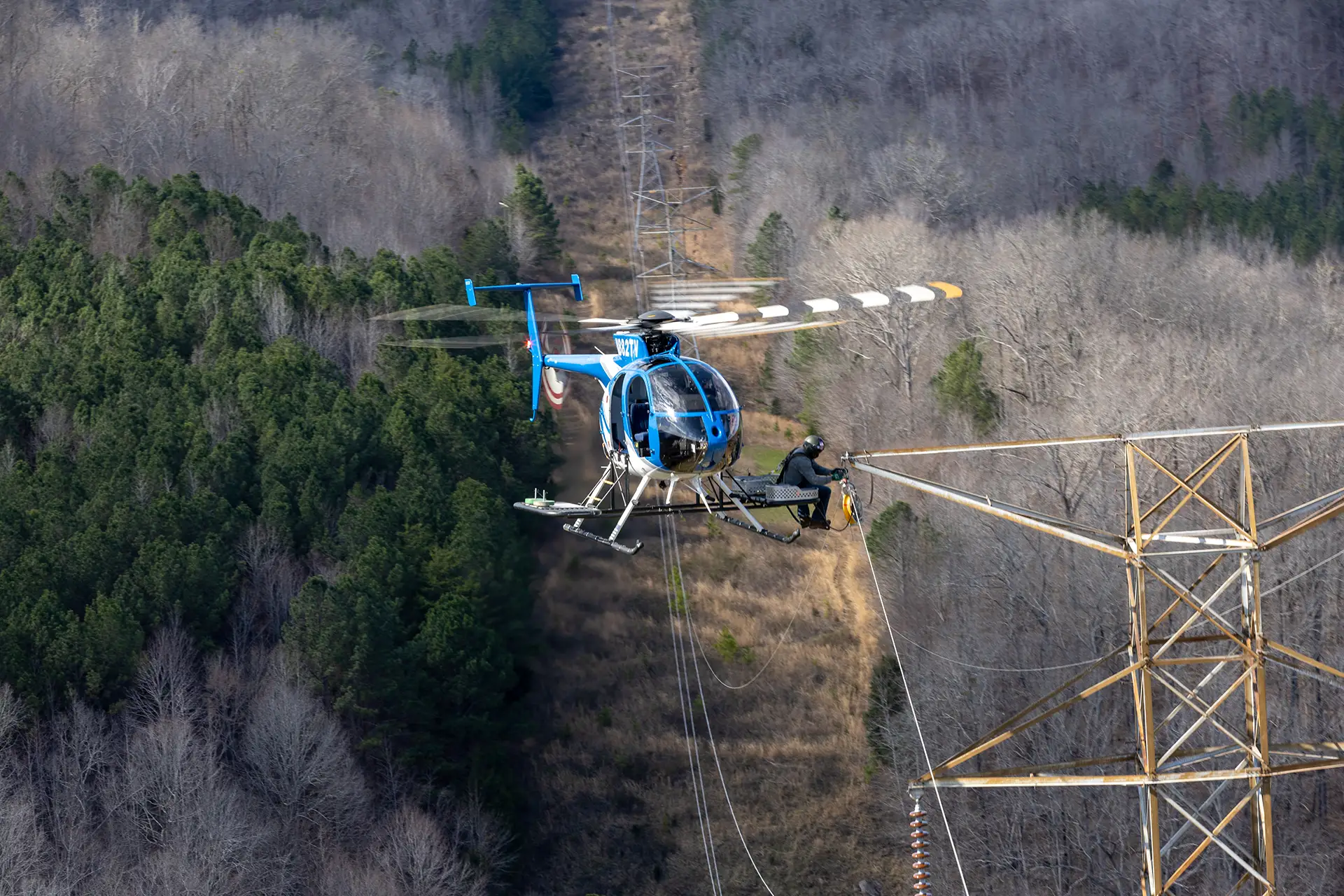
Increased Demand: Simultaneously, demand for helicopter pilots is surging as new industries integrate rotary-wing aircraft into their operations. The rise of air ambulances in emergency medical services (EMS), driven by an aging population and the need for rapid rural healthcare access, has been a major factor. Offshore energy exploration, particularly in the oil and gas sector, continues to rely heavily on helicopters for crew transport. Emerging fields, such as construction (e.g., lifting heavy materials to skyscraper rooftops) and aerial firefighting, also require skilled pilots. The Bureau of Labor Statistics projects a 10% job growth rate for helicopter pilots between 2022 and 2032, faster than the average for all occupations, underscoring the mismatch between supply and demand. The advent of electric vertical takeoff and landing (eVTOL) aircraft for urban air mobility further amplifies this trend, promising a future where helicopter-like vehicles become commonplace in cities.
High Cost and Length of Training: Becoming a helicopter pilot is a Herculean investment. Flight training can cost upwards of $100,000, covering everything from private and commercial licenses to instrument ratings and the hours required for certification, typically 150-200 hours minimum, although many employers prefer 1,000 or more hours. This financial barrier is compounded by the time commitment: full-time training can take 6-12 months, while part-time students might spend years building hours.
Unlike fixed-wing aviation, where pilots can often transition to airline jobs with fewer hours, helicopter piloting demands specialized skills that don’t translate as easily to other roles. For many, the return on investment feels uncertain, especially when student debt looms large. Joining the military to become a pilot is an option, but it comes with its own costs.

One of the biggest obstacles that new helicopter pilots face is bridging the 300- to 1,000-hour gap, where they have completed initial training (typically around 150-200 hours) but lack the flight experience required for most industry jobs, which often demand 1,000 hours or more. This gap has been a persistent issue in the helicopter industry, exacerbated by high training costs, retiring experienced pilots, and employer insurance requirements.
Helicopter insurance costs have soared in recent years, doubling or tripling for many operators since 2019. Rates that once hovered around $20,000 annually for a light helicopter now often exceed $50,000-$70,000. The spike stems from multiple causes: a shrinking pool of insurers, with major players like AIG tightening aviation coverage amid rising claims; costly accidents, like the 2020 Kobe Bryant crash, driving up liability payouts. While no single, industry-wide "official" solution has been universally mandated as of March 18, 2025, several initiatives and efforts, both formal and informal, are underway to address this barrier and help low-time pilots gain employment.
One key development is the push for competency-based training and hiring over strict hourly minimums. Organizations like the Helicopter Association of Canada (HAC) have advocated for this shift, encouraging operators and clients (e.g., forestry, oil and gas, and utility companies) to assess pilots based on skills and demonstrated abilities rather than arbitrary hour thresholds. For instance, HAC has worked with government agencies to lower pilot-in-command (PIC) requirements from 1,000 hours to as low as 600 hours, with additional stipulations like 100 hours in-type or mountain flying courses. While not a full solution, this reduces the gap and reflects a broader industry dialogue about redefining "experience."
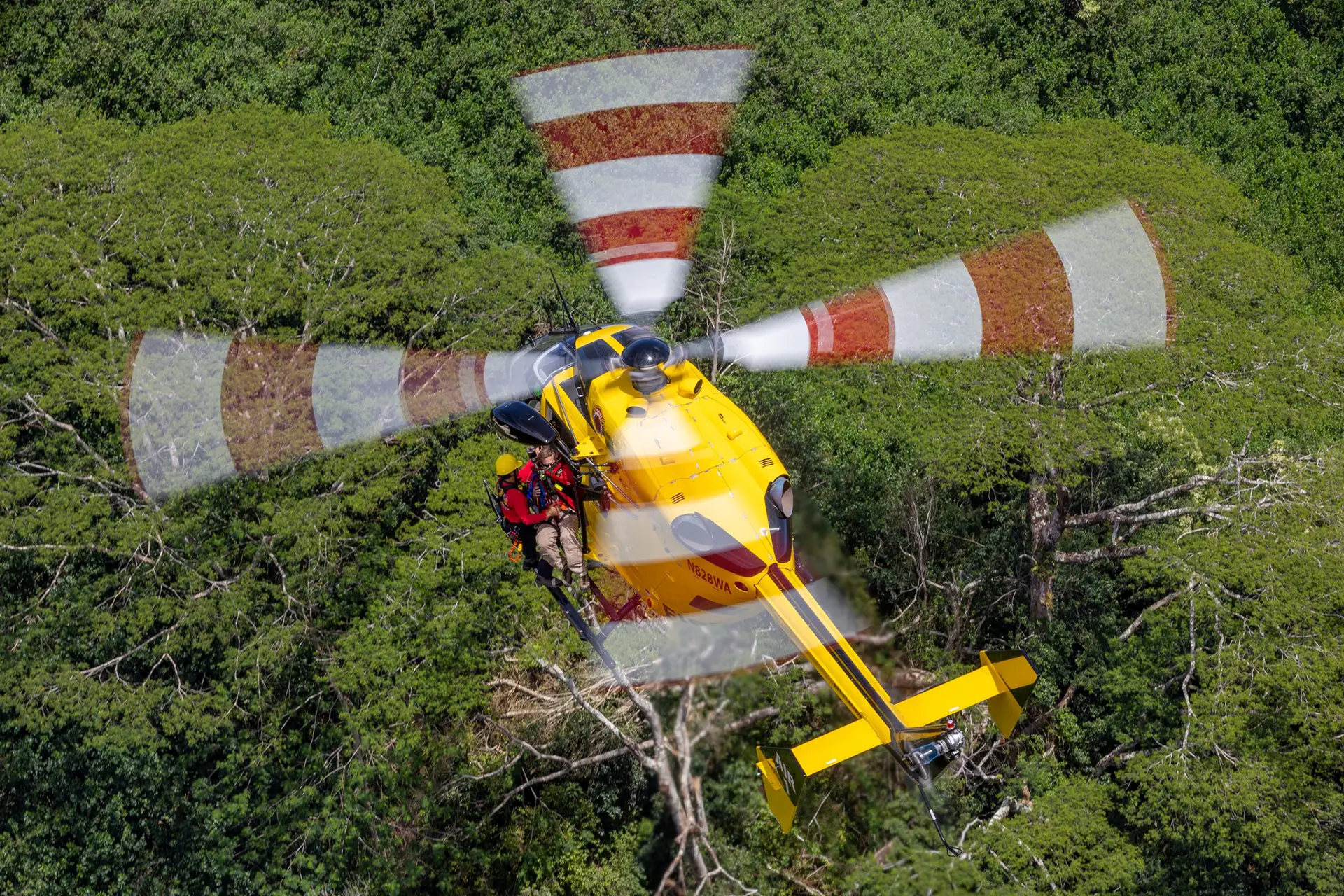
In the U.S., the Helicopter Institute, VOLO Mission, Hillsboro Academy, and similar training providers have introduced programs like the "Vertical Reference/External Load Course," which offers specialized training to help pilots build skills and hours in niche areas like long-line operations. These programs often partner with operators willing to hire pilots at lower hours (e.g., 300-500) for entry-level roles, such as utility or survey work, allowing them to log hours on the job. Some operators even subsidize this training, recognizing the need to cultivate talent amid a pilot shortage projected to reach 61,000 globally by 2038, according to Boeing.
Another practical effort comes from operators themselves. Companies like Yellowhead Helicopters in Canada hire freshly licensed pilots (around 200 hours) for non-flying roles like dispatch, ramp, or hangar work, while gradually integrating them into flying tasks. Over several years, these pilots build hours on simpler missions (e.g., ferry flights or sightseeing), reaching the 1,000-hour mark through a structured progression. This "grow-your-own" model is gaining traction, especially among smaller operators who can’t compete with airlines poaching rotorcraft pilots for fixed-wing jobs.
In the U.S., the Utah Rotor Pathway Program stands out as a formal initiative. Launched in recent years, it integrates helicopter training into high schools, community colleges, and universities (e.g., Southern Utah University, Utah Valley University). Students earn college credits and flight hours early, transitioning into industry jobs with mentorship and internships. While it doesn’t directly target the 300- to 1,000-hour gap, it accelerates pilots toward employable hours by blending education with practical experience.
Scholarship programs also play a role. The Vertical Association International (VAI) offers financial aid to offset training costs, which can exceed $80,000 for initial certification and additional hours. Similarly, the Whirly-Girls Scholarship Fund supports women in aviation, often funding advanced training that helps pilots reach employable levels faster. These don’t guarantee jobs but reduce the financial burden, allowing pilots to pursue hour-building opportunities like flight instruction, or tours, still the most common stepping stone, requiring as little as 200 hours with a Certified Flight Instructor (CFI) rating.
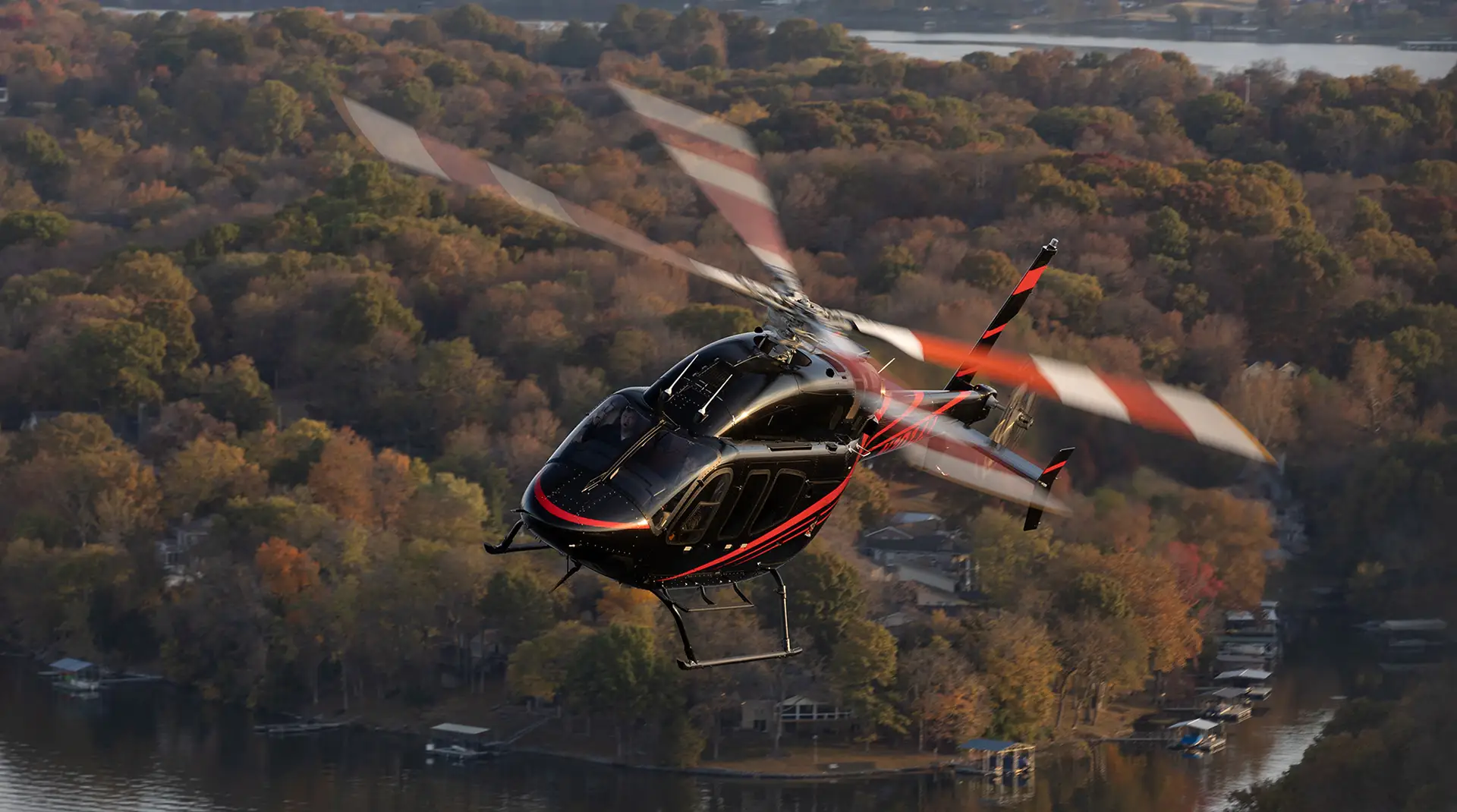
Some operators are exploring technology-driven solutions, such as advanced flight simulators, to supplement real-world hours. While simulators can’t fully replace logged flight time for certification, they enhance skills and confidence, making low-time pilots more competitive. The FAA and EASA (European Union Aviation Safety Agency) have approved certain simulator hours for specific ratings, indirectly aiding the transition to employment.
Despite these efforts, challenges remain. Many employers stick to high-hour requirements (1,000-2,000 hours) due to insurance pressures or client demands, creating a Catch-22: pilots need experience to get hired, but can’t get experience without a job. The industry’s decentralized nature—dominated by small operators rather than large, vertically integrated firms—limits coordinated action. Still, the pilot shortage is forcing change. For example, Air Methods, a major air medical operator, has occasionally lowered minimums to 1,000 hours for some roles, offering structured training to bridge the gap from there.
No centralized, "official" mandate from bodies like the FAA or Transport Canada fully closes the 300- to 1,000-hour gap yet. However, the combination of competency advocacy, operator-led programs, educational partnerships, scholarships, and tech innovations shows a multi-pronged response. For new pilots, the path often involves starting as a CFI, leveraging these initiatives, or networking with operators willing to invest in low-time talent. The industry is adapting—slowly but noticeably—to keep rotors turning. If you’re a pilot in this boat, which region or job type are you targeting? That could narrow down the most relevant options.
As noted before, helicopter insurance costs have soared in recent years. Supply chain woes are inflating repair costs for parts like engines, up 30% since 2021. Aging fleets, pilot shortages, and increased wildfire and EMS missions further strain risk profiles, leaving operators scrambling to stay aloft.
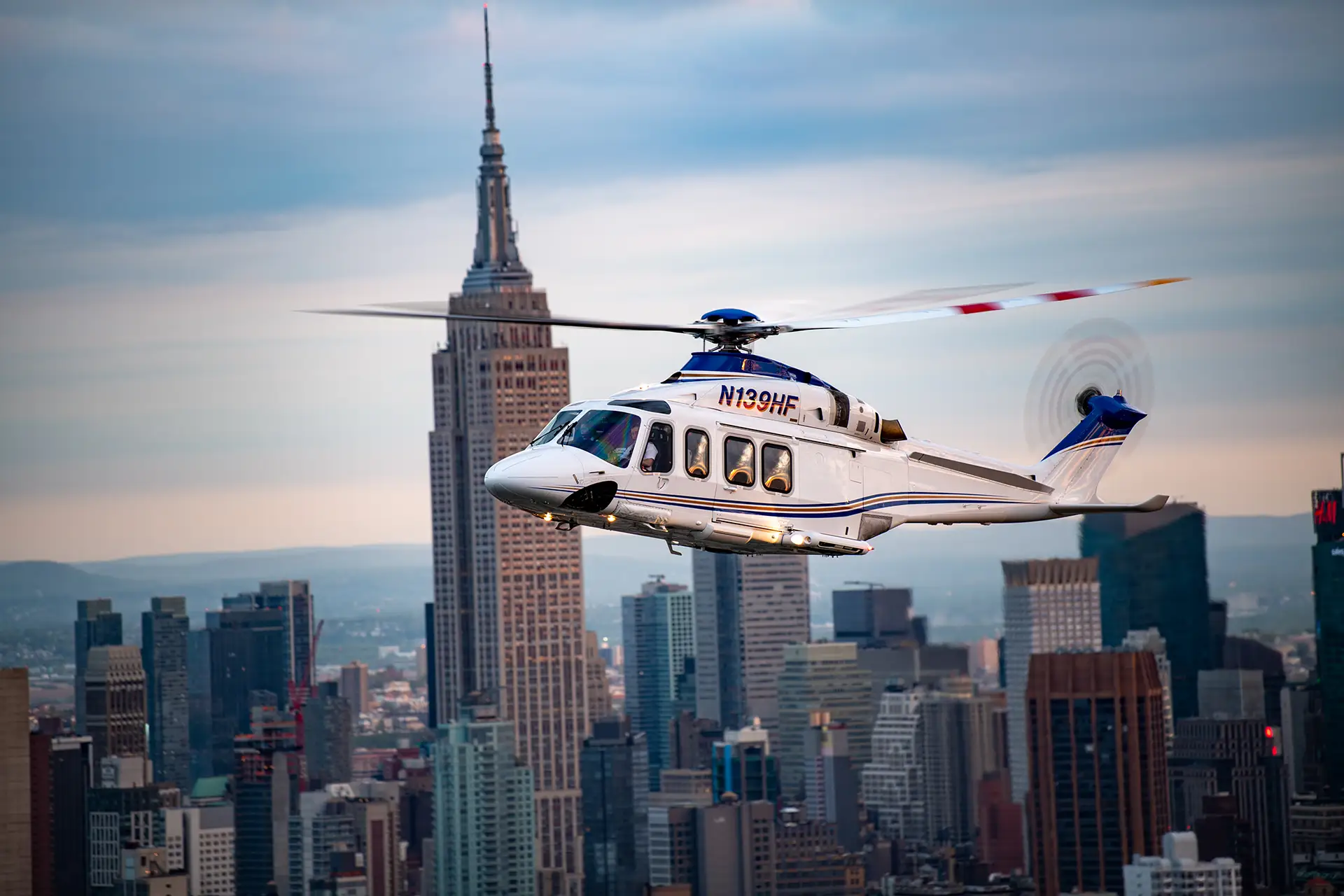
Competition from Fixed-Wing Aviation: The airline industry, which has been grappling with its own pilot shortage post-pandemic, has begun poaching helicopter pilots. Airlines offer attractive incentives, higher salaries, better schedules, and subsidized training to transition to fixed-wing aircraft. A helicopter pilot with 1,500 hours can often meet the airline transport pilot (ATP) requirements with minimal additional effort, making the switch a tempting option. This brain drain not only depletes the helicopter pilot pool but also discourages new entrants who see rotary-wing careers as a stepping stone rather than a destination. The allure of jetting across continents often overshadows the gritty, hands-on appeal of helicopter work. However, the grass isn’t always greener; many helicopter pilots, specifically military pilots, struggle in jets because things happen much faster. Where mentally they are in the cockpit, but they need to be 100-200 miles ahead of the aircraft. Something that every airline has recognized is helicopter pilots are excellent decision-makers, often showing intestinal fortitude to speak up compared to low-time fixed-wing-only pilots that would never question the Captain.
Solutions to the Shortage
Invest in Training Programs: Expanding access to training is a cornerstone solution. Scholarships, low-interest loans, and corporate sponsorships can ease the financial burden. The HAI’s scholarship programs, which award thousands of dollars annually, are a model that could scale with greater industry backing. Companies like PHI Aviation or Bristow Group could fund trainees in exchange for multi-year employment commitments, ensuring a steady pipeline of talent. Tax incentives for training providers might also encourage more flight schools to open, particularly in underserved regions.
Improve Working Conditions: Retention is as critical as recruitment. Helicopter pilots often face gruelling schedules—long shifts, night flights, and time away from home. Operators are beginning to respond with competitive pay (median salaries hover around $80,000-$100,000 but can climb higher with experience), sign-on bonuses, and more predictable rosters. Benefits like comprehensive healthcare, retirement plans, and mental health support could further sweeten the deal, making the profession more appealing to both veterans and newcomers.
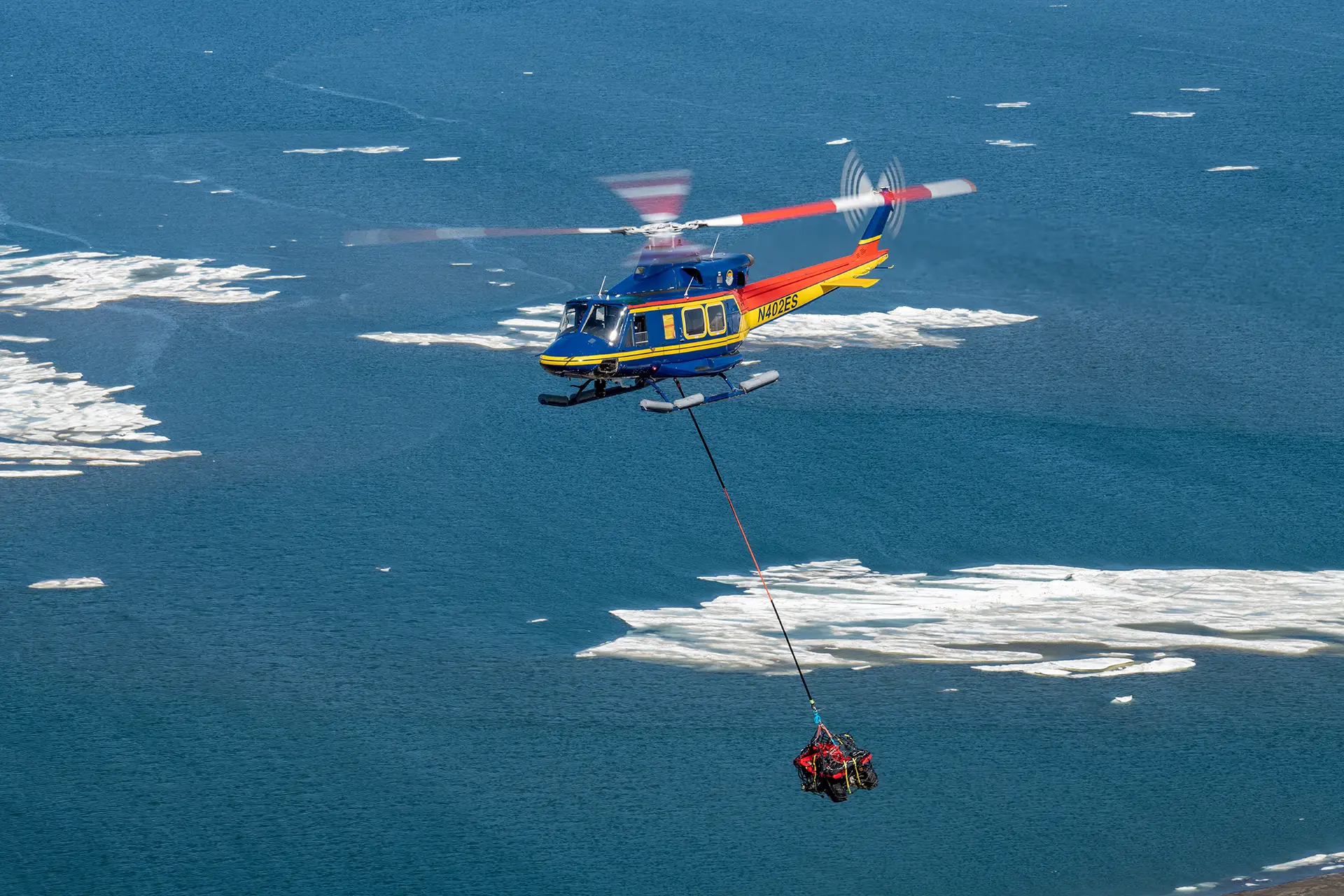
Partnerships with Educational Institutions: Collaborations between universities, colleges, and flight schools can create a seamless career pathway. Southern Utah University’s aviation program, which integrates flight instructor certification, is a standout example. Students can log hours while teaching, staying engaged in the industry rather than drifting away after initial training. Community colleges could offer associate degrees in aviation maintenance or piloting, blending classroom learning with practical experience, while four-year institutions might develop rotorcraft-focused aeronautical engineering tracks.
Utilizing Technology: Advanced flight simulators are a game-changer. Modern systems replicate real-world conditions—turbulence, engine failures, night landings—at a fraction of the cost of actual flight time ($50-$150 per simulator hour vs. $300-$500 per flight hour). AI-driven training platforms can personalize instruction, identify weaknesses and accelerate mastery. Automated systems in helicopters themselves—such as enhanced autopilots—could reduce the skill threshold for entry-level pilots, allowing them to focus on decision-making rather than manual control during training.
Regulatory Adjustments: Debate swirls around easing certification requirements, such as lowering the 150-hour minimum for a commercial license or recognizing simulator hours more generously. The FAA’s stringent standards ensure safety, but flexibility could expedite entry without compromising competence—perhaps by tiered licenses for specific roles (e.g., tourism vs. EMS). Any changes must balance accessibility with the unforgiving nature of helicopter flight, where margins for error are razor-thin.
Career Promotion: The industry must sell itself to Gen Z and Millennials. Helicopter piloting offers unparalleled variety—hovering over volcanoes one day, rescuing stranded hikers the next—yet remains under the radar. Career fairs, virtual reality demos at schools, and social media campaigns showcasing “a day in the life” can ignite interest. Programs like the Whirly-Girls, which support women in rotary-wing aviation, could expand to target underrepresented groups, diversifying the talent pool.
Global Recruitment: With shortages spanning continents, international talent is a goldmine. Countries like Canada, Australia, New Zealand, and several African Nations as well, train skilled pilots who could transition to U.S. or European markets with streamlined credential recognition. Immigration policies might need tweaking—expedited visas for pilots, for instance—but the payoff could be thousands of ready-to-fly professionals. Language and cultural barriers are hurdles, yet aviation’s universal standards and language help ease the leap.
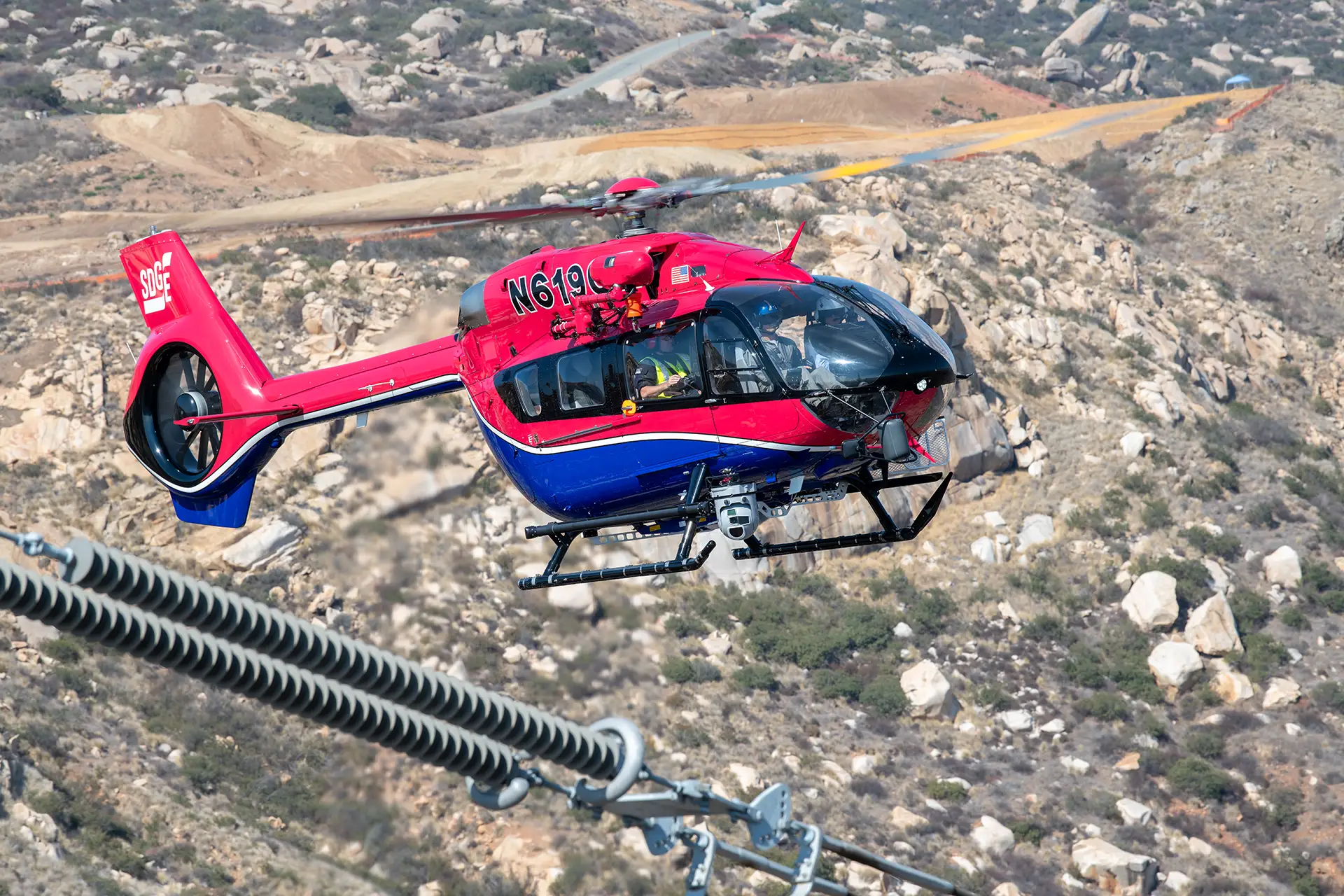
Technical High Schools: It’s worth expanding: technical high schools can cultivate both mechanics and future pilots. Offering Airframe & Powerplant (A&P) courses alongside introductory flight training, paired with internships at local operators, can plant seeds early. Students graduate with certifications and a foot in the door, whether they wield wrenches or wiggle sticks.
Conclusion
The helicopter pilot shortage is a complex puzzle, rooted in demographics, economics, and competition, yet solvable through concerted action. Industry leaders, educators, and regulators must unite to fund training, enhance jobs, leverage technology, and inspire the next generation. Helicopters are too vital—lifting medics to crash sites, crews to rigs, tourists to vistas—to falter for lack of pilots. With bold steps, the industry can not only close the gap but soar into a future where rotary-wing aviation thrives.