 HOME
HOME





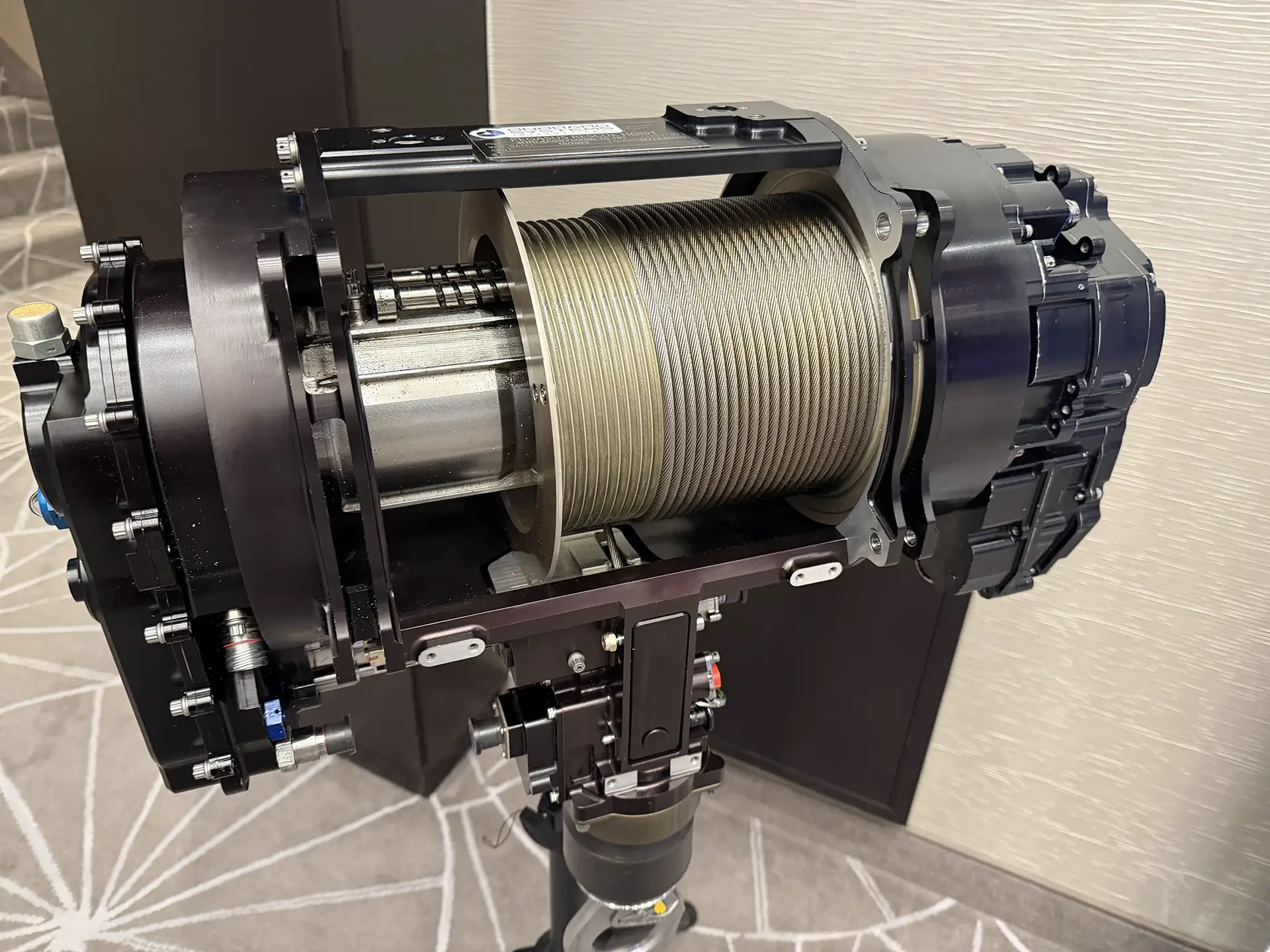
As technology advances, the rescue hoist is evolving. Trevor Abraham examines the engineering, certification, and operational developments shaping the next generation of helicopter rescue hoists.
When I first stepped onto a helicopter in 1999, my understanding of the rescue hoist was simple. It was there, and it worked. Like most operational crew, I trusted it implicitly and focused on the task at hand. The hoist was part of the aircraft, part of the system, and something you relied upon without necessarily questioning how or why it functioned the way it did.
Over the years, that understanding deepened. Having spent more than two decades operating rescue hoists in military, offshore, and
search-and-rescue environments, I have come to appreciate that what appears to be a relatively simple piece of equipment is, in reality, an
exceptionally sophisticated engineering system. While crews concentrate on delivering the mission, manufacturers, certification authorities,
and aircraft designers are continuously working behind the scenes to improve the equipment we often take for granted.
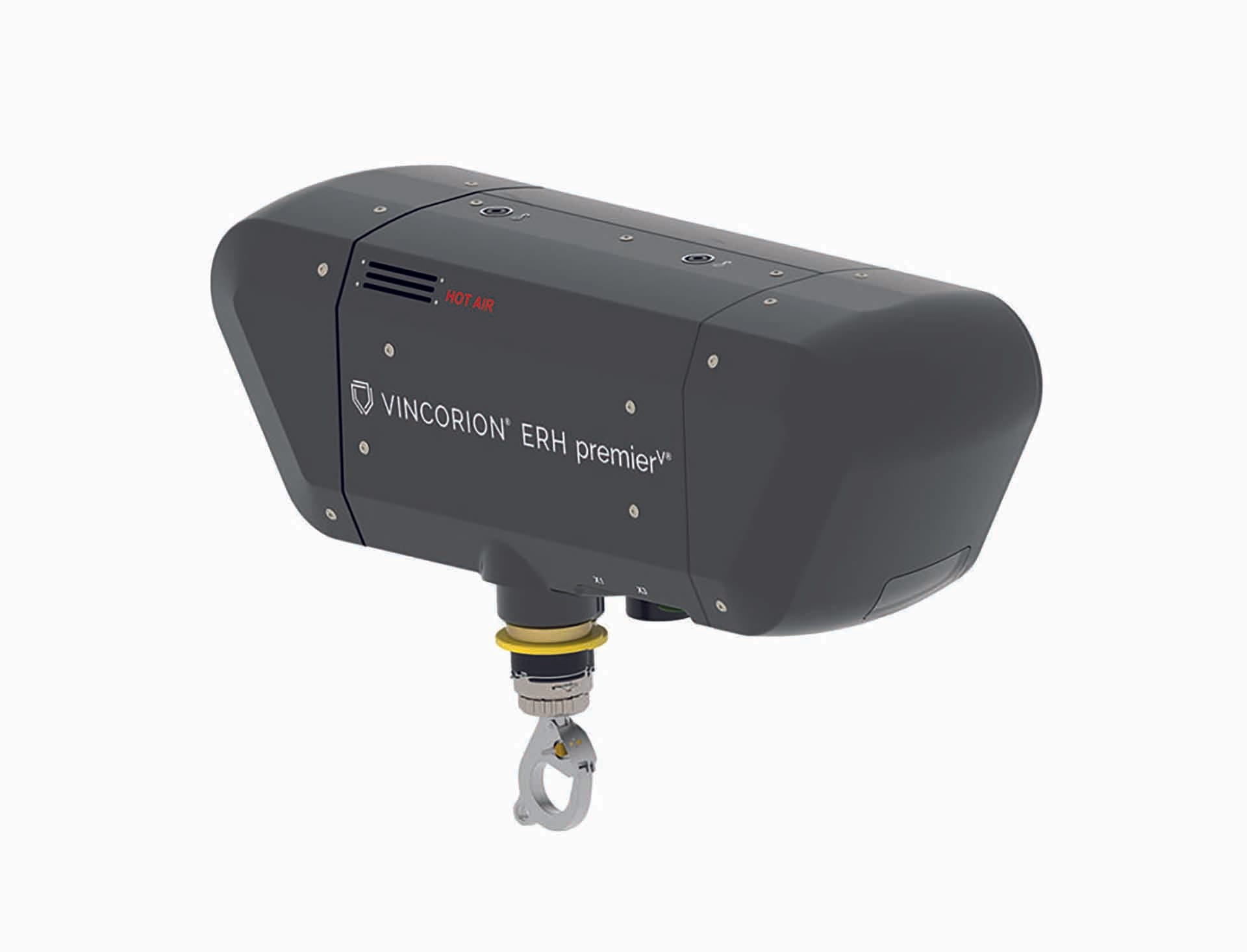
That evolution is now accelerating. Advances in materials, manufacturing technology, digital integration, and certification philosophy are shaping the next generation of helicopter rescue hoists. These developments are not about reinventing a proven system. Instead, they represent a series of carefully considered improvements that aim to enhance safety, improve reliability, simplify maintenance, and integrate the hoist more effectively into the wider aircraft system.
For most operators, these changes will be almost invisible. The basic task remains unchanged: lower the hook, recover the casualty, and complete the mission safely. Yet beneath that familiar operation lies a significant amount of engineering innovation that will influence how rescue hoists are designed, certified and maintained for decades to come.
A System That Has Always Worked, But Was Never Fully Defined
One of the more interesting realities in the development of rescue hoists is that, for many years, they existed in something of a regulatory grey area.
As Richard Bryson of Onboard Systems explained during our discussion:
"The basic rule was conceived for the whole aircraft, not the hoist."
That single observation neatly summarises one of the biggest challenges facing hoist manufacturers.
Historically, helicopter rescue hoists were certificated by demonstrating compliance with the aircraft's certification basis, principally FAA 14 CFR Parts 27 and 29 and their European equivalents, EASA CS-27 and CS-29. Those regulations establish the airworthiness requirements for normal and transport category rotorcraft, but were never written specifically for rescue hoists.
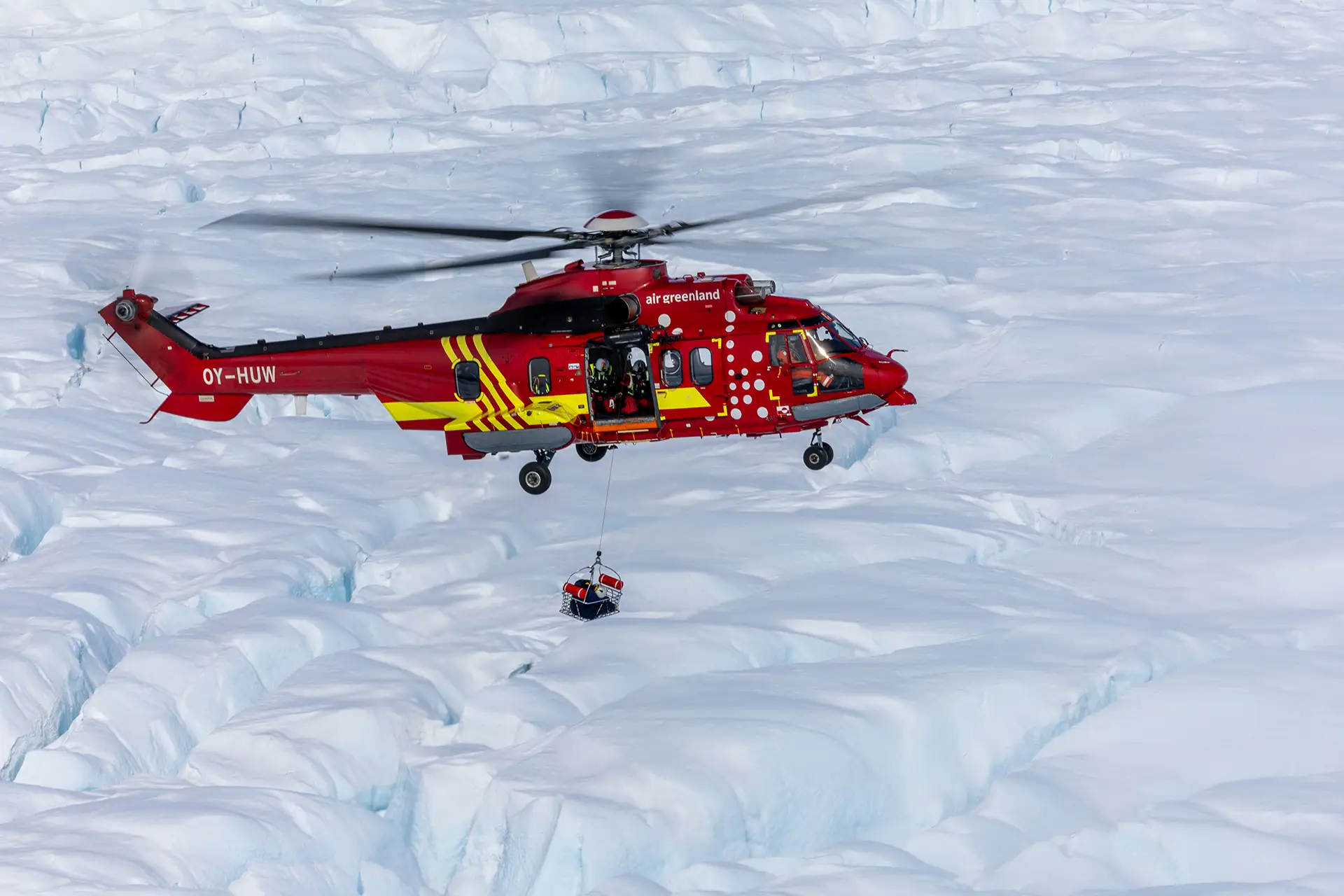
As a result, manufacturers, aircraft OEMs and certification authorities often interpreted those requirements differently when demonstrating compliance for hoist installations. While the systems themselves proved exceptionally safe and reliable, the certification pathway was sometimes less clearly defined than it might have been.
Today, that picture is changing.
Regulators and manufacturers increasingly recognize that the rescue hoist is not simply an aircraft accessory, but a safety-critical mission system in its own right. Modern certification programs place greater emphasis on clearly defined means of compliance covering areas such as static and dynamic load testing, fatigue life, emergency release systems, cable integrity, environmental qualification, continued airworthiness, and system redundancy.
The objective is not to solve a safety problem; the current generation of hoists has accumulated millions of successful operational hours, but to remove ambiguity from the certification process and ensure greater consistency between aircraft manufacturers, hoist manufacturers and certification authorities worldwide.
That clarity ultimately benefits everyone. Manufacturers gain a more predictable certification pathway, operators receive more consistent equipment standards, and regulators can demonstrate compliance against clearly defined engineering requirements rather than relying on interpretation.
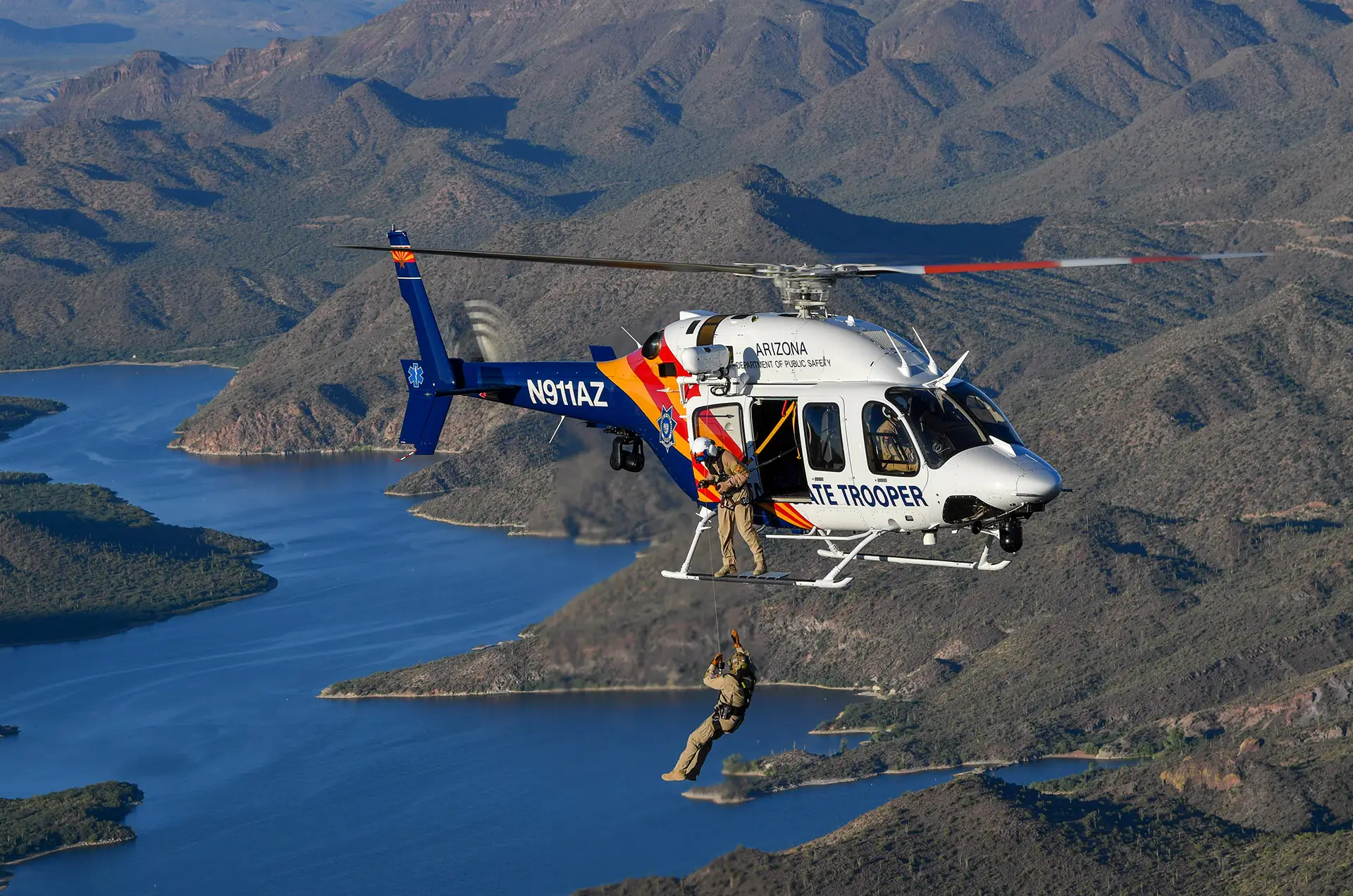
It is important to be clear here. The current generation of rescue hoists is not unsafe. They have supported decades of demanding military, offshore, and search-and-rescue operations worldwide. However, engineering is built upon continuous improvement. As materials evolve, digital technology advances, and operational experience grows, designers are able to increase safety margins, simplify maintenance, and improve reliability without fundamentally changing how crews operate.
That, perhaps, is the defining characteristic of the next generation of rescue hoists. They are not revolutionary machines replacing what came before. They are the result of thousands of incremental engineering improvements, each building upon decades of operational experience to produce systems that are smarter, more integrated, and more resilient than ever before.
Understanding the Real Limitations
From an operational perspective, it is easy to assume that the next generation of rescue hoists will simply mean more: more lifting capacity, faster line speeds, and greater capability. In reality, the engineering challenges are far more complex.
Capacity, for example, is often seen as the obvious measure of progress. Modern rescue hoists are now moving towards a nominal 303 kg (668 lb) lifting capacity, theoretically enabling the recovery of three people on the hook under standard weight assumptions. On paper, that represents a significant increase over previous generations.
Operationally, however, the picture is far less straightforward.
The limiting factor is rarely the hoist itself. More often, it is the helicopter. Aircraft hover performance, center of gravity, transmission limits, and, perhaps most importantly, transverse stability all influence what can safely be lifted during a rescue. Increasing hoist capacity beyond current levels inevitably requires stronger structures, more powerful motors, and larger gearboxes, all of which add weight to the installation.
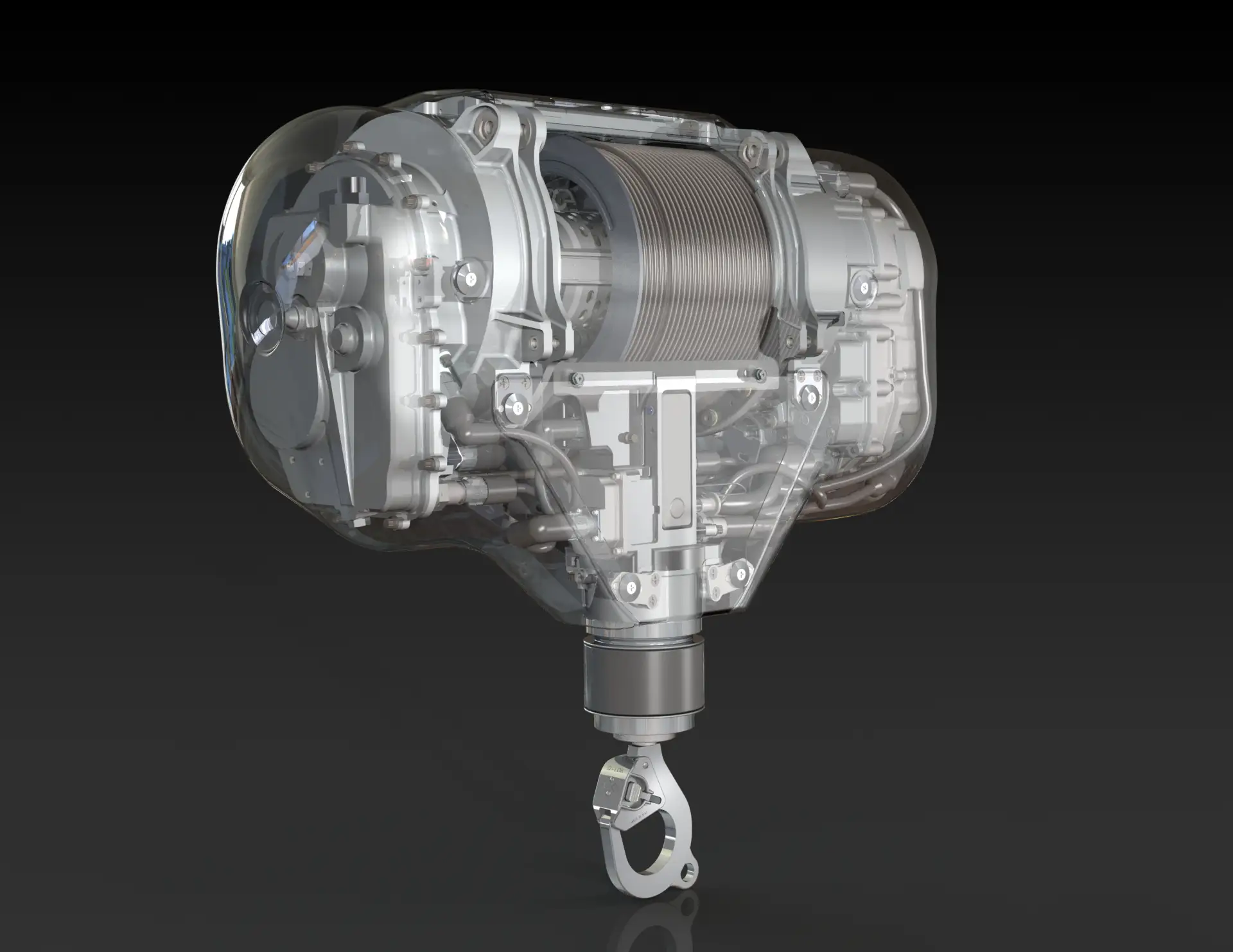
In aviation, every pound or kilogram matters.
A rescue hoist weighing approximately 55 kg may increase to 70 kg or more when designed for substantially higher loads. That additional weight reduces payload, affects aircraft performance, and ultimately influences fuel burn and endurance. Engineers are therefore constantly balancing competing priorities: lifting capability, structural strength, reliability, and aircraft performance rather than simply designing for the highest possible load.
The same principle applies to hoist speed.
While faster recovery times are attractive from an operational perspective, line speed is fundamentally constrained by the electrical or hydraulic power available from the aircraft. Increasing speed without increasing available power introduces compromises in motor performance, thermal management and mechanical loading. Beyond a certain point, faster is not necessarily better.
This reflects a broader philosophy within aerospace engineering.
The objective is not to design the biggest or fastest rescue hoist, but the most efficient one. Modern development programs focus on achieving the optimum balance between capability, reliability, maintainability, and aircraft integration, ensuring that improvements in one area do not introduce unnecessary penalties elsewhere.
Ultimately, the next generation of rescue hoists is not about pushing engineering to extremes. It is about operating more intelligently within the limits imposed by both physics and the aircraft itself.
Design Evolution: Quiet but Significant
Perhaps the greatest advances are taking place not in what operators see, but in how rescue hoists are designed and manufactured.
Many of today's operational hoists trace their engineering heritage back several decades. At the time they were conceived, manufacturing processes inevitably influenced design. Complex castings, large machined components and numerous individual assemblies reflected both the technology and production methods available.
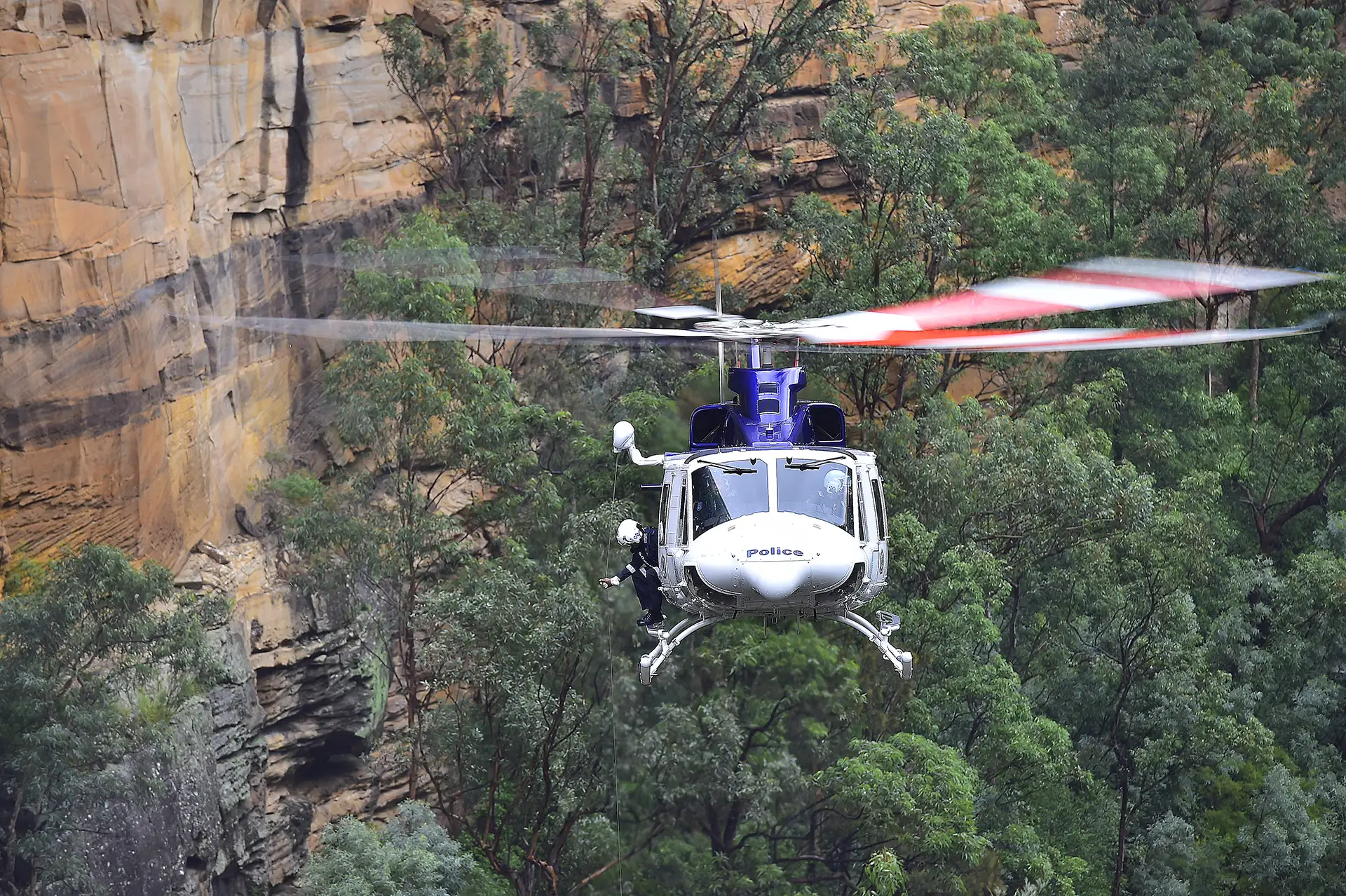
Today's design environment is fundamentally different.
Advanced three-dimensional Computer Aided Design (CAD), Finite Element Analysis (FEA), computational modeling, and digital simulation now allow engineers to evaluate thousands of design iterations before a single component is manufactured. Areas of high stress can be identified, fatigue life predicted, and unnecessary material removed long before physical testing begins.
Rapid prototyping using additive manufacturing, more commonly referred to as 3D printing, has also transformed product development.
Although flight-critical structural components continue to be manufactured from certified aerospace materials using conventional machining techniques, additive manufacturing enables engineers to produce prototype housings, cable guides, brackets, and complex assemblies within days rather than weeks. Components can be evaluated, redesigned, and refined repeatedly before production tooling is committed.
The result is not simply faster development; it is better engineering.
Richard Bryson explains that one of the key objectives of modern rescue hoist design is to reduce component count wherever possible. Fewer parts generally mean fewer interfaces, fewer potential failure points, and simpler maintenance procedures. The benefits extend throughout the product lifecycle, from manufacturing and assembly through to scheduled maintenance and overhaul.
This has significant operational value.
For organizations supporting offshore energy, military operations, and search-and-rescue services, maintenance downtime directly affects aircraft availability. Simplified maintenance, improved accessibility, and increased component reliability translate into greater operational resilience, lower through-life costs, and improved fleet readiness.
From the cabin door, very little appears to have changed.
Behind the access panels, however, today's rescue hoists are becoming lighter where possible, structurally more efficient, electronically smarter, and considerably easier to maintain than the systems they are gradually replacing.
Data: The Quiet Transformation
One of the most significant developments in next-generation rescue hoists is not immediately visible. It lies in the increasing use of data. Traditionally, much of the information surrounding hoist operation, including cycles, loads, cable usage, and maintenance history, has been recorded manually or assessed after the event. While this approach has served operators well for decades, it inevitably relies upon accurate recording and interpretation.
The latest generation of rescue hoists is beginning to change that.
Integrated sensors can now monitor cable length, line speed, load, operating cycles, and system health in real time. For the operator, this provides greater situational awareness through accurate indication of cable deployment and live load monitoring. For maintenance organizations, it provides a far richer understanding of how the equipment is actually being used.
Perhaps more importantly, it supports a move towards condition-based maintenance. Rather than relying solely on scheduled inspections or estimated usage, engineers can increasingly assess actual operating cycles, recorded loads and system performance to make more informed maintenance decisions. This improves aircraft availability while maintaining the high safety standards expected of rescue equipment.
As Richard Bryson points out, however, there is an important balance to achieve.
"The information has to help the operator, not become another distraction."
In the demanding environment of a live rescue, attention must remain focused on the casualty and the aircraft, not on interpreting complex displays. The challenge for manufacturers is therefore to provide more information while reducing workload; a principle that sits at the heart of modern human-centered design.
Integration with the Aircraft
Perhaps the most visible development over the coming decade will be the continued integration of rescue hoists into the aircraft itself. Historically, the hoist has operated largely as a stand-alone subsystem. Modern designs increasingly incorporate digital communication via aircraft data buses, enabling information to be shared directly with avionics, maintenance systems, and mission equipment.
The possibilities are considerable.
Cockpit displays could present real-time cable length, hook load, and system status directly to the pilot. Hoist-mounted cameras may provide live video to both cockpit and cabin displays. Searchlights, infrared cameras, and mission sensors could eventually operate in coordination with hoist position, providing greater situational awareness during complex rescues.
These developments are not intended to replace the operator.
Instead, they enhance communication between the pilot and Technical Crewman, reduce reliance on verbal call-outs and create a more integrated operational picture. The rescue hoist becomes another intelligent component within the aircraft's wider mission system, rather than an isolated piece of equipment.
The Role of the Operator
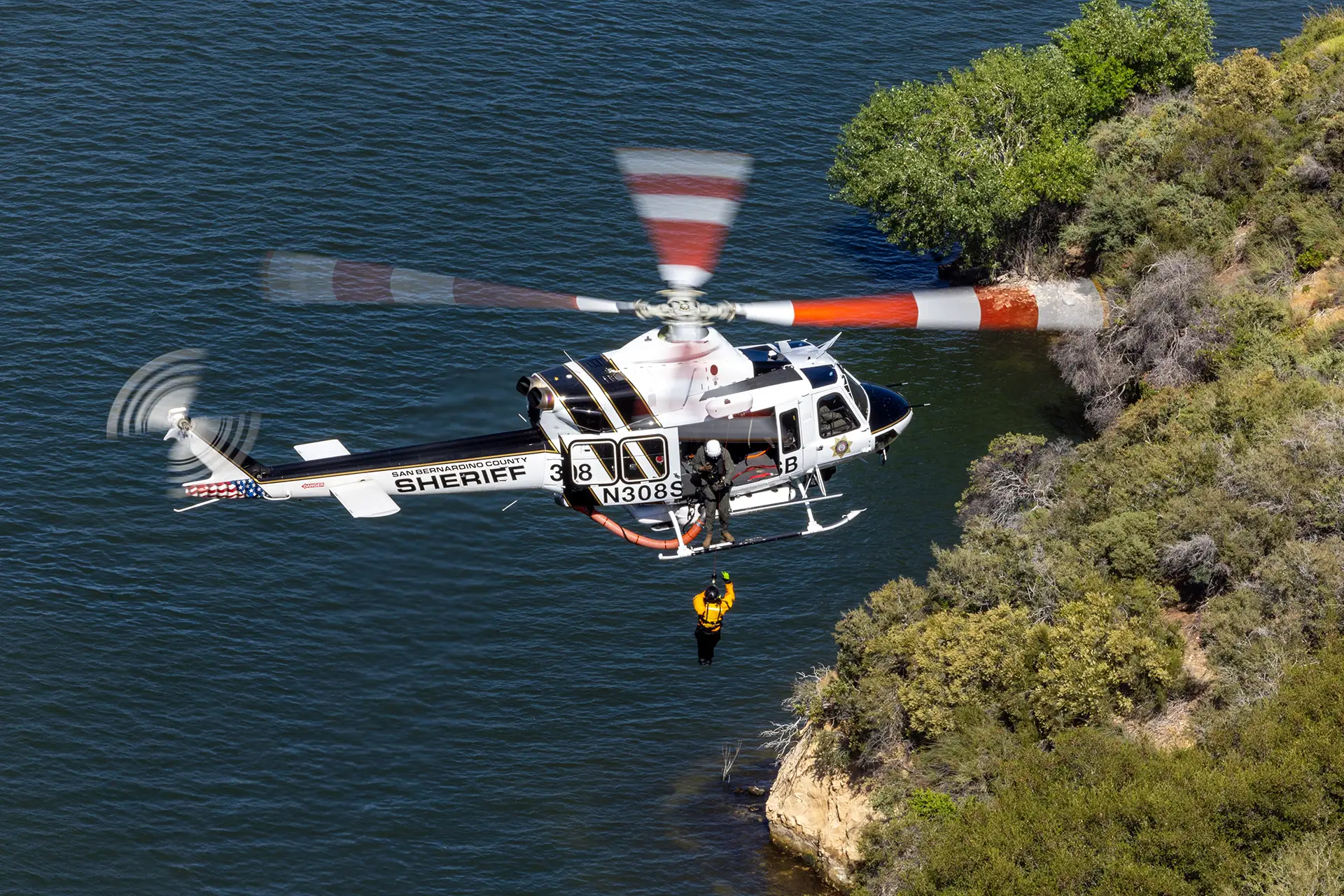
With increasing automation and digital integration, an obvious question emerges. Will technology eventually replace the Technical Crewman? From an operational perspective, the answer remains firmly no.
Technology excels at processing information. It does not replace judgment.
Every rescue is different. Wind conditions change, casualties behave unpredictably, vessels move, crews adapt, and circumstances evolve by the second. Successful hoist operations depend upon communication, experience, and decision-making that cannot easily be replicated by automation alone.
As Bryson observed:
"You still have a pilot and an operator and one, two, or even three people on the hook."
That simple statement reflects an important reality. Rescue hoisting remains fundamentally a human operation supported by technology, rather than a technological operation supervised by humans.
Automation will undoubtedly continue to reduce workload, improve information flow and simplify repetitive tasks. However, the Technical Crewman remains the critical link between the aircraft and the casualty, making decisions that no software algorithm can yet replicate.
The objective is therefore not to remove the human element, but to enable it.
Looking Ahead
Rescue hoists will also evolve alongside the aircraft that carry them.
Future rotorcraft and high-speed vertical-lift platforms, including aircraft such as the Airbus Racer and Leonardo AW609, pose new engineering challenges. Higher cruise speeds place greater emphasis on aerodynamic efficiency, requiring rescue hoists to become more compact, lighter, and better integrated into the aircraft structure.
At the same time, advances in materials, digital engineering, additive manufacturing and simulation are allowing manufacturers to explore designs that would have been impossible only a decade ago. Digital twins, virtual testing, and advanced structural analysis are shortening development cycles while improving confidence before physical certification testing even begins.
For operators, much of this evolution will pass unnoticed.
The hook will still lower.
The cable will still recover.
The mission will still demand the same professionalism, teamwork, and judgment that it always has.
The difference is that every component involved in that operation will have benefited from decades of accumulated engineering knowledge.
Conclusion
From the perspective of someone who has worked beneath rescue hoists for much of my career, perhaps the most striking observation is this: the rescue hoist has never stood still.
What appears to be a familiar piece of equipment has been quietly evolving through improvements in engineering, certification, manufacturing and digital technology. The next generation of rescue hoists is not defined by a single revolutionary breakthrough, but by hundreds of carefully considered refinements that collectively improve safety, reliability and operational effectiveness.
Clearer certification standards are reducing ambiguity. Modern manufacturing techniques are producing stronger, lighter, and more maintainable systems. Digital integration is transforming how hoists communicate with aircraft and maintenance organizations. Operational data is enabling smarter maintenance and improved fleet availability.
Despite these advances, the fundamental purpose of the rescue hoist remains unchanged.
It exists to connect people. It links an aircraft to a casualty, a crew to a survivor, and engineering excellence to operational success.
Technology will continue to evolve, regulations will mature, and aircraft will become increasingly sophisticated. But ultimately, the success of any rescue hoist will still depend upon the people who design it, certify it, maintain it, and, above all, those who trust it with their lives every time the hook leaves the cabin door.
The challenge isn't building a stronger hoist, It's building a smarter one.