 HOME
HOME





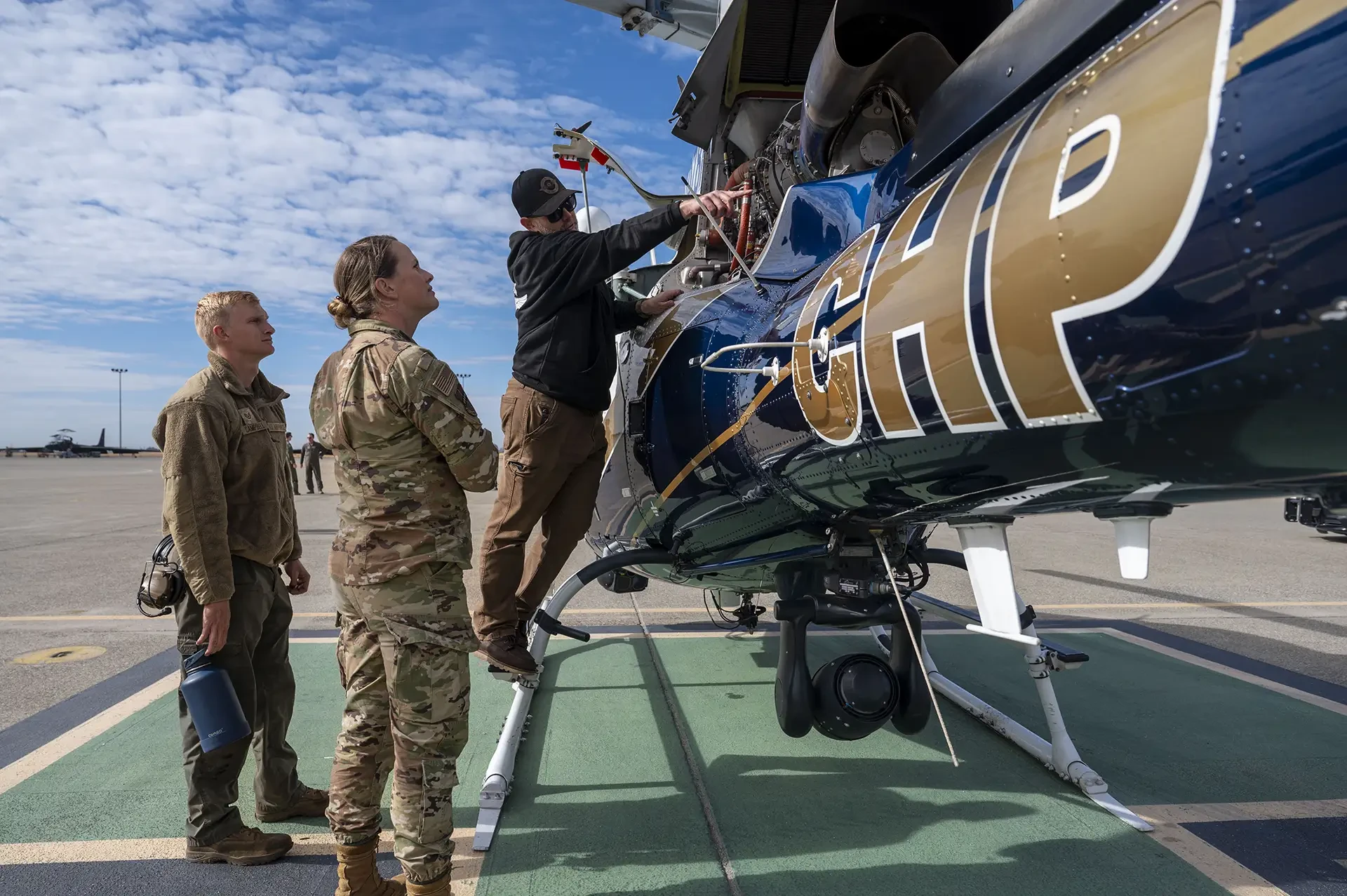
Jacob Kelderhouse examines how maintenance culture, data integrity, capacity planning, and condition-based maintenance shape operational readiness.
Helicopter reliability is rarely the result of a single dramatic failure. More often, the aircraft has been signaling its condition long before a component finally quits, sending early clues that only become meaningful when viewed through disciplined maintenance practices and reliable data. The following observations are drawn from years spent supervising complex aviation maintenance operations, where the most significant gains in readiness emerged not from technology alone but from the interplay of culture, planning, and honest reporting.
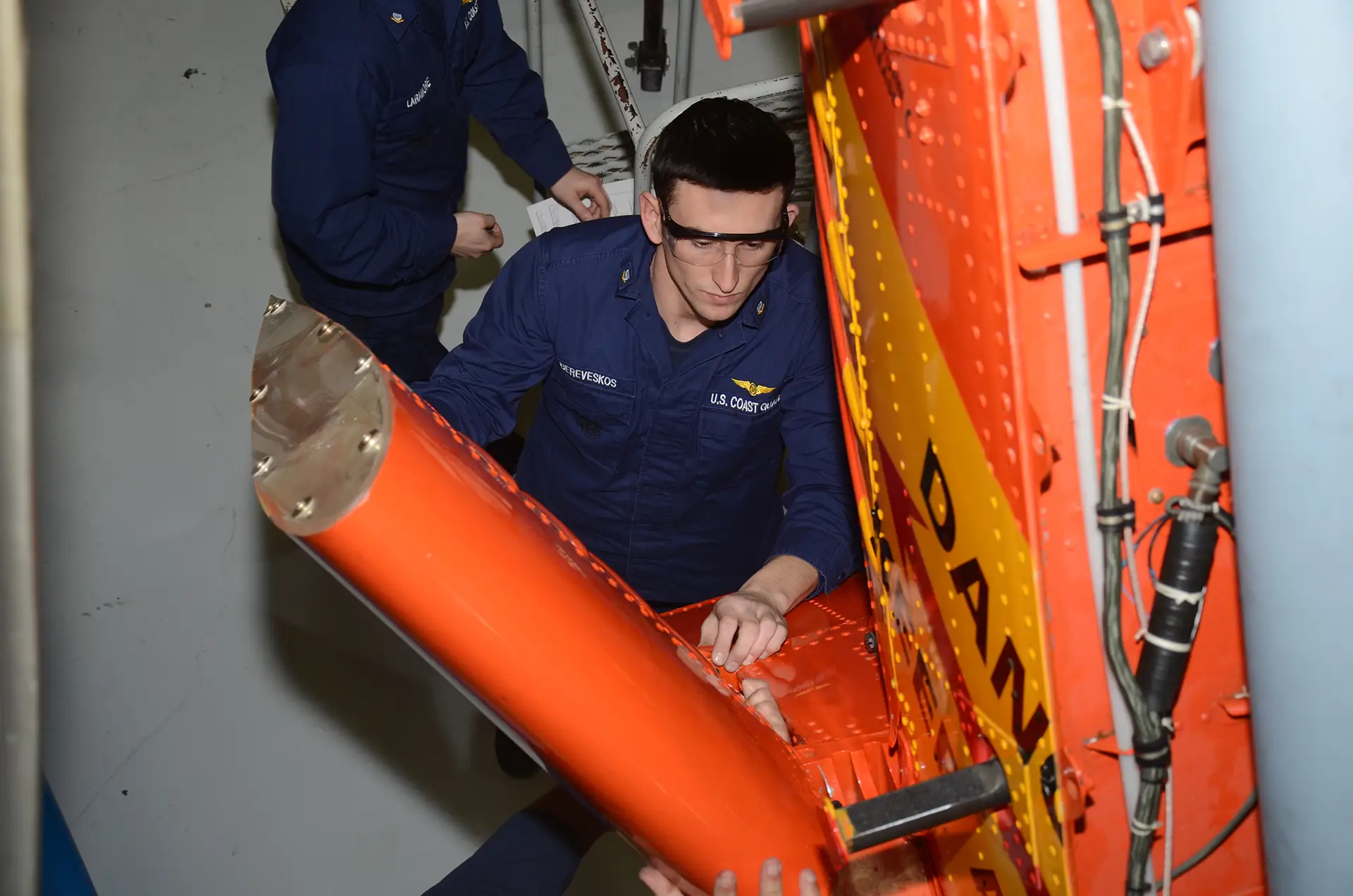
The First Lesson: The Aircraft Always Tells the Truth
One of the clearest lessons to surface across years of rotary-wing maintenance oversight is that aircraft do not hide their condition. What obscures the truth is the way organizations record and interpret the information they provide. Aircraft suffered most when the data describing their health was incomplete, filtered by optimistic assumptions, or captured inconsistently across shifts and work centers. It was not unusual for a dashboard to present a clean and reassuring picture while, in reality, the aircraft carried small but meaningful indicators of degradation that had accumulated quietly over time.
These early signs rarely resemble the failures that ultimately ground an aircraft. They begin as intermittent malfunctions, repetitive write-ups that appear unrelated, subtle changes in vibration signatures, unexpected temperature behavior, or anomalies noted during post-flight inspections that seem inconsequential in isolation. Patterns only emerge when these observations are captured consistently. Conversely, when they are left to interpretation or omitted for the sake of expedience, ambiguity grows, and with it, the potential for operational disruption.
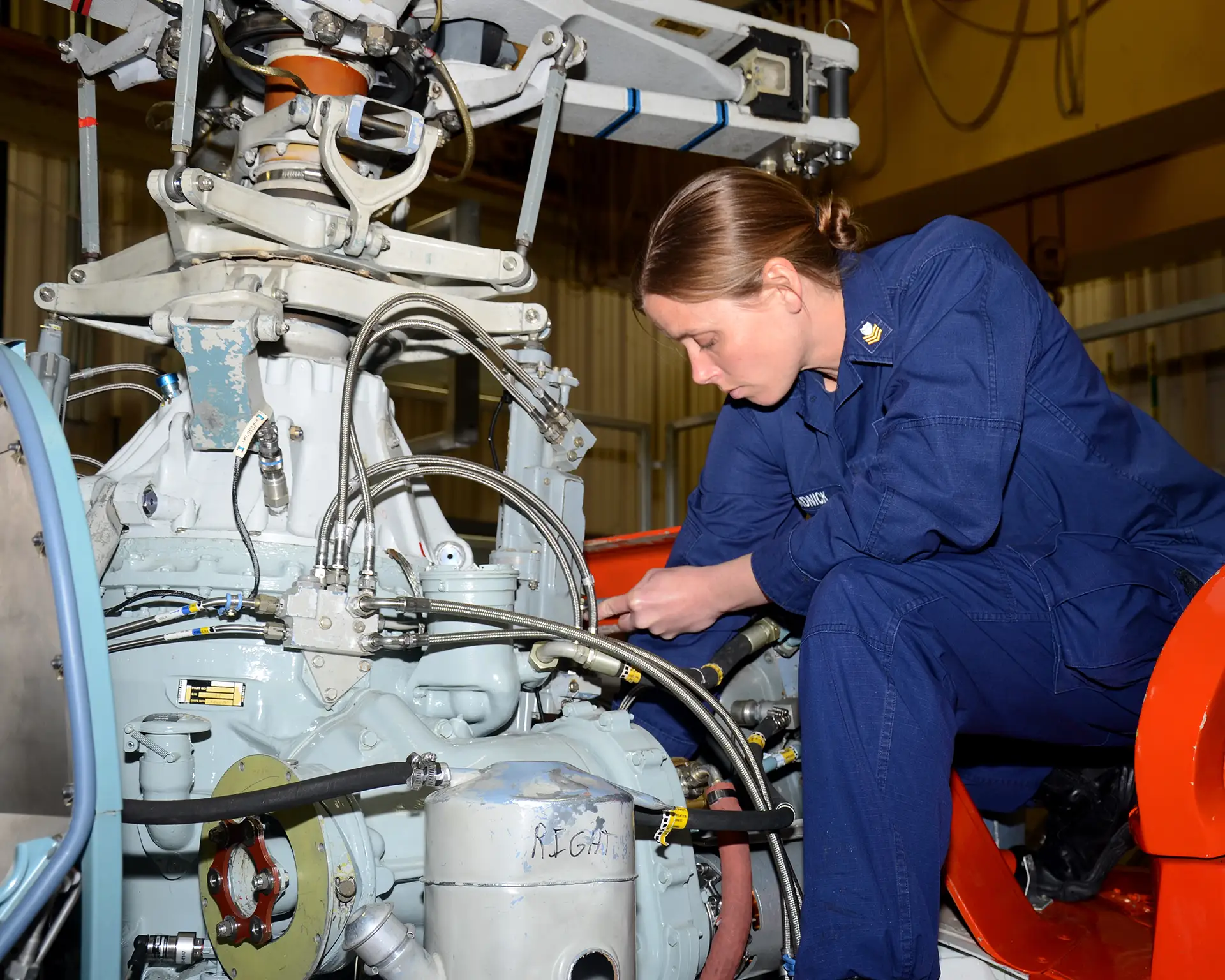
Meaningful improvement arrived not with new software or monitoring equipment but with a renewed commitment to documenting every discrepancy, even those that seemed minor or unlikely to influence immediate readiness. Once this discipline took hold, trends that had previously been hidden became obvious. Components that appeared to fail without warning revealed clear degradation curves. Behavior that seemed erratic proved predictable. The aircraft had been telling the truth all along. The challenge had been learning to listen carefully and record faithfully.
This approach also reshaped how maintainers understood their own role in the reliability chain. When they saw that their early observations directly influenced outcomes weeks or months later, the motivation to record small details strengthened. Reliability became a shared responsibility rather than a downstream effect of unscheduled maintenance.
Condition-Based Maintenance Depends on the System Supporting It
Modern condition-based maintenance, particularly when paired with health usage monitoring, offers powerful insight into component behavior. Vibration analysis, exceedance tracking, and trend monitoring give maintainers the opportunity to intervene early and replace components based on actual degradation rather than fixed time horizons. For rotary-wing platforms operating in demanding environments, this represents a significant advancement. However, predictive insight is only valuable when the rest of the system is capable of acting on it. The most accurate diagnostic trend is ineffective if the organization lacks the resources or structure to support timely intervention.

The first dependency is supply availability. A diagnostic alert that identifies a degrading component provides little advantage if the replacement part is unavailable or delayed. Effective CBM requires a parallel supply strategy that forecasts demand based on historical consumption, operational tempo, environmental exposure, and the lead time required to position parts where they will be needed. The second dependency is workforce capacity. Even when the data is accurate and the parts are on hand, maintainers must have sufficient time and specialized skills to perform the work. Units operating at or near saturation often lack the agility required for predictive intervention, which means a well forecasted fault may still lead to an aircraft grounding.
The third dependency is integration with planning. CBM data must inform the maintenance horizon rather than remain an isolated advisory tool. When planners and controllers understand how a developing trend intersects with scheduled inspections, asset allocation, and projected sortie demands, predictive signals can be acted upon with minimal disruption. These dependencies illustrate a simple truth: predictive data enhances readiness only when an organization is structured to respond effectively. CBM is not a standalone tool. It succeeds only when paired with supply resilience, workforce availability, and integrated planning.
Expanding the Role of Condition-Based Maintenance in Workforce Utilization
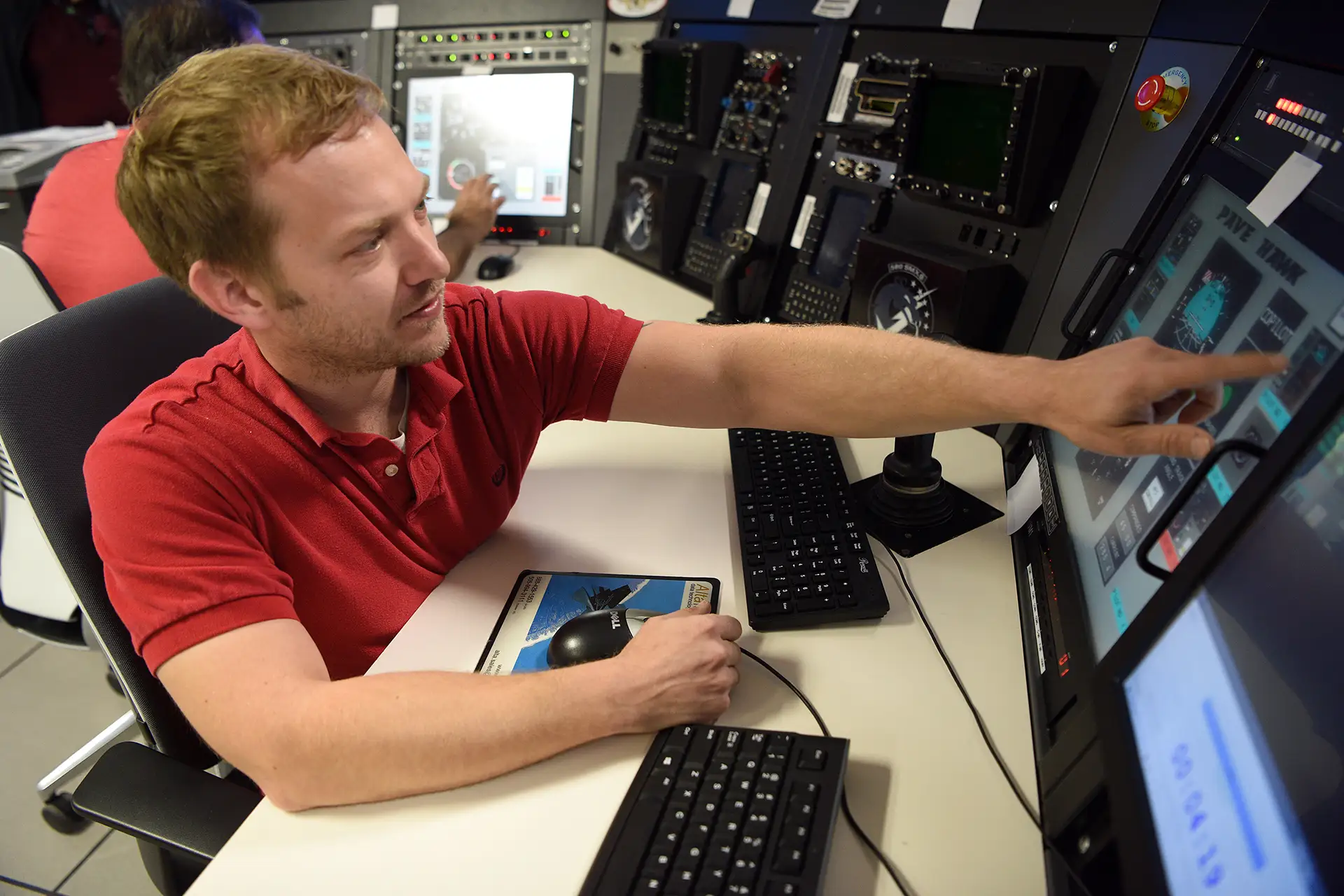
Condition-Based Maintenance goes far beyond diagnostics. Its real power emerges when condition data is tied directly to workforce utilization and planning. When a component begins trending toward failure, CBM allows organizations to anticipate not only the part requirement but the labor requirement. This enables planners to schedule work during periods of lower operational demand, ensuring that manpower and parts align long before the component reaches a critical point.
This integration also helps avoid the human cost of reactive maintenance. When organizations rely solely on unscheduled or emergent maintenance, technicians routinely find themselves working extended shifts under high pressure. Fatigue compounds with each reactive event, increasing the likelihood of mistakes and rework. CBM-driven forecasting smooths the workload across the week or month, mitigating the peaks in demand that lead to burnout. Workforce morale improves when technicians see that their time is being managed deliberately rather than reactively. For maintenance managers, this alignment is one of the most valuable contributions CBM can offer. It transforms the workforce from a crisis-response team into a deliberate asset that can be efficiently scheduled and protected. When technicians see that leadership is using data to reduce unnecessary strain, trust and buy-in increase dramatically.
Why Capacity Planning Outperforms Last Minute Heroics
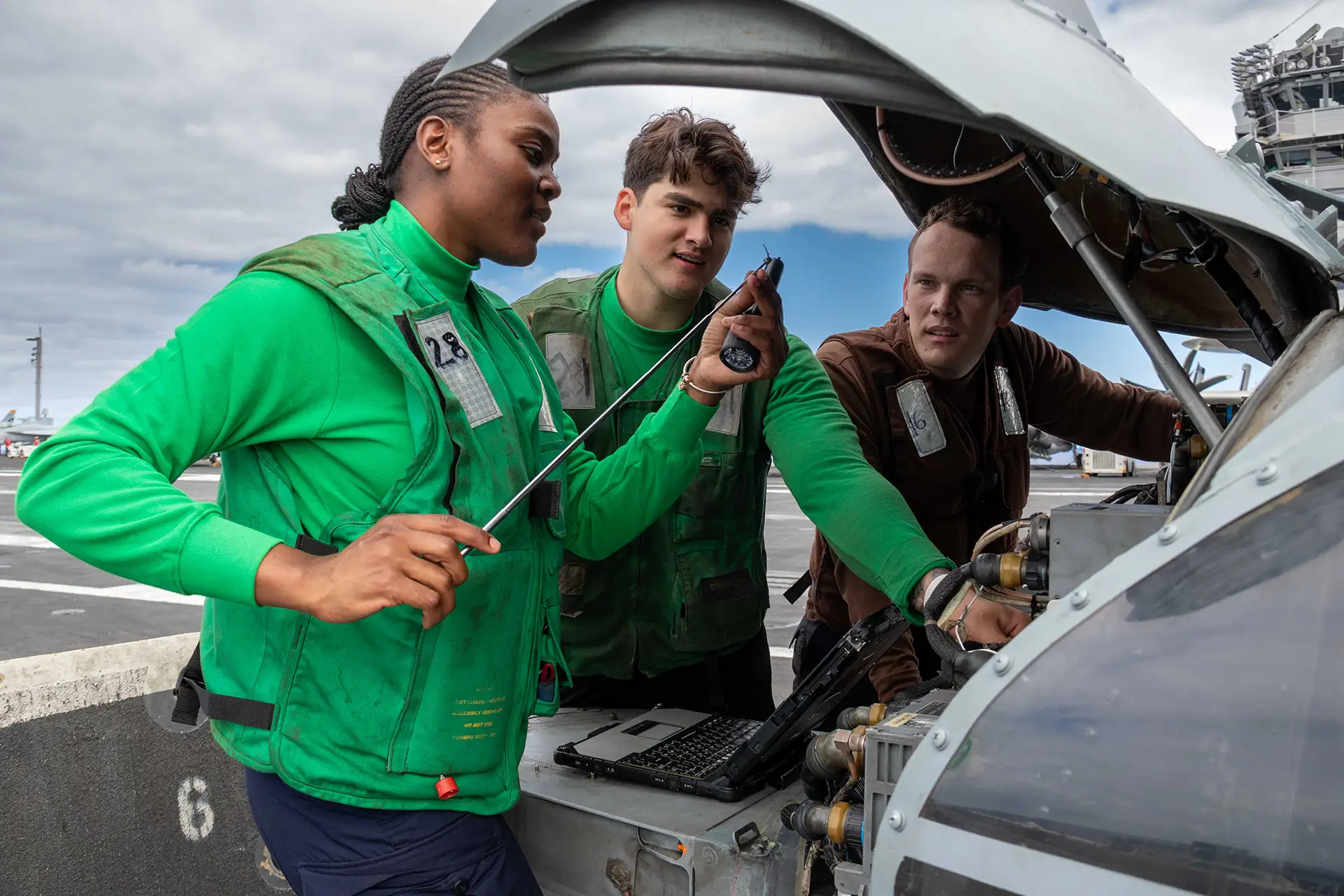
Aviation culture often celebrates the maintainers who stay late, push through fatigue, and return an aircraft to service. Their dedication is unquestionable, yet relying on heroics conceals structural issues that undermine long-term reliability. The most consistent improvements in readiness did not originate from extraordinary individual effort but from disciplined capacity planning that prevented crises before they began.
A weekly capacity model emerged as a practical solution to recurring challenges. By mapping available skill hours against scheduled maintenance, anticipated corrective actions, and CBM-driven requirements, organizations gained clarity regarding their true capacity. This transparency allowed leaders to make decisions grounded in realistic expectations rather than optimistic assumptions. Once the saturation point was visible, teams could redistribute work, adjust priorities, or push tasks into future windows before quality declined. Maintaining a buffer meant that unplanned requirements no longer derailed the week. Predictability increased, allowing operations and maintenance to work in alignment rather than competition.
The benefits extended beyond readiness rates. Reducing late-night maintenance improved morale and reduced the cumulative fatigue that often contributes to errors. Rework declined, inspections became more deliberate, and maintainers reported greater confidence in the quality of their work. Capacity modeling created a sustainable system that allowed high-quality work without sacrificing personnel well-being.
The Hidden Costs of Missed Inspections and Fatigue
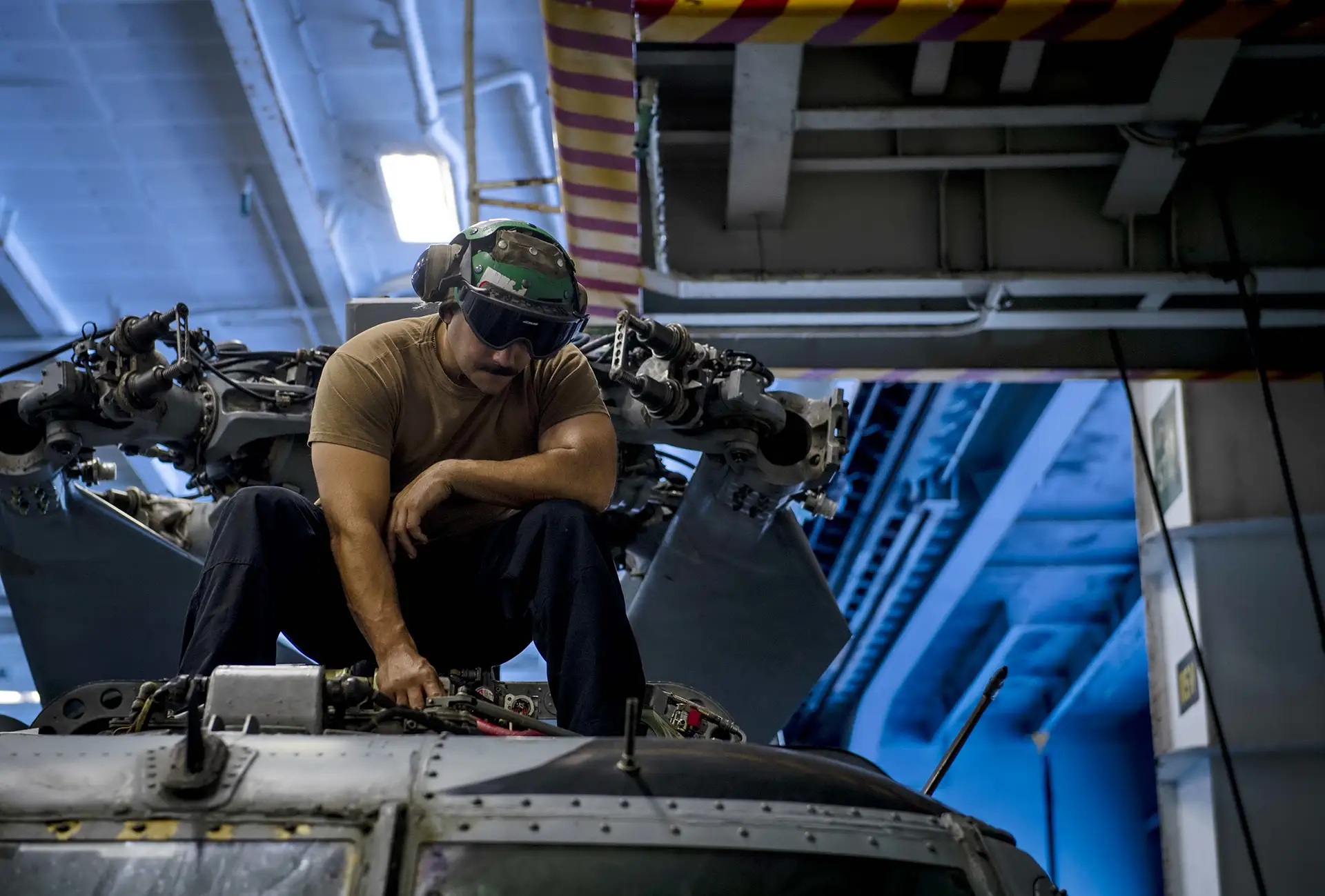
The operational costs of missing inspections or performing repairs at the last minute extend far beyond the aircraft. When discrepancies are overlooked or inspections shortened, small issues accumulate silently until they eventually manifest as significant failures. Rotary-wing aircraft are particularly vulnerable to this type of degradation, given their exposure to high vibration environments, salt, sand, temperature extremes, and demanding mission profiles.
What often goes unnoticed is the cost imposed on the maintenance organization itself. Every reactive repair disrupts schedules, extends shifts, and forces technicians to work in high-pressure conditions. Over time, fatigue becomes a silent risk factor that degrades quality as surely as vibration degrades components. Work performed under fatigue is slower, less accurate, and more prone to error. Each mistake then adds more work, more rework, and more fatigue, creating a feedback loop of diminishing readiness. A capacity model that accounts for fatigue and scheduled workload allows leaders to break that cycle. Instead of reacting to failures, maintenance teams prepare for them. Instead of scrambling to cover an unexpected grounding event, they act early while the aircraft is still available and the workforce is rested. This proactive approach reduces risk not only to the aircraft but to the maintainers themselves.
The Cultural Foundation of Reliability
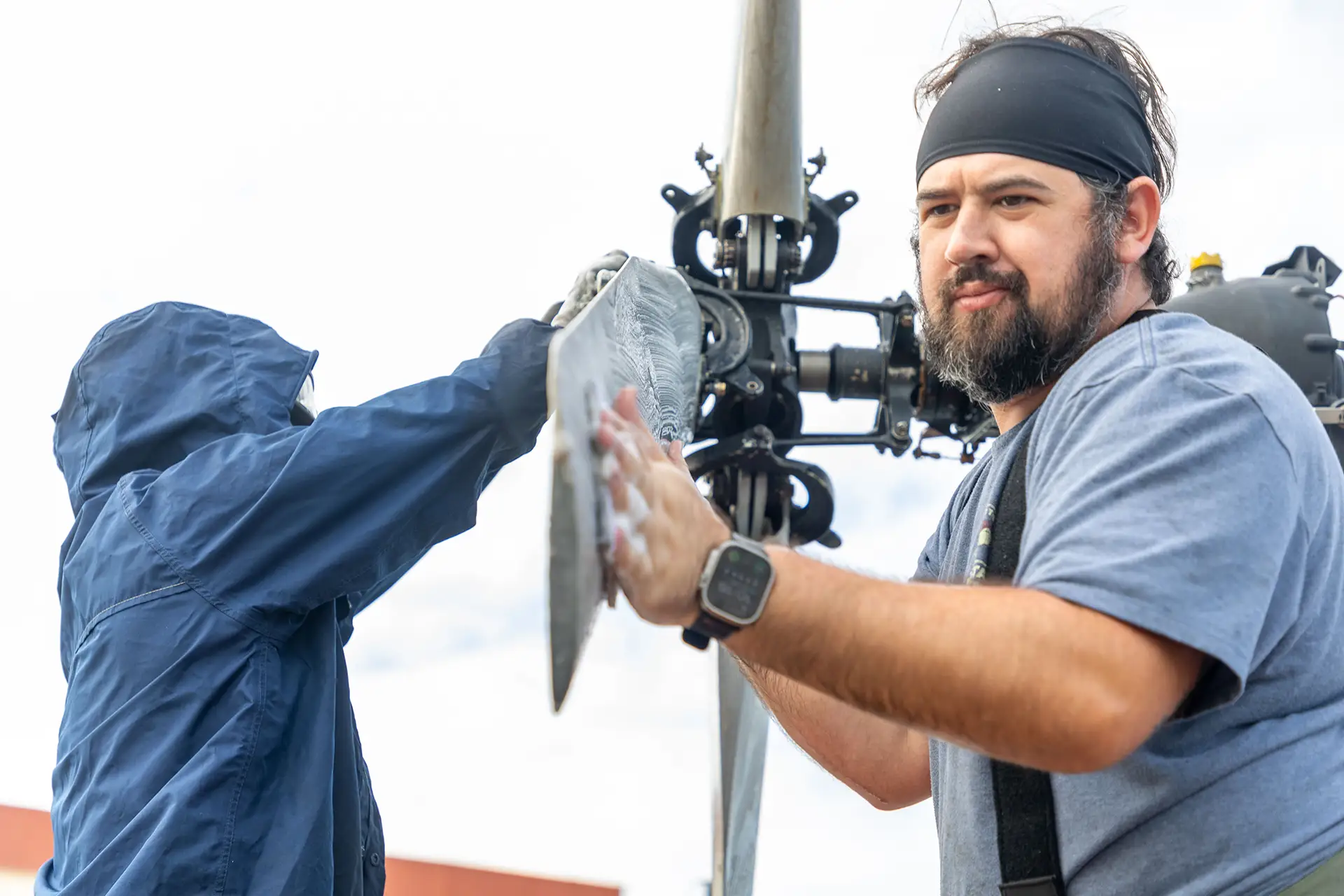
Tools, diagnostics, and planning methods play important roles, but none of them function effectively without a culture that encourages candid reporting and early identification of risk. It became clear during one oversight period that maintainers were hesitant to elevate emerging issues because previous discussions had focused too heavily on the immediate impact those issues would have on production. The consequences of that hesitation became visible when a minor, unreported anomaly contributed to a series of grounding discrepancies. The technical fix was simple, but the cultural lesson was profound. A deliberate shift in how debriefs were conducted changed the dynamic. Discussions began with the question, What should have been seen sooner, which encouraged reflection without attaching blame.
As this cultural foundation strengthened, repeat discrepancies decreased, first-pass yield improved, and maintainers began raising concerns early, even when doing so created short-term inconvenience. The organization developed clearer insight into training gaps and workload pressures because personnel felt more comfortable speaking honestly. Culture is not peripheral to maintenance strategy. It is the foundation on which every technical decision depends.
Building Trust Through Data-Driven Decisions
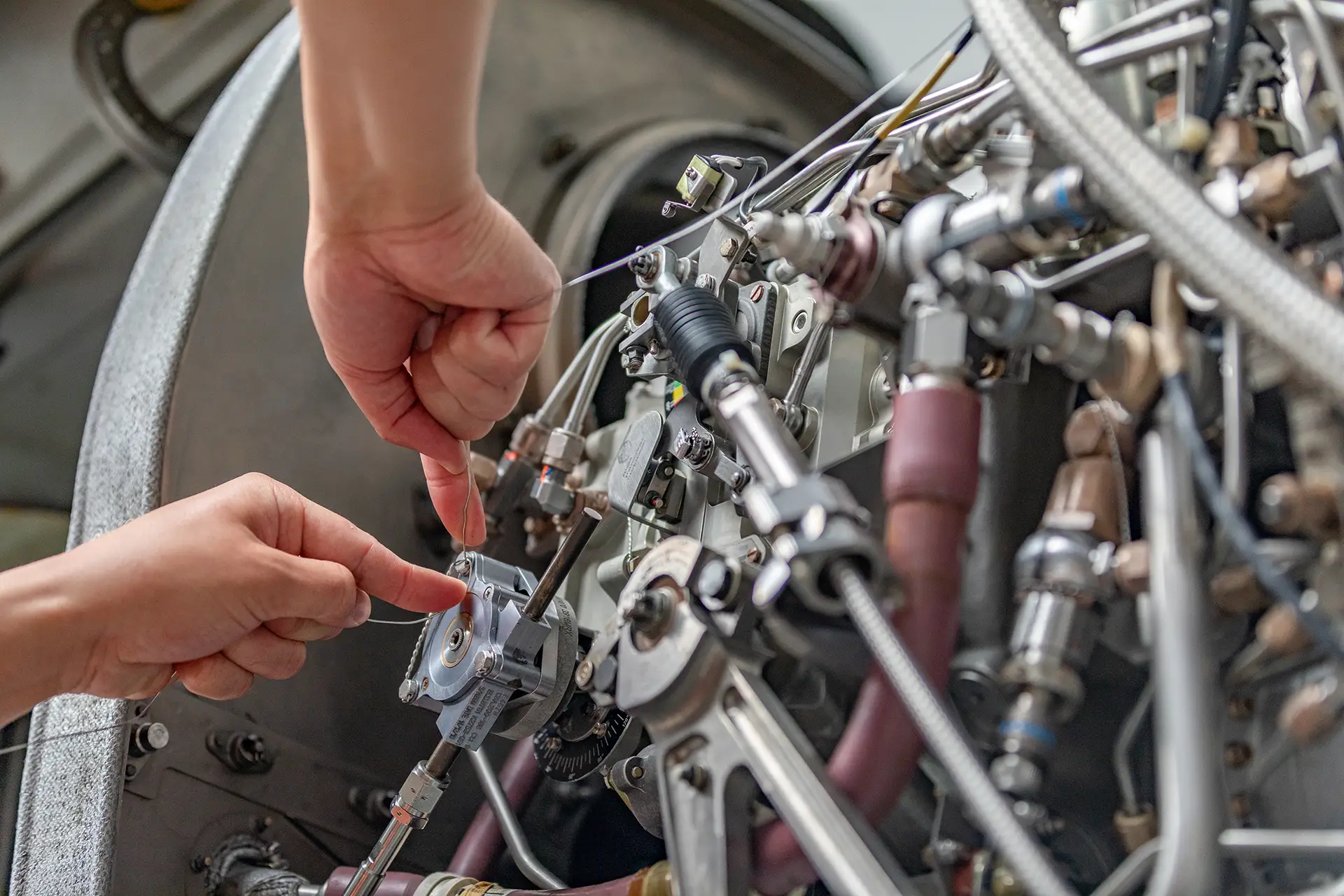
Creating a culture of openness is only part of the solution. Trust also grows when personnel see that leadership is using data responsibly, transparently, and in ways that meaningfully reduce their workload and improve aircraft outcomes. When CBM trends or discrepancy patterns lead to deliberate schedule changes that prevent late-night maintenance pushes, technicians see the value of accurate reporting. When leadership uses data to justify procurement or staffing decisions, the workforce recognizes that their inputs are shaping the organization’s future.
One of the most powerful outcomes of data-driven maintenance is the shift from blame to anticipation. Teams stop asking, "Why did this fail, and instead ask, " What does the data tell us about what is coming next?" This shift not only improves reliability but reinforces a sense of ownership and pride among maintainers. When personnel see their observations reflected in the data and acted on by leadership, the maintenance department becomes more aligned, more open, and more effective.
Enhancing Reliability Through Predictive Maintenance Models
Predictive maintenance models also play a significant role in controlling cost and extending component life. By identifying exactly when a part is degrading, organizations can avoid premature component replacement while still maintaining a safe margin. This approach reduces waste and enables more strategic use of the maintenance budget. Some rotary-wing fleets have seen a measurable reduction in parts inventory after adopting predictive models. Instead of stockpiling components based on worst-case assumptions, they tailor inventory levels to real operational demand. This frees up funding for training, new tooling, or modernization efforts.
Predictive analytics also improves planning for unscheduled events. Even when failures cannot be avoided, organizations can anticipate the likely failure window and prepare accordingly. This reduces the chaos traditionally associated with unexpected downing events and allows maintenance personnel to respond with greater clarity and confidence.
Conclusion: Reliability Emerges When Every Input Is Honest
The introduction noted that helicopters rarely fail without warning. Reliability improves when organizations collect accurate data, plan labor realistically, encourage early reporting, and integrate predictive tools within a broader maintenance and supply system. No single factor guarantees success, but aligned behaviors, processes, and cultural expectations can transform how rotary-wing fleets perform. Rotary-wing aviation will always involve environmental challenges, unpredictable operating conditions, and system complexity. The goal is not to eliminate uncertainty but to recognize and interpret the signals that precede it. When an organization listens to the aircraft, trusts its maintainers, and builds a responsive structure around predictive insight, reliability shifts from aspiration to expectation.