 HOME
HOME





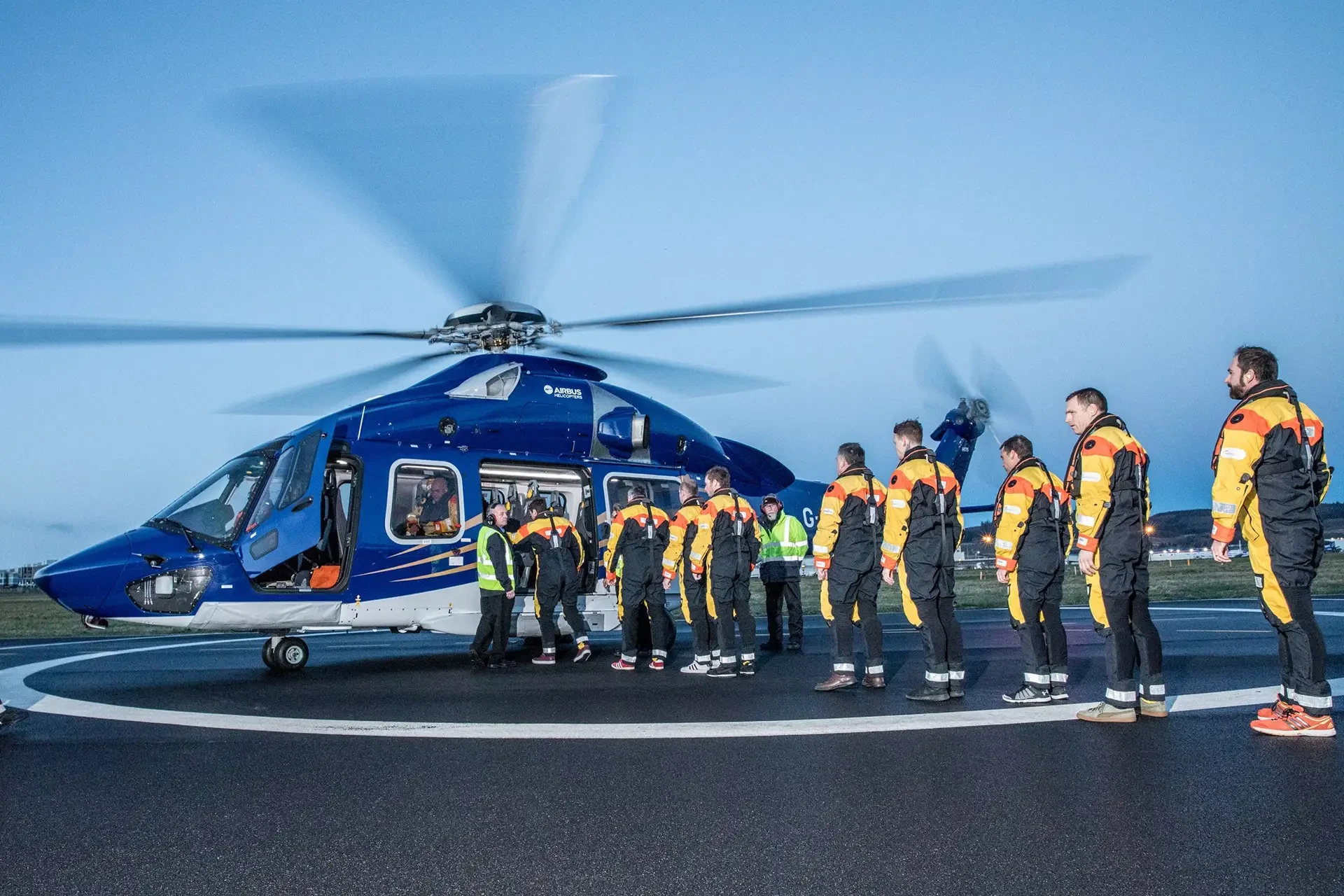
The Offshore Energy UK has come together to introduce a Safe Weight Limit Policy to ensure the safety of all personnel working offshore.
The clothed weight limit for offshore workers is 124kg, including a 0.7kg margin.
“Clothed weight” refers to a person’s weight while dressed in accordance with the industry travel clothing policy for the relevant season. The policy applies to all offshore installations operating under accepted Safety Cases as defined in the Offshore Installations (Offshore Safety Directive) Regulations 2015.
It applies to all offshore workers and is aimed at ensuring every person can be safely evacuated or rescued, particularly by a SAR helicopter winch. The combined load of the winchman, stretcher and equipment leaves a maximum capacity of 124.7 kg for a patient, anyone above this weight cannot be guaranteed rescue by SAR helicopter.
The HM Coastguard has confirmed that helicopter winch systems are subject to strict certification under the European Union Aviation Safety Agency (EASA) and increasing their capacity is not feasible in the short term.
The clothed weight is measured with the worker dressed according to the industry travel clothing policy for the relevant season, including shoes. This is the practical and standard measure used at heliports.
The policy was developed through collaboration between OEUK members, HM Coastguard, and other industry bodies.
The OEUK estimates around 5,000 offshore workers may be affected to varying degrees. Most are expected to meet the limit through gradual weight reduction.
The restriction only applies to outbound, offshore flights and there are no weight restrictions for return flights to shore.