1








3


2


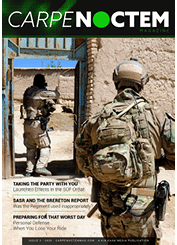

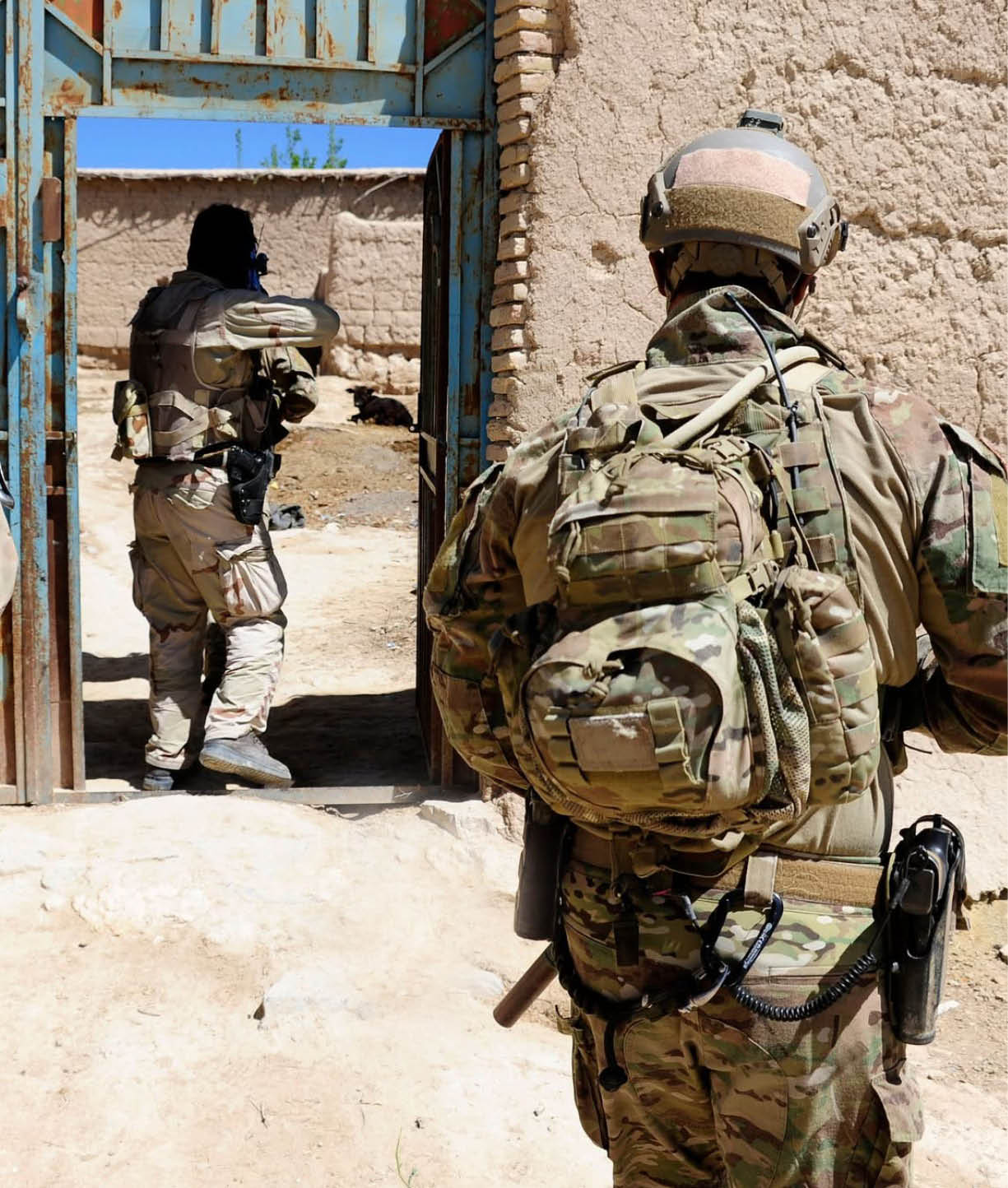
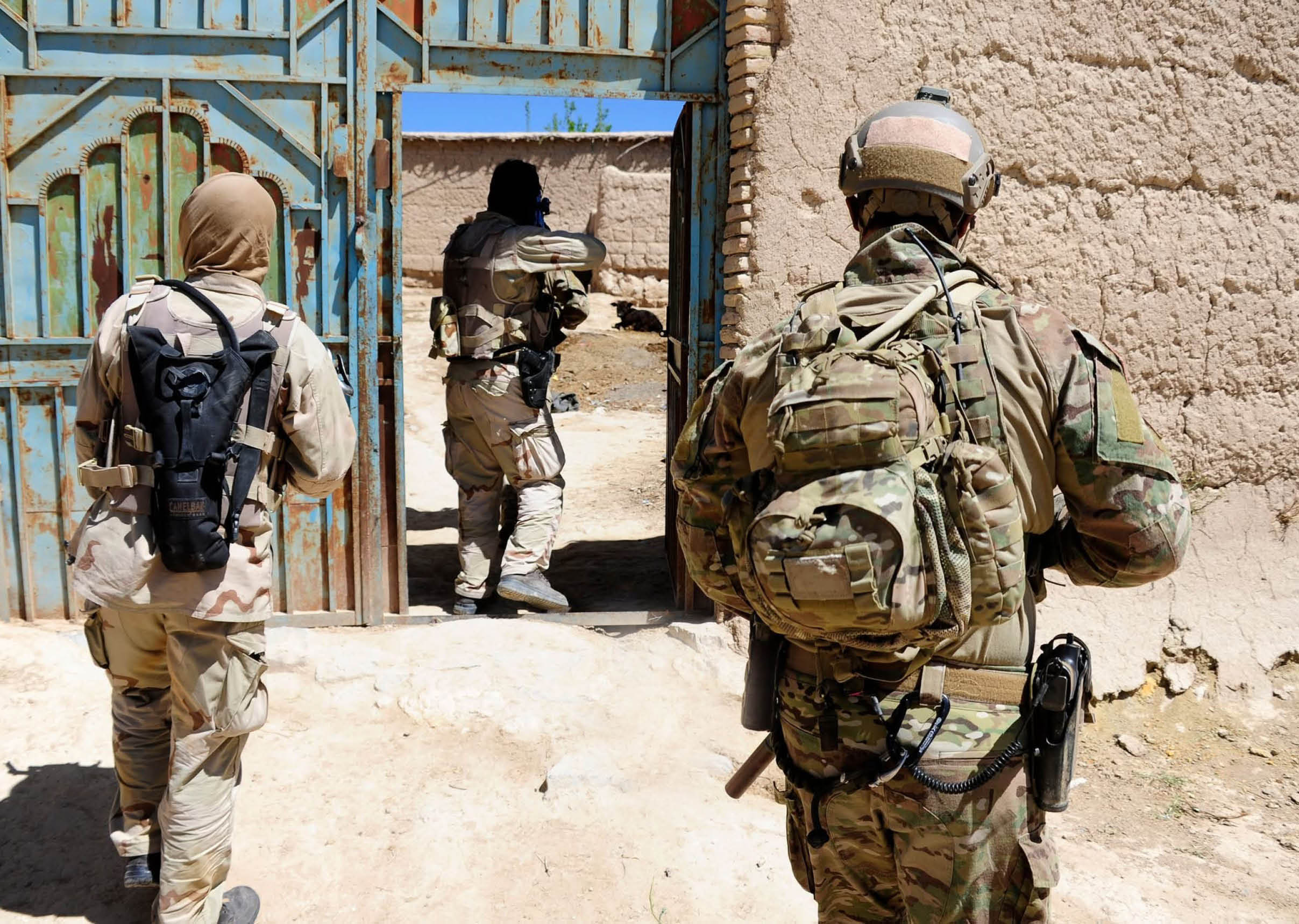
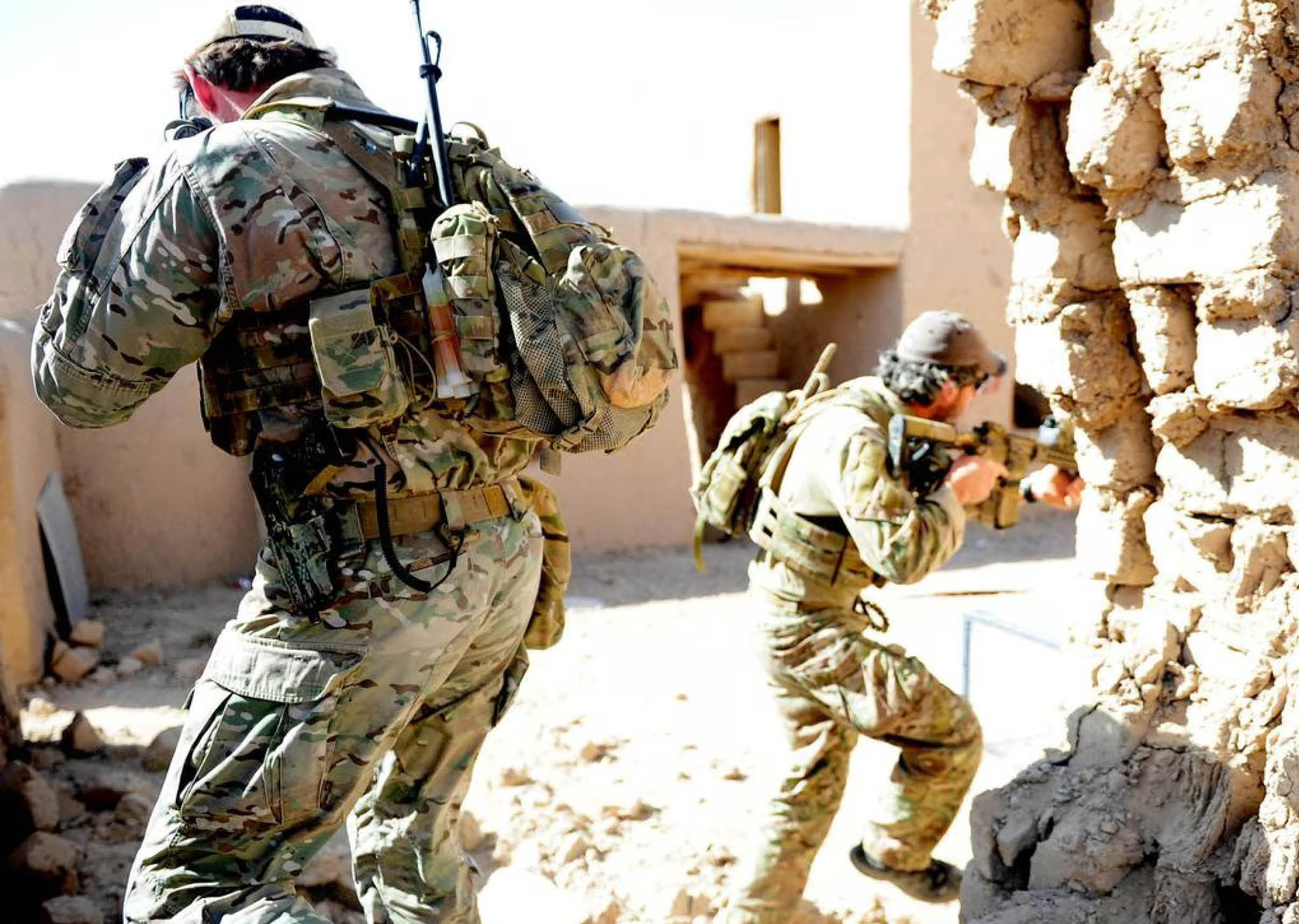
COVER: SASR Operators clearing a building in Afghanistan. Image courtesy Australian Dept of Defence.
5


4

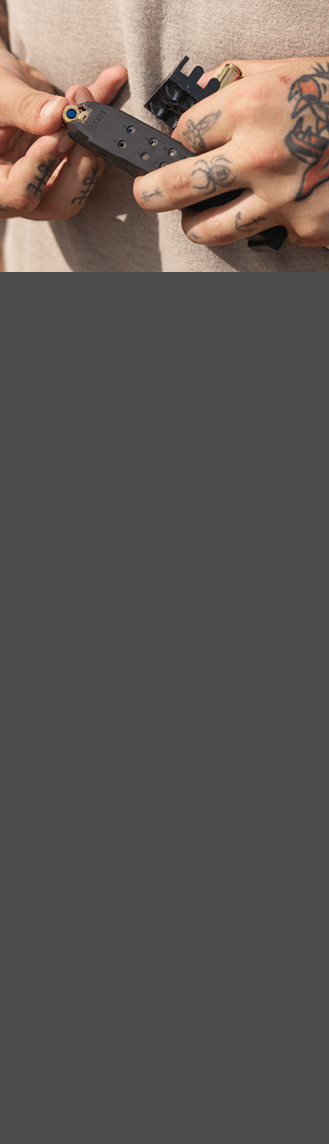


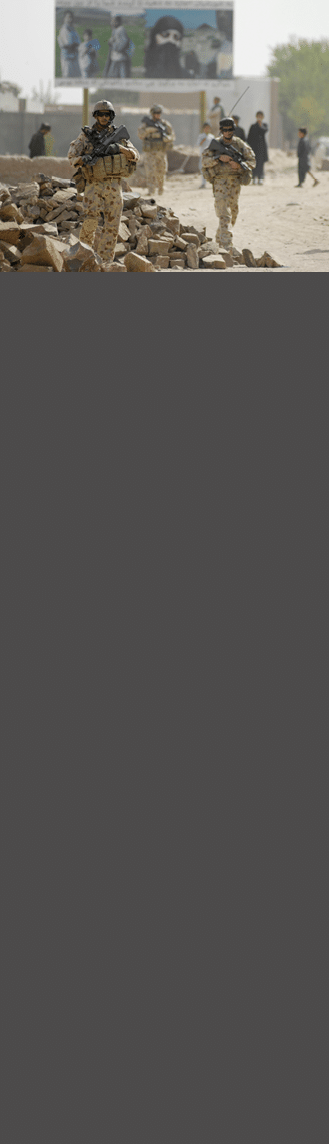

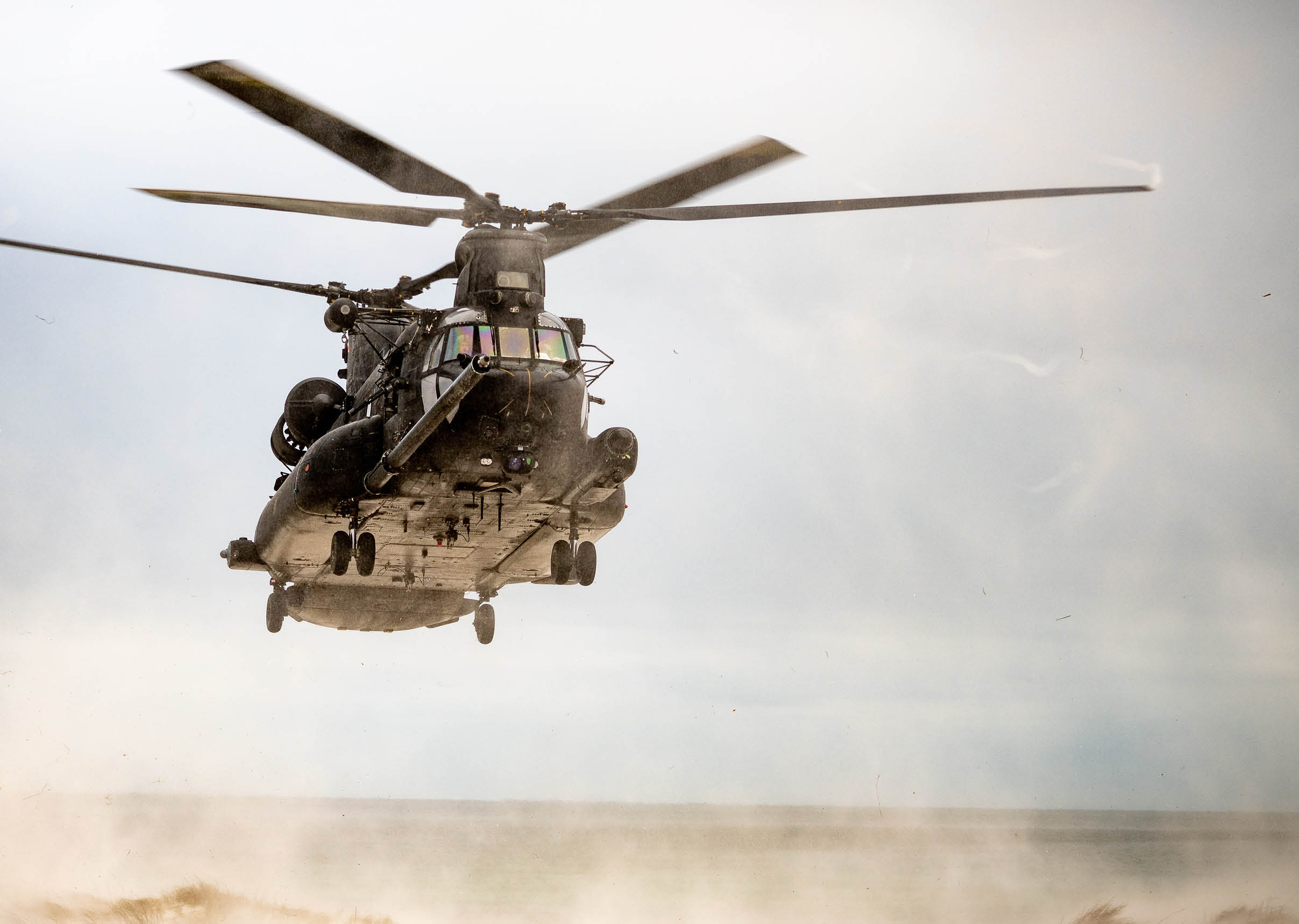
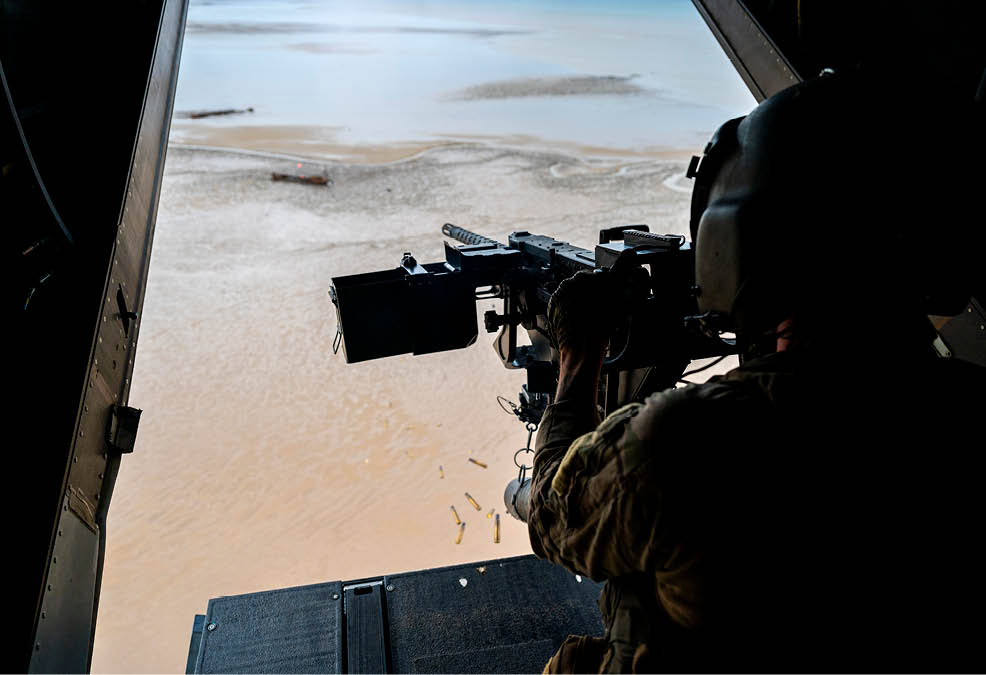
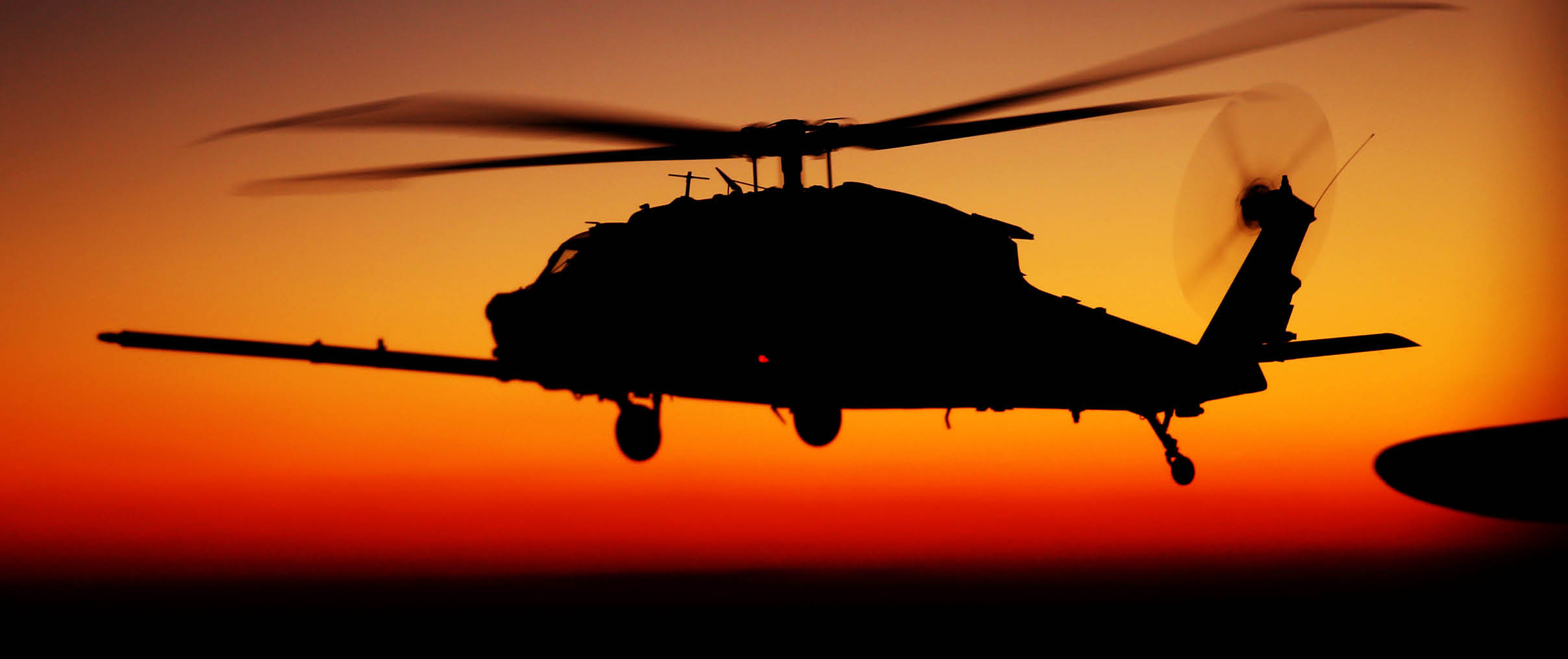
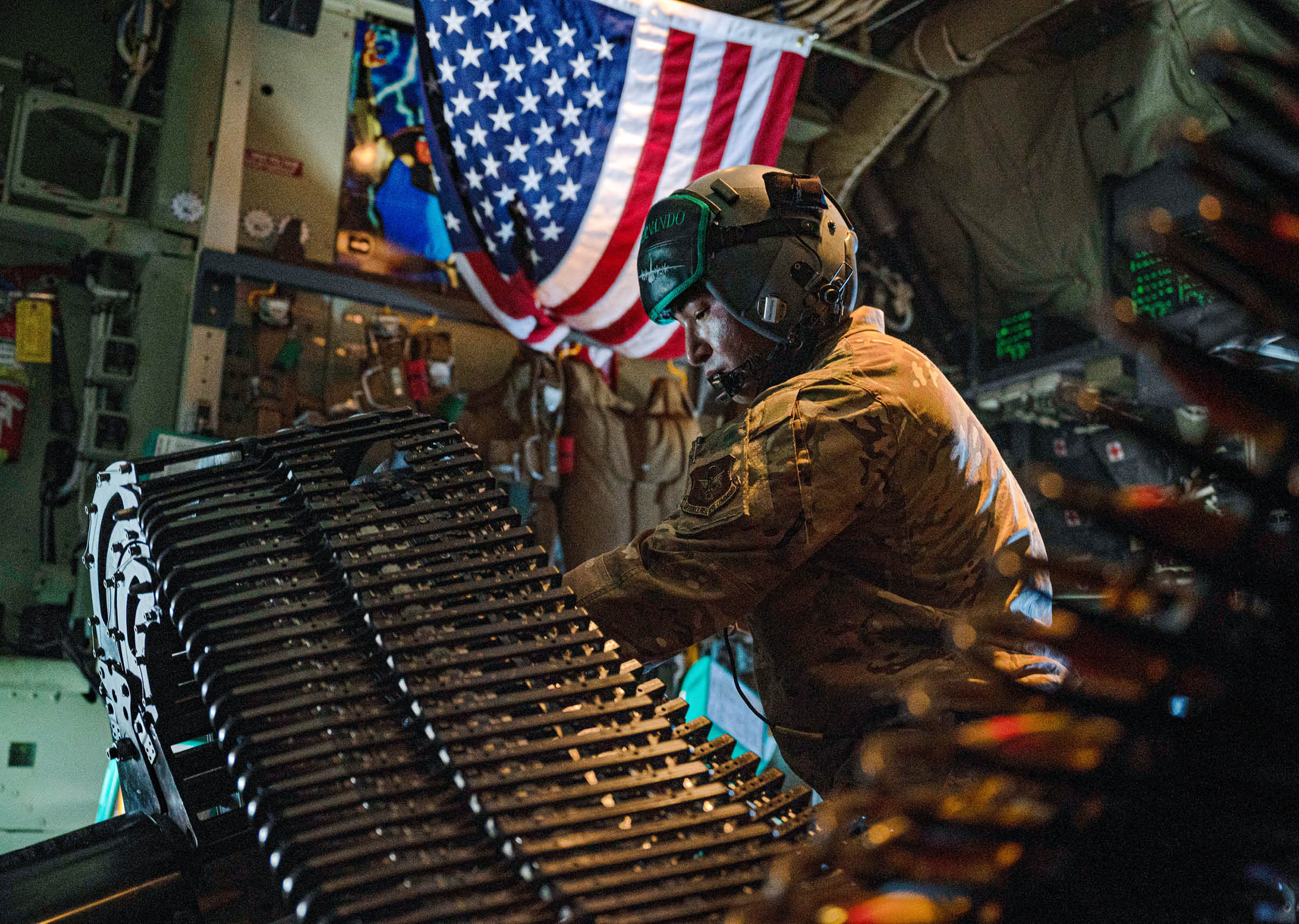
SOF units rely upon a complex network of enablers to perform their tip-of-the-spear role. Specialists sit throughout the mission chain, from analysts and intelligence operators to communications experts and combat engineers. After the Blades themselves, however, perhaps the most exposed to danger are the ‘delivery drivers’; the pilots and rearcrew of the aircraft and helicopters that deliver, support and extract SOF units on operations. SOF helicopters in particular are vulnerable to enemy attack, damage and even shootdown as their mission is often to deliver the SOF troops onto the objective.
While we are inundated with footage of First Person View (FPV) drones destroying armor and equipment on the battlefields of Ukraine, it’s worth stopping and asking the question: ‘How did we get here?’ While drone use is familiar to SF; indeed, SF have been at the vanguard of the military applications for the use of drones, and continue to lead the push for further adaptations, what does the creation of FPV drones offer SF and what tactical problems resulted in the creation of this technology? By reviewing the road traveled thus far, we can draw lessons for the continued development of drones for the SF of the future.
Walking the floor of any defense trade show these days, including SOF Week, you will inevitably come across a plethora of Uncrewed Air Vehicles (UAVs), or, to use the idiom of our times, ‘drones’. To many, it’s a mystery what such technical confections can bring to the SOF world, but a quick comparison between ‘where we’ve been’ and ‘where we’re going’ in SOF operations may help explain why.
Although the war in Afghanistan ended in 2021 for some units, the campaign’s effects are ongoing. Australia’s Special Air Service Regiment (SASR) continues to face hard questions about its role, mission and conduct during its 20 years deployed in theatre. With individual operators now facing murder charges, the questions being asked are whether SASR should have been involved in the war in the first place. This article addresses the view that SASR was operating outside its bounds and finds
that, while the Regiment was within its doctrinal role, not all is as it seems.
Nations seeking to contribute capability or protect their interests are increasingly hamstrung by a web of political approvals, legal constraints and a lack of organic capacity to meet demand across the conflicts now playing out across the globe. A partner asks for help, an ally wants to give it, and the answer stalls, not because the capability does not exist, but because using it openly would raise a flag neither side can afford to raise, or because the request never clears the authorisation chain fast enough to matter.
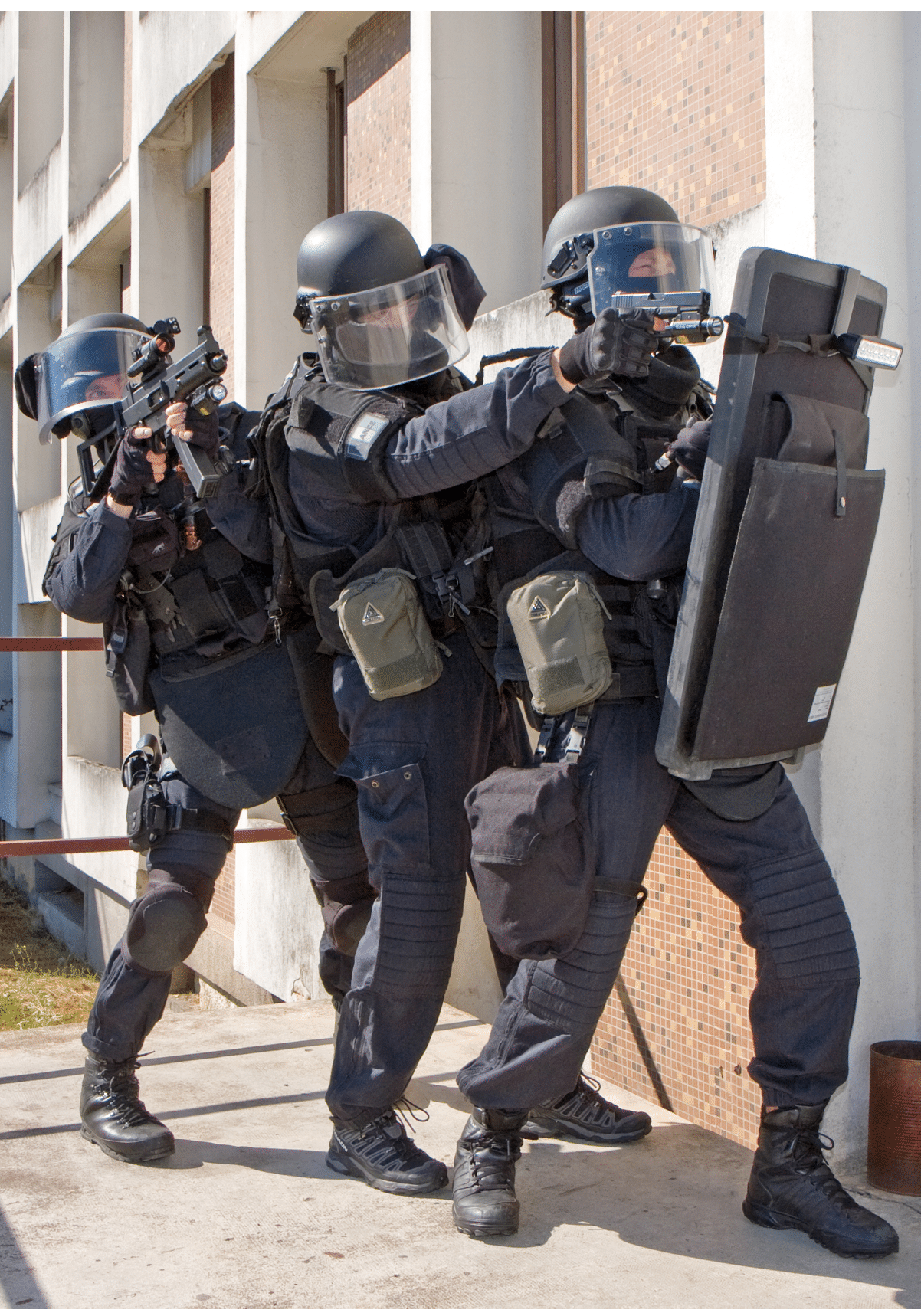
Across the globe Tier one SF units are known for their Counter Terror (CT) capabilities, yet few appreciate that these global capabilities are sharpened and honed by preparing for another distinct task, Domestic CT (DCT). The task of readying forces to respond to DCT is something which is little appreciated and is often misunderstood, particularly amongst non-commonwealth nations. This article explores the background to DCT and highlights some of the long running issues arising from it.
7






The SOF world rarely stands still. Indeed, it is not unusual for SOF operators and their enablers to ‘move first’ into new areas of technology and mission execution. Stroll around the halls of any SOF-related trade show or exhibition, and you will see a sometimes-bewildering array of equipment and systems; some fall distinctly into the realm of a James Bond ‘gadget’; others, however, give you pause to think: ‘What is that? What is it for?’. A gun, a knife, a radio, a rebreather - all fairly clear-cut, but others, especially in the high-tech era we are now solidly in, can leave you scratching your head until the ever-hopeful vendor explains it to you. ‘Ahhhhhhh - right, I see....’
Why does the SOF world frequently attract, and then push into service (often rapidly) so much cutting-edge technology? The answer, in my opinion, is multi-faceted.
Firstly, SOF organizations are often relatively small when compared to regular formations. This means that any equipment scaling they need is often in low numbers, especially the most highly specialized technology for particular specializations. Therefore, the ‘spend envelope’ can remain comparatively small and not scare the horses with a huge invoice at the end of it.
Secondly, in my experience, SOF units invariably have their own acquisition communities, and, in general, these are often far more open and flexible in commercial and contractual arrangements than their compatriots in the ‘big’ acquisition systems for single services. Red tape is cut, competitions are usually disregarded, and fully atomized requirements are rarely drafted. While these processes add rigor and survive external scrutiny - which is entirely appropriate for large equipment programs spending public money - the relatively small cost impact of SOF projects, and their often-urgent operational need, encourage commercial flexibility. Issuing ‘sole source’ contracts, of relatively low value, to trusted suppliers, with established Terms and Conditions, can save a huge amount of time. This ‘commercial liberation’ frequently has a beneficial knock-on effect that DOF acquisition staff, especially civilians, actually enjoy their jobs, and the ‘tactical freedom’ that goes with them - hence they often stay in the job for an extended period, sometimes decades, providing a valuable degree of continuity. This continuity isn’t just with the operators, who come and go as they move through postings and promotions, but also with the industrial ecosystem that has built up to satisfy SOF’s often highly specialized needs.
9


8
Speaking of which, this ‘SOF ecosystem’ is itself a key reason SOF units remain ‘early adopters’ of modern technology. Look around any area near a major SOF HQ, eg Tampa and environs in Florida near SOCOM HQ (SOFWERX is there for a reason...), or around Hereford and Poole in the UK, and you will find dozens of small, specialist companies and start-ups, all supporting the SOF mission, and almost always either founded by or run by ex-SOF operators and enablers. They ‘get it’, they know the mission, they understand the operational impacts of getting it wrong, and, crucially, they retain the network and trust of those still in the community. This enables them to respond quickly and use seed corn money from SOF budgets to rapidly prototype kit when the need arises. In strictly commercial terms, this may seem a little bit like ‘insider trading’. To an extent, it is. But the SOF demand signal often comes with a timeline that makes conventional acquisition pathways impossible - and it’s sensible to recall at this stage that most, if not all, of the Tier 1/2 Prime Defense Companies have Byzantine levels of internal management bureaucracy to overcome. Big companies run huge overhead in internal costs, and they will invariably elevate a decision up the chain rather than delegate it down. In the SOF community, this is often a shallow layer -and more often than not, you are either talking to the Founder, the CEO, the CTO, or the Business Development (BD) manager directly; sometimes they are the same person...
Finally, again in my opinion, as SOF move deeper into technology such as AI, drones and novel communications, their willingness to embrace these new technologies, often while they are still experimental, is a key factor. The development loop that I’ve seen in operations is rapid - sometimes with Field Service Reps (FSRs) embedded forward in tac HQs to collect debriefs and hot-washes from the operators, make the required upgrades or changes, and then send the kit back out the door the following mission.
This entire system, from the Capability Development (CapDev) user to the acquisition staff / commercial officers, and ultimately into the industrial providers themselves, is built on trust, relationships, and loyalty. This enables companies to proceed ‘at risk’ to compress timelines, assured that the funding will ‘catch up’. It permits FSRs to embed and see how the kit is being used, and how it could be used better. Finally, this is all built upon a bedrock of ex-SOF operators moving sideways from active service to a support and enabling role in industry.
‘Trust, relationships, loyalty’; not a bad way to sum up the concept of SOF in its entirety, is it?






11


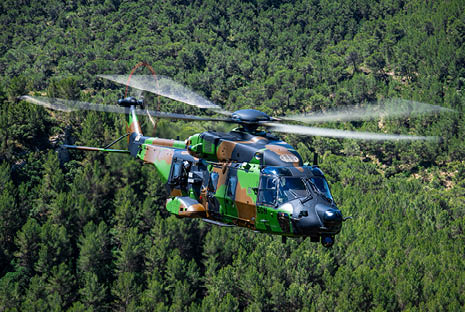
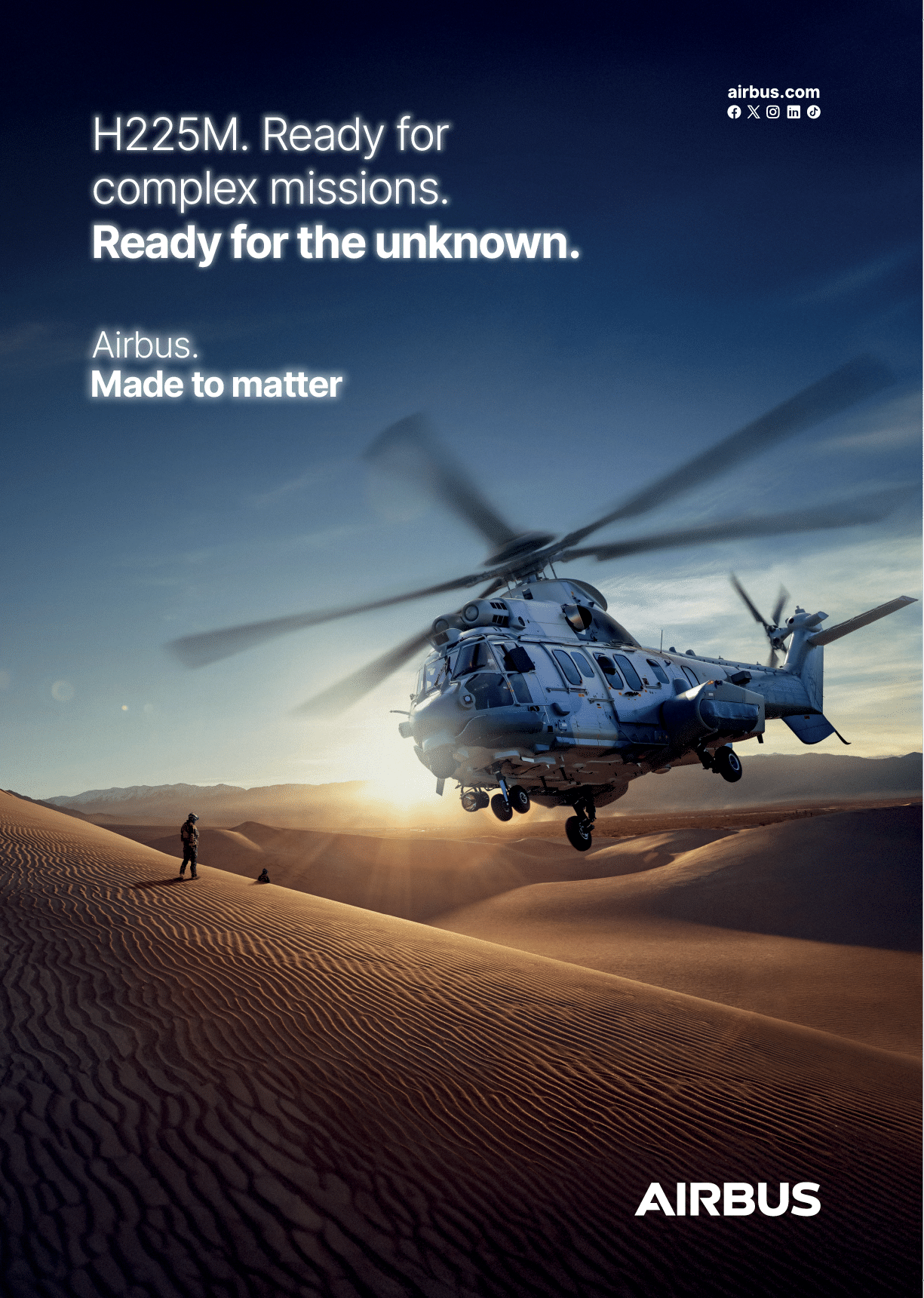
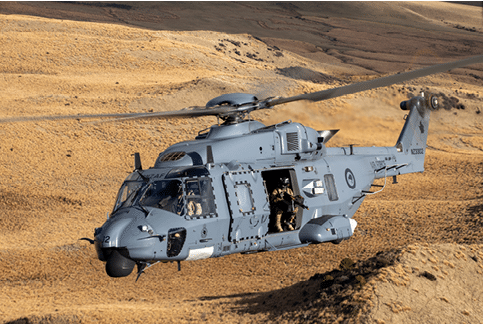
Airbus Helicopters has officially delivered the first NH90 Standard 2 to the French Armament General Directorate. This new variant of the NH90 TTH was designed specifically for Special Operations and France has ordered 18 NH90 Standard 2 variants.
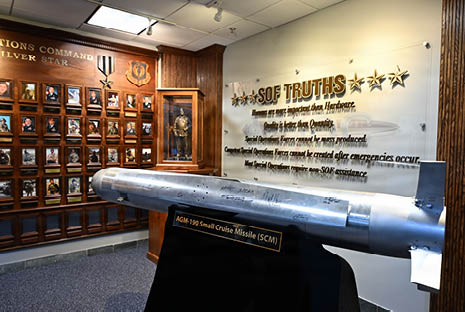
US Air Force Special Operations Command has officially unveiled the popular name of the AGM-190A small cruise missile as “Havoc Spear”. A low cost, mission adaptable, modular-design cruise missile that can be rapidly produced. AFSOC plans to leverage Havoc Spear’s adaptable strike capabilities to support specialized airpower requirements for Joint Force partners in USSOCOM.
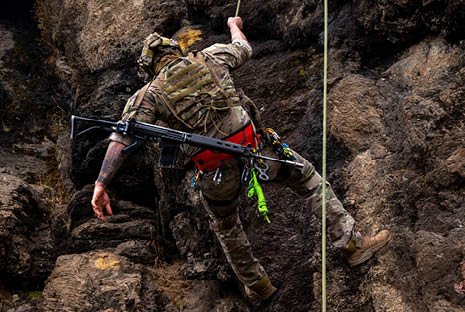
Two Air Commandos from the 492nd Special Operations Wing and the 919th Special Operations Wing have successfully completed the rigorous mountain warfare course at the Escuela Militar de Montaña in Bariloche, Argentina. This marks a major milestone, representing the first time in 20 years that any U.S. military personnel have completed the prestigious school, set in the unforgiving, rugged terrain of Patagonia designed to push students to their absolute physical and mental limits.
NATO Communications and Information Agency has selected the consortium formed by Thales and Leonardo as its provider to deliver a next-generation secure deployable communication and information system dedicated to the Allied Special Operations Forces Command.



13



12



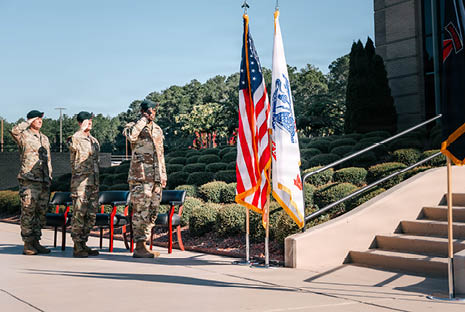
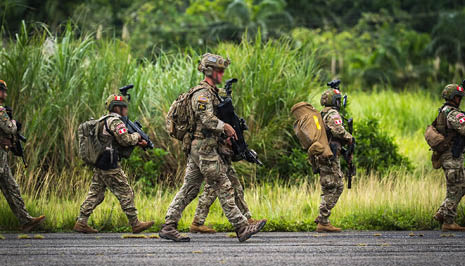
The U.S. Army Special Operations Command bid farewell to its outgoing Command Chief Warrant Officer, Chief Warrant Officer 5 Stephen Finney and welcomed its newest senior warrant officer leader, Chief Warrant Officer 5 Damian Owens, during a change of responsibility ceremony held on Meadows Field outside the USASOC Headquarters.
Following the devastating earthquakes that struck Venezuela in June, U.S. Special Operations Forces deployed rapid response elements to support U.S. Embassy led disaster assistance efforts. USSOF personnel have provided agile and sustained support to deliver critical aid to affected communities when they needed it most.
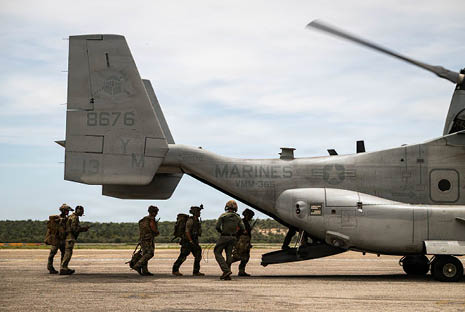
Exercise Trojan Footprint 2026, the largest U.S. Special Operations Forces led exercise brought together approximately 3,000 Special Operations Forces from 23 NATO Allies and partner nations. This premier multinational, joint-combined exercise demonstrated collective readiness and the unique ability of SOF to operate rapidly and effectively in complex environments to ensure regional security.
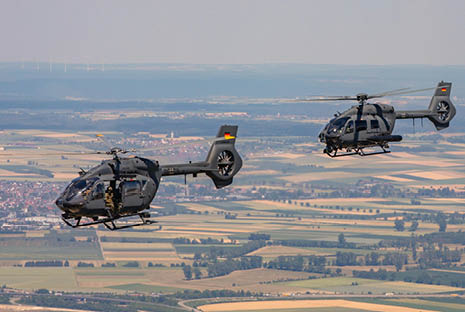
Hubschraubergeschwader 64 based in Laupheim, the military home of the German Air Force’s special forces, has received the first two H145M Leichter Kampfhubschrauber (LKH) SOF aircraft, based on the D3 version of the H145M that will replace the LUH variant currently operated by the German SOF.
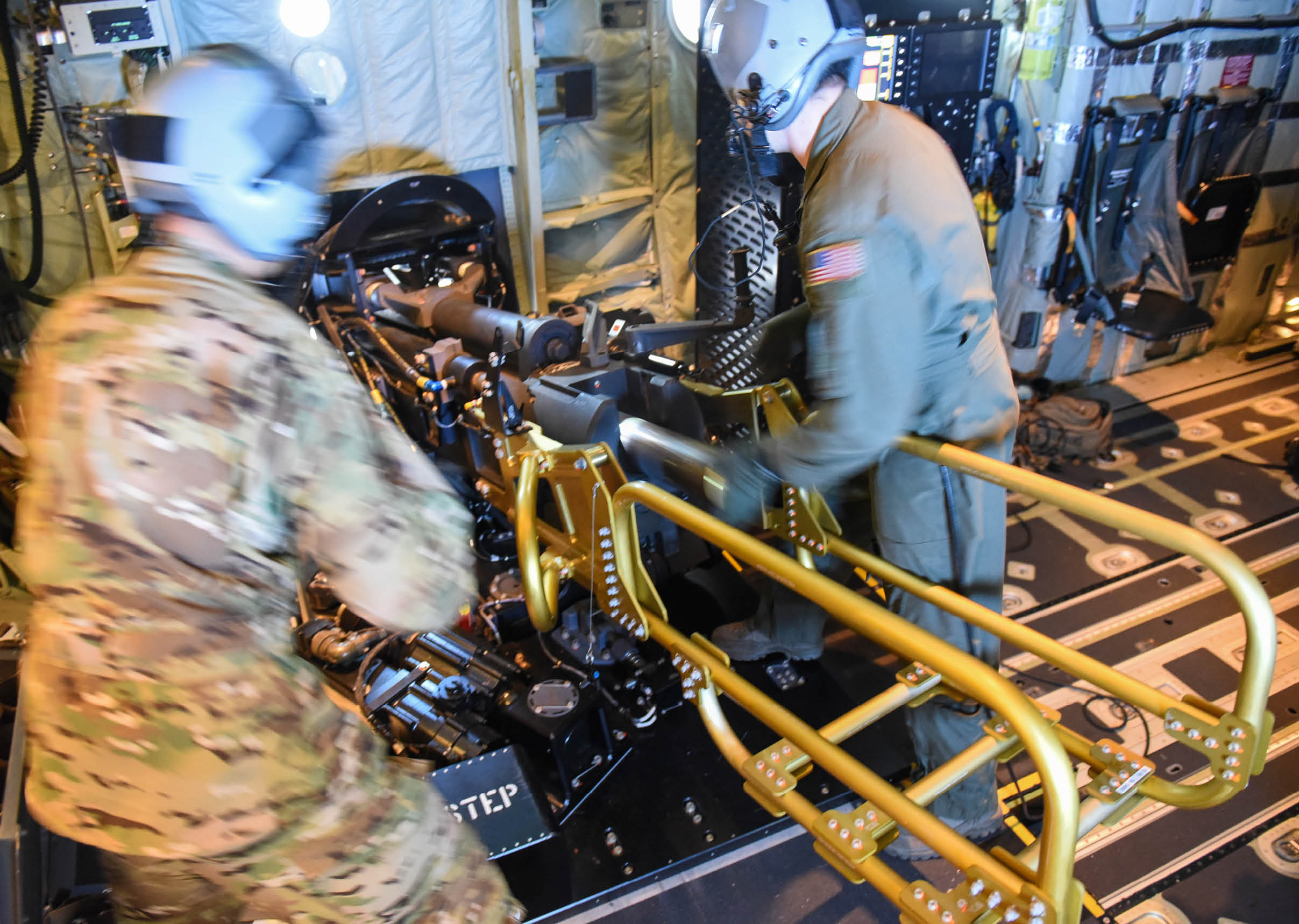
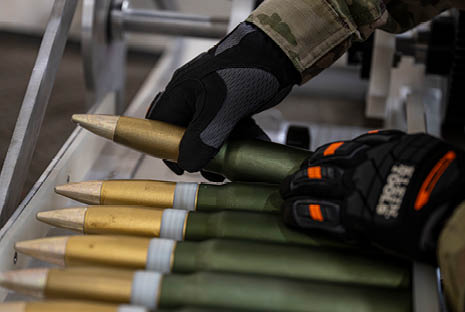
The 1st Special Operations Wing has introduced a new 30 mm ammunition linking machine at Hurlburt Field, an innovation that is set to save the USAF millions by repurposing rounds from retiring A-10 Thunderbolt IIs for use on AC-130J Ghostriders, securing approximately $4 million in annual cost savings.
Provincial governor Juan Jaramillo has confirmed that the 7th (Special Forces) Group, Green Berets are conducting joint operations with local forces against drug cartels.
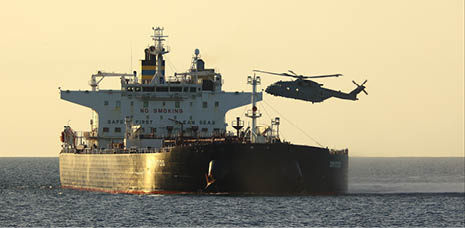
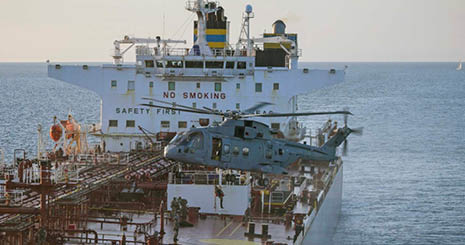
In a six hour operation UK Royal Marine Commandos, supported by Chinooks, Merlin Mk4 and Wildcat aircraft from the Maritime Air Group, have intercepted a Russian shadow fleet oil tanker in the English Channel, in the first UK operation of its kind.
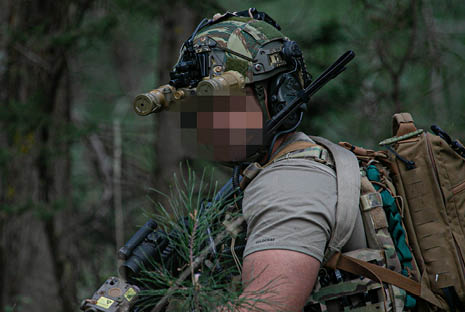
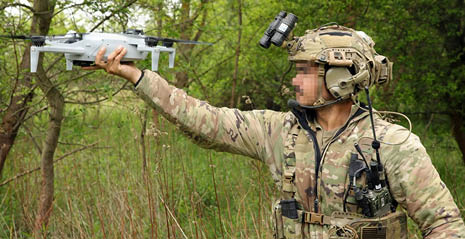
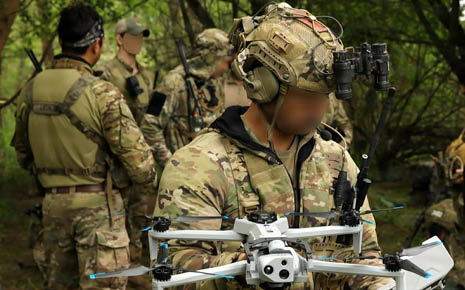
NATO Special Operations Forces and U.S. Special Operations Command Europe have carried out integration and training with first-person view drones into their operations, enhancing situational awareness, increasing operational flexibility and adapting to the demands of the modern battlefield.







15



14



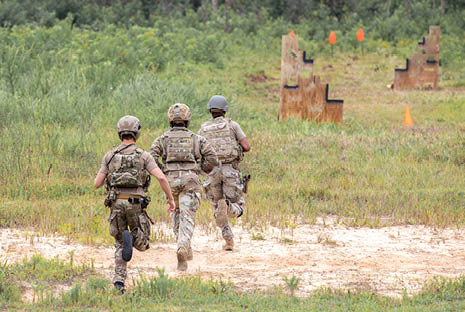
U.S. Army Special Operations Command has hosted squads from 1st Special Forces Command, U.S. Army John F. Kennedy Special Warfare and Schools, U.S. Army Special Aviation Operations Command and 75th Ranger Regiment in this year’s Best Squad competition. The competition includes a timed stress shooting event, a Land Navigation Course, an obstacle Course and a pool event.
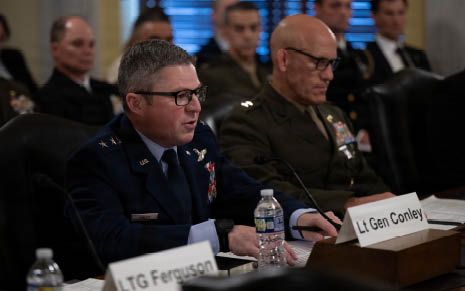
At a recent hearing before the US Senate Armed Services Subcommittee on Emerging Threats and Capabilities, Lt. Gen. Michael Conley, Commander, U.S. Air Force Special Operations Command revealed that a collection of AI powered intelligence and transfer systems have been in use since the start of Operation Epic Fury to assist large attack drones and manned aircraft to avoid Iranian threats.
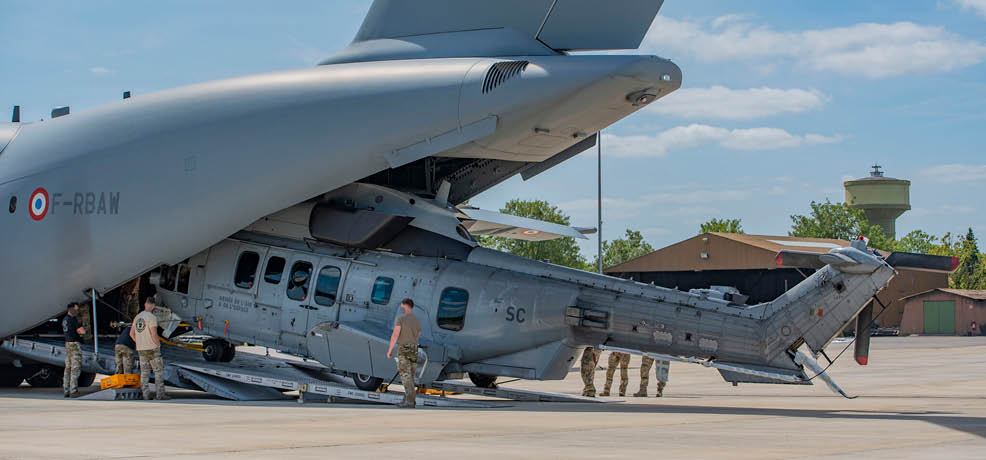
During the recent exercise “ATHENA” 2026, the Air Force element of the French Special Forces undertook the challenge of setting up a complete detachment, including crews, mechanics, commandos and intelligence specialists, as close as possible to the live action in a constrained time frame without breaking the conduct of operations. Several Caracal helicopters from the 1/67 “Pyrenees” squadron, were dismantled and transported
by A400Ms.


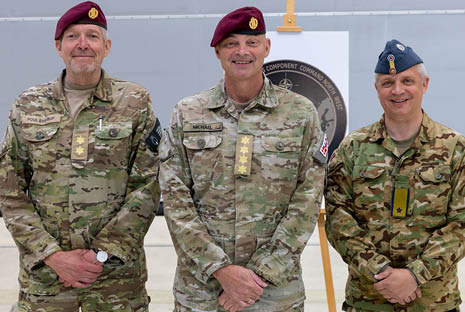
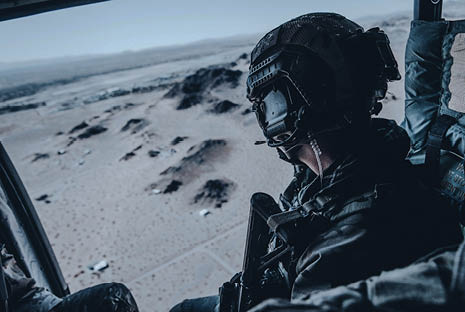
Denmark has officially taken over responsibility for NATO’s regional Special Operations Component Command North West under Joint Force Command Norfolk. This moves the leadership of NATO’s special operations cooperation in the Arctic and North Atlantic from Norway to Denmark, based at the Special Operations Command in Aalborg.
Lockheed Martin has been named the prime contractor of U.S. Special Operations Command’s next-generation logistics and sustainment support program. The $10.5 billion, 12-year contract funds the Special Operations Forces Global Logistics Support Services II.
U.S. Special Operations Command Africa (SOCAFRICA) and the Royal Moroccan Armed Forces SOF will co-host Special Operations Command Africa’s premier annual SOF Symposium and defense industry exhibition, Silent Warrior 2026, in Rabat, Morocco.



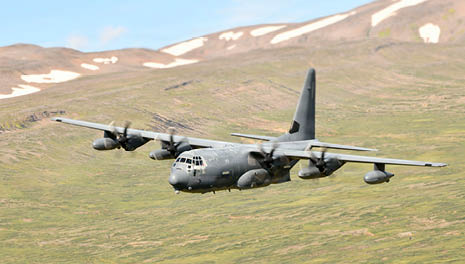
Air Commandos from the 352d Special Operations Wing have participated in Exercise Northern Viking 2026, a multinational training event designed to bolster defense capabilities in the strategically vital High North.





19


18






21


20
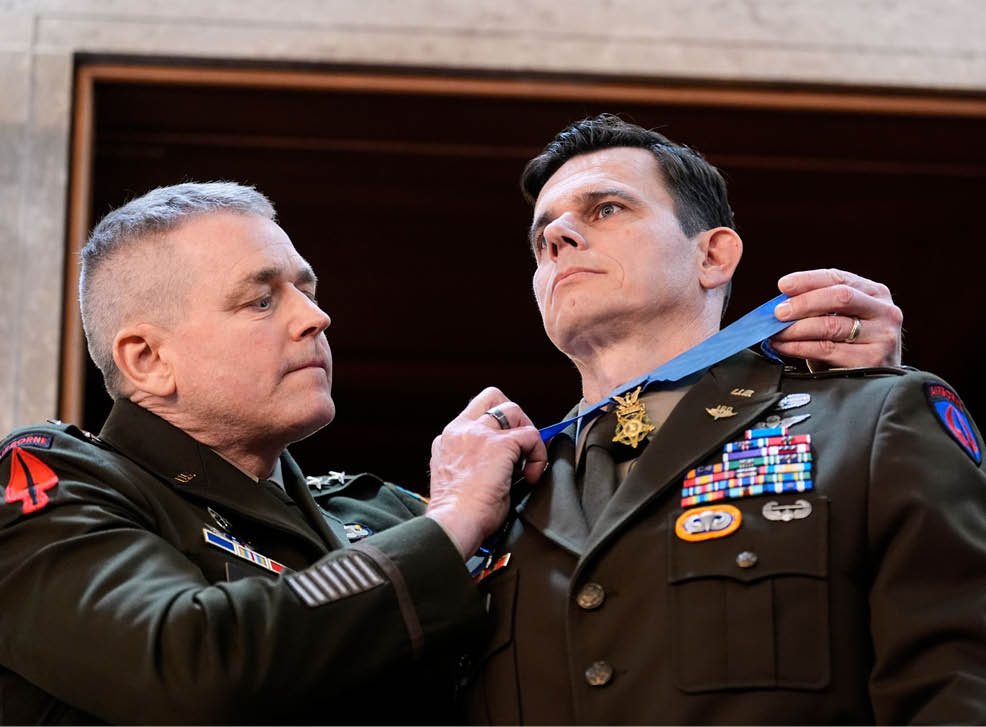
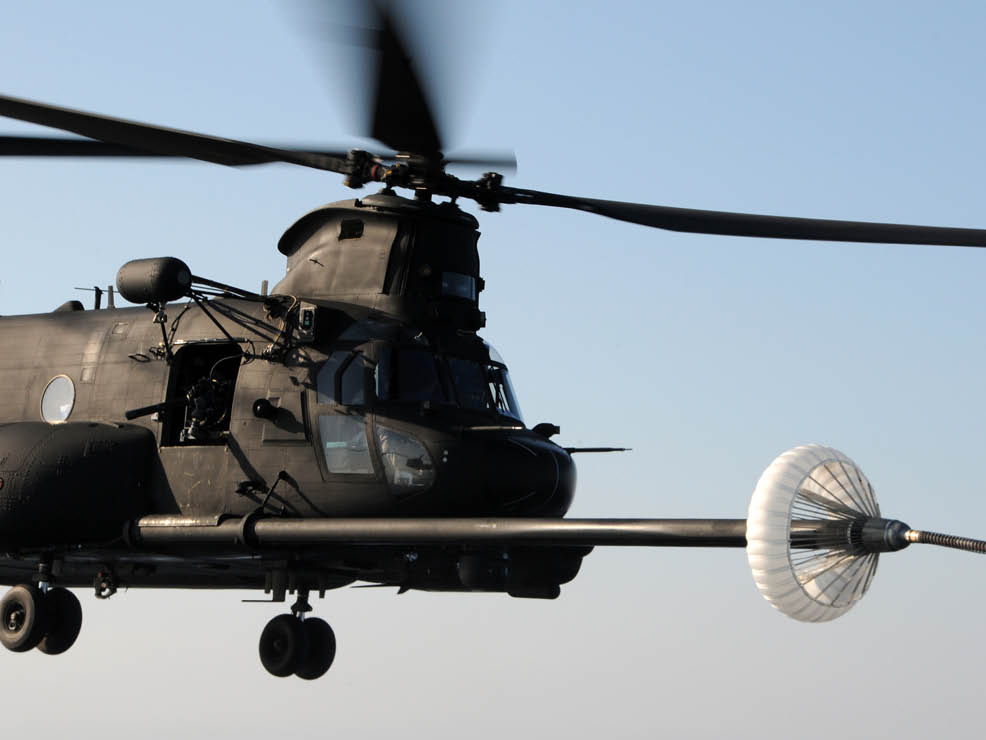
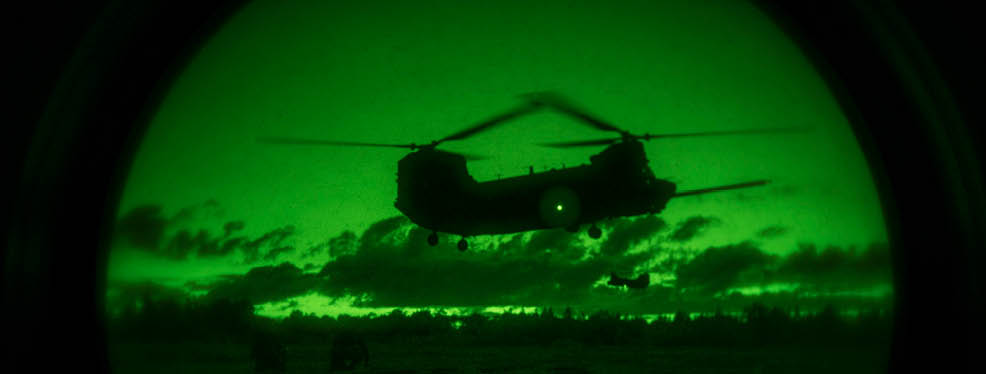
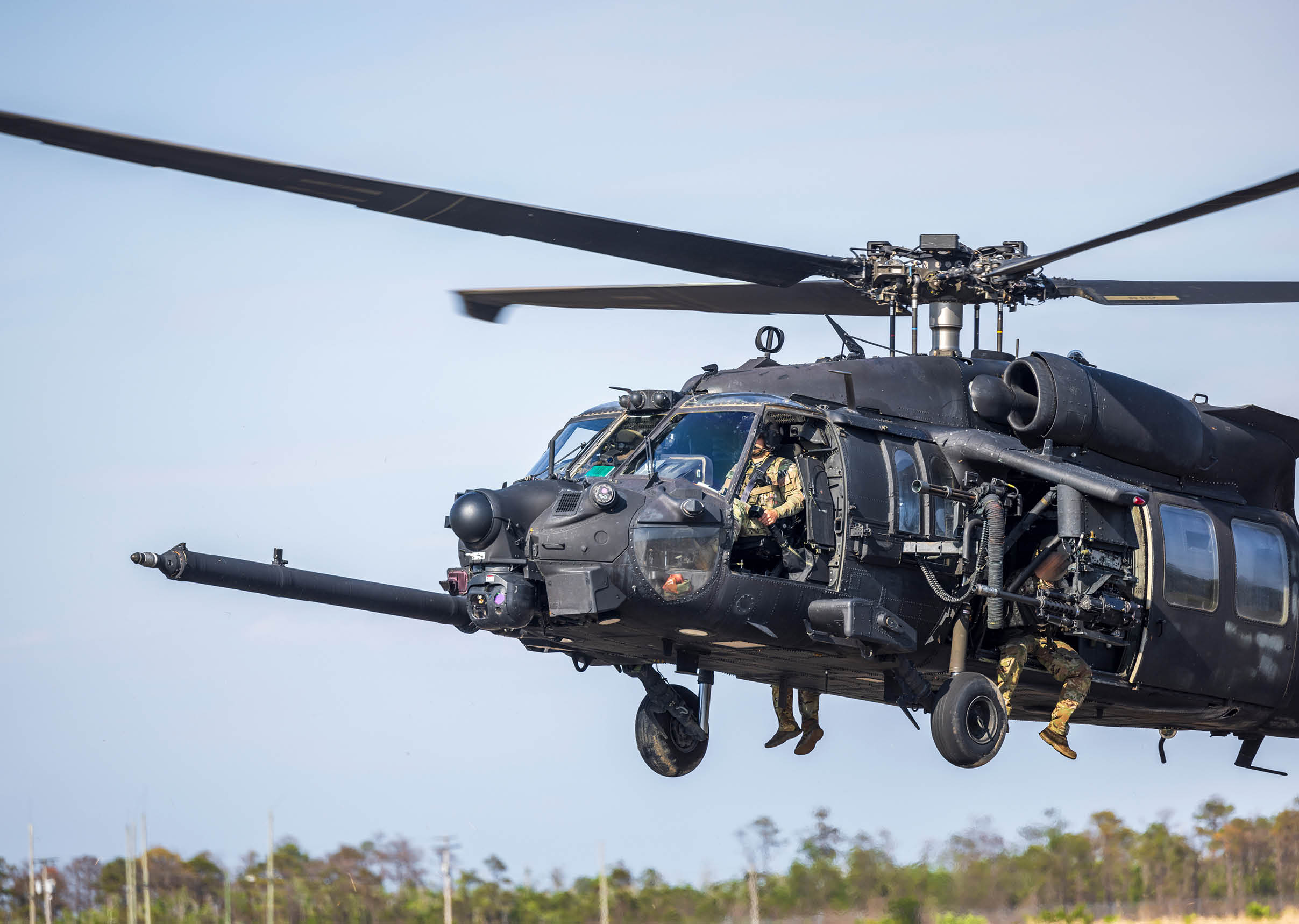
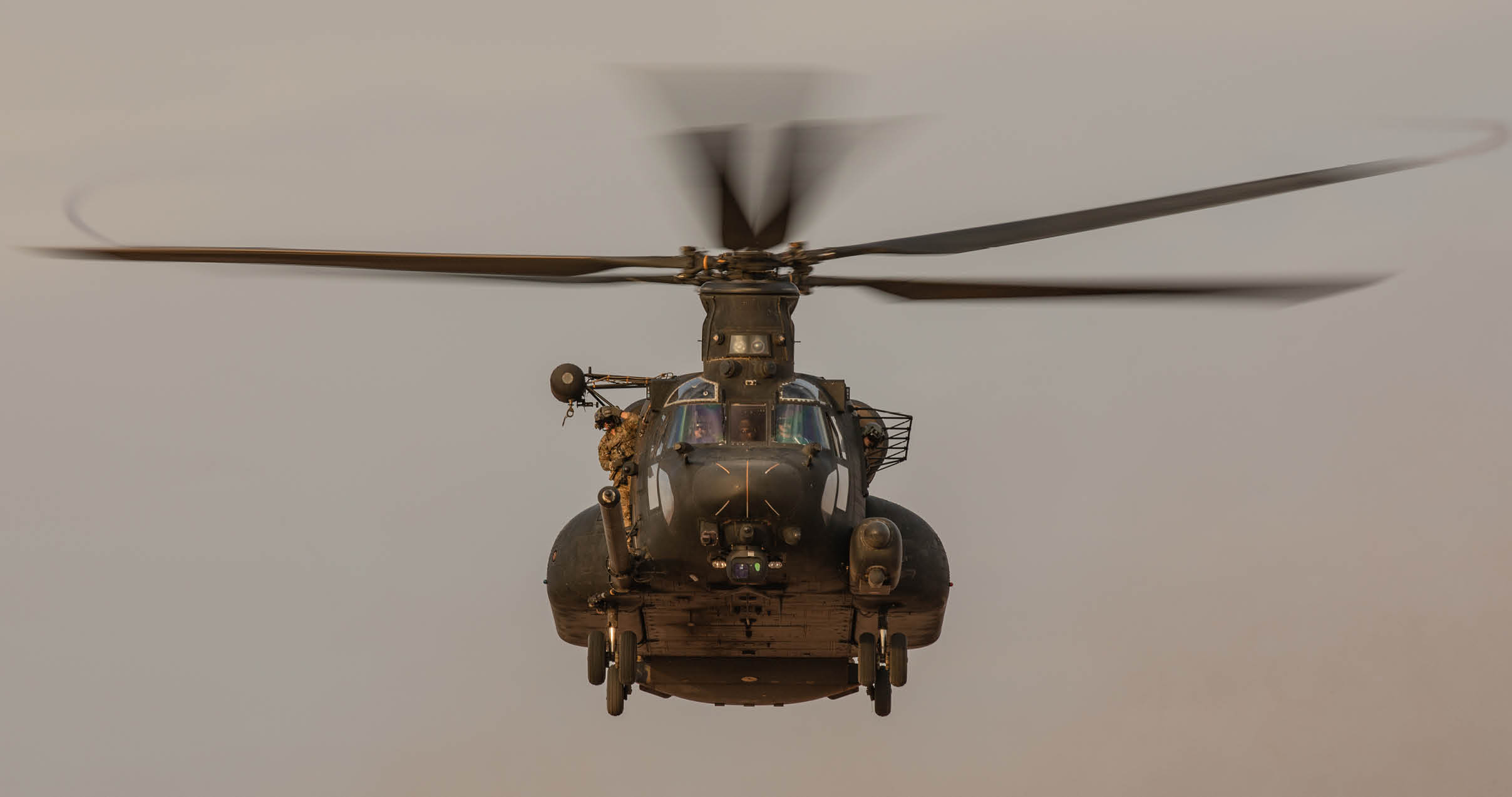
The most recent example was when the MH-47G being flown by CW5 Eric Slover on Operation Absolute Resolve came under significant small arms fire while ‘on target’; some 15 armor-piercing rounds fired at near point-blank range penetrated the cockpit armor - four of which struck him in the legs. His subsequent determination, skill and courage in continuing to fly and lead resulted in the award of a Medal of Honor. CW5 Slover was fortunate enough that the (mighty) MH-47G has a well-earned reputation for sucking up punishment and staying in the air; at least long enough to get her crew to a place of relative safety. For Mike Durant fast-roping Rangers onto the streets of Mogadishu, that was a luxury his Black Hawk did not afford him after being hit by an RPG. Injured and trapped in the wreckage of his helicopter, Durant relied upon the courage of others and his own Personal Defense Weapon (PDW) to try to buy time to be rescued. Sadly, history records that the bravery and sacrifice of two SFOD-D operators, Gary Gordon and Randy Shughart (for which they both received posthumous Medals of Honor) in trying to protect Durant proved in vain as he was captured and held hostage by Somali warlords.
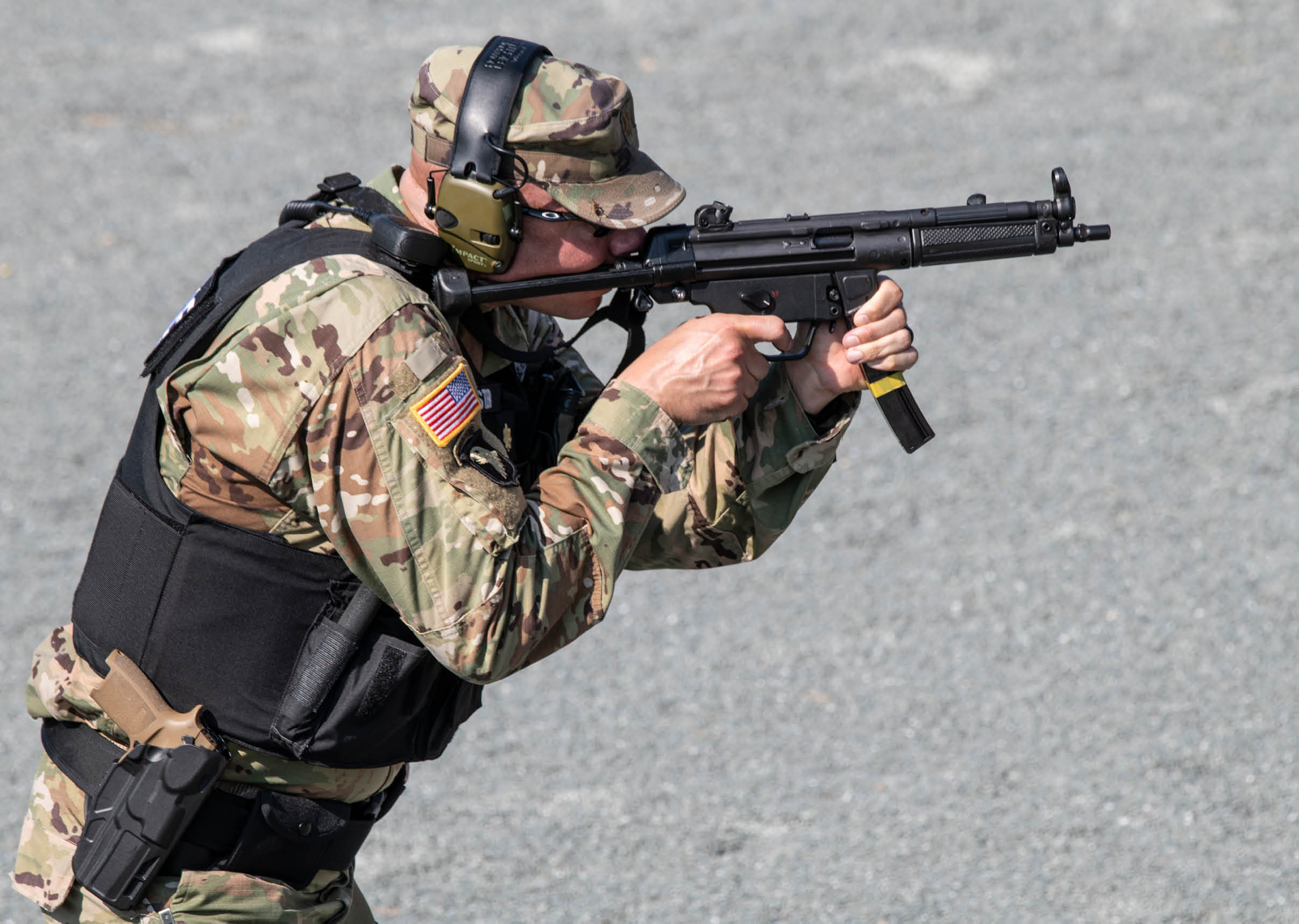
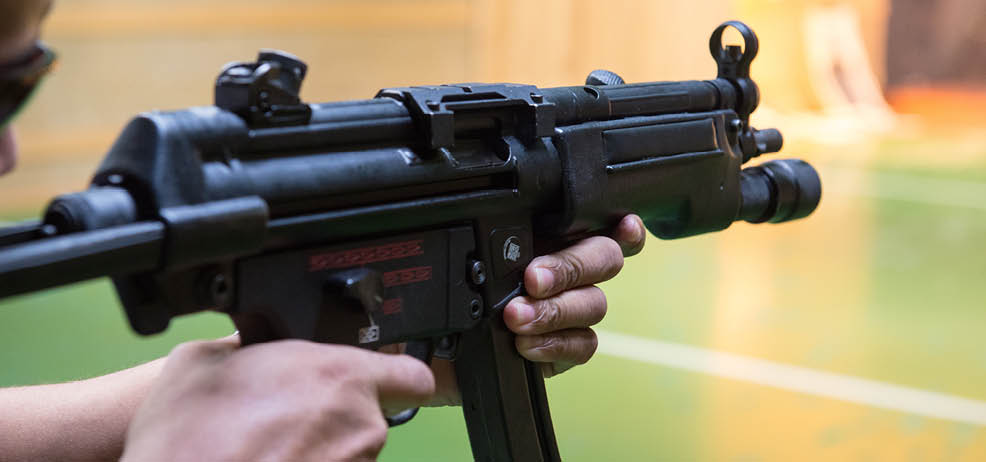
In trying to hold back the mob, Durant used his Heckler & Koch MP-5 9mm SMG. Carrying weapons such as the MP-5 as a PDW by helicopter

23


aircrew is increasingly routine. The MP-5 has many features that make it a good choice. For a start, and probably most importantly in a cramped cockpit, the weapon is compact. The telescopic folding stock enables the gun to be reduced to less than 22 inches overall length, making stowage in an often space-restricted cockpit easier.
Ideally, a PDW should have some form of formal mount or stowage; to the cabin wall or, even better, to the seat or crew station enabling ready access. Simply slinging it over a pilot seat is not the most sensible approach. Firstly, in the event of a heavy landing, the weapon can become an additional hazard if not properly restrained, and 3Kg of loaded MP-5 swinging around a cockpit in a crash or forced landing scenario can cause significant danger to the crew or passengers, not to mention the risk that it moves during hard maneuvering and jams essential controls. Secondly, it can get snagged on the seat, and the user may be unable to access it quickly; and finally, it might just disappear altogether somewhere into the cockpit or fuselage. In many ‘down bird’ scenarios that I practiced, getting out quickly was the key -usually via jettisoning the cockpit door on my CH-47; the helicopter is an obvious datum and, by extension, a target. Depending on the overall environment, the crew makes a call to ‘stay or go’. Staying provides shelter from the elements (assuming the aircraft is broadly intact and not on fire...), and the potential to use aircraft systems such as radios to remain in touch with friendly forces. The aircraft may also have armor fitted, as well as door guns, and a supply of water and ammunition. If the decision is to ‘go’ then the move needs to happen quickly - with prepped bug out bags and in line with an agreed ‘actions on’ plan at the crew briefing.
Having a compact PDW fitted to your seat is the best chance of getting out of the aircraft with more firepower than just the pistol holstered on your leg or MOLLE’d to the front of your survival vest.
The MP-5 also has a reputation for supreme reliability and accuracy. Precision-engineered with a closed bolt / roller-delayed blowback action, the MP-5 maximizes ‘first shot on target’ and reduces the risk of dust and grit getting into the action. The weapon is accurate up to 100 yards, with a Minute of Angle (MoA) of around four, but much of the accuracy is derived from the ammunition and its susceptibility to wind and ballistics. “Supreme reliability and accuracy’ are, however, not how I would refer to my issued L22A2 carbine, a shortened version of the much-criticized UK standard-issue L85/SA-80 bullpup service rifle. On paper, the 5.56x45mm weapon should have been a potent PDW, affording far greater energy, accuracy,
25



24
and range than the 9mm MP-5. However, my experience of the L22A2 was that it regularly jammed (despite benefiting from some upgrades from, ironically, H&K) and the short barrel (circa 12 inches) did little for accuracy. Indeed, on one pre-deployment shoot the sight group also snapped off the weapon. Reliably hitting anything at 300 yards was fanciful, and even 200 yards a challenge - especially when coming out of the aim repeatedly to carry out stoppage drills...Designed for tank crews (who, it seems, accepted it reluctantly on the basis that something was better than nothing), the carbine was seen as the solution to giving helicopter cockpit crews more firepower. Older crews who’d flown the Wessex in counter-terrorism operations in Northern Ireland spoke fondly of the MP-5’s ‘big brother’, the HK53, which they’d been issued as the ‘standard’ L85 didn’t fit in the cockpit at all. Essentially a carbine version of the HK33, the HK53 also used the NATO standard 5.56x45 ammunition but was larger overall than an MP-5 and, of course, the ammunition was a lot heavier to carry.
The issue of ammunition, however, is critical to a weapon’s effectiveness in its designated role.
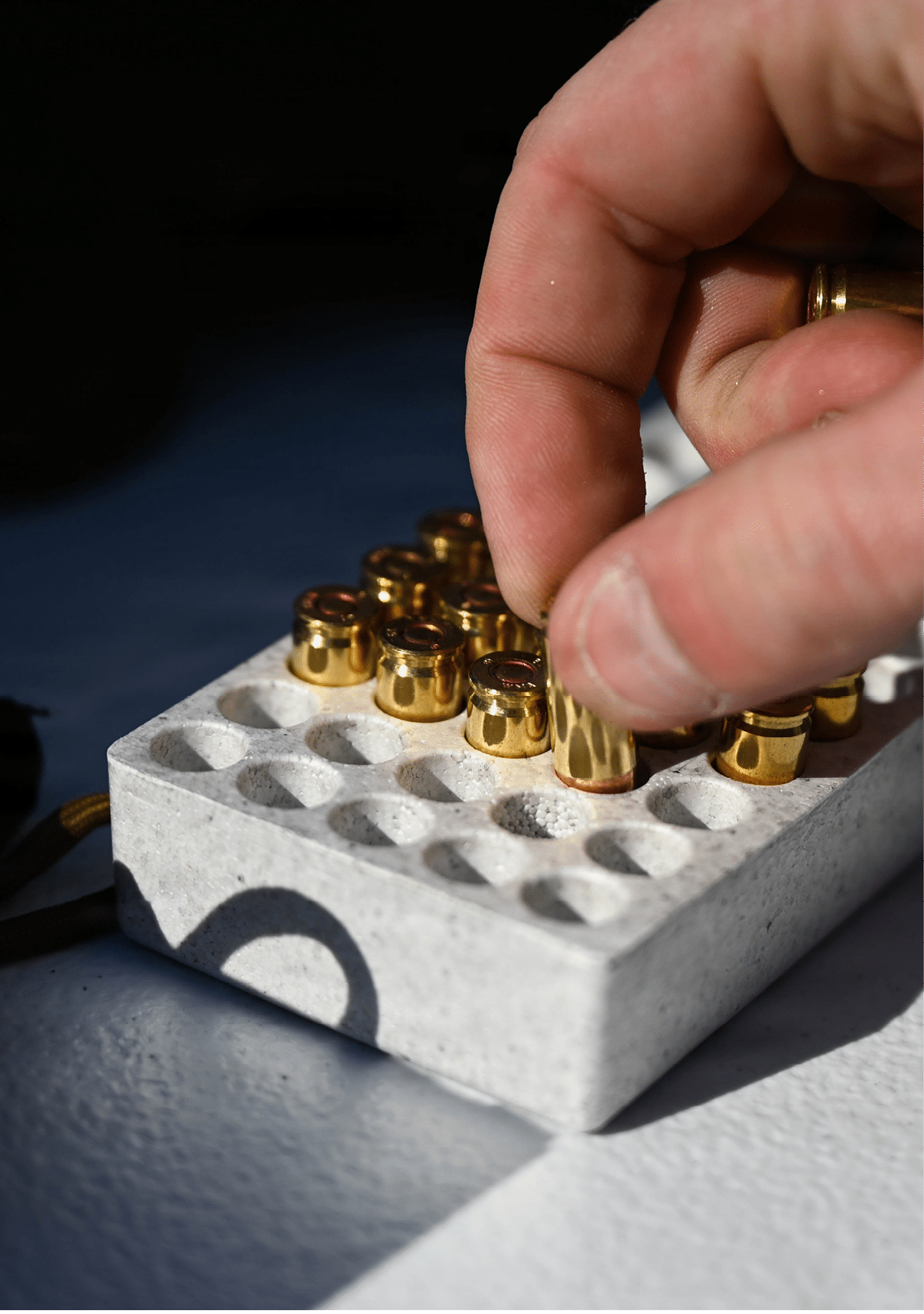
The 9mm pistol round has many advantages. It is cheap, light and plentiful, and ammunition can be sourced globally, or stocks captured from an adversary may be exploited. Magazine capacity is routinely 15+ in a modern pistol, such as a Glock 19, and even my trusty old Browning Hi Power could carry 13+1. The MP-5 ships with 30-round magazines, affording plenty of shots before reloading, with the option of fully automatic fire if required. The relatively light case loading makes recoil easily manageable on a pistol, let alone an SMG. I found the MP-5 a superb weapon to shoot, somehow instantly familiar (thanks to ‘Die Hard’ and others, I had the ‘barrel slap’ technique already imprinted...) and extremely accurate on the 50m range I was using. Obtaining a good grouping was easy thanks to the weapon’s inherent design and low recoil. It was a gun that felt natural in the aim and was pleasant to shoot.
However, the 9mm is now, in certain areas, seen as a poor-performing caliber. Increasingly, potential adversaries (regular and irregular) are wearing body armor or chest plates, and the blunt-nosed, low-power 9mm round simply has no penetration against Level III or Level IV personal armor. Will it hurt? Yeah, probably, but will it drop somebody running towards you with an AK-47 or AKM? Increasingly unlikely, especially at ranges of much over 30-50 yards (unless you fluke a headshot).
The issue of stopping power vs ease of use is not a new one. The iconic
.45ACP round and M1911 pistol were a response to the lack of stopping power from .38 caliber revolvers in service when faced by charging tribesmen during the Moro Rebellion in the Philippines in the early years of the 20th Century. But the .45ACP has its own problems. To generate the stopping power, the round is large and heavy, necessitating a larger charge. In turn, this produces significantly more recoil than a 9mm round, making that second and third follow-up shots longer to deliver. For smaller users, the .45ACP, especially in an ‘old school’ firearm such as the M1911, can be a brutal round to use, leading to pain and rapid fatigue. Pistols chambered for .45ACP also have smaller magazine capacities, and there’s less opportunity to ‘double stack’ in a comfortable handgrip size, due to the round’s diameter. Typically, a .45 ACP pistol is 7+1 (M1911), or a couple more with an extended magazine. The Glock 21 in.45ACP packs 13+1 and is reliable with advanced recoil mitigation. However, it’s a heavy pistol when loaded, and those with smaller hands find it difficult to shoot comfortably. Tellingly, HK’s own take on matching the .45ACP and the MP-5, the Universal Machine Pistol (UMP) .45ACP, has not been anything like the success of the MP-5. Owners praise the additional close-quarters stopping power but criticize the weight and fall-off in accuracy, especially on fully automatic, as range increases. HK will still sell you a UMP, but the 9mm version is now marketed as a slightly cheaper MP-5 rather than the ideal compromise PDW in larger calibers.
27



26
the recoil was significantly reduced, and after a small amount of correction, my groups were much tighter, and my accuracy firing a snap 3 shots in a 5-second exposure was much better than the 9mm I’d warmed up on. The 5-7 oozed build quality, feeling like a premium product, and it shot like one.
The 5-7 cartridge looks like a cut down 5.56mm rifle round, and that’s no coincidence. Indeed, the round can be produced in many factories that make the standard 5.56x45mm NATO ammunition. It originated from an early 1990s NATO requirement for a successor caliber to the 9x19mm Parabellum round, and one with greater penetration against body armor. FN proposed the 5.7mm, while HK submitted a 4.6x30mm alternative. After extensive testing, and no little objection from Germany, the 5.7 was adopted and standardized under STANAG 4509. The intended recipient of the new round was the P90 PDW, with FN designing the 5-7 pistol to exploit it.
Last year I took the opportunity to visit a colleague in Texas. Being a Brit in the US always brings with it the temptation of the ‘forbidden fruit’, shooting full-caliber handguns. We took a couple of his pistols to the local range for me to get my ‘currency’ back. First up, to get my eye back in, was a 9mm Glock. Compared to my reference Hi Power and other pistols I’ve shot (semi-automatic and revolver), the Glock was pleasant to shoot, utterly reliable, and reasonably accurate. Then he handed me the other pistol, a FN 5-7.
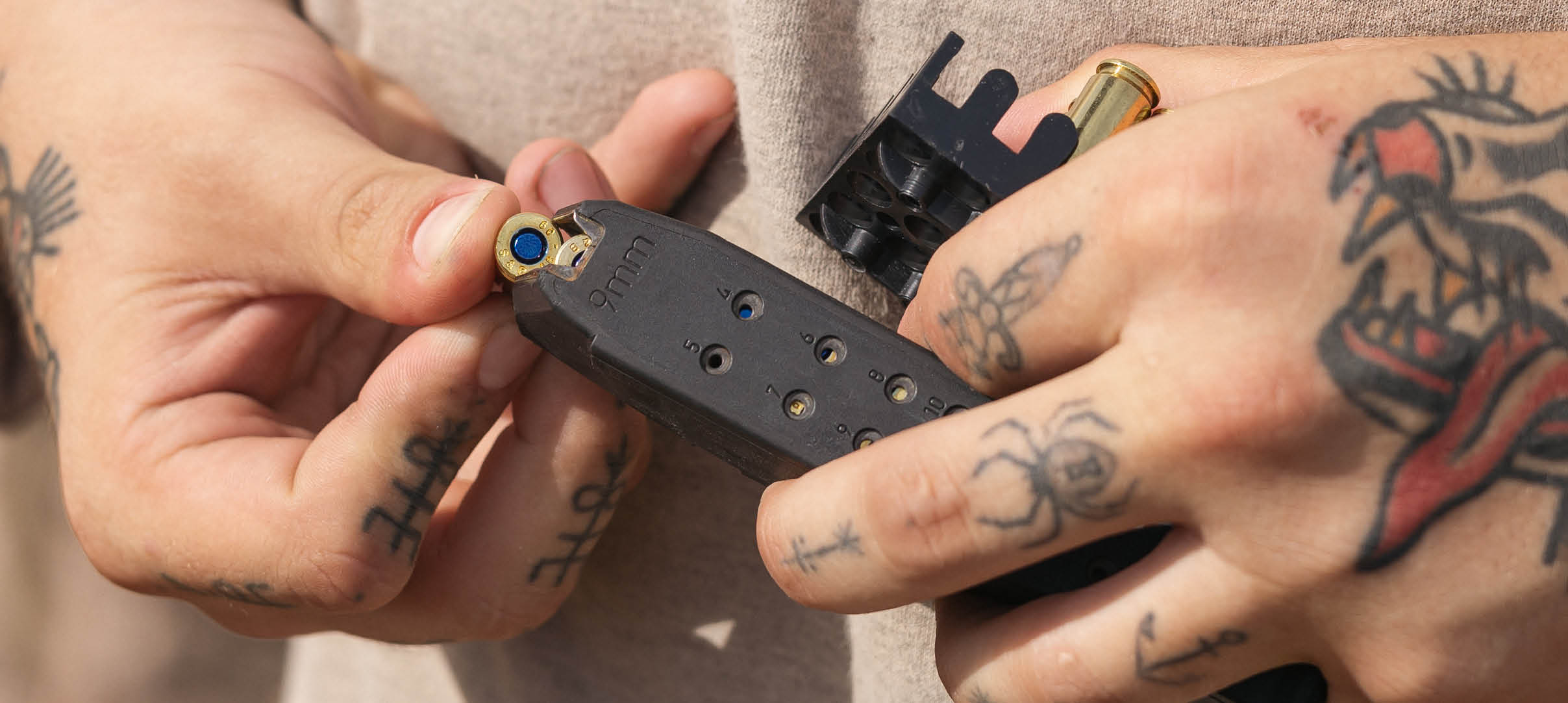
Chambered for the NATO Standard 5.7x28 cartridge, this was my first opportunity to shoot a genuine alternative to the ubiquitous 9mm in a semi-automatic pistol. The weapon felt comfortable in the hand, despite packing a scarcely believable 20 rounds in the magazine. Compared to the Glock,
29



28
Compared to the 9x19mm round, the 5.7x28mm offers less recoil, more ammunition capacity, less weight, and a much flatter trajectory, and significantly better penetration against armor. The rifle-like bullet design helps, as does a velocity approaching twice that of a standard 9mm, although ‘hot’ 9mm loads can match it (at the cost of even more increased recoil). Where a standard 9mm cannot penetrate a STANAG Level III vest at all, when shot from the P90, the 5.7mm can penetrate both Kevlar and Level IIIA armor at 200m. There are some who remain skeptical over the 5.7x28mm’s ability to deliver the same damage mechanism as a 9mm, and for many SOF units, the over-penetration offered by the 5.7 could be problematic, especially in CQB and hostage rescue scenarios, as collateral damage is more likely than with a 9mm round. As a result, in the Hostage rescue role, the round can be steel-tipped to retain effectiveness against body armor, but with an aluminum core to increase damage on the target and minimize the risk of pass-through with lethal energy. Finally, the 5.7 is more expensive to buy and nowhere near as available as a 9mm, so that needs to be factored into any procurement decision.
But does the 5.7x28 make a compelling case as a PDW for SOF enablers, such as helicopter pilots?
At the recent SHOT Show in Las Vegas, Smith & Wesson showcased their folding carbine chambered for the 5.7x28 cartridge, matched with a 3D-printed titanium baffle suppressor. The baseline weapon, the M&P (Military and Police) FPC (Folding Pistol Caliber) carbine, has been available for a while, and it seems to match well with the 5.7x28mm cartridge. The FPC stock folds sideways to reduce length from just over 30 inches when extended to just over 16 inches (albeit a few inches longer with the suppressor fitted), making it smaller than a MP-5 and easy to fit inside a cockpit or mount on a seat. While the long(ish) barrel (16 inches - you can guess where the hinge is...) will enable equivalent, if not better, performance at range to the P90 PDW (which has a standard barrel of just 10 inches). The weapon comes with a 22-round magazine in the pistol grip, which is unsurprising as the basis for the carbine is Smith and Wesson’s tested M&P pistol architecture. The FPC is equipped with the ubiquitous Picatinny rail on top for additional sights and M-LOK slots for other accessories, e.g., a torch, laser, or foregrip. As an aircrew weapon, I’d be in the mindset of ‘keep it simple, stupid’ with maybe a basic red dot sight to improve accuracy at medium ranges. What I really like about the FPC, though, and bearing in mind my comments about potentially having to ‘bug out’ quickly in a
‘downbird’ situation, is that the folding stock contains stowage for two additional 22-round magazines. It means that if I grab my carbine and leave the aircraft with nothing else, I’ve got 66 rounds of high-velocity, body armor-piercing ammunition with me in addition to my pistol, which, of course, could also be chambered for 5.7mm too....
In a situation similar to Mike Durant, the FPC can be fired with a single hand if injured and, if loaded with appropriate ammunition, offers the potential of over-penetration against a mob; in other words, rounds passing through more than one attacker at shorter ranges, especially if they’re not wearing body armor. The weapon is light, with low recoil, reliable and simple to use. It seems to tick most of the SOF enabler PDW ‘boxes’.
SOF enablers are not meant to join in the fight, but sometimes the enemy gets a vote, and they do. Helicopters often must place themselves at direct risk to deliver their effect. Sometimes, that ‘worst day’ happens, and if it does, we need to give our crews the best possible chance of surviving and evading for long enough for help to arrive and, ultimately, to be rescued. The 5.7mm FPC might well be a good choice as a PDW as part of a broader ‘actions on’ plan.
31


30





33



34
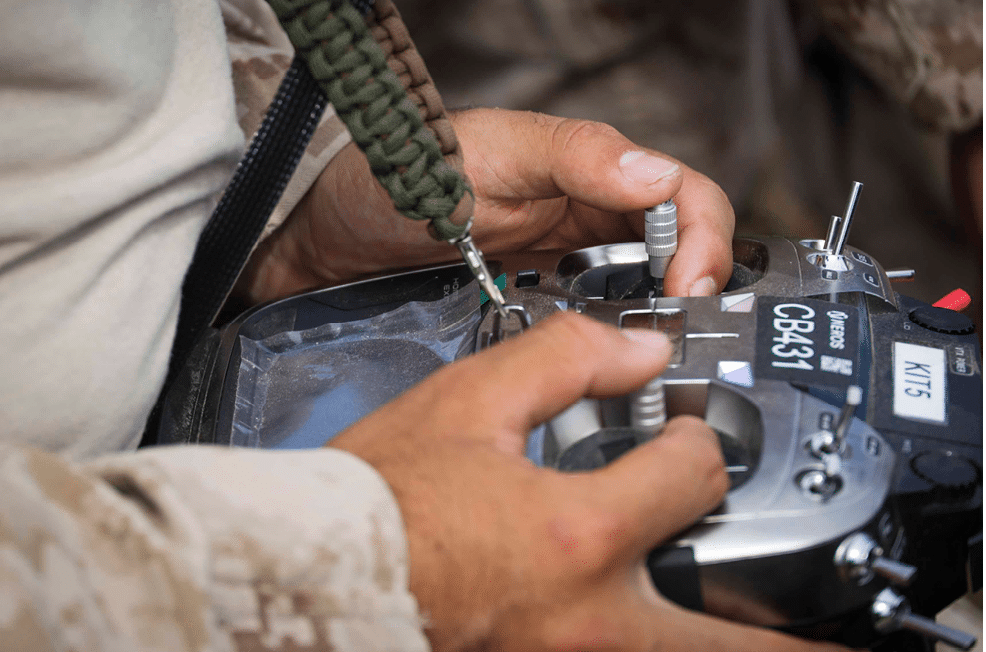
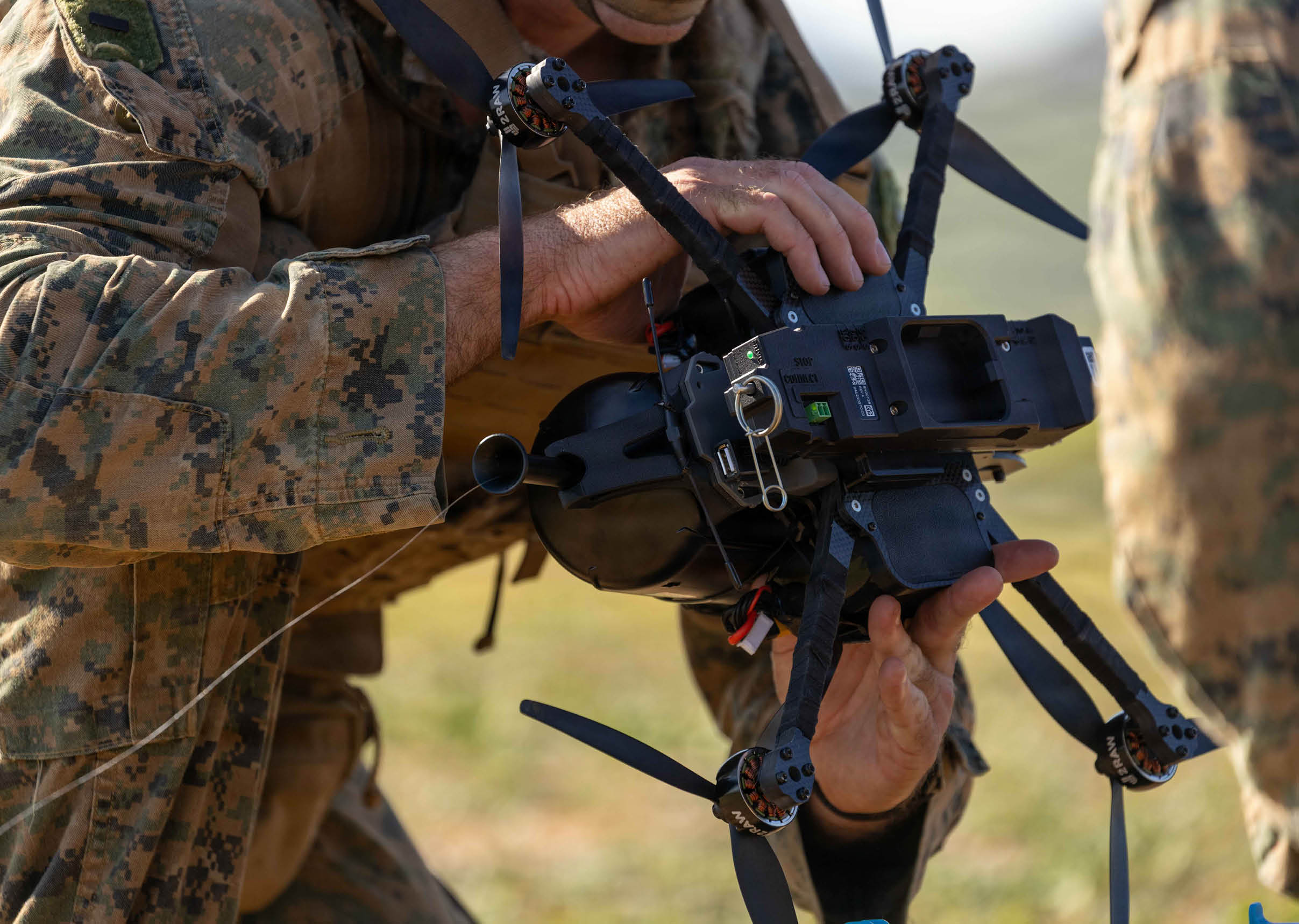
A drone strike is a familiar tactic to SF operators who’ve served through the last twenty years of operations. Once the preserve of only a few select units, prosecuting targets using high-level drone technology represented the extreme edge of what was technically and tactically achievable. A drone strike on an enemy commander 15 years ago could have taken months to set up and would have required many different, and extremely expensive, platforms operating from high altitudes and fixed airfields. Fast forward to the modern day, and it seems that almost every soldier in the Russo-Ukrainian conflict is prosecuting drone strikes daily using cheap FPV drones. While this isn’t the case, what is true is that the ability to ‘Find, Fix and Finish’ a target using drone technology has evolved from a capability that only a very select few SF units could deliver into something that is now very much part of mainstream combat.
How did this happen? How has technology developed to enable cheap and reliably effective FPV strikes? This article explores why the high-level drone fleets of the Global War On Terror (GWOT) were imperfect for SF operations and then traces the development of technology to meet the demand of those fighting in complex terrain. By tracing the development of drones from the GWOT through the ISIS campaigns and into the Ukraine war, we can gain insight into what this means for SF in the future. To begin, we


39



38
need to first review what drone technology was during the GWOT.
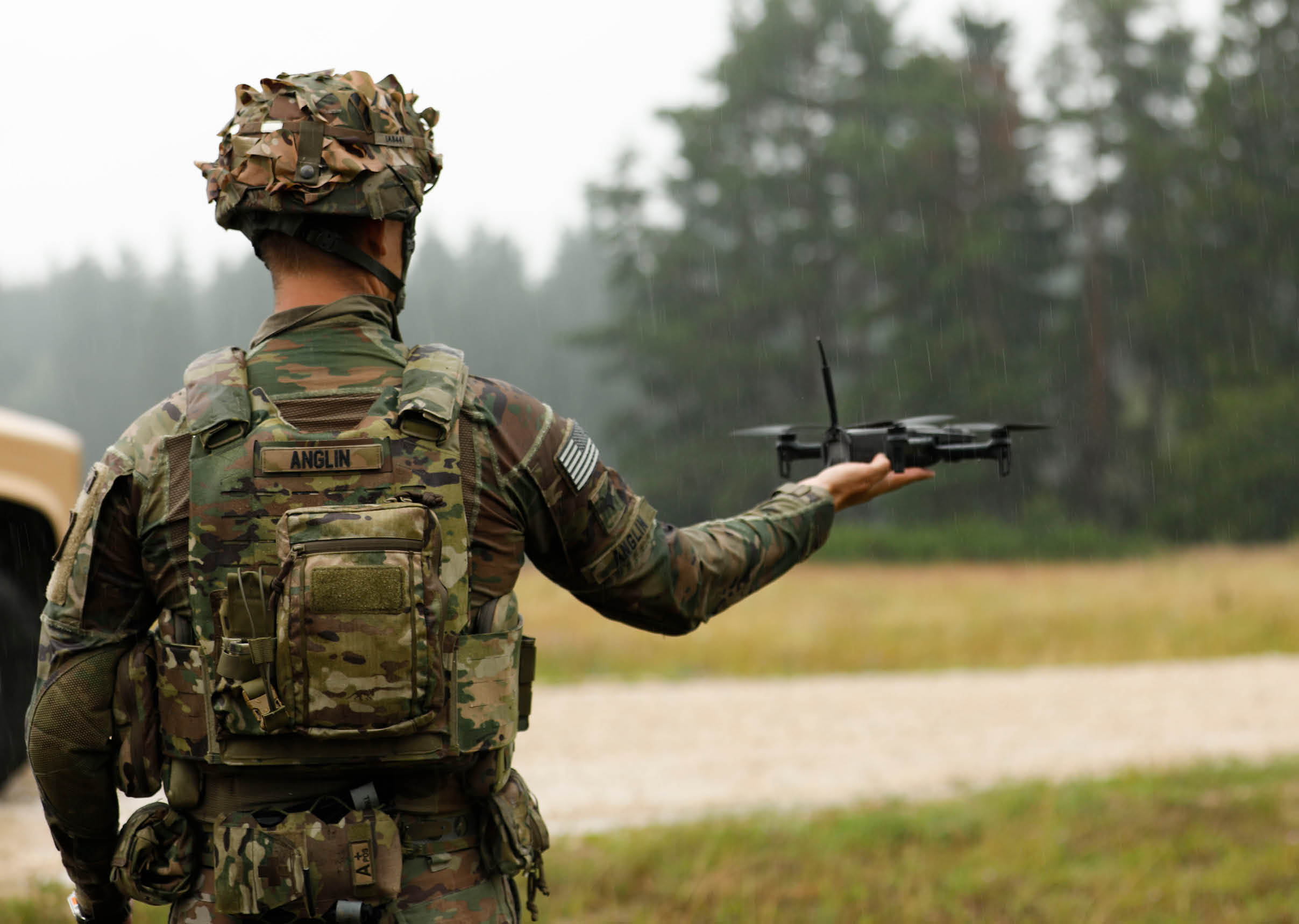
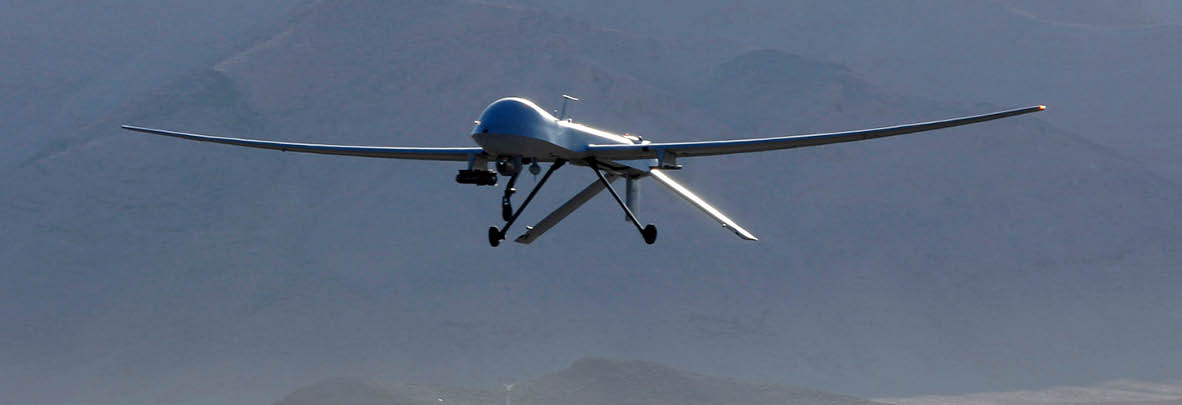
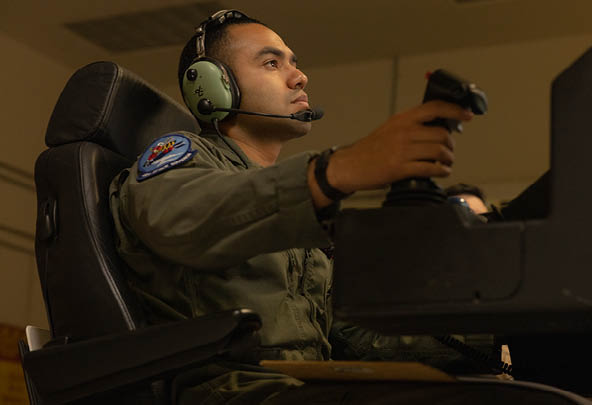
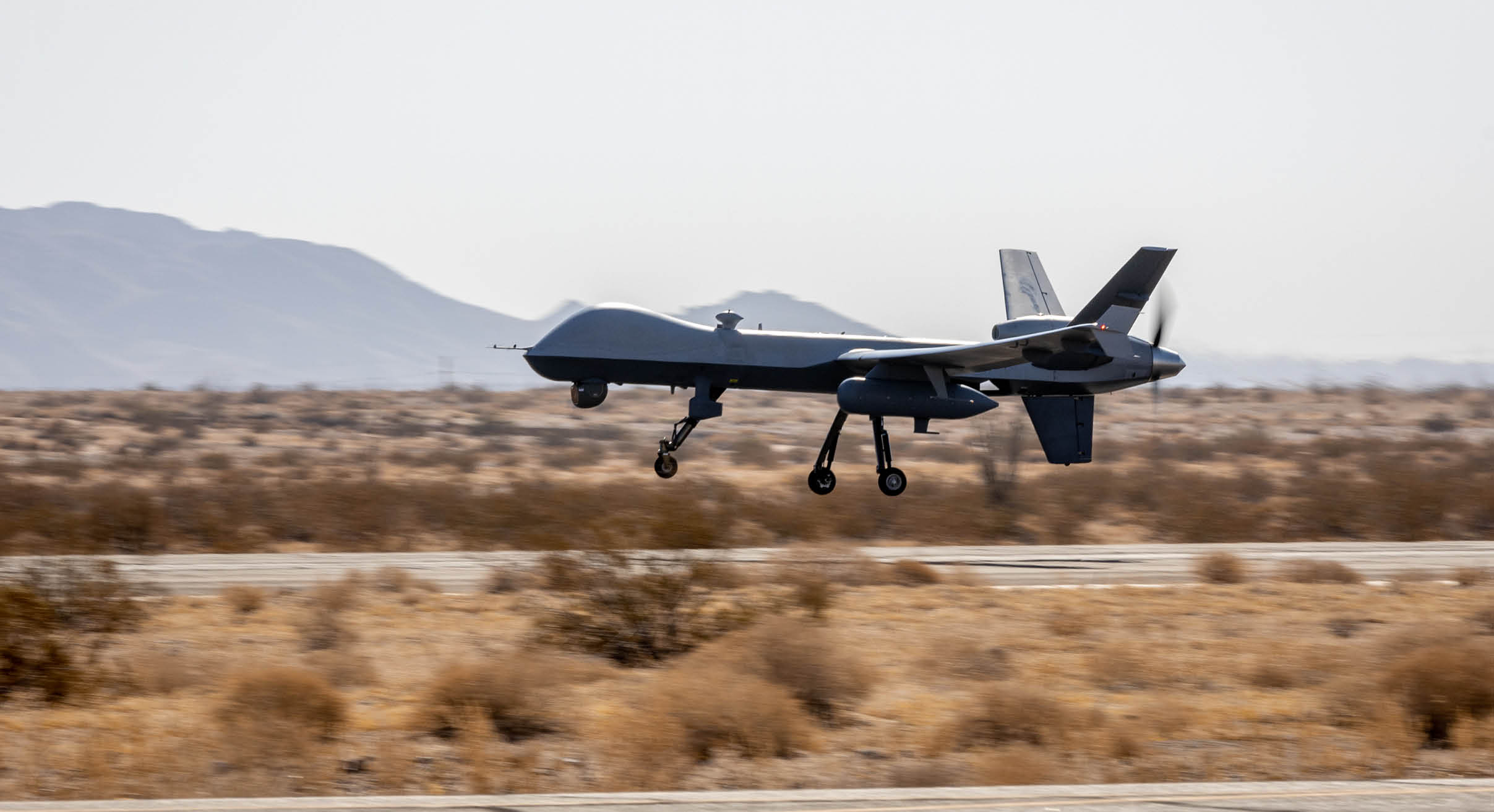
The use of Drones within special operations goes back several decades. In the early years of the GWOT the term ‘drone’ was synonymous with the MQ1 and MQ9 platforms (Predator and Reaper Remote Piloted Air Systems (RPAS)), which are in fact not drones as we understand them to be today. RPAS are much larger and more expensive than a simple FPV drone and require specialist training to operate rather than ‘on the job’ training of a far less complex FPV user interface. They can remain on station for more than 24 hours and provide near Real-Time Imagery (RTI) and streaming video of targets; these platforms fundamentally changed the way reconnaissance was conducted. Instead of maintaining a continuous observation of a target with optics and sensors from the ground, we could do so from above, beyond the detection range of our adversary. The addition of the Hellfire missile coupled with the platforms’ optical suite and more sensitive capabilities enabled so-called ‘drone strikes’, which became prominent during the Obama administration.
While an exceptional capability, and of great use to SF, the high-end Medium Altitude Long Endurance (MALE) platforms such as the Reaper were lacking in several areas. First, they are still reasonably scarce. To have enough platforms to ensure a full 24-hour task orbit of coverage on a single target, with redundancy, poses logistical challenges. Second, they are costly; indeed, only the USAF can field them in any significant numbers, meaning that coalition forces must bid for them, or rely on an allocation at a commander’s discretion (or go without). These platforms are also susceptible to weather, icing, and several other issues which preclude their use in certain environments. These ‘other issues’ must include a valid risk assessment; flying an RPAS over the unchallenged skies of Iraq or Afghanistan is very different to trying to operate one against a peer or near-peer adversary with credible air defenses. Finally, flying from a high altitude, the imagery and video, while excellent, is not always detailed enough to satisfy all the requirements of an SF
mission. Whilst the platform enables target development, mission support and the prosecution of kinetic strikes, it can’t support operators inside objectives, nor can it look through a window or a door.
The enhanced reconnaissance capability afforded by high-level drones didn’t solve the low-level tactical problems SF faced on objectives. Instead, as the GWOT continued, the requirement for technologies to help solve the issue of barricaded shooters and enable lower risk to operators conducting Close Quarter Battle (QCB) continued to increase. To solve the tactical problems operators were facing inside buildings, task units experimented with throw bots, under-door viewers, and dog cams. While the military working dog became a critical tool and saved many operators’ lives, they, like all other solutions, were imperfect. Dogs are hard to train and are a scarce resource in and of themselves, while under-door viewers and similar tech were unwieldy and generally onerous to use. Due to these factors, amongst others, SF started to look more broadly for solutions to the problems they were facing on and inside targets.
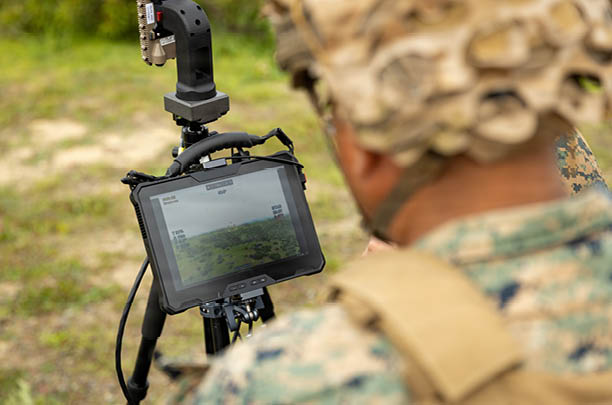
At this point, it’s worth noting that militaries had been trying to bridge the gap between larger RPAS (Pred/Reaper/Global Hawk) and the need for a more immediate, tactical platform that could support operators more closely on the ground, and at short notice without extended tasking chains. Many readers will be familiar with Raven, Puma, and its bigger brother, Shadow. Although these platforms were (and are) useful, the requirement to still have a pilot who could fly the craft remained. Furthermore, their limited range and size mean that they are still too big to deploy in a Helicopter Assault Force (HAF) package but are at the same time too small to have enough range to fly to many objectives unaided. The way they fly also means that checking doors or windows on an objective is still difficult, as a fixed-wing orbit doesn’t generally provide the level of fidelity required by ground forces. The final limitation to these medium and small fixed-wing drones was that they were (and remain) unarmed. Even though militaries had created armed capabilities like Switchblade, which arrived around 2011, these were still limited as they were not simple to fly, required setup time, and couldn’t be flown internally to a structure. The warhead yield was also small, and the system wasn’t great at targeting fast-moving objectives.
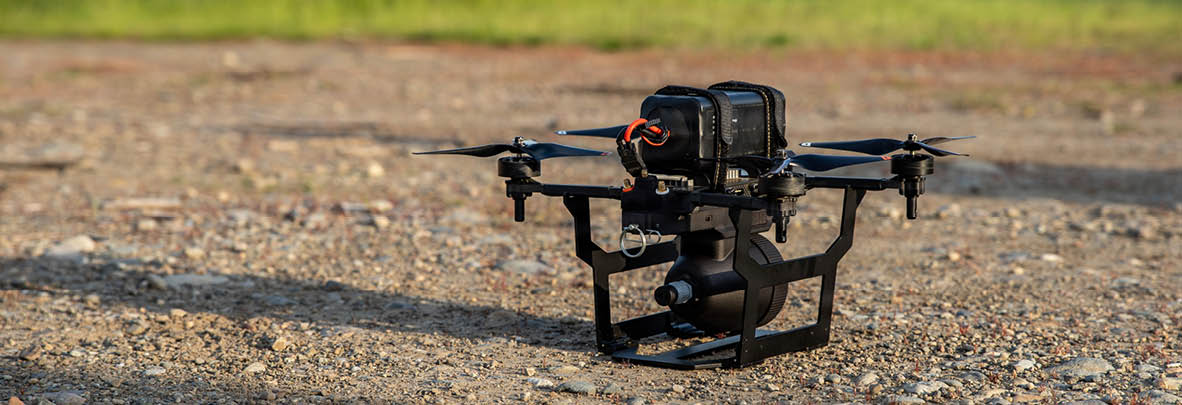
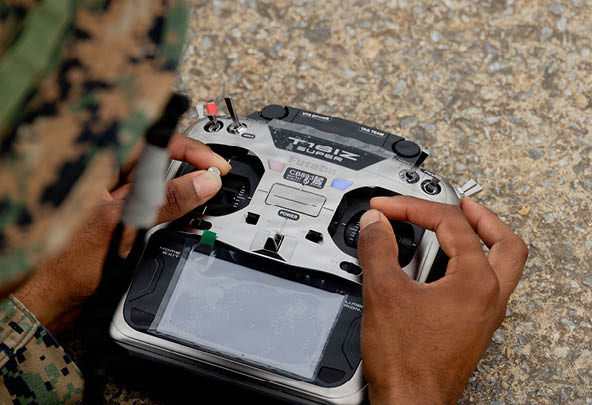
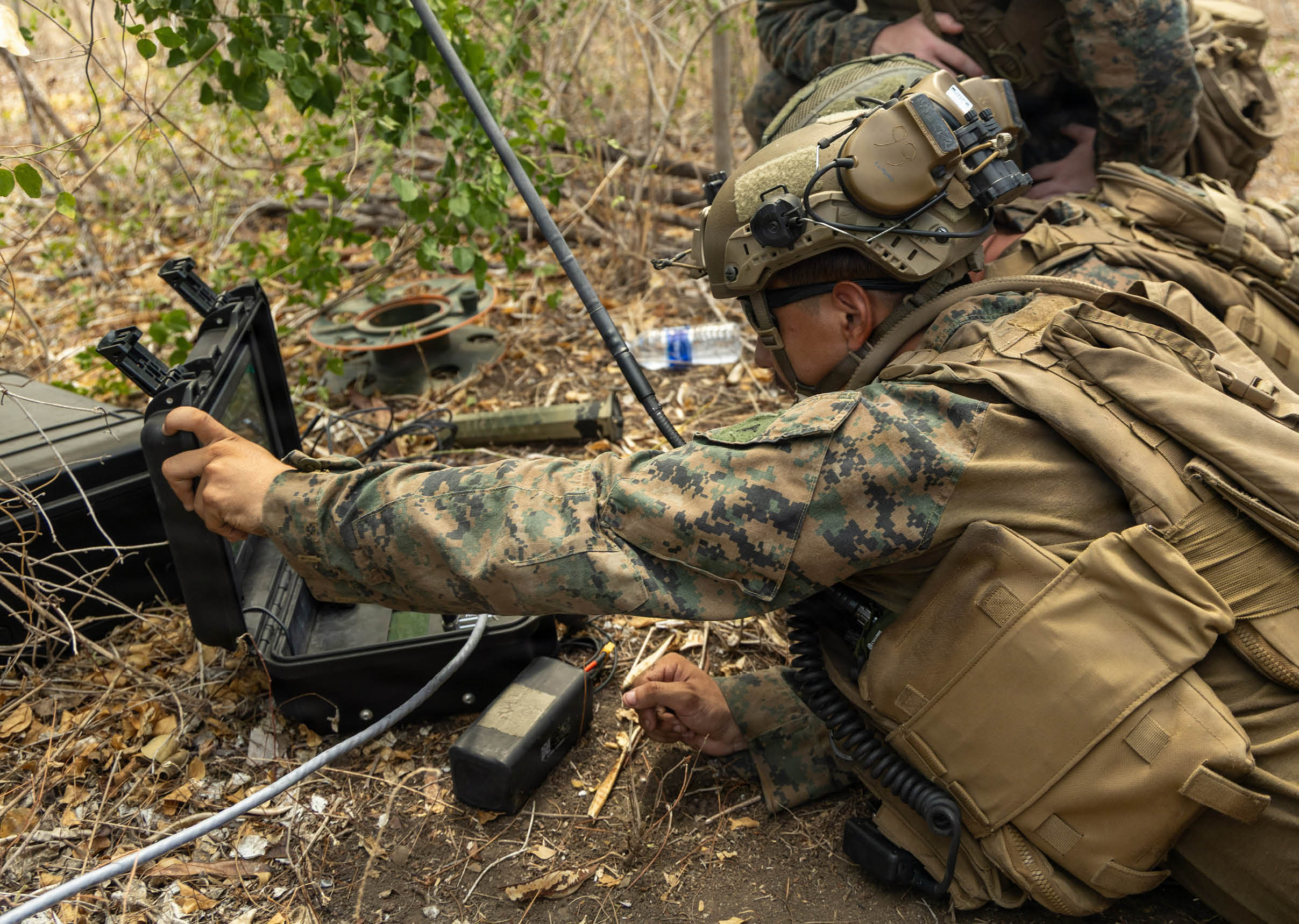

43



42
To take stock, around the year 2012 the technology was such that “drone”- style fixed-wing platforms were getting smaller, but nothing could fly inside a structure. If you wanted a small, armed platform (Switchblade), it came with limited range, had average connectivity, was expensive, and wasn’t optimized for night use. It was also unrecoverable. On the one hand, we had high-end, exquisite armed platforms capable of striking targets, complete with all manner of sensors, operating from fixed airfields, while on the other we had intermediary smaller fixed-wing drones, remotely flown by pilots, unarmed but more readily available. Finally, we had access to on-call, self-fired one-way drones, which SF could (and did) use organically, but these were not cheap and were not great at targeting movers. While life was good, the solution for internal clearance alluded SF until the most unlikely and awkward of places provided an answer.
The civilian drone manufacturing company, DJI, wasn’t a well-known entity until 2013 when it released the Phantom 1. This device was an ‘Off-the-shelf’ ready-to-fly quadcopter with built-in GPS and an external mount for a GoPro camera that would fly for 15 minutes and return to the base station if its tether failed. The civil market immediately exploded, and by the time the DJI Mavic was released in 2016, every top tier SF unit was experimenting with quadcopter drones because they represented a device which could be carried by an operator, stream video back to a controller, be flown by anyone with minimal training, and, with the addition of a night optimized camera, could be used tactically in support of ground forces. DJI platforms represented a low-cost, small, easy-to-use short-range ISR device; therefore, their uptake amongst SF was immediate. The only issue was that the device was Chinese manufactured.....
In August 2017, the US Army (shortly followed by the Navy) issued a directive ordering all units to stop using DJI drones, citing “cyber vulnerabilities”. The concern that the devices could be transmitting data back to China, or could be remotely compromised, resulting in an effective removal from the US military. Although DJI maintains that it only makes
civilian products and has no ties to the PLA or Chinese government, the US DoD retains its designation of DJI as a Chinese military company to this day. The result is that DJI no longer supplies the US military; however, the technology of the quadcopter is now deeply embedded across the force, albeit via different providers (now mainly US companies).
Having established how quadcopter reconnaissance drones came into being, the question becomes ‘how did the quadcopter evolve from its ISR role into its attack role’? While the obvious answer is that the Ukraine conflict was the forcing function, this overlooks three important developmental conflicts which paved the way: the counter-ISIS campaign, the battle of Marawi, and the Nagorno-Karabakh war. By reviewing each in turn, we can understand how the groundwork was laid for the creation of FPV attack drones. First, by late 2016, ISIS and its affiliates had demonstrated grenade dropping from commercial multi-rotor platforms. Although considered crude by today’s standards, ISIS showed that by combining commercially available platforms with grenades or mortar rounds, a force could field a low-cost aerial attack capability. Then, in 2017, the battle of Marawi demonstrated that commercially available drones would be usable in large-scale urban combat by both our enemies and us, to provide real-time overwatch in support of assault teams. While SF didn’t see dropper technology or internal clearance executed by drones in Marawi, it became clear that drones would be disposable and therefore needed to be cheap. Finally, the Nagorno-Karabakh conflict confirmed and sharpened existing SF interest in drones as force multipliers and as tools that reshape the operating environment, making it clearer that the requirement would be organic, resilient, and attritable unmanned capabilities. To summarize, these conflicts demonstrated how drones could be adapted to drop munitions and how cheap fixed-wing drones could be adapted into weapons, but the technical leap to create a long-sought-after internal clearance tool was still not achieved until the Ukrainians took an FPV racing drone and weaponized it.
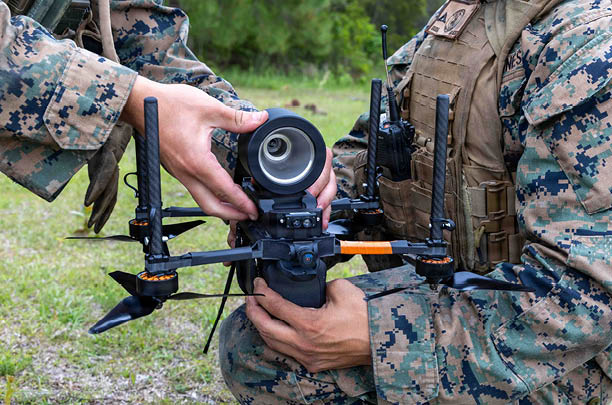
The first recorded FPV strike most likely took place in June 2022 and
45



44
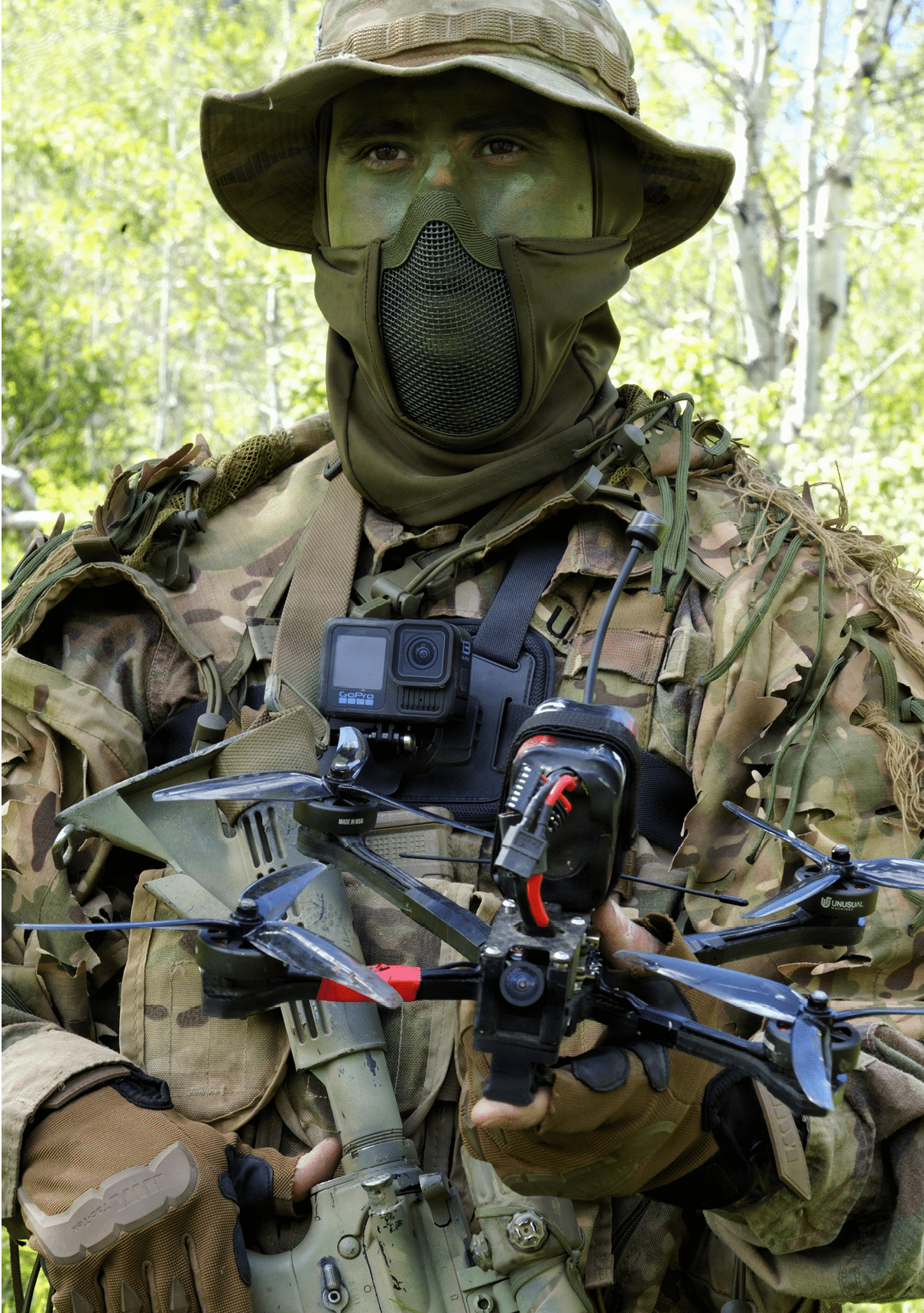
was executed by Ukrainian units against Russia. The Ukrainians had been experimenting with modified sports/freestyle FPV drones in the preceding months, but early attempts (around April–May 2022) had failed. On 10 June, operators identified a Russian-occupied house and flew a weaponized FPV into the building and detonated it. Despite the range being short, at an estimated 1.5 to 2 km, and the drone being a relatively crude adaptation of a racing hobby drone, it remained an effective strike, marking the foundational moment where hobbyist racing technology transformed into a new battlefield weapon. Subsequently, the Ukrainians developed long-range, EW-hardened FPV drones capable of executing strikes on infantry fighting vehicles, bunkers, individuals, and even aircraft. The unquestionable utility of FPV drones has resulted in huge uptake by both sides, resulting in their prevalence across the entire theatre.
Having reviewed how the technology evolved, we can now review the benefits an FPV system brings to SF. First, these devices are extremely low cost and can therefore be produced in high numbers. They are also extremely precise and maneuverable, enabling the munition to be flown in a manner that conventional munitions cannot replicate. They can also be recalled if a target is not prosecuted and the stand-off range they provide
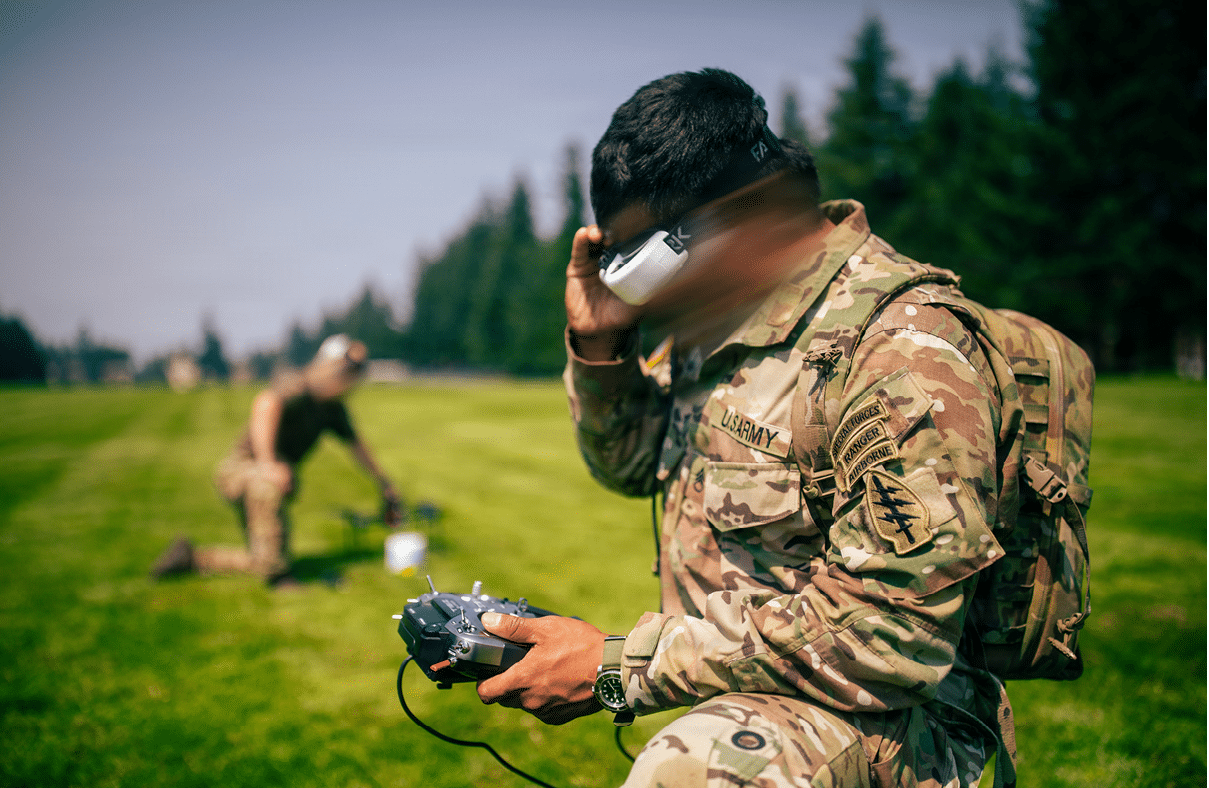
reduces risk to operators. Lastly, they are also rapidly adaptable; therefore, payloads, sensors, and control methods can be modified in the field. All these factors make them extremely useful for SF mission sets. To highlight the utility of FPV drones, the key advantage these types of drones provide, as opposed to a quadcopter (like a DJI Mavic), is that they allow an operator to visually view a structure, trench, building, or target from a first-person view. This means an operator with a headset on can fly a drone into a building and visually see what is inside. The operator can then provide commentary to other operators on the same voice net, as well as push the feed to other devices so adjacent units can also increase their situational awareness. This technique represents the natural evolution of the tactics honed during the GWOT whereby a high-level fixed-wing drone would provide imagery of the target and give commentary of the enemy’s actions to maneuvering ground forces. The difference is that now the eye in the sky can be flown by an operator into a target building and can then be detonated to destroy an enemy combatant if required. This technical and tactical innovation is leading to profound changes across the world’s leading SF.
The question now being asked is not if drones are useful; it is instead how drones will be adopted and at what speed. Fortunately, we can look to history for insights into the pace at which militaries adopt revolutionary technology and, unsurprisingly, the rate is invariably slow! Many people realize that the machine gun changed the way wars are fought, but few people know that, at first, they failed to gain acceptance within militaries. Indeed, official policy was to have only two machine guns per battalion during the late 19th century! Around 1909, the leading recommendation was to raise this to six machine guns; however, this was rejected, and it wasn’t till WW1 that most armies seriously adopted machine guns. This seems ludicrous to a modern observer, as over a hundred years later we now know that every operator needs to be equipped with a fully automatic rifle and each team/section needs at least a machine gun, if not two. The lesson we can take from this vignette is twofold. First, militaries, inclusive of SF, are generally slow to adopt new technology. Second, any discussion of how many drones there should be per unit, or whether drones should be centralized or decentralized, misses the point. Soon every soldier will have drones, probably of multiple types, just like every soldier carries a weapon; therefore, as it pertains to SF, it is increasingly clear that each operator needs to be at least capable of using a drone and each team must have multiple platform types depending on the mission set.
To summarize, having established how we have transitioned from high-level unmanned, exquisitely equipped, but extremely costly drones to low-level FPV attack platforms, we can now look to the future. The specifics of how drones will change the tactics of SF operations are a discussion
47



46
for another day; before we address this, we must first adopt these new technologies, as integrating drones into units will have significant impacts on how SF trains and equips. While conventional armies are often slow on the uptake, and this reluctance impacts small SF units globally, most SF units already have drones, yet not all operators are capable of FPV flight, and not all forces have kinetic variants. As the nature of war continues to change, it remains of the utmost importance that SF lead the way by integrating and
adapting drones quickly and effectively, as not to do so is an acceptance of risk that Western nations can ill afford. Should all operators be capable of FPV operation? Should all units have integrated fleets of drones ready for different mission sets and able to carry different payloads? Just like our forefathers’ experience with the machine gun, the answer to these questions will seem obvious in hindsight. The sooner the SF achieves full adoption of these technologies, the better.
49


48





51


50

It really doesn’t need pointing out that the world that SOF work in has changed significantly over the past decade. The high-profile and enduring COIN campaigns in Iraq, Syria, and Afghanistan required a different approach to mission planning when compared to potentially executing missions against a near or full peer opponent as the world sharply realigned itself to the harsh realities of a new age of renewed Great Power Contest. SOF units are having to adapt to this new reality, often ‘re-learning’ lessons, concepts, and mission profiles that were features during the Cold War, and, indeed, in the several ‘proxy campaigns’ that were fought in its margins.
The starkest difference between the previous two-decade era of the Global War on Terror and the new epoch of a renewed Great Power Contest is arguably that the latter features a genuine contest for control of the air.
Fighting insurgent forces brings significant risks. They are often committed and, in many cases, come from cultures that place a lower value on human life than Western nations traditionally do. In terms of weapons, the very nature of an insurgency is to be ‘low contrast’ against the civilian population to make them hard to pick out and prosecute. Indeed, many of the insurgents I helped to remove from the chessboard were 90-95% ‘normal’ people living in their community; only the ‘5-10%’ of nefarious activity (such as building or planting Improvised Explosive Devices (IEDs) or
53



52
conducting an ambush) brought them to our attention. As such, the insurgents we fought against didn’t have access to, or deploy, sophisticated, expensive, and difficult-to-conceal air-to-ground weapons, such as radar-guided SAMs and gun systems. Nor did they routinely have access to the network of surveillance and control technologies usually required to direct them.
Insurgents, however, can, and often do, wrestle an amount of localized ‘Control of the Air’ via the use of low-technology weapons in appreciable numbers, and often in environments that are to their tactical advantage; especially regarding the implementation of friendly Rules of Engagement (RoE). This is especially the case for key SOF enablers such as helicopters and Tactical Air Transport (TacAT) aircraft, which invariably must expose themselves to the low-tech threat to deliver their effect. Perhaps the most
famous example is the Battle of Mogadishu, where the proliferation of small arms and RPGs created a highly dangerous regime for helicopters to be flown into. By the ‘classic’ definition of ‘Air Supremacy’, US forces had total control of the skies; the Somali National Alliance (SNA) was not putting up fighters to challenge them, nor exploiting a sophisticated web of sensors and effectors in the form of radars and SAMs. However, they did deploy scouts and ‘dickers’ to report on US movements via I-COM and other means, and they did make it very difficult for US helicopters to operate in the lowest 100ft of airspace over the city. Two MH-60s were downed by RPGs, and several other helicopters were hit by fragments and gunfire.
If you’ve not read it, I heartily recommend Asher Hockett’s account of the AH-6 contribution to the battle in Issue 2 of Carpe Noctem.
While insurgents have been able to inflict a measure of control over that ‘bottom 100ft’, above that, except for the odd MANPADS shot, coalition forces were able to operate with almost total impunity during the ‘COIN era’. The MANPADS threat could be largely ameliorated to an acceptable residual risk

57



56
by flying at night and fitting platforms with a suite of technologies such as IR Suppression Systems (IRSS), Missile Warners, IR Jammers, and decoy flares.
This freedom of maneuver meant SOF units on the ground could rely on air platforms for a host of enabling tasks. These included prolonged ISR ‘soaks’ to establish ‘Patterns of Life’ to help identify anomalies in activity and people, and to provide persistent wide-area surveillance of the Area of Responsibility. SOF units would rarely ‘go out of the door’ without a comprehensive mission ‘stack’ of air platforms above them. Invariably, this ‘stack’ would include ISR aircraft, including platforms that could stream Full Motion Video (FMV) to troops on the ground and upper echelons alike; often via systems such as ROVER, to provide a real-time tactical picture of the target area. Inevitably, the ‘stack’ would include some FIRES platforms. In Afghanistan, for example, a couple of Attack Helicopters or Close Air Support (CAS) aircraft, depending on the target set, were often planned and ready to respond to any enemy activity. The ‘stack’ might also include Electronic Warfare (EW) platforms to degrade, jam, or spoof enemy comms, and to interfere with the ability to remotely operate IEDs or call in support. Finally, if available, the ‘stack’ would inevitably feature the SOF ‘Swiss Army Knife’, the AC-130J ‘Ghostrider’ gunship.
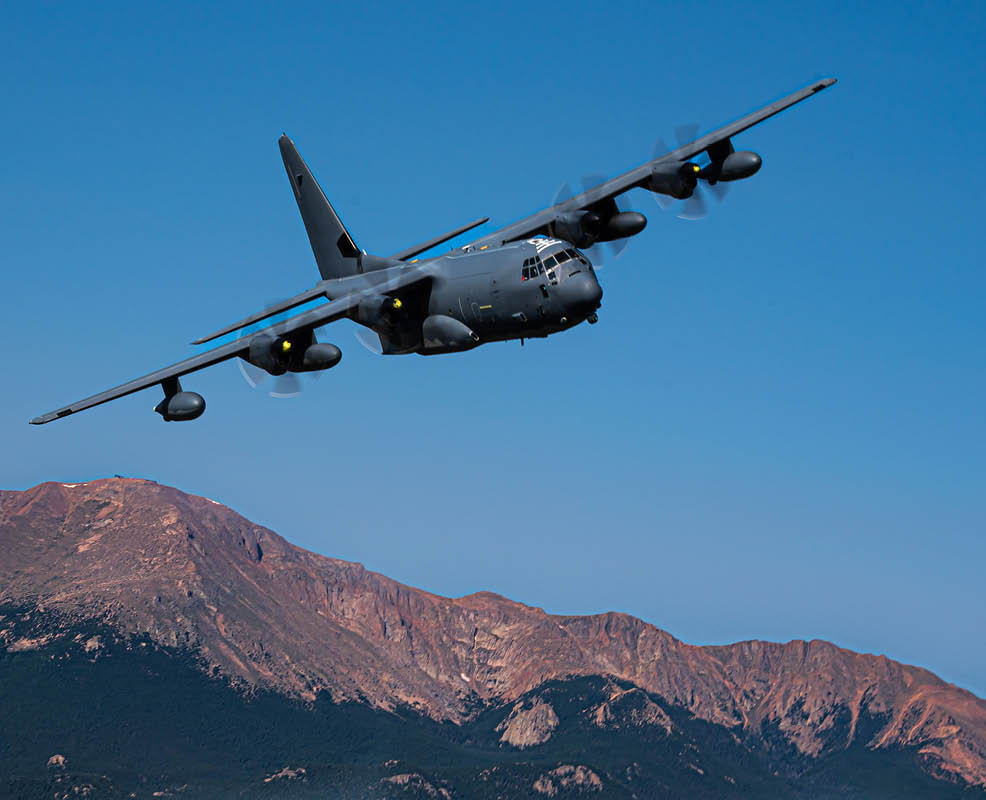
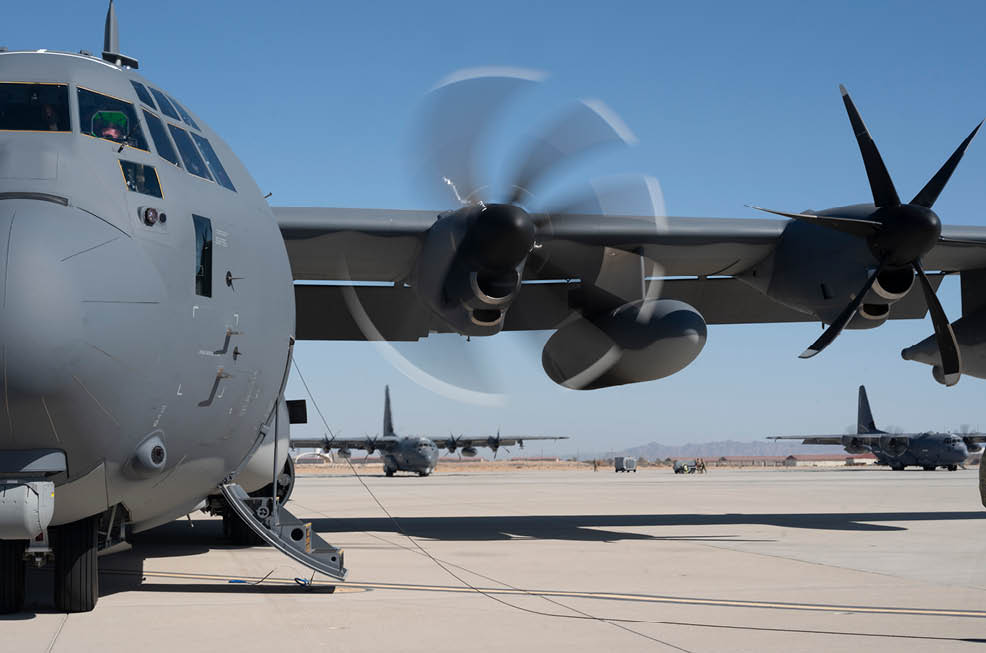
The AC-130J can do a credible impression of being a ‘one aircraft stack’ as, aside from its obvious arsenal of guns and guided weapons, it has a FLIR turret and targeting pod to monitor events on the ground, a comprehensive C2 suite, and plenty of spare ‘real estate’ and mission power for EW applications. The USAF and SOCOM love the capabilities that the AC-130J brings to the fight, and the extended endurance it can offer in the target area permits missions to ‘go long’ without having to ensure multiple Fast Jet and Attack Helicopter packages are planned to flow in and out of the stack as they need to refuel and rearm.
Such a ‘stack’ was asset-heavy and required considerable airspace. This was especially relevant for night missions, where adequate vertical separation was required to ensure that different packages didn’t risk colliding with each other.
However, the return to peer warfighting renders the luxury of ‘air supremacy by default’ a distant memory. The West’s potential opponents will not simply yield the sky. They will vigorously contest and challenge them for the ability to both use it for their own ends and to defend their airspace, and by extension their fielded forces and Centers of Gravity, from attack by Western platforms. In the Cold War, the talk was of operating within an Integrated Air Defense System (IADS) - planning mutually supporting


60
missions to suppress or degrade it to permit friendly air assets, including SOF enablers, to go about their business at a tolerable risk. Today’s environment is that of ‘Anti-Access, Airspace Denial’ (A2AD) networks, where multiple layers of air defense technologies are deployed to make it even harder to prosecute missions successfully.
The first tactic against an A2AD system is the same as for the legacy IADS: fly low to exploit radar horizon and terrain masking to prevent or delay acquisition. That’s not a problem for specialist SOF aircraft; SOCOM’s platforms are lavishly equipped with Terrain Following Radar (TFR), Forward looking Infra-Red (FLIR) and other technologies, all designed and integrated to permit all-weather, day-night, low-level penetration of hostile airspace.
It is, however, an issue when SOF have been using support ‘stacks’ that often topped out at over 20 000ft during the COIN era. Unless the platform is Low Observable (LO - i.e. ‘stealthy’) it’s going to struggle to survive at those sorts of altitudes in a SAM-infested A2AD environment. So how do SOF units continue to benefit from the kind of ‘on target’ support that they have had in recent campaigns?
One potential solution is adopting ‘Launched Effects’ (LEs).

63



62
Originally termed ‘Air Launched Effects’ (ALEs), LEs are a class of enablers that have benefitted from the surge in Unmanned Air Vehicle (UAV), or ‘drone’, technologies over the past decade; a surge that has been further accelerated since the unprovoked Russian invasion of Ukraine in 2022. LEs offer several useful traits to the commanders of Western militaries, both regular and SOF.
For a non-SOF commander, LEs offer an ability to generate ‘Combat Mass’ both quickly and at modest cost. This is especially true when countries can develop a common ‘core’ LE airframe that can be adapted to several different roles by simply swapping out the payload before flight. By reducing the number of airframe types, LEs can exploit both extended production runs (making them cheaper to produce and stockpile) and a ‘test once, use often’ philosophy to reduce the time and costs associated with the Test and Evaluation (T&E) of new platforms. Iterative improvement only requires a light T&E touch of the deltas (differences) between versions, and that can often be achieved via a desktop analysis rather than complex flight test - appreciably speeding up the clearance process. The use of a modular LE means that the payload is the part that receives the greatest scrutiny, but if it complies with the LE’s Interface Control Document (ICD), this process can also be swift, especially if the payload is not a warhead. By giving payload designers firm boundaries on size, mass, aerodynamics, power, and C2 requirements, the LE manufacturer can keep its product relevant. One key lesson from the Russo-Ukrainian war is that the tempo of adaptation is now a crucial factor in any prolonged campaign; a nation does not want to invest in the mass production and stockpiling of systems that are rendered obsolete on the battlefield in a handful of months.
Unlike their larger ‘cousins’, including the new generation of Collaborative Combat Aircraft (CCAs), ‘Loyal Wingmen’, and more established Remote Piloted Air Systems (RPAS), such as the MQ-9 Reaper, LEs sit firmly towards the ‘attritable/single use’ end of the cost vs risk appetite ratio. The majority are intended as expendable ‘on mission’, in the same way as a regular munition or guided weapon. For One-Way Effectors (OWE), the clue is in the title, but for non-kinetic LEs there remains the potential for safe landing, recovery, refurbishment and reuse. However, if a LE is to be soft-landed, then any sensitive mission data it contains (such as crypto for C2 links) must be protected. Modularity, mass, and adaptation are now key tenets of modern warfare, and LEs are at the vanguard of each.
For SOF, the opportunity exists to exploit the adaptability and low footprint of LEs to replace elements of the ‘COIN stack’ with a low-cost, attritable, short-duration ‘bubble’ to give commanders and the troops on the ground a similar amount of intimate ISR support, C2 ‘reachback’, EW support, and responsive FIRES.
65



64
An early example of a modular LE is the L3 Harris ‘Wolf Pack’. This family of LEs used a common core airframe to fulfill both kinetic (‘Red Wolf’) and non-kinetic (‘Green Wolf’) mission sets.
It seems to fill the design brief perfectly. About six feet long, two feet wide, and weighing about 250lbs, and capable of ‘high subsonic speed’, the
air vehicle has been configured such that it can be carried and deployed from a wide variety of platforms (across all domains), as befits the often-eclectic packages assembled at short notice to support SOF operations. These platforms include helicopters such as the AH-1 Cobra, with the USMC conducting live firings late last year. They can also be launched from the ground or by ship. The former, perhaps, would permit helicopters or civil vehicles to pre-deploy and drop disguised ‘packages’ of ‘Wolves’ in a similar
67



66
way to how the Ukrainian SBU ‘Trojan Horsed’ OWEs deep into Russian territory by ‘hiding in plain sight’ before launching Operation Spider’s Web’ against a number of Russian airbases, hitting an estimated 41 aircraft, on undefended bases, far removed from the traditional front line.
The ‘Red Wolf’ can be configured with a variety of warheads and programmed with several mission profiles. In its simplest form, it’s a 200nm+ ranged stand-off weapon, but its modular nature lets the 25lb payload be optimized for the target set being prosecuted. Each Desired Mean Point of Impact (DMPI) can be assigned the most effective warhead, whether simple High Explosive (HE), Blast Fragmentation, Anti-Tank, or Anti-Personnel. The attack profile can also be tailored- from low level all the way to the target to avoid detection, or a ‘pop’ to a higher altitude in the target area. This enables certain targets to be hit on the ‘softer’ top side, or to enable the Red Wolf to deploy a parachute to become a ‘loitering munition’ in the target area, capable of, perhaps, an autonomous response to a high-value target, such as a SAM Fire Control Radar (FCR), exposing itself. A ‘cab rank’ of loitering munitions also gives the SOF operator on the ground, provided they have the appropriate C2 means, the ability to call down rapid and intimate fires, much in the same way they have done in the recent past with the AC-130J.
The non-kinetic ‘sister’ is about bringing the other effects to the party. ISR overwatch, C-IED jamming, Electronic Attack (EA), spoofing and jamming of enemy comms, stand-in jamming of A2AD nodes, as well as Target Acquisition and Designation for their weaponized brethren. In the current vernacular, such a capability is described as ‘DILR’ - Detect, Identify, Locate and Report. They can also get in close enough to potentially identify nodes weak enough to inject malware and cyber effects. For SOF operations, they can also provide a decoy or distraction. By mimicking the ‘right’ RF and electronic signature of a SOF, or regular, platform, they can force the enemy to focus on the wrong area or to unmask a FCR or weapons system prematurely, enabling it to be geolocated, categorized and appropriately sanctioned.
However, despite bringing modularity, range and payload to the table of a mass-produced system, the ‘wolf pack’ still suffers from the issue of a high unit cost. At about $300-500K per unit (according to most open sources), it’s not cheap, and the payload is the key differentiator. Compared to a Hellfire missile at $100-150k per shot, the Wolves are expensive, but they are also much longer-ranged and can have a sustained effect. At the low end, they cost about the same as an AGM-179 Joint Air-to-Ground Missile (JAGM), while being considerably cheaper and easier to deploy than, say, a Storm Shadow ($1m and up) or a Tomahawk cruise missile ($2m+).
For lengthy campaigns for regular forces, such a price to entry might prove excessive, and a suite of cheaper (often sub-$20k) LEs preferred to give the requisite combat mass, scale and effect over a prolonged period. In exchange for a modest reduction in range, the Green Wolf can also be made recoverable and re-usable; important if the majority of that $200k differential is sensor related, or of course if you want to execute a deniable mission or prevent sensitive technology and information from falling into the wrong hands.
However, for SOF operations, that price may be entirely comfortable. The ability to take a ‘pop up’ LE engineered target ‘stack’ might prove invaluable, especially when it means the need to put more expensive crewed platforms at risk is reduced or eliminated altogether. With adequate attrition reserves planned into the package in case of failure or enemy action (and to cover off the inevitable ‘what ifs’), a LE package could enable a relatively small force of SOF enablers to penetrate deep into enemy A2AD airspace and deliver a telling blow.
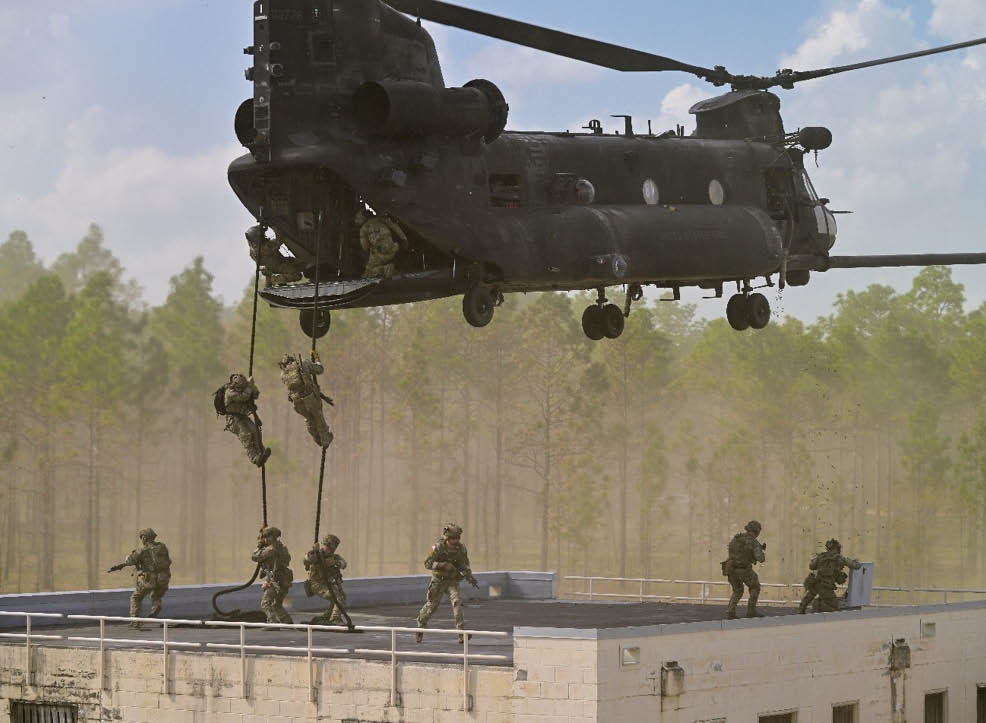
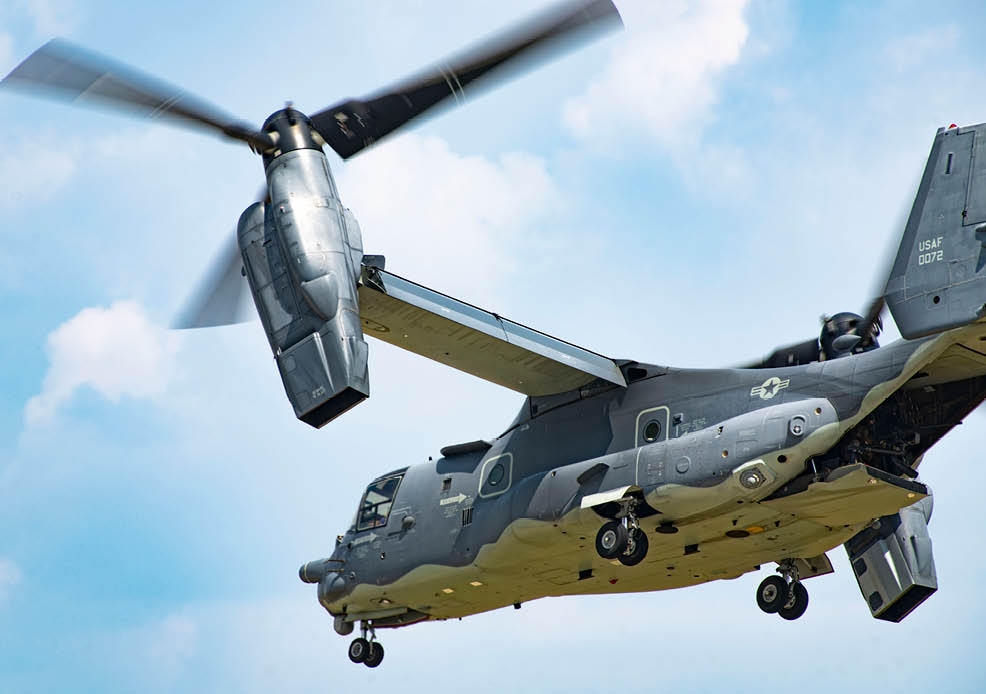
A typical SOF package of, perhaps, six to ten assault and escort helicopters could be supported by a supporting element of ‘Wolves’ carried and deployed at a safe stand-off distance by enablers such as MC-130Js, CV-22s, or even larger UAVs acting as ‘drone motherships’. Sikorsky’s demonstration of the U-HAWK uncrewed UH-60 Black Hawk at last year’s Association of the US Army (AUSA) exhibition in Washington DC, quite markedly had a cabin full of Common Launch Tubes (CLTs) which could deploy a number of folded
69



68
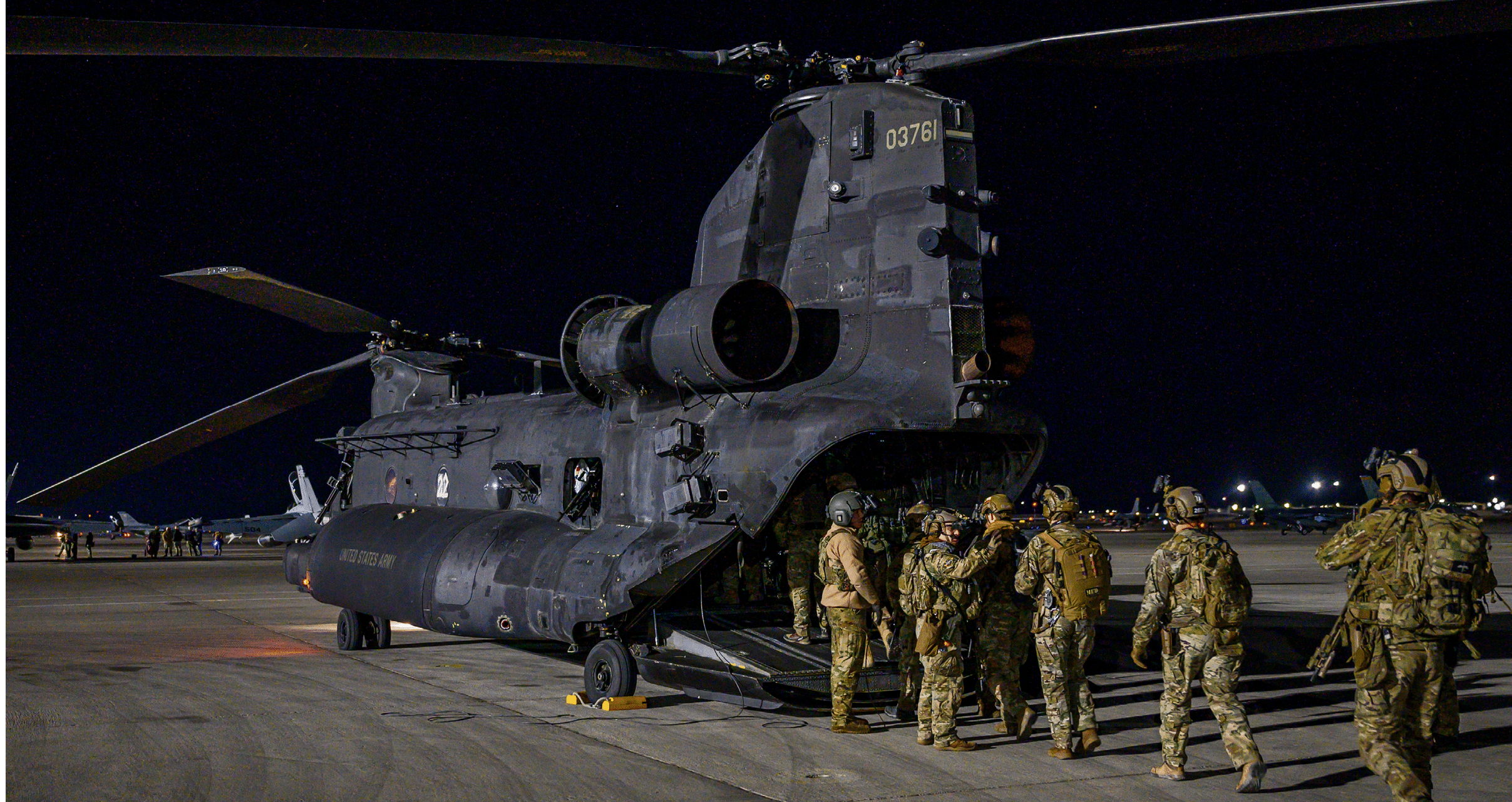
LE systems directly into the airspace; and there’s no reason that non-SOF platforms such as UH-60s, CH-47s or C130s couldn’t be pushed into service to get LEs into the battle. Indeed, the UK MoD has recently suggested employing its CH-47 fleet as a LE carrier in its (finally released) Defence Investment Plan (DIP). The generous cabin size, large lift capacity, and multiple launch locations (ramp, load hatch, cabin doors and windows) all make the Chinook uniquely suited as a helicopter LE launch aircraft.
In time, we may well discover that LEs have already played a part in recent
SOF missions, especially during Operation ABSOLUTE RESOLVE. One thing seems inevitable, however. They will prove to become key players in future planning cycles as SOF try to ‘take the party with them’ in contested and degraded airspace.
However, the LE’s themselves are not the whole story. How they are planned into the mission, coordinated, programmed, and then controlled ‘on mission’ are all vital considerations - and ones we’ll discuss in the next issue of Carpe Noctem.
71


70




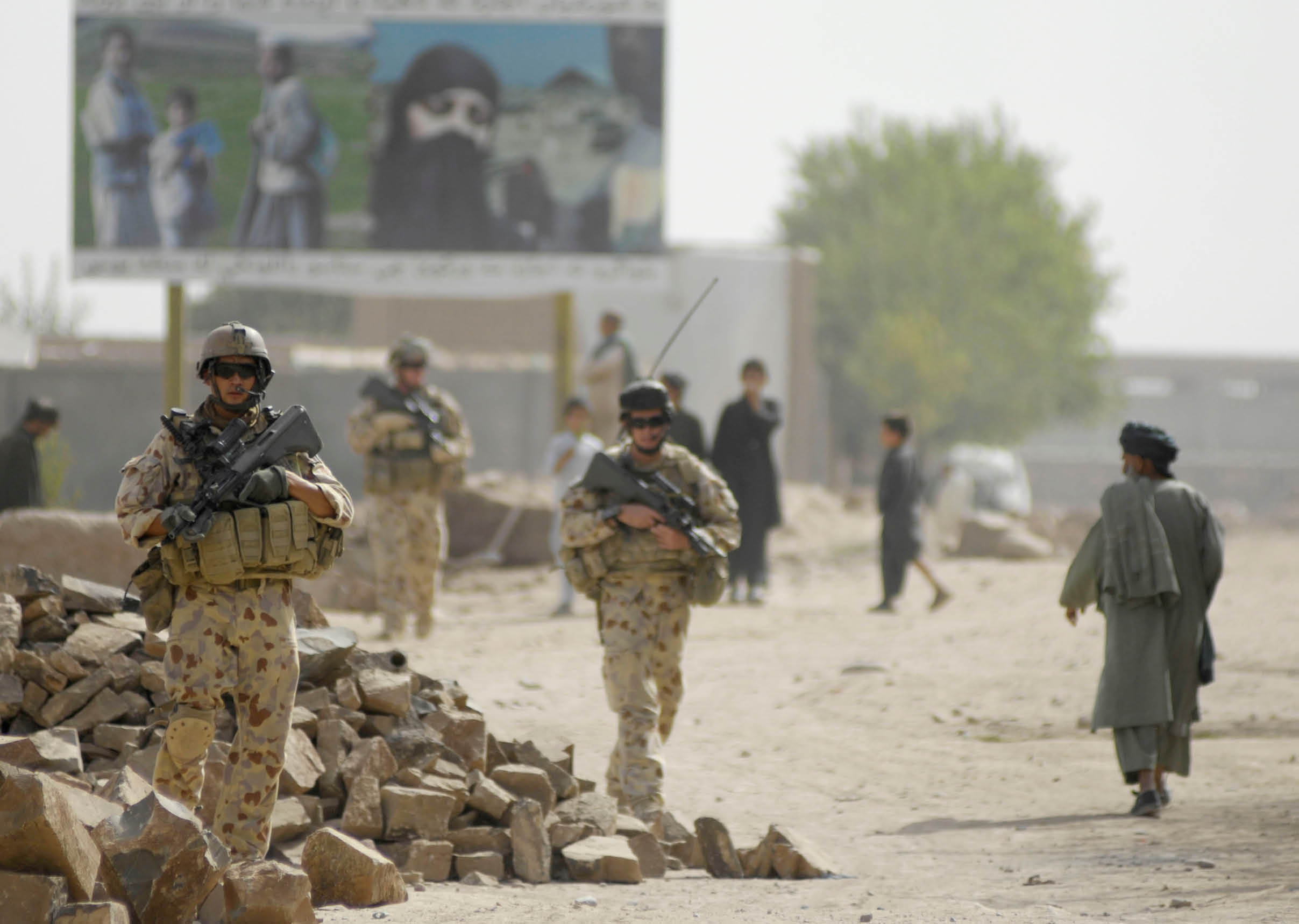





75



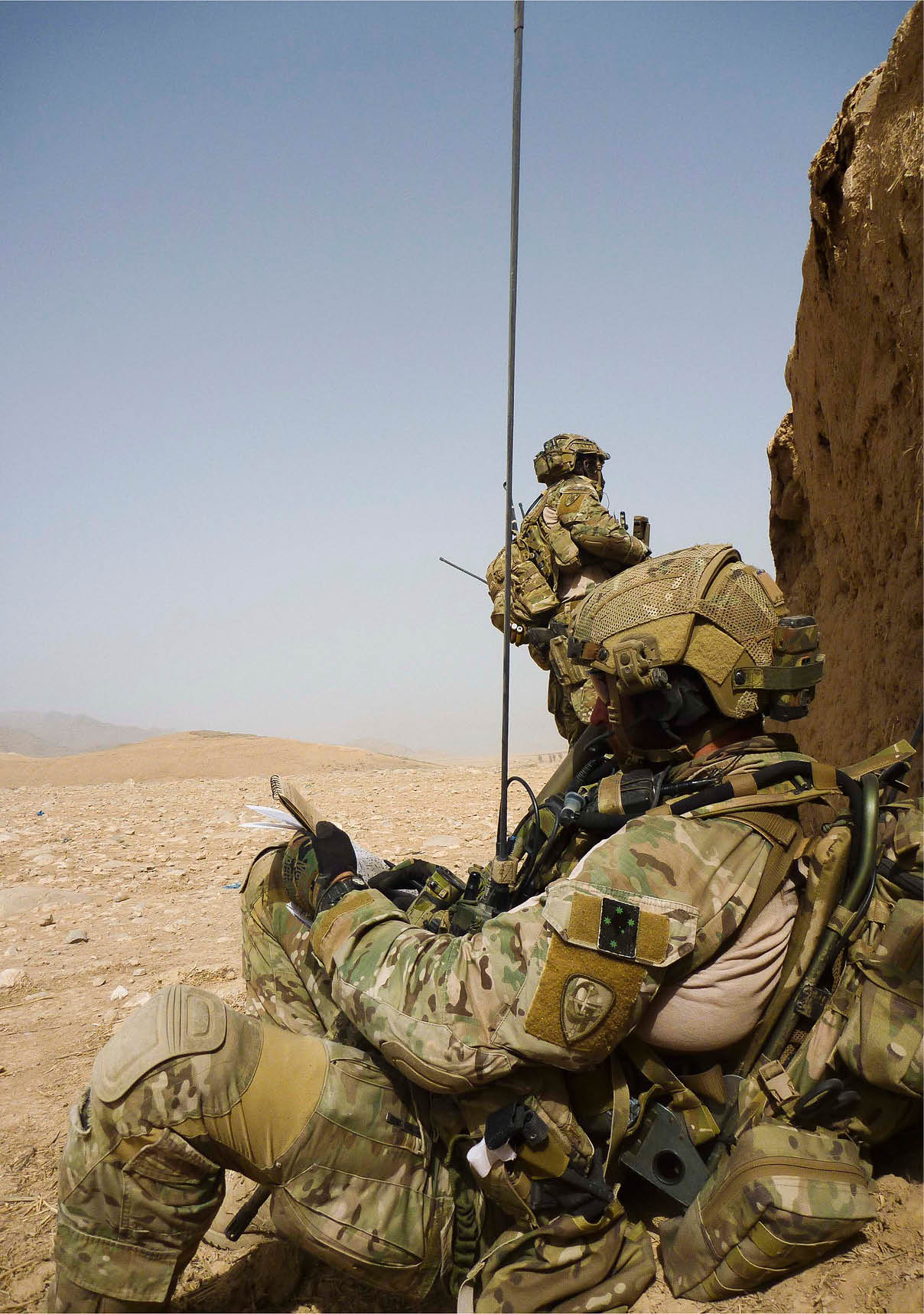
77


76
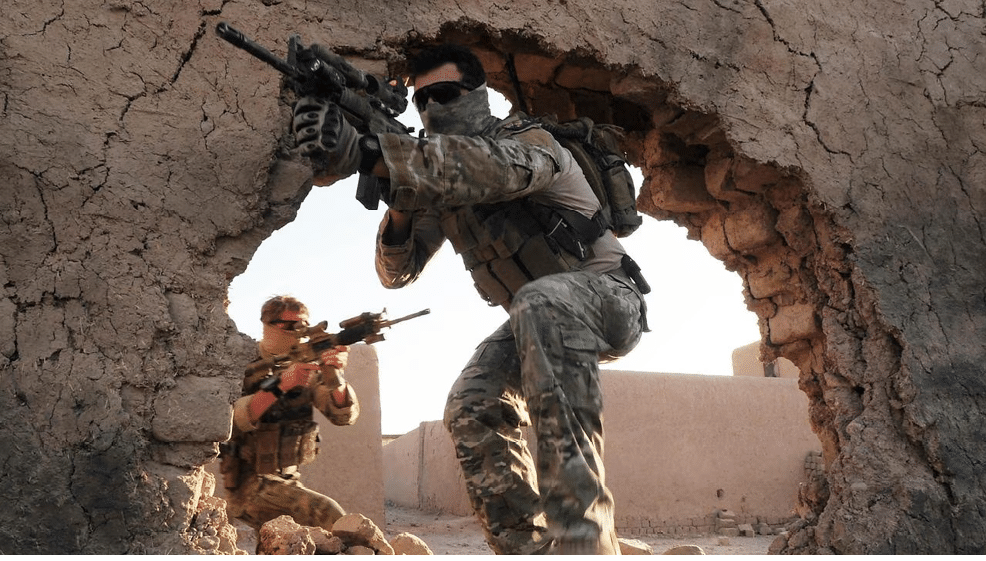
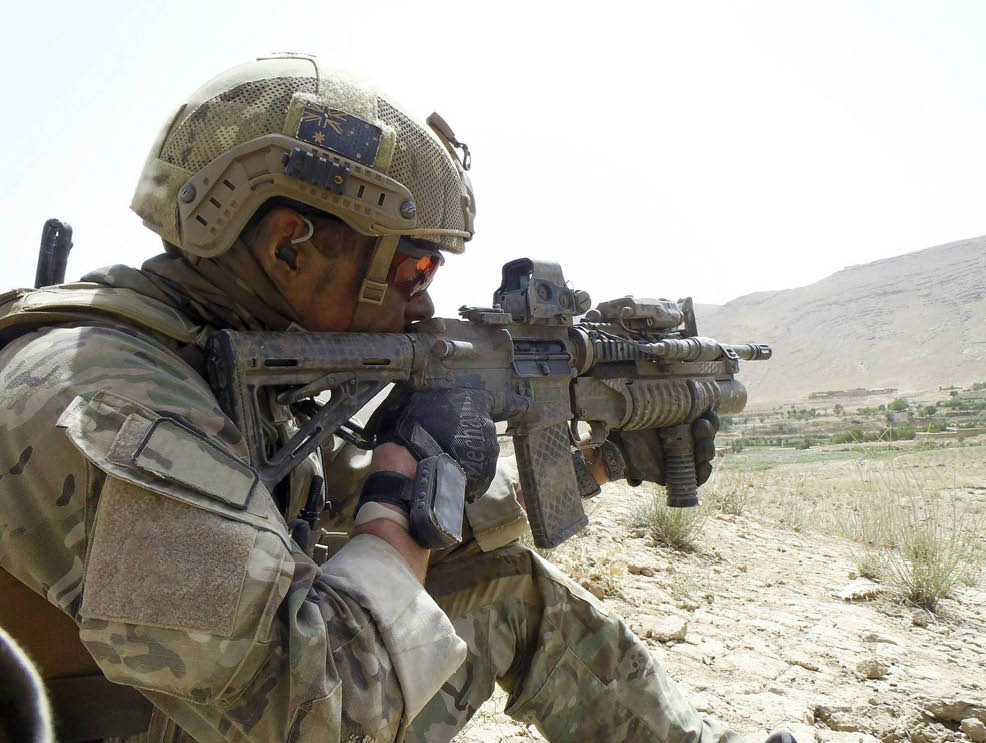
Aussie Special Forces are respected and revered worldwide. And for good reason. The Australian tier one force, the SASR has over 60 years of operational experience, serving in Malaya, Vietnam, Iraq and Afghanistan and as the tip of the Australian Defence force has upheld the reputation of their forefathers who trace their lineage back to Z Force during WW2. But all is not well down under. The recently released Brereton Report, which catalogs 39 murders of civilians and prisoners by Australian Special Forces during the Afghan war, has thrown a dark shadow across the SF community. This article does not address specific allegations, nor pass comment on the accusations levelled at those involved; instead, it seeks to address the argument that the SASR shouldn’t have even been in Afghanistan in the first place. Indeed, as the community begins to search for answers and pinpoint where things went wrong, there are those who like to point out that SASR was used outside its role, or that they were wrongfully employed. Nothing could be further from the truth. To challenge these claims, we will first explore what the Regiment was doing in Afghanistan, their mission types and role. We can then address the core arguments that either regular infantry should have fulfilled the mission, or that SASR should have been used only in a recon role. We will then conclude with some basic findings.
Before we can address whether the Regiment was used appropriately, we must first understand their place in the wider coalition effort. SASR made up only a small part of the wider ADF Special Operations Task Groups (SOTGs), which were the Australian special forces’ contribution to the Afghan War. Their operations unfolded across three distinct phases. The first began in Oct 2001 and saw SASR participate in Operation Enduring Freedom (OEF), conducting reconnaissance and direct-action tasks over three rotations before withdrawing in Nov 2002.
The second phase started in 2005, when Prime Minister John Howard announced that the SASR would be redeployed from Sept 05 for 12 months. Again, the SOTG conducted three rotations before withdrawing all forces from theatre. These first two phases were unique in that they were bounded by time, and were under the operational control of the US as part of OEF.
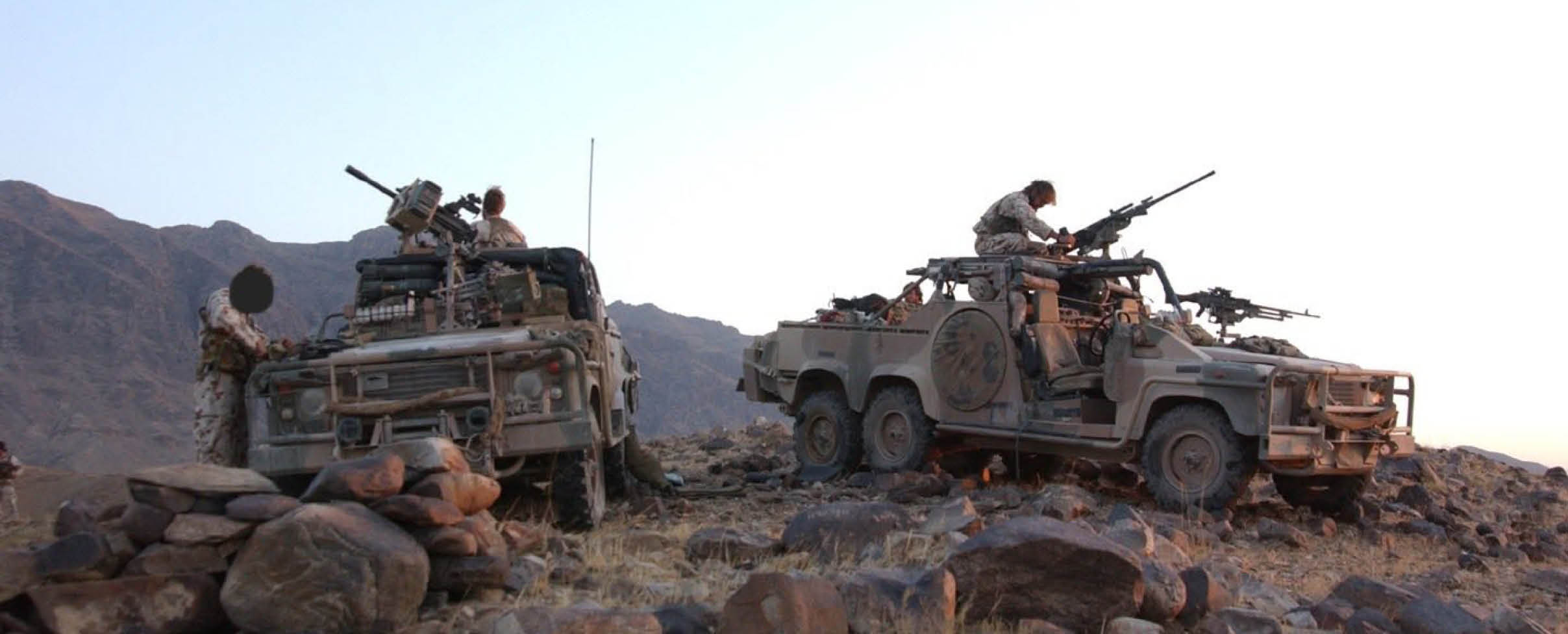
The third, and most important phase commenced from May 2007. SASR was originally directed to commit to two years of rotational deployments, but this expanded to 17 rotations before finally ending in 2014. During this period, instead of operating under the Enduring Freedom framework, the SOTG answered to ISAF SOF. The now 300-person SOTG was tasked to enhance provincial security by disrupting Taliban C2 and supply networks, as well as

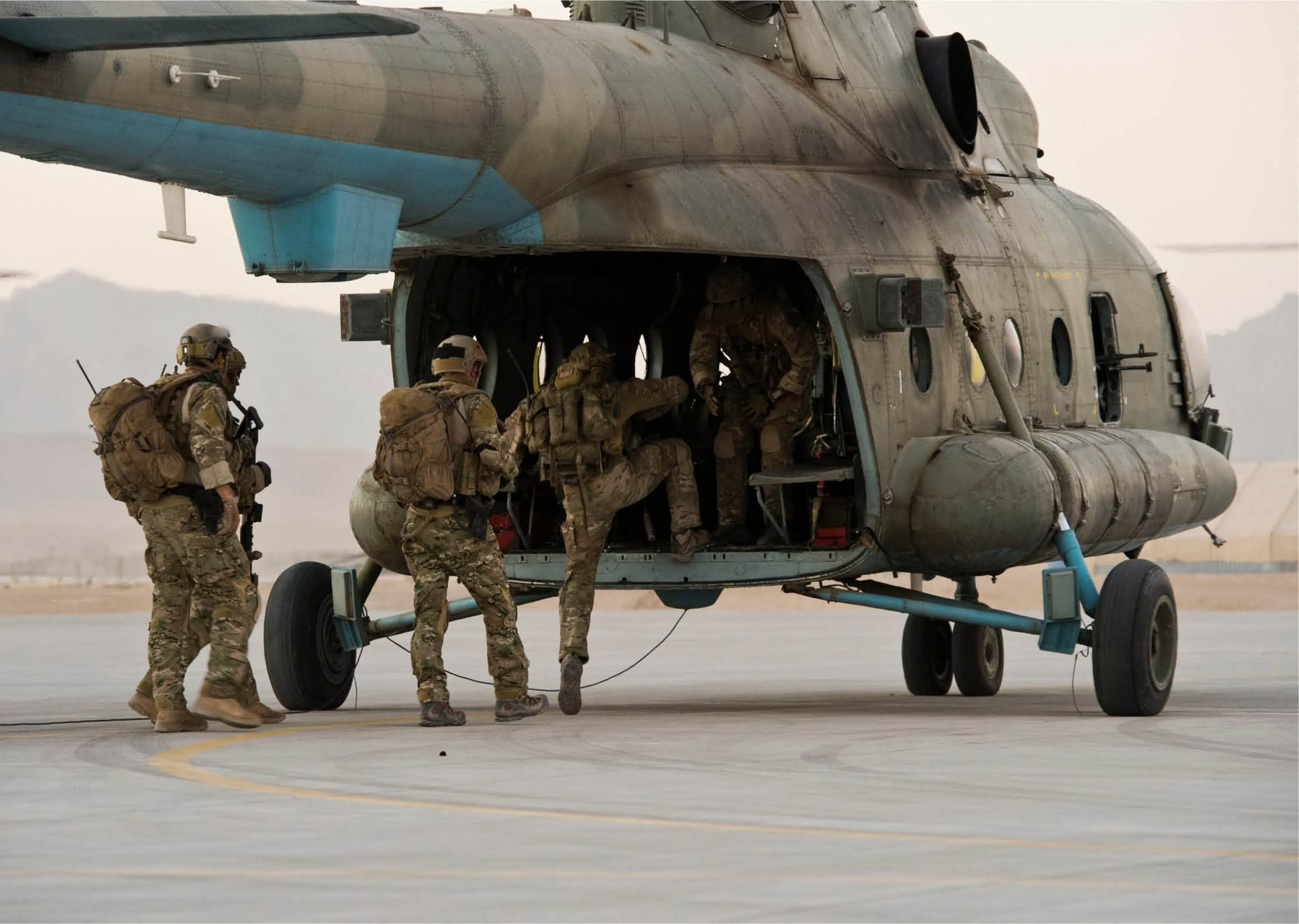

81


80
directly supporting the ADF reconstruction task force by enabling security. To achieve this mission, the SOTG had five Lines of Operations (LOO):
1. Counter leadership (OpTEVARA SIN)
2. Disruption Ops (Op SARA TOFAN)
3. Counter Nexus (Op MAKHA NIWELL)
4. Key leadership engagement liaison (Op KHUDAY)
5. The mentoring function for the Provincial Police Response Company.
These LOO enabled the SOTG to conduct operations across the spectrum of the conflict. Op TEVARA SIN authorized the SOTG to find, fix, and finish enemy leadership, while op SARA TOFAN enabled them to target enemy safe havens. The 3rd LOO saw the targeting of drug networks, while the fourth supported partnering operations, which was crucial in achieving mission sign-off in the latter parts of the war. Although the exact allocation of LOOs to the various Force Elements (FEs) remains classified, it’s highly likely that FE A (SASR) was allocated TEVARA SIN while FE B (2 Commando) was assigned SARA TOFAN. The other LOOs were likely conducted by whichever force element was required. Understanding this framework is important as it set the conditions for seven years of combat operations throughout which SASR was able to conduct high-value targeting of individual Taliban commanders via the Joint Prioritized Effects List (JPEL) process.
From this, we can understand that SASR was deployed to Afghanistan for three distinct periods. While the original two deployments were time-bound and saw them serve inside a US framework, the third deployment lasted far longer than anticipated, and they instead served as part of ISAF. What started as a recon mission with some Direct Action tasks, over

83



82
time, coalesced into a high-value targeting mission to enhance security by degrading or destroying enemy leadership within the Uruzgan province, via JPEL hunting. Each government noted that the deployment was high profile and would contribute to the coalition’s collective efforts. This highlights that the use of SASR, as part of the SOTG, partially served the Australian alliance with the US. Additionally, the belief amongst ADF members at the time, as well as amongst politicians, was that the deployment of SF would be seen as a more credible force contribution for warfighting as not only would their higher training result in lower casualties, but they would also be measurably more effective at degrading the Taliban within the Area of Operations, something adherents of the ‘infantry first’ view often overlook.
SASR conducted counter-leadership operations through JPEL targeting, which in the Afghan context saw the force employ the F3EAD targeting cycle.
Through this process, SF focus on more than simply killing or capturing an individual; they instead maximize their efforts to target those elements that will yield the greatest network disruption effect. Intelligence derived from each operation is used to feed into further operations, thereby creating a virtuous cycle that degrades entire threat networks. When operating effectively, this can lead to rapid operational tempo, with TFs conducting multiple raids per 24-hour period for a sustained time. Noting that SASR, as part of the ADF SOTG, was tasked to defend its Australian Provincial Reconstruction Team (PRT), this operational approach was considered best practice at the time.
This would have worked by conducting intelligence gathering through physical or technical means; once a robust understanding of an enemy individual was achieved and the target was authorized, operational planning would commence. Depending on the target location, the force may have chosen to insert via helicopters or via ground, and once on target, they would have sought to either kill or capture the targeted individual. After completion, the operation would be analyzed, any valuable information

87


86
exploited, and the cycle would begin again, using the new info derived from each mission.
SASR, as a tier-one FVEY (‘Five Eyes’) capability, would have been intimately familiar with this cycle and would have been executing it across multiple targets, continually. The resulting effect was that they would have been constantly analyzing intelligence to enable them to find and remove Taliban leadership across the Uruzgan province. As targets became actionable, they acted on them, and the cycle repeated.
With a basic understanding of the operations conducted, we can now address whether SASR was appropriately employed. There are two arguments that they were not. The first is that SASR were doing infantry work; therefore, the infantry should have done it, and the second is that, as a reconnaissance unit, they should have stuck to reconnaissance only; therefore, HVI targeting was outside their scope. We will address each in turn.
First, those who find that SASR was poorly employed would have us believe that they were simply ‘mowing the grass’, by going out into Afghan villages and looking for fighters to engage and kill. This colloquialism describes a type of counter-insurgency operation focused solely on achieving an ever-increasing body count. This inherently attritional style of operations fell out of favor during the GWOT, as it was seen as counterintuitive; hence, to say that a unit was “mowing the grass” suggests they were bad at their job. The argument follows that because SASR were focused on attrition, their role would have been better suited to an infantry capability.
What this argument misses is that while SASR did amass a large kill count, they were not simply conducting blunt cordon-and-sweep operations. For a single operation to be resourced and approved, several things had to happen. Targets needed authorization, which meant intelligence had to be reviewed and weighed before an insurgent commander could be subject to reconnaissance, let alone an operation. Once this hurdle had been cleared, the target would then have to be located, no easy feat considering that the Taliban had home advantage. Once located, an operation would need to be planned, resources allocated, and appropriate conditions secured. Once all these things, and much more, had been achieved a mission would finally be executed. And yes, once on the objective, a firefight may have occurred, but to start the analysis here and arrive at the belief that, because SASR ended up in contact, the infantry could have done the job misunderstands the targeting processes required to reach that point. Simply put, a conventional infantry capability could not cohere, synchronize, and control the sensors

91



90
and intelligence processes required to trigger this style of operation.
The second argument often offered is that SASR is a reconnaissance unit; therefore, they should have left the fighting to the infantry (or 2 Commando) and instead stuck to their core role. While this may appear rational on the surface, it again suggests a lack of understanding of what SASR does. To avoid having to expand on the core outputs of a SAS unit, it’s simplest to state that while SASR is a reconnaissance unit, it is also a DA unit. Unlike some models, SASR is a generalized SF capability. Instead of having standalone recon capabilities and subsequent strike capabilities, SAS units are capable of special reconnaissance, direct action, and special warfare. While earlier Afghan deployments required more reconnaissance, later deployments did not; therefore, instead of reducing operations, SASR (as did the UK and NZSAS) adapted its mission profile. In later phases, reconnaissance continued, but the need to be physically on the ground decreased; instead, SASR needed to cohere and analyze multiple intelligence feeds and sensors, something it was well suited to.
Before moving on, and to be fair to those who offer these arguments, it is conceptually possible that the Australian SOTG could have structured itself so that SASR only conducted reconnaissance while 2 Commando or the Infantry struck all the targets. While this setup may have satisfied those who believe SASR is solely a recon capability, it would certainly have
93



92
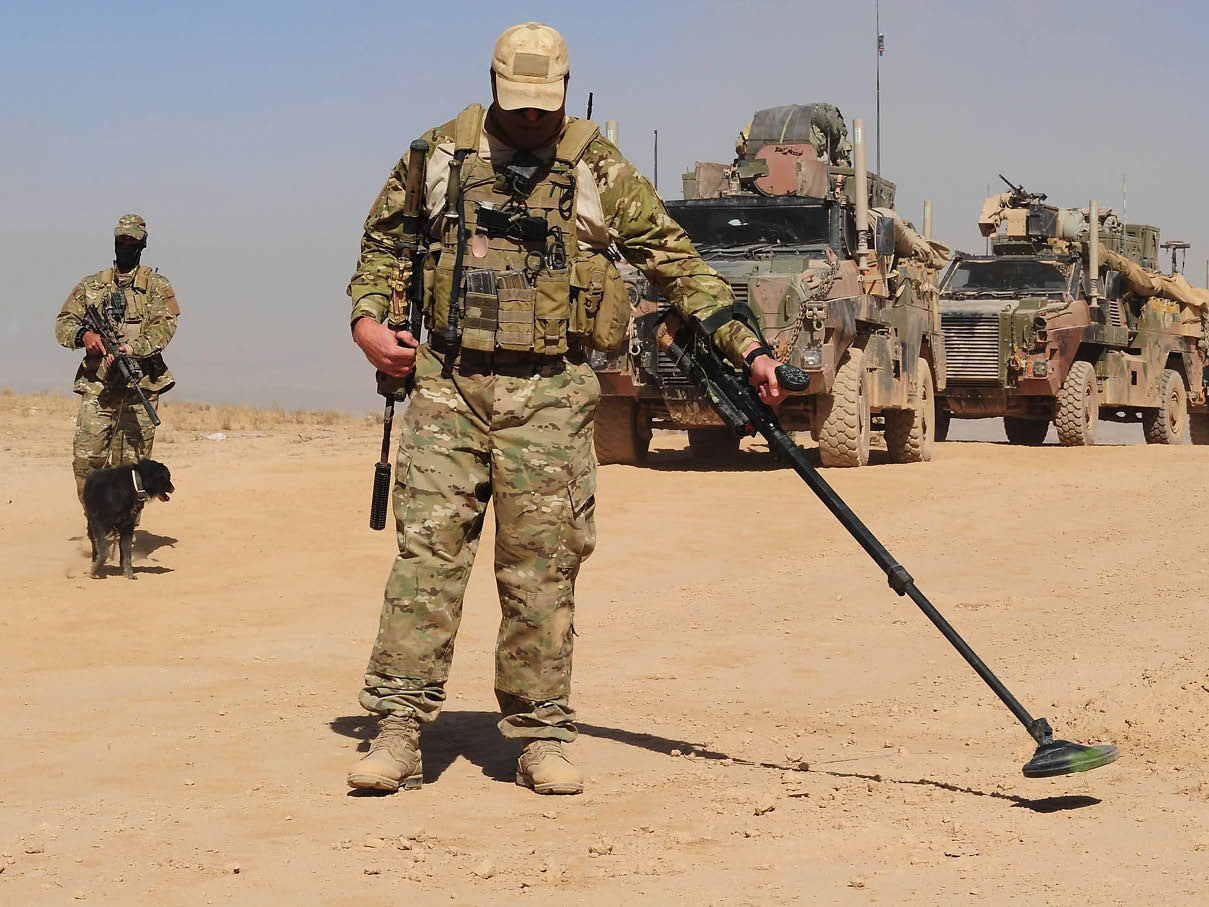
resulted in poorer operational outcomes. From firsthand experience, this model of operations is always sub-optimal; it is far better for those who do the target development to execute the operation. Target handoffs lead to complications; therefore, it is widely regarded as a poor practice across virtually every SF unit globally. For this reason, SASR developed, planned, and executed operations through a complete cycle.
What we can deduce from all this is that SASR was not operating outside its bounds; it was well within its doctrinal role and executing missions reflective of the top SF units at the time. Indeed, when you read the reports associated with their operations, you could be forgiven for thinking you were reading a 22SAS or NZSAS post-mission product, as all the non-US SF units were operating inside the same paradigm laid out by ISAF. If you wanted to operate in that theatre, at that time, you had to meet the checks and balances imposed by the ISAF SOF commander, who was either an Australian SF officer or a UKSF officer depending on rotation. The commander knew each Task Force’s capabilities and could discern when operations were questionable, outside mandates, or outside a unit’s role. It wasn’t uncommon to see operations be struck down for any number of issues, at least in this author’s experience.
To conclude, it is worth considering why SASR now finds itself at the center of a war crimes scandal, while so many other ISAF SOF units are not (although there is increasing concern in the UK about a cover-up of possible extra-judicial killings by UK SOF). Reading through the Brereton report and having some first-hand knowledge of the theatre at the time, three major areas of concern stand out. The first is the length of the operation. Seven years is a huge burden for a small unit. While an American national mission unit may sustain an operation for this duration, the ADF equivalent capability is only a fraction of that size. Expecting such a small force to operate for so long stands out as abnormal. Second, the tactical command and control employed by the Australians appears questionable. Many SOTG members have stated that squadron commanders seldom went out on the ground. Of course, this is a generalization, but the report indicates that the OC often remained in the Ops Room, leaving Ground Force command to a Captain. Contrast this to an American equivalent capability where the troop commander is invariably a Major; you can see how this may have been problematic. Finally, SASR may have been victims of their own success. Over
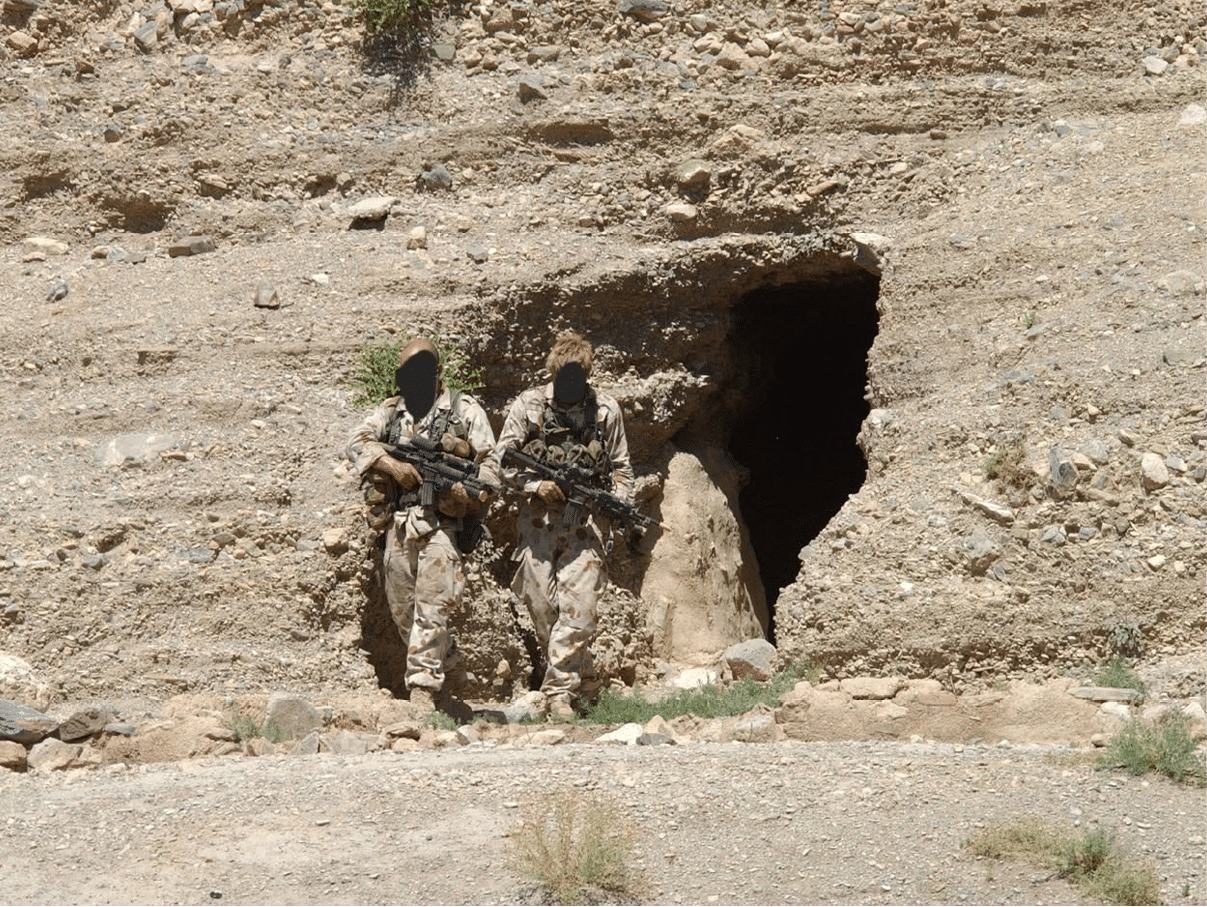
95


94
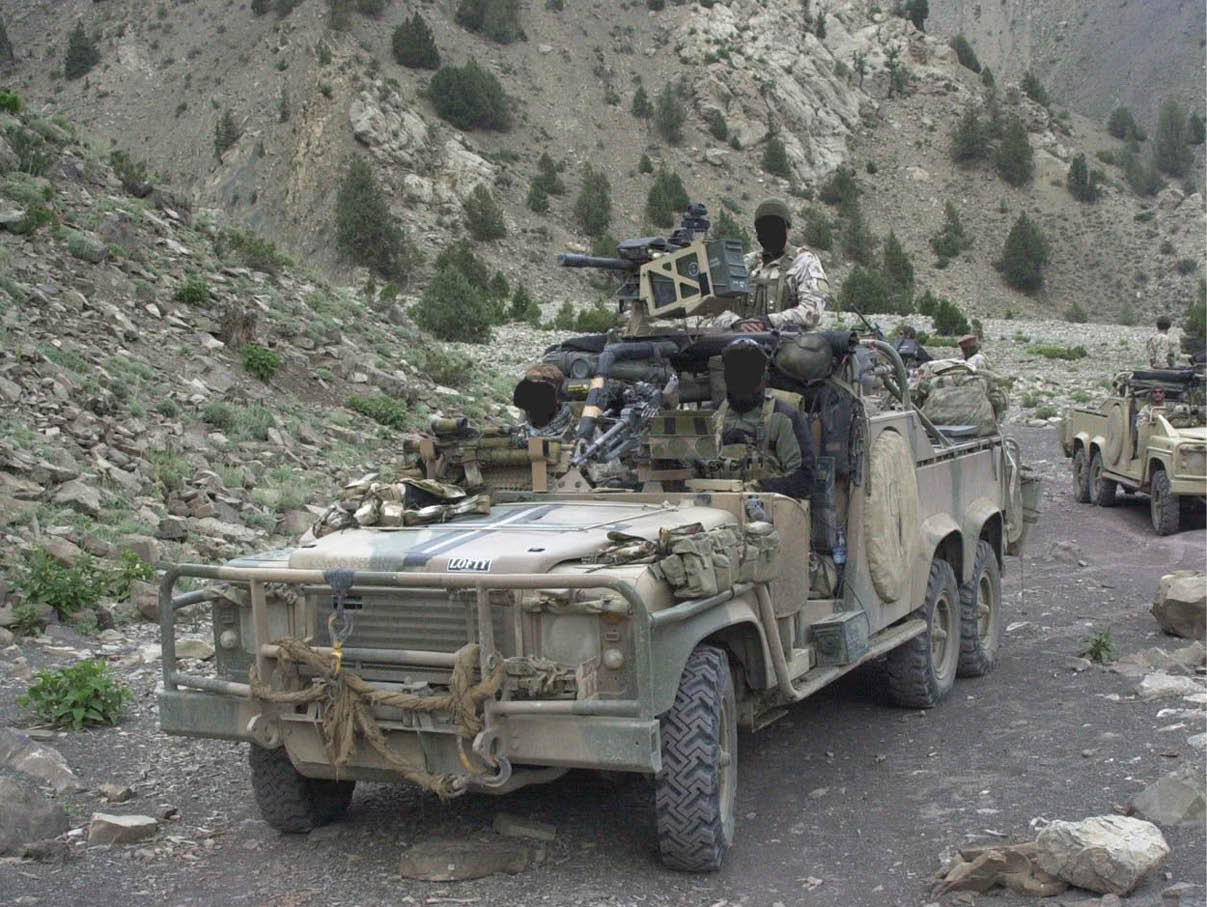
seven years of high-tempo operations, it’s plausible that the Taliban tier-one targets were destroyed and SASR ended up having to pursue lower-order individuals who served as their replacements.
The mix of such a long campaign coupled with a requirement to continue targeting insurgent commanders, despite killing them off year after year, set the stage for the question which this article addresses. Faced with destroying the regional leadership each year but without improving operational conditions, or an option to withdraw or hand over, SASR simply continued doing what they had been ordered, and somewhere along the way, horrible things happened. This wasn’t because they were used out of role, but because of something worse. The bigger question now is why the Australian government and defense leadership expected SASR to serve so long, running the same mission sets year after year and rotation after rotation. When did they realize what they were doing wasn’t working, and why didn’t they withdraw their SF or hand over? Regardless, it is sad to see such a storied unit have a shadow hanging over it. Now that we’ve established that SASR was appropriately employed, the discussion can move forward to whether it was a series of isolated rogue actors to blame or a structural and cultural failing. Time will tell.

99


98






101


100

Evidence of the utility contractual solutions bring is well documented through open source reporting. One example most readers will identify with is the Benghazi CIA contract security officers who supported a mission where the military was unable to reach due to varying factors. On September 11, 2012, as militants stormed the American diplomatic compound, a small team of CIA contract security officers, several of them former US Navy SEALs, evacuated survivors and recovered the body of Foreign Service Officer Sean Smith. They then withdrew to the CIA annex a mile away and held it for more than thirteen hours against sustained small arms, Rocket Propelled Grenade (RPG) and mortar fire. This was done without a single element of the United States military reaching the compound at any point during the fight. When a rescue convoy finally arrived, it was Libyan, not American, and more than thirty annex personnel were evacuated alive. It is exactly this utility that generates a contractual edge, a mutually supporting activity across all government agencies to enable operations of all kinds.
This article makes one central argument. Allied Special Operations communities should treat contracting as a deliberate strategic capability for managing attribution and authorisation, not as an ad hoc function reached for only when other options run out. Special Operations communities already have mechanisms in place for managing attribution, low visibility postures, covert action authorities, and often work through partner and proxy forces. Contracting does not replace any of that, it adds another lever to pull alongside it, valuable precisely when those existing mechanisms
103


102
are too slow, unavailable, or politically unpalatable. Treated deliberately, that lever is what makes the contractual model increasingly indispensable. Treated as an afterthought, it becomes dangerous, because the oversight architecture around it never catches up, and allied nations that decline to build it responsibly will find the space they decline to occupy filled by someone else, on someone else’s terms, potentially using somebody else’s rules and ethics...
The gap contracting fills starts with the environment creating it, familiar to any Carpe Noctem reader, but broader than any single trend. Recruitment pipelines and selection processes for Special Operations Forces (SOF) are, by design, slow and unforgiving, and the training required to produce that soldier is complex, costly and cannot be compressed on demand. Meanwhile the number of places allied nations are being asked to project SOF adjacent effect, persistent Intelligence Surveillance and Reconnaissance (ISR), advisory and training support, low signature presence, has expanded well beyond what standing force structures were built to cover. Procurement and force generation cycles measured in years cannot answer a requirement measured in months, or weeks, regardless of what is driving that requirement nor how much funding is suddenly made available.
Several distinct pressures feed this gap at once. Great Power Competition and the resurgence of contested, multi domain activity below open conflict’s

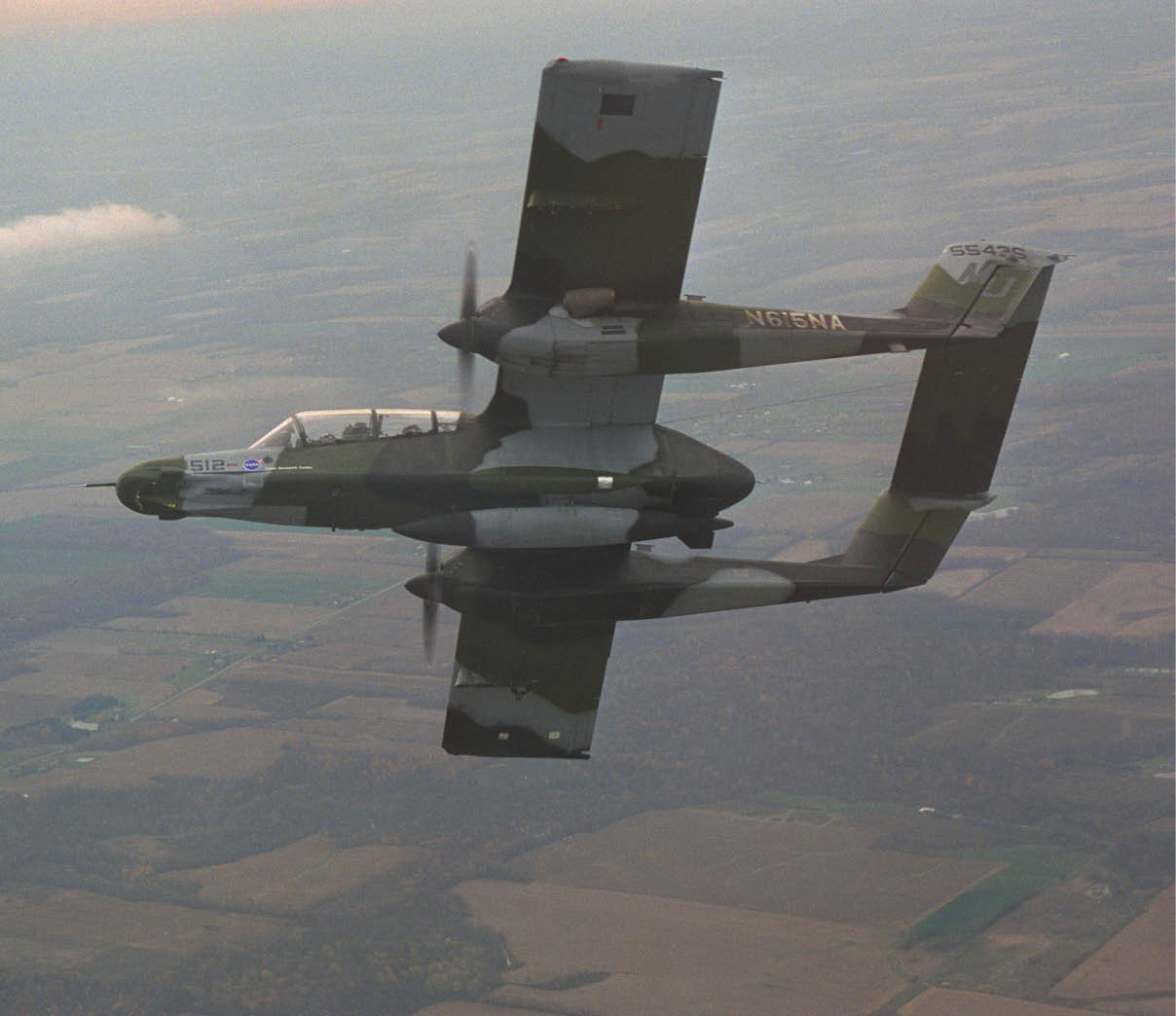


104
threshold is one, and readers will recognise it as the ‘grey zone’ problem this magazine covers often. But it is not the only driver. Formal legal constraints do the same work in contexts that have nothing to do with escalation management. Germany’s Parlamentsvorbehalt requires case by case parliamentary approval before the Bundeswehr can be committed abroad. Japan’s constitutional settlement constrains the Self Defence Forces overseas combat role. Even within a single allied nation’s own government, military assistance authorities and covert or deniable action authorities run through entirely separate approval chains, each with its own speed and its own oversight. Alliance mechanisms compound the problem further, NATO’s Article 5 threshold was built for a much higher bar than a partner’s quiet request for help, and there is no fast, formal, channel beneath it.
A partner nation in crisis does not see any of this as legal necessity. All they see is help that didn’t come in time. It is this ‘authorisation friction’, in all its forms, and not any single strategic trend on its own, that continues to create the space contracting increasingly fills.
Framed this way, the case for contracted capability is not simply about speed or cost, though both matter a great deal. It is about giving allied nations another lever for managing attribution and authorisation, one that sits alongside SOF’s existing mechanisms rather than replacing them. Contractual solutions earn their place here, specifically where those mechanisms are too slow, unavailable, or politically unusable.
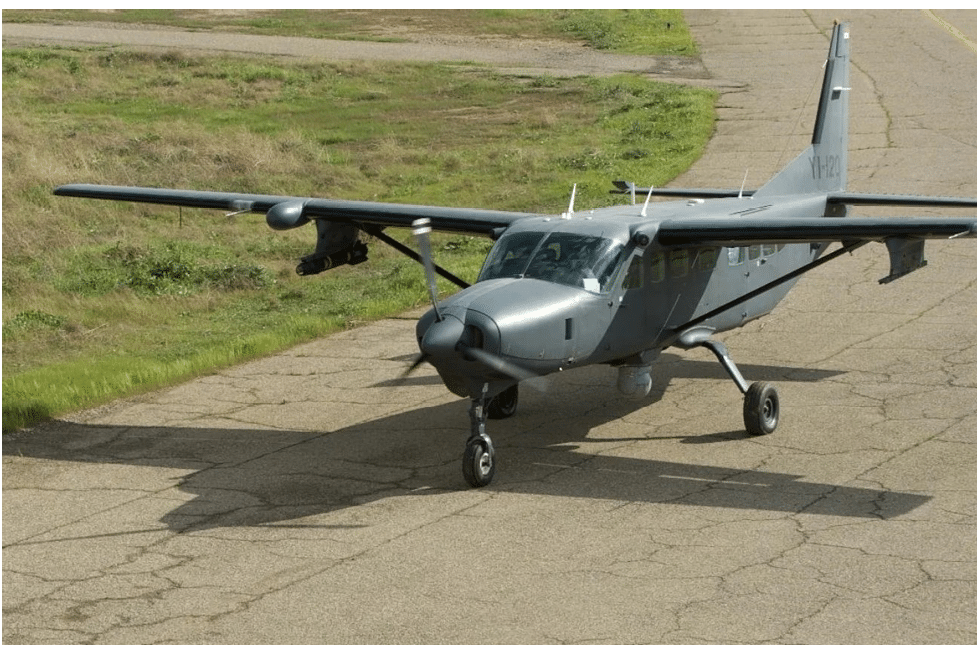
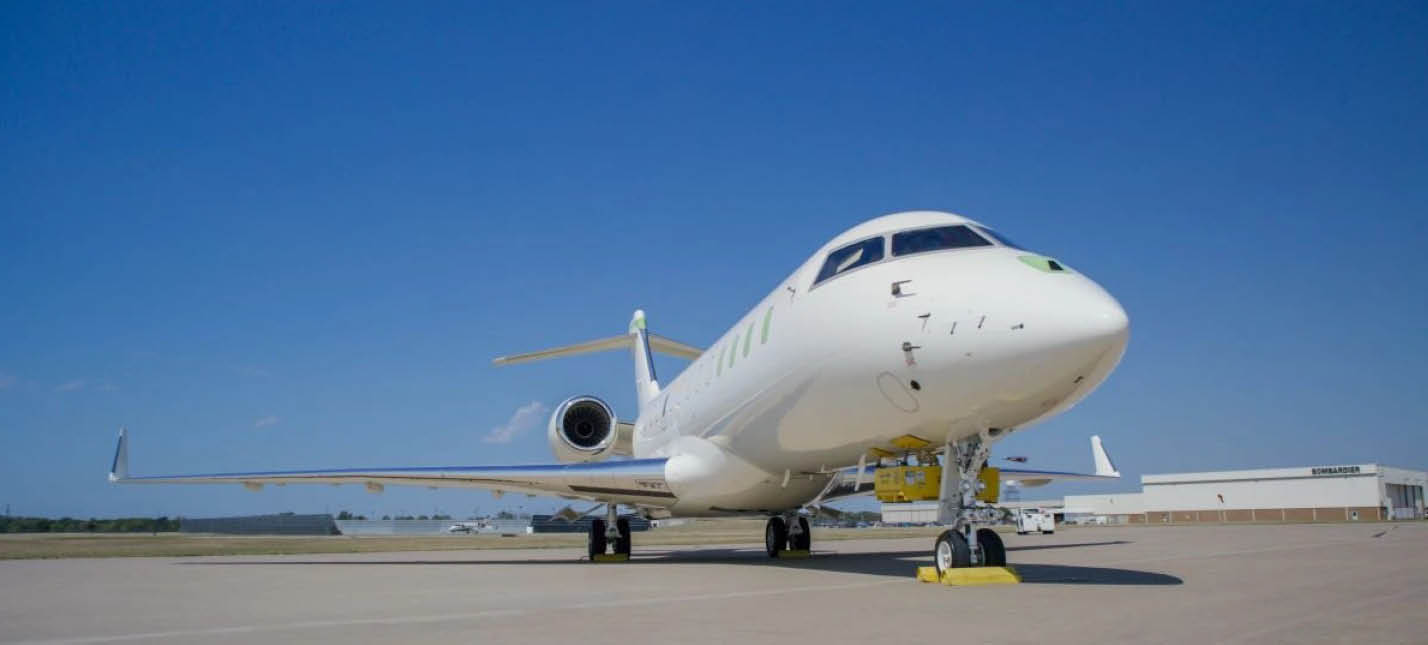
107



106
Speed without a flag. The Army’s ARTEMIS program, delivered by Leidos as a Contractor Qwned, Contractor Operated (COCO) platform, illustrates the model neatly. The Army buys the ISR output rather than standing up and sustaining the aircraft, aircrew and maintenance chain itself. In the European theatre the platform has logged over 2,500 flight hours of operational ISR with a reported 92 percent mission capable rate. MAG Aerospace’s contractor owned ISR aircraft performed a similar function over Mali during the UN’s MINUSMA mission, sustaining persistent overwatch of Gao, Kidal and Timbuktu in an environment where ground access was severely restricted. In both cases the capability was delivered without the usual basing negotiations, status of forces agreements or visible force posture, and, without the formal deployment authorisation, a comparable organic military presence would have required. That is precisely the deliberate substitution this argument is built on, capability without either the flag or the approval processes a uniformed alternative would carry.
Specialist expertise the force already paid for once. Special Operations veterans who leave uniformed service do not take their training with them into irrelevance. Contracted roles allow allied militaries to retain access to legacy platform expertise, foreign weapons familiarity, and operational experience that would otherwise walk out the door entirely. L3Harris cites direct operator and sustainment support behind more than 1.5 million combat hours of Special Operations ISR and attack missions, a figure that only makes sense if institutions are choosing to keep paying for access to expertise they’ve already trained once, instead of losing it when that person leaves service. Retaining that expertise through contract also avoids the slower path of rebuilding it through a fresh training and authorisation cycle, another way the same gap closes on purpose rather than by accident.
Authorisation flexibility as the actual deliverable. Plan Colombia is the clearest historical case of this dynamic in practice. The State Department contracted DynCorp for aerial coca eradication spraying while a Northrop Grumman subsidiary flew contracted surveillance under a separate Department of Defence contract, together amounting to a sustained air campaign against an insurgent narcotics nexus, executed without the United States ever formally being at war in Colombia, and without triggering the authorisation process a declared military campaign would have required. Canada’s own CANSOFCOM has directly contracted SOF Intelligence, Surveillance and Reconnaissance services, a model that allows a mid-sized allied SOF community to extend its reach without the standing force structure, and the deployment approvals, a larger organic presence would demand.
Each of these examples uses contracting the same way, as a deliberate substitute for a flag or an approval process that would otherwise stand in the way. That is the capability this article argues allied nations should build on purpose, not stumble into.
109



108
If contracting is worth developing deliberately, it has to outperform the realistic alternatives. The alternative paths available are often worse. Growing organic Special Operations total strength to cover every plausible niche requirement is neither affordable nor achievable at the speed modern demand moves, and selection pipelines cannot be shortened without degrading the quality that makes SOF special in the first place. Simply accepting the capability gap is worse still. It yields the space by default, right when other actors are clearly willing to fill it.
A hybrid model, an organic SOF core reserved for direct action, sensitive activities and anything requiring uniformed command authority, supported by a contracted periphery absorbing enabling functions, ISR, training and advisory roles, protects what should never be outsourced while giving allied forces the flexibility to act where formal authorities cannot yet reach. It also lets militaries tap into industry innovation that consistently outpaces slow, formal acquisition timelines, using contracted capability as a proving ground before formal adoption.
Most importantly, this model gives allied nations another lever for managing attribution and authorisation, one that sits alongside SOF’s existing mechanisms rather than replacing them. Having that additional option and choosing when to use it rather than defaulting to whatever the standing process allows, is the actual competitive advantage on offer.
Building this deliberately means being honest about where it fails, and Carpe Noctem readers do not need convincing that the history of contracted force is littered with cautionary cases. The risks share a single common theme. The same low signature, low friction quality that makes contracted capability valuable is precisely what makes accountability difficult to attach when something goes wrong.
Command, control and accountability. On September 16, 2007, Blackwater contractors guarding a State Department convoy opened fire in Baghdad’s Nisour Square, killing seventeen Iraqi civilians. The contractors operated under an immunity granted by the Coalition Provisional Authority, and it took seven years to secure convictions, which were later, controversially, pardoned in 2020. The case remains the reference point against which the industry’s accountability gaps are measured, and for good reason, as it exposed a jurisdictional seam that formal military justice systems were never built to cover.
111



110
Legal status under the Law of Armed Conflict (LOAC). In February 2003, a Northrop Grumman subcontracted surveillance aircraft supporting Plan Colombia crash landed in territory held by the Fuerzas Armadas Revolucionarias de Columbia (FARC). The pilot and a Colombian officer were executed at the crash site, and three American contractors were held hostage for more than five years before their eventual rescue in 2008. They had been performing what amounted to a combat ISR mission without the combatant status, capture protections, or institutional rescue priority framework that would have applied to uniformed personnel performing the identical task. Whether formal combatant status would have changed what happened to them cannot be known, but the absence of that framework left them entirely dependent on a rescue that was never guaranteed to come.
Quality control and mission creep. The Military Professional Resources Incorporated (MPRI) training teams in Croatia in 1995 maintained its role was limited to classroom instruction on civil military relations ahead of Croatia’s Operation Storm offensive. French and British officials alleged a deeper hand in planning the operation itself, and the company later faced civil litigation from displaced Krajina Serbs. Whatever the true extent of MPRI’s involvement, the case illustrates how difficult it can be to hold a clean line around what an ‘advisory’ contract actually authorised once operations are underway, a genuine risk when the entire appeal of the contracted model is the speed at which it can move.
Slow, uncertain accountability even when misconduct is documented. Contracted interrogators from CACI were found by Army investigators to have participated in detainee abuse at Abu Ghraib in 2003 and 2004. It took twenty years of litigation before a jury held the company liable in 2024, a verdict upheld on appeal in 2026. Even in a case with clear documented findings, civil accountability moved at a pace that offered the victims little practical recourse for two decades.
These are not arguments against contracted capability. They are arguments against contracting it carelessly and without appropriate controls and safeguards.
Treating this as a deliberate capability, not an ad hoc reach, means building oversight for what it actually is, not for the fiction that contractors are simply cheaper labour performing the same functions as uniformed personnel under the same accountability structures.
That requires drawing a firm contractual line between enabling and sustainment functions and anything approaching direct combat, and holding that line even under operational pressure to blur it. It requires vetting and continuity standards that do not collapse to the lowest bid selection, particularly for roles with access to sensitive Tactics, Techniques and Procedures (TTPs). It requires integrating contracted elements into training and rehearsal with the units they support, rather than treating them as a ‘bolt on’ capability that arrives only at the point of need. Finally, it requires oversight and reporting chains that are explicit about where legal command authority sits, because the Nisour Square and CACI cases both show what happens when that question is left ambiguous until after something has already gone wrong.
None of this eliminates risk. It converts an unmanaged liability into a managed one, which is the only honest goal available to a coalition operating in this space.
The Sahel, the semi-arid belt spanning Mali, Niger and Burkina Faso, offers a preview of what happens when allied nations decline to close this gap quickly enough, for any of the reasons set out above. France and the United States maintained a decade long counterterrorism partnership in
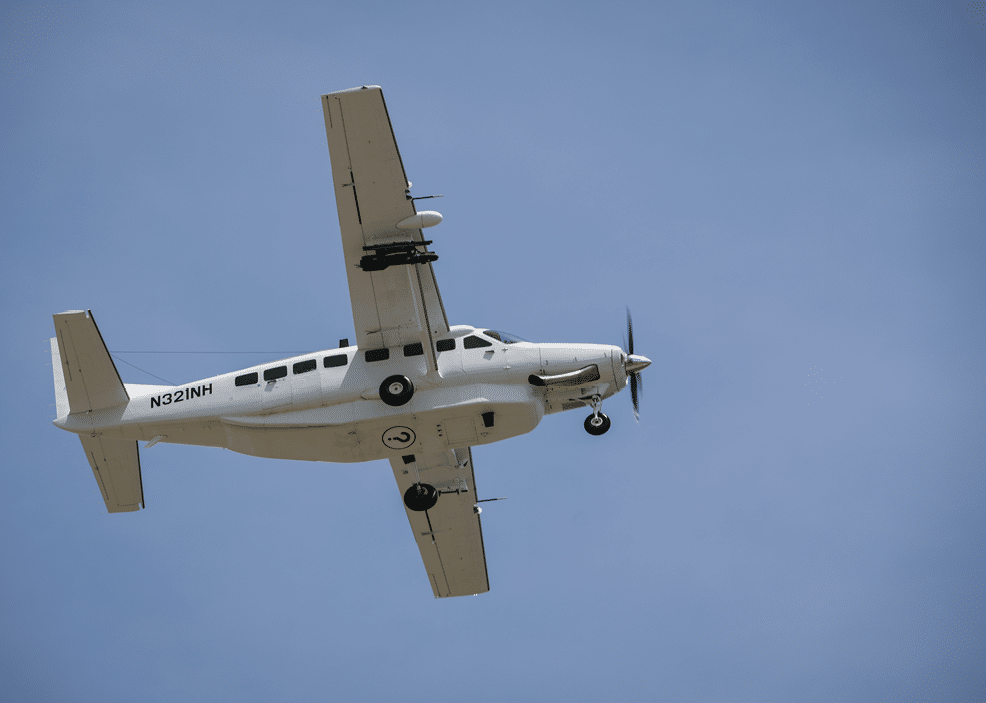
113



112
Mali and Niger. When the political relationship soured after successive juntas seized power, neither ally had a fast, low signature option to offer that did not carry the weight of a formal, flag raising military commitment, and neither had an authorisation pathway built for a moment that demanded speed and discretion in equal measure. Russia filled the vacuum with the Wagner Group and its successor, Africa Corps, deployed into Niger within months of the junta’s break with Washington.
This is not an argument for allied nations to build their own version of Wagner. It is the opposite. The Sahel is proof that the gap invariably gets filled by someone, on someone’s terms, and the terms on offer from an unaccountable state directed mercenary force are considerably worse than anything a disciplined, well overseen contractual model would produce. The choice facing allied Special Operations Communities is not whether attribution managed, fast moving, capability gets used to close gaps like this one. It already is, by every actor with the will to use it. The choice is whether the nations best positioned to build that capability responsibly, with real vetting, real command clarity, and real accountability when it fails, do so deliberately and early, treating it as the capability it already is rather than an ad hoc reach, or wait until the next Niger shaped gap opens somewhere else and gets filled without them.
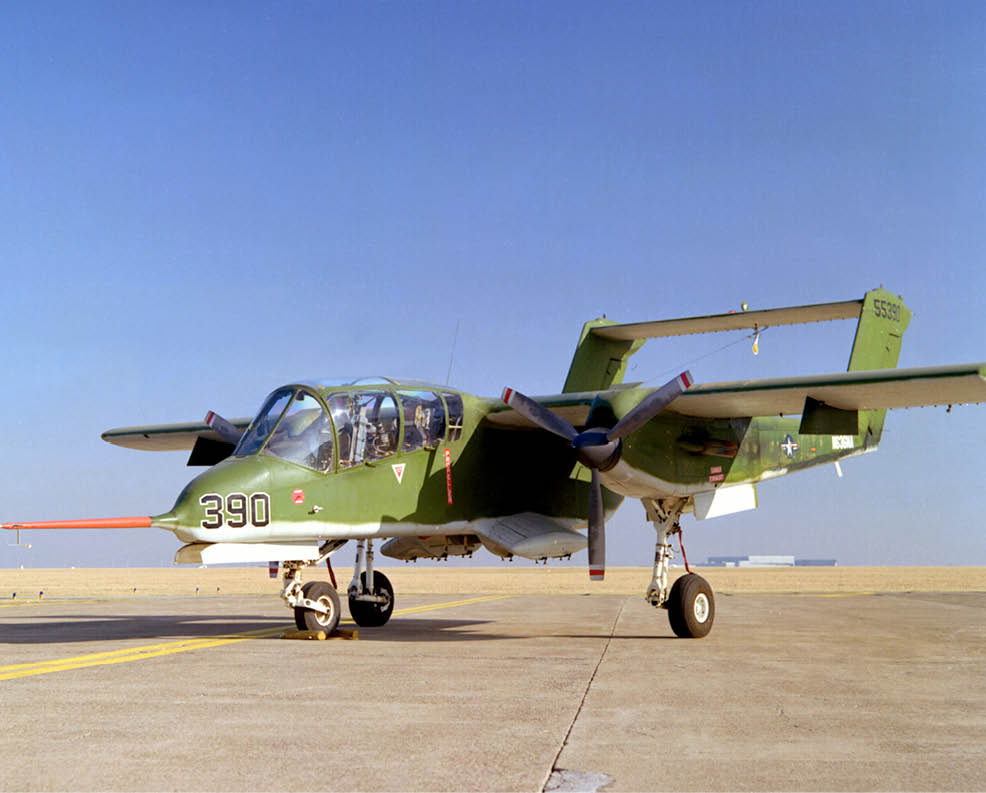
115


114
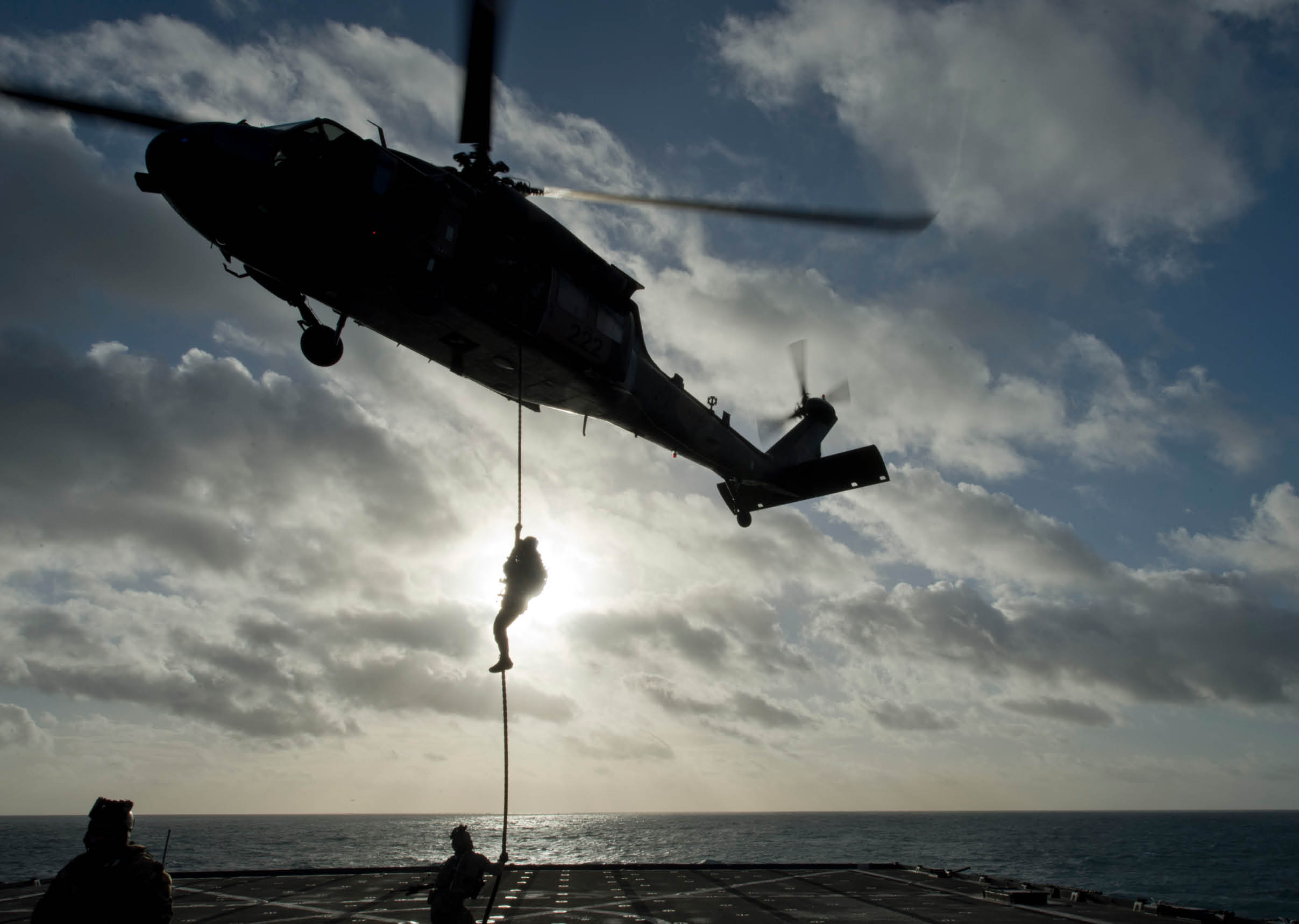





117


116
When reviewing SF missions and tasks, CT is always the number one topic of discussion. Indeed, its predominance throughout the twenty-year Global War on Terror (GWoT) has resulted in the term ‘Special Forces’ being synonymous with countering terrorist organisations. It may surprise many, specifically those from the US Special Forces community, that all other Tier One Five Eye (FVEY) units are responsible for two types of CT, those being expeditionary as well as domestic. This article will explore the often overlooked and always misunderstood DCT outputs endemic to many SF units. We will start by understanding where DCT came from, and why it is prevalent for many nations’ premier units. We can then discuss the costs and benefits of using dedicated SF for DCT missions. Finally, we can finish by questioning if the time has now come to call time on this output.
To begin this examination, we must first trace SF CT capabilities back to their roots, namely Operation Nimrod.
The year 1980 was a busy year for global terror. Hostage taking was prevalent due largely to geopolitical shocks (Iranian revolution), a number of unresolved conflicts, and the evolution of terror tactics. Embassy takeovers and airline hijackings which had become contagious throughout the late 1970s increased in severity as governments struggled to respond effectively to changing terror tactics. After the shocking 1972 Munich terrorist incident, several governments directed their militaries to create dedicated counter terror/ counter revolutionary capabilities. The British military, through 22

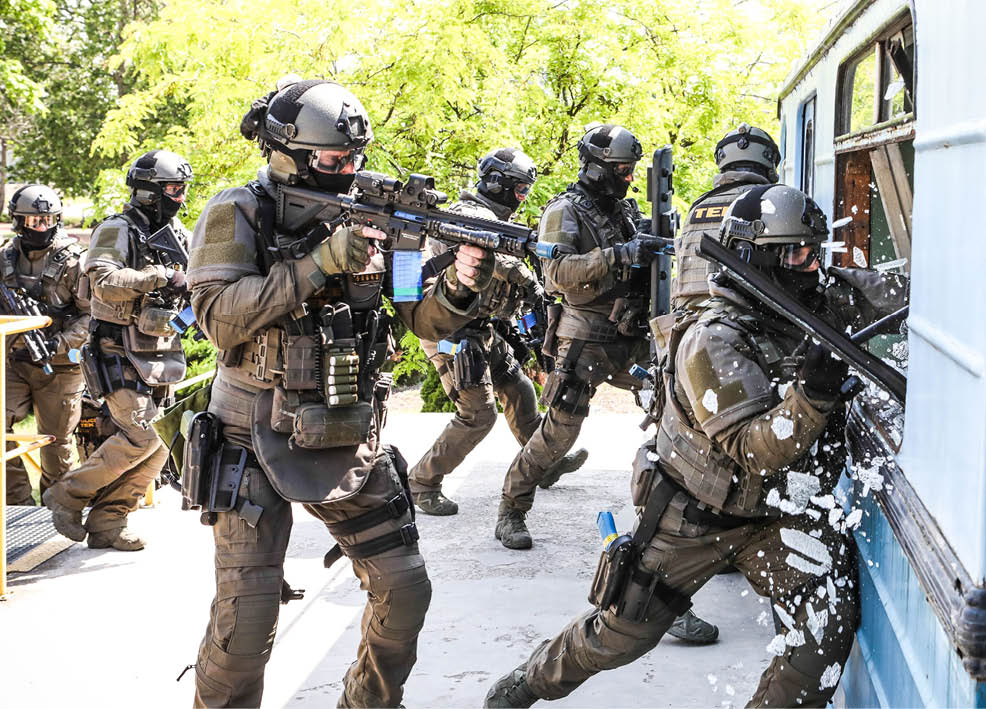
119



118
SAS, quietly created a CT capability which burst onto the scene in, arguably, the most important operation the unit ever conducted, the aforementioned Operation Nimrod.
On the fifth of May 1980, 22 SAS was tasked to end the Iranian embassy siege which had been running increasingly out of control in Prince’s Gate, South Kensington, in central London. Unlike any other SF operation before it, this operation was broadcast live at peak time on a British Bank Holiday Monday evening. Millions of people across the UK witnessed the mission unfold, making it a defining moment in British history as viewers where able to follow along from their living rooms as the SAS stormed the embassy, killing five terrorists and detaining the sixth. The impact on the global SF community was immediate. Recently released official documents from the British Government provide details of the requests from other nations which arrived shortly after seeking help to create or replicate the CT capability which had so successfully ended the embassy siege. The British military, and indeed the British public as a whole, where immensely proud of their SF as they set about to travel the world providing lessons learnt to likeminded units.
But Operation Nimrod wasn’t the only major CT operation in 1980. Operation Eagle Claw, the US attempt to rescue hostages held in Iran was also executed this same year. Like Op Nimrod, Op Eagle Claw was also essentially a CT mission, albeit overseas not domestic, and was conducted by a FVEY nation’s top tier SF cadre. Sadly, that’s where the similarities end. Where the British succeeded, the Americans failed. At Desert One, deep inside the Iranian desert, the hopes of a successful recovery attempt ended when two aircraft collided and burst into flames resulting in an embarrassingly public defeat. Readers that would like to glean more detail of Op Eagle Claw can, of course, review Paul Kennard’s reflective feature in Issue 1 of Carpe Noctem.
At this point it’s worth stating that while Op Eagle Claw and Op Nimrod were very different operations, the fact that both operations executed in the same year, and one op was successful while the other was not, had a marked impact on global SF options and opinions. When Governments were faced with the question of what could be done about terrorists, they believed that based on the success of Nimrod on the one hand, and the failure of
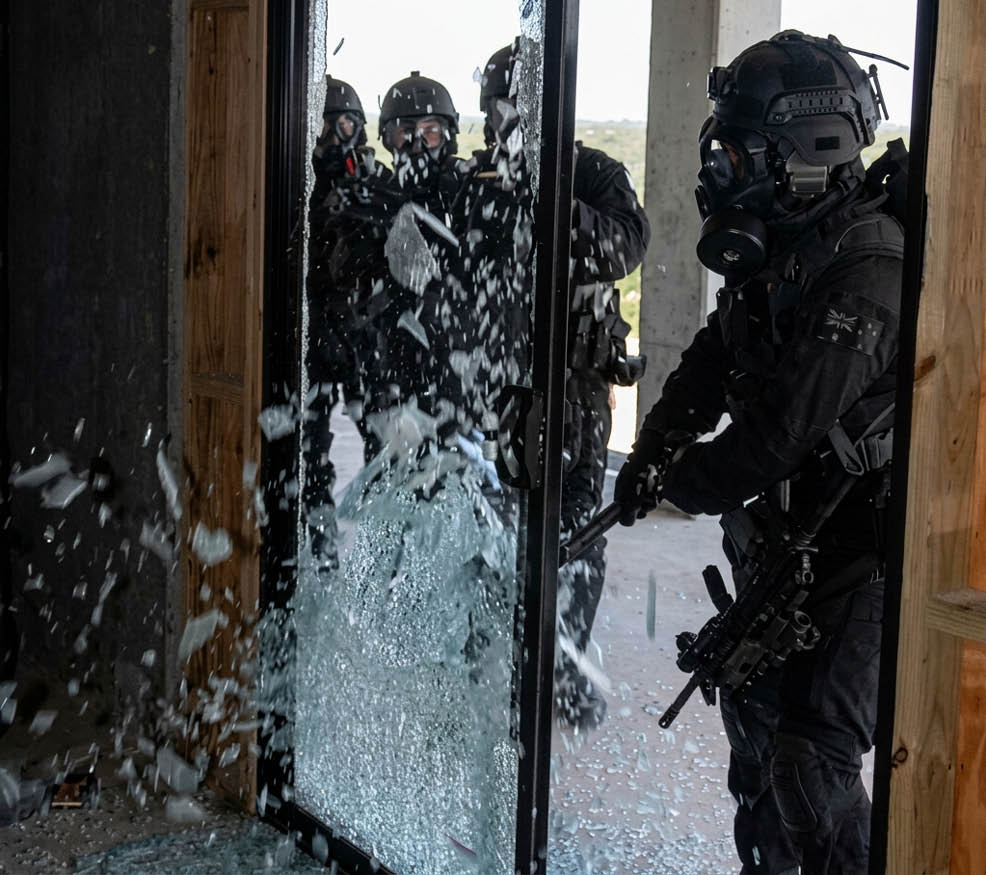
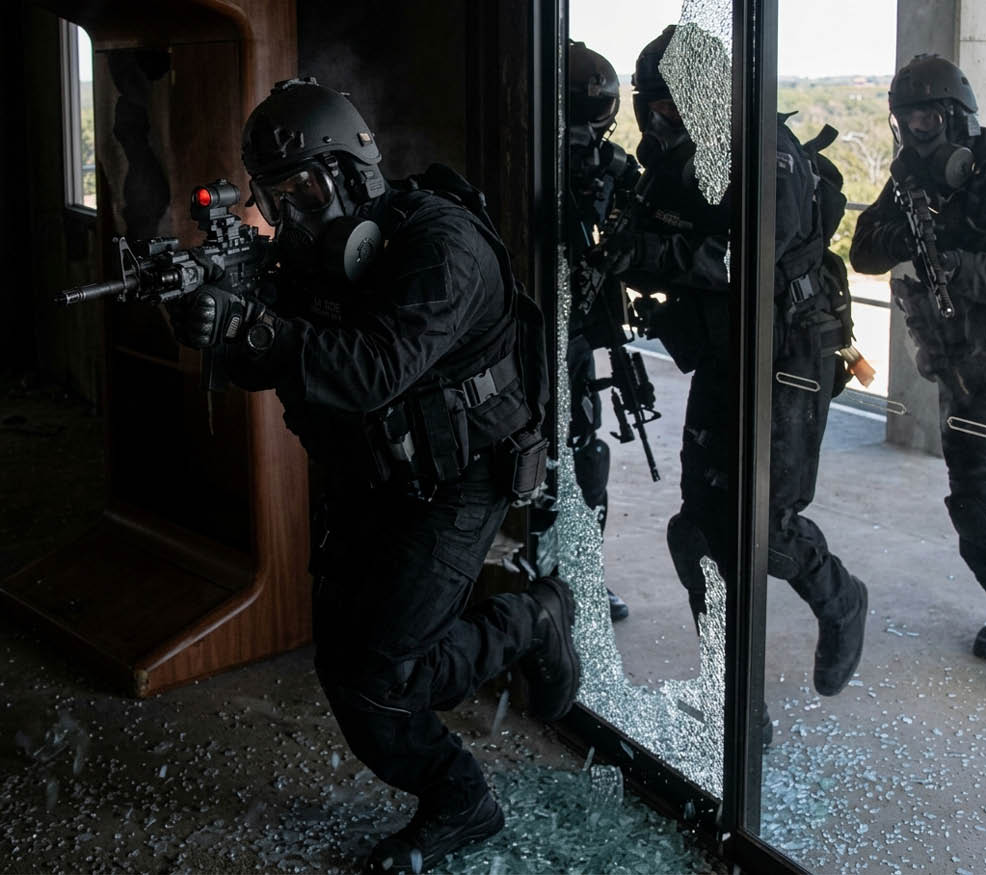


120
Eagle Claw on the other, it appeared that the idea wasn’t to defeat terrorists at source, (this answer would come much later after 9/11) it was instead best to defeat terrorists at home. Therefore, at the end of 1980 the lesson learnt was that a high-end military capability, such as what the Brits had created, would be capable of defeating a terrorist threat at home, whereas attempting to defeat a terrorist threat offshore, like the US had attempted, was a much riskier affair. Facing political pressure to act, and needing to be seen to do something, nations turned to their militaries (especially their Tier One SF units) and directed bespoke domestic facing CT capabilities be developed, enhanced and maintained.
The success of Op Nimrod led to a supercharging of DCT efforts, specifically across The Commonwealth, and for armies facing downsizing, this direction couldn’t have come at a better time as after the end of the Vietnam War, many Commonwealth SF units were concerned about their own survival. A new and present danger which required significant investment in high-end capabilities was viewed as a god send. The result was that by the 1990s the SAS Regiment (SASR) in Australia and the NZ SAS had replicated the 22 SAS approach to DCT outputs.1 Canadian SOF acted differently, and would only follow suit much later in 1993 when they established JTF-2, which notably was a DCT unit first before becoming a fully-fledged Tier One unit later.
Having established some of the historical basis surrounding DCT we can now consider how units structured to deliver it. The base case was 22 SAS, who after the success of Op Nimrod travelled the world providing lessons learnt, and instruction on how they had executed their operation so successfully. The military capabilities they recommended and the structure was simple: A task organised CT Team, consisting of multiple assault groups supported by a Sniper element, which needed to be capable of simultaneous methods of entry, in-room combat, explosive breaching, and roping techniques. The force would work to tight timelines and would conceptualise an immediate action plan which they would ensure was ready to execute within an hour of arrival at an incident location. The force would then create a refined direct-action plan which sought to seize the initiative, ideally at a time of the unit’s choosing, based on either intelligence or a political decision. This whole capability would be underpinned by an established Transfer of Authority procedure from the police to the military.2
1. While these two nations had been compelled to act after the bombing of the Sydney Hilton in 1978, their decision to professionalise and invest in CT forces was reinforced by the British success.
2. This procedure is detailed in each country’s legislation. Suffice to say these processes are complicated and are open to various interpretations as to when or why an incident should be resolved by the military.

123



122
was one where FVEY SF units now had DCT outputs (except for the US) and each unit was holding approximately one squadron on standby to respond to any DCT incident. This structure had been manageable during Desert Storm and the Falkland’s (the two major military campaigns since the establishment of the DCT outputs) due to each nation’s ability to manage the competing demands of maintaining an expeditionary capability while simultaneously holding a domestic capability. While things had become tight with regards to manpower, they hadn’t become so tight that capabilities couldn’t be maintained. The supposed ‘peace dividend’ which had led to universally smaller military forces after the Cold War ended, had not affected Tier One units severely, as the need to maintain DCT somewhat insulated them from downsizing. Due to these factors, in the year 2000, it seemed that DCT came with very little strings attached. Being required to provide an output which protected the force from downscaling, accrued resources and enabled high end training could only be seen as a good thing. And it was, until 9/11.
The GWoT changed everything as the need for continuously deployed forces, ready and trained to conduct high end offshore CT missions grew faster than units could manage. Each unit quickly found themselves on a campaign footing, which required constantly deployed SF in the major theatres of Iraq and Afghanistan. While this may not have seemed positive for the operators who were keen and ready to go and fight, it was a huge problem for the officials who needed to manage competing non-discretionary outputs. For close on twenty years SF units had been informing their governments that Domestic CT was a crucial capability, yet the problem which now presented was that for some nations, upwards of half their combat power was tied up at home, waiting for a possible contingency response which seemed less and less likely, while they were often left shorthanded offshore.
To make matters worse, after the success of Op Nimrod, terrorist groups had also adapted, leading to decreases in the amount of aircraft seizures and sieges as new tactics emerged. Instead of taking hostages and then waiting for news crews to show up so that statements could be issued, terrorist groups instead posted long form articles, videos and other types of content onto the internet. The Nimrod-era SF model which was highly successful at deterring and defeating one era of terrorism, had locked in specialized forces optimized for a narrow (now rarer) scenario resulting in SF being tied to their home locations waiting for an unlikely call to respond domestically, while they were needed urgently on foreign battle fields.
This phenomenon was described to the author in late 2015 by the then commander of Special Operations Australia, who described the DCT output as ‘a life jacket that had become saturated’. His view was that throughout
This template quickly became the standardised approach across the world’s SF units. Indeed, the teaching of 22 was so specific that the lexicon, weaponry and tactics employed throughout the community were essentially identical. By the mid-nineties all SAS ‘franchises’ (Brits, Kiwis and Aussies), the Canadians, and other nations had bespoke, high-end CT forces maintaining a tight notice to move, ready at a moment’s notice to respond to any incident. Generally, Squadron sized elements rotated through the CT output meaning that subunits would train up for CT, do a period as the DCT standby force, and then rotate around to other outputs. This became the de facto output delivery for several SF units across the globe.
The general situation we found ourselves in at the turn of the millennium

125


124
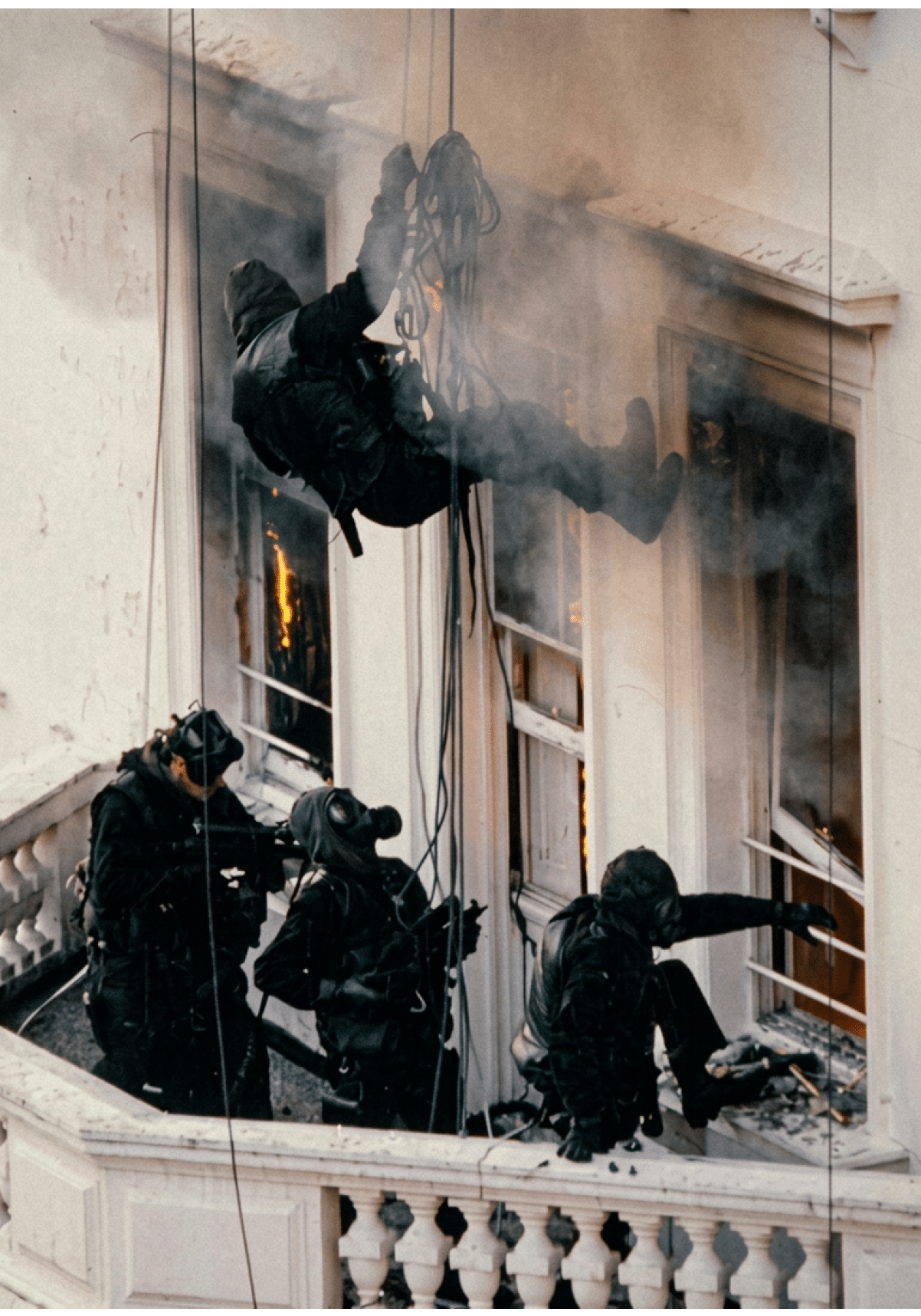
the 80s and 90s, the DCT output had been key in modernising and preparing forces for the GWoT, but now that the fight was being take to the enemy offshore, the requirement to have so much potential combat power sitting at home waiting for a possible, and increasingly unlikely, contingency response was untenable. This was a feeling reflected across the community, including in New Zealand. Struggling to maintain a DCT team, the Kiwis raised a bespoke ‘home’ capability, known as “D Sqn, Commando” (effectively renaming the ‘Counter Terrorist Tactical Assault Group’) thereby enabling the NZSAS to continue to operate overseas. Across FVEY the idea quickly became to try and hand off (to police) or down scale DCT to free up more forces to fight offshore, but this idea was not readily accepted by policy makers who had been repeatedly told for years that the domestic CT threat was severe, and only Tier One SF military units could resolve it. Funding was not the only challenge. According to the NZ Herald, D Sqn was ‘quietly shelved’ in 2025 due to the limited supply from ‘feeder’ units and a subsequent reprioritisation of remaining personnel.
It’s also fair to ask why couldn’t Police simply undertake the DCT responses and why wouldn’t governments agree to this approach? After all, many global Police Units have CT-style forces. The most notable likely being US ‘SWAT’ (Special Weapons and Tactics) teams, but other nations also employ them - for example MO19 in the Met Police in London, GSG-9 in Germany and GIGN in France.
To answer this question, it’s important to highlight that non-US FVEY do not have the same domestic facing capabilities ready and able to deal with high end DCT, or at least they didn’t throughout the 80s and 90s. Each country has therefore developed a unique requirement from their military as to how much or how little DCT is needed based on a mix of their specific threats and existing police capabilities. Policy makers observe that the military is already bought and paid for, therefore not only does the addition of domestic CT outputs represent an efficiency, more importantly the tasking of SF to respond and resolve a terrorist threat provides an insurance policy that politicians are unwilling to delete. After being told for thirty years that the military is the ultimate response to a terror incident, why would they accept risk on this issue by turning off the output? Although the chance of a threat emerging is slim, the consequences could be so great that it’s better to have the force and not need it than the alternative of having no cover at all. While this logic doesn’t account for increases in Police capabilities, nor does it account for changes in terror tactics, it nevertheless makes sense politically.
So, what does this all mean for modern day SF units? Despite changes in terrorist tactics, the creation of high-end police capabilities and the greater need for deployed SF no government is turning off their DCT requirements

127


126
leaving militaries with few options. In the UK the argument can be made that the terror threat is of such an advanced nature, and it resurfaces at such a frequency, that it is prudent to keep the status quo and retain SF DCT alongside specialist police units. Furthermore, due once again to Op Nimrod’s long shadow, it would be politically unpalatable to ever get rid of the 22 SAS CT output. Within NZ and Australia, the situation is somewhat different as despite both nations having suffered terrorist attacks within recent memory, on each occasion the military response wasn’t enacted. This has resulted in the militaries of these nations attempting to downscale their DCT response capabilities, probably helping to justify NZ disbanding its DCT force (D Sqn) and Australia attempting to change notices to move, but neither nation has managed to turn off the output.
To summarise, to this day the Tier One SF units of the UK, NZ, Australia and Canada remain ready at moment’s notice to respond to high end terror incidents domestically. This results in impacts to training, manpower allocation, resourcing and equipment, but despite the world changing around us, the ‘political palatability’ of removing a government’s final insurance policy is so remote that elite forces remain waiting for a call which is less likely to ever come.
First, when directed to solve an acute problem (like siege breaking in the 70s and 80s) SF will create capabilities that will be exceptional. The example of the British DCT capability, which was battle tested in a glare of publicity at Prince’s Gate, spoke for itself. Second, we need to be careful what we wish for. Over forty years after the rise of SF DCT teams the question now becomes whether it is prudent to have such elite forces sitting on their packs at home ‘just in case’, when they could be used offshore urgently? We can reflect on the long shadow cast by Op Nimrod and ask ourselves if the situation has changed? Is it a good use of scarce resource to train for an ever decreasingly unlikely task when all the while specialist police capabilities are increasing, and the likelihood of call outs is, by extension, decreasing?
The answer unfortunately isn’t logical, its political. Better to have it than not have it, despite the cost in time, money and manpower. So, for the foreseeable future the world’s most elite forces will continue to ready themselves to respond to terror incidents at home as well as abroad, a fluke largely confined to The Commonwealth countries and a downstream effect from the most successful, and the only domestic siege breaking operation ever conducted by Tier One SF, Op Nimrod.