 HOME
HOME




Has UK defense helicopter procurement become a political farce? Paul Kennard explores the UK New Medium Helicopter Project and argues that it won’t deliver what was intended or even needed.
Ever since Stanley Kubrick released his Seminal Vietnam war epic, 'Apocalypse Now', helicopter assault has been associated with the film. and in particular with the stirring backdrop of Wagner's 'Ride of the Valkyries' as the late, great, Robert Duvall's UH-1 and OH-6 unit assaults an enemy held beach; a 20-odd minute sequence that remains the standout section of the movie for many. The UK has always been somewhat more modest in its commitment to helicopters, and helicopter assault, but several of the missions flown in Afghanistan and Iraq over the past decades have more than a passing familiarity to Kubrick’s vison, although they would have made significantly less of a spectacle as most were flown in complete darkness.
It was recently announced that the UK has finally committed to a new fleet of Medium Support Helicopters (MSH). But it's far from 'Apocalypse Now', and more like 'Apocalypse Eventually', and even then, in vanishingly small numbers. How on earth has the UK arrived at this semi-farcical situation? It's not as if there's a current capability gap with the existing provision retired, a major land war occurring in Europe, and escalating tensions in the Middle East is it?
Oh...
What was intended, supposedly
For those not familiar with the New Medium Helicopter (NMH) project, it was announced as far back as 2021 with the well-meaning, indeed
pragmatic, intent to procure a single type, 'up to 44 airframes', to replace four different aircraft then in the MoD's inventory.
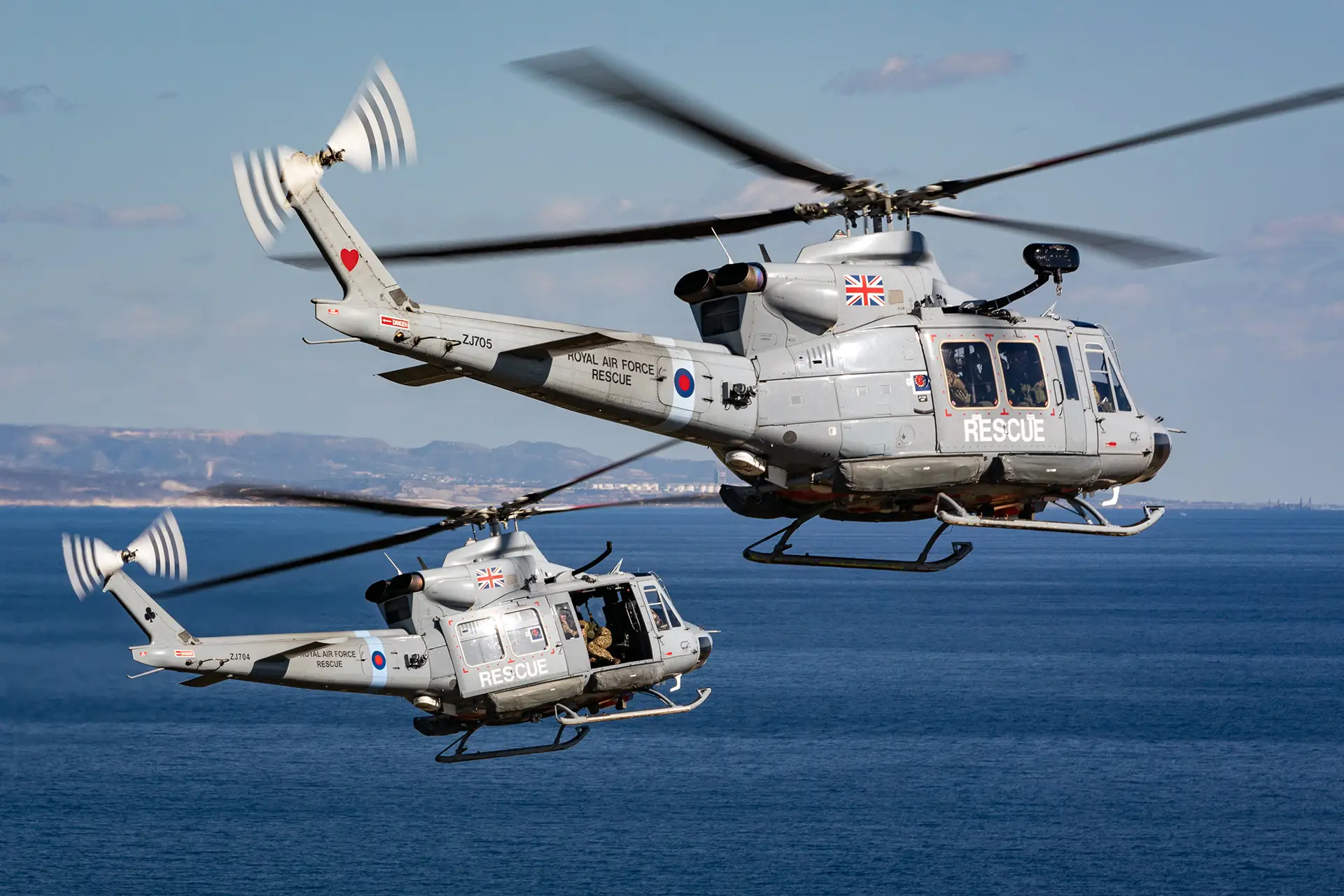
While a replacement for several small Contractor Owned Military Operated (COMO) fleets of Bell 212 (Brunei), Bell 412 (Cyprus) and AS365 N3
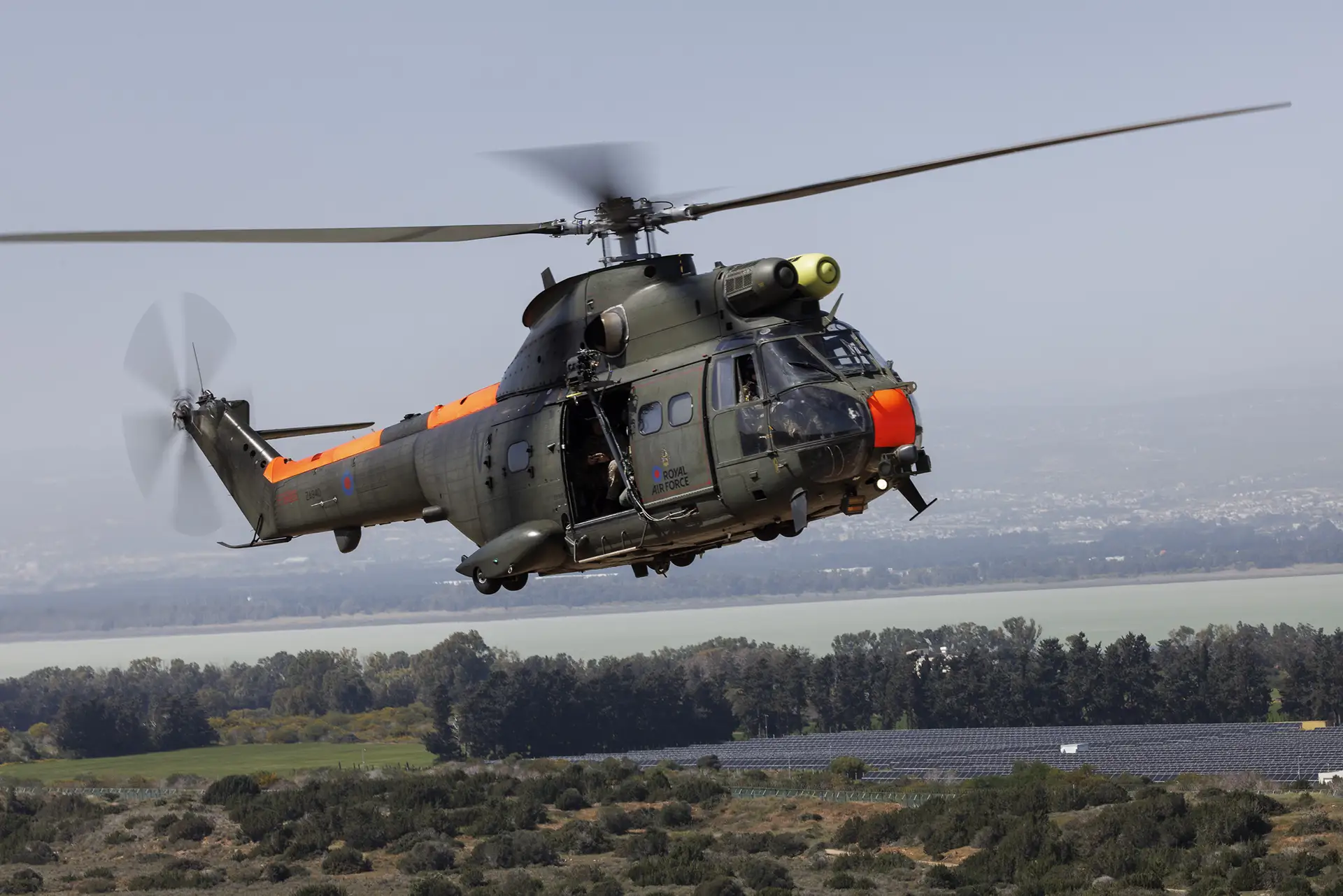
(UK SF support) were to be included in NMH, the main focus was on the replacement of the RAF's Puma HC.2 Support Helicopter fleet.
Some 24 Pumas had been refurbished via a Life Extension Programme (LEP) in the early 2010s to provide a continuity in MSH provision as the
RAF's Merlin HC3/3A fleet was converted by Leonardo for use in the Littoral, operated the Royal Navy's Commando Helicopter Force
(CHF). The intent was for the Puma to soldier on until 2025, which presented the UK with several issues.
Prime amongst them was the awkward gap between the Puma retiring and the opening of the 'window' to replace the Merlin (and potentially Wildcat). Making matters even more confusing was the apparent proximity of the first 'Next Generation Rotorcraft' (NGR) designs, with the US Army's Future Long Range Assault Aircraft (FLRAA) program, now designated MV-75, and NATO's NGR Capability (NGRC) project both slated to be entering service in the 2030s. Indeed, under the US Department of War's (DoW's) Army Transformation Initiative (ATI), the Bell MV-75 tiltrotor is being aggressively accelerated into service, with the new In-Service-Date (ISD) now planned for 2028 with the 101st Airborne division.
Initially, quite sensibly, the UK didn't want to get caught out paying handsomely for 'yesterday's helicopter, tomorrow', blowing the modest rotorcraft budget on buying and committing long term to a legacy platform just as the new 'shiny new toys' were available. As I've noted before, many feel that the world is in a '1936 moment' with the prospect of a major global conflict a serious consideration, and while we certainly 'fight tomorrow with what we have today', that approach would have left the UK equipped largely with biplane fighters at the outbreak of World War Two, having eschewed the opportunity to order the far more advanced Spitfire and Hurricane monoplane fighters in appreciable quantities.
What NMH was pragmatically conceived as, therefore, was an 'interim MSH' solution to bridge the gap between the Puma's demise and the Merlin (and potentially Wildcat) replacement program, with the potential for economies via further platform rationalization and the sensible blending in of uncrewed systems. Importantly, ensuring that it didn't swallow the whole future budget by committing the UK to an expensive legacy platform into the medium term - enabling that 'Spitfire' purchase when ready.
From such promising origins, the NMH tale has descended into something of a farce.
The farce that ensued
The cheapest and most expeditious way for any nation to acquire an interim MSH is probably to acquire new or refurbished UH-60 Black
Hawks. However, this path was deliberately spiked for NMH by the UK Government's insistence that at least 60% of the budget was spent
in the UK; at a stroke ruling out a FMS purchase, while the program also sought to weed out those offering refurbished machines by requiring
evidence of significant previous MoD contracts (circa £500m) which is, of course, a bit 'tricky' as the UK has never operated the aircraft
and innovative start-ups can't possibly deliver such a record of delivery. It's why they're called 'start ups'.
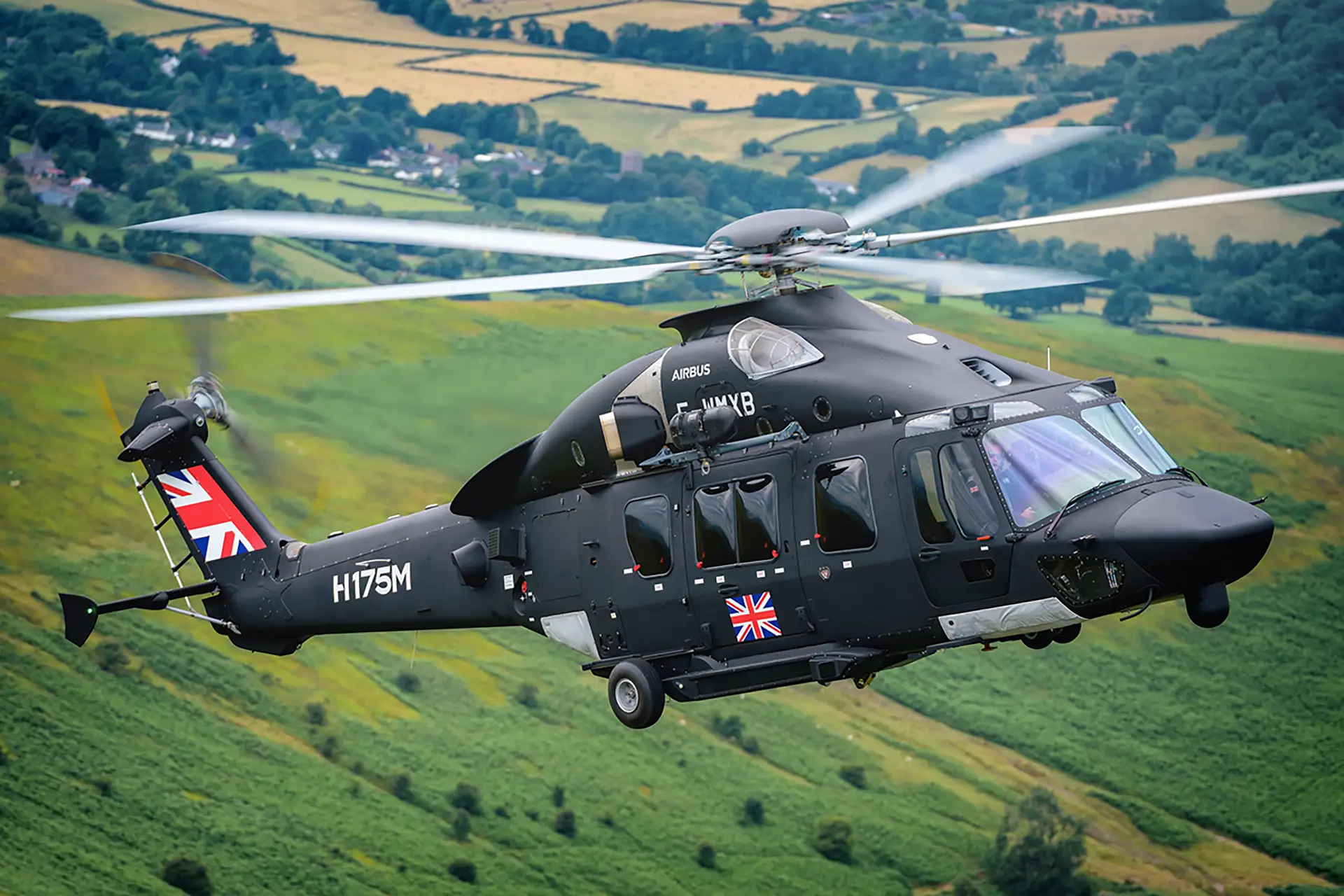
MoD often talks a great game about innovation, but perhaps they should explain to their Commercial Officers what it actually means. That aside, it's understandable why any government would wish to spend money 'in country'; it's politically attractive and can ensure elements of Operational Sovereignty and supply chain security.
With the Puma slated to retire in 2025, and the cost/risks of further extensions deemed unacceptable, the race was on to find a politically, militarily, and commercially favorable solution. Hence, why NMH mandated an 'Off The Shelf' (OTS) solution. The clock was ticking; four years from start to IOC was 'sporty' but not impossible.
And then, abruptly, the clock stopped....
The long and drawn-out process towards the final NMH decision has taken some five years. For what was supposedly an 'off-the-shelf' and 'interim' solution, this is wholly unacceptable.
The program has been buffeted by a number of stiff headwinds.
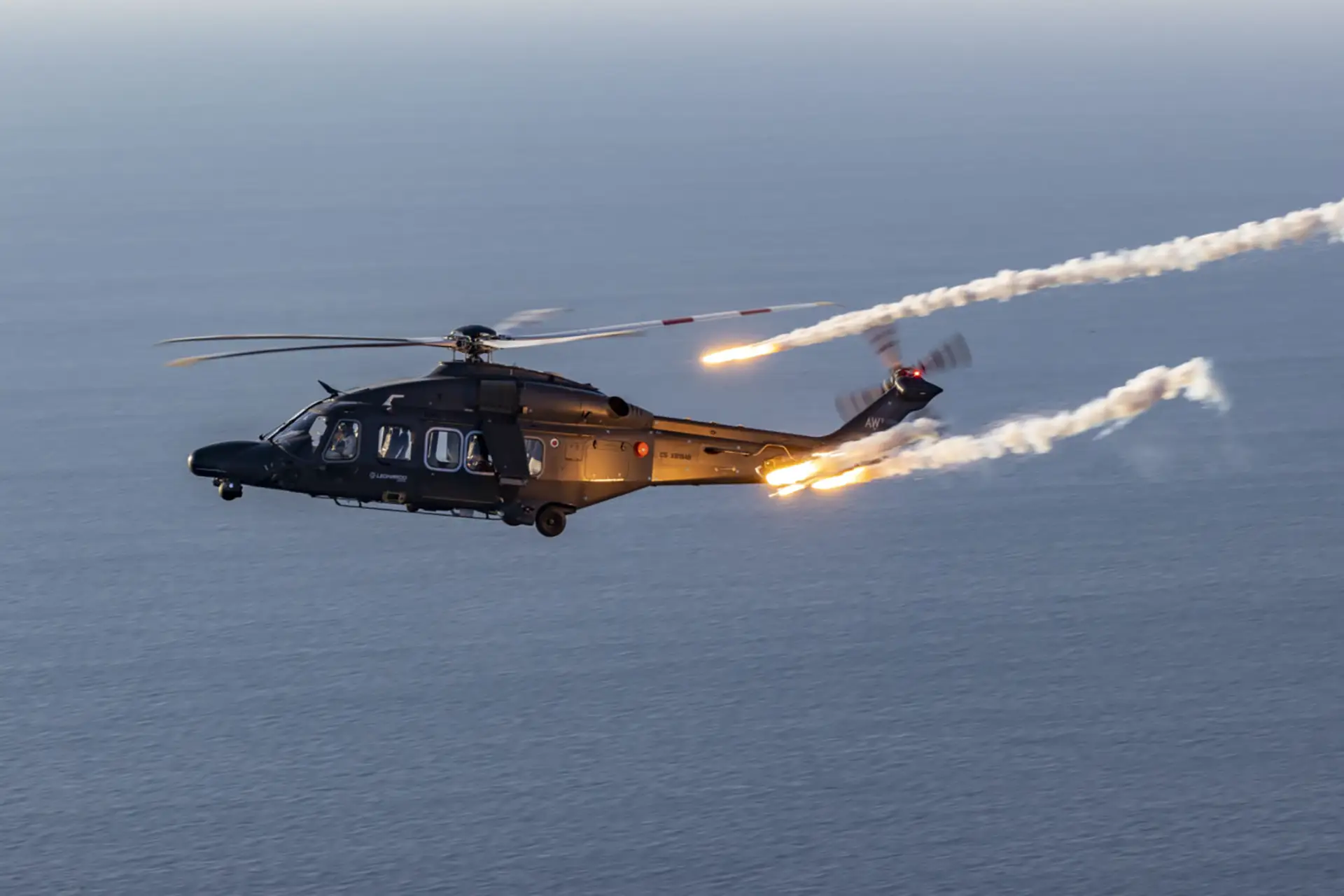
First, political upheaval in the form of a change in government, to one with, perhaps, not the same electoral calculus as its predecessor. When NMH was launched, many in the ruling Conservative Party would instinctively wish to see the project awarded to Leonardo Helicopters in Yeovil, Somerset. The constituencies around the plant have been a battleground between Conservative and Liberal politicians for decades, and a £1Bn plus injection to the local economy would certainly help with re-election campaigns. The current Labour government doesn't see the West Country as a major area of support.
Second, a reappraisal of the UK's military needs as the result of the Strategic Defence Review (SDR). Finally published last year, SDR 25 was seen by many as somewhat underwhelming and lacking in detail. The NMH program didn't even rate a mention, which may have hinted at the potential direction of travel.
Thirdly, the very survivability and therefore utility of MSH on the battlefield has been brought into question by the abject employment of helicopters by the Russians in Ukraine. Without due context, and an understanding of their poor TTPs, low training standards and badly equipped platforms, the 'UAVs are cheaper and can do everything' lobbyists have undermined the stock of the helicopter amongst politicians and sections of the military.
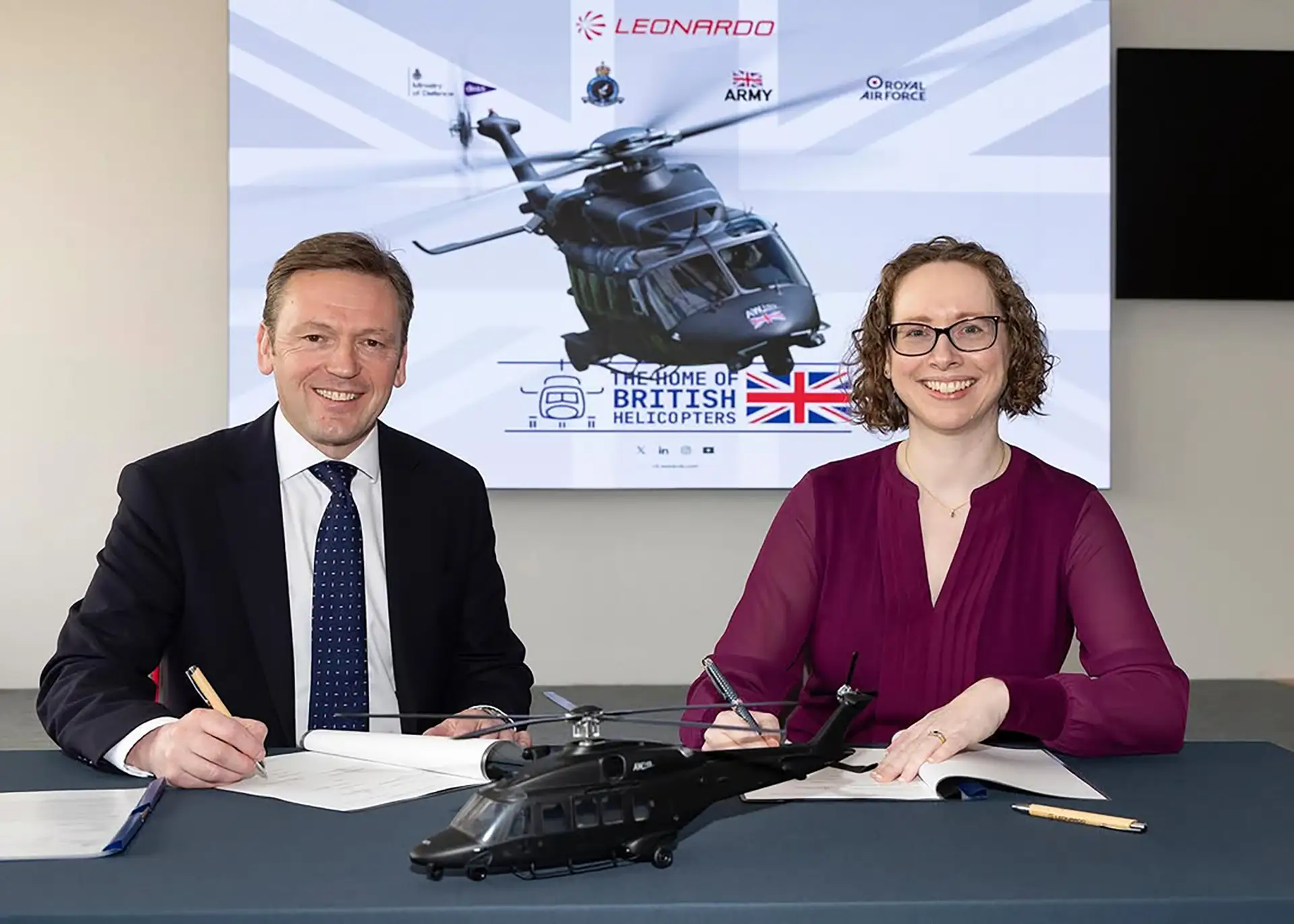
Finally, the UK's defense budget has been placed under extreme pressure by attempts to conduct a modernization and re-stockpiling program while donating huge quantities of munitions and other equipment to support Ukraine; not helped by the Government's 'back-loading' of its NATO commitment to uplift funding to 3.5% of direct defense spending by 2035, with no significant short term increase anticipated until the end of the decade.
Hollow
The much-delayed Defence Investment Plan (DIP), which is the 'how' to the SDR 'what', was supposed to be released last August and is at the time of writing further delayed. The lack of a published DIP is it seems due to a rumored £28Bn 'black hole' between the Plan and funding over the next three years. If no extra resource is provided, the MoD will be forced to cut activity (such as exercises, deployments and even attendance at meetings - especially those that required an element of overseas travel), shed yet more manpower, or reduce spending on equipment. None are politically palatable given the rhetoric over defense espoused by the Prime Minister, especially while he's continually ‘talking tough' on Ukraine. To be very publicly cutting kit just as he's boasting about rearming to meet the Russian threat is a very bad look politically.
Hollow promises of 'Jam tomorrow' simply aren't going to cut it anymore. Matters have been exacerbated by the UK's somewhat toothless, and very public, (lack of) response to events in the Middle East. Spending two weeks trying to find a T45 destroyer to deploy to Cyprus to provide Ballistic Missile and C-UAS defense rapidly became a national humiliation.
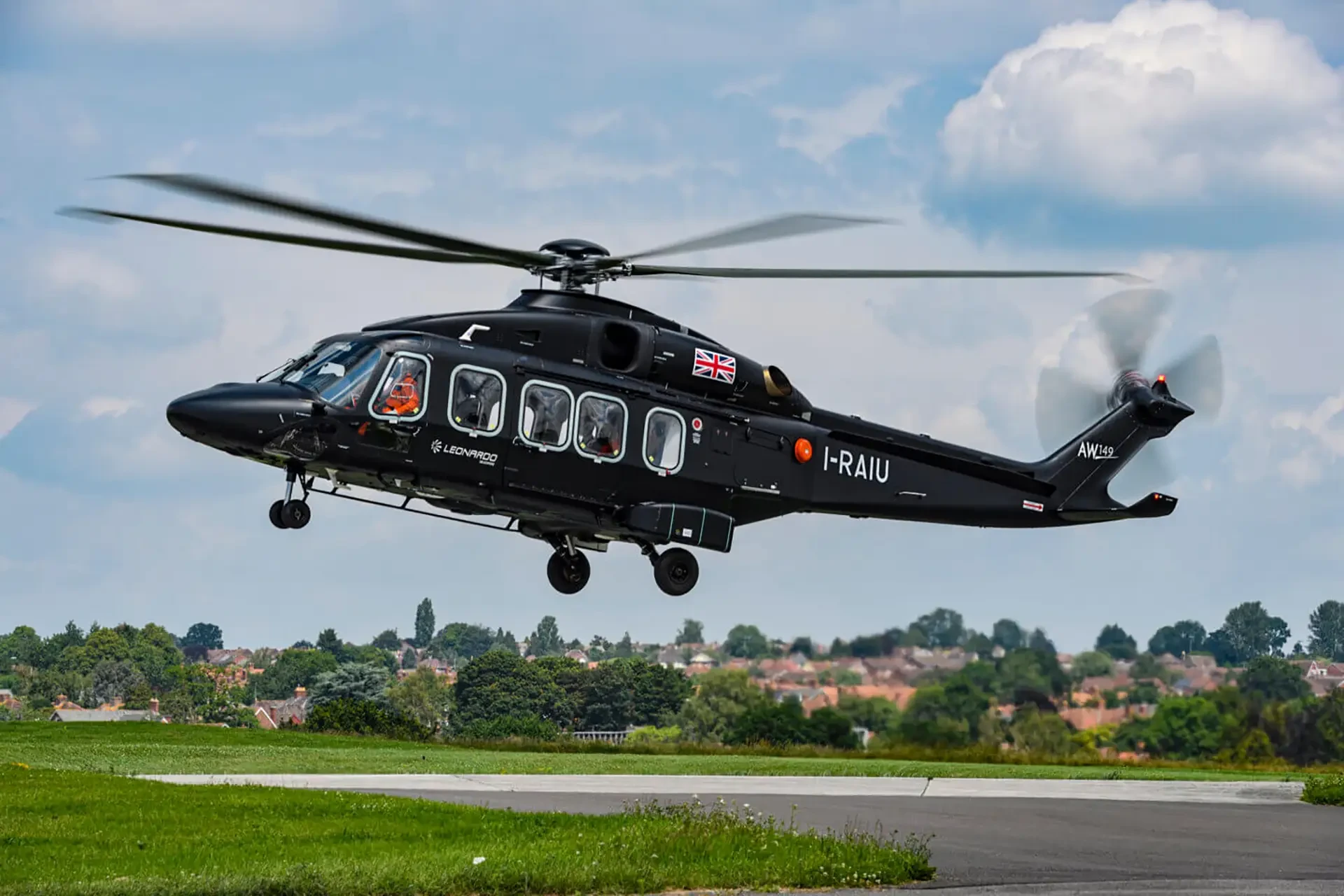
All of which that brings us back to NMH and the AW149.
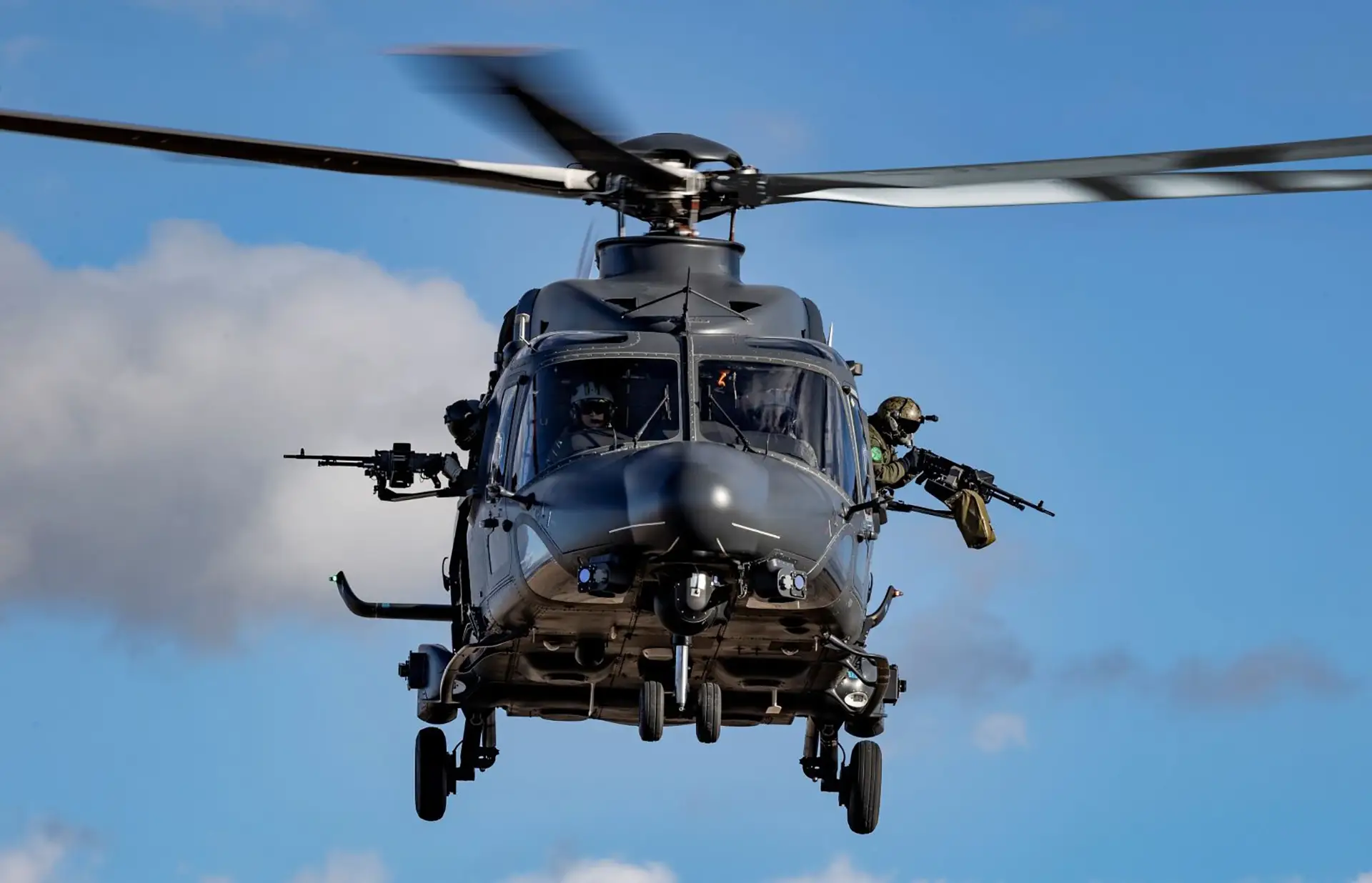
At the recent International Military Helicopter (IMH) conference in London, rumors swirled about whether the contract would be awarded or scrapped. The project was assessed as 'Amber' in terms of risk, and many in Defence saw the uncommitted £1Bn as ripe for either helping to fill the DIP black hole or reapportioning to other, higher, priorities - such as Ballistic Missile Defence (BMD) and C-UAS. There were reports that the Defence Secretary was en route to Leonardo's Yeovil site to announce the contract at the 11th hour of the quote's validity, only to be recalled as both the Treasury and MoD refused to endorse the program on risk, priority, and affordability grounds.
Then we had a 'historical echo' it seems...
In 1974, the then Prime Minister, Ted Heath, called a snap election in the midst of significant Trades Union-organized industrial action; his rationale was to determine 'who governs?' between the elected politicians and the unelected Union 'Barons'.
Heath challenged the Unions, and, well, he lost.
A Union-friendly (potentially controlled....) Labour government was returned. The Unions continued to flex their muscles, productivity continued to nosedive, and inflation and unemployment soared. The UK inexorably drifted into an International Monetary Fund (IMF) bailout in 1976. As a small child I remember power cuts, uncollected litter building up on the streets, and my parents genuinely concerned over how we would feed ourselves.
In a 'little piece of history repeating' in 2026, it seems that Unite the Union was able to effectively force the Government to sign a contract for a platform it didn't want to buy. Indeed, almost unbelievably, the news that the contract had been awarded was broken by the Union, not the Government, Treasury, MoD, or even the company. Rather than 'who governs?', it seems that the question is 'who decides the UK's Order of Battle?'. What was the point of hiring the esteemed (and expensive) team to strategize the SDR, then take up thousands of man-hours crafting a DIP if the answer all along was 'just ask Unite what we need to buy to protect British jobs?'
Goodness me, the last people you want to ask are the crews that will fly them, the engineers that fix them and the troops that will be moved by them; because they'll pretty much all say, 'Black Hawk' and that's certainly not Unite's preferred platform.
But it gets worse.
While I maintain the AW149 is in no way the right 'interim MSH', a bad decision today is better than no decision tomorrow, right? The Test Pilots at Boscombe Down and the Evaluation Crews at my old Operational Evaluation Unit, 22 Sqn, will, I'm sure, do their utmost to hold the company to the contract and deliver the very best capability to the front line. The problem is, they'll be kicking their heels for a while, and then that 'up to 44' fleet size has been effectively halved.
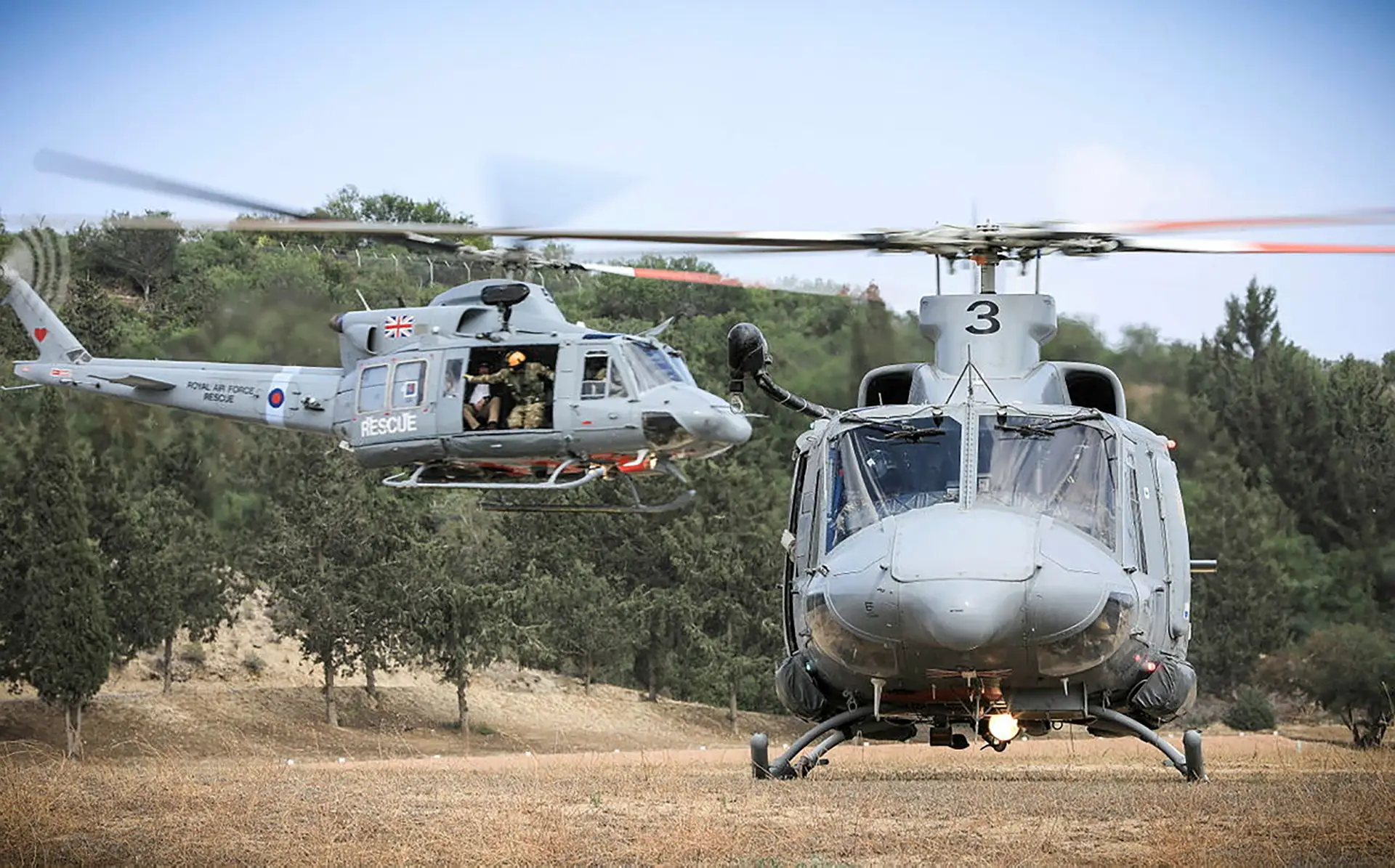
The details, when they emerged, were shocking. Despite Leonardo suggesting they could start deliveries of baseline airframes in 12-14 months (albeit aircraft that would need further integration of mission equipment and DAS for testing), the first aircraft will now not arrive until 2030, with Initial Operating Capability (IOC) in 2031 and the last airframe delivered in 2033. That conveniently pushes the bulk of the spend back until after the next General Election, but when combined with some UAS work, provides just enough drip feed funding for Leonardo not to close the factory.
Cynical? Yes.
'Apocalypse Eventually'
This 'Apocalypse Eventually' will only see 23 aircraft delivered. Allowing for the usual 'rule of thirds', it enables the UK to project and sustain a force of no more than eight to ten airframes. At least four to six will always be in deep servicing and/or upgrade lines, a similar number will be required to support conversion training, operational test and a minimum amount of 'home' currency flying and Pre Deployment training (PDT), with the remainder either being in minor overhaul periods, unserviceable awaiting spares or in transit to/from the operational area.
All this effort to deliver such a mediocre amount of capability (eventually) where it's needed. It's why mass matters operationally; something that the 'experts' at Unite the Union are seemingly either clueless or ambivalent about....