 HOME
HOME




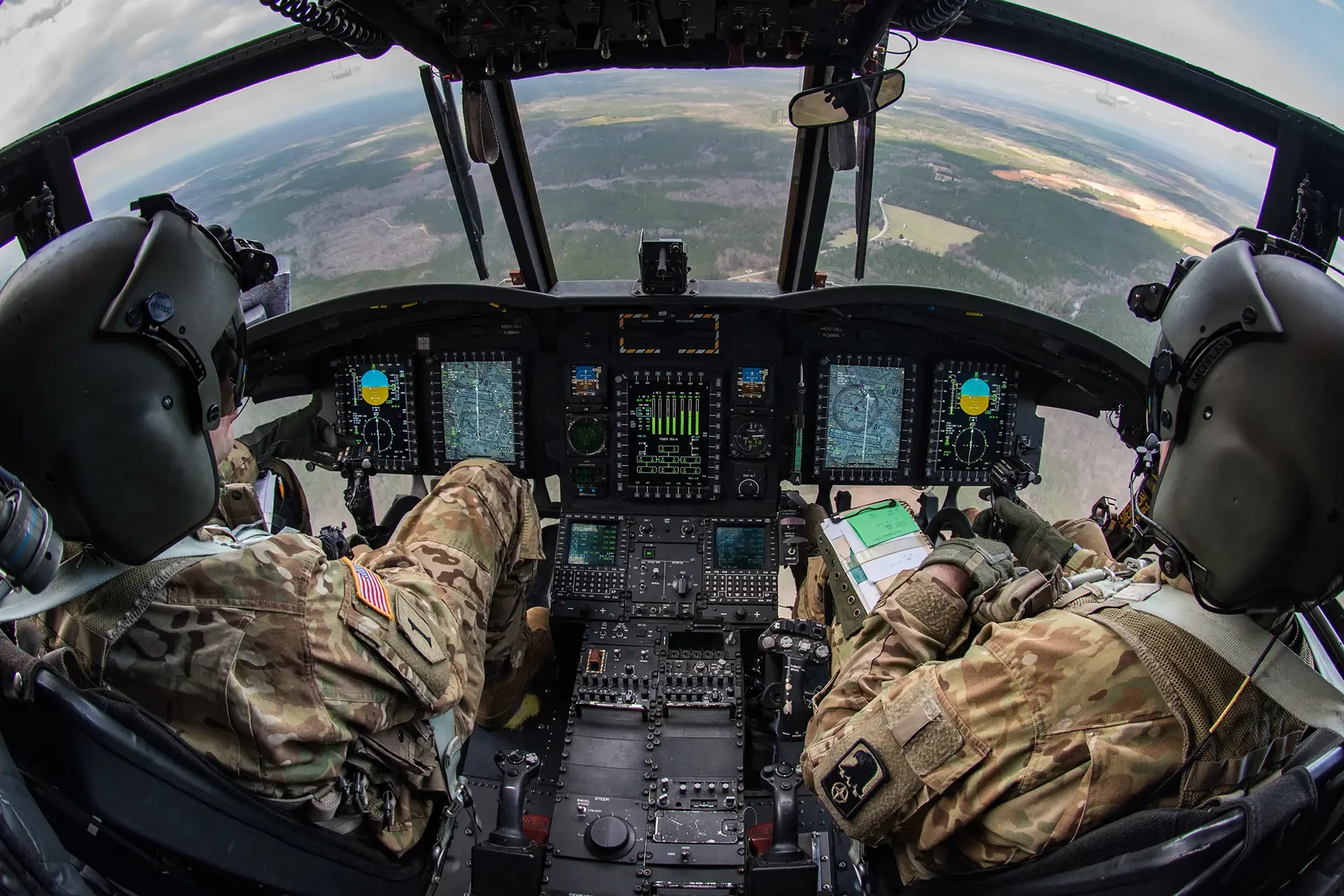
‘It used to be obvious, even down to which branch of the military they came from. More recently, this has reduced as military CRM has "caught up" and SOPs have become more widespread.’
Civil Helicopter Pilot
In the previous article, I introduced the idea that CRM training occurred downstream of culture, along with the other ‘SHELL Model’ elements of an organization. We also saw that cultural differences do exist between civil and military-trained helicopter pilots. CRM is used to guide our behavior in the aircraft, and those behaviors, intentionally or not, begin to create a feedback loop that informs the actual, as opposed to the intended, culture of an organization. However, where there is a mismatch between the intended culture, the formalized CRM training, and the eventual behaviors brought on by the necessity of the job, we run into accident reports laden down with terms like ‘procedural drift’, ‘practical sailing,’ and ‘work imagined vs work done’. In short, there can be a gap between what is intended by authorities and what is designed procedurally, and what is happening on our airborne factory floor.
In this article, we’ll see that while there have historically been differences in how civilian and military groups approached CRM training,
the lived realities of helicopter operations eventually bring these groups’ outputs closer together than we might imagine looking at
culture alone. We’ll also see that the origins of modern CRM sometimes mean a gap exists between what we occasionally need on the line and
what is delivered as an unquestionable, evidence-driven truth.
So, to start, a very quick history of modern CRM. Crew Resource Management, or Cockpit Resource Management as it was originally called when
it only applied to pilots, is largely agreed to have emanated from the investigation into the tragedy that occurred in Tenerife on 27 Mar
1977, when two Boeing 747s collided on the runway with the loss of 583 lives. This event was found to have been avoidable and highlighted
that the communication between the KLM crewmembers and the culture of the 'Godlike captain' vs the subservient copilot was responsible for
the ensuing disaster. As a result, airlines began introducing CRM training for their crews to address underlying issues and improve safety
in their operations. It has undoubtedly been a success.
Proto CRM already existed in the military, but it varied wildly from organization to organization and from fleet to fleet. This description
of the standardization of WWII bomber operations shows how nascent CRM was already occurring. This approach continued throughout the
history of Strategic Air Command (SAC), ensuring the rigidity required to operate large fleets of multiengine aircraft, and later
nuclear-armed ones, was practically put into place:
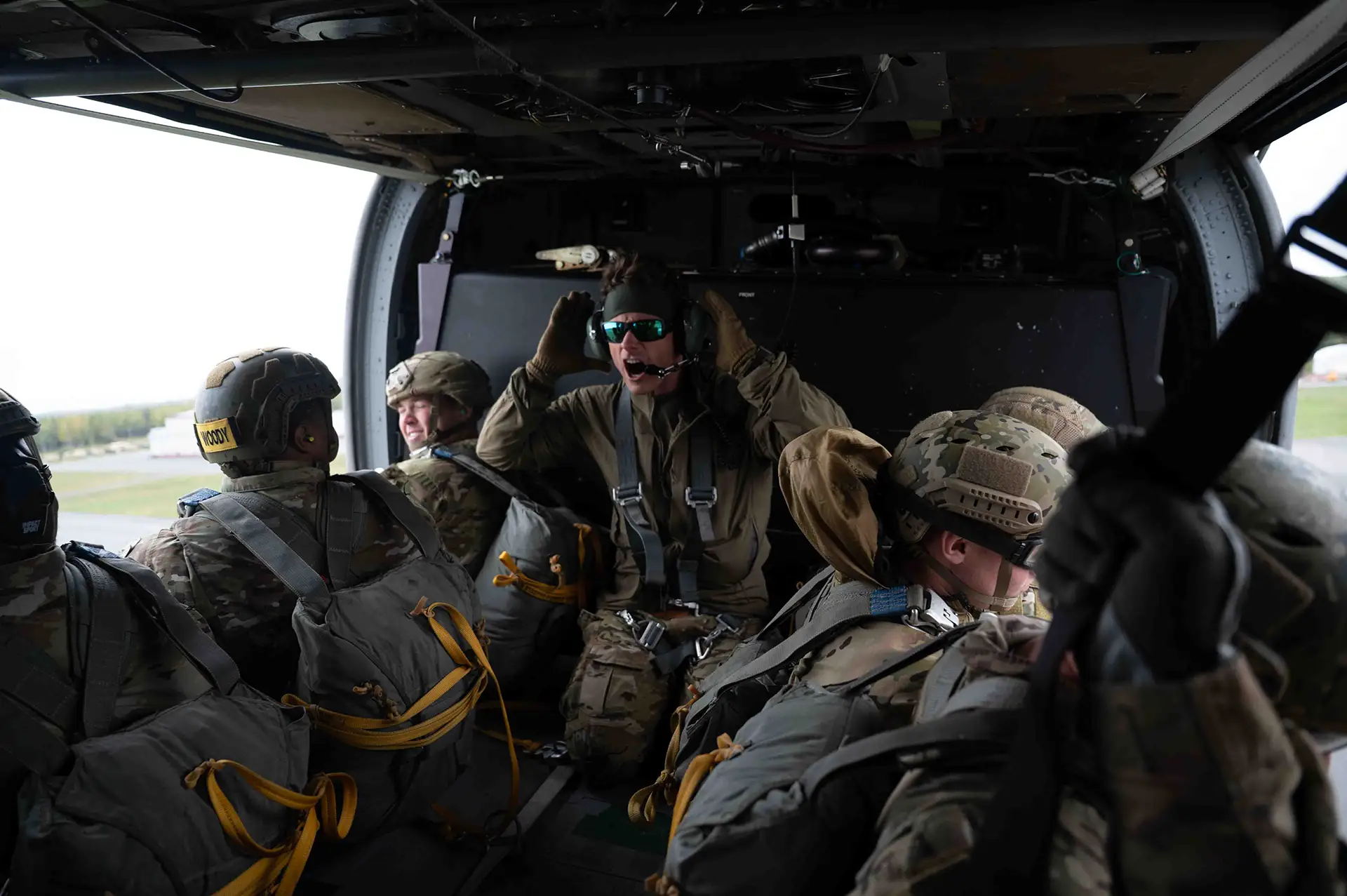
"To make sure that crews ran effectively, LeMay initially published manuals in the European theatre that defined what each bomber position would do during every phase of flight. Bombers relied on synchronized operations, with every person knowing what every other crewmember did at a particular moment—especially during critical phases of flight."
(from "Always at War: Organizational Culture in Strategic Air Command, 1946-62 (Transforming War)" by "Melvin G. Deaile")
While in civil aviation, mandatory CRM caught on very quickly,
‘The military is a multidisciplinary organization, with many different cultures in terms of acceptance of CRM principles.’
The Military Perspective Paul O’Connor , Robert G. Hahn and Robert Nullmeyer
 In
the US, the Military Airlift Command (MAC), the organization then in charge of the bulk of the USAF transport fleet, was the first to
successfully introduce CRM as we know it. In other branches, its introduction was met with different levels of enthusiasm. In a series of
studies into accidents, CRM breakdown or CRM failure was noted in military reports at a rate far higher than in civilian cases.
In
the US, the Military Airlift Command (MAC), the organization then in charge of the bulk of the USAF transport fleet, was the first to
successfully introduce CRM as we know it. In other branches, its introduction was met with different levels of enthusiasm. In a series of
studies into accidents, CRM breakdown or CRM failure was noted in military reports at a rate far higher than in civilian cases.

Crew Resource Management Chap 19 The Military Perspective , O’Connor et al
According to the authors:
‘Depending on the type of aircraft and mission, military aviation squadrons operate in different locations under different circumstances. In short, they have different operating environments that produce different requirements for success in that situation. This in turn gives rise to the culture or climate unique to a given squadron or aircraft community within military aviation.’
So, what, then, is the point of all this for us as helicopter crews and operators, seeking to obtain the same view of reality between our
civil and military trained brethren and the same reactions to novel situations? CRM origins and principles, whether in the civil or
military world, emerged from large fleets of multi-engine fixed-wing aircraft. This makes perfect sense if you think about it. The size of
airline fleets and the associated financial resources meant that airlines would be in the driving seat in determining ‘what’s right’ in
terms of CRM, and, with similar cockpit layouts, military multiengine transport fleets would see many of the same answers to the CRM
questions as correct. From an academic point of view, the volume of available pilots and crews to use as research respondents meant that
purely from an ‘n = ‘ perspective, the way things worked for large aircraft types was reinforced as the right way, and a feedback loop
developed where research and practice fed into each other, and operating outside these results was frowned upon. In a very quick summation,
early CRM practices favored proceduralization and operational rigidity (remember, one of LeMay's early diktats was that bomber crews do not
jink on the bomb run). Now, this makes perfect sense in an airliner operating on airways and in controlled airspace – safety is assured by
everyone behaving predictably and in accordance with agreed regulations and cultural norms. It also works in a large transport aircraft
that mostly flies in a similar manner, even if the approach to the destination is a standardized threat-zone transition from 20,000ft. It
even works in a bomber – one does not win the apocalypse by fragging your buddy with nukes, so everyone must follow the routes and timings
exactly according to plan - in the case of Cold War SAC, the plan, the SIOP (Single Integrated Operational Plan) with its
multitude of carefully choreographed 'Attack Options'. Rigidity and procedure are excellent ways to deal with known variables and
mitigate those risks reliably, and sometimes the environment you fly in means that works just fine.
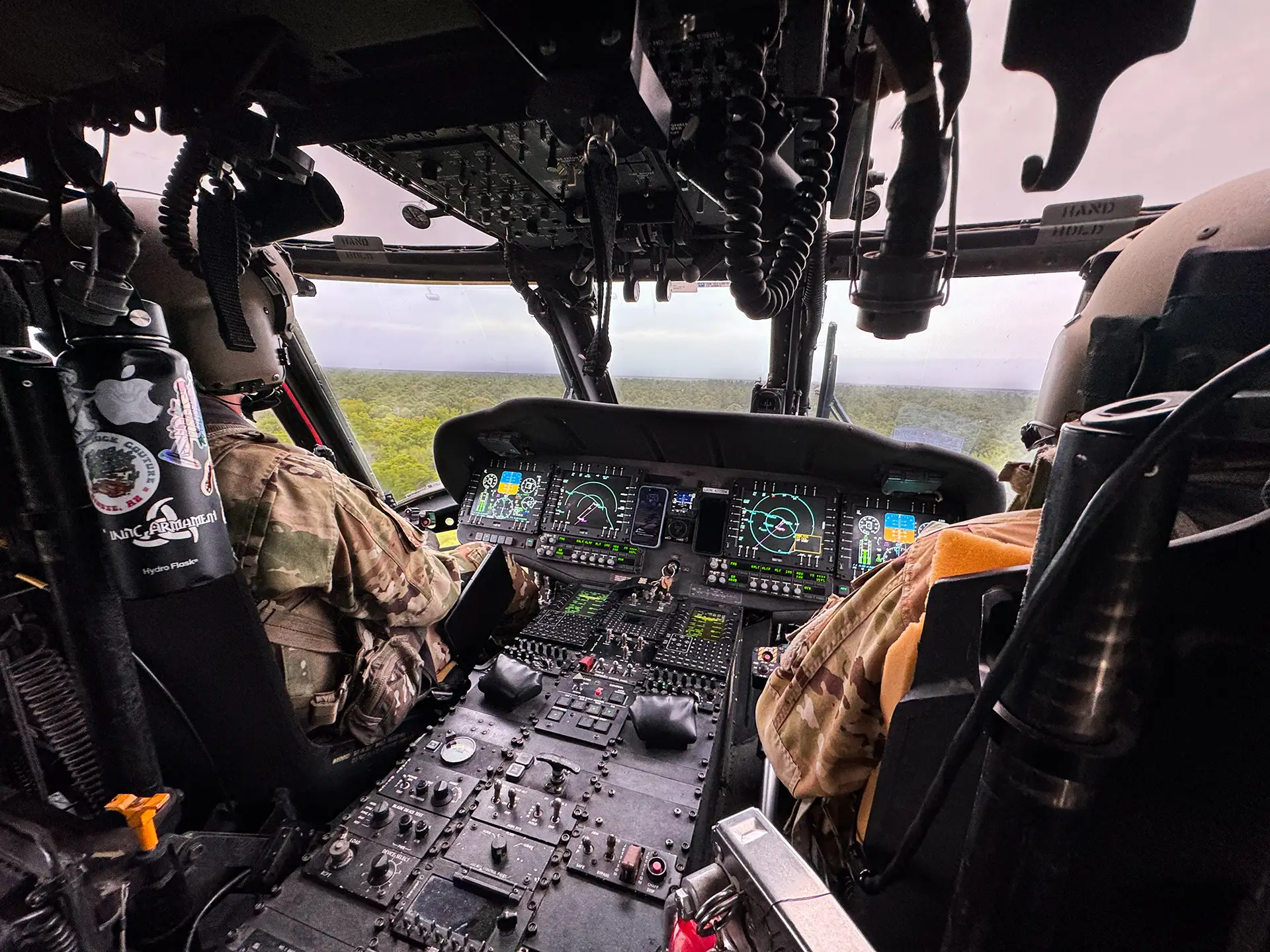 However, rigidity breaks down when you step into operations where a wider variety of unpredictable variables are encountered on a
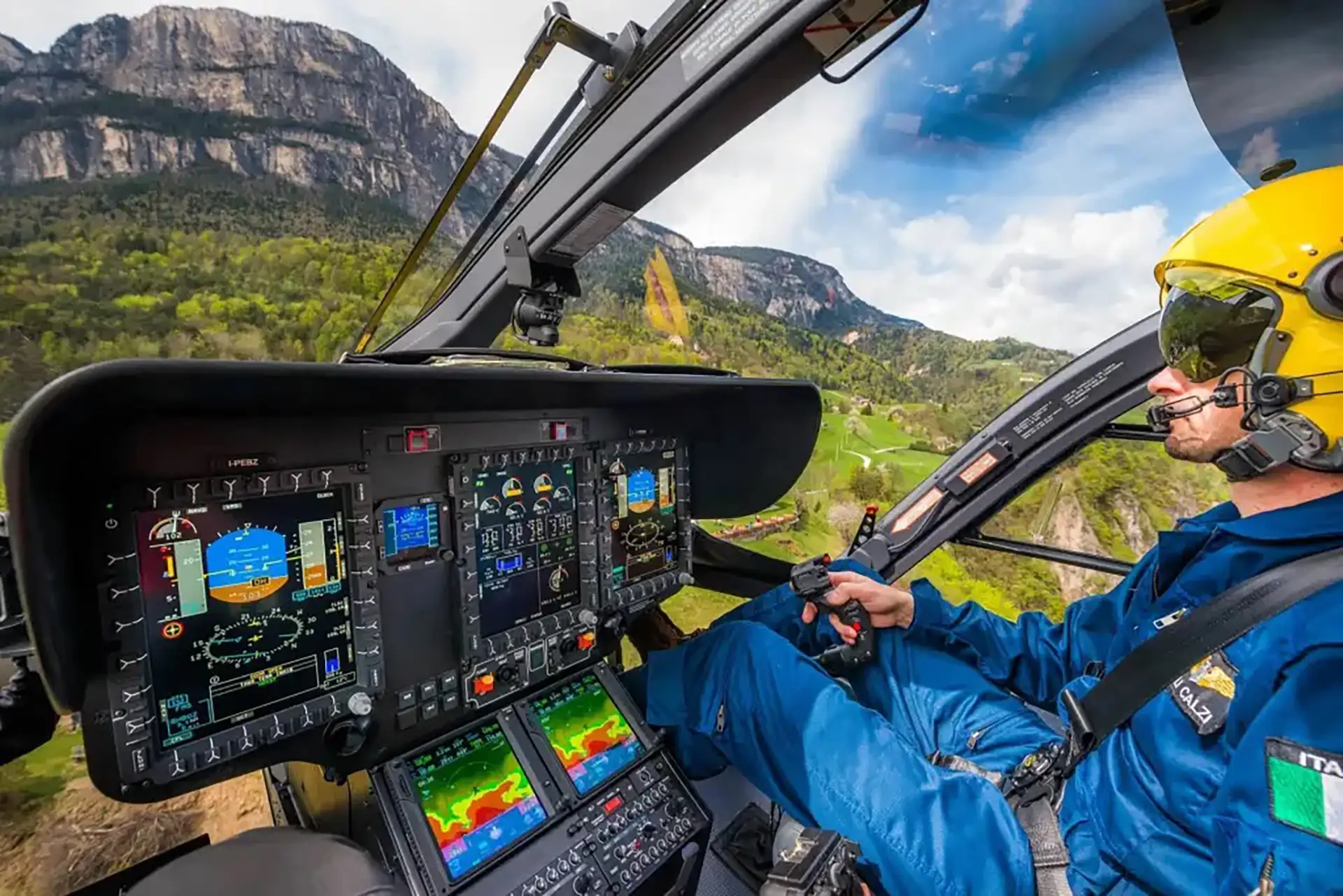
day-to-day basis. In many helicopter operations – HEMS, SAR, Utility, and others - we work in an environment where the things we encounter
in our day-to-day work are unpredictable and beyond our control. Think of every time you landed as the primary response at a car crash, or
fought fires in a confined valley floor, or dropped off a charter passenger at an airfield after a long transit from the pick-up. Did
absolutely everything really go according to your initial expectations all the time? Or did it all change en route or at the scene?
However, rigidity breaks down when you step into operations where a wider variety of unpredictable variables are encountered on a
day-to-day basis. In many helicopter operations – HEMS, SAR, Utility, and others - we work in an environment where the things we encounter
in our day-to-day work are unpredictable and beyond our control. Think of every time you landed as the primary response at a car crash, or
fought fires in a confined valley floor, or dropped off a charter passenger at an airfield after a long transit from the pick-up. Did
absolutely everything really go according to your initial expectations all the time? Or did it all change en route or at the scene?
‘The civilian CRM has developed pretty broadly but for me was too focused on the fixed wing world at least to begin with. The ex-military colleagues freely admit that their military CRM was initially pretty basic but it has become much more relevant as time has gone on.’
European Civil Trained Pilot
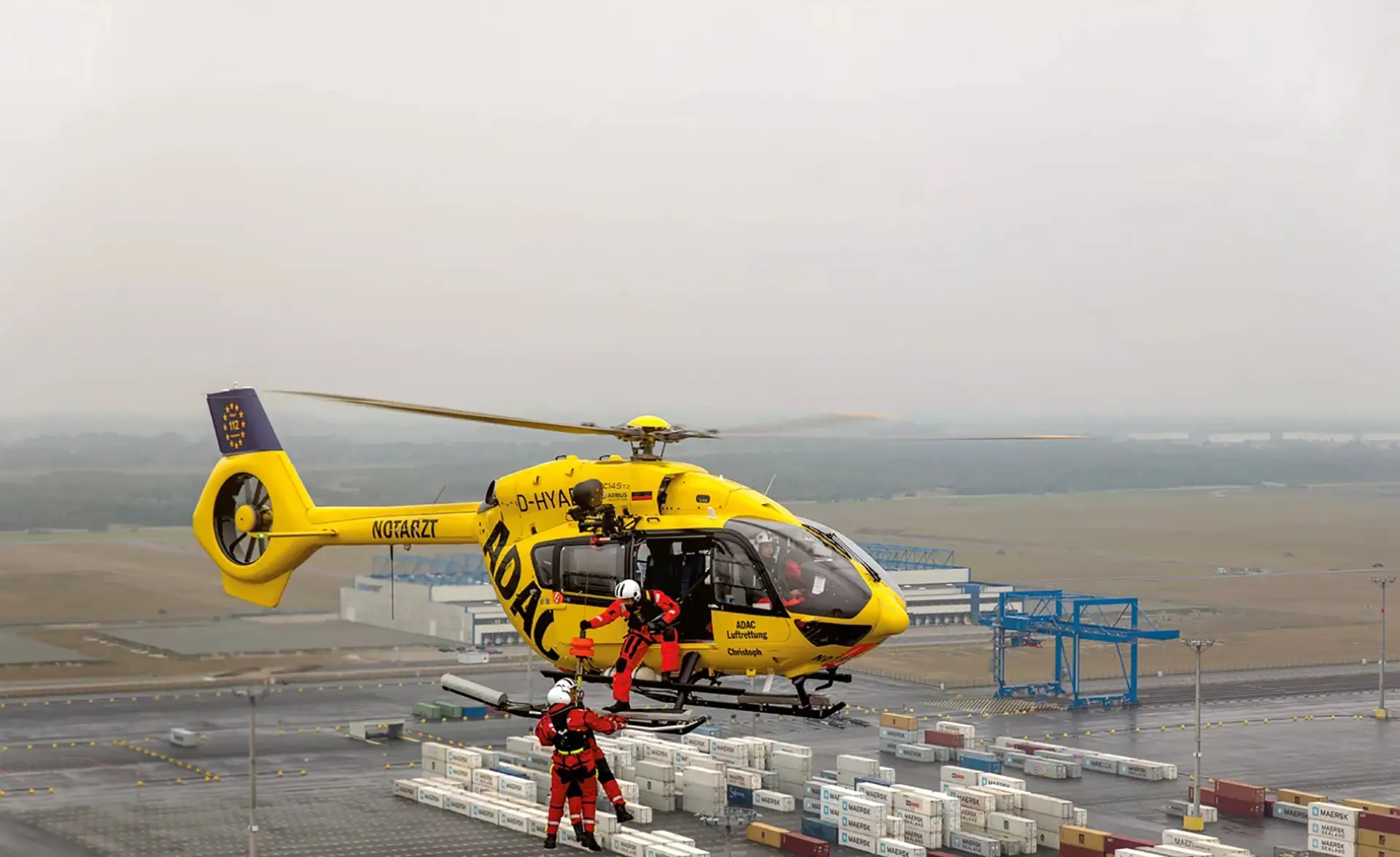
In the previous article, we talked about how military pilots may value effectiveness, or mission completion, over safety. When we break things down, we find that roles that demand a greater degree of flexibility and on-the-spot sense-making often ask the same questions of civilian crews as military ones. This is perhaps more evident in specific helicopter operations like HEMS than in airliner operations, and this has led to the common notion that military-trained pilots are more accepting of risk, based on comparisons between military ops and scheduled airline flights. In reality, their civilian-trained helicopter counterparts facing the same scenario will threat-and-error manage in exactly the same way.
When asked about the differences experienced between military and civil CRM training and emphasis, decidedly varied results were gathered:
‘We trained far more intensively and frequently in the military, allowing greater exposure to teaching and demonstrating CRM competencies. It started out as airmanship, teamwork/captaincy and human factors but evolved into the single point of CRM.
The brief and debrief was mandatory after every military flight and was uncompromising in its scope. CRM issues were discussed at all times and giving + receiving feedback was ingrained in the military aviation culture.’
Retired military trained pilot, Europe
‘On the whole civil CRM far superior’
Retired military trained pilot, Europe
‘Civil industry pays lip service. Just box ticking to satisfy government regulators and even more so to satisfy industry auditors ie. oil and gas in order to maintain some “certification” so as to secure more contracts. But zero buy in from air operators themselves; none of it taken to heart. Cost and money will always rule the day.’
Military trained pilot, Europe
‘There are feedback loops between both systems. Mil ops are focused on success in a hostile environment. Civil ops are more conservative and benign. While both systems follow similar MCC / CRM processes, mil ops are more mission oriented with a necessarily higher risk tolerance threshold, albeit well managed and understood.’
Civil trained pilot, Australia/Oceana
‘’Army didn’t do CRM when I was in, especially so in Vietnam’
Military Trained Pilot, North America
‘Military CRM includes rank versus pilot experience gradients. Commercial pressures means that civil CRM tends to be completed to the minimum standard required.’
Military Trained Pilot, Australia/Oceana
In short, there were responses that walked in lockstep with the stereotypes, and others that confounded them. What organization you trained with and when you trained really seemed to be the difference in your worldview on civil vs. military CRM. Perhaps the most reassuring quote was from a US Army-trained pilot flying in the corporate world:
‘I think that the initial CRM courses were rooting out the authoritarian “PIC is god” tendencies. I was a military CRM instructor and still teach CRM in the civil world. I think they have merged into similar concepts and not too different’
It appears that while different cultural attitudes may be evident between civil- and military-trained crews, CRM training is evolving such that those differences are becoming less apparent in cockpit behavior in response to a given threat, as the content of the civil and military courses is converging.
If the differences between military and civil CRM training are blending away, there is firmer ground in other areas. When asked, ‘Do you most value standardization in cockpit procedures or flexibility to safely achieve the operational aim of the flight?’ 11/31 respondents favored ‘Standardization of Cockpit Procedures’, 2/31 favored ‘Flexibility to safely achieve the operational aim,’ and 18/31 favored ‘A balance of both’. When asked how that balance might be achieved, the following reasons were offered:
‘A rotary operation is, by nature, very frequently not to a licensed site. Whilst SOPs are very important, the ability to make an in-flight risk assessment is essential. This is made much easier if the recurrent training and CRM is relevant and consistent’
Civil trained pilot, Europe
‘Good standardisation on important elements of cockpit procedures (altimeter bug setting procedures / use of automation etc) however flexibility in other areas which are inconsequential, and focussing on safely achieving the operational aim’
Civil trained pilot, Europe
‘I would argue that they don’t have to be mutually exclusive if you nurture a strong culture of SOP compliance and educate on the benefits of SOP to the crews themselves but you also push hard to develop a flexible mindset to their limitations and an understanding of when and how they can work against you. Also always remind the bottom line that safety imperative always trumps any other limitation.’
Military Trained pilot, Europe
Nevertheless, our baseline CRM training does seem to mimic airline standards even where we in helicopters may need something subtly different.
‘A lot of CRM and TEM concepts such as long briefings and assessment and mitigation of risks in the TEM model makes sense in FW ops when you know your approach 30 minutes ahead..not practical in helicopter ops where you are either going to the same place for the 5th time that day and the legs are 15 minutes or you have a 15 minute IFR flight and they put you on an approach that isn’t in the ATIS to deconflict with FW..not conducive to a 10 minute long brief and “I see these threats, what threats do you see?” Conversation…which FW ops have been focusing on lately.’
Civil Trained North American Pilot
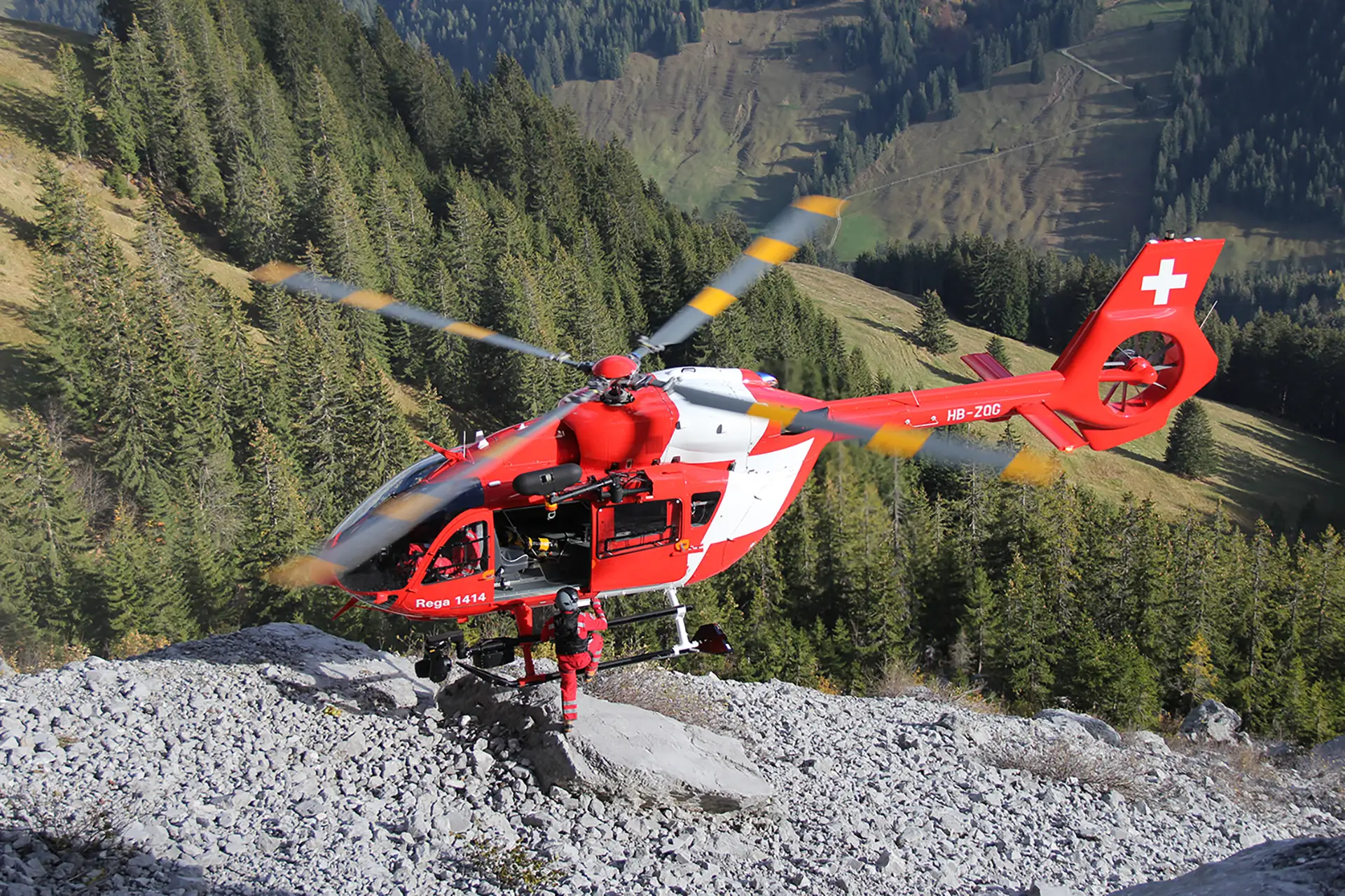
This is important for both AOC holders and regulators to fully take on board – one respondent said that ‘Helicopter operations are an afterthought for CASA’. The specific requirements of operating helicopters away from airfields and licenced sites in such a wide variety of roles can result in CRM and procedural practices that may dovetail entirely with a comfortably laid down norm as per an airline, or require a crew to make sense of a complex and changing scenario and develop a safe course of action in the moment. The ability to communicate effectively with each other, regardless of background, and to share an understanding of the level of risk is essential.
This brings us back to the previously mentioned SHELL model - Software ( regulations, manuals, etc.), Hardware ( helicopter, buildings, planning facilities, etc.), Environment ( everything from weather to whether the rest area is too cold or too hot), Liveware (us as individuals), Liveware ( everyone else – crew, pax, casualties, etc.). Developed by Edwards and Hawkins, the SHELL model is used to analyze how interactions among the various categories of variables can influence systemic accidents, rather than simply attributing accidents to ‘pilot error’. We can use the same categories to assess how we should position our overall operation so that all elements of our SHELL model work coherently, thereby providing our crews, managers, and supporting staff with a shared picture of reality.
Using the Toolbox/Taylorism circle I introduced in part one, in the next and final part of this series, I will talk about how we can optimize that coherence and begin to establish a shared cultural outlook across different workgroups in our organizations. Being clear about where we are permitted and expected to be flexible in the name of safety and efficiency ( Toolbox ) and where we must follow laid down procedures in a production line-like manner ( Taylorism ) means that everyone knows where they stand, and the likelihood of crews accidentally or deliberately acting outside management expectations is reduced. Before we start telling stories about culture, though, let’s finish with a quote from a North American military-trained pilot, which addresses the day-to-day needs of crews:
‘CRM in helicopter operations is even more important, since there are such a variety of things that helicopter pilots and crews end up doing. CRM is life.’
It’s a very hard position to argue with and a good place to wrap up for today.