 HOME
HOME




In the launch edition of our SOF-facing sister magazine, Carpe Noctem, there is a feature outlining the 'USSOCOM Origin Story’, the disastrous and tragic attempt by the US to rescue the hostages taken from the US Embassy during the Islamic Revolution of 1979. The feature on Operation EAGLE CLAW was intended as something of a scene setter; the 'mother lode' if you will, for US SOF, and US SOF Aviation in particular. The 'Disaster at Desert One' proved a watershed moment for US SOF, leading directly to a far better Joint Services approach to SOF tasking, training, and Command and Control (C2). The Holloway Report and, eventually, the 1986 Goldwater-Nichols Act served as catalysts to streamline US military C2 across the board, including making the Chairman of the JCS primus inter pares to the single service chiefs and the official military advisor to the President. Equipment was also found to be deficient, and a direct consequence of Eagle Claw was the generation of the requirements set that led to the initiation of the Joint Vertical Lift - Experimental (JVX) program. JVX culminated in the development and manufacture of the V-22 Osprey family.
The full story surrounding the epic Combat Search and Rescue (CSAR) effort to recover 'Dude 44B' from the clutches of the Iranian regime will doubtless be revealed in due course, and (likely...) feature as a screenplay in the not-too-distant future. Therefore, rather than weave a tale around an incomplete set of facts, I want to pick a few of the discussion points that have been circulating in the media, both mainstream and social, over the past few days. It has been jarringly obvious to me at least, that mainstream media lacks 'talking heads' who can discuss CSAR operations in general terms - explaining the broad mechanics of how an operation is pulled together - without compromising sensitive details and Operational Security, or through a genuine lack of specialist domain knowledge. The temptation to refer back to the tragic failure of Eagle Claw has proved too tempting for many - driven, doubtless, by the stark symmetry of some of the images released by Iranian authorities, and the intent of many who have an agenda to portray the successful recovery of 'Dude 44B' as somehow a failure and heavy defeat for US skill at arms. Whereas for me (and I suspect many other ex-military aviators) I see it as a resounding success - and one that took no little courage to plan, authorize and execute.
Therefore, without speculating as to the full story of the rescue, what do I think are key areas that might require discussion, and potentially rebuttal in the short term?
I see three main strands. Firstly, the differences in operational tempo to Eagle Claw, including the very high readiness and deployment of the personnel involved. Secondly, the decision not to use the CV-22 Osprey as the recovery platform, and, finally, the notion that despite the loss of several expensive assets (and it seems a pair of 'stars and stripes' boxer shorts...), and some minor injuries to personnel, the price paid was more than worth it - the recovery was a victory and manifestly not a defeat.
First, then, the instinct from many observers and commentators to compare the Epic Fury CSAR mission to Eagle Claw.
At prima facie, it makes sense; both operations saw US forces penetrate deep into Iranian territory and establish a temporary Forward Operating Base (FOB) - one that involved the careful synchronization of fixed and rotary wing assets. As far as I'm concerned, that's where the similarities end.
Eagle Claw was a relatively slow burn mission to extract a large number of hostages (over 50) from at least two secure and guarded regime
facilities in and around Tehran. It needed to be a big operation due to the sheer number of US-entitled personnel who required release and
recovery. Desert One was just the first stage in a far more multi-phase and therefore complex plan. RH-53D Sea Stallion helicopters, after
refuelling from the C-130s, would embark Delta operators and Army Rangers, and then position to a hide area within striking distance of
Tehran. Here, they would be held at readiness for the call to recover the rescue team (who would infiltrate via ground transport) and
hostages, before ferrying them to a waiting C-141 Starlifter (at an airfield secured by the Rangers) for the final extraction out of
Iranian territory. Destroying the (at least) six RH-53D helicopters before the C-141 departed was always part of the plan. Often,
casual observers fail to grasp the concept that assets can be willingly traded for mission success.
The weeks between the order to prepare the mission and then execute enabled the DoD to gather intelligence and take their time picking what
they considered to be the best locations for Desert One, and the subsequent lay-up area near Tehran - as well as the final extraction
location. Wary of the potential problems with natural surface operations, the CIA were even able to arrange for a survey of the preferred
Desert One location, using a Twin Otter aircraft to land at the site well in advance of the mission receiving the final 'Go'. The combined
CIA/USAF covert survey team took measurements to ensure it was suitable for heavy C-130 operations and even inserted covert IR lighting to
help guide the inbound crews 'on the night'.
At the time, US SOF assets were modest in size and scope and scattered between the services, existing largely isolated within their own chains of command. In terms of SOF aviation, only the USAF C-130 community could lay claim to have full time SOF crews, and even then, the level of training and the equipment they had to hand was significantly less than modern standards. The most vital aspect of the Eagle Claw plan was in many respects the helicopters - and this proved to be the mission's Achilles Heel. Marine crews were asked to fly Navy helicopters that were similar, but not exactly the same, as their usual 'mounts', and do so at night, on Night Vision Goggles (NVGs) deep into 'enemy territory' and then land at a remote desert location - likely in Degraded Visual Environment (DVE) conditions due to blowing sand and dust. It was a combination of unfamiliarity with the aircraft (leading to a reluctance to 'carry' blade and hydraulic 'snags') and the bad luck of encountering a sand storm en route, causing aircraft to abort, that led to an insufficient number of serviceable RH-53s arriving at Desert One to execute the mission. It was during the subsequent mission abort that the perils of DVE flying became tragically apparent, as an RH-53 pilot lost references and perspective - drifting into a C-130 and causing a huge explosion. The US forces recovered those they could and departed - tail firmly between legs and chastened by the experience.
The Epic Fury CSAR could not have been more different. In fact, we should remember that there were actually two CSAR missions
flown. The recovery of the F-15E pilot, 'Dude 44A', appears to be more of a classic 'swoop and scoop' mission - with the pilot only being on
the ground for a handful of hours. A package of A-10C 'Sandys', HC-130 Combat King II dedicated CSAR / Personnel Recovery (PR) aircraft and
HH-60W Jolly Green II recovery platforms, supported by various uncrewed assets, was hastily briefed and launched shortly after the ejection
of Dude 44's crew initiated their survival beacons. Video footage shows the HC-130s conducting AAR of the HH-60Ws at low level, extending
both the helicopters' range and endurance. Conducting AAR at low speed, in daylight, deep in hostile territory - and by default in the
threat band from AAA, HMG and MANPADS - leaves me shaking my head at the courage and determination of all the crews involved. As the HH-60's
went in to recover Dude 44A, the A10Cs were conducting intimate Close Air Support (CAS) in true Sandy style, completing multiple strafing
runs to keep Iranian forces away from the Pick Up location. As the HH-60Ws egressed with the recovered pilot on board, they came under
intense small arms fire - with #2 receiving several hits and resulting in a minor injury to one of the crew members.
'Balls of steel' all round - and I imagine it will be a while before a HH-60, HC-130 or A10 crew member has to buy a beer in a F-15 unit
bar....
The recovery of the WSO was altogether more complex due to the terrain he came down in and, it seems, the fact he was injured during the ejection and was being actively searched for by both Republican Guard and local militias - with a price on his (live) head being offered by the Iranian Government.
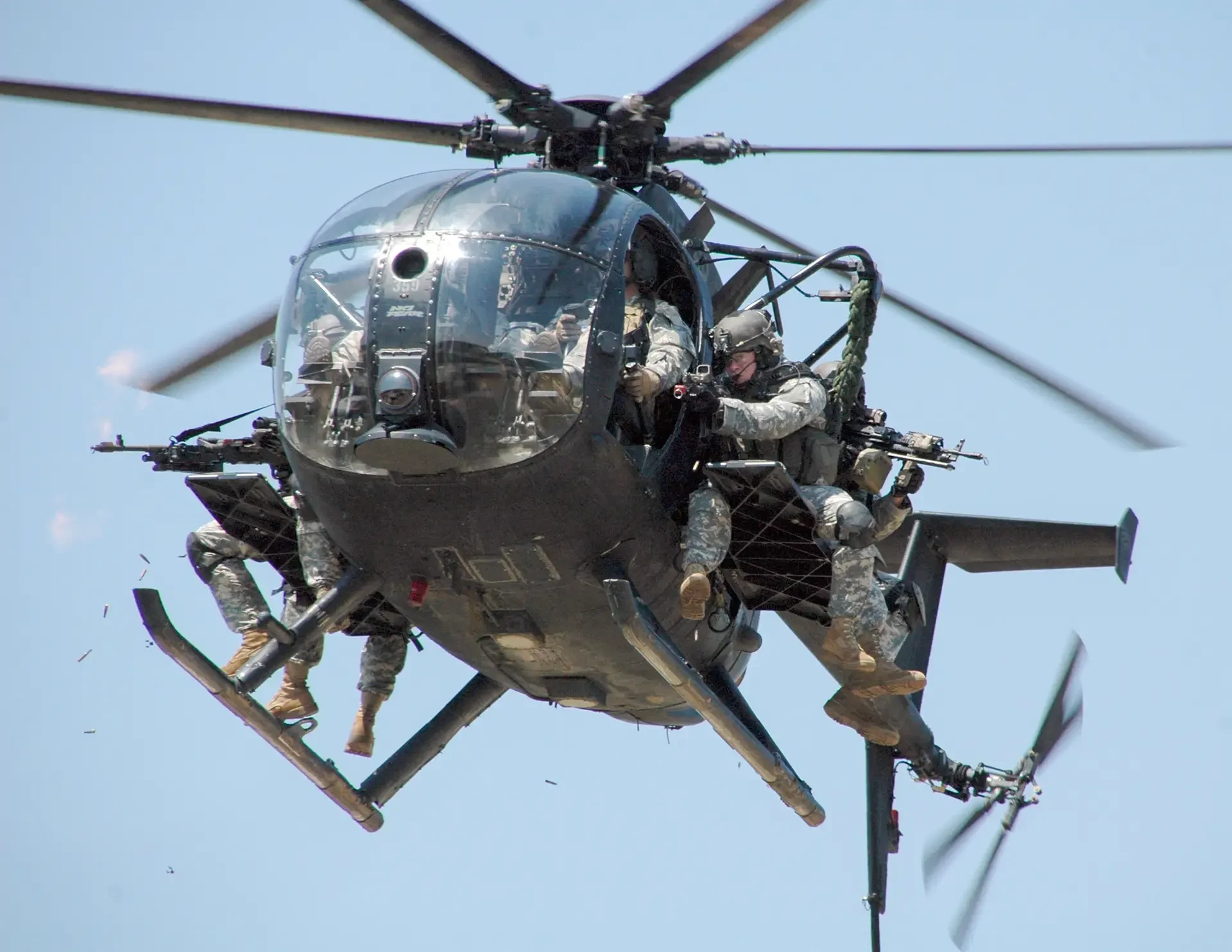
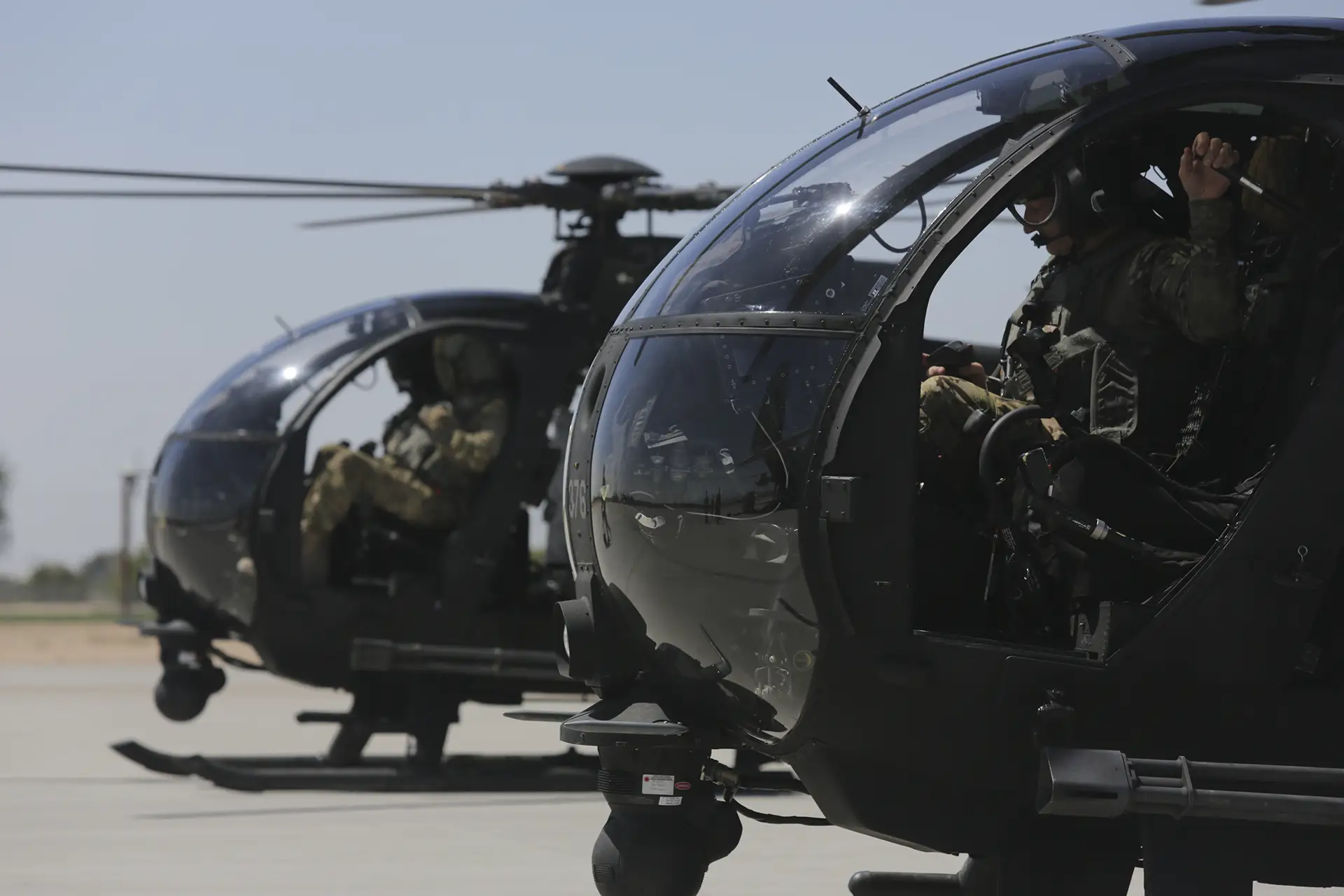
It appears that due to the nature of the terrain, it was deemed necessary to fly in and assemble a number (potentially four) MH-6 'Little Birds' of the 160th SOAR to affect the pick-up. Experienced commentators have suggested four MH-6s (two per C-130) were deployed - two with litters for the actual pick up, and two configured for the escort/light attack role. The use of the MH-6s also perhaps speaks of the saturation of the area by IRGC and other enemy units; compared to a Pave Hawk, the Little Bird's relatively low acoustic, visual and radar signature may have been a consideration in not leading the Iranians to Dude 44B's location. Even though it took over 48 hours to execute the recovery off Dude 44B, this is a mere blink of an eye compared to the planning that went into the Eagle Claw mission. For context, the whole scenario also played out well within the usual Air Tasking Order (ATO) 72 hour planning cycle - but it was enough time for the IRGC to flood the search area with people. There was no time for advanced recces or crew training; they went with what they had and employed the TTPs, and experience, accrued from multiple training evolutions. Experience no doubt helped by a spookily similar exercise, Agile Chariot, conducted in 2023 where as an example of Agile Combat Employment (ACE), USAF MC-130Js delivered MH-6s to a sterile piece of road in Wyoming to conduct operations with, you guessed it, A-10Cs and drones...
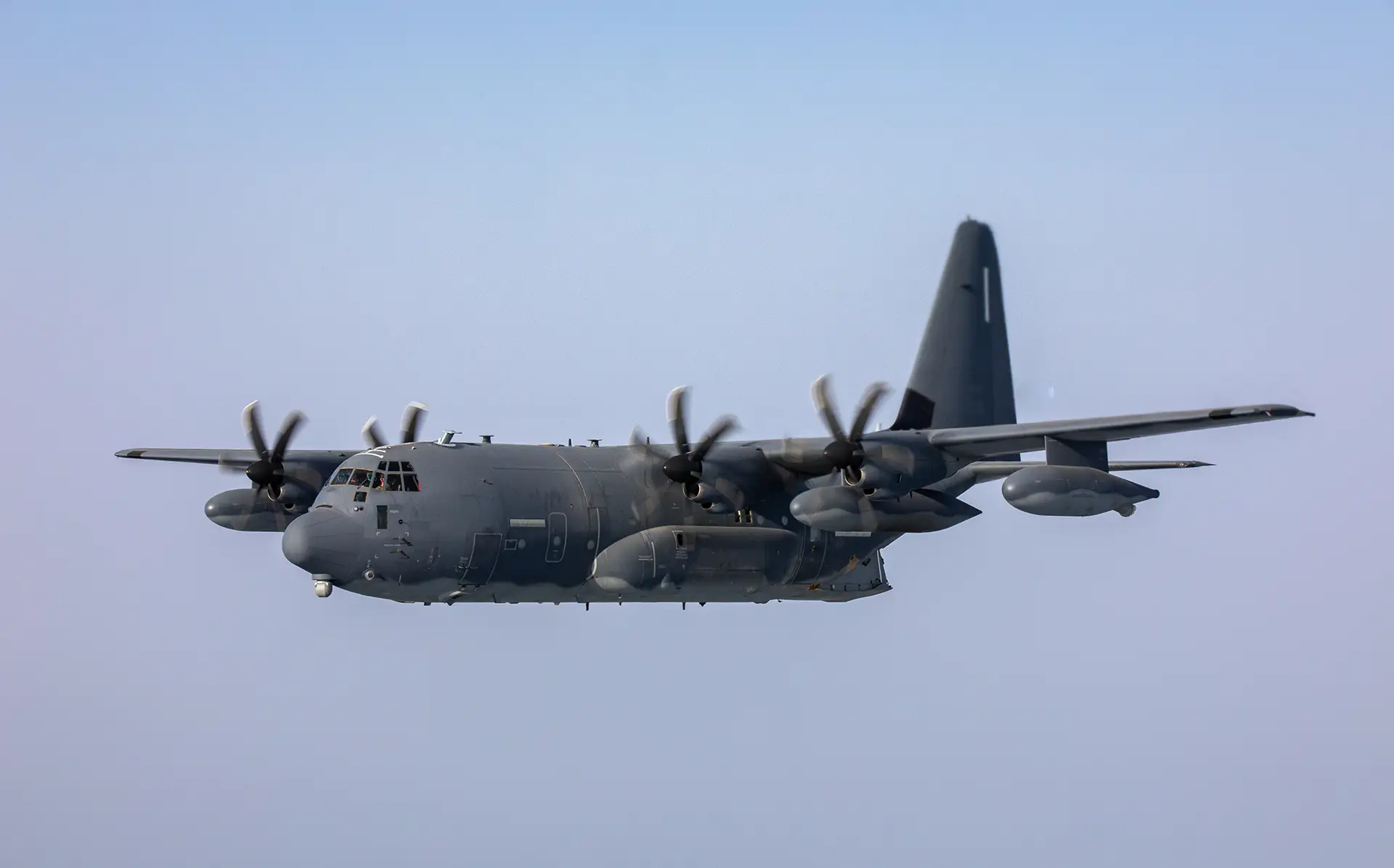
Thanks to a number of diversionary attacks and feints (and likely deception jamming, comms spoofing, and cyber-attacks), the recovery of Dude 44B was successfully accomplished. Unfortunately, the weather then intervened, with rain reducing the load bearing capacity of the desert strip, causing the HC-130s to 'bog in'. The decision was taken to deny the aircraft (and MH-6s) in place, with another aircraft (unconfirmed, but possibly a rare outing for one of the USAF's very camera shy Airbus C-295W special mission aircraft) conducting the final extraction of all US personnel.
So, to my mind, the comparisons between Eagle Claw and Epic Fury stop at Geography and platform comparisons. If the weather had been kinder, I doubt there would have much comparison at all...
Secondly, given that the CV-22 can directly trace its requirements back to the fall-out from the Eagle Claw after action report and the Holloway Report, why wasn't it used to recover the crew of Dude 44?
The answer is actually pretty straightforward - once you accept that Eagle Claw and the recovery of Dude 44's crew are entirely different
missions, just sharing geography and some photos of burned out C-130s in the desert.
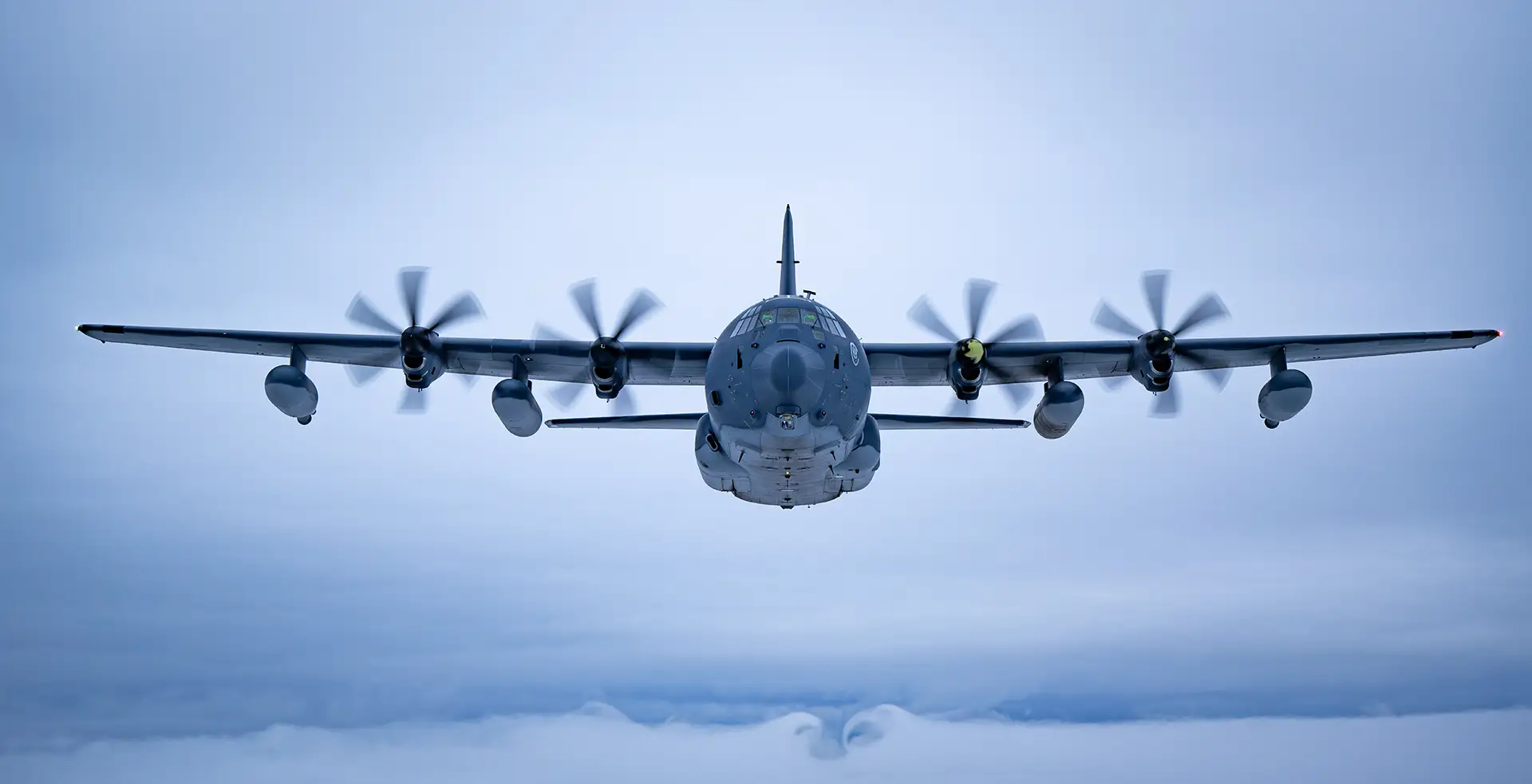
For the USAF, the CV-22 is AFSOC's primary long range insertion and extraction platform. Its crews and systems are optimised to fly a long
way, often under cover of darkness, and insert, resupply or extract SOF, or SOF support, units. While like many rotorcraft crews they will
understand the principles of Personnel Recovery (PR), Combat Recovery (CR) and the Tactical Recovery of Aircraft and Personal (TRAP), it is
not their primary role. I understood the basics of each, including flying with both the QuickDraw 2 (QD2) and AN/ARS-6 Personnel Locator
System (PLS), but the reality was I could complete a PR/TRAP serial if I was the only or closest asset to the Isolated Person (IP).
CR was a much higher risk option that I could consider (and did several times in training) based on the risk v reward ratio.
CSAR was, however, well out of my wheelhouse - especially as part of a complex and rapidly assembled package. Would I have given it a go? Of course, if ordered and needed - but it would have been laden with caveats.
Would I be as capable as a CSAR specialist? Manifestly not.
In the USAF the CSAR specialists are the HH-60 crews - it's their bread and butter. They train hard for the task, enjoy established relationships with the Hercules crews and the Sandys, have the role specialist rearcrew, and, finally, their platforms are fitted with all the required, specialist, equipment to do the job. Therefore, it's not at all surprising that we didn't see the CV-22 employed for this task - either for the rapid recovery of the pilot or the more complex and involved recovery of the WSO. The latter was deemed in need of the specialist attributes of the MH-6 and its highly skilled pilots - and the MH-6 simply doesn't fit into the back of a CV-22, so the C-130 was the better option.
Where the CV-22 might have got involved would have been if one or both of the crew had been captured. If a mission was then
planned to assault their holding location and release them, it that would have been more in keeping with the CV-22's role. CV-22s carrying
SOF operators, refuelling from C-130 tankers on ingress and egress, would likely have been the assault platform of choice if time was of
the essence (even as an ex-Chinook driver I have to concede the V-22 is a lot faster than a MH-47G...just not as cool...) and
negated the need for any form of FOB.
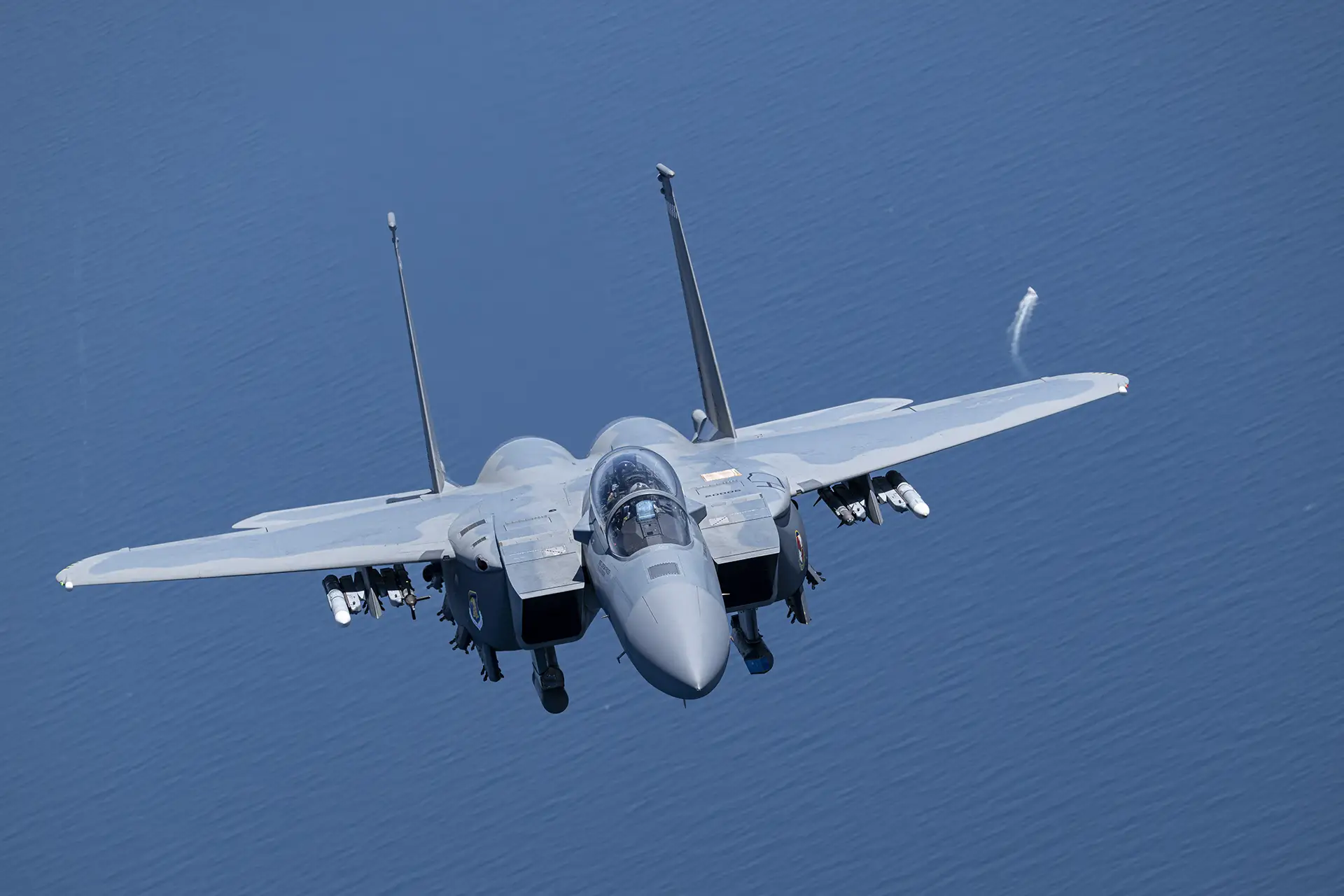
It is perhaps also apposite to recall the mission to recover the crew of another F-15E, 'BOLAR 34', that was lost over Libya during
Operation Odyssey Dawn in March 2011. The aircraft departed controlled flight and entered a spin after a high altitude post-weapon release
manoeuvre; the aircraft's load out and altitude combining to create the departure conditions. Both Pilot and WSO successfully ejected over
hostile terrain. The WSO was fortunate to be found and sheltered by friendly locals, eventually being handed back to US authorities, while
the Pilot was swiftly recovered by elements of the USMC Marine Expeditionary Unit (MEU) embarked on USS Kearsarge offshore - who conducted a
short notice TRAP mission. The recovery platform? A pair of MV-22 Ospreys, with organic support from Marine AV-8Bs and CH-53Es, alongside
USAF F-16s. According to the USMC, after an accelerated plan/brief cycle, the MV-22s launched within 30 minutes of the ejection, transited
130nm to the pilot, and had him back on the deck 90 minutes after take-off, and less than two hours after pulling the handle. Speed is
indeed life...
When it's the closest, best or only platform, the V-22 can extract downed aircrew from a hostile desert environment... and do it quickly.
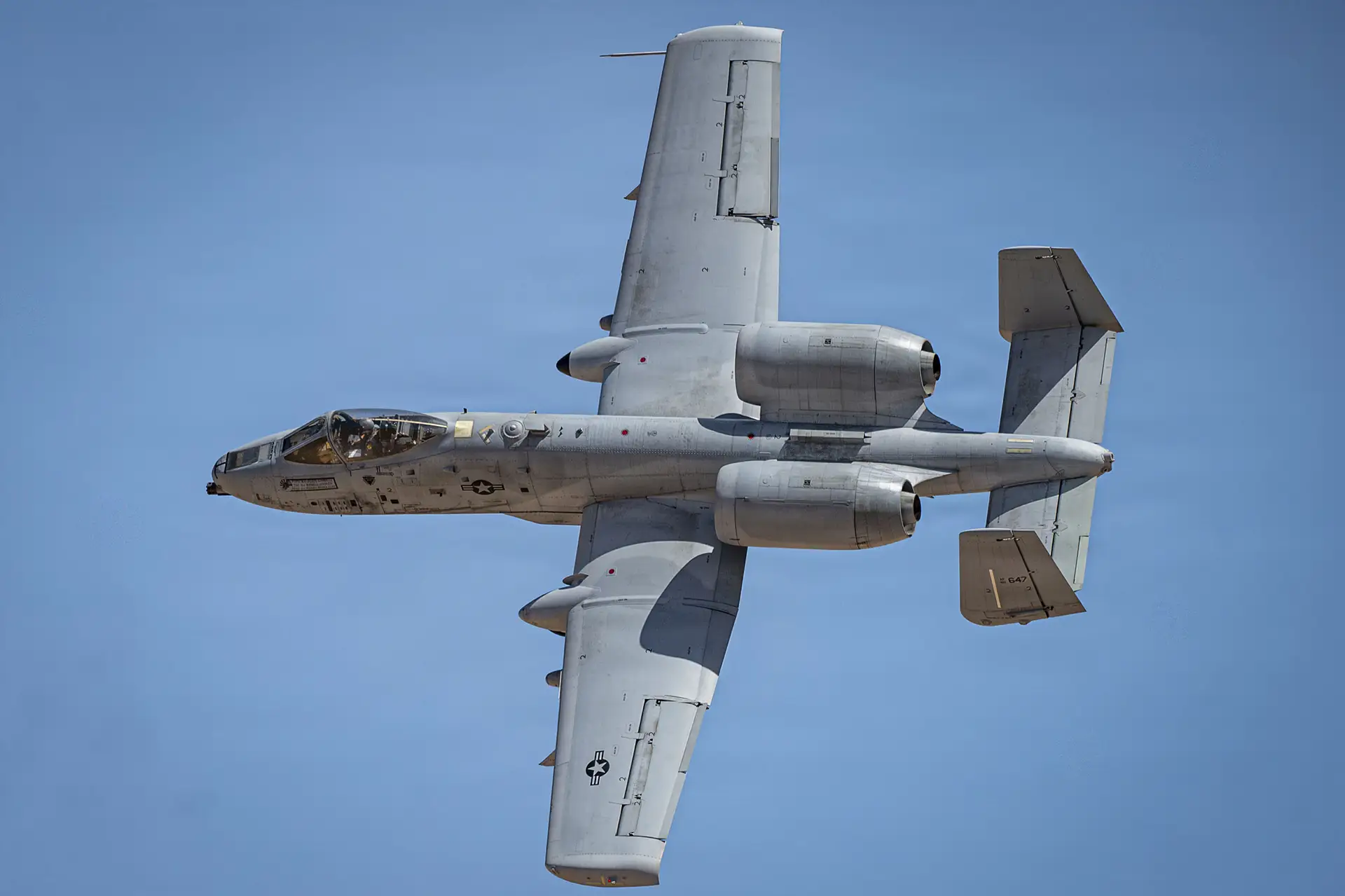
Finally, opponents of the US have been trying to paint the CSAR mission as a defeat due to the material losses. Whilst not publicly
acknowledged at the time of writing, to recover the crew of a single shot down F-15E the US would appear to have lost a pair of HC (or
MC)-130 Hercules, up to four MH-6 Little Birds, one of the Sandy A-10Cs (with the pilot successfully ejecting over friendly territory) and
some battle damage to the HH-60Ws. To the uninitiated, that seems a lot of effort to rescue two people - likely over $300m in assets.
However, the US has a large and resilient fleet of platforms. It has literally hundreds of C130s, and the line is still 'warm' so additional airframes can be bought and/or modified to backfill the pair lost. The A-10C fleet is slated for retirement, but there remains plenty of spare airframes (around 200) in the 'Boneyard' that could be reactivated if needed (some flew in less than 18 months ago). Little Birds are just highly modified, but still relatively cheap, versions of the venerable MD500 - albeit built by Boeing not MD Helicopters.
For the UK, as an example, with a fleet of just 22 A400M Atlas Tactical AT aircraft, losing two airframes in a single mission would represent an attrition of nearly 10% of the total fleet - and therefore operationally unsustainable and politically impossible. Whereas for the USAF, with circa 300 C-130s in the inventory (and about the same number also in the 'boneyard'), it's simply not the same equation - enabling planners and commanders to operate with a greater risk appetite - hence why they were prepared to destroy all of the RH-53Ds on Eagle Claw, or crash land the HH-3 into the prison compound at Son Tay in Vietnam.
There is also the 'code' of the military aviator to consider.
Every time I stepped to my CH-47 in a warzone, it was an unwritten rule that if we went down, my friends and coalition colleagues would do their utmost to recover me, my crew, and any embarked personnel.
The Chairman of the Joint Chiefs, General 'Razin' Caine, himself a career fighter pilot, put it well at the post mission press briefing;
“This was an incredibly dangerous mission, an incredibly dangerous undertaking. But a filled promise made to every American warfighter
that you will not be left behind. We will always come find you, and we will always bring you home.” 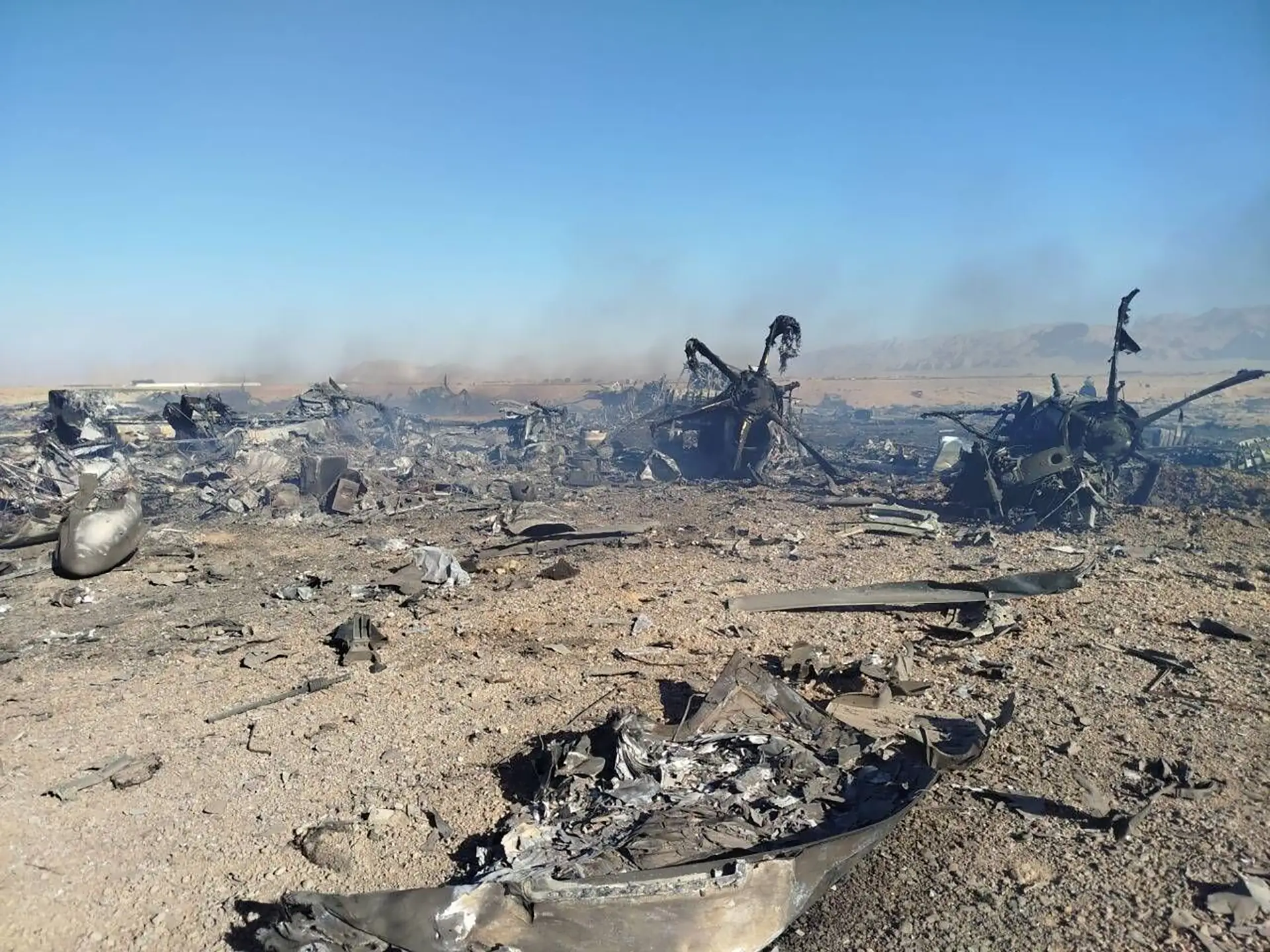
To quote another US General, Eisenhower, 'Morale is the greatest single factor in successful wars'. The US and Israeli crews that
walked to their aircraft the day after the recovery of Dude 44B would have done so with renewed confidence that if the worst happened, they
would have brave people risking their lives to extract them. In many ways it is similar to the 'deal' struck between Coalition troops and
the MedEvac crews in Helmand, Afghanistan. UK CH-47s ('Tricky') and US HH-60Gs ('Pedro') assets were held a Very High Readiness (VHR) 24/7
to keep the promise; if you walk off my ramp or drive into the firefight, and if you get hurt, we will come and get you. The number
of bullet holes in airframes, and in a couple of my friends, attest to that commitment.
Maintaining morale is a crucial part of retaining fighting spirit; I guess that this intangible is harder to grasp if you've never served, and if you consider warfare more from the perspective of assets on a balance sheet.
In time the books will be written, and inevitably shortly after the screenplay. Whatever your personal thoughts on the conflict in the Middle East, it's hard not to be impressed by the commitment, courage and ingenuity of the US CSAR community and supporting assets in bringing the crew of Dude 44 safely home.
Unlike Eagle Claw, where the US 'had the guts to try' but ultimately failed, this successful and extended CSAR mission showed not just the guts, but also the will to pay the price in equipment terms to succeed.