 HOME
HOME




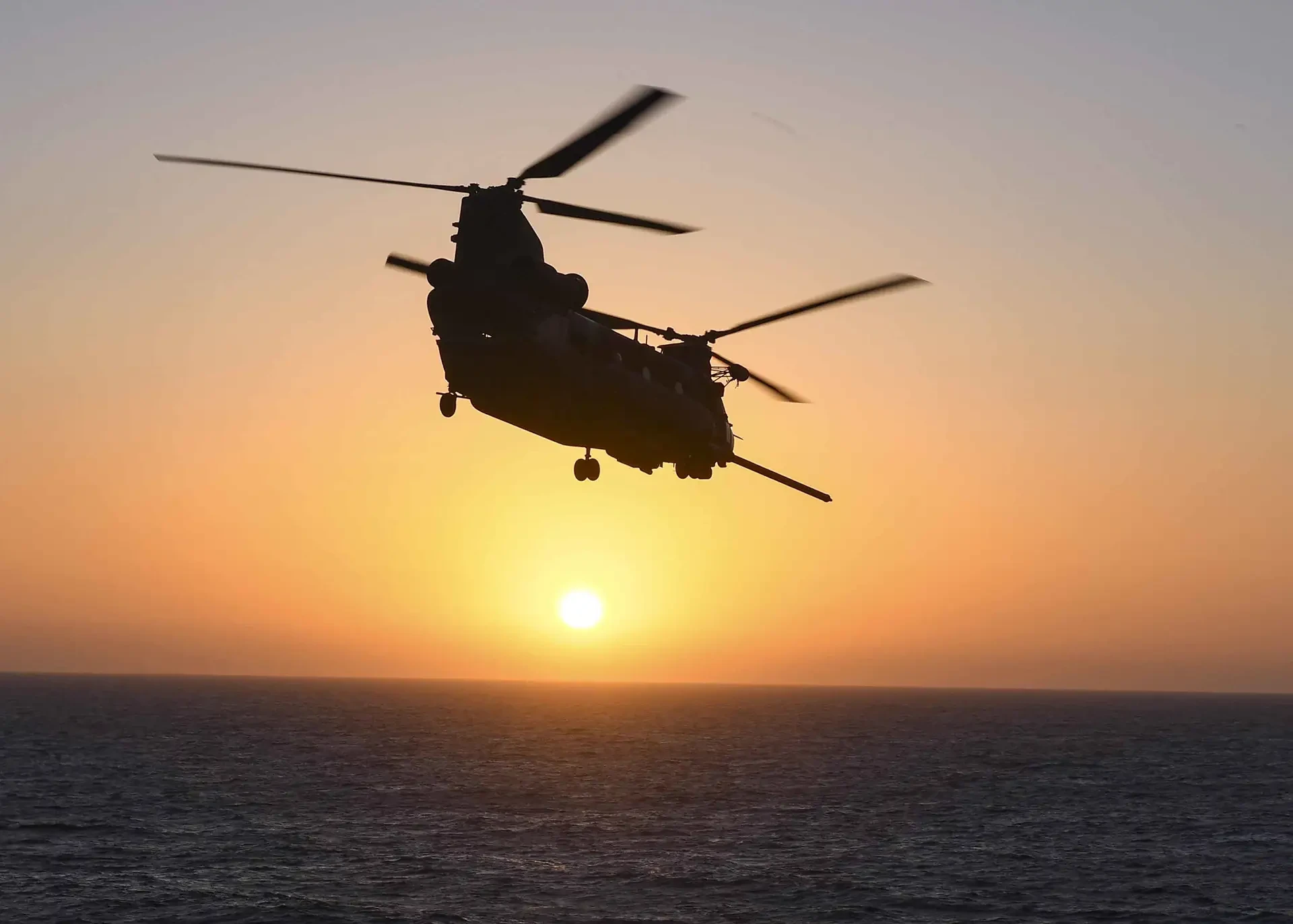
Ever since the disastrous attempt by Russian airborne forces to affect a coup de main on Hostomel airfield as an opening gambit of the unprovoked aggression against Ukraine, many 'experts' have been eager to declare that the helicopter has become simply too vulnerable to survive on the modern (i.e., Ukrainian) battlefield. The mission concept of the Hostomel operation was sound; land Special Forces directly on the airfield to seize key facilities and then exploit Tactical Air Landing Operations (TALO) to deliver more troops, vehicles, and equipment via Air Transport aircraft in order, one assumes, to conduct a 'thunder run' to Kyiv and capture or displace the Ukrainian leadership. At which point it would be 'game over', with a Russian-friendly regime installed, and Vladimir Putin basking in the glory of a cheap and quick 'win'.
Great idea. Appalling execution.
The losses of helicopters to Ukrainian fighters, MANPADS and gun systems on the airfield significantly disrupted the synchronisation of RW
and FW packages - to the extent that by the time the airfield was captured, the moment had passed and the encircled troops had to conduct a
fighting retreat to escape. I discussed the failing of the operation in my article 'Is Air Assault Dead, or Merely Resting?'
in Antares Issue 5, but in summary the decision to conduct the assault in daylight was flawed, the package integration
between the helicopters and their fighter escort was poor (seemingly little better than 'same way, same day') and the sole tactic employed
seemed to be to fly as low as possible and deploy pre-emptive IR decoy flares. Ever since the strategic failure at Hostomel,
helicopters have been under intense scrutiny (much in the same way as Main Battle Tanks) with critics suggesting that they cannot survive in
a battlespace infested with MANPADS, radar-guided SAMs, and AAA and, increasingly, First Person View (FPV) drones.
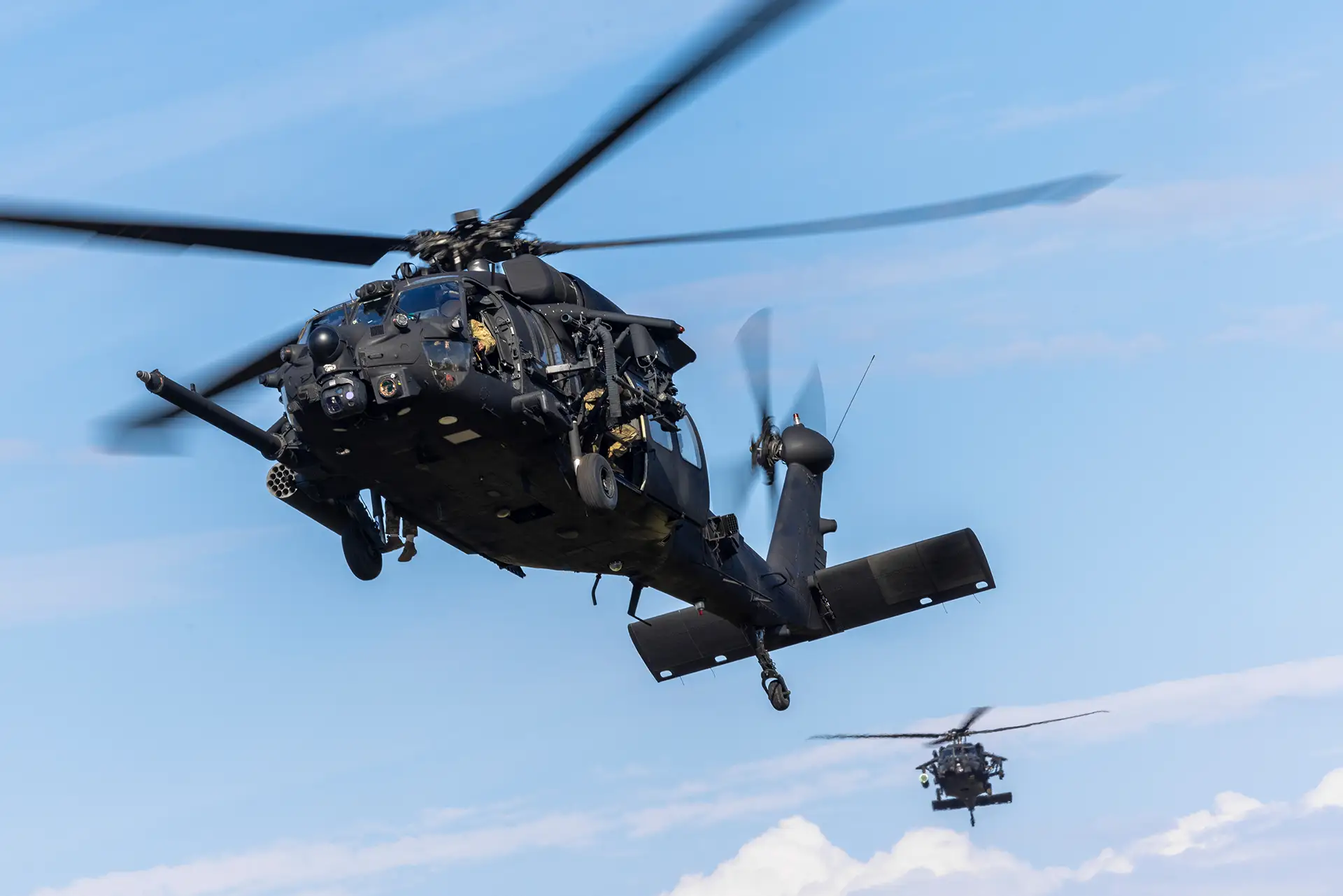
However, recent events in Venezuela suggest that those drafting the obituary of the helicopter as a battlefield influencer may have been
somewhat premature.
Where Russian forces failed spectacularly, the US demonstrated to the World the brutal efficacy of its well-oiled, synchronised, and highly
trained military. Reports suggest that the SOF assault on President Maduro's compound involved approximately 150 platforms, including
B2s, F-35s, F-22s, and legacy Fast Jets, as well as Low Observable ISR platforms such as the semi-secret and rarely seen RQ-170 drone.
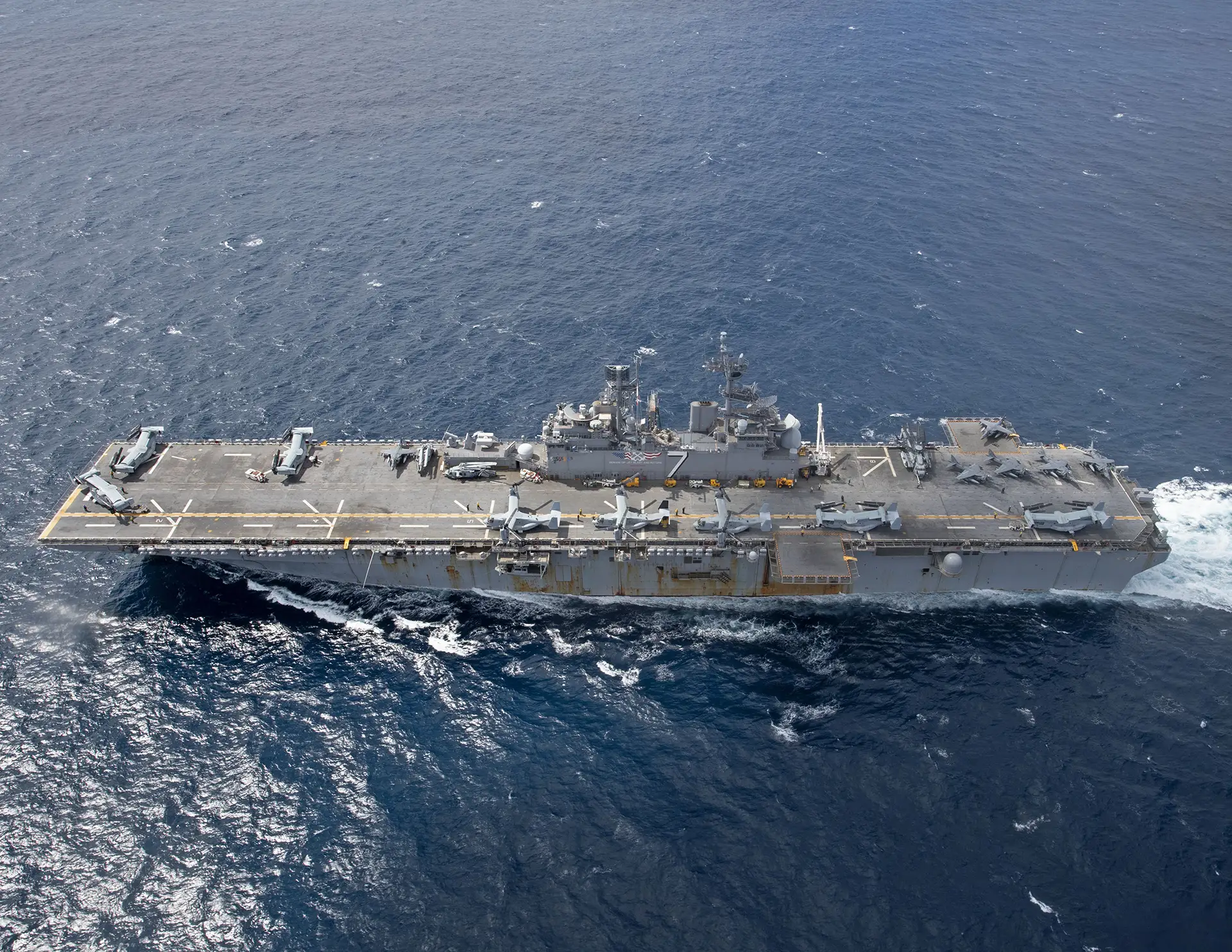
While many of the platforms involved lurked at altitude in darkness and stealth, the public 'face' of Operation Absolute Resolve was the
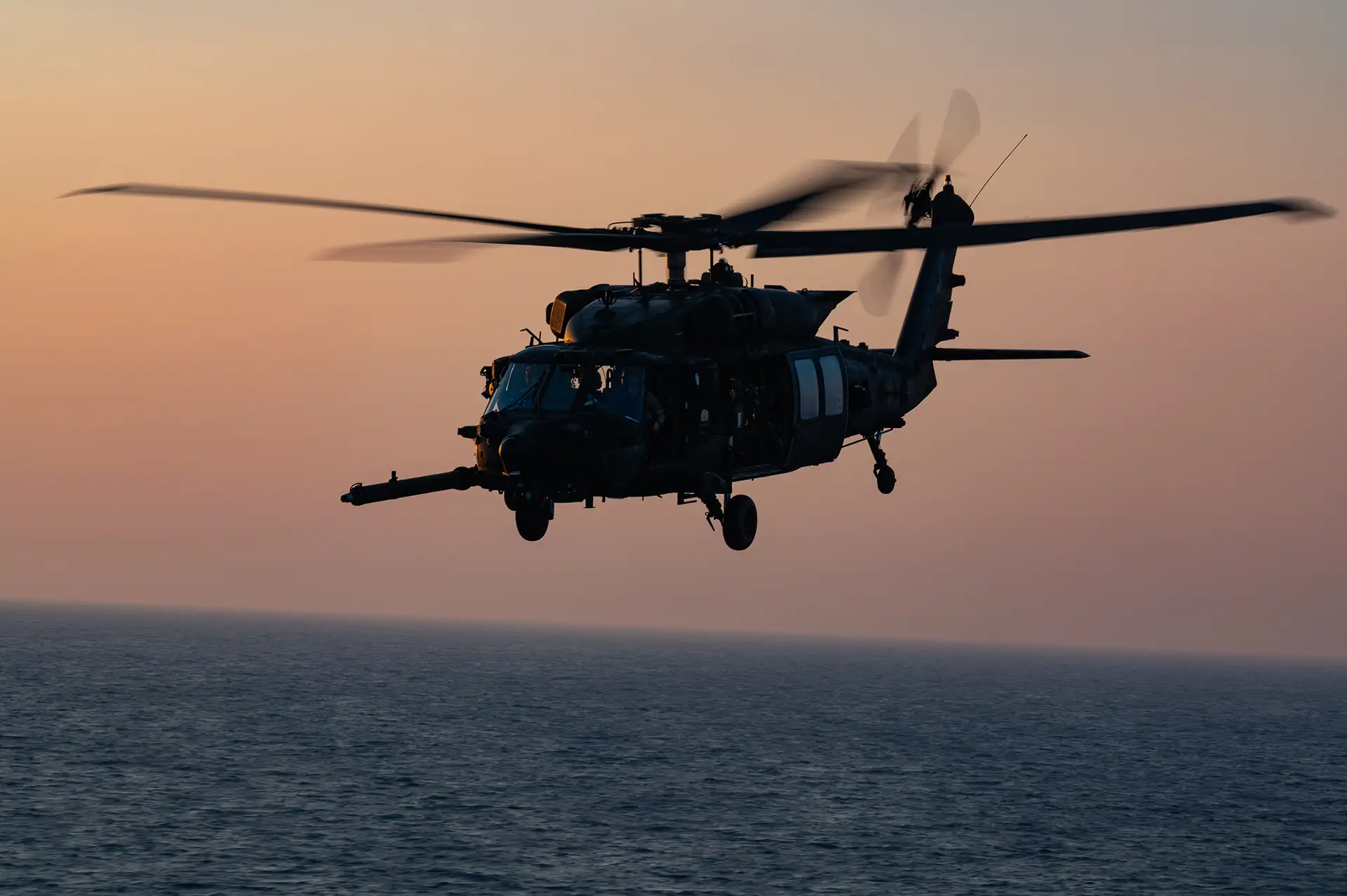
assault helicopters of the 160th SOAR, and the formidable MH-47G Chinook and MH60M.
Grainy footage shows waves of helicopters transiting through Venezuelan skies and hovering over buildings, seemingly with impunity.
How, then, has the US managed to conduct such a spectacular mission so successfully, without any losses, not to mention one that must make
Russian commanders seethe with envy?
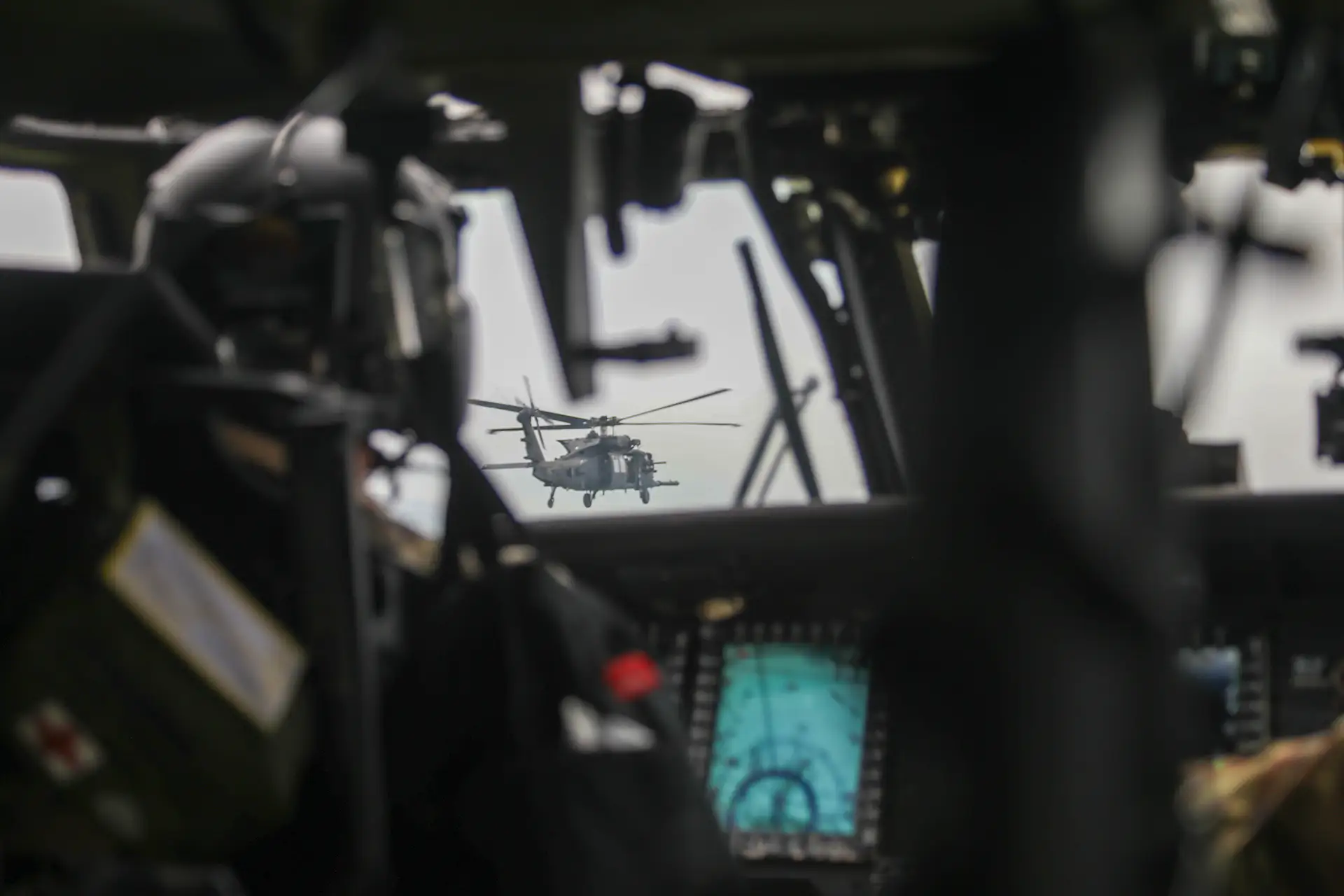
The secret, in my opinion, lies in three key areas.
Firstly, at the Operational Level, the US has a full 'playbook' of combined and joint operating procedures. The mission involved
elements from the Army, USAF, USN, USMC, and SOCOM all working together. Unlike the seemingly disjointed, ad hoc nature of
the Hostomel plan, this mission would have been closely coordinated among the various services and packages. The 'tip of the spear'
were the Delta Force operators in the MH-47Gs, but the path for them to fly through would have been opened by a careful ballet of support
elements, coordinated with exquisite timing, to deliver overwhelming effect. There will have been weeks of ISR 'soaks' to determine
the enemy's OrBat and location, and the target's Pattern of Life, as well as 'on mission' assets to maintain a near real-time picture as the
mission unfolded - being ready to highlight any 'pop up' threat or unpredicted response. A full gamut of cyber, electronic, and
kinetic means will have ruthlessly targeted Venezuelan Command and Control (C2) infrastructures. Russian-supplied SAM systems would
have been located and targeted by the Suppression of Enemy Air Defence (SEAD) package. At least one Buk-M2E system appears to have
been destroyed, and the lack of meaningful damage to US aircraft suggests the remainder were suppressed, avoided or avoided the fight
altogether. Venezuelan Air bases appear to have been hit, likely by stand-off weapons and LO bombers, while F-22s likely flew an
Offensive Counter Air (OCA) sweep to pick off any Venezuelan jets that ventured airborne.

In effect, Venezuela's ability to secure its own airspace was denied. The helicopters could operate under an umbrella of protection.
Secondly, at the platform level, US 'Mission' helicopters deploy high technology to seize and maintain a combat edge. Two key areas of difference stand out. Unlike the assault on Hostomel, the capture of Maduro was executed in darkness. The MH-47G packs a sophisticated combination of the AN/ZSQ-2 Electro Optic Sensor System (EOSS) and the AN/APQ-187 'Silent Knight' Low Probability of Detection (LPD) radar to enable it to operate safely at low level at night and in poor weather. Crews would additionally have high Figure of Merit (FoM) Night Vision Goggles (NVGs), where longevity of the Image Intensifier Tube (IIT) is traded for gains in performance. If you forgive the obvious pun, there's a night and day difference between the pilotage aids on a MH-47G and the assault platforms used by the Russians at Hostomel.
US special mission platforms also have multi-layered survivability systems - far in excess of those fitted to most Russian aircraft.
Many amateur observers have expressed surprise that MANPADS did not simply shoot down the helicopters. It's not their fault; they've
been conditioned by combat footage from Ukraine and other conflicts (as well as Hollywood...) that helicopters are highly vulnerable to
them. They are seemingly unaware of the difficulties in employing a MANPADS at night against low-flying targets - a job made even
harder by the Rolls-Royce / Allison IES-47 Infra-Red Suppression System (IRSS) fitted to SOCOM's MH-47Gs. The IRSS dramatically
reduces the platform’s thermal and IR signature, making acquisition and lock extremely difficult. If a skilled operator was lucky
enough to be in a viable engagement position, the -47G carries a battery of Self Protection Systems, including a version of the AN/AAR-57
Common Missile Warning System (CMWS) and AN/AAQ-24 Laser IR Counter Measure system, as well as IR decoy flares, to prevent a MANPADS
hit. To counter radar threats, the aircraft is fitted with the AN/ALQ-211 system, which includes detection, jamming, and decoy
capability. Finally, the aircraft has multiple gun positions and ballistic protection if it finds itself, as often it will, on a
'two-way range' with enemy ground forces.
Finally, the human factor.
It is impossible to overstate how well-trained the crews of the 160th SOAR are. They can call upon vast reservoirs of flying and operational time, with a (frankly ridiculous) number of night flying hours logged - often running into several thousand. My contention remains that the rationale as to why the Russians elected to hit Hostomel at first light was that their pilots were not as proficient as their NATO equivalents in night operations and were flying aircraft with very basic equipment and relatively low currency. Likely encouraged by hubris and a belief it would be a walkover (As Crimea had been in 2014), they elected to assault in daylight.
As well as the mechanics of the operation, NATO militaries also have scores of highly skilled mission planners in headquarters, as well as
cadres of tactics, weapons, and Electronic Warfare experts at the unit level. They train hard and collectively; the 'Flag' series of
realistic exercises in the US is perhaps the best-known, but dozens are held every year throughout the Alliance. The crews and
operators involved in Venezuela would likely have conducted thorough mission rehearsals against mock-ups of the target location and run
through a number of 'what ifs?' and 'actions on' so that as much uncertainty as possible was removed from the equation. Prior
Preparation Prevents...well, you know the rest....

The brilliantly executed mission to capture Maduro should give critics of helicopters pause for thought. It was a mission that a Fast Jet or a drone simply couldn't conduct. Vertical lift platforms bring unique attributes to the Joint Force, and provided their missions are well planned and suitably supported by enablers, they can still deliver a battle-winning effect.
Operation Absolute Resolve is perhaps a manifestation that Air Assault via helicopter isn't dead or even resting - it's very much alive, provided the platforms and crews are invested in, and a proper combined arms plan is derived and executed.