 HOME
HOME




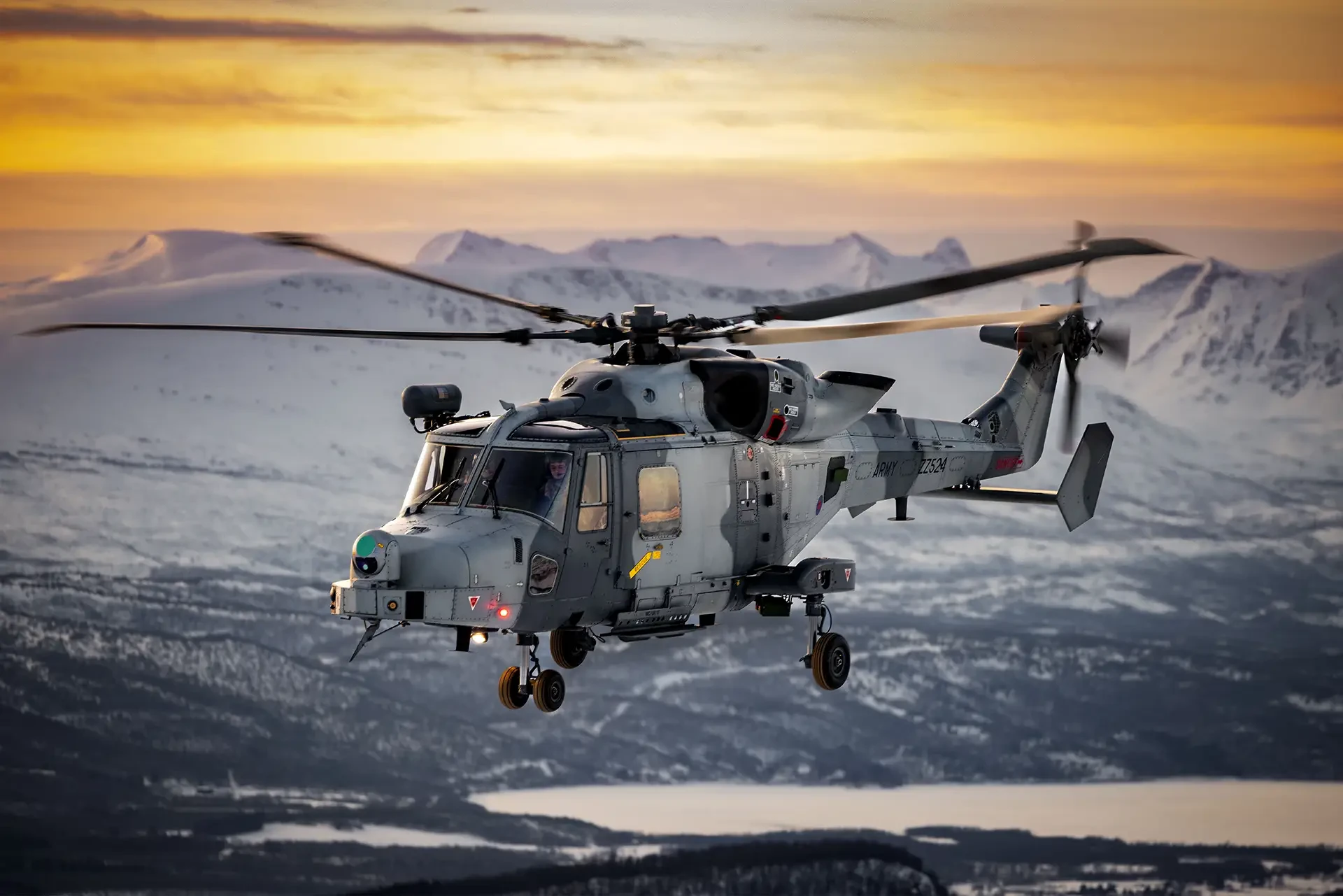
After a frustrating period lasting several months, the UK has finally published its Defence Investment Plan (DIP), which finally offers the 'how' to last year's 'what' outlined in the Strategic Defence Review (SDR). In this two-part series, Paul Kennard examines the plan and provides insight into its likely effectiveness.
At the time, the UK's Labour Government, under newly elected Prime Minister Sir Kier Starmer, welcomed the publishing of the SDR and endorsed all 62 of its recommendations, stating that it would provide a "battle-ready, armour clad" nation - better prepared to deter and, if necessary, confront the likes of Russia and China.
Unraveled – Quickly
The plan didn't take long to unravel over questions about funding shortfalls.
Although expected a mere handful of months after the SDR, it has taken over a year to release the DIP. The reasons are that, it would appear, MoD and the Treasury couldn't agree on exactly what was in and out of scope; the MoD had significant over-runs on existing legacy programs, and the Treasury didn't see why it should bail out systemic MoD Project Management failure (again). When asked what the fiscal gap was, the generally accepted position was circa £28bn, some three times what the Treasury, it seems, was prepared to offer. This inter-departmental argument has cost the government a significant chunk of its already eroded credibility, three resignations from the Government's Defence team, including the Minister himself, and may well have been a major factor in the fate of the then Prime Minister himself, who, at the time of writing, was replaced by Andy Burnham. The eventual release of the DIP left nobody happy; an uplift of some £15Bn (depending on how you account for it) was more than the Treasury wanted to fund, and much less than Defence needed to continue to modernize, recover stockpiles and increase combat mass, without making some quite brutal cuts.
Oddly, however, the Treasury can find money for other areas; £60bn plus on 'Net Zero' and even £4.5bn over the same period as the
DIP to fund cycle lanes and crossings....
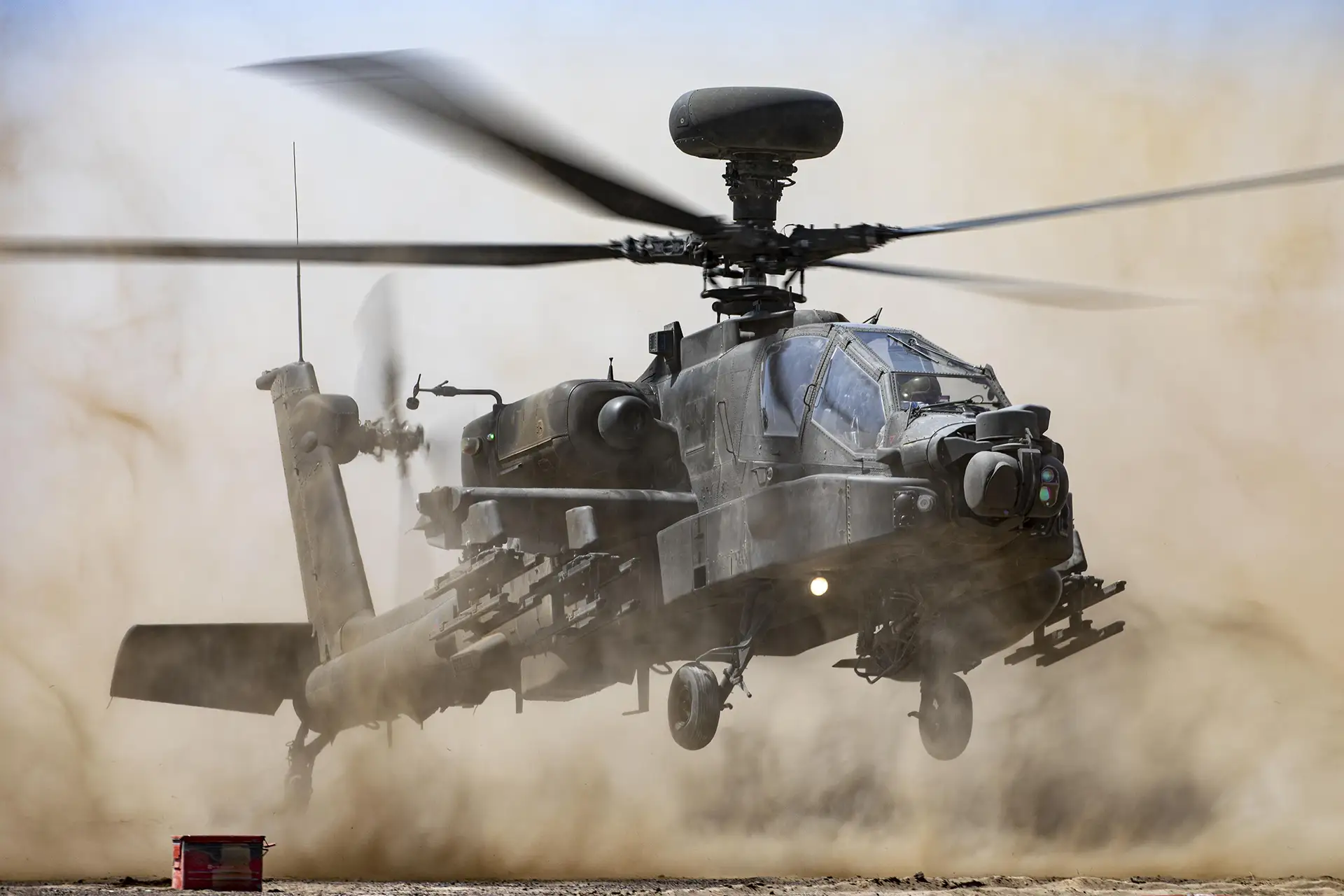
Politics aside, what are the implications set out in the DIP for the UK's helicopter fleet? There are clear winners and losers, and the
implications of decisions that sit both sides of the ledger may well ripple through the planning assumptions for other nations too.
First, the 'winners' from a helicopter perspective. Spoiler alert: there are not many depending on your perspective...
The biggest winner is probably the uncrewed area; both Artificial Intelligence (AI) and Autonomy were to the forefront of the announcements.
Why?
Firstly, and cynically, because people are proving harder to recruit. Once you do have them, they can cost huge sums in capitation costs over both their career (recruitment, training, salaries, equipment, accommodation, medical and the few remaining 'perks') and in retirement once they leave through military pensions. People are living far longer than, perhaps, two generations ago, so this pension burden (currently nearly 10% of the UK Defence budget) continues to grow.
Secondly, and perhaps more aligned with direct military output, the tempo of modern warfare has accelerated; both in terms of the pace of combat itself and the increasingly impossible task for human commanders to parse the mountain of data now available in a tactically relevant timescale. Autonomy, in the form of reconnaissance 'drones' can gather huge amounts of data, rendering the battlefield 'transparent' to a degree. Crunching this data to detect and locate threats and opportunities before the information 'stales out' simply can no longer be a Human in The Loop (HITL) process. Augmented Decision Making (ADM), using AI agents to sift data from all sources and present considered options to decision makers at all levels, is the direction of travel, with a Human ON The Loop (HOTL) monitoring the traffic flow and making the final calls via an ADM process. Eventually, some foresee a time where the West has no choice but to go 'weapons free' with AI to counter opponents who may be less scrupulous in exploiting the 'autonomy advantage' on the battlefield - perhaps resulting in a 'Human Observing the Loop', capable of stopping activity but not actively involved in the decision-making cycle.
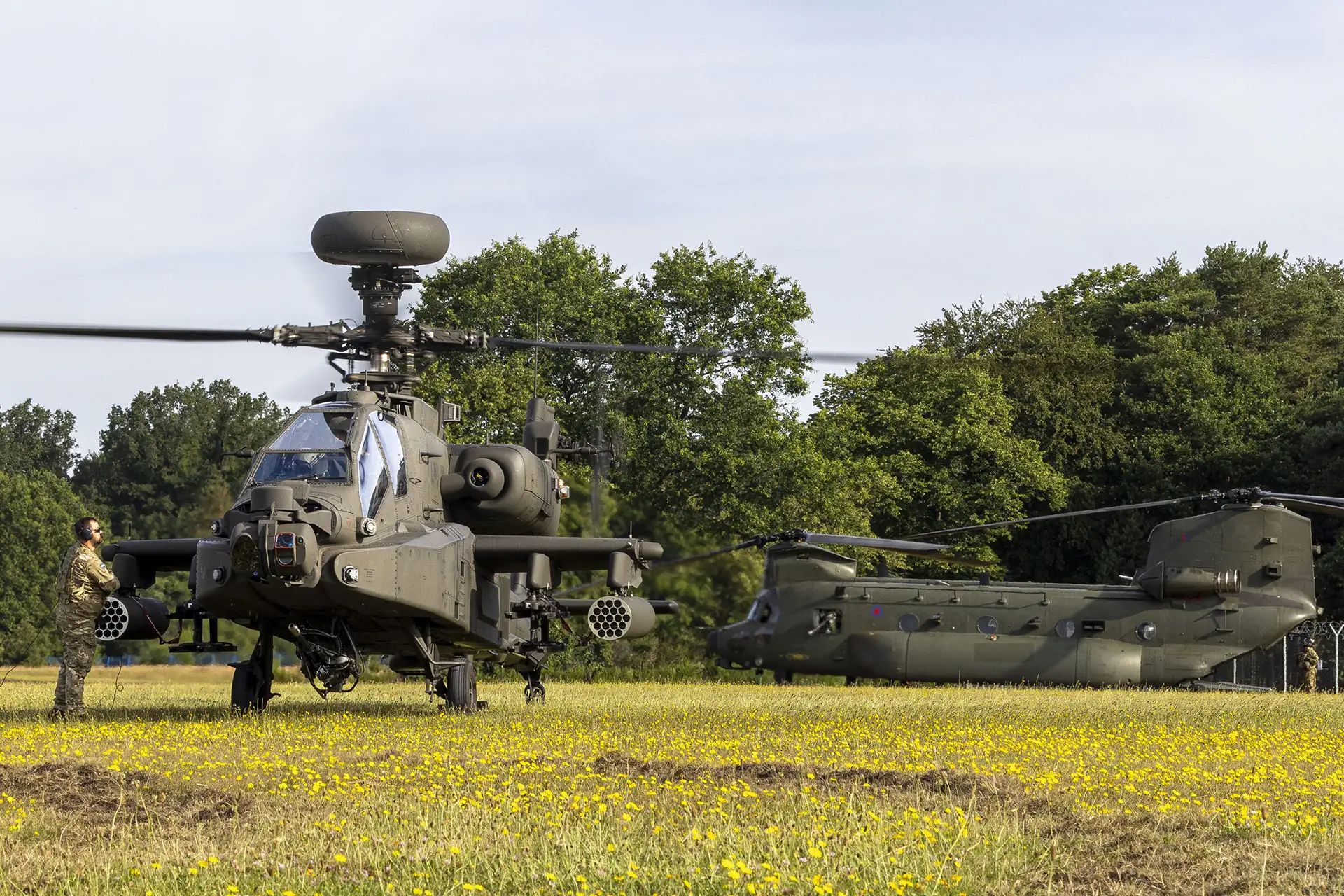
The headline grabber for the 'Autonomy/AI' investment was, in my opinion, Project NYX, designed to give the AH-64E Apache fleet increased combat mass and lethality by teaming it with Collaborative Combat Aircraft (CCA). Recent doctrine papers surrounding the concept of 'Recce Strike' suggest a 'one to three' or a 'one to four' ratio for crewed and uncrewed systems across the land battle (which Apache is part of...). Unlike a Launched Effect (LE), which is cheap, small and relatively light with a fixed purpose, and a limited range/endurance, CCAs are much larger, complex and more expensive platforms, meaning that unless for very high value target sets (or last-ditch self-defense), they are not deemed 'attritable' nor 'single use'. CCAs can fulfill a number of battlefield tasks in concert with the AH-64E. These include moving ahead of the manned platform, conducting route and obstruction recce, as well as Target Acquisition - effectively acting as an extension of the Apache's sensor suite, or flank escort. A much cheaper LE can deliver elements of ISTAR, but it is unlikely to feature comprehensive sensors, nor can it also act as a locum for the Apache in terms of target prosecution. A CCA can carry its own weapon systems, extending the Apache's 'teeth' as well as its 'eyes'. A blend of '1 to 4' Apaches to CCAs would make it far easier to defend an extended border area, leaving fewer gaps for the enemy to exploit, and make it quicker to assemble combat mass in the case of a battlefield advantage.
Autonomy also appeared in the Maritime environment, with the Leonardo PROTEUS UAV namechecked directly as an example of the 'direction of travel'. Based upon the PZL SW-4 helicopter, PROTEUS was funded by the MoD as a Technology Demonstration Programme (TDP) under the Maritime Aviation Transformation (MAT X) strategy. Whereas MAT X was tasked with assessing the value of autonomous platforms working alongside manned aircraft, the DIP seems to suggest that in due course much of the ASW/ASuW 'fight' will be conducted by uncrewed platforms. They are cheaper to buy and fly - especially if permanence is required, and a wide expanse of ocean monitored for surface and subsurface threats. This will, inevitably, have implications for the future of crewed rotorcraft in the maritime environment - the DIP confirming that in the 2030-35 timeframe the MoD will be investing in "An autonomous replacement for Wildcat Maritime helicopters". The replacement for the larger, ASW-dedicated Merlin remains uncertain, but its current OSD has been extended to circa 2040, so that's a decision that can wait until the 2030s.
The continued development of LEs themselves was also confirmed. LEs can offer a wide variety of capabilities, but, crucially, unlike CCAs and platforms like PROTEUS, they are deemed broadly 'single use'. They are far smaller, simpler and cheaper than CCAs and sit mainly in the 'Disposable Tier 1' area of the RAF's Autonomous Collaborative Platform (ACP) Tier diagram reproduced below, from 2024's 'ACP Strategy' paper (with PROTEUS likely in Tier 3 and NYX crossing the line between 2 and 3 depending on the importance of the mission).

As such, they should be deliverable in large numbers to conduct a variety of tasks, preferably using a common airframe with modular
payloads wherever possible to contain costs, support rapid upgrade, and make certification simpler. Some will be fitted with warheads and
used as One Way Effectors (OWE) or Loitering Munitions, while others will perform reconnaissance tasks. They can also be deployed in
networks to provide assured and secured communications, acting as a short-duration Mobile Ad hoc Network (MANET) to support key missions.
Increasingly, LEs are also being viewed as platforms to deliver both Cyber and Electronic attacks as part of a broader Cyber and
Electromagnetic Activity (CEMA) plan, especially when trying to disrupt, deceive or unhinge an Integrated Air Defence System (IADS) to gain
access for manned platforms into Anti Access / Area Denial (A2AD) zones. The UK has been openly discussing the use of platforms such as the
CH-47 as a LE delivery platform, exploiting its long range, large cabin volume and convenient cargo ramp/load hatch for launch options.
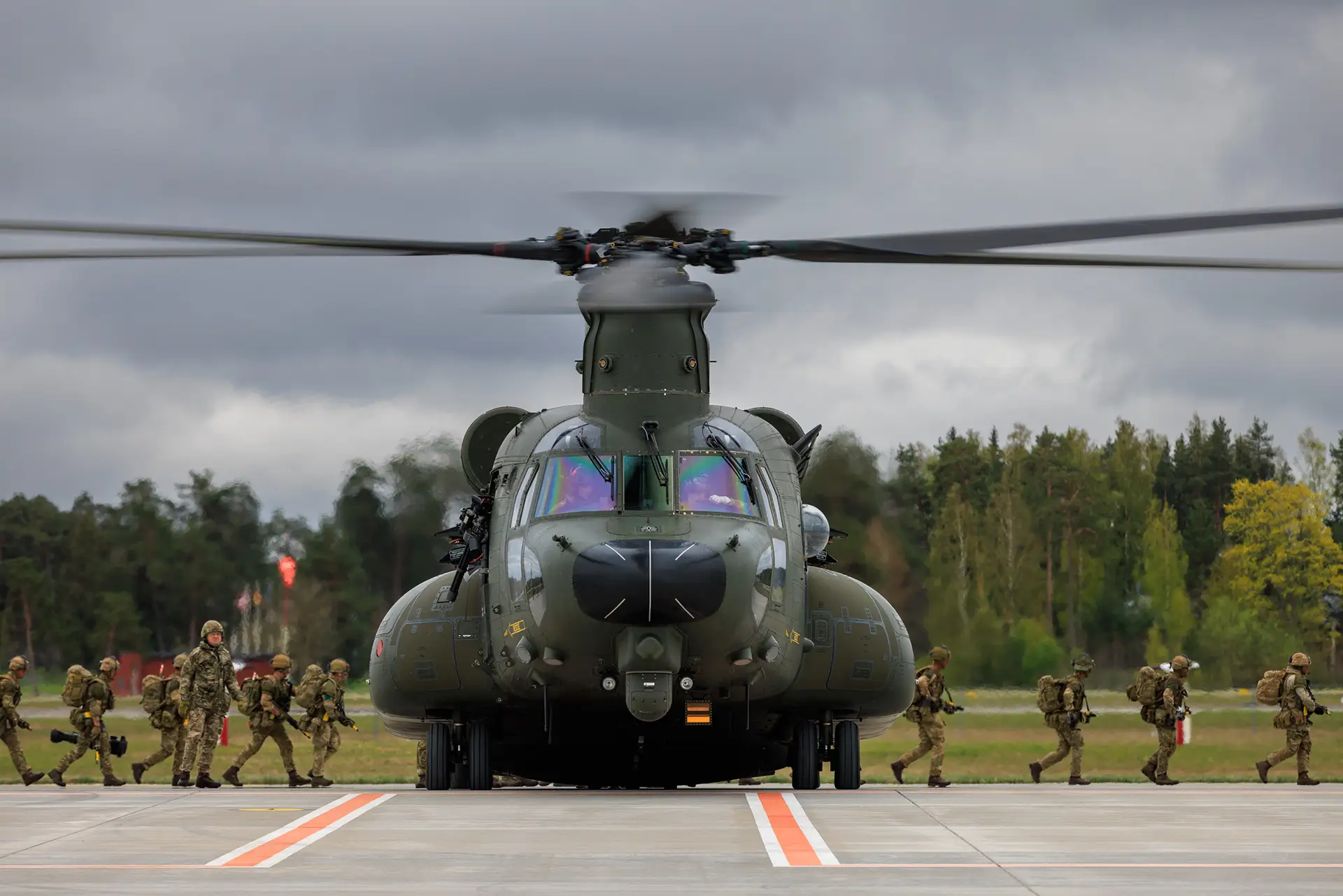
Whether there's enough CH-47s going around to be rolled as LE launch platforms is another matter entirely...
Because, in the DIP, for crewed helicopters, the pickings were indeed slim.
Merlin and Wildcat (maritime) received support funding for the next few years, and the DIP confirmed nearly £700m to "commence building" the much delayed (and criticized) small fleet of AW149s as the New Medium Helicopter (NMH) which is planning to deliver a largely token force of 23 machines (currently with, it seems, 'fitted for but not with' capabilities) between 2030 and 2033. However, crucially as far as the Government is concerned, the order will prevent Leonardo from downsizing or even shuttering the factory at Yeovil before the next General Election due in 2029.
There is sustainment money for both AH-64E Apache and Chinook, with 'no news being good news' for the ongoing acquisition of 14 'H-47ER' airframes (MH-47G Block II), the first of which are currently in build at Boeing's Ridley Park facility. There is a vague promise of a follow-on batch of CH-47s with a statement that there are "planned future purchases of newer Chinooks" presumably after 2030, but it's a lukewarm commitment at best, and, as discussed later, will have some significant impact on the UK's Chinook fleet in the medium term.
When it comes to discussing the 'losers' in terms of helicopters and the DIP, the answer is more clear-cut and significant.
It would appear that the 'drone lobby' has seduced MoD and Ministers with beguiling promises of the battlefield effects, cost savings, and
combat mass their products can provide; leaning nearly entirely on the Ukraine war as a context.
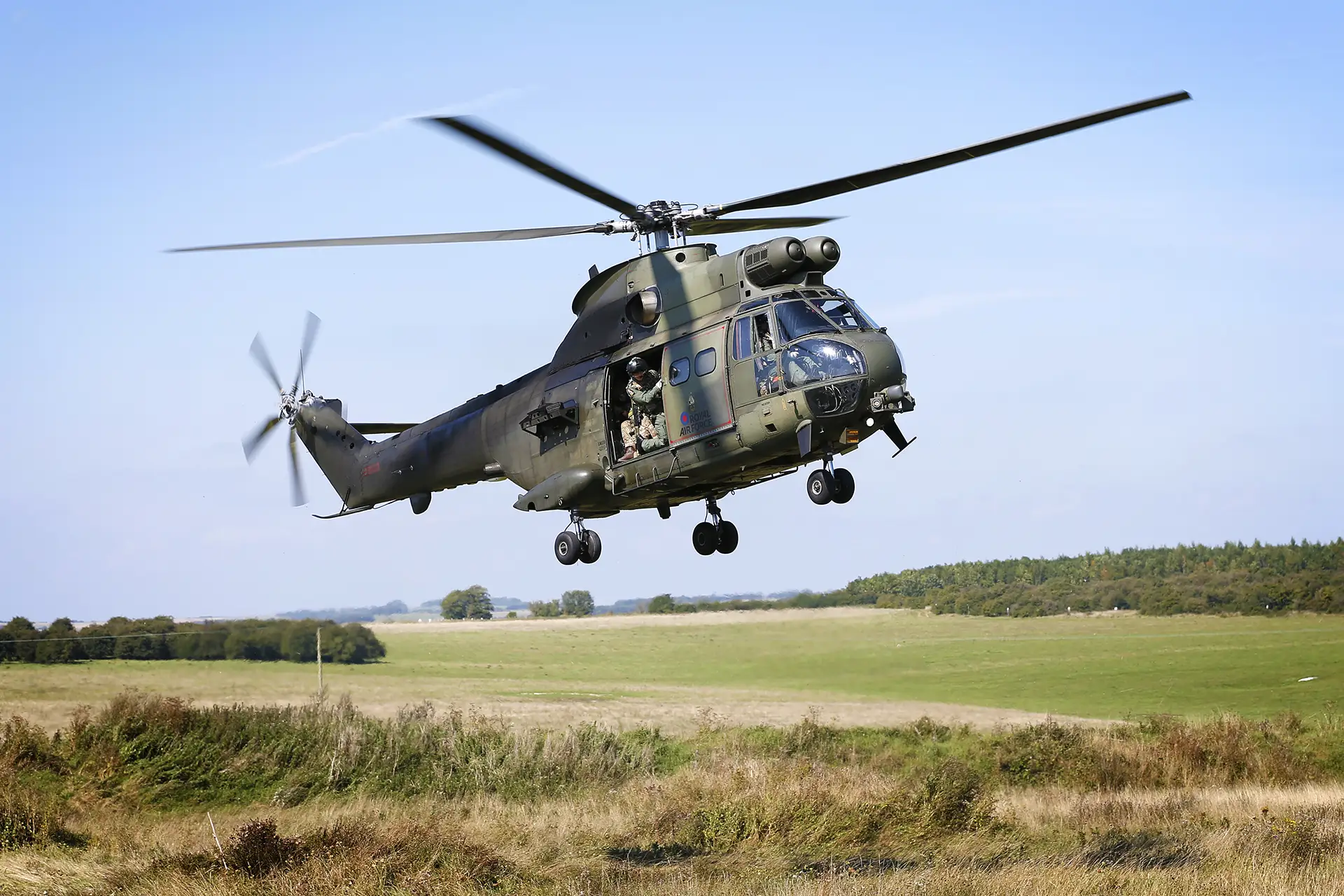
The headline, tucked away in the middle of a paragraph, is that MoD has taken the "hard but necessary" decision to
complete a "phased early retirement" of the Army Air Corps' (AAC) Wildcat fleet, beginning next year. The detail is
currently missing, but that statement has several implications. With the comment that Maritime Wildcat will be replaced with autonomous
platforms by 2035, it sets a 'sunset' date for the entire Wildcat fleet, with the Army's machines all, presumably, withdrawn from use by
2030. What is unclear at this stage is whether this includes the Wildcats operated by 847 Naval Air Squadron (NAS) as part of the Commando
Helicopter Force (CHF), the inference is 'yes' as they operate in the Battlefield Recce role too.
The other hanging question is what does MoD do with the 34 Wildcats the AAC currently have?
Firstly, it seems that there's been a missed opportunity to reform 657 Sqn AAC in the SF support role. Previously equipped with Lynx Mk 7
and Mk 9, 657 provided a useful supplementary capability to the Chinooks of 7 Sqn RAF, but when the Lynx was retired in favor of the
Wildcat, it was deemed insufficient airframes to permit the unit to be sustained. Likewise, MoD lost perhaps its most cost-effective Trials
platforms when 667 Development and Test (D&T) Sqn was also folded due to a paucity of Wildcat airframes. I worked closely with D&T
as part of JHC's Operational Evaluation Unit (OEU) and saw first-hand the quality of the output they could produce, especially concerning
Air Platform Protection (APP), Degraded Visual Environment (DVE), and Helmet Mounted Display (HMD) systems. The costs associated with paying
QinetiQ to conduct bespoke modifications to individual helicopters to support Trials work have ballooned consequently, and D&T's
flexible working arrangements with 1710 NAS acting as an in-house modification and design office mean that MoD now struggles to get new
equipment tested on airframes quickly. I should know; I supported the drafting of a Concept Paper telling them exactly why......
I mean, it's not as if the war in Ukraine is showing us how important tempo is in terms of updates and modifications, is it?
A reformed D&T would serve as an engine room for innovation - and it's not just helicopters either. D&T provided 'surrogate airframes' to service Defence as a whole. During my time on the OEU, D&T conducted Trials on systems and equipment intended for Nimrod, Tornado, Typhoon and even F-35 amongst others.
A true 'opportunity missed'.
If not reforming some niche capabilities, then how does the Army dispose of its airframes?