 HOME
HOME




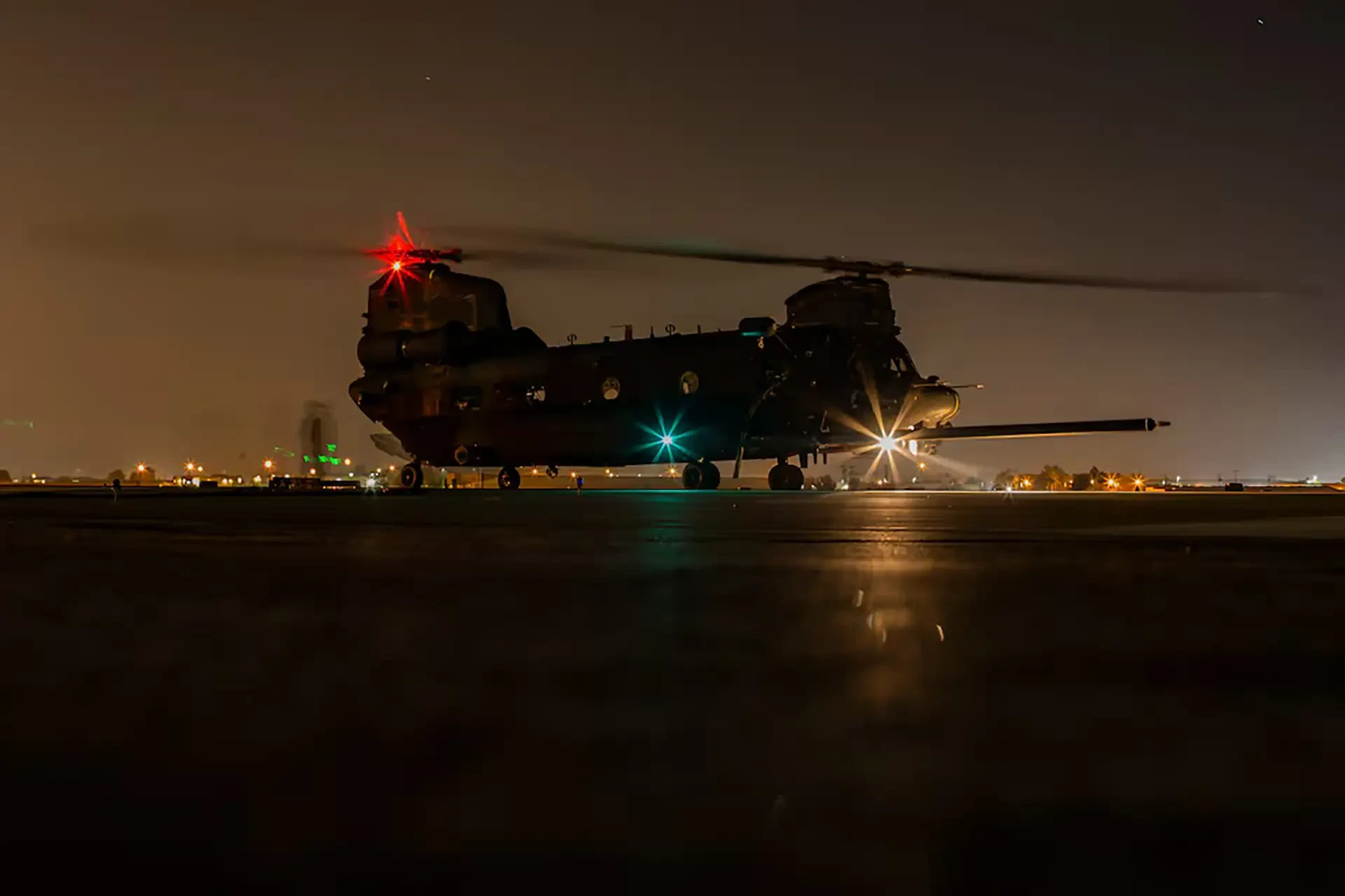
‘The deposit has long been paid, we’re keeping up the monthly payments, but the small print can kill us at any time….’
Operating with the current crop of Night Vision Imaging Systems (NVIS) under extreme low-light conditions puts crews at the limit of their equipment’s ability to form a useable image. As we seek ever darker night to maintain the advantage of the superior sensitivity of the latest Gen III systems, keeping faith with the mantra ‘we own the night’ brings greater risk, especially for less experienced operators faced with complicated missions over potentially unfamiliar and challenging topographies. Perhaps a more respectful ideology towards the Dark Lord might push us more towards critical vigilance as we employ our goggles, and not just on the darkest of nights. Complacency and workload are uneasy bedfellows…
Mantras, Mantras…
‘Limitation, operation, indication…’ remember this? Mantra for aviators, but also relevant to all types of mechanism or system, since all will have some sort of limitation:
Limitation – a restriction, be it state (e.g. altitude, speed/Mach number), environmental (temperature, weather conditions) or operational (Rules of Engagement) that limits initiation;
Operation – valid initiation – may be a sequence of switching, including safety interlocks;
Indication – indicates the system has successfully initiated, is continuing to function correctly, and / or finishes in the selected state.
So far, so mundane, but so what? Well, aircrew still practice this approach every day. For example, when we deploy the landing gear on approach; but how often do we apply the overarching intent of this to other systems in regular use?
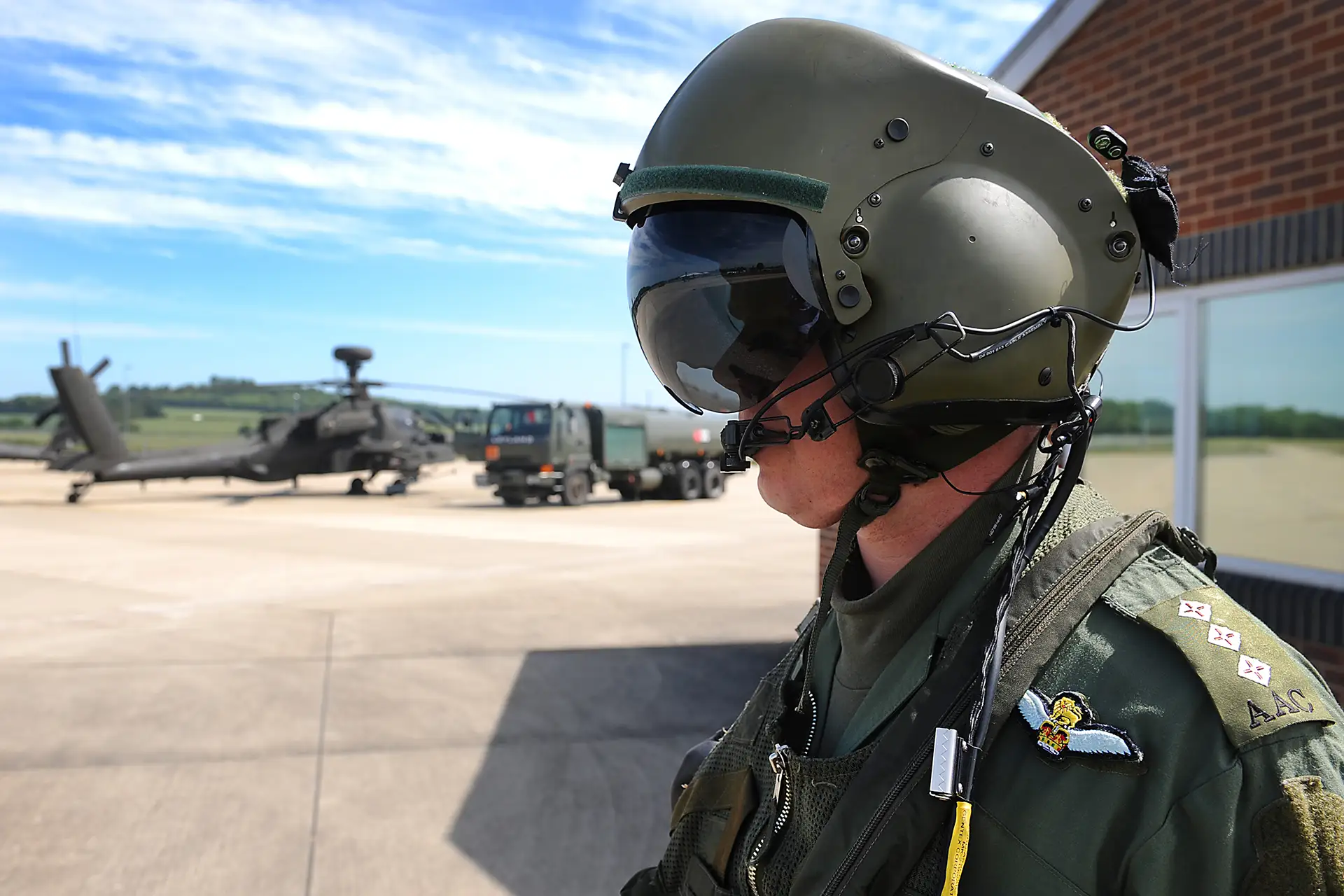
The label ‘a system in regular use’ certainly applies to Night Vision Devices (NVD), and most definitely to Night Vision Goggles (NVGs), approved for flight, and therefore part of the safety assurance trail and operational capability planning. There is likely a fairly large swathe of current operators who don’t remember the historical plethora of restrictions on the use of NVGs for pilotage. In the UK, during the early days of developing a fixed-wing visual flight capability on NVG, crews were required to conduct an 'NVG recce' - in other words, fly the planned route by day before undertaking the NVG flight, with strict (5nm) limitations to deviating from the track and minimum weather conditions. Nowadays, with far more experience and high(er) performance NVIS, there are fewer such restrictions, with the implied responsibility for ‘limitation, operation, indication’ resting purely with the crew:
“We own the night” – we’ve heard that few times? Proudly proclaimed by many militaries, air, land and sea, implying the certainty of ownership, the inevitability of defeat if anyone dares to challenge. This ethos also promotes confidence; in the equipment, the team, the Tactics Techniques and Procedures TTPs (to which I’ll add Training) and their derived Standard Operating Procedures (SOPs). All great stuff, but in the night environment, and particularly in the airborne role, there are a number of factors that can conspire to shake the rhetoric and introduce uncertainty into that definitive statement of ownership.
“Owning the Night”
‘Owning the night’ grew from the introduction of truly effective night vision devices, led by the US military with the introduction of Generation III (Gen III) Image Intensifier Tube (IIT) installed in head-mounted binocular NVGs. Gen III’s Gallium Arsenide (GaAs) photocathode and associated Micro Channel Plate (MCP) bestow high sensitivity and near 20/20 resolution performance. Remember also, for an analog system, the binocular presentation is important to reduce perceived ‘noise’ in the image for increased contrast at low light levels. This technology, combined with reduced acquisition cost through mass production (thanks to successive US Army 'Omnibus' (OMNI) contracts), and fierce protection of the technology through International Traffic in Arms Regulations (ITAR), provided the US, and selected allies, with an operational advantage for many years on the battlefield, where previous (Gen II) NVDs simply couldn’t support operations on the darkest of nights.
This operational hegemony and the freedom it delivered in most theatres of operation arguably drove the perception of invulnerability when operating beyond the capability of the adversary; not an unreasonable assumption (other tactical factors notwithstanding), but as potential enemy’s own night vision capabilities developed, ‘ownership’ became more akin to ‘shared tenancy’, with the only truly private space now visualized as ‘the smallest room with no windows’! Given the dominance of highly developed TTPs, the West remains far more adept in the night environment and certainly under conditions of extreme low light, but the shift towards seeking out very low light levels to gain tactical advantage brings its own set of problems, with the danger that TTPs overstretch the equipment in the face of more challenging conditions… Limitation.
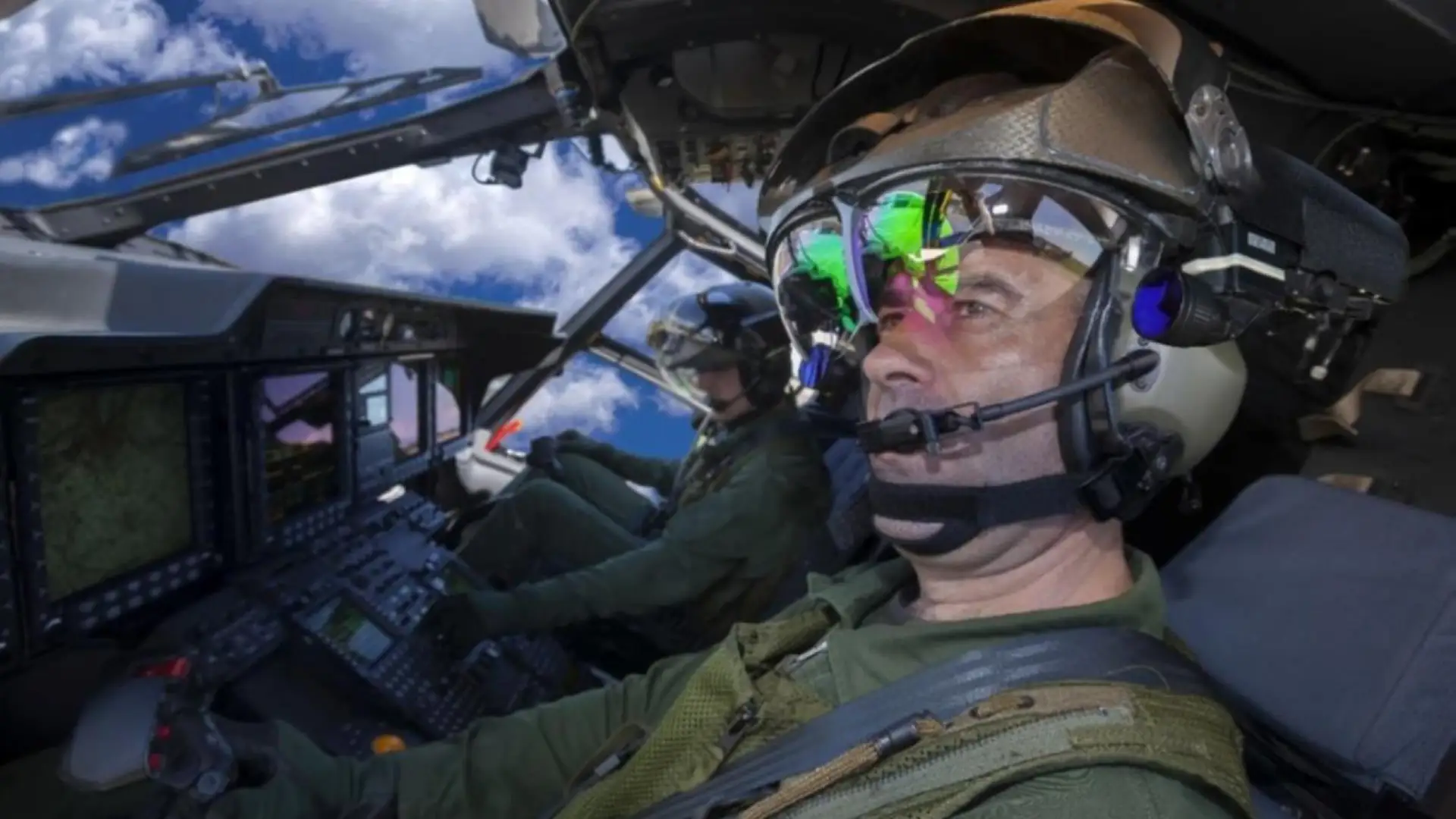
Speaking of limitations, historically, the US Air Force imposed a 0.0022 Lux threshold (whilst acknowledging the limitations of NVIS light prediction programs at the time) for NVG training flights. Visualizing this limitation, assuming 0.01 lux equates to a quarter moon, and 0.001 Lux to starlight-only conditions, you can see (no pun…) this is ‘fairly dark’, so how does that compare to current NVG IIT performance?
Historically, the 2.2 mLux limitation was introduced with the advent of the Gen II NVG, incorporating an Image Intensifier Tube (IIT) with an S25 multi-alkaline photocathode, which, combined with the introduction of the MCP, represented a massive leap over Gen I. However, considering the ‘shot-noise limited’ region of IIT performance, where illumination level drives the image, with the result expressed as Signal to Noise ratio (SNR), the 2.2 mLux limitation, IMHO, made sense for Gen II. However, with the advent of Gen III, featuring the aforementioned more sensitive GaAs photocathode with superior SNR, the rule seemingly faded into irrelevance in the early to mid-2000s (although I admit to not being able to find any official communication regarding the retiring of this rule).
In the UK, as users of Gen III NVG in the mid-late 1990s, we had no such rule, and, while it’s difficult in our small island to find areas with absolutely no cultural lighting to augment the scene, we routinely suffer many (many…) overcast nights and high absolute humidity (non-technically called rain…) denying complimentary IR systems; we were therefore very used to operating in very low light conditions, quite often starting with 1 mLux (predicted) and working it out from there…
Unfortunately, a broad-brush light level limitation is really not the whole story; after all the available illumination works with the albedo (reflectivity) and contrast (range of reflectivities) of the outside scene, with a healthy dose of so-called monocular depth cues (objects in the scene familiar enough to range from) to facilitate pilotage. In crude pilot terms, ‘is there enough information in the FoV for me to fly accurately enough for the task/phase?’. In the UK, lots of contrast and usually plenty of depth cues (although careful when that ‘tree’ is actually a ‘bush’…) helps to form a useable image under very low light. Less contrast and few cues (e.g. desert) is a much bigger challenge under low light, as crews found out in Afghanistan. This experience seemingly brought the term ‘Red-Illum’, where low light level was combined with terrain contrast (or lack thereof) and no cultural lighting, to produce a 10 mLux threshold – which seems a lot, until you factor in the terrain contrast and no supplementing sources of illumination unless the use of 'black' illumination delivered by artillery, mortars or other aircraft was available.
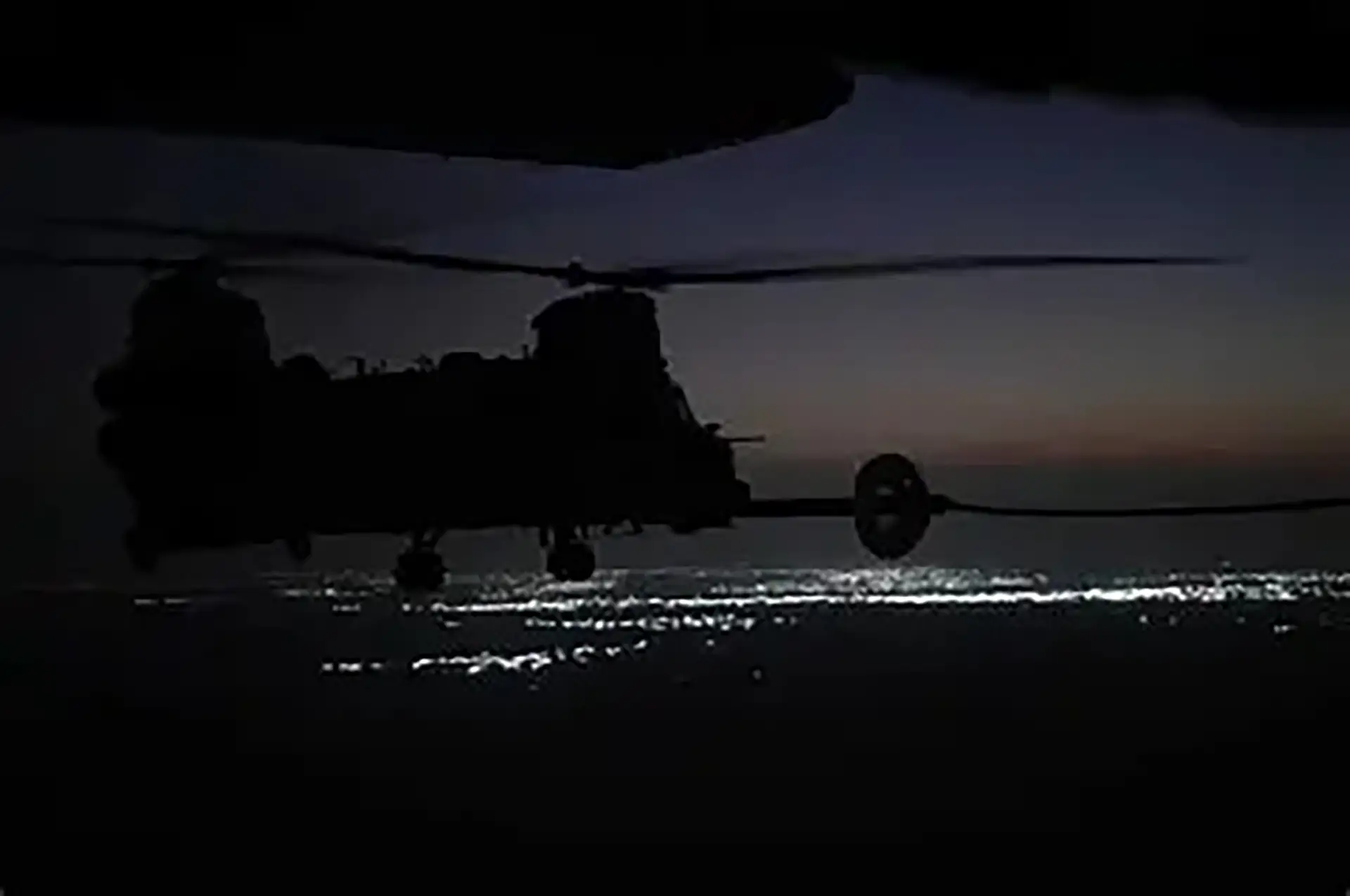
Why do I mention this? Many current crews may not remember the old 0.0022 Lux limitation; add in crew churn, at least in the military, and overall force/fleet experience can vary significantly for an ever more demanding mission set. Nothing new, I hear you say, but this also requires careful consideration of TTPs (and associated, often deeply rooted, folklore, at least with respect to night ops). Strictly linked to experience, it can take time to fully adapt to changes to the operational environment, as witnessed by UK crews transitioning to desert from temperate UK conditions. In fairness, if any of us really want to push the limit of our goggles, just fly out over sea on a moonless night…
All that said, when crews hold a technical advantage in terms of NVIS performance under lower light conditions, the resulting enhanced freedom of maneuver provides for a significant operational advantage. With the sure knowledge that the entire population of the low-level layer is friendly (and relatively sparse), planning and execution can be tightly controlled; with only the reaction of the target area to upset the choreography, tactical confidence is high. However, and not just in the context of NVIS ops, the caution signs have always been there – after a well-executed night mission, successful debrief over, high-fives all round - ever felt absolutely drained? Personally, always…the effort, both physical and cognitive, when operating with NVIS at low level, is extreme, so perhaps we should guard against getting carried away in the euphoria?
“Turns night into day” – remember that one? The answer is ‘no it doesn’t’, despite reference to the (laboratory-achieved/high light) system performance of near 20/20 vision driving the perception that pilotage would be as easy as during the day. This has also arguably driven an unhealthy obsession with the resolution-limiting case; indeed, as the only head-steered sensor in the cockpit for many years, the implication that system resolution was the primary requirement has potentially extended the operational life of traditional binocular NVG, despite the high head-borne mass and adverse longitudinal Center of Mass (CM) impacts, with concomitant Muscular Skeletal Injury (MSI) risk. In truth, other very useful developments in Gen III have been introduced, including thin film/filmless technologies, providing for increased sensitivity at low light levels. That said, the inevitability of diminishing performance as light levels reduce is inescapable - after all, it doesn’t matter if system gain is 5,000 or 50,000 if the level of illumination level is zero!
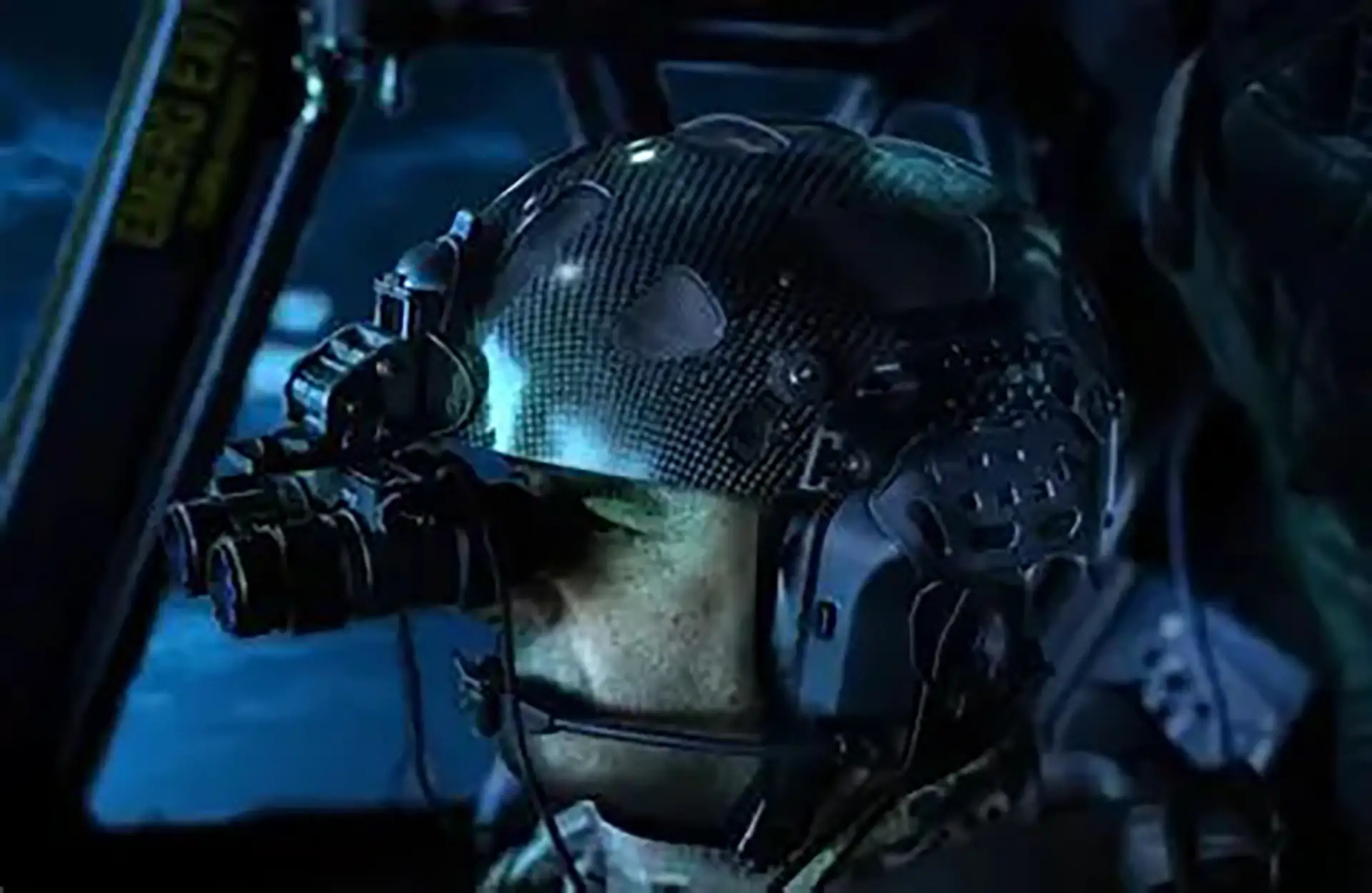
The Low Light Reality
Under extreme low light, (quoted) IIT resolutions of 64-72 lp/mm are largely irrelevant; at a basic level, it’s simply about how many photons we need to make a useable image in the scene – note, in the scene – so even for our relatively high SNR Gen III goggles, there is a limit. How can we assess this (Operation and Indication…)? – part of every crew’s training, there are a number of so-called NVG ‘scans’:
Outside scene: aggressive scanning of instantaneous FoV across required FoR (individual crew area responsibilities defined);
On-axis and off-axis across the entire FoV;
Instruments: flight vector, parameters (speed/altitude) aircraft systems;
Peripheral: potentially useable cues under higher light conditions and NVG battery state (if applicable);
NVG image quality: halos (size/intensity), scintillation, (changing) gain level.
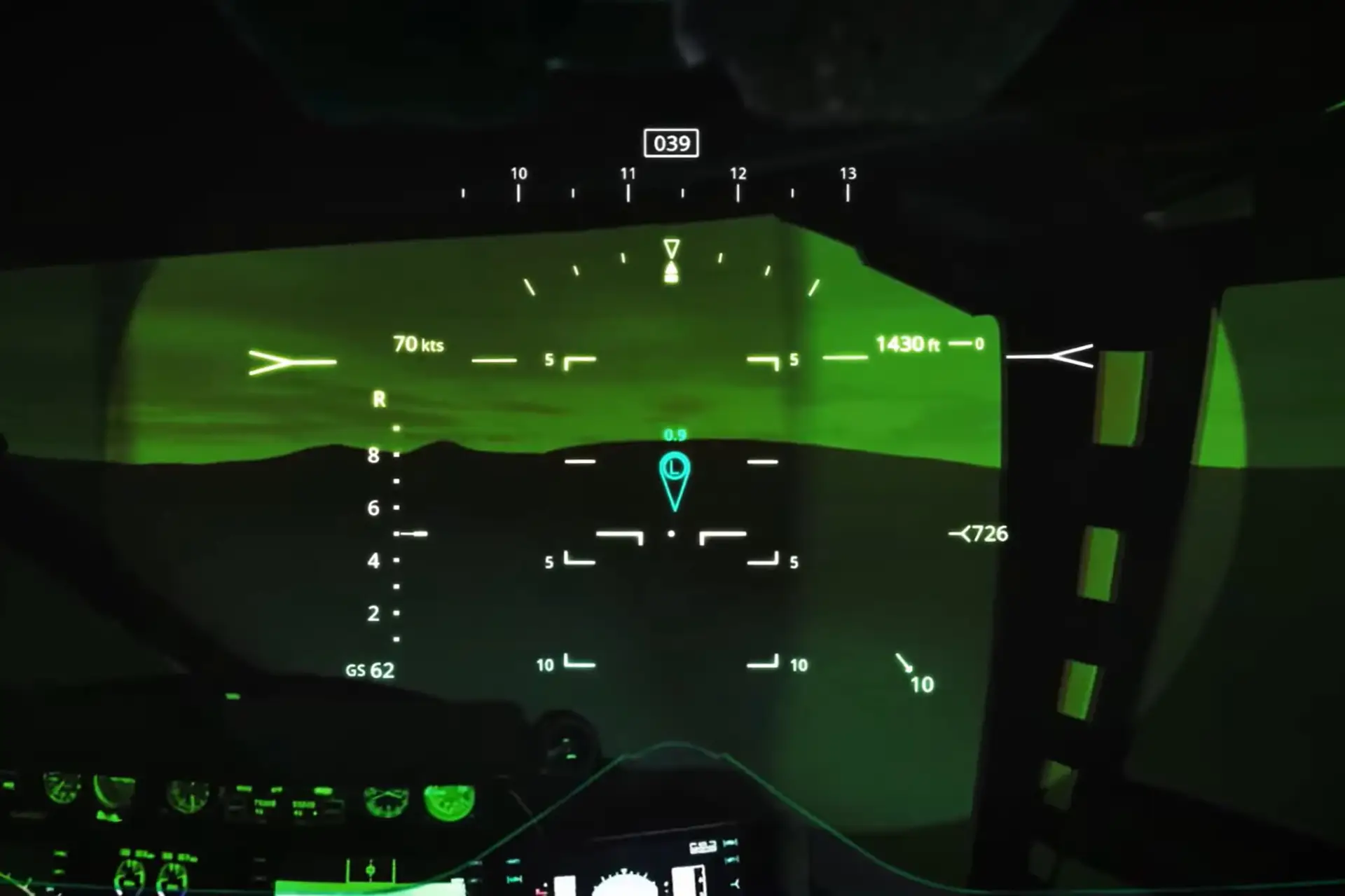
Clearly, depending on the outside scene, actively balancing these scans is important; in all cases, the instrument scan must be robust and accurate – as an old friend and highly regarded tester maintained - “NVG flying is just a heartbeat away from instrument flying” – wise words, and highlights the critical importance of reliable and accessible flight information to support the visual presentation of the NVIS image. Previously, this merely implied excellent Instrument Flying (IF) skills on the part of the pilot, and a set of Head-Down flight instruments, be it ‘Standard T’ or Primary Flight Display (PFD). Nowadays, the employment of flight symbology into the NVIS FoV brings its own challenges, especially when considering conformal presentation, where further challenges, including certification for Primary Flight (PF) information and off-boresight presentation, lurk. Considering the raging debate that the introduction of electronic flight displays brought, we’re overdue a similar conversation regarding off-boresight PFD? I expect this will be coming shortly, as attached flight displays and PFD-certified HMDS become more commonplace in the military, and leak into the civilian world, including the implementation of conformal presentation, especially when combined with non-conformal head-up and electronic head-down displays. This point neatly brings me to workload:
‘The (NVIS) World is not enough’…
As we look for the darkest corner of the night to ‘own’, the NVIS image alone is not going to provide enough information on its own for pilotage; so it transpires with the aforementioned injection of symbology, non-conformal in the first instance, to provide more information to the crew’s eyeline and retaining a ‘heads-out’ view of the scene. Blending scene imagery (remember the image assessment scan) with digital and vector information in the central 20-degree foveal view, crews are now working very hard indeed, leaning more and more on the symbology (and complementary sensors) to make up for a noisy, degraded NVG image. Noting the forms of supplementary information, from symbology presentation to the foveal (and increasingly, peripheral) view, to complementary sensors, cognitive load massively increases. This is highlighted when pilots attempt to fuse NVIS (Near IR) and M/LWIR images, one intuitive, from the reflected scene, the other non-intuitive, from the emissive scene. On this, the move from a P-43 (green) to a P-45 (white) phosphor screen in the IIT is interesting. Often described by operators as providing higher resolution – this (incorrect) perception (the resolution is exactly the same) is instructive, both in the operational and Test and Evaluation (T&E) environments. Where does comfort (easier to consciously view/fuse similar shades of grey vice a grey/green combination) aid or hinder the viewer’s ability to differentiate subtly different information (a shadow vs a heat signature) in an overlapped scene presented directly to the eye? If the NIR contribution to my image falls off, leaving a solely L/MWIR image, will I continue to properly process the image information, especially if I’m working hard with other aspects of the mission? As I said, our interpretation of the (reflected) NVIS image is entirely natural and, even accounting for the monocular aspects, represents a relatively small cognitive workload. With similar monocular issues in a similarly presented L/MWIR image, an initially very similar image may present very different information, requiring significant cognitive effort to interpret.
Now we’re potentially getting into ADS-33 and the Useable Cue Environment (UCE), in the face establishing Visual Cue Ratings (VCRs) under a wider range of Mission Task Elements (MTEs) – in this respect, ADS-33 in its current form is somewhat ‘light’. Clearly, there is a point where the NVG image, on its own, is insufficient to support the desired MTE, which might be formation flying over water – I make this observation deliberately. That said, outside of highly-controlled flight test and evaluation, it is not as easy as it might sound to be constantly assessing the UCE, although there are undoubtedly factors in any situation which indicate things are getting difficult, not least the ‘hairs on the back of the neck’ or the impeding ‘pucker’ – unfortunately, when workload is very high and task pressure is in full swing, these factors can be ignored – I admit to suffering this myself during various low-level sorties in traditional UK weather where I ‘pushed on’ instead of aborting. When workload is high, crews really need some defined parameters to work to; I’m certainly not advocating ‘rules’ per se, merely a framework in the vein of the NVIS scans above, that will aid in assessing visual cues vs. the task.
On the point of NVIS mishaps, and just for completeness, there is the reverse case, under high illumination, where overconfidence in the displayed scene (and low goggle gain) conspire to lure crews into an undesired state, often Controlled Flight Into Terrain (CFIT). It might come as a surprise just how many mishaps occur under high light conditions!
“We already do this!”… A valid comment, especially in the context of the NVG quality scan we all perform; we will detect scene degradation through increasing halo intensity, scintillation (noise), and decreasing image brightness, surely? Absolutely, and that will also inform terrain clearance where surface contrast is high, but what about a low-contrast surface and monocular depth and distance perception? Under very low light conditions, detecting deterioration through gain change is more subtle, and the change in detail of a low contrast surface marginal, so entering poor weather is not necessarily well flagged, especially considering the workload – the image quality scan is not automatic and can be literally lost in the noise (!).
Significant Physical and Increasing Cognitive Workload
So, what’s the story here? Well, as we push the limits of our equipment in the night environment, and hard boundaries have given way to continuous operational oversight and crew assessment, it’s usually worthwhile providing a baseline for crews to base their continuous assessment of SA. Not so much in terms of NVIS the image per se, since we have already passed the point of sole dependency, but in terms of the contributions, quality (and weighting), of all of the contributors – call it an ‘SA quotient’, for want of a better term. Breaking it down and looking at it in the sense of a continuously variable ‘sensor plan’ for pilotage, NVIS and other IR imagery, non-conformal and conformal terrain/obstacle symbology, and flight/state information, including display means (fixed Head-Up, Head-Down, Head-slaved), we can consider accuracy, reliability (presence), and perception, individually and in combination. In the face of variable environmental and scene conditions, including terrain characteristics and weather, we can evaluate the value of each, and identify the most powerful contributors at any time. This is where T&E comes in; front-line crews’ capacity is limited under high workload, so the test effort should carefully consider this, and seek to reduce, where possible, both physically (reducing adverse head-borne Mass/CM) and cognitively (readily interpreted imagery and symbology presentation). Admittedly, for the current crop of advanced HMD, such as TopOwl, much of this work is surely part of the design and development of the system, but for widely adopted systems, the critical interaction with the operational environment is not (and in reality, cannot be) considered. So, questions like, in the instance of severely degraded NVIS and injected IR, can I operate solely with a combination of conformal and non-conformal symbology? While the answer may be a qualified ‘yes’ for some combinations of mission/environment, it would be really good to know the limit. If so, what would be the follow-on requirements for TTPs? I’ve referred to the military T&E community being the ‘gatekeepers’ before; the evolution of capability, with the attendant addition of more capable systems, these changes must be introduced with due consideration to workload, with appropriate advice to the Front Line. This imperative assumes appropriately trained and experienced T&E crews – considering the aforementioned ‘churn’, maintaining this is no small feat.
BSMN 83
OK, so it’s taken a little while to get here, but the point, considering we’ve had NVD for a long time, is that we’re not just implementing NVG in the cockpit; our ‘night vision’ is now less purely vision-based, more visually-derived SA. What this means, and especially for operators who ‘own the night’, is that the extreme low-light environment, plus a plethora of supporting systems, including HMD, complementary sensors and conformal and non-conformal symbology, requires ever closer attention to crew workload.
With the advent of advanced HMD, themselves evolving in terms of image and data presentation, the cognitive workload, always high in night operations, can saturate crews when mission demands increase and/or environmental conditions deteriorate.
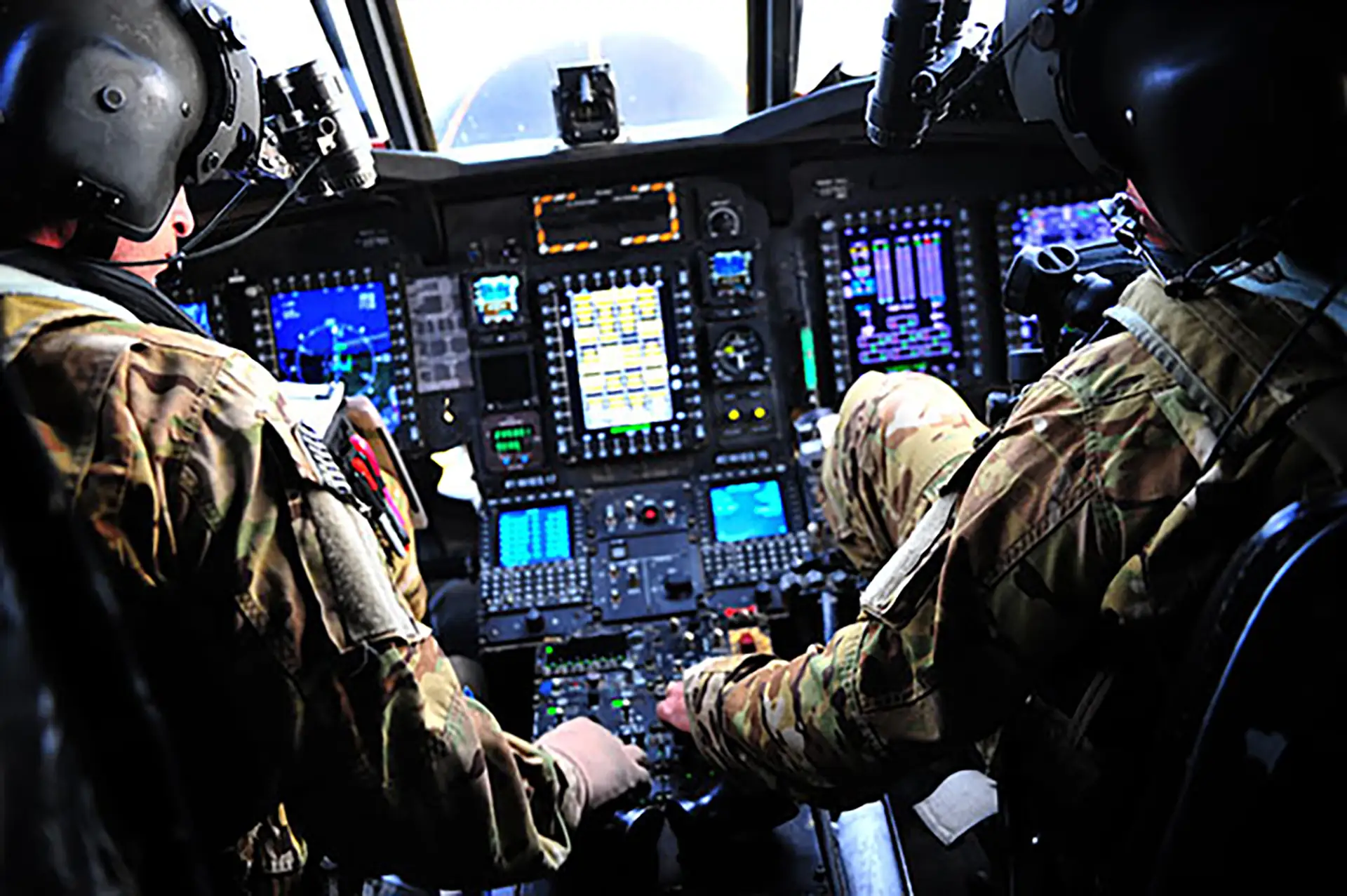
A case in point was the Australian Army Bushman 83 crash, involving a four-ship of MRH-90 helicopters, operating over the sea near the Whitsunday Islands during July 2023. The Australian Defence Flight Safety Board (DFSB), Aviation Safety Investigation Team (ASIT) concluded that “the most plausible cause of the accident was Type I (unrecognised) Spatial Disorientation (SD) leading to controlled flight into Terrain (CFIT)”.
SD, yet the crews were operating the TopOwl HMSD, incorporating visor-displayed NVIS imagery, head-steered FLIR and injected symbology, integrated into a properly fitted, stable and balanced helmet, representing one of the most modern night vision systems? The DFSB report mentions a number of issues, including weather deterioration, instrument scan vs. HMSD display and crew workload distribution. The content of the full report has been analyzed elsewhere, but suffice to say, there are a number of lessons to be learned for operators who wish to ‘own the night’, not least some peripheral discussion regarding the TopOwl presentation standard for conformal and non-conformal symbology. Was there enough information presented in the pilot’s eyeline to achieve the MTE? If the answer, in the context of UCE and VCR, is 'yes', then clearly the crews’ Type I SD was a perception issue? A challenge for the aftermath of this tragedy is understanding how the crews’ misperception occurred, quantifying the workload, and adjusting TTPs, including SOPs, to cater for changing environmental conditions.
Augmentation – more work required
While the days of imposed light level limitations are long gone, we’ve passed the point where NVIS alone provides sufficient cues for pilotage, with supporting symbology and complementary sensors ‘filling in’ for SA, but we must respect the commensurately increased workload, especially under the most severe environmental conditions. Evidenced by perception issues, and this holds true for high light/over confidence as well as low light/high workload, there is some work to be done to ensure the current crop of integrated HMSD are as intuitive as possible. Managing cognitive workload through display design and presentation will be key to re-establishing ownership, with operators retaining a healthy respect for the most challenging of environments…