 HOME
HOME




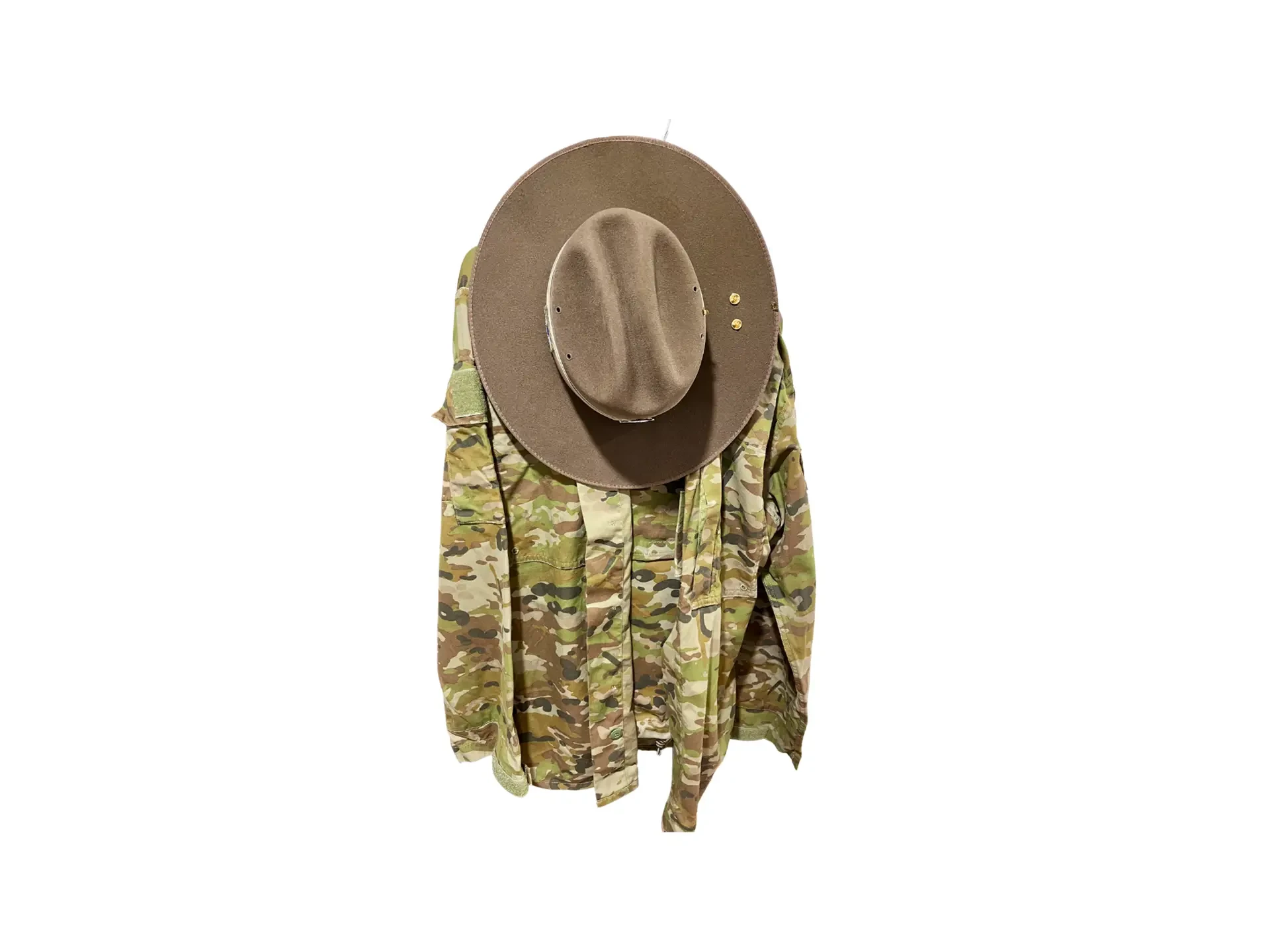
There is a particular silence that follows when the engines spool down for the last time.
For years, you’ve lived by the rhythm of checklists, rosters, and radio calls. There’s a familiar hum of belonging that comes from knowing your place, your crew, and your purpose. Then, one day, it shifts. The uniform that once felt like armor now hangs in the wardrobe, untouched. And somewhere between pride and uncertainty, a quiet question surfaces: Who am I now?
I remember that question well.
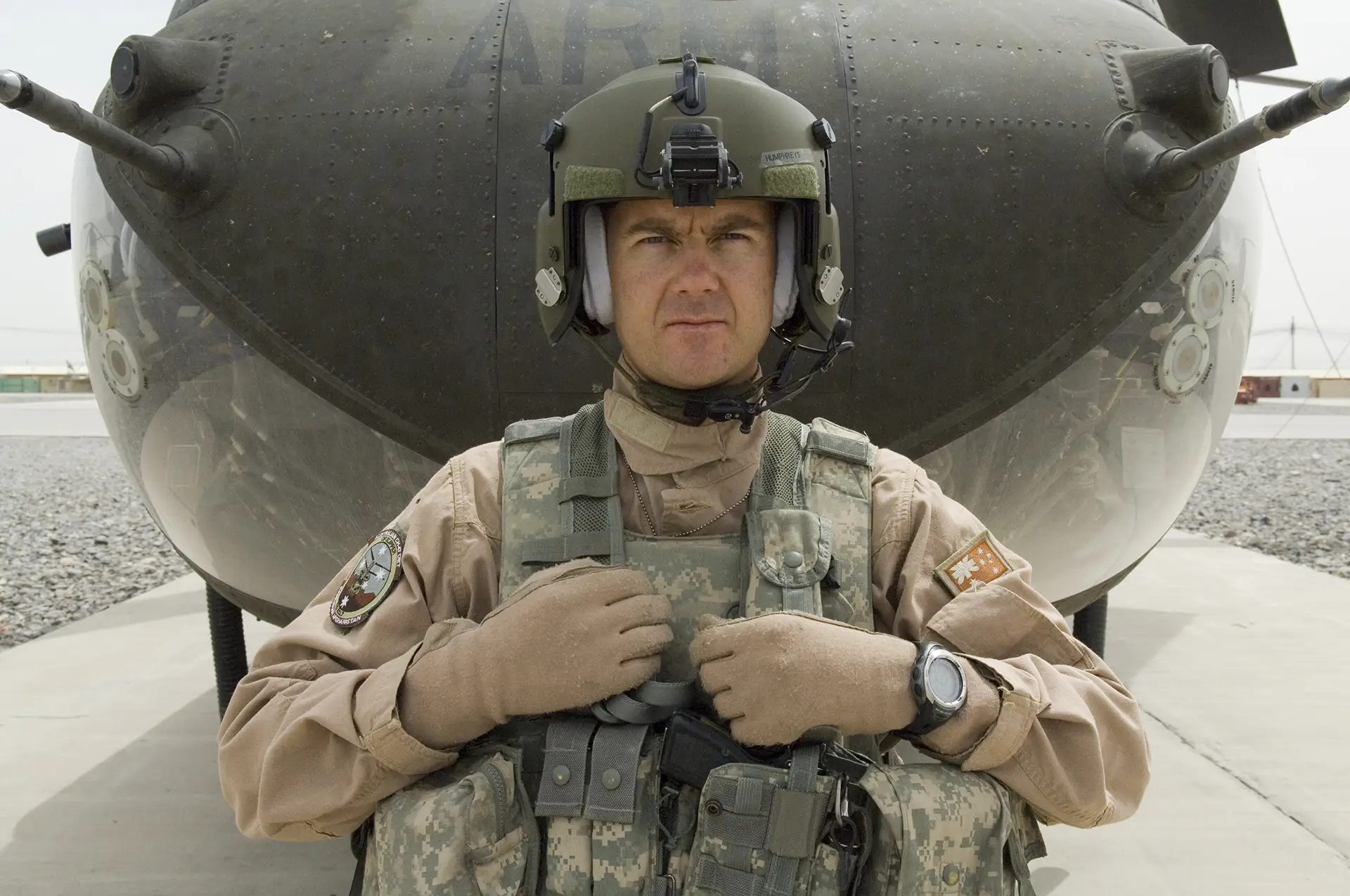
For decades, flying was the medium through which I served. I was a pilot. A leader. A trusted part of a crew that shared the sky, taking soldiers into battle, saving sailors at sea and rescuing those in peril. Highly competent and capable with self-worth to match. Then, almost without warning, the scene changed. The helmet came off. The uniform followed. And I realized I had built so much of my identity around what I did, that when it was gone, I wasn’t sure who, or what, was left underneath.
That’s a confronting place to be. And in aviation, it’s perhaps the thing we most fear.
We talk about fatigue, safety, and human factors. But not the quiet unravelling that happens when a pilot, engineer, or crew member steps out of their role and into something else. Even a role change inside the same organization, from operations to management, from flying to training, from uniform to suit, can bring a similar uneasy question: Where do I fit now?
The Rhythm Shift
One of the hardest parts of transition is not only what you’re leaving behind physically. It’s the rhythm that goes with it. Aviation is built on structure and systems, and no matter whether you’re flying traffic patterns or briefing a team, you’re part of a cadence at the individual and collective levels. A professional rhythm that keeps the machine moving with purpose.
Any aircrew reading this knows that Crew Resource Management, or CRM, forms the backbone of how we operate in aviation. It’s more than communication. It’s culture. It’s clarity. Even life and death. It teaches you how to speak up, how to listen, and how to work as one team when bored or under pressure. CRM, though invisible and intangible, helps to give aviation its structure; not just in the air, but in the day-to-day flow of our work.
Add to that the routines: the daily maintenance checks, the pre-flight briefings, the post-flight debriefs, the periodic simulator sessions, annual checks, and instrument rating renewals. They don’t just make you a safe pilot. They make you a structured human. There is rhythm in those repetitions. You wake up with a plan. You live with accountability. And without even realizing it, your identity becomes synchronized to that cycle as your competence increases and your self-worth grows.
Yet moving into a new role can feel like stepping into foreign airspace. Some things are familiar, but many of the old signals are gone. The pace is different. You might be moving from cockpit to classroom, or from the flight line to a leadership position. And while the technical knowledge may stay the same, everything else feels off balance. Your competence and self-worth take a hit.
For some, the move from an almost binary world of checklists and mission completion to one of shifting agendas and leadership ambiguity can be particularly difficult. There’s no question the role has changed, but the part no one talks about is that your professional heartbeat changes with it. A deleterious move if not handled carefully. Of course, though, not all transitions are chosen. Some are forced.
When the Choice Is Not Yours
Injury. Organizational restructure. Medical outcomes. Redundancy. Life changes that leave you grounded while you still have fuel in the tank. That hits differently. That’s more of a gut punch.
When you don’t choose the transition, you’re not just adapting to change. You’re grieving the loss of something that mattered. The rhythm. The role. The tribe. You’re trying to make peace with something that was taken, not surrendered.
In aviation, we’re trained to assess, adapt, and respond. But when the change is personal, and the cockpit is gone, those instincts take time to catch up. There is no simulator for this kind of turbulence. And let’s be honest, in our line of work, many of us learnt overtly and implicitly that worth is tied to contribution. That you prove your worth by getting the job done. So, when the uniform comes off, and the role shifts, it is natural to feel like your value has too.
I recently had a conversation with Australian researcher Dr Lionel Evans, PhD, about Competency-based Self-Identity. Whilst it’s not unique to aviation or the military, put those two together and you’ve got a herculean bonding that directly associates job competence (meaning ‘you’re capable of doing it and you are doing it’) with a sense of self.
It goes without saying that no one is competent on their first day in a new role. We go through training, trials and error. We gain experience and progress through the stages of unconscious incompetence, to conscious incompetence, conscious competence, and for those who master the role, eventually to unconscious competence. It’s these experiential iterations that together form our ‘Accumulative Identity’.
Dr Evans says that it's not just our job competence that accumulates, though. The connectedness we feel to a group of people, organization and geographic location all contribute to the identity that is accumulated. Just like money in a piggy bank, each individual coin counts. As long as we’re continuing to accumulate ‘coins’ that validate our sense of competence, our Accumulative Identity is nourished. However, when any of those pieces are taken away, it’s like there’s a hole without a plug in the bottom of little piggy. And, if our competence and connectedness are all taken away without warning, little piggy has been stolen.
Now, depending on the exact circumstances, you may not be able to control the change, but you can control the story you tell yourself about it. And that story will shape how you show up. You haven’t lost your value. You haven’t lost your training. But you might need to recalibrate your instruments. And that starts with acknowledging the loss, without letting it define you.
You need to find a new rhythm. A new CRM for life. One that gives you purpose, keeps you connected, accountable, and aware. Whether it’s through fitness, journaling, coaching, or connection, you need to create rituals that give you lift. Otherwise, you stay on the ground longer than you need to. Before we get to that though, here’s something else we don’t talk about enough - shame.
The Weight of Shame
It is not always loud. Sometimes it just whispers. Tells you that you have failed. That you used to be someone people respected. That now, without the uniform, without the title, without the role, you’re useless. You see, shame is the opposite of pride. And our pride is directly correlated to our self-worth.
But shame is not truth. It’s perception. And that perception is often based on outdated stories we tell ourselves about status, success, and strength.
If you’re feeling shame about your transition, ask yourself this: Where is that message coming from? Who told you that your value ended when your flying did? Because if that voice isn’t helping you grow, it doesn’t belong in your personal cockpit of life.
You’re not broken. You’re adapting. You’re not lost. You’re in between. And this space, uncomfortable as it is, is where growth begins. Whilst shame can be debilitating, the only failure is choosing not to try. Choosing to hide. Choosing to believe the lie that your best days are behind you. They are not. But they will stay out of reach if you keep judging yourself by a uniform you no longer wear.

Rebuilding Identity
Depending on the circumstances, the loss of one’s identity can be associated with feelings of grief and trauma for the loss of our old ‘self’. And the longer we mourn or attempt to hold on to the past, the harder we’ll find it to rebuild our ‘self’. The sooner we can come to a true state of acceptance for the new situation, and as Dr Evans’ research suggests, then learn to quarantine any residual feelings of grief and loss, the sooner our new ‘self’ will be able to appear.
Note that ‘acceptance’ has nothing to do with fairness, blame or guilt. As a coach once said to me, nothing about life is fair, and acceptance means “I don’t like it, want it or condone it. It simply is or was. It’s now a historical fact and has no relevance over the choices I make today”. And she was right.
None of us needs to look too far to find evidence that life isn’t fair or just. Similarly, dwelling on the past expends energy that’s better used in the three seconds of ‘now’ as that’s the only time that ever actually exists. Once our mindset steadies, we can then look to our new operating environment.
Instructors, check pilots, and mentors often step into management roles thinking the transition will be seamless. After all, they have led crews, managed emergencies, and taught systems. But many find themselves blindsided by the culture shock.
That’s because those previous leadership roles had clear boundaries. The military has the authority of ‘Command’ that makes leadership simple. There was a standardized manner of learning, a structure of career and flying progression, understanding and applying SOPs. As a result, there were very few surprises other than the enemy, engine failures or weather.
But in the corporate or organizational environment, you’re suddenly managing people’s personalities, their histories, their insecurities, and your own. ‘Standard’ is a divisive word, and there’s no checklist for emotional turbulence. Leading here is not just about making decisions and issuing the next directive. Leadership in the civilian space is difficult, factional and personal. It’s about creating a culture that resonates individually and collectively, holding space and staying grounded when everyone else is spinning.
And no one teaches you that in flight school.
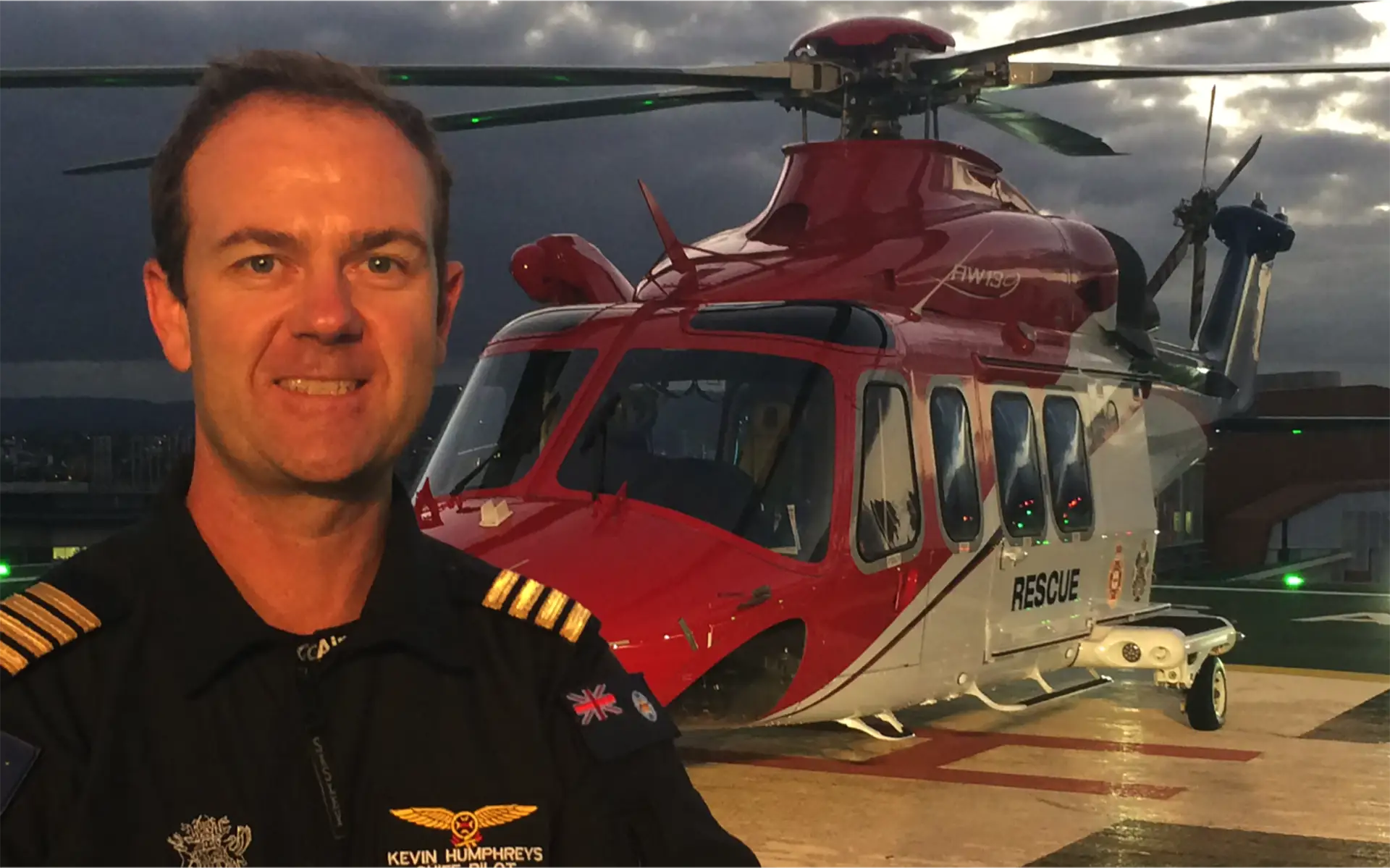
These days, my uniform looks different. A business shirt. A microphone. A room full of people learning to lead with intent. But the mission is the same. Intention. Self-leadership. Teamwork. Excellence. It took a few years to realize I still serve; it’s just through a different medium now.
What I’ve come to see is that what I loved about flying wasn’t just the aircraft. It was serving others, clarity of purpose whilst doing so, the camaraderie, and the pursuit of excellence. That hasn’t gone anywhere. It’s just evolved.
We often think transition requires reinvention. It doesn’t. It asks for remembrance. Remembrance of who you are at your core. Without the helmet, without the wings, without the label. When you rediscover your core values what you bring to the table now is not just skill, it’s perspective. It’s leadership forged in pressure, humility learned through error, and a presence that makes people feel safe just by how you show up.
And that presence—that grounded, calm, mission-ready clarity—that’s what people need most in times of change. Best of all, you don’t need to learn a new acronym or process to put it in motion.
Aviate, Navigate, Communicate, Innovate
When things unraveled for me, I leaned back into what I knew. The foundations. The mindset that kept me alive in the air. Aviate. Navigate. Communicate.
But I added one more word to the list. As all pilots know, the last step in any unusual attitude recovery is ‘what happened and how do I ensure it doesn’t happen again? To answer that question, we review, analyze, decide and act; in other words, we Innovate.
Aviate is about stability. When life’s weather is turbulent, get your wings level and nose on the horizon. Even if the mission is unclear, maintain control of your own state; your wellbeing, your mindset, and your routine by getting back to basics. Sleep, exercise, nutrition, and self-compassion. These are your stabilizers. Embrace them.
Navigate is about direction. What are the stories you’re telling yourself? Where are they taking you? Are they really true? What does service without a uniform look like for you? What’s your north star? No matter the role or circumstance, you still have a purpose. Find it.
Communicate means reaching out. You’re not flying solo. Talk to someone. A friend, a coach, a peer. Too often, we isolate when life gets hard. But your crew’s still out there, even if it looks different now. Find them.
Innovate requires us to evolve with intention. Once you’re stable, once you know your direction and you’re connected to others, it’s time to adapt. Try something new. Test a different heading. Mentorship, study, start your own thing, or simply explore new ways to apply your experience.

Cleared to Land
When the uniform comes off and you leave the role, it can feel like the ground disappears beneath you. But the truth is, your value was never stitched into your name tag or sewn into your wings. It was in the discipline, the service, the courage, and the clarity you brought to every mission. That hasn’t gone anywhere—it’s just waiting to be redirected.
Rebuilding identity beyond the role isn’t about starting over. It’s about returning to what has always been true beneath the surface: your character, your competence, your capacity to lead with purpose. Transition is hard, yes—but it’s also a chance. A chance to lead with more intention, to live with more depth, and to serve from a place that’s not defined by rank or uniform, but by who you are when no one else is watching.
Because that’s where real leadership – and life, begins.